

When to Consult a Hair Loss Specialist: Understanding Your Options
Losing hair can be a real bummer, right? You start noticing more strands on your pillow or in the shower drain, and suddenly you're wondering what's going on. It's super common, especially as we get older, but it doesn't mean you're stuck with it. There are ways to figure out why it's happening and what you can do about it. Sometimes it's just a simple fix, other times it might be something that needs a closer look from a professional. Thinking about seeing a hair loss specialist? Let's break down when that might be the right move and what to expect.
Key Takeaways
- Sudden or patchy hair loss, or changes like a receding hairline or thinning crown, are signs it might be time to talk to a hair loss specialist.
- A dermatologist can help figure out the cause of your hair loss through questions, examining your scalp, and sometimes blood tests or a scalp biopsy.
- Medical treatments like FDA-approved medications can slow or stop hair loss, and addressing things like hormonal issues or nutritional gaps can also help.
- Advanced options like FUE and FUT hair transplants move existing hair to thinning areas, but they require careful planning and realistic expectations.
- Consulting a hair loss specialist is key to getting a proper diagnosis, developing a personalized treatment plan, and understanding long-term strategies for hair preservation.
When to Seek a Hair Loss Specialist
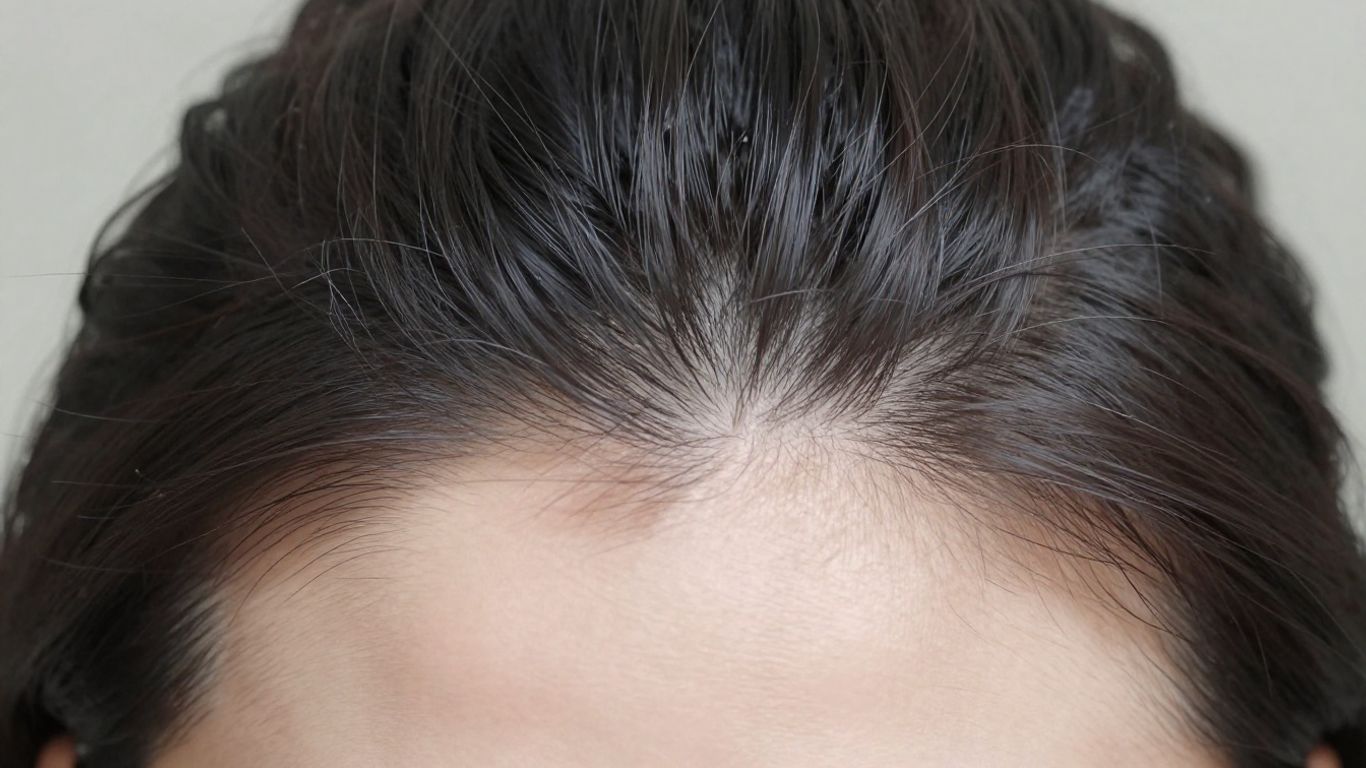
Sometimes, you might notice your hair isn't as thick as it used to be, or maybe you're finding more strands on your brush than usual. It's easy to brush these things off at first, thinking it's just a phase or stress. But if these changes stick around or get worse, it's probably time to get a professional opinion. Ignoring early signs can make it harder to treat later on.
Recognizing Early Warning Signs of Hair Loss
Lots of people experience some hair shedding daily, which is totally normal. But when does it become something more? Keep an eye out for these common indicators:
- Increased shedding: Finding way more hair than usual in the shower drain, on your pillow, or caught in your hairbrush.
- Noticeable thinning: Your ponytail feels less full, or you can see more scalp through your hair, especially at the crown or temples.
- Receding hairline: The line where your hair meets your forehead starts to move back, particularly at the sides.
- Family history: If hair loss runs in your family, you might want to be more proactive about monitoring your own hair.
Understanding Sudden or Patchy Hair Loss
While gradual thinning is common, sometimes hair loss happens much more abruptly. This can be a bit more alarming. You might notice:
- Sudden shedding: A significant amount of hair falling out over a short period, often without an obvious reason.
- Patchy bald spots: Round or irregular areas on your scalp where hair has completely fallen out. These can sometimes be itchy or sore.
- Overall thinning: A general decrease in hair volume across your entire head, making it feel much lighter.
If you're experiencing any of these, it's a good idea to see a doctor. They can help figure out what's going on. For instance, sudden or patchy hair loss might be linked to autoimmune conditions or other health issues, and getting a diagnosis early is key.
When to Consult a Hair Loss Specialist for Scalp Issues
Your scalp is the foundation for healthy hair growth, so any problems there deserve attention. Don't hesitate to seek help if you notice:
- Itching or soreness: Persistent itching, burning, or pain on your scalp that doesn't go away.
- Redness or inflammation: Visible signs of irritation, swelling, or redness on your scalp.
- Flaking or scaling: Unusual dandruff, crusting, or scaling that seems different from typical dry scalp.
- Sores or bumps: Any open sores, pimples, or unusual lumps on your scalp.
These symptoms could indicate infections, inflammatory conditions, or other issues that need professional treatment. A dermatologist can examine your scalp closely and determine the best course of action, which might involve specific shampoos, topical treatments, or even oral medications. Sometimes, these scalp problems can directly lead to hair loss, so addressing them is a two-in-one solution for hair health.
It's easy to feel self-conscious about hair loss, but remember that it's a common issue affecting many people. The good news is that there are more options and treatments available now than ever before. The most important first step is to get a clear picture of what's causing your hair loss. This professional evaluation is the bedrock upon which any successful treatment plan is built.
Diagnosing the Cause of Your Hair Loss
Getting to the root of why your hair is thinning or shedding helps you find the best way forward. It's not just about stopping extra strands in your hairbrush; it's about understanding what's going on in your body. Hair loss isn't always straightforward—sometimes it needs a little detective work with the help of a specialist.
The Role of Dermatologists in Hair Loss Diagnosis
Finding out what's causing your hair loss usually starts with a visit to a dermatologist. These doctors are skilled at sorting out all the details that can affect your hair, from your scalp condition to your daily routine. A typical visit involves:
- Asking about your health history and family background
- Examining your scalp, hair, and even your nails up close
- Gently pulling on your hair to test how strong it is
- Discussing your diet and hair products, which can influence hair health
For more detail about how doctors get to a diagnosis, see this step-by-step description of the process.
Sometimes, your dermatologist may spot multiple issues at once—like shedding from stress mixed with a bit of early pattern thinning.
Understanding Medical and Lifestyle Factors
Hair loss often points back to specific factors, and not all are related to aging. Here are some things dermatologists will consider:
- Hormonal imbalances (like thyroid or post-pregnancy changes)
- Iron deficiency or other nutritional gaps
- Recent illnesses or big life stressors
- Medications, especially those for mood, blood pressure, or hormones
- Autoimmune problems
Check if any of these apply to you. The earlier you address them, the better your chances of holding on to your hair.
When Blood Tests or Scalp Biopsies Are Necessary
Sometimes, clues on the surface aren't enough. Additional tests give a clearer picture:
| Test Type | What It's For | What It Might Reveal |
|---|---|---|
| Blood test | Thyroid, anemia, or other deficiencies | Hormone or iron issues |
| Scalp biopsy | Unusual or patchy hair loss | Autoimmune or scarring disorders |
- Blood tests are common if your doctor suspects problems with hormones, nutrition, or chronic health issues.
- A scalp biopsy might be needed if your hair loss comes with redness, scaling, or rapid shedding.
- These procedures are typically quick and done right in the office.
Accurate diagnosis is the first—and probably most important—step to deciding what to do about your hair loss.
Exploring Medical Treatments with a Specialist
So, you've talked to a doctor, maybe a dermatologist, and they've figured out why your hair's been acting up. That's a big step! Now comes the part where you actually do something about it. Medical treatments for hair loss can feel like a whole new world, but a specialist can really help you sort through it all.
FDA-Approved Medications for Hair Loss
When it comes to medications, there are a few that have the green light from the FDA for treating hair loss, mainly for male and female pattern baldness. These aren't magic cures, but they can definitely help slow things down or even encourage some regrowth. Minoxidil, which you can get over the counter, is a liquid or foam applied directly to the scalp. Then there's Finasteride, a prescription pill usually for men, that works by blocking a hormone that shrinks hair follicles. It's important to remember that these treatments often require consistent, long-term use to see and maintain results. What works for one person might not work for another, and a specialist can guide you on which might be best for your specific situation.
Hormonal Imbalances and Nutritional Gaps
Sometimes, hair loss isn't just about genetics; it can be a sign that something else is going on inside your body. Things like thyroid problems, iron deficiency, or other hormonal shifts can really mess with your hair growth cycle. Even not getting enough of certain vitamins and minerals can play a role. A doctor can order blood tests to check for these issues. If they find a problem, like low iron or a thyroid imbalance, treating that underlying condition is often the first and most effective step. It's amazing how much difference fixing a nutritional gap can make for your hair.
Treating Underlying Medical Conditions
Beyond just hormones and vitamins, hair loss can sometimes be linked to more significant health issues. Conditions like autoimmune diseases or even the side effects of certain medications can cause hair to thin or fall out. A specialist's job is to look at the whole picture. They'll consider your medical history and any other symptoms you might be experiencing. If they suspect a connection to another illness, they might refer you to another doctor or work with your existing care team. Getting the right diagnosis is key, because treating the root cause is often the most direct path to improving your hair health. It’s not just about the hair on your head; it’s about your overall well-being.
It's easy to get caught up in the cosmetic aspect of hair loss, but remember that your hair can sometimes be a window into your general health. Don't hesitate to mention any other symptoms you're feeling, even if they seem unrelated. A thorough medical evaluation is the best way to get to the bottom of things and find the right treatment plan.
Here are some common medical treatments a specialist might discuss:
- Minoxidil: Available over-the-counter, applied topically.
- Finasteride: Prescription oral medication, primarily for men.
- Corticosteroid Injections: Used for conditions like alopecia areata, injected directly into the scalp.
- Platelet-Rich Plasma (PRP) Therapy: Involves injecting concentrated plasma from your own blood into the scalp.
- Low-Level Laser Therapy (LLLT): Devices that use light to stimulate hair follicles.
Finding the right treatment often involves a bit of trial and error, and your dermatologist can help guide you through the options available at UNT Health. They can also help you understand what results to expect from different therapies, which is important for setting realistic expectations. Remember, a personalized approach is usually best, and a specialist can help tailor a plan specifically for you, considering your unique needs.
Considering Advanced Hair Restoration Options
So, you've explored the medical treatments, maybe tried some medications, and you're still not seeing the results you hoped for, or perhaps your hair loss is more advanced. This is where advanced hair restoration techniques come into play. Think of it as a more direct approach to putting hair back where you want it.
Understanding Modern Hair Transplant Techniques
Gone are the days of unnatural-looking "plugs." Today's hair transplant procedures are incredibly refined. The two main methods you'll hear about are Follicular Unit Extraction (FUE) and Follicular Unit Transplantation (FUT). FUE involves taking individual hair follicles from a donor area (usually the back or sides of your head) and transplanting them to the thinning spots. It's known for minimal scarring and a quicker recovery. FUT, on the other hand, involves removing a thin strip of scalp and then dissecting it into grafts. This method can sometimes yield more grafts in a single session but does leave a linear scar. Both can give fantastic results when done by a skilled surgeon. Many clinics now focus exclusively on these specialized procedures, aiming for natural hairlines and balanced density.
Realistic Expectations for Hair Transplants
It's super important to go into this with your eyes wide open. A hair transplant doesn't create new hair; it moves what you already have from areas where it's plentiful to areas where it's thinning. You won't suddenly have the thick hair you had as a teenager, and that's okay. The goal is a natural look and improved density. You'll typically start seeing growth within a few months, but the full picture takes about a year. The amount of density you can achieve really depends on how much donor hair you have available. It's also common to continue medical therapy even after a transplant to maintain your existing hair and support the transplanted grafts.
When a Hair Transplant Makes Sense
So, when is this a good move? Generally, a hair transplant is a solid option when:
- Your hair loss has stabilized, meaning it's not progressing rapidly.
- You've explored and optimized medical treatments like finasteride or minoxidil.
- You have enough healthy donor hair available.
- Your expectations are realistic about the outcome.
- The psychological impact of hair loss is significant for you.
It's not just about filling in bald spots; it's about restoring a natural appearance and boosting your confidence. For many, it's the most effective solution for permanent hair restoration. If you're looking for Miami hair transplant solutions, it's worth researching clinics that specialize in these modern techniques.
A hair transplant is a surgical procedure, and like any surgery, it requires careful planning and a skilled hand. It's not a quick fix but rather a long-term investment in your appearance. Discussing your specific situation with a specialist is the best way to determine if it's the right path for you.
Remember, hair transplantation is the current standard surgical treatment for common types of hair loss, replacing older, less effective methods. It's a significant step, and understanding all the angles before committing is key.
The Importance of a Specialist Consultation
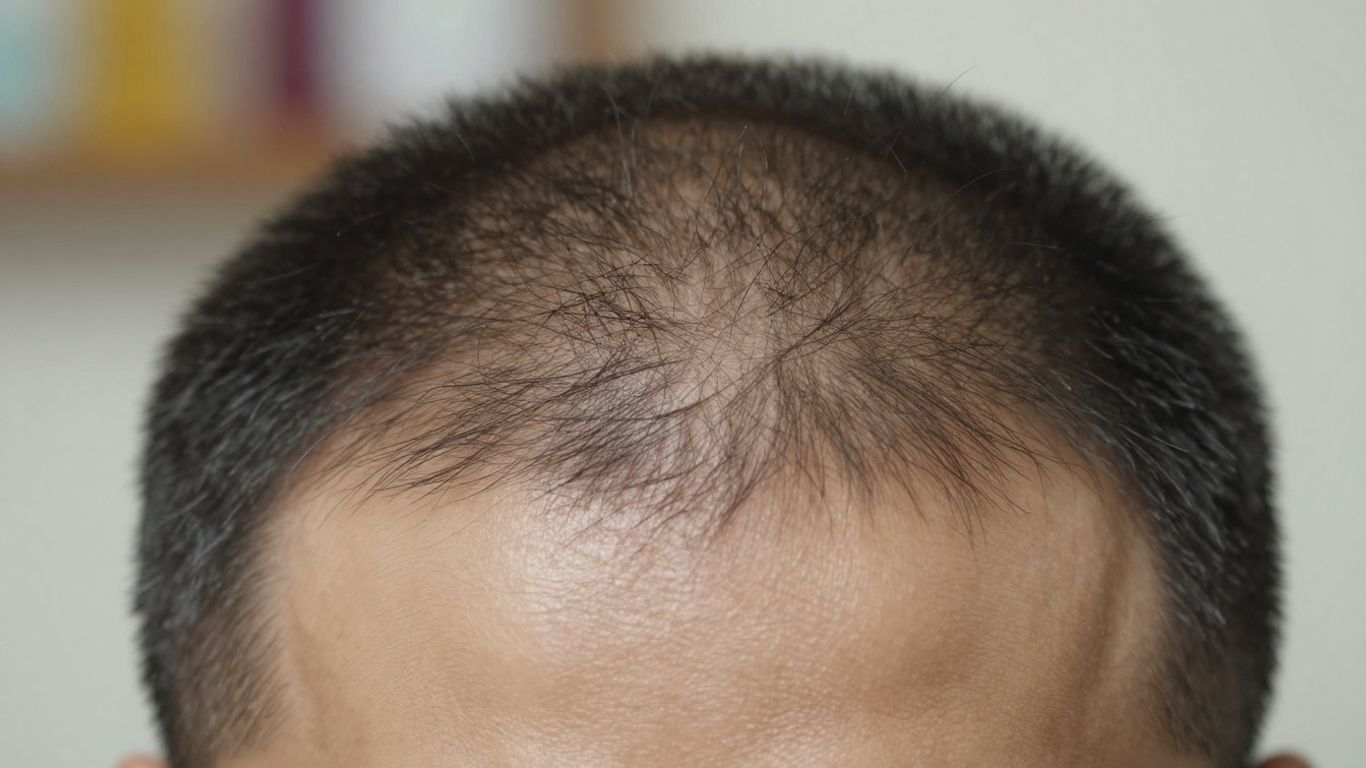
So, you've noticed some changes with your hair. Maybe it's shedding a bit more than usual, or perhaps you're seeing more scalp than you'd like. It's easy to get overwhelmed with all the information out there, but that's exactly why talking to a specialist is such a good idea. They're the ones who really know what's going on with hair loss and can help you figure out the best path forward.
What to Expect During Your Consultation
When you go in for a consultation, it's not just about them looking at your hair. They'll want to get a full picture. This usually starts with a chat about your health history, when you first noticed the hair loss, and any other symptoms you might be experiencing. Then comes the physical part: a close look at your scalp and hair, sometimes using special tools to see things more clearly. They might also ask about your lifestyle, diet, and stress levels, as these can all play a role. The goal is to gather enough information to make an accurate diagnosis.
Developing a Custom Treatment Strategy
Once the specialist has a good idea of what's causing your hair loss, they can start putting together a plan just for you. This isn't a one-size-fits-all situation. Your plan will be based on the specific type of hair loss you have, how advanced it is, and what your personal goals are. It might involve a combination of treatments, like medications, topical solutions, or even therapies like red light therapy [8b19].
Here’s a general idea of what a treatment timeline might look like:
- Non-Surgical Treatments (like PRP): You might start seeing less shedding in 1-3 months, with noticeable improvements in 3-6 months.
- Hair Transplants (FUE): After an initial shedding phase, growth typically begins around 3-4 months, with significant results visible in 6-9 months, and full results by 12 months.
Long-Term Planning for Hair Preservation
Hair loss isn't always something you can fix overnight. Often, it's about managing it over the long haul. A good specialist will talk with you about how to maintain the results you achieve and prevent further loss. This could involve regular check-ins, ongoing treatments, or simple adjustments to your routine. They'll help you understand that hair restoration takes time and consistent effort.
It's important to remember that not all hair loss is reversible, but a specialist can often help slow it down or manage it effectively. The earlier you seek help, the better your chances of seeing positive results.
Finding the right professional is key. If you're in the New York City area, for example, places like Meditresse [0499] focus on personalized assessments to understand your unique situation and create a tailored plan.
When It Might Be Too Early for a Hair Transplant
So, you're thinking about a hair transplant. It's a big step, and honestly, it's not always the first or best move for everyone right away. Sometimes, jumping into surgery before you're truly ready can lead to less-than-ideal results or even more complications down the line. It's really about making sure the timing is right for your specific situation.
Assessing Hair Loss Stability
One of the biggest factors is whether your hair loss has actually settled down. If you're still experiencing rapid shedding or your thinning pattern is changing quickly, a transplant might not be the best idea just yet. Think of it like building on shaky ground – you want a solid foundation first. A stable pattern means a specialist can better predict how much hair you'll need and where to place it for the most natural, long-lasting look. If your hair loss is still all over the place, it's hard to know what the final picture will be.
- Rapid Shedding: If you're losing a lot of hair quickly, it's a sign something else might be going on that needs attention first. Consult a doctor if you notice this.
- Unclear Pattern: When the thinning is unpredictable, it's tough to plan a transplant effectively.
- Young Age: If you're in your early twenties or younger and your hair loss is still progressing fast, it's often better to wait and see how things develop.
The Role of Medical Therapy Before Surgery
Before you even think about scalp surgery, most experts will want you to try medical treatments. These aren't just temporary fixes; they can actually slow down or even stop hair loss, and sometimes even thicken the hair you already have. This is super important because it helps preserve your existing hair and, crucially, your donor hair supply. If these treatments work well for you, you might find you don't need a transplant at all, or you might need a much smaller procedure later on.
- Finasteride: This medication can help reduce the hormone that causes male pattern baldness.
- Minoxidil: Available as a liquid or pill, it can stimulate hair growth and make existing hair thicker.
- Addressing Underlying Issues: Sometimes, hair loss is linked to things like thyroid problems or nutritional deficiencies. Fixing these can make a big difference.
It's common for doctors to recommend trying medications like finasteride or minoxidil for at least six months to a year before considering a hair transplant. This allows time to see how well your hair loss responds to treatment and helps stabilize the situation.
Understanding Donor Hair Availability
Hair transplants work by moving hair from one part of your scalp to another – usually from the back or sides to the thinning areas. This donor hair is genetically programmed to keep growing. However, there's only so much donor hair you have. If you're very young and your hair loss is extensive, or if you have a naturally limited donor supply, you need to be really careful about how you use it. Using up your donor hair too early on a large procedure might mean you don't have enough left for future touch-ups or to cover new thinning areas as they appear. A specialist will carefully assess your donor area to see how many grafts you have available and how best to use them over the long term. This assessment is key to a successful plan.
Wrapping Up Your Hair Loss Journey
So, if you're noticing more hair than usual on your pillow or in the shower, don't just stress about it. There are definitely steps you can take. Sometimes, it's just a simple fix like a vitamin boost or managing stress. Other times, it might be something that needs a closer look from a doctor, especially if it's happening really fast or you've got other weird symptoms. And if you're thinking about more permanent solutions like a hair transplant, remember that modern methods look way more natural than they used to. The main thing is to get a proper diagnosis first. Talking to a specialist, whether it's a dermatologist or a hair transplant surgeon, is really the best way to figure out what's going on and what your options are. It might seem like a big deal, but getting informed is the first step to feeling better about your hair.
Frequently Asked Questions
When should I think about seeing a hair loss expert?
If you're losing a lot more hair than usual, like seeing it on your pillow or in the shower, or if you notice bald spots or your hairline is moving back, it's a good idea to talk to a specialist. Also, if your scalp feels itchy or sore, that's another sign to get it checked out.
Can a doctor figure out why I'm losing my hair?
Yes, doctors, especially dermatologists, are great at figuring out hair loss. They'll ask questions about your health and hair, look closely at your scalp, and sometimes do tests like blood work or a small skin sample from your scalp to find the exact cause.
What are some common treatments a specialist might suggest?
A specialist can offer treatments like special medicines that are approved to help hair grow back or slow down loss. They might also look into things like hormone problems or not getting enough vitamins, and help fix those issues which can sometimes help your hair.
What are hair transplants, and when are they a good idea?
Hair transplants move hair from one part of your head to thinning areas. Modern methods like FUE and FUT look much more natural than older ones. They make sense when other treatments haven't worked or if you've already lost a good amount of hair, but it's important to have realistic ideas about the results.
What happens during a visit to a hair loss specialist?
During your visit, the specialist will examine your hair and scalp, talk about your health history, and discuss your goals. Based on all this, they'll create a personal plan just for you, explaining what to expect and how long it might take to see changes.
Is it ever too soon to get a hair transplant?
Yes, it can be too soon. If your hair loss is still happening very fast, or if you haven't tried medicines that can help slow it down, a doctor might suggest waiting or trying those first. They also need to make sure you have enough healthy hair in other areas to move.