

Unveiling the Timeline: How Long to See Results with Rogaine?
Thinking about using Rogaine for hair loss? It's a common question, and honestly, figuring out how long to see results rogaine can be a bit confusing. It's not like flipping a switch; it's more of a gradual process. This article breaks down what you can realistically expect month by month, so you know what's going on with your hair growth journey.
Key Takeaways
- Expect initial shedding in the first month or two as Rogaine starts its work, which is normal.
- Visible signs of new, finer hair growth might appear between months 2 and 4.
- Noticeable density and thicker hair typically develop between months 4 and 6 of consistent use.
- It can take up to a year to see the full benefits and maximize hair thickness and density.
- Consistency is super important; stopping treatment means losing any gains within a few months.
Understanding The Initial Minoxidil Timeline
The First Month: Adjustment and Shedding
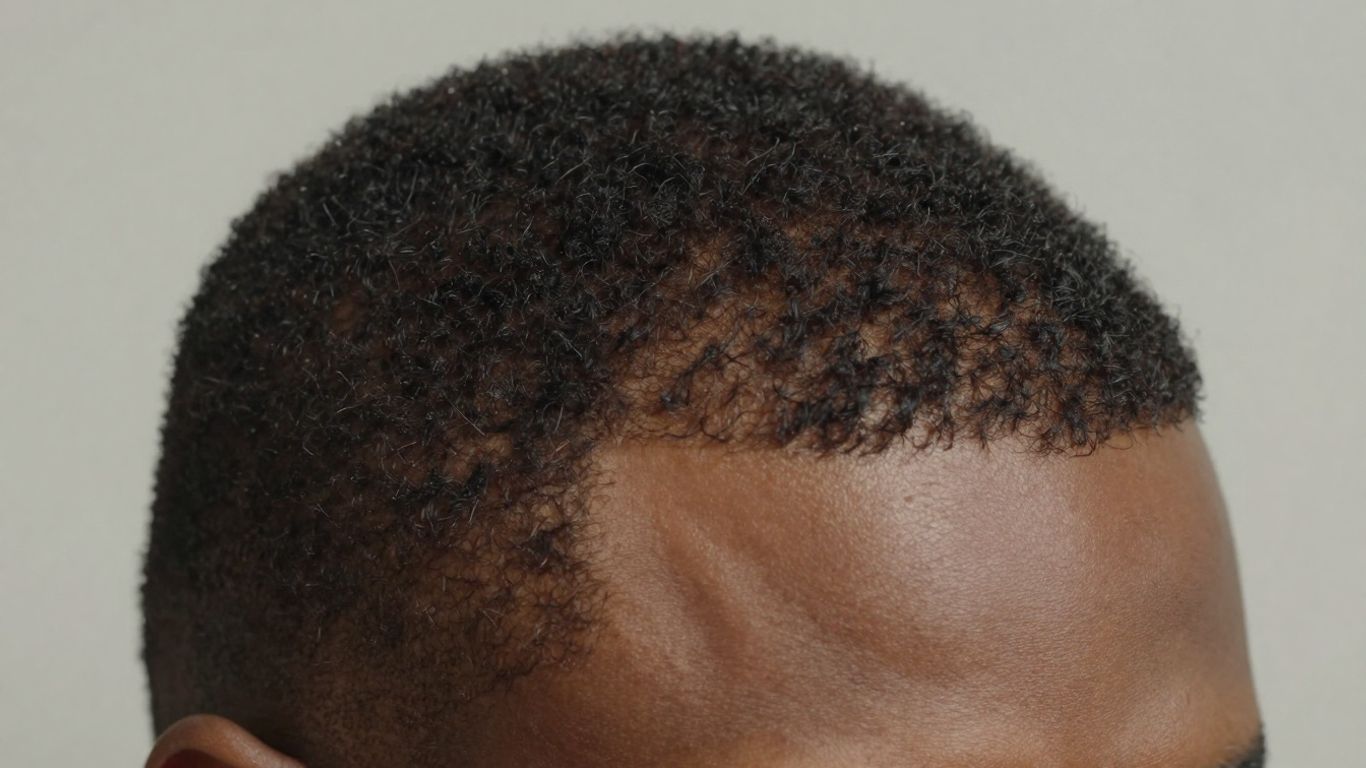
So, you've just started using Rogaine (or its generic version, minoxidil). What can you expect in these first few weeks? It's mostly about your body getting used to the treatment. You might notice some mild scalp irritation, like itching or dryness. This is pretty common as your skin adjusts to the medication. The most surprising thing for many people is an increase in hair shedding. Don't panic! This is actually a sign that the minoxidil is doing its job. It works by pushing your hair follicles out of their resting phase and into a growth phase. This means older hairs, which were ready to fall out anyway, are pushed out to make room for new, healthier ones. This shedding usually happens between weeks two and six. It can feel a bit unsettling to see more hair than usual in the shower or on your pillow, but remember, it's a temporary step towards regrowth.
- Application Consistency: Make it a habit to apply minoxidil exactly as directed, every single day. Missing doses can really slow down progress.
- Scalp Monitoring: Pay attention to how your scalp feels. Note any redness, itching, or dryness. Most mild irritation fades as your skin adapts.
- Shedding Observation: Track the amount of hair you're losing. Is it light, moderate, or heavy? Knowing this helps you see when it starts to decrease.
This initial phase is all about establishing a routine and understanding the normal, albeit sometimes alarming, early reactions. It's a sign of activity, not failure.
Weeks Five to Eight: Early Signs of Progress
As you move into the second month, things usually start to calm down a bit. The initial shedding should begin to lessen. Now, you might start noticing the very first hints of new growth. These often appear as fine, soft hairs, sometimes called "peach fuzz." They're usually lighter in color and much thinner than your regular hair. You might see these little sprouts in areas where your hair was thinning the most. It's subtle, so you'll need to look closely. Scalp irritation often improves during this time too, as your skin gets more accustomed to the minoxidil. Patience is key here; these early signs are the foundation for more noticeable changes to come.
Weeks Nine to Twelve: Noticeable Changes Emerge
By the third month, the changes can become more apparent. Those fine hairs you spotted a few weeks back might start to get a bit thicker and more pigmented. They're beginning to mature into more substantial strands. You might start to see a difference in the overall density of your hair, especially if you've been taking photos to track your progress. While some people see pretty clear results by this point, remember that everyone's timeline is different. For some, it might take longer to see these more significant improvements. This three-month mark is a good indicator of how your hair is responding, but it's usually not the end of the story for seeing maximum results.
The Critical First Six Months Of Minoxidil Use
So, you've started using minoxidil, and now the waiting game begins. The first six months are really where the rubber meets the road, so to speak. It's a period that requires patience, consistency, and a keen eye on what's happening with your hair and scalp.
Month Three: Continued Regrowth and Maturation
Around the three-month mark, things might start looking a bit more promising. That initial shedding you might have experienced should be winding down, and those fine, soft hairs you spotted earlier? They're likely starting to get a bit more substantial. Think of it as the early stages of your hair getting ready for its comeback tour. It's not going to be a full head of thick hair overnight, but you might see some definite improvements in coverage, especially in areas that were thinning.
- Observe the texture: Are those vellus hairs (the fine, peach-fuzz-like ones) starting to thicken up?
- Check for density: Is there a slight increase in the number of hairs in treated areas?
- Note scalp comfort: Has any initial irritation subsided?
Month Four to Six: Visible Density and Thickness
This is often when people start to feel like they're really seeing something. By month four to six, the hairs that have regrown should be noticeably thicker and more pigmented. You might find that your hair looks fuller overall, and thinning areas are becoming less obvious. It’s a significant milestone because it’s usually around this time that friends and family might start commenting on your hair, or you might catch yourself feeling more confident about your appearance.
The key here is continued, unwavering application. Missing doses now could set back the progress you've worked hard to achieve.
Assessing Progress After Half A Year
Hitting the six-month mark is a big deal. By now, you should have a pretty good idea of how minoxidil is working for you. Many individuals report significant improvements in hair density and thickness by this point. It's a good time to take stock, compare your current situation to where you started, and see if the results align with your expectations. Remember, everyone responds differently, so don't get discouraged if your results aren't identical to someone else's. A free hair analysis can offer personalized insights into your hair's condition.
It's completely normal if you don't notice dramatic changes within the first three months. Hair growth is a slow process, and minoxidil needs time to work its magic. What might seem like slow progress is often just the early stages of a longer-term transformation. Stick with it; consistency is your best friend during this phase.
Here's a general idea of what to expect:
| Timeframe | Typical Observations |
|---|---|
| Months 1-2 | Initial shedding, possible scalp irritation, fine regrowth |
| Months 3-4 | Shedding stops, noticeable vellus hair thickening |
| Months 5-6 | Increased density and thickness, more visible coverage |
Long-Term Minoxidil Results And Expectations
Six Months to One Year: Maximizing Hair Density
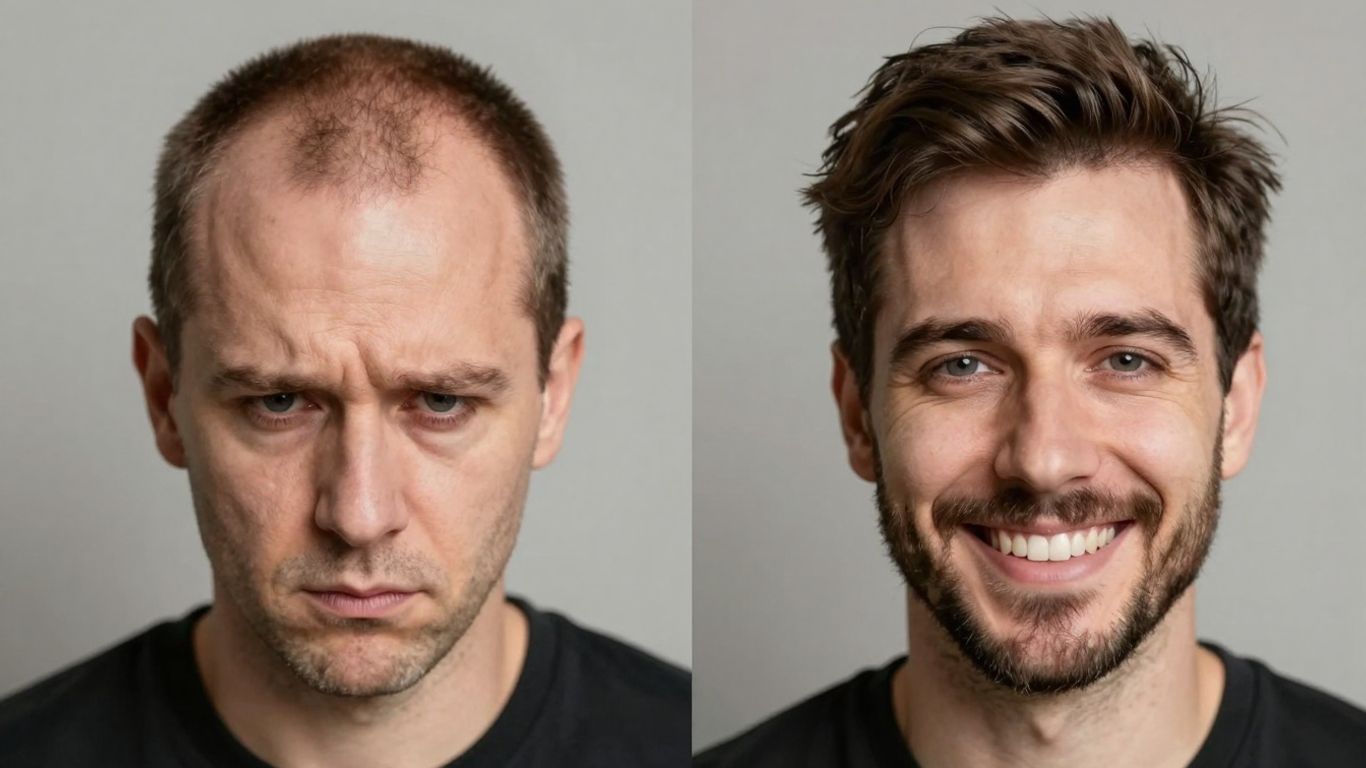
By the six-month mark, you're likely seeing some pretty solid results. This is often when the hair starts to look noticeably fuller and thicker. It's not just about new hairs popping up; the existing ones are probably getting stronger and longer too. Think of it as your hair reaching a more mature stage. Some studies show significant improvements in hair loss severity by this point, especially for women. The key here is continued, consistent application. Don't get complacent just because you're seeing good changes. This is the time to really solidify those gains.
Beyond One Year: Sustaining Your Progress
So, you've hit the one-year mark and are happy with how your hair looks. That's awesome! But here's the thing: Minoxidil isn't a cure; it's a treatment you need to keep up with. If you stop using it, the progress you've made will likely start to reverse. We're talking about hair shedding resuming within a few months, and you'll gradually lose the hair you've worked so hard to regrow. It's like maintaining a garden – you have to keep watering it for the plants to stay healthy.
The Importance of Continuous Application
This can't be stressed enough. Minoxidil works by keeping your hair follicles in the growth phase. Once you stop applying it, those follicles go back to their natural cycle, and you'll start to shed the hair that was stimulated by the medication. It's a commitment, for sure. Most studies looking at long-term effectiveness involve participants using the treatment for at least a year, and often longer. The results you see after a year are generally what you can expect to maintain, provided you stick with it.
Here's a general idea of what to expect over time:
- First 3-6 Months: Initial shedding, followed by the first signs of regrowth and thickening.
- 6 Months to 1 Year: Noticeable increase in density and coverage. Hair appears fuller.
- Beyond 1 Year: Maintenance of results. Continued use is necessary to sustain hair density.
If you've been using Minoxidil consistently for over six months and aren't seeing any improvement, it might be time to chat with a doctor. While it works for many, it's not a magic bullet for everyone, and there could be other reasons for your hair loss that need a different approach.
Factors Influencing How Long To See Results With Rogaine
Individual Response Variability
So, you've started using Rogaine, and you're wondering when you'll see those thicker, fuller locks. Well, the honest truth is, everyone's body reacts a little differently. Think of it like trying a new recipe; some people nail it on the first try, while others need a few adjustments. Your genetics, the specific type of hair loss you have, and even your overall health can play a role in how quickly minoxidil gets to work for you. Some folks might notice a difference in as little as three months, while for others, it could take six months or even longer. It's not a one-size-fits-all situation, and that's perfectly normal.
Consistency in Application
This is a big one, seriously. If you're not applying Rogaine exactly as directed, every single day, you're probably not going to get the results you're hoping for. It's like watering a plant – you can't just do it once in a while and expect it to thrive. Missing doses or not applying it to the right spots can really slow things down. Sticking to the routine is probably the most important thing you can do.
Here’s a quick rundown on making it a habit:
- Set Reminders: Use your phone or a sticky note to remind you when it's time to apply.
- Integrate it: Pair your application with something you already do daily, like brushing your teeth or washing your face.
- Keep it Accessible: Store your Rogaine where you'll see it easily, so it doesn't get forgotten.
Concentration and Formulation
Rogaine comes in different strengths, usually a 2% and a 5% solution or foam. The 5% version is generally considered more potent and might lead to faster or more significant results for some people, especially men. However, it can also come with a higher chance of scalp irritation. The foam formulation tends to be less greasy and might absorb quicker than the liquid for some users. Choosing the right one for you often depends on your specific needs and how your scalp tolerates it. If you're unsure, chatting with a doctor can help you pick the best option to start with.
It's easy to get discouraged if you're not seeing changes right away. Remember that minoxidil works by stimulating hair follicles, and this process takes time. The initial shedding you might experience is actually a good sign that it's starting to work, pushing out old hairs to make way for new growth. Patience is definitely a virtue here.
Monitoring Your Progress Effectively
Keeping tabs on how your hair is doing while using Rogaine is super important. It helps you see what's actually happening, beyond just looking in the mirror every day. Think of it like keeping a journal for your hair journey. This consistent tracking is your best tool for understanding the treatment's effectiveness and making informed decisions.
The Role of Daily Tracking
Logging your daily applications is more than just a chore; it's a way to build a habit and ensure you're not missing doses. Missing even a few applications can really slow down your progress. You can use a simple notebook, a spreadsheet, or even a dedicated app. What you record matters:
- Date and Time: Note when you apply the product.
- Application: Mark it as done.
- Missed Doses: Jot down any times you forgot.
- Scalp Condition: Briefly describe how your scalp feels (e.g., dry, itchy, normal).
- Shedding: Note if you notice more hair falling out than usual (this can happen early on).
This daily log is your first line of defense in understanding your treatment. It helps you see patterns and stay accountable. For example, if you notice increased shedding on certain days, you can look back at your log to see if anything else was different. It's also a great way to prepare for conversations with your doctor, giving them concrete data to work with. You can find helpful tips on daily application schedules.
Documenting Changes with Photography
While daily logs track the routine, photos capture the visual story. Hair growth is gradual, and it's easy to miss subtle changes day-to-day. Taking consistent photos helps you see the bigger picture over weeks and months.
- Frequency: Aim for monthly photos, taken in the same lighting and from the same angles.
- Angles: Capture the top, front, sides, and crown of your head.
- Consistency: Use the same camera or phone and try to replicate the setup each time.
These photos, combined with your daily logs, provide a powerful visual record. They can show you progress that you might not otherwise notice, especially during the initial shedding phase. It's easy to get discouraged by shedding, but seeing regrowth in photos later can be incredibly motivating.
Recognizing Signs of Effective Treatment
So, what exactly are you looking for to know Rogaine is working? It's not always a sudden explosion of hair. Often, it's a more gradual process.
- Reduced Shedding: After the initial shedding phase (which can last a few weeks), you might notice less hair falling out in your brush or shower.
- New Growth: Look for fine, vellus hairs (often called "peach fuzz") appearing in thinning areas. These are the early signs of new terminal hairs.
- Increased Density: Over time, these new hairs will thicken, and existing hairs may appear fuller, leading to a noticeable increase in overall density.
It's important to remember that everyone responds differently. What works for one person might take a bit longer for another. Patience and consistent tracking are key to understanding your unique response to the treatment. Don't get too caught up in comparing your progress to others; focus on your own journey and the data you're collecting.
If you're not seeing any of these signs after several months of consistent use, it might be time to chat with a healthcare professional. They can help you figure out if there's an issue or if you just need to give it more time.
When To Re-evaluate Minoxidil Treatment
So, you've been diligently applying your minoxidil, maybe for a few months, maybe longer. You're watching for changes, tracking your progress, and hoping for that thicker hair. But what happens if things aren't quite going as planned? It's totally normal to wonder when it's time to pause and rethink your approach. Don't just keep going blindly if you're not seeing what you expect or if something feels off.
Understanding Treatment Plateaus
Sometimes, you might hit a plateau. This means you've seen some good results, but then things seem to just... stop. The regrowth you were excited about might slow down, or the density you achieved might not increase further. This isn't necessarily a sign that the treatment has stopped working entirely, but rather that it might be working at its maximum capacity for you, or that other factors are at play. It's a good time to check in with yourself and your routine.
Consulting a Healthcare Professional
If you're not seeing any improvement after a solid 4-6 months of consistent use, it's definitely time to chat with a doctor or a dermatologist. Seriously, don't wait too long. They can help figure out if minoxidil is the right fit for you or if there might be an underlying reason why it's not working as well as it should. Bring your progress photos and any notes you've kept – this stuff is super helpful for them.
- No noticeable regrowth after 6 months of daily application.
- Experiencing persistent or severe side effects like intense scalp irritation, dizziness, or rapid heartbeat.
- Significant hair loss continues despite consistent treatment.
Assessing Results After Six Months Without Improvement
Let's say you've hit the six-month mark, and honestly, you're just not seeing the hair growth you were hoping for. Maybe you're still shedding a lot, or the new hairs are super fine and barely visible. This is a key point to re-evaluate. It's possible that minoxidil isn't the most effective solution for your specific type of hair loss, or perhaps the way you're applying it needs tweaking. A doctor can help assess if you're using the correct strength or formulation for your needs, or if it's time to explore other treatment options. Remember, consistency is key, but so is knowing when to seek professional advice.
It's easy to get discouraged if you don't see dramatic changes right away. Hair growth is a slow process, and minoxidil works differently for everyone. What might be a breakthrough for one person could be a subtle shift for another. Patience and consistent tracking are your best friends here, but don't hesitate to get a professional opinion if you feel stuck.
So, What's the Takeaway?
Alright, so we've walked through the whole timeline of using Rogaine. Remember, this isn't an overnight fix. You're looking at a few months, usually around four to six, before you start seeing real changes like new hair growth. There might be some extra shedding early on, which is totally normal – it just means things are happening under the surface. The key thing here is consistency. Stick with it, apply it regularly, and give it the time it needs. If you're not seeing anything after six months, it might be time to chat with your doctor, but for most people, patience and regular application are what get the job done. Keep at it, and hopefully, you'll start to see those results you're looking for.
Frequently Asked Questions
When will I start seeing new hair growth with Rogaine?
Most people start noticing new hair growth after about 2 to 4 months of using Rogaine every day. Sometimes, it can take up to 6 months or even a year to see the full results. It's like planting a seed; it needs time and consistent care to grow.
Is it normal to lose more hair when I first start using Rogaine?
Yes, it's actually quite common! In the first few weeks, you might see more hair in your brush or shower. This is called 'shedding,' and it means Rogaine is working by pushing out old hairs to make way for new, stronger ones. It usually stops after about 2 to 6 weeks.
How often should I apply Rogaine to get the best results?
For the best results, you should apply Rogaine exactly as directed on the package, usually twice a day. Using it more often won't make it work faster. Sticking to the schedule is super important for seeing improvements.
What if I miss a dose of Rogaine?
If you forget to apply Rogaine one day, don't worry too much. Just apply it as soon as you remember, or skip the missed dose and go back to your regular schedule. Try not to double up on doses, as this won't help and might cause irritation.
Do I need to use Rogaine forever?
Yes, Rogaine works as long as you keep using it. If you stop, any new hair you've grown will likely fall out within 3 to 6 months, and your hair loss will go back to how it was before you started. It's a long-term commitment.
Can Rogaine help with receding hairlines?
Rogaine can help with receding hairlines, but the results might not be as noticeable as they are for thinning on the top or crown of the head. It's still worth trying consistently, but it's good to have realistic expectations for this area.