

Unraveling the Myth: Does Hair Gel Actually Make You Lose Hair?
You know, we spend a lot of time thinking about what we put *on* our bodies, and sometimes, that includes our hair. Hair gel is a pretty common styling product for a lot of people. It helps get that look just right. But then, the worry creeps in: could this stuff actually be causing hair loss? It's a question that pops up a lot, and honestly, it's easy to get confused with all the different advice out there. So, let's try to sort through this and see if there's any truth to the idea that hair gel makes you lose hair.
Key Takeaways
- Hair loss typically happens gradually, not overnight, and can affect anyone. It's important to know if you're just shedding normally or experiencing actual hair loss.
- Common types of hair loss include Alopecia Areata (autoimmune), Anagen Effluvium (chemo side effect), Telogen Effluvium (stress-related shedding), and Traction Alopecia (from pulling).
- Stress is a real cause of hair loss, often leading to Telogen Effluvium where many hairs enter a resting phase. This shedding usually shows up a few months after a stressful event.
- While hair gel itself isn't usually a direct cause of hair loss, harsh ingredients or rough application can sometimes irritate the scalp or damage hair strands, potentially contributing to breakage.
- Managing stress through healthy habits, a good diet, and relaxation techniques is key for hair health. If you're worried about hair loss, talking to a doctor or dermatologist is the best way to find out what's really going on.
Understanding Hair Loss Causes
So, you're noticing more hair in your brush or shower drain than usual. It's a common worry, and honestly, it can be pretty unsettling. But before we jump to conclusions, especially about things like hair gel, it's important to get a handle on what actually causes hair loss in the first place. It's not always as simple as one single thing.
What Constitutes Hair Loss?
Hair loss, or alopecia, isn't just about going bald. It's a broad term that covers any instance where you lose more hair than you normally would. Most people shed between 50 to 100 hairs a day, and that's totally normal. It's part of the hair's natural growth cycle. When this shedding significantly increases, or when hair follicles stop producing new hair, that's when we start talking about hair loss. It can happen gradually over time or suddenly. Recognizing the difference between normal shedding and actual hair loss is the first step to figuring out what's going on.
Common Types of Hair Loss
There are several ways hair loss can show up. You might have heard of some of these:
- Androgenic alopecia: This is the fancy term for male or female pattern baldness, often linked to genetics and hormones. It usually means hair thinning over time.
- Alopecia Areata: This is an autoimmune condition where your immune system mistakenly attacks your hair follicles, leading to patchy hair loss.
- Telogen Effluvium: This is a type of temporary hair shedding that happens after a significant physical or emotional shock to your system. You might notice a lot more hair falling out a few months after a stressful event, like surgery or a major life change.
- Traction Alopecia: This one's caused by physical stress on the hair, like from tight hairstyles or excessive pulling.
It's easy to get caught up in worrying about specific products, but often, the root cause of hair loss is something else entirely. Understanding these different types helps us look beyond the surface.
The Role of Stress in Hair Loss
Now, let's talk about stress. It's a big one, and it's often misunderstood. When you experience significant stress, whether it's emotional (like a breakup or job loss) or physical (like a serious illness or surgery), your body goes into a sort of shock. This shock can disrupt the normal hair growth cycle, pushing a larger-than-usual number of hair follicles into the resting phase. A few months later, all those hairs can start to shed at once. This is why stress hair fall can be so noticeable, even though the trigger happened weeks or months prior. It's not about your daily worries, but rather more intense, prolonged periods of pressure that can really impact your hair health.
The Impact of Stress on Hair Follicles
It's easy to think of stress as just a mental thing, a feeling of being overwhelmed. But our bodies react to stress in very real, physical ways, and our hair follicles are definitely not immune. When you're under a lot of pressure, whether it's from work deadlines, family issues, or something else entirely, your body kicks into high gear, releasing hormones like cortisol. This hormonal surge can mess with your hair's natural growth cycle.
How Stress Affects the Hair Cycle
Normally, your hair follicles are busy. They go through phases: growing, resting, and shedding. Most of your hair is usually in the growing phase. But when stress hits hard, it can shock a large number of these follicles, pushing them all into the resting phase at once. This is what leads to a noticeable increase in shedding, often a few months after the stressful event. It's like your scalp hits a pause button on growth for a lot of hairs simultaneously.
Cortisol's Influence on Scalp Health
Cortisol, the main stress hormone, plays a big role here. High levels of cortisol can actually reduce blood flow to your scalp. Think about it: your hair follicles need good circulation to get the oxygen and nutrients they need to thrive. When that flow is cut off, they don't get what they need. Plus, stress can increase inflammation around the follicle, which isn't good for hair growth at all. This inflammatory response can even lead to the immune system attacking the hair follicle itself, a process linked to hair loss [bba3].
Nutrient Absorption and Stress
Stress doesn't just affect blood flow; it can also mess with your gut. A stressed gut doesn't absorb nutrients as well as it should. This means even if you're eating healthy foods, your body might not be getting the vitamins and minerals that are so important for strong, healthy hair, like B12, vitamin D3, and iron. This poor absorption can further weaken your hair and make it more prone to falling out. It's a bit of a domino effect, where one stress-related issue leads to another, impacting your hair health from multiple angles. If you're experiencing hair thinning, it's worth considering if stress might be a contributing factor, alongside other potential causes like genetics or hormonal changes [a4a7].
Here's a quick look at how stress can impact your hair:
- Reduced Scalp Circulation: Less blood flow means fewer nutrients reach the follicles.
- Increased Inflammation: Creates an unhealthy environment for hair growth.
- Hormonal Imbalance: Cortisol spikes can disrupt the hair cycle.
- Poor Nutrient Absorption: The gut's ability to absorb vitamins and minerals is compromised.
When you're under significant stress, your body prioritizes survival over non-essential functions like hair growth. This can lead to a temporary shutdown of the hair growth cycle, resulting in increased shedding.
Debunking Hair Gel Myths
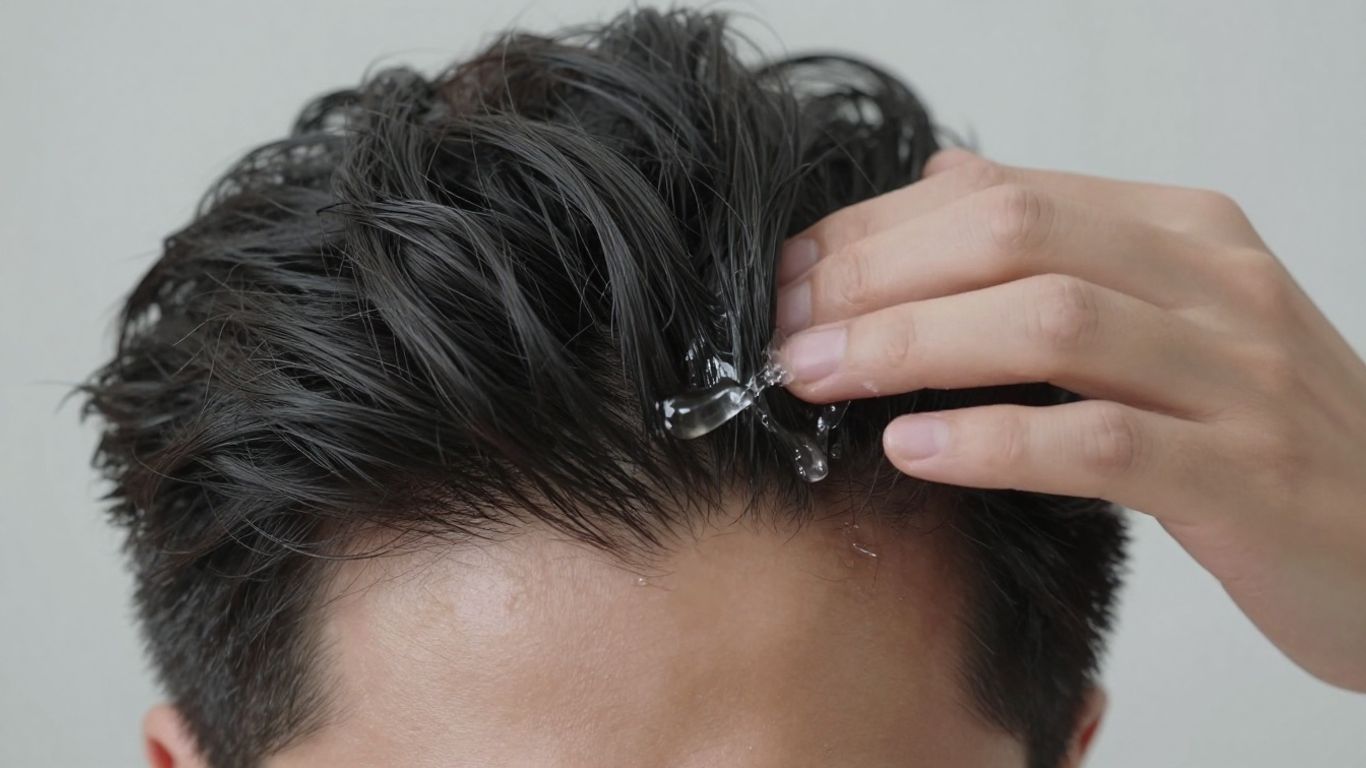
Let's talk about hair gel. For years, there's been this persistent idea floating around that using hair gel is a one-way ticket to hair loss. It's one of those things people just accept as fact, like "don't swim after eating" or "cracking your knuckles gives you arthritis." But is there any truth to it? Honestly, not really. The notion that hair gel directly causes baldness is mostly a myth.
Common Misconceptions About Hair Products
It's easy to see why people might connect hair products with hair problems. We use them daily, and sometimes, we notice thinning or shedding. It's natural to look for a cause, and the stuff we put on our hair seems like an obvious suspect. However, most hair gels are formulated to be temporary styling aids, not permanent damage dealers. The real issues usually stem from how we use them or other underlying factors. Think about it: if gel truly caused hair loss, salons would be empty, and the hair product industry would be in serious trouble. The scientific community hasn't found any evidence linking standard hair gel use to genetic hair loss patterns [93eb].
Ingredients to Be Aware Of
While the gel itself isn't the villain, some ingredients could potentially cause scalp irritation or dryness if you have sensitive skin or use them excessively. Things like alcohol can be drying, and some fragrances might be irritating for certain individuals. It's always a good idea to check the ingredient list, especially if you've had reactions to products before. However, these are typically minor issues, not causes of significant hair loss. Most gels are designed to wash out easily, and a thoughtful hair care routine is key [6420].
Proper Hair Gel Application Techniques
How you apply and remove your gel matters more than the gel itself. Here are a few tips:
- Less is more: Don't glob on excessive amounts. Start with a small amount and add more only if needed.
- Avoid the scalp: Try to apply the gel to your hair strands, not directly to your scalp. This minimizes potential irritation.
- Wash it out thoroughly: Make sure you're rinsing all the gel out before bed. Leaving product buildup can clog pores and lead to scalp issues.
- Gentle removal: When washing, don't scrub your scalp aggressively. Use lukewarm water and gentle shampoo.
The idea that hair gel causes hair loss is a persistent myth, likely born from a misunderstanding of how hair products work and how hair loss actually occurs. While some ingredients might cause temporary irritation for sensitive individuals, they don't fundamentally alter hair follicles or lead to permanent balding. Focusing on proper application and removal, and understanding the real causes of hair loss, is far more productive.
So, next time you reach for that styling gel, you can do so with a bit more peace of mind. It's probably not the culprit behind your hair concerns.
Factors Contributing to Hair Loss
Physical and Emotional Stressors
So, we've talked about how stress can mess with your hair, but what kind of stress are we actually talking about? It's not just about having a bad day at work, though that can add up. We're looking at bigger things, like major life events that really shake you up. Think about things like surgery, going through a tough breakup, or even a serious accident. These kinds of acute stressors can throw your hair cycle off big time, often leading to noticeable shedding a few months down the line. Then there's the chronic stuff – the kind of stress that hangs around for ages, like dealing with a demanding job or caring for a sick family member. This long-term pressure can make your scalp feel dry, your hair look dull, and contribute to a gradual thinning over time. It’s a lot to take in, and your body definitely feels it.
Emotional burnout is another beast entirely. When you're constantly running on empty, feeling fatigued and unmotivated, it can actually mess with your gut health. This, in turn, makes it harder for your body to absorb all those important nutrients your hair desperately needs to stay healthy and grow.
Hormonal Imbalances and Hair
Hormones play a pretty big role in how our hair behaves, and when they get out of whack, hair loss can definitely be a side effect. For women, things like pregnancy or childbirth can cause significant shifts in hormone levels, which can act as a stressor on the hair follicles. Even changes in birth control can sometimes throw things off balance. For both men and women, conditions like thyroid issues or even just the natural aging process can lead to hormonal changes that affect hair density. It’s a complex system, and when one part is out of sync, it can ripple through to your scalp. Sometimes, these hormonal shifts can even speed up processes like androgenic alopecia, also known as male or female pattern baldness, where hair follicles gradually shrink.
Dietary Deficiencies and Hair Health
What you eat directly impacts your hair's health, and it's not just about having shiny locks. Your hair follicles need a steady supply of vitamins and minerals to function properly and keep that growth cycle going. If you're not getting enough of the key players – think iron, zinc, biotin, and certain B vitamins – your hair can start to suffer. This isn't always obvious, and sometimes nutrient deficiencies can be subtle, but they can definitely contribute to thinning hair or slow growth. It’s like trying to build a house without enough bricks; you just won't get very far. Making sure your diet is balanced and includes a good mix of proteins, healthy fats, and micronutrients is super important for keeping your hair strong and healthy.
Managing Stress for Hair Health
Okay, so we've talked about how stress can mess with your hair. It's not just in your head; it's a real physical thing that can make your hair fall out. The good news is, it's often reversible if you catch it early. Taking steps to manage your stress is key to getting your hair back on track.
Holistic Approaches to Stress Reduction
Dealing with stress isn't a one-size-fits-all situation. It often requires a multi-pronged approach. Think of it like tending to a garden; you need to water it, give it sunlight, and maybe add some fertilizer. For your hair and your mind, this means looking at things from different angles.
- Mindfulness and Meditation: Spending even a few minutes each day focusing on your breath or a guided meditation can make a big difference. It helps calm that racing mind.
- Yoga and Deep Breathing: These practices are fantastic for both the body and the mind. They help release tension and promote a sense of peace.
- Regular Exercise: Getting your body moving, whether it's a brisk walk or a full workout, is a great way to burn off stress hormones and boost your mood.
These aren't just quick fixes; they're about building resilience over time. It's about finding what works for you and making it a regular part of your routine. Sometimes, simple techniques can have a profound effect on your overall well-being and, by extension, your hair health. You can learn more about stress management techniques that can help with hair loss here.
The Importance of a Healthy Diet
What you eat directly impacts your body, and that includes your hair follicles. When you're stressed, your body might not be absorbing nutrients as well as it should. Plus, stress can sometimes lead to poor eating habits, creating a double whammy.
- Nutrient-Rich Foods: Focus on getting enough vitamins and minerals. Think leafy greens, fruits, lean proteins, and healthy fats. These are the building blocks for healthy hair.
- Hydration: Don't forget to drink plenty of water. It's simple, but it's so important for everything your body does.
- Limit Processed Foods: Sugary drinks and heavily processed snacks can actually contribute to inflammation and stress in your body, which is the last thing you need.
Making conscious choices about your diet can really support your body's ability to cope with stress and promote hair regrowth. Sometimes, specific supplements can help fill nutritional gaps, especially if stress has depleted certain vitamins like B12 or iron. You might want to look into options like multivitamins designed for hair health here.
Mind-Body Practices for Well-being
Connecting your mind and body is a powerful way to manage stress. It's about recognizing that your mental state and physical health are deeply intertwined. When one is out of balance, the other often follows.
Engaging in activities that bring you joy and relaxation can significantly reduce the physical toll of stress. This could be anything from listening to music, spending time in nature, or pursuing a hobby you love. The goal is to create moments of calm in your day.
These practices aren't just about feeling good in the moment; they contribute to long-term resilience. By actively working on your mental and emotional well-being, you're also creating a more supportive environment for your hair to thrive. It's a gentle, consistent effort that pays off.
When to Seek Professional Advice
Look, sometimes you just can't figure things out on your own, right? Hair loss, especially if it's sudden or you're noticing significant thinning, can be a real head-scratcher. While we've talked a lot about stress and hair products, there are times when it's best to get a professional opinion. It’s not about admitting defeat; it’s about getting the right help.
Identifying the Root Cause of Hair Loss
Figuring out why your hair is thinning is the first big step. It’s easy to blame the hair gel or that stressful week at work, but sometimes the reasons are a bit more complex. It could be genetics playing a role, or maybe something going on internally that you're not aware of.
Here are a few things a professional might look into:
- Medical Conditions: Things like thyroid issues, autoimmune diseases, or even scalp infections can mess with your hair growth.
- Nutritional Gaps: Are you getting enough iron, zinc, or certain vitamins? Deficiencies can really impact your hair health.
- Hormonal Changes: Life events like childbirth, menopause, or other hormonal shifts can trigger hair loss.
- Medications: Some drugs can have hair thinning as a side effect.
It's important to get a proper diagnosis because treatments vary wildly depending on the cause. Trying to fix the wrong problem is just a waste of time and money.
Treatment Options for Stress-Related Hair Loss
If stress is indeed the culprit behind your hair woes, the good news is that it's often reversible. However, it usually requires more than just deep breaths and a good night's sleep. A multi-pronged approach is often the most effective. This might involve:
- Stress Management Techniques: Beyond the basics, this could include things like mindfulness, yoga, or even therapy to address underlying anxiety.
- Nutritional Support: Your doctor or a dietitian might recommend specific supplements to correct any deficiencies that stress has exacerbated.
- Topical Treatments: Sometimes, specific scalp treatments or minoxidil can help stimulate regrowth.
Remember, hair loss due to stress often has a delay. It might take a few months after a stressful period for you to notice actual shedding. So, don't get discouraged if you don't see immediate results after starting a new routine.
The Role of Dermatologists and Experts
When you're feeling lost, a dermatologist is your go-to person. They have the tools and knowledge to properly assess your scalp and hair. They can perform tests, look at your medical history, and help you understand what's really going on. For instance, they can help distinguish between common hair loss and more serious conditions, offering treatments that are specifically tailored to your situation. If you're unsure about the cause of your hair loss, seeking advice from a qualified professional is a smart move. They can guide you toward the most effective solutions, whether it's a prescription treatment, lifestyle changes, or addressing an underlying medical issue. Don't hesitate to book an appointment if you're concerned about your hair's health; it's what they're there for. Understanding the various causes of hair loss is the first step toward finding a solution.
So, About That Hair Gel...
Alright, let's wrap this up. We've talked a lot about hair loss, and the big question was about hair gel. After digging around, it seems like the idea that hair gel itself makes you lose hair is pretty much a myth. Most of the time, what we think is the gel causing problems is actually something else entirely, like stress or how we're treating our hair day-to-day. Remember, stress can really mess with your hair cycle, and that's a whole different ballgame. So, go ahead and style your hair, but maybe pay a little more attention to how you're handling it and, you know, try to chill out a bit. Your hair will probably thank you for it.
Frequently Asked Questions
Can hair gel really cause hair loss?
No, using hair gel itself doesn't directly cause hair loss. The idea that it does is a common myth. Hair loss is usually caused by other factors like genetics, stress, or health conditions. While some hair products might contain ingredients that could irritate your scalp if you're sensitive, they don't typically make your hair fall out on their own.
What is Telogen Effluvium?
Telogen Effluvium is a type of hair loss that happens when a lot of your hair follicles go into a resting phase all at once. This is often triggered by a stressful event, like a major illness, surgery, or even intense emotional stress. You might notice more hair shedding a few months after the stressful event.
How does stress affect my hair?
When you're stressed, your body releases a hormone called cortisol. High levels of cortisol can mess with your hair's growth cycle. It can reduce blood flow to your scalp, meaning your hair roots don't get enough nutrients. Stress can also cause inflammation around your hair follicles, making them think it's time to rest instead of grow.
What are the signs of stress-related hair loss?
The main sign is seeing a lot more hair fall out than usual, often noticed a few months after a stressful period. Your hair might also feel thinner overall, or you might notice a receding hairline. It's usually a gradual thinning rather than sudden bald spots.
How can I prevent hair loss caused by stress?
The best way is to manage your stress! Finding ways to relax, like exercising, meditating, yoga, or talking to friends, can make a big difference. Eating a healthy diet with plenty of vitamins and minerals also supports hair health. Taking care of your overall well-being is key to keeping your hair strong.
When should I see a doctor about hair loss?
If you're worried about how much hair you're losing, or if it's happening suddenly, it's a good idea to see a doctor or a dermatologist. They can help figure out the exact reason for your hair loss, whether it's stress, a medical condition, or something else, and suggest the right treatment.