

Unraveling the Myth: Can Hair Gel Actually Cause Baldness?
You know, there's a lot of talk out there about hair products and what they do to your hair. For ages, people have wondered if using hair gel regularly could actually lead to going bald. It's one of those things that gets passed around, like a rumor at a hair salon. So, we decided to dig into it and see if there's any truth to the idea that hair gel causes baldness, or if it's just another myth.
Key Takeaways
- Hair gel itself doesn't directly cause baldness. Baldness is typically due to genetics, hormones, or medical conditions.
- Excessive use of certain hair gels, especially those with harsh chemicals or alcohol, can dry out hair and lead to breakage.
- Tugging or pulling hair while styling with gel can cause temporary hair loss, but not permanent baldness.
- Proper hair care, including regular washing and conditioning, is important to remove gel residue and keep hair healthy.
- Focus on overall scalp health and address underlying causes of hair loss rather than blaming styling products like gel.
Understanding Hair Structure and Gel's Interaction
The Composition of Human Hair
Human hair might seem simple, but it's actually a pretty complex structure. Think of it like a tiny, intricate building. The main part we see, the hair shaft, is made up of three layers. The innermost layer is the medulla, which isn't always present, especially in finer hair. Then comes the cortex, which makes up most of the hair's bulk and contains the pigment that gives hair its color. Finally, on the outside, you have the cuticle. This layer is like a protective shield, made up of overlapping scales, kind of like shingles on a roof. These scales are made of keratin, a tough protein. The integrity of this cuticle layer is super important for how healthy your hair looks and feels.
How Hair Gel Affects Hair's Surface
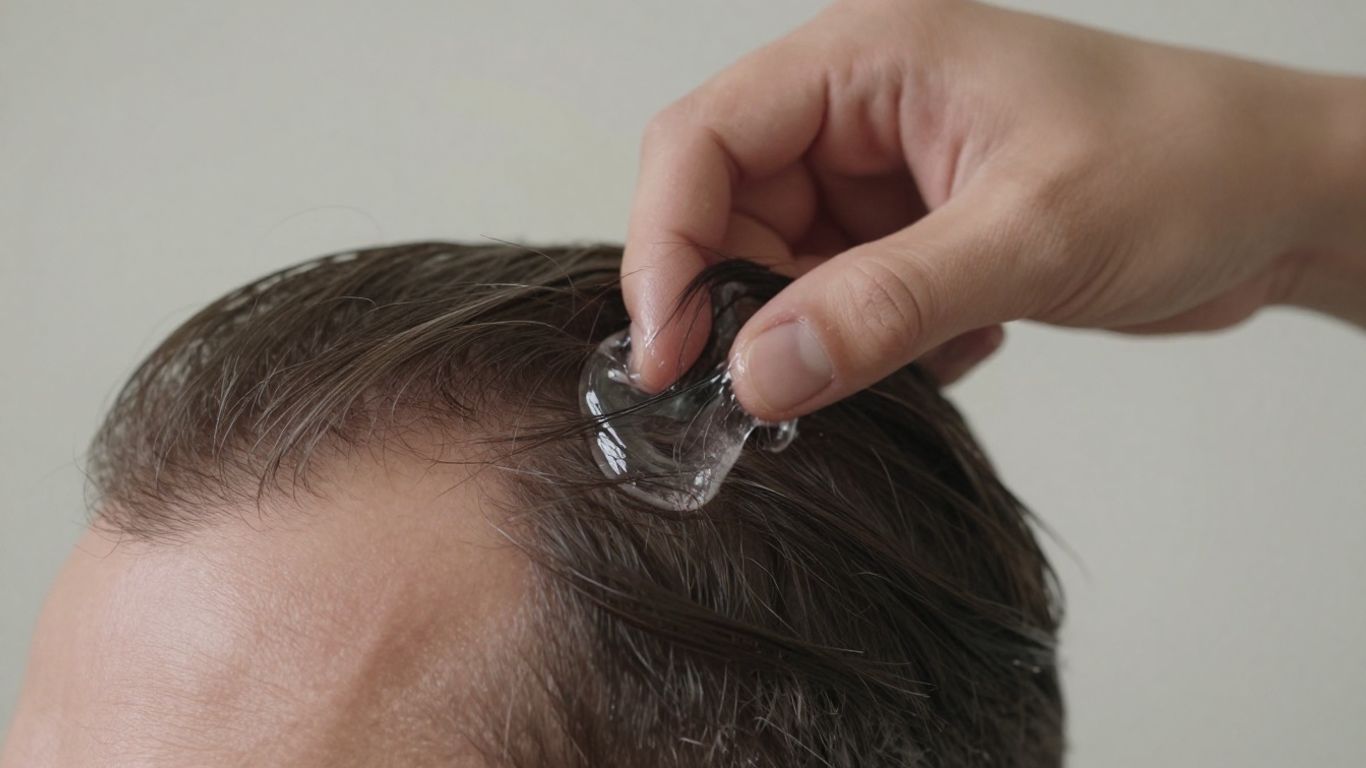
Hair gel is designed to hold your hair in place, and it does this by coating the hair shaft. When you apply gel, it forms a film on the surface, primarily on that outer cuticle layer. This film can make the hair feel stiffer and hold its shape. Some gels contain ingredients that can temporarily fill in minor imperfections on the cuticle's surface, making the hair appear smoother. However, the way these ingredients interact with the hair's natural structure is key. If a gel contains harsh chemicals or dries in a way that pulls or stresses the hair, it could potentially affect the cuticle over time.
The Role of Lipids and Cuticle Integrity
Your hair naturally has a protective layer of lipids, which are fatty substances. These lipids help keep moisture in and protect the hair from damage. They're particularly important for the outermost part of the cuticle. When you use hair products, especially those with alcohol or certain chemicals, they can strip away these natural lipids. This leaves the cuticle more exposed and vulnerable. Maintaining the natural lipid layer is crucial for keeping hair strong and preventing breakage.
The hair cuticle is like a series of tiny, overlapping scales. When these scales are lying flat and smooth, hair looks shiny and feels soft. If they get lifted or damaged, hair can look dull, feel rough, and be more prone to tangling and breaking. Products we use can either help keep these scales in place or, if they're not formulated well or used incorrectly, can cause them to lift.
Here's a quick look at what makes up your hair:
- Medulla: The innermost core (not always present).
- Cortex: The main body, providing strength and color.
- Cuticle: The outer protective layer of scales.
And within the cuticle, you've got:
- Epicuticle: A thin protein membrane.
- Lipid Layer: Natural oils that protect and add shine.
- Keratinocytes: The actual scale cells that overlap.
Exploring Potential Causes of Hair Loss
So, we've talked about how hair gel works on your hair's surface, but what about when hair starts to fall out more than usual? It's easy to jump to conclusions, like blaming that styling product you use every day. However, the reality is often more complex. Hair loss can be triggered by a bunch of different things happening inside and outside your body. It's not always about what you put on your hair, but sometimes about what's going on with your overall health.
The Impact of Stress on Hair Follicles
Life throws curveballs, and sometimes, our hair feels the brunt of it. When you're under a lot of stress, whether it's from a big work project, relationship drama, or just a general feeling of being overwhelmed, your body goes into a sort of survival mode. This can actually push a lot of your hair follicles into a resting phase, meaning they stop growing for a while. Eventually, this can lead to more shedding than you're used to. It's not usually permanent, but managing stress is a big part of getting your hair back on track.
Nutritional Deficiencies and Hair Health
What you eat plays a huge role in how healthy your hair is. Think of your hair as the last thing your body prioritizes when it comes to nutrients. If you're not getting enough of the good stuff, like iron or certain vitamins, your body will send those limited resources to your vital organs first. This can leave your hair follicles struggling. Crash diets or just not eating a balanced diet can really impact your hair's strength and growth. It's like trying to build a house with not enough materials – it's just not going to be as sturdy.
Age-Related Changes in Hair
As we get older, our bodies naturally change, and our hair is no exception. For men, hair thinning often becomes more noticeable with age. For women, hormonal shifts, especially around menopause, can also lead to changes in hair density and texture. These changes are usually tied to natural declines in hormone levels. It's a normal part of life, but sometimes, understanding these shifts can help manage expectations and find ways to keep hair looking its best.
It's important to remember that hair is a reflection of our internal well-being. If you're noticing significant hair loss, it's a good idea to look beyond just your hair care products and consider your overall health. Sometimes, a simple check-up or a look at your diet can reveal a lot.
Debunking the Hair Gel Baldness Myth
Is Hair Gel a Direct Cause of Baldness?
Let's get this straight: hair gel, in and of itself, does not cause baldness. This is a persistent myth that's been floating around for ages, probably because people associate using styling products with hair problems. But the science just doesn't back it up. Baldness, or androgenetic alopecia, is primarily driven by genetics and hormones. Your hair follicles are programmed to shrink over time, leading to thinner hair and eventually, no hair. Hair gel sits on the outside of the hair shaft; it doesn't penetrate the follicle or alter your DNA. So, no, that styling gel isn't secretly plotting to make you go bald.
Misconceptions About Hair Growth Suppression
Sometimes, people confuse hair breakage or temporary thinning with hair growth suppression. If you're using a lot of gel and not washing your hair properly, product buildup can make your hair feel stiff and brittle. This can lead to breakage, where the hair shaft snaps off. It looks like less hair, but the follicle is still there, ready to grow. It's like thinking a broken twig means the whole tree is dying – it's just a part that's damaged.
- Product Buildup: Can make hair feel heavy and prone to snapping.
- Harsh Ingredients: Some gels might contain alcohol or other drying agents that can weaken the hair shaft over time.
- Mechanical Stress: Constantly pulling or manipulating hair that's stiff with gel can also cause breakage.
The Reality of Hair Gel Usage
Using hair gel is generally safe for your hair and scalp. The key is moderation and proper hygiene. If you're using a lot of product, make sure you're washing it out thoroughly. Skipping washes or not using a good shampoo can lead to buildup, which, as we mentioned, can cause breakage. Think of it like this: you wouldn't eat cake every single meal and expect to feel great, right? Same idea with hair gel. A little bit, used correctly, is fine. Too much, or used without care, can lead to issues, but not permanent baldness.
The real culprits behind hair loss are usually internal factors like genetics, hormones, stress, or underlying health conditions. External products like hair gel are rarely the primary cause of significant hair thinning or baldness. They might contribute to breakage if misused, but that's a different issue entirely.
Here's a quick rundown of what actually impacts hair health:
- Genetics: The biggest factor for most people.
- Hormonal Changes: Think pregnancy, menopause, or thyroid issues.
- Medical Conditions: Certain illnesses can affect hair growth.
- Medications: Some drugs have hair loss as a side effect.
- Severe Stress: Can lead to temporary hair shedding (telogen effluvium).
So, go ahead and style your hair, just be mindful of how you're treating it.
Factors Contributing to Hair Breakage and Damage
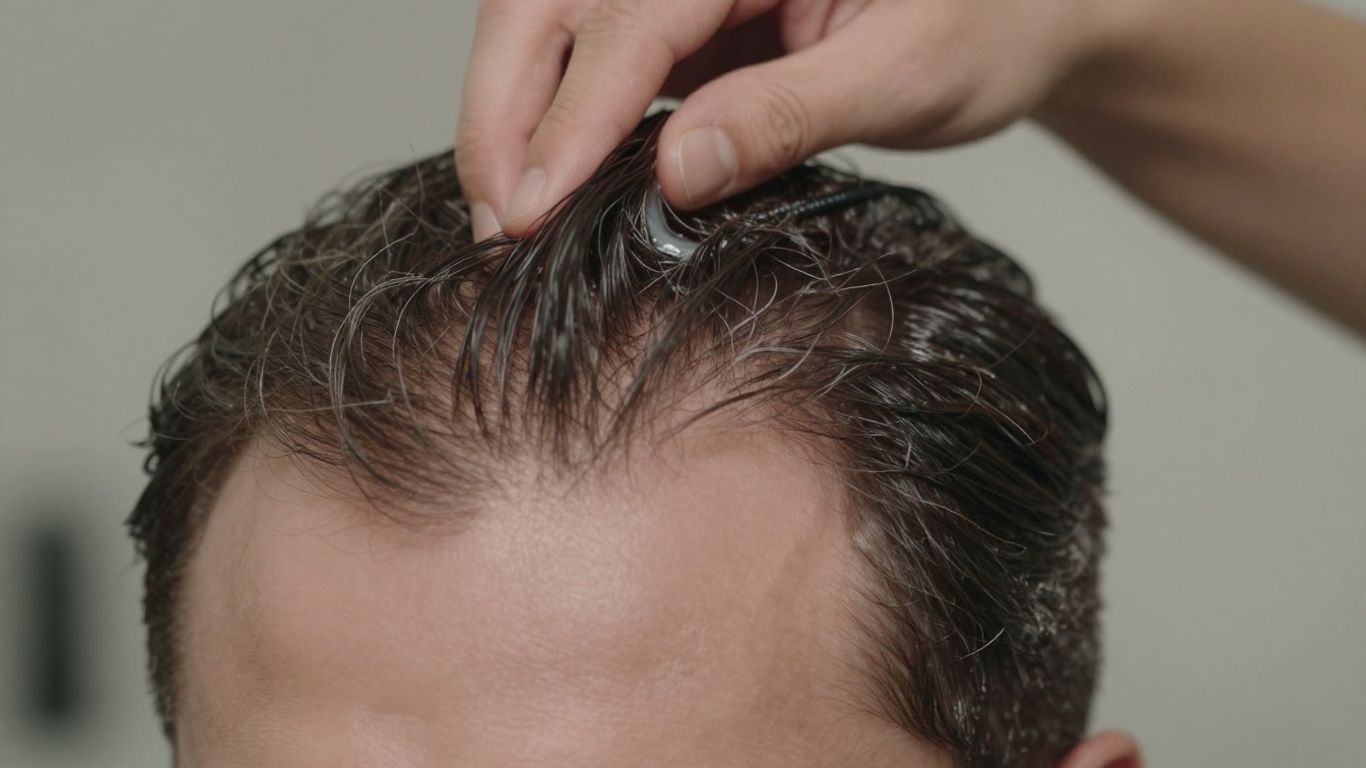
So, we've talked about how hair gel isn't the villain behind baldness. But that doesn't mean our hair is invincible. There are definitely other things that can mess with our strands, leading to breakage and just generally sad-looking hair. It's not always about what we put on our hair, but also how we treat it day-to-day.
Mechanical Stress and Grooming Habits
Think about your daily routine. How do you brush your hair? Are you yanking a comb through it when it's tangled, especially when it's wet? That kind of rough handling can really do a number on your hair. When you comb dry hair, you might notice more little breaks, almost like split ends. But when you comb wet hair, which is more fragile, you can get longer breaks because the hair stretches more before snapping. It's like pulling a wet rubber band versus a dry one – the wet one can go further, but it also breaks more dramatically.
- Rough brushing: Yanking a comb through knots, especially when hair is wet.
- Over-styling: Constantly pulling, twisting, or manipulating your hair into tight styles.
- Friction: Hair rubbing against rough pillowcases or clothing can wear down the cuticle over time.
The integrity of your hair's outer layer, the cuticle, is super important for its strength. When that cuticle gets damaged, whether from harsh brushing or just everyday wear and tear, the inner part of the hair (the cortex) can start to split. This is how you end up with those annoying split ends.
Chemical Treatments and Hair Alterations
This is a big one for a lot of people. Things like dyeing, bleaching, perming, or straightening your hair can seriously weaken it. These processes change the hair's structure, making it more porous and susceptible to damage. Sunlight can also play a role, oxidizing the hair and making it more brittle. It's like taking a strong piece of string and repeatedly soaking it in chemicals and then drying it out – eventually, it's going to lose its strength.
The Effects of Cleansing Products on Hair
Even the stuff you use to wash your hair can have an impact. Some shampoos, especially those designed to really deep clean or treat scalp issues like dandruff, can strip away natural oils. This can leave your hair feeling dry and more prone to tangling and breakage. When hair is stripped of its natural lubrication, it's easier for the cuticle layers to rub against each other, causing damage. That's why using a good conditioner after shampooing is so helpful – it puts some of that moisture and smoothness back.
Hair can get damaged in a lot of ways that have nothing to do with styling products. The way we handle it, the treatments we put it through, and even the shampoos we use can all contribute to weaker strands and breakage. It's all about being gentle and mindful of what your hair goes through.
Maintaining Healthy Hair and Scalp
The Importance of Hair and Scalp Care Routines
Taking care of your hair and scalp isn't just about looking good; it's about keeping your hair strong and healthy from the root to the tip. Think of your scalp as the garden where your hair grows. If the garden isn't healthy, the plants won't thrive. A clean, balanced scalp is key to encouraging healthy hair growth. This means getting rid of buildup from products, sweat, and dead skin cells that can clog up your hair follicles. When follicles are clear, hair can grow without as much trouble.
Here are some basic steps to get you started:
- Gentle Cleansing: Use a shampoo that suits your hair type and scalp condition. Avoid harsh sulfates that can strip away natural oils. Focus on massaging the scalp to stimulate blood flow and clean thoroughly.
- Scalp Stimulation: Regular scalp massages, even for a few minutes a day, can help boost circulation. Some people find using oils like rosemary or peppermint can be beneficial, as they're thought to encourage blood flow to the follicles.
- Mindful Grooming: Be gentle when brushing or combing. Use a wide-tooth comb, especially on wet hair, which is more fragile. Try to limit brushing to once a day to avoid unnecessary stress on the hair strands.
Keeping your hair and scalp in good shape is a marathon, not a sprint. Consistent, gentle care makes a big difference over time. It's about building good habits that support your hair's natural strength and resilience.
Using Conditioners to Minimize Damage
Conditioners are more than just a nice smell after shampooing. They play a big role in protecting your hair from damage, especially if you use styling products or have treated your hair chemically. When you wash your hair, especially with stronger shampoos, the outer layer of the hair shaft, called the cuticle, can get a bit roughed up. Conditioners help to smooth down these cuticle layers. This makes the hair surface less rough, which means less friction when you brush or style it. Less friction means less breakage and fewer split ends. They also help to keep the hair from absorbing too much water, which can make hair swell and become weaker when wet.
The Role of Hair Cosmetics in Protection
Hair products, often called cosmetics, can do more than just style. Many are designed to actually help protect your hair. For instance, some products contain ingredients that can temporarily fill in small cracks or rough spots on the hair cuticle. This makes the hair feel smoother and look shinier. Others create a light coating on the hair shaft, which can reduce how much water the hair absorbs. This is helpful because wet hair is more prone to stretching and breaking. Some ingredients, like silicones, can coat the hair and reduce friction, making it easier to comb and less likely to snag. These protective layers can shield your hair from everyday wear and tear, as well as from the stresses of styling tools and environmental factors.
So, What's the Verdict on Hair Gel and Baldness?
After digging into it, it's pretty clear that your trusty hair gel isn't the villain behind hair loss. The science just doesn't back that up. Real hair loss usually comes from deeper issues like genetics, stress, or health problems, not from styling products. While some gels might dry out your hair if you use them a ton without proper washing, that's a far cry from causing baldness. So go ahead and style your hair with confidence, but remember that healthy hair also depends on a good diet and taking care of yourself overall. If you're genuinely worried about thinning hair, it's always best to chat with a doctor or a hair specialist.
Frequently Asked Questions
Does hair gel actually make you go bald?
No, hair gel itself doesn't cause baldness. Baldness is usually due to genetics, hormones, or aging. Hair gel might make your hair feel stiff or sticky, but it doesn't harm your hair roots or stop hair from growing.
Can using hair gel every day lead to hair loss?
Using hair gel daily won't cause hair loss. However, if you pull or tug at your hair a lot while styling it with gel, or if you don't wash it out properly, it could lead to some breakage. But this is different from actual hair loss from the root.
What's the difference between hair breakage and hair loss?
Hair loss means hair falls out from the root, often due to things like stress or health issues. Hair breakage is when the hair strand itself snaps, usually because it's dry, weak, or has been handled roughly, like from harsh styling or too much heat.
How does hair gel affect my hair?
Hair gel is designed to hold your hair in place. It coats the outside of your hair strands, making them feel firmer. Some gels can make hair a bit dry if they contain alcohol, but this usually just affects the hair shaft, not the part that grows from your scalp.
What are some common reasons people lose hair?
People can lose hair for many reasons. Big ones include family history (genetics), changes in hormones, certain medical conditions, stress, and sometimes just getting older. Poor nutrition can also play a role.
How can I keep my hair healthy if I use styling products like gel?
To keep your hair healthy, make sure to wash out your hair gel regularly. Try not to pull or yank your hair too hard when styling. Using a conditioner can help keep your hair soft and less likely to break. Eating a balanced diet also supports overall hair health.