

Unraveling the Causes of Extreme Hair Loss in Women: A Comprehensive Guide
It can be pretty unsettling when you start noticing a lot more hair in your brush or your part seems wider than before. For many women, losing hair isn't just about how you look; it can really mess with your head. You're definitely not alone in this. It turns out that more than half of women will deal with noticeable hair loss at some point in their lives. The good news is, figuring out why it's happening is the first big step to getting it under control and hopefully seeing some regrowth. We're going to go through what you need to know, from figuring out what kind of hair loss you might have to looking at treatments and simple changes that can actually help. We'll try to make sense of the science, talk about how it feels, and give you the info you need to take charge of your hair health.
Key Takeaways
- Female pattern hair loss is the most common reason for thinning hair in women, often influenced by genetics and hormones.
- Hormonal shifts from things like menopause, pregnancy, or conditions like PCOS can significantly impact hair growth cycles.
- Stress, whether emotional or physical, can trigger temporary but noticeable hair shedding called telogen effluvium.
- Not getting enough key nutrients like iron, vitamin D, and zinc from your diet can also lead to hair thinning.
- If you're worried about your hair loss, especially if it's sudden or creating bald spots, it's a good idea to see a doctor or dermatologist.
Understanding The Causes Of Extreme Hair Loss In Women
It can be really upsetting to notice a lot more hair than usual in your brush or shower drain. For many women, hair loss isn't just about looks; it can really affect how you feel about yourself. You're definitely not alone in this. It's estimated that more than half of all women will deal with noticeable hair loss at some point in their lives. The good news is that figuring out why it's happening is the first big step toward getting it under control and hopefully seeing some regrowth. This section will break down the main reasons why women experience significant hair thinning or loss.
Female Pattern Hair Loss: A Genetic Predisposition
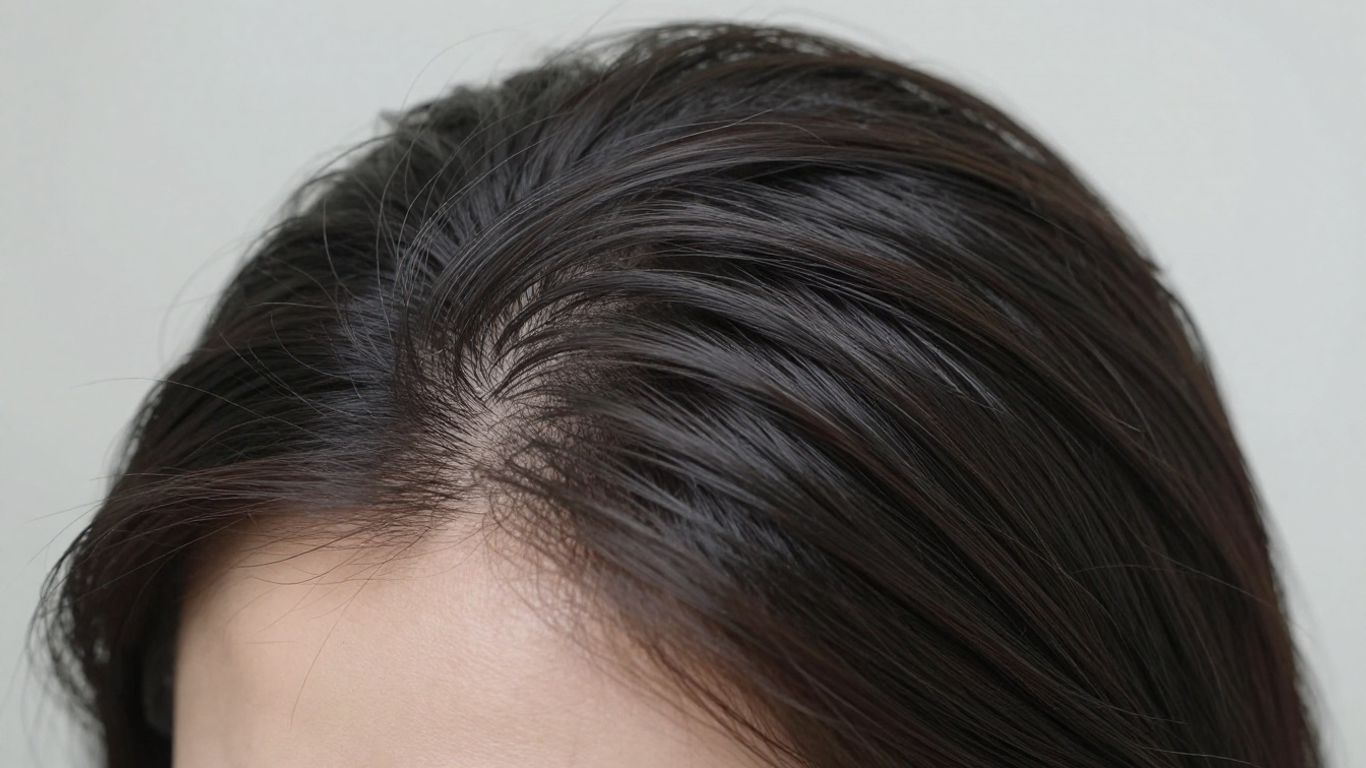
This is probably the most common reason women lose hair. It's often called androgenetic alopecia, and it's something that runs in families. Unlike men who might get a receding hairline, women usually notice their hair getting thinner all over the top of their head, especially on the crown. It's thought to be linked to how your body reacts to certain hormones, even though women have smaller amounts of them compared to men. Age also plays a role here; it tends to become more noticeable as you get older. Genetics and hormonal sensitivity are the main drivers behind this type of hair thinning.
Hormonal Imbalances Triggering Hair Thinning
Hormones are like the body's messengers, and when they get out of whack, it can really mess with your hair growth cycle. Things like pregnancy, giving birth, going through menopause, or having thyroid issues can all throw your hormones off balance. Even conditions like Polycystic Ovary Syndrome (PCOS) can cause hormonal ups and downs that lead to hair thinning. It's a complex system, and disruptions here can have a visible effect on your hair.
The Impact of Stress and Trauma on Hair Follicles
Life throws curveballs, and sometimes our bodies react in surprising ways. Major stress, whether it's from a big emotional event or a physical shock like surgery or a serious illness, can trigger a condition called telogen effluvium. Basically, your body thinks it's in survival mode and shifts resources away from non-essential functions, like growing hair. This can cause a lot of hair to enter the resting phase all at once, leading to noticeable shedding a few months later. It's usually temporary, but it can be quite alarming when it happens. Managing stress is key to helping your hair recover. You can find resources for stress management techniques that might help.
Hormonal Fluctuations And Their Effect On Hair
Hormones are like tiny messengers in your body, and when their levels go up or down unexpectedly, it can really mess with your hair. It's not just about looking different; it's about the actual health and growth cycle of your hair.
Menopause and Postpartum Shedding
Think about the major life changes a woman goes through. After giving birth, your body is doing a lot of recovering, and hormone levels shift dramatically. This often leads to a period of noticeable hair shedding, usually a few months after delivery. It's called postpartum shedding, and while it can be alarming, it's typically temporary. Similarly, as women approach and go through menopause, estrogen levels drop. This decrease can lead to thinning hair and a less dense look. It's a natural part of aging for many, but it doesn't mean you can't do anything about it.
Polycystic Ovary Syndrome (PCOS) and Hair Loss
PCOS is a condition that affects many women, and one of its common symptoms is hair thinning or loss. This happens because PCOS often involves higher levels of androgens, which are male hormones. These androgens can shrink hair follicles on the scalp, leading to hair that's finer and grows more slowly, or even stops growing altogether in some areas. It's a tricky balance, and managing PCOS is key to helping your hair recover.
Thyroid Disorders and Hair Health
Your thyroid gland plays a big role in your metabolism, and that includes how your cells, including hair follicles, function. If your thyroid is overactive (hyperthyroidism) or underactive (hypothyroidism), it can throw your hair growth cycle out of whack. Hypothyroidism, in particular, is often linked to diffuse thinning all over the scalp, and sometimes even hair loss in patches. Getting your thyroid levels checked is a pretty standard step when figuring out hair loss.
Hormonal shifts are a common culprit for hair loss in women, impacting the hair growth cycle in various ways. Understanding these changes is the first step toward finding solutions.
Here's a quick look at how different hormonal events can affect your hair:
- Postpartum: Temporary shedding due to falling estrogen levels after childbirth.
- Menopause: Gradual thinning as estrogen decreases and androgen levels might relatively increase.
- PCOS: Hair thinning on the scalp due to elevated androgen levels.
- Thyroid Issues: Diffuse hair thinning or loss linked to an imbalanced thyroid.
It's important to remember that these hormonal changes can be managed, and addressing the underlying issue is often the most effective way to see improvements in your hair.
Nutritional Deficiencies Contributing To Hair Loss
You know, sometimes the simplest things can have a big impact, and that's definitely true when it comes to our hair. What we eat plays a huge role in how healthy our hair is, and if we're not getting enough of the right stuff, our hair can really suffer. It's not just about having shiny hair; it's about the actual structure and growth of it.
The Role of Iron and Vitamin D
Iron is a big one, especially for women. We lose iron every month, and if we don't replenish it, our bodies can't make enough of that protein that carries oxygen to our hair follicles. Think of it like a plant not getting enough water – it just won't grow well. Low iron, often seen as low ferritin levels, is a common reason for hair thinning, particularly in women who menstruate. It's been debated exactly how low ferritin needs to be to cause hair loss, but many studies suggest keeping it above a certain level can help.
Vitamin D is another player. While its exact role in hair loss isn't fully understood, many people with hair thinning also have low vitamin D levels. It's thought to be involved in the hair follicle cycle, and getting enough might help keep things running smoothly.
Importance of B Vitamins and Zinc
Then there are the B vitamins, like folate and B12. These are super important for cell growth and repair. If you're not getting enough, your body can't make new cells as efficiently, and that includes the cells that make up your hair. Poor scalp circulation can also be a side effect of not having enough B vitamins, which isn't great for hair growth.
Zinc is also on the list. It's involved in protein synthesis and cell division, both of which are key for healthy hair. A lack of zinc can lead to hair shedding. It's one of those minerals that your body needs in small amounts, but it's really important for a lot of functions, including keeping your hair strong.
Impact of Diet on Hair Follicle Health
Basically, if your diet is full of processed foods and lacks fresh fruits, vegetables, and lean proteins, you might be missing out on these vital nutrients. Even restrictive diets or fad diets can leave your body short on what it needs for optimal hair health. It's not just about eating something, it's about eating well.
Your hair follicles need a steady supply of nutrients to do their job. When your body is lacking in key vitamins and minerals, it prioritizes other functions, and hair growth can take a backseat. This can manifest as thinning, slower growth, or increased shedding.
Here's a quick look at what happens when some key nutrients are low:
- Protein: Your body uses protein for many things. If you don't have enough, it will use its reserves for more important functions, leaving less for making keratin, the main component of hair.
- Iron: Reduced oxygen supply to hair follicles and less of an enzyme needed for follicle stimulation.
- Vitamin C: Needed for collagen production, which gives hair its shape and strength.
- Folic Acid (a B vitamin): Can lead to poor scalp circulation and reduced cell growth, impacting hair growth.
- Zinc: Important for protein synthesis and cell division, both critical for hair.
So, while it might seem like a simple fix, paying attention to your diet is a really important step in addressing hair loss. It's about giving your body the building blocks it needs to keep your hair healthy from the root up.
Stress-Induced Hair Loss: Telogen Effluvium Explained
Physical and Emotional Stressors
Life throws curveballs, and sometimes, our bodies react in ways we don't expect. One of those reactions can be hair loss, specifically a condition called telogen effluvium. This isn't your everyday shedding; it's a more dramatic event where a significant number of hairs suddenly shift into the resting phase of the hair growth cycle. What kind of stress are we talking about? It can be anything that really shakes your system up. Think major surgery, a serious illness like the flu or COVID-19, or even a really tough emotional time, like losing a loved one or going through a messy divorce. Even rapid weight loss or starting or stopping certain medications can be triggers. Basically, if your body perceives a significant threat or disruption, it might decide that growing hair isn't its top priority right now.
The Hair Growth Cycle Disruption
Our hair doesn't just grow non-stop. It follows a cycle: anagen (growth), catagen (transition), and telogen (resting). Normally, only a small percentage of your hair is in the telogen phase at any given time, which is why you shed about 50-100 hairs a day – it's just the old hairs making way for new ones. But with telogen effluvium, a big shock to your system can push a much larger portion of your hair follicles prematurely into that telogen phase. This means that a few months after the stressful event, you'll start noticing a lot more hair coming out than usual. It's like your body is hitting a reset button, but it affects your hair growth cycle in a very visible way. This shedding can last for several months, but the good news is that it's usually temporary.
Managing Stress for Hair Health
Since stress is a major player in telogen effluvium, learning to manage it is key. It's not always easy, I know. Finding what works for you is important. Here are a few ideas:
- Mindfulness and Meditation: Even just a few minutes a day can help calm your nervous system. There are tons of apps and online resources to guide you.
- Regular Exercise: Moving your body is a fantastic stress reliever. It doesn't have to be intense; a brisk walk can make a big difference.
- Prioritize Sleep: Getting enough quality sleep is vital for your body's recovery and stress management.
- Seek Support: Talking to friends, family, or a therapist can provide an outlet for your worries and help you cope.
It's important to remember that while stress can trigger hair loss, it's often a sign that your body is under significant strain. Addressing the stressor, whether it's through lifestyle changes, therapy, or medical intervention, is the first step toward helping your hair recover. Patience is also a virtue here; regrowth takes time.
If you're noticing a lot more hair than usual in your brush or shower drain, and you've recently experienced a significant life event, telogen effluvium might be the culprit. While it can be alarming, understanding the cause is the first step toward feeling more in control.
Medical Conditions Linked To Hair Loss
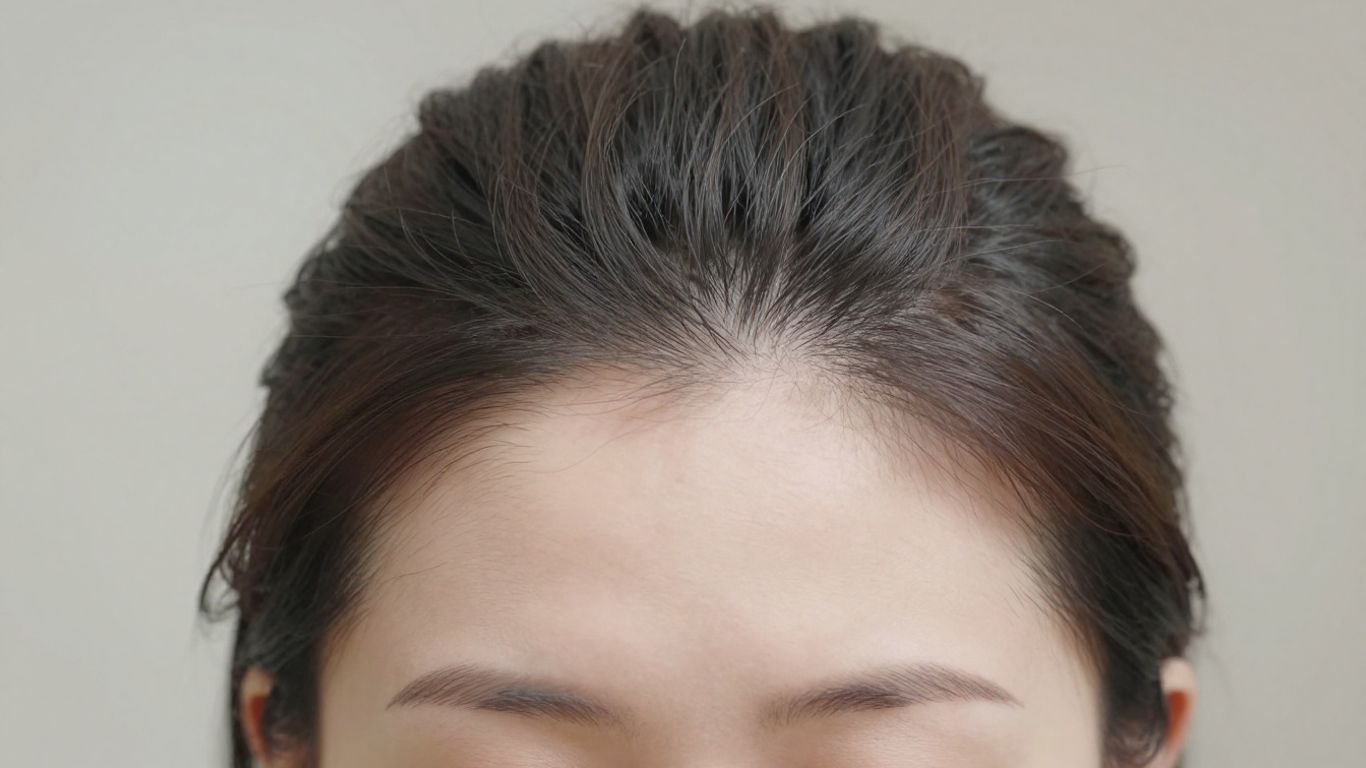
Sometimes, hair loss isn't just about genetics or stress; it can be a sign that something else is going on with your health. It's like your body sending out a signal that it needs a little attention. Several medical conditions can mess with your hair growth cycle, leading to thinning or even bald patches.
Alopecia Areata: An Autoimmune Condition
This one's a bit tricky because it's an autoimmune issue. Basically, your immune system gets confused and starts attacking your hair follicles. It's not contagious, and it can pop up out of nowhere. You might notice round, smooth patches of hair loss on your scalp, but it can happen anywhere on your body too. Sometimes the hair grows back on its own, and sometimes it doesn't. It can be pretty unpredictable.
Underlying Health Issues and Hair Loss
Beyond alopecia areata, other health problems can cause hair to fall out. Think about things like:
- Thyroid problems: Both an overactive (hyperthyroidism) and underactive (hypothyroidism) thyroid can throw your hair growth cycle off balance.
- Scalp infections: Fungal infections, like ringworm of the scalp, can cause itchy, scaly patches and hair loss.
- Lupus: This autoimmune disease can cause inflammation that affects the skin and scalp, leading to hair thinning or permanent hair loss if scarring occurs.
It's important to remember that hair loss can be an early indicator of these conditions, so paying attention to it is key.
Medication Side Effects on Hair
Ever started a new medication and noticed more hair in your brush a few weeks later? That's not a coincidence. A whole bunch of medications can list hair loss as a potential side effect. This includes things like:
- Blood thinners: Medications used to prevent blood clots.
- Certain antidepressants: Some mood-altering drugs can impact hair growth.
- Medications for blood pressure: Beta-blockers and ACE inhibitors are common culprits.
- Chemotherapy drugs: These are designed to kill fast-growing cells, and unfortunately, hair follicles are among them.
If you suspect a medication is causing your hair loss, don't stop taking it on your own. Always talk to your doctor first. They might be able to switch you to a different drug or adjust the dosage.
Sometimes, the hair loss caused by medical conditions or medications is temporary. Once the underlying issue is treated or the medication is stopped, hair can often grow back. However, in some cases, like with certain types of scarring alopecia or long-term autoimmune conditions, the hair loss might be permanent. It really depends on the specific cause and how it's managed.
When To Seek Professional Help For Hair Loss
Recognizing Signs of Significant Hair Loss
Look, we all shed some hair every day. It's totally normal. But if you're noticing way more hair than usual in your brush, on your pillow, or in the shower drain, that's a big signal. Sudden or really noticeable thinning, especially if it happens fast, isn't something to just brush off. Also, if you start seeing bald spots or areas where your hair just isn't growing back like it used to, that's a definite red flag. Don't wait around hoping it'll fix itself.
The Importance of Dermatological Evaluation
When you've tried the usual fixes – maybe a new shampoo or a vitamin – and nothing seems to help, it's time to see a pro. A dermatologist is the go-to expert for hair and scalp issues. They can actually look at your scalp, figure out what type of hair loss you're dealing with, and start to pinpoint the why. It's not just about what you see on top; they'll consider your overall health too.
Diagnostic Tests for Hair Loss Causes
To get to the bottom of things, a doctor might suggest a few tests. It's usually not just one thing causing hair loss, so they want to check a few different areas.
- Blood Work: This is pretty standard. They'll likely check your thyroid levels, iron (ferritin) levels, and vitamin D. Sometimes, they'll look at hormone levels too, especially if they suspect something like PCOS.
- Scalp Examination: They'll closely examine your scalp for any signs of infection, inflammation, or specific patterns of thinning.
- Hair Pull Test: A simple test where the doctor gently pulls a small section of hair to see how many hairs come out. This helps determine the stage of hair shedding.
It's easy to feel overwhelmed when you're losing hair, but remember that seeking help is a proactive step. A professional can offer tailored advice and treatments that over-the-counter products just can't match. They can also help rule out any serious underlying health conditions that might be contributing to the problem.
Wrapping Things Up
So, we've talked a lot about why hair might be thinning out. It's usually not just one thing, right? Hormones, stress, what you eat – it all seems to play a part. And sometimes, it's just genetics doing its thing. The main takeaway here is that if you're worried about losing hair, you're definitely not alone, and there are ways to figure out what's going on. Talking to a doctor is a good first step, and from there, you can look into different treatments or changes that might help. It takes time, but understanding the reasons behind it is the biggest part of finding a solution that works for you.
Frequently Asked Questions
What are the most common reasons women lose hair?
Hair loss in women can happen for many reasons. Sometimes, it's just how our bodies are built, like with female pattern hair loss. Other times, it's due to changes in hormones, like during pregnancy or menopause. Big stresses, not eating enough of the right foods, or even certain health problems can also make hair fall out.
Can stress really cause my hair to fall out?
Yes, it absolutely can. When you go through a lot of stress, whether it's from a tough time emotionally or a physical shock like surgery, your body can react by pushing a lot of hair into the resting stage all at once. Then, a few months later, all that hair sheds, which can be quite a lot.
What's the difference between normal hair shedding and hair loss?
It's normal to lose about 50 to 100 hairs every day. This is just part of the hair's natural life cycle. Hair loss, on the other hand, happens when your hair growth cycle gets messed up, and you lose much more hair than your hair can grow back.
How do hormones affect hair loss in women?
Hormones are like messengers in your body, and when they get out of balance, it can really affect your hair. Things like going through menopause, having a baby, or conditions like PCOS can change your hormone levels, which can lead to hair thinning or loss.
Is it important to see a doctor about hair loss?
Definitely. If you're losing a lot of hair suddenly, or if you notice thinning that's bothering you, it's a good idea to see a doctor or a skin specialist. They can help figure out the exact reason why your hair is falling out and suggest the best way to help it grow back.
Can eating certain foods help my hair grow back?
Eating well is super important for healthy hair! Making sure you get enough iron, vitamins like D and B, and minerals like zinc can really help your hair follicles stay strong. A balanced diet with plenty of protein and nutrients is key for supporting hair growth.