

Unraveling Hair Loss Causes in Females: A Comprehensive Guide
It can be pretty unsettling when you notice more hair in your brush than usual, right? Lots of women go through this, and it’s not always easy to figure out why. This guide is here to shed some light on the common hair loss causes female individuals might face. We’ll break down the different factors, from what’s happening inside your body to what you’re doing day-to-day, that could be contributing to thinning hair or more shedding than you’re used to. Let's get to the bottom of it.
Key Takeaways
- Hormonal shifts, like those during menopause or after giving birth, are frequent triggers for hair thinning in women.
- DHT, a hormone, can cause hair follicles to shrink, leading to finer, shorter hairs and overall thinning, especially on the scalp's top.
- Genetics play a role, with conditions like Androgenetic Alopecia (Female Pattern Hair Loss) causing gradual thinning, often seen as a widening part.
- External factors such as tight hairstyles (traction alopecia), harsh hair products, and rough handling of wet hair can damage follicles and lead to loss.
- Stress, underlying medical issues like thyroid problems or PCOS, and nutritional gaps (like low iron) are also significant contributors to hair loss causes female individuals should be aware of.
Hormonal Influences On Female Hair Loss
Hormones, those tiny chemical messengers in our bodies, play a massive role in pretty much everything, and that includes our hair. For women, shifts in hormone levels can really throw a wrench into hair growth cycles, leading to thinning or even loss. It's not just one thing, either; it's a whole mix of factors that can mess with your mane.
Menopausal Hair Loss
As women get older and approach menopause, their bodies start producing less estrogen and progesterone. These are the hormones that generally keep hair growing strong and healthy. When their levels drop, it can create a bit of a hormonal imbalance. Even if your levels of 'male' hormones, like androgens (including DHT), don't actually go up, their effect becomes more noticeable because the 'female' hormones are lower. This shift can make hair follicles more sensitive to DHT, leading to thinner hair, especially on the top of the head. It's a pretty common experience, with a lot of women noticing changes around this time.
Postpartum Hair Loss
Having a baby is a huge event for your body, and it comes with some serious hormonal changes. During pregnancy, estrogen levels are high, which helps keep your hair in its growing phase for longer. After delivery, those estrogen levels plummet pretty quickly. This sudden drop can shock your hair follicles, causing a lot of hair to enter the shedding phase all at once. It might seem like you're losing a ton of hair, but for most women, this is a temporary situation. Your hair usually starts to bounce back within a year or so as your hormones level out.
Other Hormonal Imbalances
Beyond menopause and pregnancy, other conditions can throw your hormones out of whack and affect your hair. Polycystic Ovary Syndrome (PCOS) is a big one. Women with PCOS often have higher levels of androgens, which can lead to hair thinning similar to male pattern baldness. Thyroid issues are another common culprit. Both an overactive (hyperthyroidism) and underactive (hypothyroidism) thyroid can disrupt your hair growth cycle. Even stress, which we'll talk about more later, can impact your hormones and, consequently, your hair. It's a complex web, and sometimes figuring out the exact hormonal trigger can take a bit of detective work.
Understanding these hormonal shifts is key to addressing hair loss effectively. It's not always about a single cause but rather a combination of factors influencing your hair's health.
Here are some common signs of hormonal imbalances affecting hair:
- Noticeable thinning, especially on the crown or widening of the part.
- Increased shedding noticed during brushing or washing.
- Changes in hair texture, like becoming finer or drier.
- Other symptoms like acne, irregular periods, or unwanted facial hair growth (which can point to conditions like PCOS).
If you're concerned about hormonal causes of hair loss, talking to a doctor or a dermatologist is a good first step. They can help pinpoint the specific imbalance and recommend the best course of action for you.
The Role Of DHT In Female Hair Loss
So, let's talk about DHT. You might have heard this term thrown around, especially when discussing hair loss. DHT, or dihydrotestosterone, is a hormone that's a bit of a big deal, even for women. It's a derivative of testosterone, created when an enzyme called 5-alpha reductase does its work. While it plays a significant role in male development, it's also present in women, and when things get out of balance, it can become a key player in hair thinning.
Understanding DHT And Its Mechanism
Think of DHT as a more potent version of testosterone. In women, its direct role in everyday bodily functions isn't as pronounced as in men. However, the issue arises when DHT interacts with hair follicles that are genetically predisposed to be sensitive to it. When DHT latches onto specific receptors in these follicles, it can trigger a process known as miniaturization. This is where the hair follicle starts to shrink. The normal hair growth cycle gets disrupted; the growth phase (anagen) becomes shorter, and the resting phase (telogen) gets longer. Over time, the hairs that grow from these affected follicles become progressively finer, shorter, and less pigmented, eventually resembling the soft, downy hair you might see on other parts of your body. Eventually, the follicle might stop producing visible hair altogether.
DHT's Impact On Hair Follicles
When DHT starts messing with your hair follicles, it's like a slow erosion. The follicle's ability to produce a healthy, robust hair shaft diminishes with each cycle. This isn't an overnight event; it's a gradual process. The hair shaft gets thinner and weaker, and the overall density of your hair starts to decrease. You might notice your part widening, or your hair just looking less full than it used to. This miniaturization is the primary way DHT contributes to pattern hair loss in women.
Differentiating DHT Hair Loss In Women
It's important to know that DHT-related hair loss looks a bit different in women compared to men. While men often experience a receding hairline at the temples and a bald spot at the crown, women typically see a more diffuse thinning across the entire top of the scalp. This often starts with a widening of the part, and sometimes it can create a "Christmas tree" pattern of thinning, where it's more noticeable towards the front and spreads backward. A key difference is that women usually maintain their frontal hairline, which doesn't recede in the same way men's does. This pattern is often described using the Ludwig scale.
Here's a quick look at how DHT hair loss can present:
- Widening Hair Part: The most common early sign, where the scalp becomes more visible between hair strands.
- Overall Thinning: A general decrease in hair volume and density, especially on the top and crown of the head.
- Increased Shedding: Noticing more hair than usual on your brush or in the shower drain.
- Visible Scalp: In more advanced stages, the scalp may become clearly visible through the thinning hair.
Understanding DHT's role is a big step, but it's often just one piece of the puzzle. Hormonal imbalances, genetics, and other factors can all contribute to how sensitive your hair follicles are to DHT. It's not always about having sky-high DHT levels; sometimes, it's about how your individual follicles react to normal levels.
If you're noticing these changes, it's a good idea to talk to a doctor. They can help figure out if DHT is a major factor for you and discuss potential treatment options, which might include medications that block DHT or topical treatments that can help stimulate hair growth.
Genetics And Pattern Hair Loss
Androgenetic Alopecia In Women
Androgenetic alopecia, or female pattern hair loss, is usually inherited and happens more often than most people think. It typically causes a slow, steady thinning over the top of the scalp, with the hairline mostly staying intact. It’s not like male pattern baldness, which starts at the hairline and temples. Instead, you might notice widening of the part or more scalp showing on the crown. Genes from both sides of your family can play a part, and there's no single gene that decides whether you’ll have it—it’s a mix.
Some notable points about androgenetic alopecia in women:
- Hair follicles gradually shrink, leading to thinner and shorter hairs over time.
- Total baldness is rare in women; instead, there’s diffuse thinning.
- Symptoms can start in your 20s or later, often around menopause.
For many women, noticing more scalp or a wider part can feel really discouraging, especially when it doesn’t seem like you’re losing much hair day-to-day. It’s that slow shift that makes it tough to catch at first.
Here's a quick comparison of male vs female pattern hair loss:
| Feature | Female Pattern Hair Loss | Male Pattern Baldness |
|---|---|---|
| Area affected | Crown, part line | Hairline, temples, crown |
| Complete bald patches | Rare | Common |
| Hairline recedes | No | Yes |
| Onset | 20s–70s, often menopause | Teens–40s |
Understanding The Ludwig Scale
There’s a system called the Ludwig Scale that doctors often use to grade how advanced female pattern hair loss is. It has three main stages:
- Stage I – Slight thinning; a little widening of the part.
- Stage II – Noticeable thinning, especially at the crown.
- Stage III – Extensive thinning with a see-through look at the crown, but not usually total baldness.
Most doctors use this scale to track changes and decide if treatments are helping. Knowing where you stand can make the whole thing less confusing—and helps set expectations for what’s possible in terms of getting your hair back.
Lifestyle And External Factors
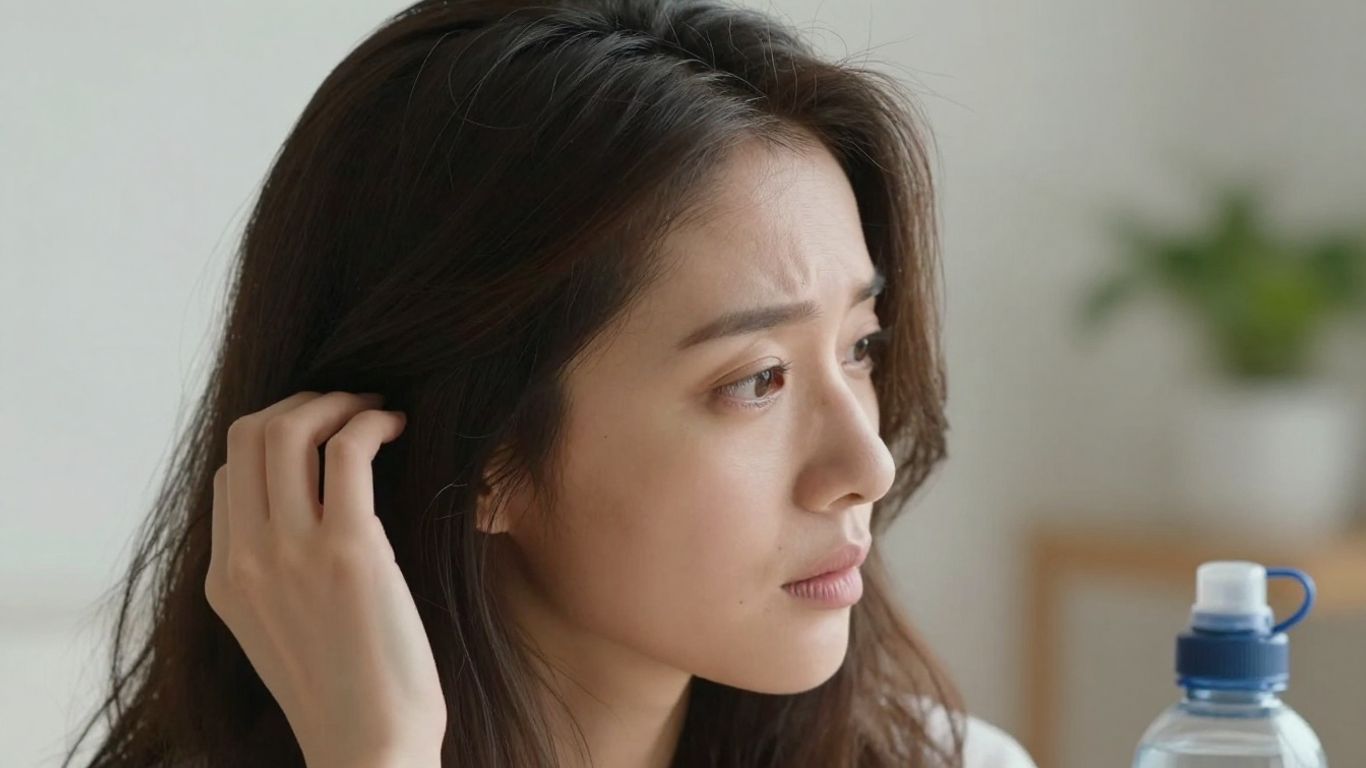
It's not just what's going on inside your body that can lead to hair thinning; what you do to your hair and how you live your life plays a big part too. Think about your daily habits and the products you use – they can really make a difference.
Traction Alopecia From Styling
This is a type of hair loss that happens when your hair is pulled too tightly for a long time. We're talking about hairstyles like tight braids, cornrows, weaves, or even extensions that put constant stress on your hair follicles. Over time, this pulling can damage the follicles and lead to hair falling out, sometimes permanently if it goes on for too long. It's a common issue, especially with certain styles that are popular. The key is to give your scalp a break from tension.
- Opt for looser hairstyles whenever possible.
- Avoid wearing tight ponytails or buns daily.
- Limit the use of hair extensions and weaves, or ensure they are applied gently.
- Give your scalp a rest from styling for a few days between treatments.
Be mindful of how your hairstyles affect your scalp. Constant pulling can cause irreversible damage to hair follicles over time.
Damage From Hair Products And Treatments
Harsh chemicals in hair dyes, perms, relaxers, and even some styling products can really do a number on your hair and scalp. These treatments can weaken the hair shaft, making it brittle and prone to breakage. Sometimes, they can even irritate your scalp, leading to inflammation that affects hair growth. It's like over-processing your hair – it just can't handle it.
Over-Brushing Wet Hair
When your hair is wet, it's at its most vulnerable. The hair shaft swells, and the bonds holding it together are weaker. Brushing wet hair too vigorously or with the wrong kind of brush can cause a lot of breakage. It's better to gently detangle wet hair with a wide-tooth comb, starting from the ends and working your way up. Patience is really important here.
Stress And Its Connection To Hair Loss
Life throws a lot at us, and sometimes, our hair notices. Stress, whether it's from a big life change, a demanding job, or just the daily grind, can really mess with your hair growth cycle. It's not just in your head; it's a real physical thing that can lead to noticeable thinning.
The Impact Of Stress On Hair Cycles
When you're stressed, your body goes into a sort of survival mode. This can push a larger percentage of your hair follicles into the resting phase (telogen) prematurely. Normally, only a small fraction of your hair is in this phase, but under stress, that number can jump up. A few months later, when these hairs are ready to shed, you might find way more hair than usual in your brush or shower drain. This condition is called telogen effluvium, and it's basically your body's way of saying, 'Whoa, too much going on right now!'
Recognizing Stress-Induced Hair Thinning
So, how do you know if stress is the culprit? Usually, it's a diffuse thinning all over your scalp, rather than bald patches. You might notice your ponytail feels less full, or your part looks wider. It's often a gradual process, but it can feel pretty alarming. The good news is, this type of hair loss is typically temporary. Once the stressor is managed or removed, your hair cycle can get back on track. It takes time, though – often six months or more to see a real difference as new hair grows in.
It's a bit of a vicious cycle, isn't it? Experiencing hair loss can itself be a major source of stress, which then, in turn, can worsen the hair loss. Breaking this cycle often involves addressing both the initial stressor and the emotional toll the hair thinning takes.
Here's a quick look at what happens:
- Increased Telogen Phase: More hairs than usual enter the resting phase.
- Shedding: After a few months, these resting hairs shed.
- Diffuse Thinning: This typically results in overall thinning, not distinct bald spots.
- Recovery: With stress reduction, hair growth can resume, but it takes time.
Underlying Medical Conditions
Sometimes, hair loss isn't just about what you're doing or your genes; it can be a sign that something else is going on inside your body. Several medical conditions can mess with your hair growth cycle, leading to thinning or even bald patches. It's really important to get these checked out because treating the underlying issue can often help your hair bounce back.
Thyroid Disorders and Hair Loss
Your thyroid gland, that little butterfly-shaped thing in your neck, plays a huge role in your metabolism and, yep, your hair growth. Both an overactive thyroid (hyperthyroidism) and an underactive thyroid (hypothyroidism) can cause diffuse hair thinning. It's not usually patchy, but more of a general shedding all over. The hair might also feel dry and brittle. Doctors often check thyroid function with a simple blood test, and if it's off, getting your thyroid levels back to normal can make a big difference for your hair.
Polycystic Ovary Syndrome (PCOS)
PCOS is a common hormonal disorder among women of reproductive age. It involves a few key things: irregular periods, excess male hormones (androgens), and ovaries that might have many small cysts. One of the visible signs for many women with PCOS is a specific type of hair thinning on the scalp, often resembling male-pattern baldness, where the part widens. This happens because the higher androgen levels can shrink hair follicles over time. Managing PCOS, often through lifestyle changes, medication, or both, is key to addressing this type of hair loss.
Autoimmune Diseases and Hair Loss
When your immune system gets confused and starts attacking your own body's cells, that's an autoimmune disease. Some of these can directly target hair follicles. For example, alopecia areata causes patchy hair loss, where the immune system attacks the follicles, making them stop growing hair. Other conditions, like lupus, can cause inflammation that leads to scarring alopecia, where the hair follicles are permanently damaged and can't regrow hair. Treating the autoimmune condition itself is the main focus here, and sometimes specific treatments for hair loss are also used.
COVID-19 Related Hair Loss
Lots of people reported experiencing hair loss a few months after having COVID-19. This is usually a type of temporary hair shedding called telogen effluvium. The stress of the illness, high fever, or even the body's immune response can push a large number of hair follicles into the resting phase prematurely. This means you might notice more hair falling out when you brush or wash it, typically about two to three months after you've recovered from the virus. The good news is that for most people, this hair does grow back on its own over time as the body recovers.
It's easy to get caught up in the cosmetic aspect of hair loss, but sometimes it's your body sending a signal. Paying attention to other symptoms you might be experiencing, like fatigue, changes in weight, irregular periods, or skin issues, can provide important clues. Don't hesitate to talk to your doctor about all your concerns, not just your hair.
Here's a quick look at some conditions and their hair impact:
- Thyroid Issues: Can cause general thinning, dry hair.
- PCOS: Often leads to thinning at the crown or widening of the part.
- Autoimmune Diseases: Can cause patchy loss (alopecia areata) or permanent loss with scarring (scarring alopecia).
- COVID-19: Typically results in temporary shedding (telogen effluvium) a few months post-illness.
Nutritional Deficiencies
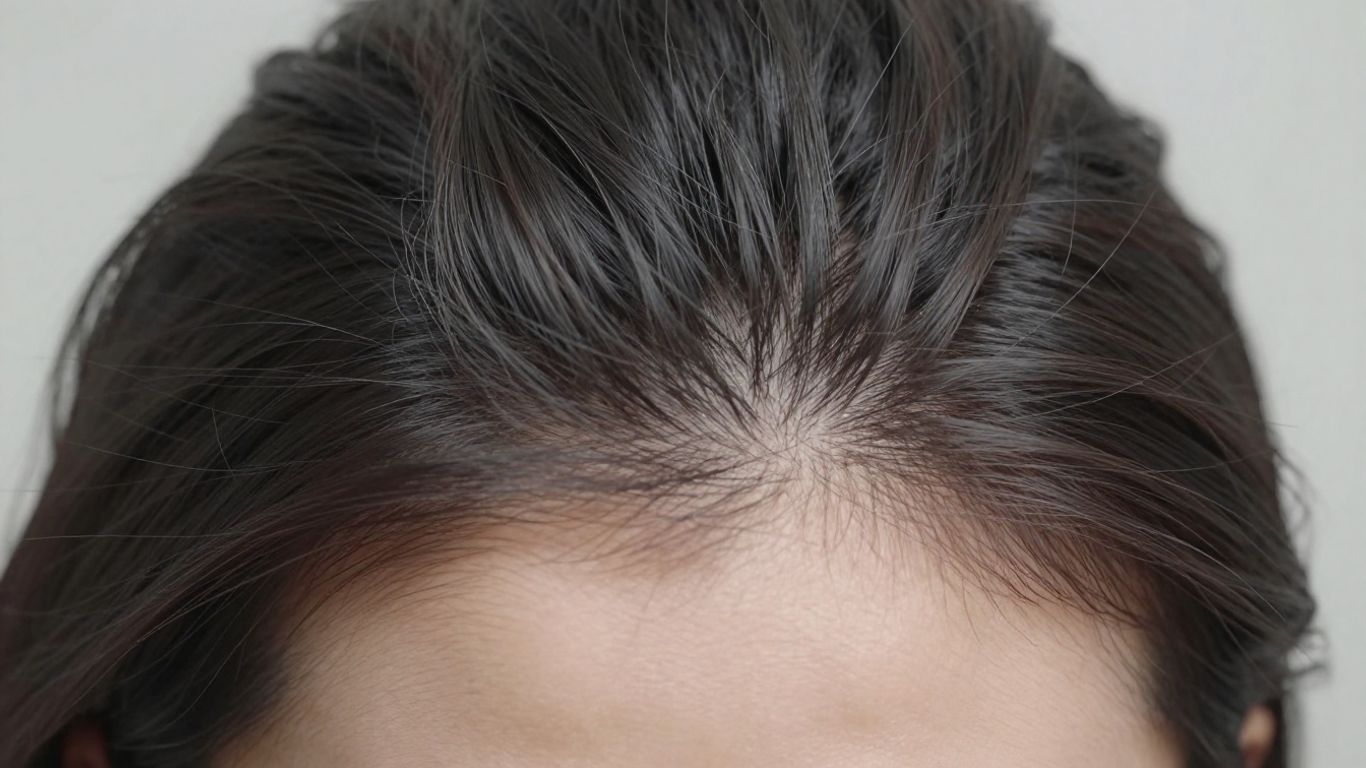
Sometimes, the reason your hair is thinning isn't some complicated hormonal thing or stress, though those are big players. It can be as simple as not getting enough of the right stuff in your diet. Our hair follicles need a steady supply of vitamins and minerals to do their job, and when that supply line gets cut off, hair loss can happen.
Impact of Iron Deficiency
Iron is super important for making sure your hair follicles have the oxygen they need. When you don't have enough iron, a condition called iron deficiency anemia, your body can't make enough red blood cells to carry that oxygen. This can lead to hair shedding, often in noticeable amounts. It's one of the more common reasons for hair loss in women, especially if you have heavy periods or don't eat a lot of red meat. Getting your iron levels checked is a good first step if you suspect this might be an issue.
Vitamin Deficiencies and Hair Health
It's not just iron, though. A bunch of other vitamins are also key players in keeping your hair healthy. Think about things like:
- Biotin (Vitamin B7): This one is often talked about for hair health. It helps with cell growth, and a lack of it can mess with your hair's structure.
- Vitamin D: This vitamin seems to play a role in waking up dormant hair follicles. Low levels are pretty common and might be linked to hair thinning.
- Vitamin B12: Important for making DNA, which is needed for new cell growth. If you're low, especially if you follow a vegan or vegetarian diet, it could affect your hair.
- Zinc: This mineral is involved in tissue growth and repair, including your hair. Too little zinc can lead to hair loss.
It's easy to think that just popping a multivitamin will fix everything, but it's usually more nuanced than that. Your body needs specific amounts of each nutrient, and too much of some things can actually be bad for your hair, like too much Vitamin A. It's always best to figure out what you're actually low on, rather than just guessing. Getting blood work done can really help pinpoint the problem, and your doctor can guide you on the best way to boost your nutrient levels.
Sometimes, even if you're eating okay, your body might not be absorbing certain nutrients well. Things like digestive issues can get in the way. Also, if you're dealing with hair loss, it's worth looking at your diet. Making sure you're getting enough protein is also a big deal, since hair is mostly protein. If you're not eating enough, your body might start conserving resources, and hair growth can take a backseat. It’s a good idea to chat with your doctor or a dietitian to make sure your diet is supporting your hair health.
Wrapping Up Our Hair Loss Chat
So, we've talked about a bunch of stuff that can make hair fall out in women. It's not just one thing, right? Hormones play a big role, especially during menopause or after having a baby. Stress can really do a number on your hair too, and sometimes it's hard to figure out exactly why it's happening. We also touched on how DHT can affect hair follicles and how styling your hair too tight or using harsh products can cause damage. It’s a lot to take in, but knowing these reasons is the first step. Don't feel alone in this; lots of women deal with hair loss, and understanding the causes is key to finding ways to manage it. We hope this guide has been helpful in shedding some light on this common issue.
Frequently Asked Questions
What is DHT and how does it affect hair in women?
DHT, or dihydrotestosterone, is a hormone that can affect hair in women. It can bind to hair follicles and cause them to shrink over time. This makes hair grow back thinner and shorter, and eventually, the follicle might stop producing hair altogether. This is a common cause of thinning hair in women.
Can stress cause hair loss in women?
Yes, stress can definitely lead to hair loss in women. When you're under a lot of stress, it can mess with your hair's natural growth cycle. This can cause more hair to fall out than usual, leading to noticeable thinning. It's usually temporary, though.
What's the difference between male and female pattern hair loss?
While both men and women can experience pattern hair loss, it looks different. Men often see a receding hairline and bald spots on top. Women usually experience thinning all over the top of their head, with a widening part, but their front hairline typically stays put.
Is postpartum hair loss permanent?
Postpartum hair loss is generally not permanent. It's a common experience for many new mothers and happens because hormone levels change after giving birth. Your hair usually starts to grow back normally within a few months to a year.
Can nutritional problems cause hair to fall out?
Absolutely. Not getting enough important nutrients, like iron or certain vitamins, can impact your hair's health and lead to hair loss. Your body needs these nutrients to keep your hair growing strong and healthy.
What is traction alopecia?
Traction alopecia happens when hairstyles that pull your hair too tight, like tight ponytails or braids, put too much stress on your hair follicles. Over time, this constant pulling can damage the follicles and lead to permanent hair loss in those areas.