

Unlocking Hair Growth: How Long Does Oral Minoxidil Take to Work?
If you're dealing with thinning hair, you've probably heard about minoxidil. It's a popular choice for trying to get hair to grow back. A big question people have is, 'how long does it take for oral minoxidil to work?' It's not an overnight fix, and understanding the timeline is key. This guide will break down what to expect, why results vary, and how to get the most out of it.
Key Takeaways
- Oral minoxidil can start showing signs of progress, like reduced shedding, within three to six months of consistent use.
- Visible changes, such as increased hair thickness and fullness, are typically seen between four and six months.
- Maximum results from oral minoxidil usually appear after six to twelve months of daily application.
- Factors like genetics, how consistently you apply the treatment, and your overall scalp health can affect how long it takes for oral minoxidil to work.
- While generally safe, oral minoxidil can have side effects like unwanted hair growth or fluid retention, so it's important to discuss these with a doctor.
Understanding The Oral Minoxidil Timeline
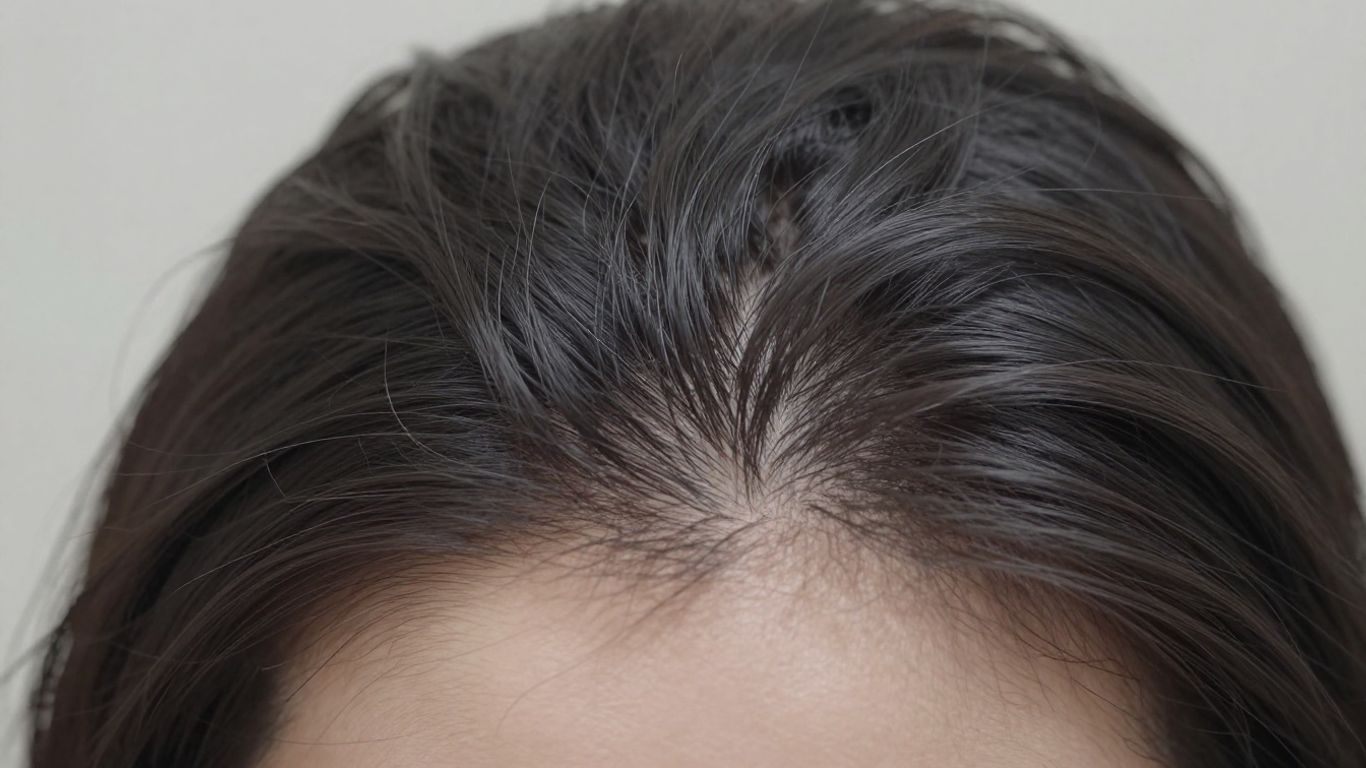
Starting oral minoxidil for hair regrowth is a journey, not a sprint. It's important to know what to expect and when, so you don't get discouraged. Hair growth cycles are long, and it takes time for the medication to really kick in and show results. Don't expect overnight miracles; patience is your best friend here.
The Initial Shedding Phase
When you first start taking oral minoxidil, you might notice more hair falling out than usual. This can happen in the first few weeks to a couple of months. Don't panic! This is actually a good sign. It means the medication is waking up your dormant hair follicles. The old, weaker hairs are being pushed out to make way for new, stronger ones. Think of it like clearing out old weeds to make room for new plants. This shedding phase is a normal part of the process and indicates the drug is starting to work.
Early Signs of Progress
After the initial shedding phase, things start to change. Around the three-month mark, you might begin to see some subtle improvements. This could be less hair in your brush or shower drain, or maybe you'll notice some finer, shorter hairs starting to appear along your hairline or on your scalp. These new hairs might be lighter in color and texture than your original hair, and that's totally normal. It's the first real indication that the treatment is working. You can start to see initial signs of progress around this time.
Visible Changes and Fullness
As you continue with the medication, the changes become more noticeable. By months four to six, you'll likely see thicker strands of hair emerging, and your overall hair density should start to increase. This is when many people start feeling more confident about their hair. The most significant results, however, usually show up between six months and a full year of consistent use. At this point, your hair should look fuller and thicker, and you'll have a much better idea of how well oral minoxidil is working for you.
Here's a general idea of what to expect over time:
- 3-6 Months: You might start noticing less shedding and perhaps some finer, new hairs appearing. This is often the first sign that the medication is kicking in.
- 6-12 Months: This is typically when visible changes become more apparent. Hair density increases, and the new hairs are usually thicker and more pigmented.
- 12+ Months: Continued use generally leads to sustained results and potentially further improvements. This is the phase where you're likely seeing the maximal effects of the treatment.
Remember, everyone's body is different. Some people see results faster, while others need more time. The key is to stick with it and be patient. Consistency is really what matters most.
Factors Influencing How Long It Takes For Oral Minoxidil To Work
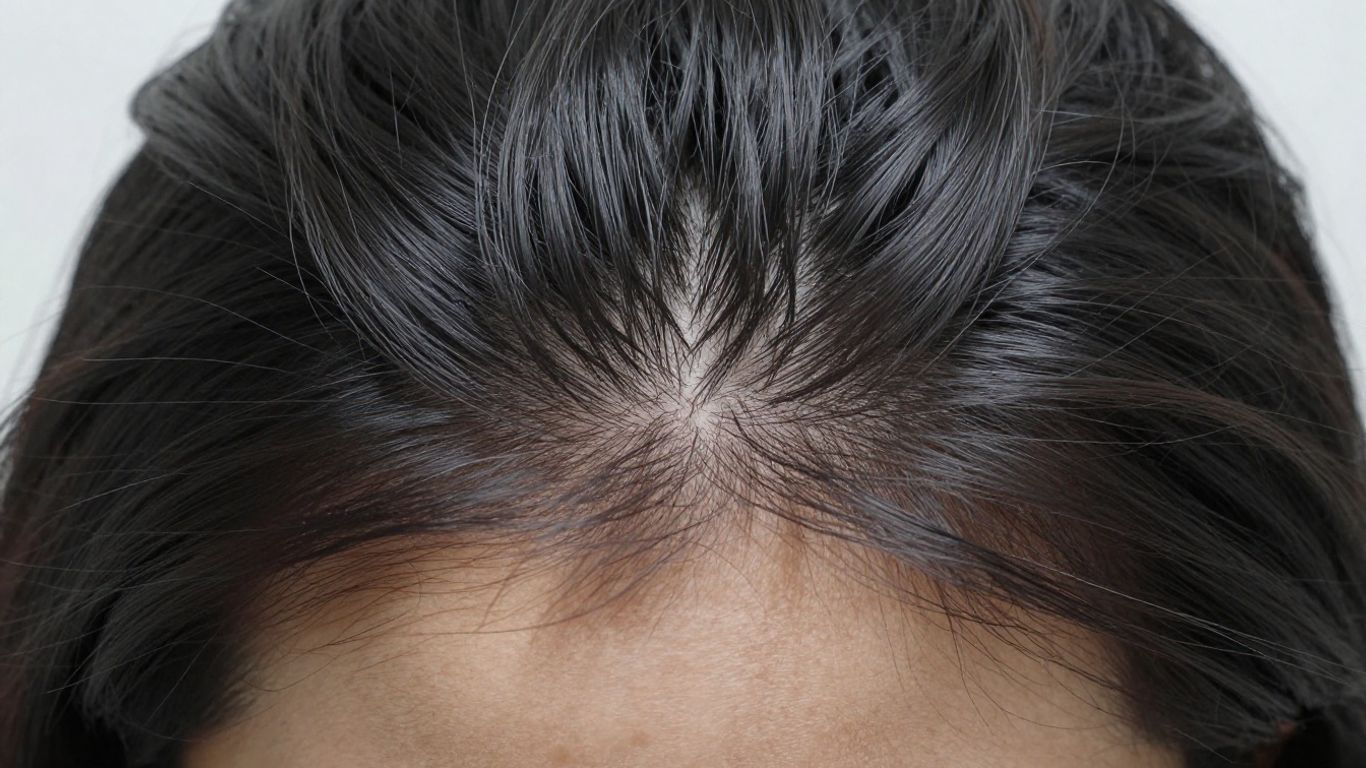
So, you've started taking oral minoxidil, and you're wondering when you'll see those thicker locks appear. It's a fair question! While there's a general timeline most people follow, a few things can really speed things up or, well, slow them down a bit. It's not just a one-size-fits-all situation, you know?
The Role of Genetics in Hair Regrowth
Let's be real, our genes play a pretty big part in how our hair behaves. If hair loss runs in your family, your body might respond a little differently to treatments. It doesn't mean minoxidil won't work, but it might take a bit longer to see the same kind of results as someone whose family doesn't have a history of hair thinning. Think of it like this: your genetic makeup sets the stage for how your hair follicles react to the medication. Some people's follicles are just naturally more responsive, while others need a bit more coaxing. It's all about understanding your own unique blueprint.
Consistency in Application
This one is super important. Taking your oral minoxidil every single day, at the same time if possible, makes a huge difference. Skipping doses, even just a couple here and there, can really mess with the progress. Your hair follicles need that consistent supply of the medication to stay in their growth phase. It's like watering a plant – you can't just forget about it for a week and expect it to thrive. Forgetting to take the medication daily can hinder progress. Setting reminders or incorporating the pill into a daily routine can improve adherence. This consistent approach is key to getting the most out of your treatment and seeing results sooner rather than later. Remember, daily use is the name of the game.
Scalp Health and Its Impact
Your scalp is the foundation for healthy hair growth, so keeping it in good shape matters. Things like inflammation, dandruff, or even just a buildup of product can create an environment where new hair struggles to grow. A clean, healthy scalp allows minoxidil to work more effectively. If you're dealing with significant scalp issues, it might be worth addressing those first or alongside your minoxidil treatment. Think of it as preparing the soil before you plant seeds – you want it to be fertile and ready.
Here's a quick look at how these factors can play out:
- Genetics: Predisposition to hair loss can mean a slower response.
- Consistency: Daily use is non-negotiable for optimal results.
- Scalp Condition: An unhealthy scalp can impede growth.
It's easy to get discouraged if you're not seeing results right away, but remember that hair growth is a slow process. Your body needs time to respond to the medication, and external factors can influence that timeline. Patience and persistence are your best friends here.
When To Expect Significant Results
So, you've started oral minoxidil, and you're probably wondering when you'll actually see a difference. It's a common question, and the honest answer is: patience is key. Hair growth isn't an overnight thing, and minoxidil works with your body's natural cycles. Think of it less like flipping a switch and more like tending a garden – it takes time and consistent care.
Maximal Effects of Treatment
Most people start to see the most noticeable changes between six months and a full year of consistent use. This is when your hair follicles have had plenty of time to respond to the medication. You might notice your hair feels thicker, looks denser, and your scalp coverage has improved quite a bit. It's during this period that many users feel genuinely happy with the progress they've made. Remember, the timeline can shift based on individual factors, but this is a good general benchmark for when things really start to look up. By the six-month mark, significant improvements in hair growth should be noticeable. Many users report thicker, fuller hair and a reduction in thinning areas. This is when many people start feeling more confident about their hair.
Long-Term Expectations and Maintenance
Oral minoxidil isn't really a cure, but more of a management tool for hair loss. If you stop taking it, you'll likely see your hair gradually return to how it was before you started. So, to keep those results going, you'll need to stay on the medication long-term. Regular check-ins with your doctor are a good idea to make sure the treatment is still working well for you and to discuss any adjustments if needed. It’s about maintaining the progress you’ve worked hard to achieve. Keeping up with your daily routine is the best way to ensure continued benefits.
It's important to set realistic expectations. While oral minoxidil can be very effective, it doesn't work the same for everyone. Some people see dramatic changes, while others experience more subtle improvements. The goal is to find what works best for your specific situation and stick with it.
Here's a general idea of what to expect over time:
- 3-6 Months: You might start noticing less shedding and perhaps some finer, new hairs appearing. This is often the first sign that the medication is kicking in.
- 6-12 Months: This is typically when visible changes become more apparent. Hair density increases, and the new hairs are usually thicker and more pigmented.
- 12+ Months: Continued use generally leads to sustained results and potentially further improvements. This is the phase where you're likely seeing the maximal effects of the treatment.
How Minoxidil Stimulates Hair Growth
Understanding Minoxidil: The Basics
So, what exactly is minoxidil? Originally, doctors were looking at it to help with high blood pressure. But then, they noticed something pretty interesting: people taking it started growing more hair. That's how it ended up being used for hair loss, especially for that common type called androgenetic alopecia, which affects a lot of guys and gals. It's a medication that's been around for a while and is pretty well-known in the hair regrowth world.
How Does Minoxidil Work?
Minoxidil doesn't just magically make hair appear. It actually works by influencing the hair growth cycle. Think of your hair follicles having different phases: a growing phase, a resting phase, and a shedding phase. Minoxidil seems to help by extending that growing phase. This means hairs stay in the growing phase longer, giving them more time to get longer and thicker before they eventually shed.
It also appears to boost blood flow to the scalp. Better circulation means more nutrients and oxygen can get to those hair follicles, which is generally a good thing for healthy hair growth. It's not a quick fix, though. Your hair grows slowly, so it takes time for these changes to become noticeable.
Here's a simplified look at what happens:
- Extended Growth Phase: Minoxidil helps push hairs into and keep them in the anagen (growing) phase for a longer period.
- Increased Follicle Activity: It seems to wake up dormant follicles and encourage them to produce new hairs.
- Improved Blood Flow: Better circulation to the scalp can support healthier hair follicle function.
It's important to remember that minoxidil's effectiveness can differ from person to person. Factors like your specific type of hair loss, your genetics, and how consistently you use the medication all play a role in how well it works for you. What works wonders for one person might take a bit more time or have a different outcome for another.
While it's generally safe, especially when used as directed, it's always a good idea to chat with a doctor before you start, just to make sure it's the right choice for your situation and to understand any potential side effects.
Navigating The Minoxidil Journey
Starting oral minoxidil for hair regrowth is definitely a marathon, not a sprint. It's really important to know what to expect and when, so you don't get discouraged along the way. Hair growth cycles are long, and it takes time for the medication to really kick in and show results. You've got to be patient with this stuff.
The Timeline for Results
When you first start taking oral minoxidil, you might notice more hair falling out than usual. This can happen in the first few weeks to a couple of months. Don't panic! This is actually a good sign. It means the medication is waking up your dormant hair follicles. The old, weaker hairs are being pushed out to make way for new, stronger ones. Think of it like clearing out old weeds to make room for new plants. After this initial shedding phase, things start to change. Around the three-month mark, you might begin to see some subtle improvements. This could be less hair in your brush or shower drain, or maybe you'll notice some finer, shorter hairs starting to appear along your hairline or on your scalp. These new hairs might be lighter in color and texture than your original hair, and that's totally normal. It's the first real indication that the treatment is working. As you continue with the medication, the changes become more noticeable. By months four to six, you'll likely see thicker strands of hair emerging, and your overall hair density should start to increase. This is when many people start feeling more confident about their hair. The most significant results, however, usually show up between six months and a full year of consistent use. At this point, your hair should look fuller and thicker, and you'll have a much better idea of how well oral minoxidil is working for you.
How Do You Know If Minoxidil Is Working?
So, how do you actually tell if it's doing its job? Well, it's a mix of things. First off, that initial shedding phase, while a bit alarming, is a positive sign. If you're not shedding more hair initially, it might mean the medication isn't activating your follicles as strongly. Then, look for those little baby hairs. Around the 3-4 month mark, you might start seeing finer, shorter hairs popping up, especially around your hairline or where you've noticed thinning. These are often lighter and softer than your regular hair, and that's perfectly fine. As time goes on, these hairs should get thicker and darker. Another indicator is simply seeing less hair in your brush or shower drain compared to when you started. By the 6-month mark and beyond, you should notice a visible increase in density and fullness. If you're seeing these changes, even if they're subtle at first, it's a good bet that minoxidil is working for you.
It's easy to get caught up in wanting instant results, but hair growth is a biological process that takes time. Sticking with the treatment plan, even when you don't see immediate changes, is the most important thing you can do. Celebrate the small wins, like noticing fewer hairs on your pillow, because those are the stepping stones to fuller hair.
There are a few potential bumps in the road you might encounter:
- Hypertrichosis: This means extra hair growth in unexpected places, like your face or arms. It's usually dose-dependent, so talk to your doctor. They might adjust your dosage or suggest hair removal methods.
- Fluid Retention: Some people experience puffiness or swelling, especially in the ankles. This is because minoxidil can affect how your body handles salt and water. If this happens, your doctor might suggest a diuretic.
- Consistency is Key: Missing doses can really slow down progress. It's like watering a plant – you can't just forget about it for a week and expect it to thrive. Setting reminders or taking your pill with a daily habit, like breakfast, can help you stay on track.
Assessing Progress Over Time
3-6 Months: Initial Signs
So, you've been taking oral minoxidil for a few months now. What should you be looking for? Well, around the three to six-month mark, you might start noticing a few things. One of the first signs many people report is a decrease in hair shedding. Less hair on your brush or in the shower drain is definitely a good sign. You might also start to see some new growth, but don't expect thick, dark strands just yet. These new hairs are often finer and lighter in color, sometimes called 'peach fuzz.' It's like the very first sprouts in a garden – small, but promising.
6-12 Months: Visible Changes
This is where things really start to become more noticeable. Between six months and a year of consistent use, the changes you've been hoping for usually start showing up more clearly. Those fine hairs you saw earlier should be getting thicker and darker. Your overall hair density will likely increase, making your hair look fuller. It's during this period that many people feel genuinely happy with the progress they've made and start feeling more confident about their hair.
12+ Months: Sustained Results
By the time you hit the one-year mark and beyond, you're likely seeing the most significant benefits of oral minoxidil. Your hair should look considerably fuller and thicker. This phase is about maintaining the results you've worked hard to achieve. Remember, oral minoxidil isn't a cure; it's a treatment. To keep your hair looking its best, you'll need to continue taking it regularly. Think of it as ongoing maintenance for your hair.
It's important to remember that everyone's hair growth journey is a bit different. Factors like genetics, your overall health, and how consistently you take the medication all play a role. So, while these timelines are general guides, don't get discouraged if your progress doesn't match exactly. Patience and consistency are your best friends here.
Wrapping Up Your Hair Growth Journey
So, you've been taking oral minoxidil, and you're wondering what's next. Remember, hair growth takes time, and it's not a race. Most people start seeing some positive changes, like less hair falling out, around the three to six-month mark. Then, by about four to six months, you'll likely notice your hair getting thicker and fuller. The biggest results usually show up between six months and a year of using it daily. It's really important to stick with it, because if you stop, you'll probably lose the progress you've made. Everyone's different, so your timeline might vary a bit, but patience and consistency are your best friends here. Chatting with your doctor regularly is a good idea too, just to make sure everything's on track and to discuss any concerns.
Frequently Asked Questions
How long does it usually take for oral minoxidil to start working?
Most people start to see some early signs that oral minoxidil is working within 3 to 6 months of taking it regularly. You might notice less hair falling out or see some new, softer hairs starting to grow in. It’s a gradual process, so patience is key!
Will I lose more hair when I first start taking oral minoxidil?
Yes, it's pretty common to experience a bit more hair shedding in the first few weeks or months after starting oral minoxidil. This is actually a good sign! It means the medication is waking up your hair follicles, and old hairs are falling out to make way for new, healthier ones.
What are the most common side effects of oral minoxidil?
Some common side effects can include unwanted hair growth on your face or body, and sometimes fluid retention which might make you feel a bit puffy or gain a little weight. You might also feel a little lightheaded. It's important to talk to your doctor about any side effects you experience.
Is oral minoxidil better than the topical kind?
Oral minoxidil can sometimes be more effective for people who didn't get good results with the topical foam or liquid. It's also easier to use since you just take a pill. However, the topical kind might be a better choice for some, and it's less likely to cause certain side effects like fluid retention. Your doctor can help you decide which is best for you.
What happens if I stop taking oral minoxidil?
If you stop taking oral minoxidil, the hair you've regrown will likely start to fall out again over time, and you'll probably go back to how your hair was before you started the treatment. It’s a medication that needs to be taken consistently to maintain the results.
How do I know if minoxidil is working?
When you start using minoxidil, you might notice more hair falling out than usual. This is a normal temporary effect as the medicine wakes up your hair follicles. After about 8 weeks, you should begin to see small, soft hairs sprouting. By around 4 months, you'll likely see more noticeable changes like longer and thicker hair as the medicine helps your hair grow more.