

Understanding Your Hair Growth Rate: A Guide for Women
Ever wonder why some women seem to have hair that just keeps growing, while others struggle to get past a certain length? It’s not magic, it’s science! Your hair growth rate women experience is a complex dance of cycles and factors. Understanding these can help you care for your locks better. Let’s break down how hair actually grows, what influences its speed, and how you can support your own healthy hair journey.
Key Takeaways
- Hair grows in distinct phases: Anagen (growth), Catagen (transition), Telogen (resting), and Exogen (shedding).
- Your hair growth rate women experience is influenced by genetics, age, hormones, stress, nutrition, and environmental factors.
- On average, hair grows about half an inch per month, or around 6 inches per year, but this varies.
- Support healthy hair growth through gentle care, a balanced diet, stress management, and potentially supplements.
- Noticeable shedding is normal (50-100 hairs daily), but excessive loss or lack of regrowth warrants professional advice.
Understanding The Hair Growth Cycle For Women
Ever wonder why your hair seems to grow and shed in a pattern? It's not random! Your hair actually goes through a fascinating cycle, and knowing about it can help you understand your hair's behavior better. Think of it like a plant's life cycle – it grows, rests, and eventually renews itself. For women, understanding these stages is key to appreciating why hair looks and feels the way it does, and what might be influencing its health. Each strand of hair on your head is on its own unique journey through these phases.
The Anagen Phase: Your Hair's Active Growth
This is the main event, the period where your hair is actively growing. It's also the longest phase, typically lasting anywhere from two to eight years for the hair on your scalp. During this time, new hair cells are produced at the root, pushing older hairs up and out of the follicle. It's pretty amazing to think that about 85-90% of your hair is in this growth phase at any given moment. The length of this phase can vary quite a bit from person to person, influenced by things like genetics and age.
The Catagen Phase: A Transitional Period
After the long growth spurt of anagen, your hair enters a short transitional phase called catagen. This phase usually lasts only about two to three weeks. During catagen, the hair follicle shrinks, and the hair strand detaches from its blood supply. Growth stops, and the hair essentially prepares for its final stage. Only a small percentage of your hair, around 1-3%, is in this phase at any one time.
The Telogen Phase: Resting Before Shedding
Next up is the telogen phase, often called the resting phase. This period typically lasts for about two to three months. While your hair isn't actively growing during telogen, it's still attached to the follicle. It's like a pause button before the next step. Around 9-10% of your hair is usually in this resting stage. It's a normal part of the cycle, and it's what allows your scalp to prepare for new growth.
The Exogen Phase: The Shedding Process
Finally, we have the exogen phase, which is essentially the shedding phase. This is when the old hair finally falls out. It's a natural process, and it's normal to lose about 80-100 hairs a day. This shedding happens as a new anagen hair begins to grow and push the old, resting hair out of the follicle. The exogen phase is quite short, often lasting only a few days. It's important to remember that shedding is a sign of a healthy cycle, making way for new, vibrant hair to emerge. If you're curious about how different factors might influence this cycle, you can explore how hair grows.
Understanding these distinct phases helps demystify why hair growth isn't a constant, uniform process. It's a dynamic cycle of growth, rest, and renewal that happens independently for each follicle on your head.
Factors Influencing Your Hair Growth Rate
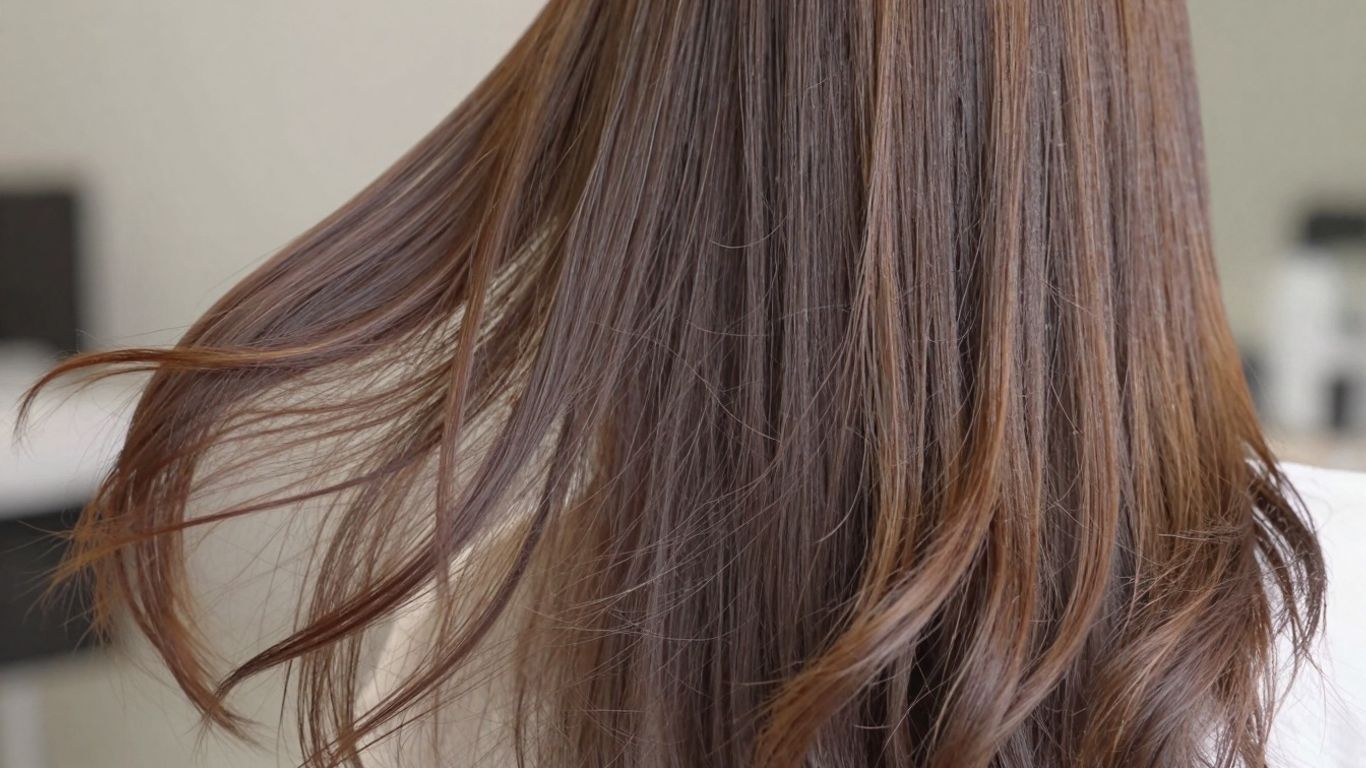
So, you're curious about why your hair grows at the speed it does, right? It's not just a simple, one-size-fits-all answer. Lots of things play a role in how fast and how much hair you grow. It's a bit like a recipe, with different ingredients affecting the final outcome.
Genetics And Age
Your genes are a big part of the picture. They kind of set the blueprint for your hair, including how fast it grows and how long it stays in the active growth phase. As we get older, our hair growth can naturally slow down a bit. It's just a part of life, really. The number of hairs in the active growth phase can also decrease with age, which is something researchers are still looking into.
Hormonal Balance And Stress Levels
Hormones are like messengers in your body, and when they're out of whack, it can definitely affect your hair. Things like thyroid issues or changes during menopause can make a difference. And stress? Oh boy, stress can really mess with your hair. Studies have shown that women dealing with a lot of stress are more likely to experience hair loss. It's like your body prioritizes other things when it's under pressure.
It's easy to think of hair growth as a constant, steady process, but it's actually quite dynamic. Fluctuations in your body's internal environment, whether from stress, hormonal shifts, or even just the passage of time, can significantly alter the speed and duration of your hair's growth cycle.
Nutrition And Overall Health
What you eat matters, big time. Your hair needs nutrients to grow strong and healthy. If your diet is lacking in things like protein, vitamins, and minerals, your hair might not grow as well. Think of it like trying to build a house without enough bricks. Being generally healthy also helps. If you're dealing with an illness or your body is under a lot of strain, your hair growth might take a backseat. A balanced diet, focusing on whole foods and limiting added sugar, can really help nourish your locks. Hair growth rate can be impacted by what you consume.
Seasonal Changes And Environmental Factors
Believe it or not, the seasons can have a small effect too. Some people find their hair grows a little faster in the summer than in the winter. Environmental factors, like pollution or even the humidity levels, might also play a minor role, though usually genetics and internal factors are more significant. It's a complex system, and all these little things add up.
How Much Hair Do Women Typically Grow?
So, you're curious about how much hair actually grows on your head? It's a common question, and the answer isn't a simple number because it varies. But we can talk averages.
Average Monthly Growth
Most of the time, when people talk about hair growth, they're referring to the anagen phase, which is when your hair is actively growing. During this phase, the average woman's hair grows about half an inch (or roughly 1 to 1.5 centimeters) per month. This steady growth is pretty consistent for most people, assuming their hair is in that active growth stage. It might not seem like a lot month-to-month, but over a year, it adds up.
Annual Growth Expectations
If we do the math, that half-inch per month translates to about six inches of hair growth per year. Some sources might say up to 7 inches, and that's also within the normal range. Remember, this is an average. Factors like your genetics, age, and overall health play a big role in whether you're on the higher or lower end of this spectrum.
Variations Based On Hair Type
It's not just about how fast your hair grows from the root; it's also about how much of that growth you actually see. Hair type and texture make a difference here. For instance, if you have very curly hair, a centimeter of growth might not look as dramatic as it would on someone with straight hair. The curl pattern can make the hair appear shorter. Also, if your hair is prone to breakage or split ends, you might be losing length as fast as it's growing, which can make it seem like your hair isn't growing much at all.
It's important to remember that hair growth isn't a linear process. Your hair goes through different cycles, and not all of it is growing at the same time. What you see as length is the result of hair that's successfully made it through the growth phase without breaking off.
Here's a quick look at the typical growth rates:
- Monthly Growth: Approximately 0.5 inches (1.25 cm)
- Annual Growth: Around 6 inches (15 cm)
- Anagen Phase Duration: Can range from 2 to 7 years (this is the active growth period)
So, while there's a general guideline, your personal hair growth journey is unique to you.
Supporting Healthy Hair Growth In Women

So, you want to give your hair a little extra love and encourage it to grow its best? It’s not just about waiting for nature to take its course. There are definitely things you can do to help your hair along. Think of it like tending a garden; you need the right conditions for things to flourish.
Gentle Hair Care Practices
How you treat your hair day-to-day makes a big difference. When hair is wet, it's more fragile, so be extra careful then. Instead of rubbing it vigorously with a towel, try gently squeezing out the excess water. Also, try to avoid using super hot water when you wash your hair; lukewarm is usually better. When you're drying your hair, turning down the heat on your blow dryer can help too. It’s all about minimizing stress on your strands.
- Wash your hair with lukewarm water.
- Pat your hair dry gently with a soft towel.
- Limit heat styling tools or use them on a lower setting.
- Choose hair products suited for your specific hair type.
The Role Of Diet And Nutrition
What you eat really does show up in your hair. Your body needs certain building blocks to create strong, healthy hair. Things like protein, healthy fats, and specific vitamins and minerals are super important. If your diet is lacking in these areas, your hair might not be growing as well as it could. Focusing on whole foods is a good start. You can find many beneficial nutrients in foods that support healthy tissue development on the scalp, which can help stimulate hair growth.
Stress Management Techniques
It might sound a bit out there, but stress can actually impact your hair. When you're feeling overwhelmed, your body goes through changes that can sometimes lead to hair thinning or loss. Finding ways to relax and de-stress is beneficial not just for your mind, but for your hair too. It doesn't have to be anything complicated; even a few minutes of quiet time each day can help.
Taking time to manage stress is a proactive step for overall well-being, and it can positively influence your hair's health by reducing the physical toll that constant tension can take.
Considering Supplements For Hair Wellness
Sometimes, even with a good diet, you might not be getting enough of certain nutrients that hair needs. In these cases, supplements can be helpful. Things like biotin, zinc, and other vitamins can give your hair follicles a little extra support. However, it's always a good idea to chat with your doctor before you start taking any new supplements, just to make sure they're right for you and won't interact with anything else.
- Biotin: Often linked to hair health.
- Zinc: Important for hair tissue growth and repair.
- Protein: Hair is made of protein, so getting enough is key.
- Iron: Low iron levels can sometimes contribute to hair thinning.
Recognizing Signs Of Disrupted Hair Growth
It's easy to get caught up in the day-to-day and not notice subtle changes in your hair. But sometimes, those little things can add up. If you're starting to wonder if your hair is behaving normally, it's a good idea to pay attention. Most women shed between 50 and 100 hairs daily, and this is totally normal. It's just part of the hair's natural cycle. However, when that number creeps up, or you start seeing other changes, it might be time to look a little closer.
Distinguishing Normal Shedding From Hair Loss
So, how do you tell if you're just having a normal shedding day or if something more is going on? Think about what you're seeing. Are you finding more hairs on your brush, in the shower drain, or on your pillow than usual? That's the first clue. Another sign is noticing your part line getting wider, or your ponytail feeling a bit thinner. Sometimes, you might even see a receding hairline, especially around the temples, which can form an "M" shape over time. These are indicators that your hair growth cycle might be disrupted.
Here's a quick way to think about it:
- Normal Shedding: You see hairs daily, but your overall hair density stays pretty consistent. New hair growth is usually visible.
- Disrupted Growth/Hair Loss: You notice a significant increase in daily hair fall. Your hair feels thinner overall, or you see noticeable thinning in specific areas. Regrowth might be slow or absent.
When To Consult A Professional
If you're feeling concerned about your hair, it's always best to get a professional opinion. Don't just guess what might be happening. A dermatologist or a trichologist, who specializes in hair and scalp issues, can really help figure things out. They have the tools and knowledge to assess your scalp and hair health properly. They can also help identify if there's an underlying issue that needs attention. It's better to catch things early, you know?
Potential Underlying Causes Of Hair Loss
There are quite a few things that can throw your hair growth cycle off balance. Sometimes it's as simple as a stressful period you've been through. Other times, it could be related to your diet not giving your body the right nutrients. Hormonal changes, like those that happen during pregnancy or menopause, can also play a big role. Even certain medications or underlying health conditions can affect your hair. It's a complex system, and many factors can influence it. If you're experiencing significant hair loss, it's worth exploring these possibilities with a healthcare provider to get the right support and treatment plan. Understanding hair loss progression is key to addressing it effectively.
Wrapping It Up
So, there you have it. Understanding how your hair grows, with its different phases and cycles, can really help you figure out why it grows at the pace it does. It’s not just a simple on-off switch; it’s a whole process. Remember, things like genetics, how old you are, and even how stressed you might be can play a part. Taking good care of yourself with healthy food, being gentle with your hair, and maybe even looking into supplements can make a difference. If you’re really worried about how much hair you’re losing or not growing, it’s always a good idea to chat with a doctor or a hair specialist. They can help figure out if something else is going on. Mostly, just be patient with your hair and give it the best care you can.
Frequently Asked Questions
How long does it take for hair to grow?
Hair grows in cycles, and the main growth phase, called anagen, can last anywhere from 2 to 7 years. On average, hair grows about half an inch per month. So, while it might seem slow, your hair is constantly growing in stages!
Why does my hair seem to grow slower in winter?
It's true! Hair growth can be a bit faster during warmer months like summer and slower in winter. Things like sunlight and even your body's internal clock can play a role in how quickly your hair grows throughout the year.
What's the difference between normal hair shedding and hair loss?
Losing about 50 to 100 hairs a day is totally normal – it's just part of the hair's natural shedding process. But if you notice way more hair falling out than usual, or see your hair thinning, that could be a sign of hair loss and might be worth checking with a doctor.
Can stress really make my hair fall out?
Yes, it can! High stress levels can actually push more hair into the resting and shedding phases, leading to noticeable thinning. Managing stress through things like exercise or relaxation techniques can help keep your hair healthier.
Are there any vitamins that help hair grow?
Eating a balanced diet rich in vitamins and minerals is super important for healthy hair. Some people find that supplements with biotin, zinc, and protein can also give their hair an extra boost and support the growth cycle.
Does it matter what shampoo I use?
Definitely! Using gentle hair products that are made for your specific hair type (like oily, dry, or color-treated) can make a big difference. Being gentle when washing and drying your hair also helps prevent breakage and supports healthy growth.