

Understanding Viagra Dosages: Can You Safely Take 200 mg?
Figuring out the right dose for Viagra can feel like a puzzle, especially when you're looking for the best way to handle erectile dysfunction. You might wonder if taking more, like 200 mg, is an option. However, medical advice and studies point to specific guidelines for using this medication safely and effectively. It’s all about finding that sweet spot where it works well for you without causing unnecessary problems.
Key Takeaways
- The highest FDA-approved dose for Viagra is 100 mg per day. Taking 200 mg is not recommended and can increase health risks.
- Viagra comes in 25 mg, 50 mg, and 100 mg strengths. Doctors usually start with 50 mg to see how you respond.
- Higher doses of Viagra don't always mean better results and can lead to more serious side effects and drug interactions.
- Your doctor will consider your age, overall health, kidney and liver function, and other medications when deciding your Viagra dose.
- It's important to talk openly with your doctor about your experiences with Viagra to find the dose that works best and safest for you.
Understanding Viagra Dosage Limits
When it comes to taking Viagra, or its generic form sildenafil, figuring out the right amount is pretty important. It's not just about getting the job done; it's about doing it safely. You might see or hear about higher doses, but sticking to what's recommended is key.
Maximum Recommended Dosage
The Food and Drug Administration (FDA) has set clear guidelines for sildenafil dosages. For most adult men, the highest dose of Viagra that is generally considered safe and effective is 100 mg per day. This isn't a suggestion to aim for the highest dose right away, but rather the upper limit that has been studied and approved.
Why 200 mg is Not Advised
So, what about 200 mg? Simply put, taking 200 mg of Viagra is not advised by medical professionals or the FDA. There's no scientific evidence to suggest that a dose higher than 100 mg offers any significant benefit for erectile dysfunction. Instead, going above the approved maximum significantly increases your chances of experiencing unpleasant or even dangerous side effects. It's like trying to turn up the volume on a radio past the point where it just starts to distort – you don't get better sound, you just get noise.
FDA Approved Strengths
Viagra is available in specific strengths that have undergone rigorous testing. These are:
- 25 mg: Often used for individuals who are more sensitive to the medication or have certain health conditions.
- 50 mg: This is typically the standard starting dose for many men, offering a good balance between effectiveness and tolerability.
- 100 mg: This is the highest strength approved by the FDA and is usually considered if lower doses haven't provided the desired results.
Exceeding these approved strengths, especially by doubling the maximum dose to 200 mg, moves into territory where the risks start to outweigh any potential benefits. Always consult with your doctor to determine the most appropriate and safe dosage for your individual needs.
Exploring Sildenafil Strengths
When you're looking into treatments for erectile dysfunction (ED), you'll find that sildenafil, the active ingredient in Viagra, comes in a few different strengths. It's not a one-size-fits-all situation, and figuring out the right dose is a big part of making sure it works well for you without causing too many problems.
Viagra 25mg: A Gentle Introduction
For some guys, especially those who might be more sensitive to medication or have certain health conditions, starting with the lowest dose makes the most sense. The 25mg tablet is often the first step. It's designed to be a gentler introduction to sildenafil, aiming to provide some benefit while keeping the chances of side effects pretty low. Clinical studies have shown that even at this lower dose, a good number of men see improvements in their ability to get and maintain an erection. It's all about finding that sweet spot where it helps you out without making you feel unwell.
Viagra 50mg: The Standard Starting Point
Most of the time, when a doctor prescribes Viagra, they'll start you off with the 50mg dose. Think of it as the middle ground. It's generally considered a good balance between being effective and not being too intense. Many men find that 50mg works well for them, giving them the results they're looking for. It's also a good dose for your doctor to see how you react to the medication. If 50mg works great, fantastic. If not, they have room to adjust up or down.
Viagra 100mg: The Highest Approved Dose
If the lower doses haven't quite hit the mark, the 100mg tablet is the highest strength that the FDA has approved for Viagra. This dose is typically considered when 50mg isn't providing enough of a benefit. It's more potent, so it has a higher chance of working for those who need a stronger effect. However, with that increased potency comes a greater possibility of experiencing side effects. It's important to remember that even though it's the highest approved dose, it doesn't mean everyone should aim for it. It's strictly a prescription-level strength, and you'd only get to this point after discussing it thoroughly with your healthcare provider.
Choosing the right Viagra dosage is a personal journey. It's not just about picking a number; it's about working with your doctor to find what's safe and effective for your specific body and health situation. What works wonders for one person might be too much or too little for another.
Risks Associated with Higher Doses
Taking more Viagra than recommended can quickly turn into a situation you didn’t expect. A lot of people think that if a little bit works, then more must be even better. That’s really not how it goes with this medication.
Potential for Serious Side Effects
High doses increase the risk of dangerous reactions that can spoil the experience and even put your health at risk. Here’s what can happen if you take too much:
- Headaches that stick around and don’t respond well to normal pain relievers
- Heart palpitations or racing heart that leaves you feeling anxious and uncomfortable
- Sudden vision changes, like seeing a blue haze or struggling with bright lights
- Low blood pressure, causing dizziness or fainting
- Painful, long-lasting erections (priapism) that need urgent medical help
Drug Interactions and Complications
Bumping up to 200 mg makes you far more likely to run into problems with other medications you might be taking. Common culprits include drugs for blood pressure, chest pain, or even some antidepressants. Here’s why that matters:
- More chance of dangerously low blood pressure
- Higher likelihood of abnormal heart rhythms
- Increased stress on your liver and kidneys
If you’re already taking other pills, the risk just keeps climbing. Always check with your doctor before changing your dose.
Diminished Effectiveness at Excessive Levels
Oddly enough, sometimes more doesn’t equal better performance. Going overboard with Viagra isn’t just risky -- you might find that the effects actually start to fade even when you’ve taken a huge dose.
| Dose | Typical Side Effects Rate | Chance of Benefit |
|---|---|---|
| 25 mg | Low – Mild discomfort | Moderate |
| 50 mg | Medium – Tolerable for most | High |
| 100 mg | Higher – More intense side effects | Very High |
| 200 mg | Very High – Serious complications | No extra benefit, lower safety |
Most people get no extra help after the 100 mg mark. Instead, the negatives start to crowd out the positives. There’s a point where more just means more trouble, not more satisfaction.
Factors Influencing Viagra Dosage
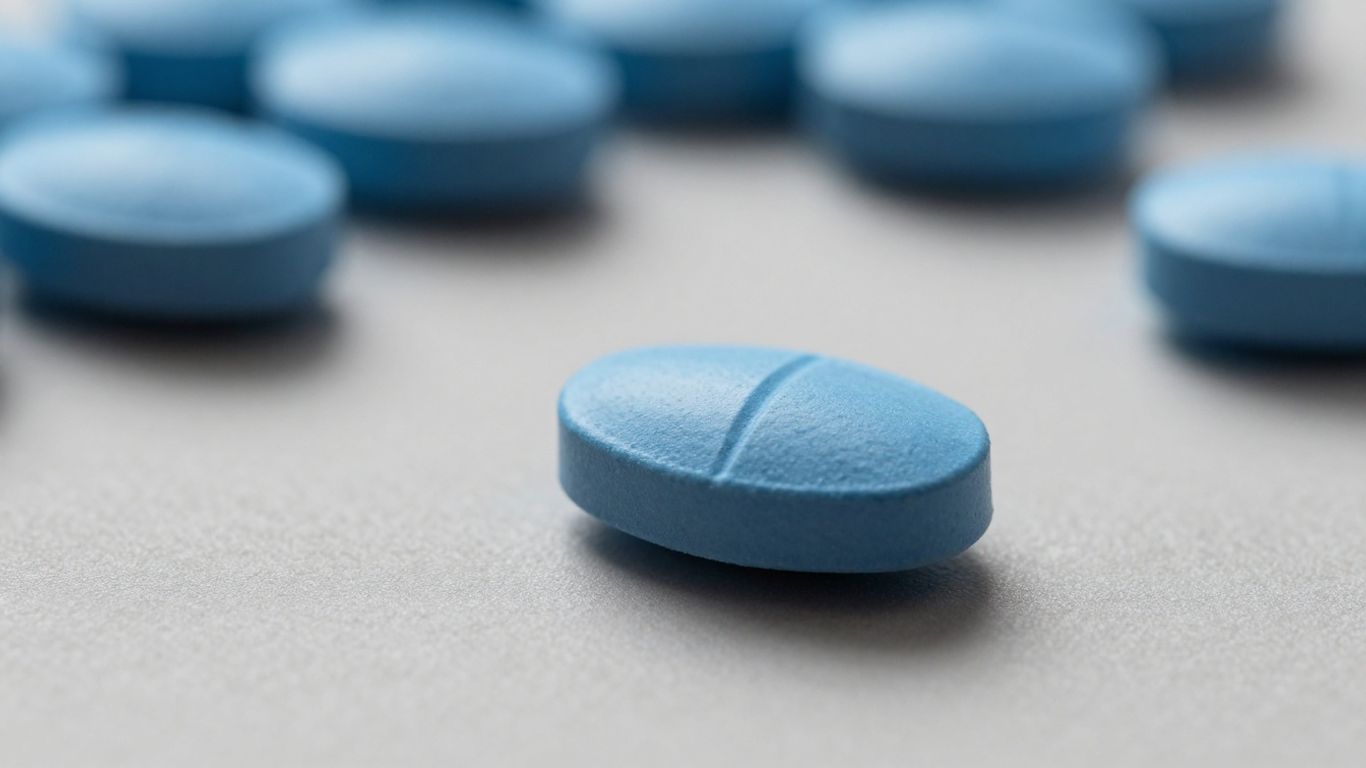
When figuring out the right amount of Viagra for you, it's not just a one-size-fits-all deal. Lots of things play a role in what dose will work best and be safest. Think of it like tailoring a suit – it needs to fit you specifically.
Age and General Health
Your age is a big one. As we get older, our bodies process medications a bit differently. For instance, older folks might start with a lower dose, like 25 mg, because their system might clear the drug more slowly. It's not about being frail, just about how our bodies change over time. Your overall health matters too. If you have conditions like high blood pressure or heart issues, your doctor will be extra careful about the dosage. They'll want to make sure the medication is safe for you, considering any other health concerns you might have. It's all about finding that sweet spot where it helps without causing other problems.
Kidney and Liver Function
These two organs are like your body's filters, and they're really important for how Viagra works. If your kidneys or liver aren't working at full capacity, they might not process the sildenafil (the active ingredient in Viagra) as efficiently. This means the drug could stay in your system longer or reach higher levels than intended. Because of this, doctors often recommend a lower starting dose, maybe 25 mg, for people with kidney or liver issues. They'll monitor you closely to see how you react and adjust if needed. It’s a way to make sure the medication is handled safely by your body.
Interactions with Other Medications
This is a really important point. Viagra can interact with a lot of other drugs, and some of these interactions can be pretty serious. For example, certain heart medications or drugs used to treat high blood pressure can cause a dangerous drop in blood pressure when taken with Viagra. Even some over-the-counter meds or herbal supplements could potentially cause issues. Your doctor needs to know everything you're taking, including vitamins and supplements, so they can check for any potential conflicts. Sometimes, they might need to adjust your Viagra dose down, or even suggest a different treatment altogether, to avoid risky combinations. It’s always best to have a full rundown of your medications when discussing Viagra dosage with your healthcare provider.
Individualizing Your Viagra Treatment
Collaborating with Your Healthcare Provider
Figuring out the right Viagra dose isn't a one-size-fits-all situation, not by a long shot. It really comes down to you and your doctor having a good chat. They'll look at your health history, any other meds you're on, and how your body might react. This partnership is key to finding a dose that works effectively without causing too many problems. It's not just about getting an erection; it's about doing it safely and comfortably.
Adjusting Doses Based on Response
So, you've started with a dose, and maybe it's not quite hitting the mark, or perhaps you're feeling a bit off. That's where adjustments come in. Your doctor might suggest tweaking the dosage based on how you're responding. This could mean going up if it's not strong enough or down if you're experiencing bothersome side effects. It's a process of fine-tuning.
Here's a general idea of how adjustments might work:
- Starting Dose: Often, doctors begin with a moderate dose, like 50mg, to see how you do.
- If Not Enough: If you're not getting the results you need, your doctor might consider increasing the dose, but only up to the approved maximum.
- If Too Much: If you're experiencing side effects that are bothering you, a lower dose might be recommended.
- Regular Check-ins: It's important to let your doctor know how things are going so they can make informed decisions about any changes.
Realistic Expectations for Treatment
It's important to go into this with your eyes open. Viagra isn't a magic wand, and results can vary. Some guys find it works perfectly right away, while others need a bit of trial and error to find their sweet spot. You might also find that certain factors, like what you've eaten or if you've had alcohol, can affect how well it works on any given day. Understanding that it's a tool to help, rather than a guaranteed fix every single time, can make a big difference in your overall satisfaction with the treatment.
Remember, the goal is to improve your quality of life and sexual function safely. This means working closely with your doctor, being honest about your experiences, and understanding that finding the optimal dose might take a little time and patience. Don't be afraid to ask questions or voice concerns; your healthcare provider is there to help you navigate this.
When to Seek Medical Advice
Look, nobody wants to deal with unexpected issues, especially when it comes to something as personal as sexual health. But if you're taking Viagra, or any medication for that matter, it's super important to know when to call in the pros. It's not about being weak or anything; it's about being smart and safe.
Experiencing Unexpected Side Effects
Most of the time, Viagra works just fine, and any side effects are pretty mild, like a headache or a bit of flushing. But sometimes, things can get a little more serious. If you suddenly can't see properly, or if you get chest pain, that's a big red flag. Also, if you have an erection that lasts for more than four hours and it's painful, you need to get help right away. Seriously, don't wait around on this one. It's better to be safe than sorry, and these kinds of reactions need immediate medical attention.
Questions About Off-Label Use
Viagra is approved for specific uses, and messing around with doses or using it for things it wasn't prescribed for can be risky. If you've heard about taking higher doses, like 200 mg, or using it in ways your doctor hasn't specifically told you to, you absolutely need to talk to a healthcare provider first. They can explain the risks involved and whether it's even a good idea for you. Remember, the FDA has approved specific strengths for a reason, and going outside those guidelines can lead to trouble.
Consulting for Optimal Dosing
Figuring out the right Viagra dose isn't always a one-and-done thing. What works for one person might not work for another, and your needs can even change over time. If you're not getting the results you want, or if you're experiencing side effects that bother you, don't just guess what to do next. Schedule a chat with your doctor. They can review your situation, consider any other medications you're taking, and help you find the best, safest dosage for your specific needs. It's all about working together to get you the best outcome.
So, About That 200 mg Question...
Alright, let's wrap this up. When it comes to Viagra, or sildenafil, sticking to the doctor's advice is really the main takeaway here. While it's natural to wonder if more is better, especially if you're not getting the results you want, the 200 mg dose just isn't on the table for a good reason. The FDA has set the maximum at 100 mg, and pushing beyond that really ups the chances of dealing with some pretty unpleasant side effects, or even more serious health issues. It's all about finding that sweet spot where it works for you without causing trouble. So, if you're thinking about your dosage, or if the current one isn't quite hitting the mark, the best move is always to have a chat with your doctor. They can help you figure out the safest and most effective plan, tailored just for you.
Frequently Asked Questions
What is the highest safe dose of Viagra?
The highest dose of Viagra that the FDA has approved is 100 mg. Taking more than this is not recommended because it can increase the risk of serious side effects and doesn't necessarily make the medication work better. Always stick to the dose your doctor prescribes.
Can I take 200 mg of Viagra if 100 mg isn't enough?
No, you should never take 200 mg of Viagra. Doses higher than 100 mg are considered off-label and can be dangerous. If 100 mg isn't working as well as you'd hoped, talk to your doctor. They can explore other options or adjust your treatment plan safely.
What happens if I take too much Viagra?
Taking more Viagra than recommended can lead to stronger side effects. These might include severe headaches, dizziness, vision problems, or even a painful erection that lasts for a long time. In some cases, it can be a medical emergency.
What's the difference between Viagra 25mg, 50mg, and 100mg?
These are the three strengths of Viagra available. The 25mg dose is often used for people who are sensitive to medication or trying it for the first time. The 50mg dose is the most common starting point for many men. The 100mg dose is the maximum approved strength and is used when lower doses haven't been effective enough.
How do I know which Viagra dose is right for me?
Your doctor will help you figure out the best dose. They'll consider your age, overall health, any other medical conditions you have, and other medications you're taking. They might start you on a lower dose and adjust it based on how you respond.
Can my age affect the Viagra dose I should take?
Yes, age can be a factor. Older men, especially those over 65, might be more sensitive to medication or have other health issues. Doctors often recommend starting with a lower dose, like 25mg or 50mg, for older patients to ensure safety and minimize risks.