

Understanding the Side Effects of Hair Transplant: What You Need to Know
Thinking about a hair transplant? It's a big step for many dealing with hair loss. While the results can be amazing, it's totally normal to wonder about what happens afterward. Like any procedure, there are some things you might experience, and knowing about them beforehand makes a huge difference. Let's break down the common side effects of hair transplants and what you can do to make your recovery as smooth as possible.
Key Takeaways
- Most hair transplant side effects, like swelling and redness, are temporary and part of the healing process.
- Keep an eye out for crusting and itching, but try not to scratch, as it's a sign your scalp is healing.
- Temporary hair shedding, called 'shock loss,' can happen but is usually followed by regrowth.
- Proper aftercare, like gentle cleaning and avoiding sun exposure, is super important for minimizing side effects.
- If you notice signs of infection, persistent pain, or unusual discharge, it's time to contact your doctor.
Understanding Common Hair Transplant Side Effects
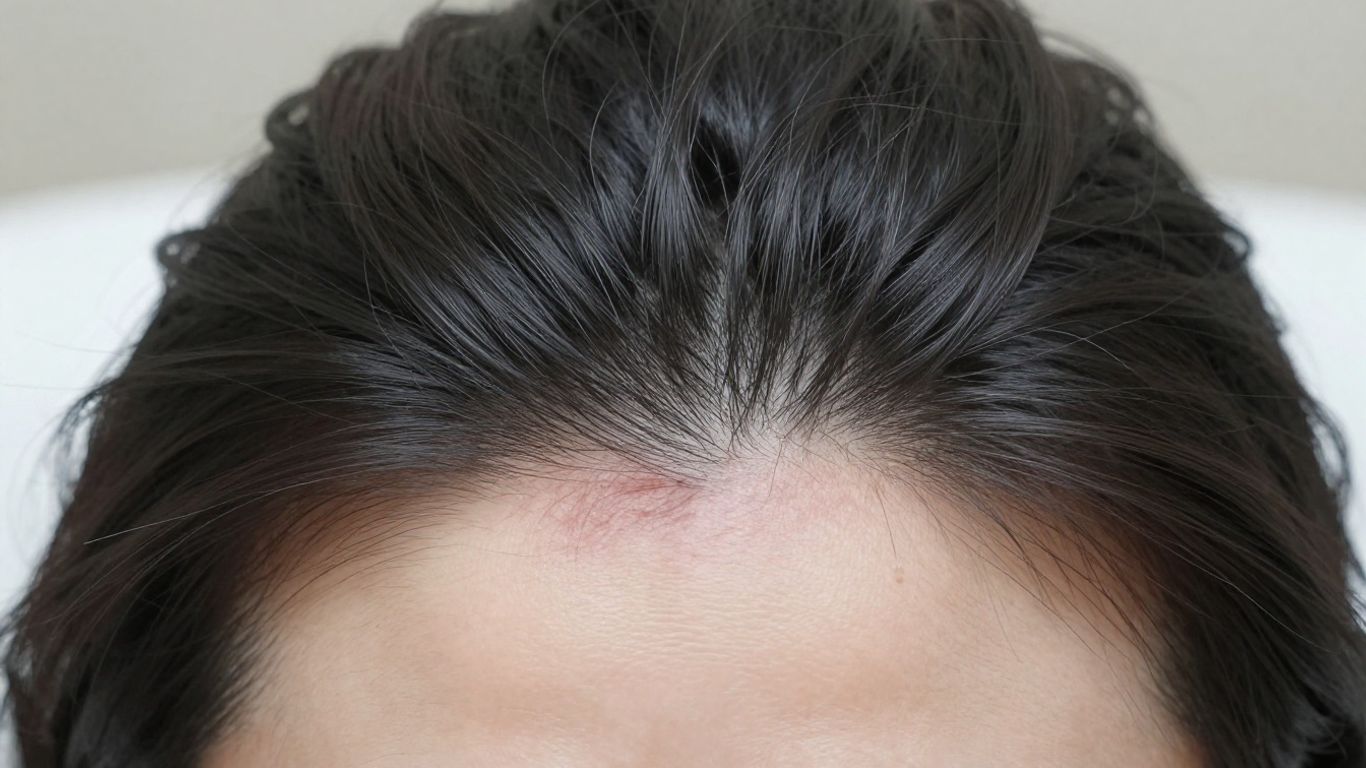
So, you're thinking about a hair transplant, huh? It's a big step, and it's totally normal to wonder about what happens afterward. Most of the time, the side effects are pretty minor and go away on their own. Think of them as your scalp's way of saying, "Okay, something just happened here!"
Immediate Post-Operative Swelling and Redness
Right after the procedure, you'll likely notice some swelling, especially around your forehead and eyes. It might look a bit alarming, but it's just your body reacting to the surgery. This usually calms down within a few days, typically around 3 to 4 days. You might also see some redness in the treated areas, which is also a normal part of the healing process.
Crusting and Scabbing Around Follicles
As your scalp starts to heal, you'll probably see some small crusts or scabs forming around the newly transplanted hair follicles. Don't panic! This is completely normal. These little scabs are usually gone within a week to ten days, often falling off on their own. It's really important not to pick at them, as this can disrupt the healing and even dislodge the grafts.
Temporary Itching in Donor and Recipient Areas
Get ready for some itching. Yep, it's a common one, happening in both the area where the hair was taken from (donor) and where it was placed (recipient). While it can be super annoying, try your best not to scratch. Itching is often a sign that your scalp is healing nicely. If you absolutely must, a gentle pat might help, but avoid digging in.
Post-Procedure Shock Loss
This one can be a bit surprising. You might notice some hair shedding from both the donor and recipient areas a few weeks after the transplant. It's called "shock loss," and it happens because the transplanted follicles are adjusting to their new environment. The good news? This is almost always temporary. The hair usually starts to grow back within a few months, so hang in there.
Potential Risks and Complications of Hair Transplants
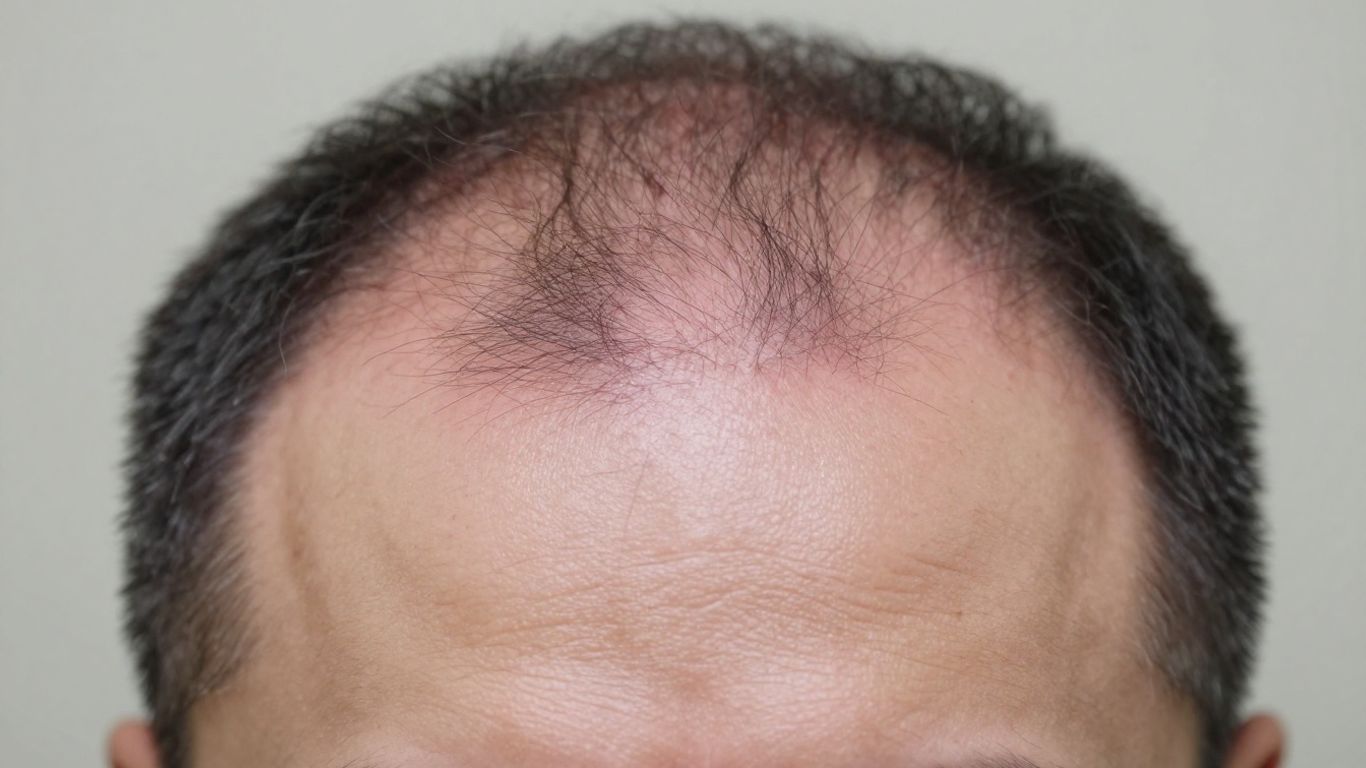
While hair transplantation is generally considered a safe procedure, like any surgery, it's not entirely without risks. It's important to be aware of what could potentially go wrong, even if these issues are uncommon.
Risk of Infection and Folliculitis
Even with the best sterile practices, there's always a small chance of infection setting in. This can manifest as redness, increased pain, or pus around the transplanted or donor areas. Folliculitis, which is inflammation of the hair follicles, is another possibility. It often looks like small pimples or bumps and can be quite itchy. Keeping the scalp clean according to your surgeon's instructions is the best defense against these issues.
Scarring from Surgical Techniques
Both major techniques, FUE (Follicular Unit Extraction) and FUT (Follicular Unit Transplantation), involve creating small incisions. FUT typically leaves a linear scar in the donor area, which can be noticeable depending on how long you keep your hair. FUE results in numerous tiny dot-like scars, which are usually less visible but can still be a concern if the donor area is very sparse or shaved very short. The skill of the surgeon plays a big role in how well these scars heal and how visible they are.
Numbness and Scalp Sensation Changes
It's pretty common to experience some temporary numbness or altered sensation in the scalp, both in the recipient and donor areas, after the surgery. This is due to the disruption of small nerves during the procedure. For most people, this sensation returns gradually over weeks or months. However, in rare cases, some persistent numbness or hypersensitivity might remain.
Graft Failure and Poor Hair Growth
While surgeons aim for a high success rate, not every transplanted follicle will survive and grow hair. Factors like poor blood supply to the area, improper handling of grafts, or even the body's reaction can lead to some grafts not taking. This can result in a less dense outcome than expected. Sometimes, the transplanted hair might also go through a shedding phase (shock loss) before it starts to grow, which can be concerning if not understood.
Factors Influencing Hair Transplant Side Effects
So, you're thinking about a hair transplant, huh? It's a big step, and while most people get through it without major drama, a few things can really change how your recovery goes and what side effects you might notice. It's not just about the procedure itself; a bunch of other stuff plays a role.
The Role of Surgeon Expertise
This is a big one. The skill and experience of your surgeon can make a huge difference. A seasoned pro knows how to handle the delicate tissues of your scalp, minimize trauma, and predict how your body will react. They're more likely to avoid common pitfalls that can lead to prolonged swelling, excessive crusting, or even infection. Think of it like hiring a master chef versus someone who just learned to boil water – the outcome is usually pretty different.
Impact of Surgical Technique (FUE vs. FUT)
There are a couple of main ways hair transplants are done: FUE (Follicular Unit Excision) and FUT (Follicular Unit Transplantation), sometimes called the 'strip' method. They both have their pros and cons when it comes to side effects.
- FUE: This involves taking individual hair follicles from the donor area. It tends to result in less noticeable scarring, usually just small dots, and often a quicker initial recovery for some people. However, it can still cause temporary swelling and redness.
- FUT: This method involves removing a strip of skin from the donor area. While it can yield a large number of grafts, it leaves a linear scar. This type of surgery might involve a bit more initial discomfort and a longer healing period for the donor site compared to FUE.
Individual Healing Mechanisms
Everyone's body is different, right? Some people bounce back from surgery like it was nothing, while others take a bit longer. Your age, general health, and even your genetics can affect how quickly and smoothly your scalp heals. If you're prone to inflammation or have a slower healing process, you might experience side effects like swelling or redness for a bit longer.
Importance of Donor Area Health
The donor area, usually the back and sides of your head where the hair is taken from, is super important. If this area is already thin or has been over-harvested in the past, it can affect how well it heals and how natural the final result looks. A healthy donor area means less risk of noticeable thinning or scarring there, which contributes to a better overall recovery experience.
It's really about setting realistic expectations. Understanding that your body's unique response, combined with the surgeon's skill and the technique used, all contribute to the side effects you might encounter. Being informed helps you prepare and know what's normal.
Managing and Minimizing Side Effects After Hair Transplant
So, you've had your hair transplant, and now you're wondering what to do next to make sure everything heals up nicely and you don't end up with a bunch of annoying issues. It's totally normal to feel a bit anxious about the recovery phase. The good news is that most of the common side effects are temporary and can be managed with some straightforward care. Following your surgeon's post-operative instructions is the most important step you can take.
Essential Aftercare Practices
Taking care of your scalp after the procedure is key to a smooth recovery and minimizing potential problems. Think of it as giving your new hair the best possible start.
- Gentle Cleansing: When it's time to wash your scalp, be super gentle. Avoid putting too much pressure on the newly transplanted follicles. Your clinic will give you specific instructions on what kind of shampoo to use and how often to wash.
- Avoid Scratching: Itching is common as your scalp heals, but resist the urge to scratch! Scratching can dislodge grafts or even cause infection. If the itching is really bad, talk to your doctor about safe ways to get relief.
- Medication Adherence: If your doctor prescribes any antibiotics or anti-inflammatories, take them exactly as directed. This helps prevent infection and manage swelling.
Protecting the Scalp from Sunlight
Your scalp is going to be extra sensitive after the surgery, especially the recipient area where the new grafts are. Sunlight can be a real irritant and could potentially harm those delicate follicles.
- Stay Indoors: For the first week or two, try to limit your time outdoors, especially during peak sun hours.
- Wear Protection: If you absolutely have to go out, wear a loose-fitting hat or a soft cap that doesn't put pressure on your scalp. A wide-brimmed hat is a good choice.
- Sunscreen Caution: Don't apply sunscreen directly to the newly transplanted areas until your surgeon says it's okay. Some sunscreens can be harsh.
Proper Sleep Positioning
Sleeping can be a bit tricky after a hair transplant, but getting it right can help reduce swelling and discomfort.
- Elevate Your Head: For the first few nights, sleep with your head elevated. Using a couple of extra pillows or a wedge pillow can help gravity drain fluid away from your face and scalp.
- Avoid Rolling: Try to sleep on your back as much as possible to avoid putting pressure on the surgical sites.
- Neck Pillow: A travel neck pillow can be surprisingly helpful in keeping your head stable and preventing accidental rolling onto your side.
Avoiding Strenuous Physical Activity
Your body needs time to heal, and intense physical activity can interfere with that process. Sweating a lot or increasing blood pressure to the head can cause problems.
- Light Activity: Gentle walking is usually fine and even encouraged for circulation, but that's about it for the first week or two.
- No Heavy Lifting: Avoid lifting heavy objects, as this can increase blood pressure and potentially affect the grafts.
- Sweat Management: High-intensity workouts that make you sweat a lot should be put on hold. Excessive sweat can increase the risk of infection in the small incisions.
It's really about giving your scalp the best environment to heal. Think of it as a temporary pause on your usual routine to ensure long-term success for your new hair. Patience is definitely a virtue here.
Remember, your surgeon's advice is tailored to your specific procedure. If you have any concerns about side effects or your recovery, don't hesitate to reach out to them. They are your best resource for understanding the potential side effects and risks associated with hair transplants by following a safety timeline. Learn about recovery.
When to Seek Medical Attention for Side Effects
Sometimes, the usual redness and swelling after a hair transplant are nothing to stress over and often go away on their own. But there are times when you need to pay closer attention because your body might be telling you that something's not right.
Signs of Infection or Discharge
If you notice yellow or green fluid oozing from your scalp, or if the area becomes increasingly warm and tender, these could be signs of infection.
- Look for pus-like discharge or a foul smell
- Sudden increase in localized swelling
- Red streaks radiating from the treated areas
| Symptom | Possible Issue | When to Call the Doctor |
|---|---|---|
| Yellow/green discharge | Infection | Immediately |
| Warmth & redness | Infection/Inflammation | If worsening after 3-4 days |
| Foul odor | Bacterial presence | Right away |
It's always better to reach out to your clinic at the first sign of infection rather than waiting for things to settle on their own.
Persistent Pain or Swelling
Pain or swelling that doesn’t improve or gets worse after several days is not normal. Most swelling peaks around day 3 to 4 and fades after a week. Pain is usually mild and manageable with simple painkillers.
You should be concerned about:
- Increasing pain that painkillers don’t help
- Swelling that spreads to the face or eyes and keeps growing
- Tender lumps or hard areas on the scalp
Unusual Redness Beyond Healing Time
Redness is typical the first week or so, but it should lighten over time. If instead it grows or the area around the grafts stays bright red or starts spreading, this could mean something more than normal recovery.
Checklist to watch for:
- Redness still intense after 10-14 days
- Redness accompanied by heat, pain, or swelling
- Areas of skin starting to feel hot or look blotchy
Fever as an Indicator of Complication
A fever is your body’s alarm system when it comes to infection. If you feel hot, shaky, or notice chills and a temperature over 100.4°F (38°C), it could indicate a post-surgery infection.
Points to consider:
- Take your temperature if you feel unwell—even mild fevers count
- Fever along with scalp pain or discharge is a sign to act fast
- Do not ignore persistent low-grade fevers post-procedure
If something seems off or a symptom suddenly gets worse after your hair transplant, don’t wait. Quick action with your clinic or doctor can prevent a small issue from turning into something serious.
Long-Term Considerations for Hair Transplant Recovery
So, you've gone through the hair transplant procedure, and the initial healing phase is behind you. That's great! But what happens next? Recovery isn't just about the first few weeks; there are definitely some things to keep in mind as you move forward.
Understanding Scarring Visibility
It's pretty common to worry about scars after any surgery, and hair transplants are no different. The good news is that with modern techniques, especially FUE (Follicular Unit Extraction), scarring is usually minimal. Instead of one long line, you'll likely have tiny dot scars where each graft was taken. A skilled surgeon makes a big difference in how noticeable these are. If you keep your hair at a shorter length, say grade 1 or 2, these tiny marks are generally hard to spot. For FUT (Follicular Unit Transplantation), there's a linear scar, but if you keep your hair longer, it's usually hidden well.
Duration of Numbness and Sensation Changes
That weird numb feeling you might have experienced after the surgery? It can stick around for a while. Many people report that the scalp, both in the recipient and donor areas, can feel a bit "off" or less sensitive for several months, sometimes up to nine months or even longer. It's usually temporary as the nerves heal. While rare, if a nerve gets damaged during surgery, persistent numbness or pain could occur, but this is uncommon with careful surgical practices. Staying in touch with your clinic is important if you have concerns about this post-operative care.
Assessing Final Hair Growth Results
This is the part everyone's waiting for, right? Patience is key here. It takes time for those transplanted hairs to start growing. You'll typically see initial growth around 3-4 months post-op, with more significant results appearing between 6-12 months. The final outcome, however, can take up to 18 months to fully materialize. It's important to have realistic expectations; not every single transplanted hair will grow, and that's normal. The goal is a natural-looking density.
Potential for Future Procedures
Sometimes, one hair transplant isn't the end of the story. Depending on the extent of your hair loss and your goals, you might consider additional procedures down the line. This often depends on:
- How much donor hair you have available.
- How your original hair loss progresses.
- Your satisfaction with the initial results.
It's a good idea to discuss potential future needs with your surgeon early on to plan accordingly.
Remember that the success of your hair transplant isn't just about the surgery itself. Your commitment to aftercare and understanding the long-term recovery process plays a huge role in achieving the best possible outcome. Don't hesitate to ask your doctor any questions you have along the way.
Wrapping Up: What to Remember About Hair Transplant Side Effects
So, we've gone over a bunch of stuff about what might happen after a hair transplant. Most of the time, things like swelling, a little itching, or some scabs are totally normal and go away pretty quickly. It’s also common to see some hair shed a bit after the surgery, but don't freak out – that's usually temporary. The big takeaway here is that while side effects are part of the deal, they're often manageable and short-lived, especially when you pick a good clinic and follow their aftercare advice to the letter. If anything seems really off, like signs of infection or pain that won't quit, definitely reach out to your doctor. Knowing what to expect really helps you feel more in control and ready for the whole process.
Frequently Asked Questions
What are the most common things to expect right after a hair transplant?
Right after your hair transplant, you might notice some swelling and redness on your scalp, especially around your forehead and eyes. It's also common to see small crusts or scabs forming where the new hairs were planted. Some people feel a bit of itching in both the area where hair was taken from (donor area) and where it was put (recipient area). These are normal signs that your body is healing.
Will I lose hair after the transplant?
Yes, it's quite common to experience something called 'shock loss' a few weeks after the surgery. The transplanted hairs might fall out temporarily. Don't worry, this is normal! The hair follicles are still there under the skin, and new hair will start to grow back in a few months, usually around the fourth month.
How long do these side effects usually last?
Most of the common side effects don't stick around for too long. Swelling typically goes down in about 3 to 4 days. Itching and scabs usually clear up within a week or two. The shock loss of hair is temporary, and regrowth starts a few months later. The whole healing process is different for everyone, but these initial issues are usually short-lived.
Are there any serious risks with hair transplants?
Serious problems are rare, especially if you choose a skilled surgeon. However, like any surgery, there's a small chance of infection, which might show up as pus or unusual discharge. You could also experience scarring, though modern techniques like FUE leave very small marks. Sometimes, people might feel numbness in the scalp for a while, but this usually gets better over time. Graft failure, meaning the transplanted hair doesn't grow well, can happen but is uncommon with good technique.
What's the best way to help my scalp heal and avoid problems?
Taking good care of your scalp after surgery is super important! Be very gentle when cleaning your head to avoid disturbing the new grafts. It's crucial to protect your scalp from direct sunlight for a while, as it can be sensitive. Sleeping with your head slightly raised for the first few nights can help reduce swelling. Also, avoid any heavy workouts or activities that make you sweat a lot, as this can increase the risk of infection.
When should I be concerned and contact my doctor?
While most side effects are normal, you should call your doctor if you notice any signs of infection, like pus, drainage, or a fever. Also, if the pain, swelling, or redness seems to be getting worse instead of better after several days, or if it lasts much longer than expected, it's a good idea to get it checked out by a medical professional.