

Understanding the Reason of Hair Fall in Male: Causes and Solutions
Lots of guys wonder about why their hair is thinning or disappearing. It's a common thing, and honestly, there's not just one simple answer. Sometimes it's just how your family's hair works, other times it's about what's going on in your body or even just life throwing you a curveball. Figuring out the reason of hair fall in male can be the first step to doing something about it and feeling better about your hair.
Key Takeaways
- Genetics are the main reason for hair loss in men, often leading to male pattern baldness starting with a receding hairline.
- Hormones, particularly DHT, can play a significant role, especially when combined with a genetic predisposition.
- Stress, from daily life or even hairstyles that pull too hard, can disrupt hair growth and cause shedding.
- Not getting enough of certain nutrients, like iron, can impact your hair's health and lead to thinning.
- Certain medications and the natural aging process can also contribute to hair loss over time.
Understanding the Primary Reason of Hair Fall in Male: Genetics
When we talk about why guys lose their hair, especially that common thinning and receding hairline, genetics is usually the main player. It's not really a surprise, right? Think about it – if your dad or granddad had a similar hair situation, there's a good chance you might too. This is all thanks to something called male pattern baldness, and it's pretty much written into our DNA.
Male Pattern Baldness Explained
Male pattern baldness, also known medically as androgenic alopecia, is the most frequent cause of hair loss in men. It typically follows a predictable pattern: a receding hairline, often forming an 'M' shape, and thinning hair at the crown of the head. Over time, these areas can merge, leading to more significant baldness. It's estimated that about 95% of hair loss in men falls under this category, and for many, it can start surprisingly early, sometimes even in their early twenties.
The Role of Heredity in Hair Loss
Your genes are like a blueprint, and they dictate how sensitive your hair follicles are to certain hormones. Specifically, it's about how your body reacts to dihydrotestosterone (DHT). Even though DHT is a natural hormone, in genetically predisposed individuals, it can cause hair follicles to gradually shrink. This inherited sensitivity is the core reason why some men experience hair loss while others don't, even under similar hormonal conditions. It's a direct link passed down from your parents. You can find out more about male pattern baldness and its genetic basis.
When Hair Follicles Begin to Shrink
The process of male pattern baldness isn't an overnight event. It's a slow, progressive shrinking of hair follicles. This miniaturization means that each new hair that grows from the follicle becomes progressively finer and shorter. Eventually, the follicle becomes so small that it can no longer produce a visible hair. This cycle of shrinking and eventual cessation of growth is what leads to the thinning and bald spots we associate with this type of hair loss. It's a gradual change, but the underlying genetic programming is the driver.
The genetic component of hair loss means that while other factors can influence the rate or severity, the predisposition is often inherited. Understanding this genetic link is the first step in grasping why hair loss occurs for many men.
Here's a quick look at the typical progression:
- Early Stage: Slight recession at the temples and/or thinning at the crown.
- Mid Stage: Receding hairline becomes more pronounced, and crown thinning increases.
- Late Stage: The 'M' shape is clear, and the crown area may be significantly bald, with hair remaining on the sides and back.
- Advanced Stage: Large bald areas, with only a horseshoe pattern of hair remaining.
It's important to remember that not everyone with a family history will experience significant hair loss, and the age of onset can vary greatly. However, genetics remains the most significant factor in determining your likelihood and the pattern of hair loss.
Hormonal Influences on Male Hair Loss
Testosterone and DHT Connection
Okay, so let's talk hormones. For guys, testosterone is a big one, right? Well, it turns out that testosterone can be converted into another hormone called dihydrotestosterone, or DHT. And DHT? That's the real troublemaker when it comes to hair loss in men. It's like DHT latches onto your hair follicles and tells them to shrink. Over time, these shrunken follicles can't produce as thick or as much hair, and eventually, they might stop producing hair altogether. This process is a major player in what's often called male pattern baldness. It's not just about having a certain amount of testosterone; it's about how your body processes it and what happens with that DHT. This hormonal cascade is a primary driver of genetic hair loss.
Hormonal Imbalances and Hair Growth
Beyond the testosterone-DHT connection, other hormonal imbalances can mess with your hair, too. Think of it like a finely tuned engine – if one part is off, the whole thing can sputter. For men, this could mean fluctuations in other hormones that affect the hair growth cycle. When these cycles get disrupted, you might notice more hair shedding than usual, or the hair that does grow back isn't as strong. It's not always about a specific hormone; sometimes, it's just the overall balance being thrown off. This can be influenced by a bunch of things, from stress to diet, and even just the natural aging process. Understanding these hormonal shifts is key to figuring out why your hair might be thinning.
Seeking Professional Hormone Health Assessment
If you're noticing significant hair loss and suspect hormones might be involved, it's really worth talking to a doctor. They can do tests to check your hormone levels and see if there's an imbalance. Trying to self-diagnose hormonal issues can be tricky, and you might end up chasing the wrong problem. A professional assessment can give you a clear picture of your hormone health and help guide you toward the right solutions. Sometimes, it's a simple fix, like adjusting a medication or making lifestyle changes, but you won't know for sure without getting checked out. Don't just guess; get the facts from a healthcare provider.
It's easy to get caught up in the idea that hair loss is just one thing, but the truth is, it's often a mix of factors. Hormones are a big piece of the puzzle for many men, and understanding their role can be the first step toward finding a solution that actually works for you.
The Impact of Stress on Hair Health
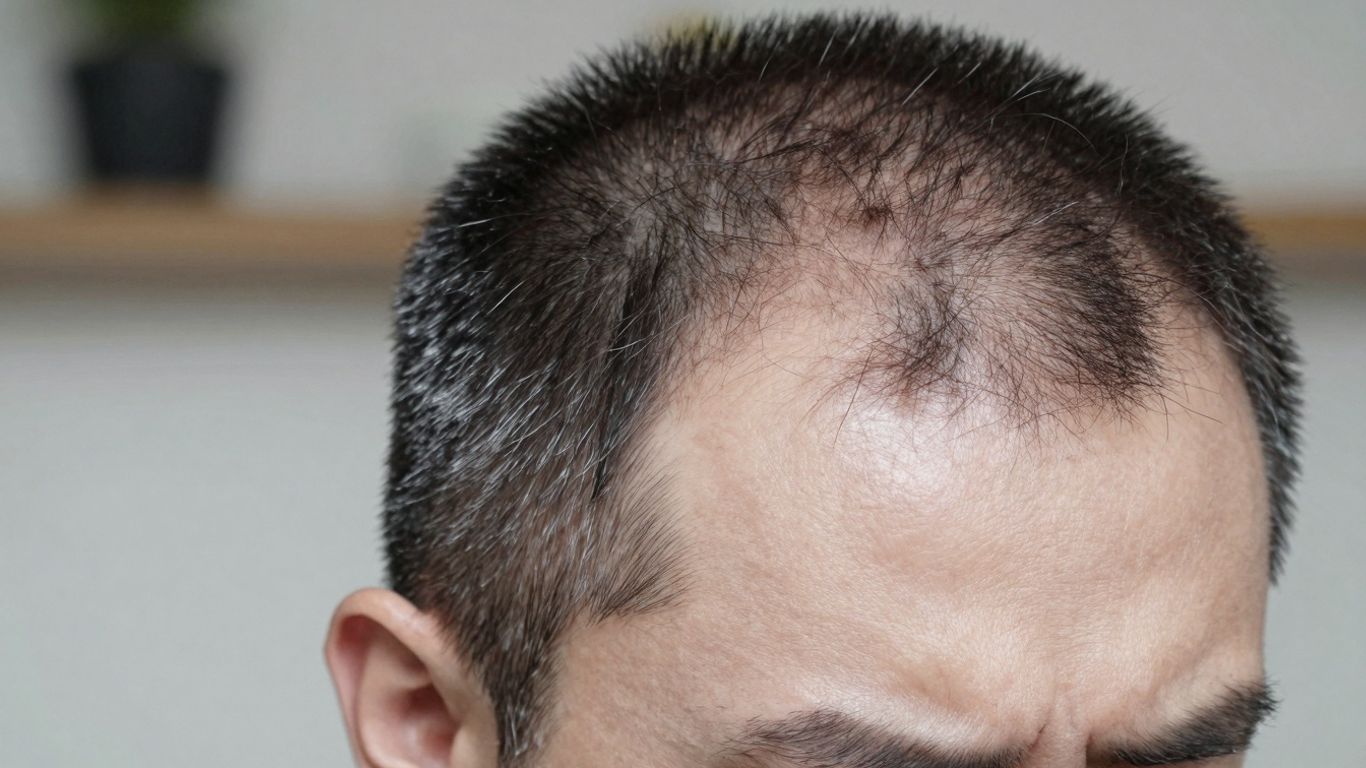
Life throws a lot at us, and sometimes, all that pressure can really start to show, even on our hair. It turns out, stress isn't just in our heads; it can actually mess with our hair growth cycles. When you're under a lot of stress, your body can go into a sort of overdrive, and this can push a larger number of your hair follicles into the resting phase, leading to more shedding than usual. It’s a pretty common thing, actually.
Chronic Stress and Hair Shedding Cycles
When stress sticks around for a while, it can really disrupt the normal rhythm of hair growth. Normally, your hair goes through cycles of growing, resting, and shedding. But with chronic stress, more hairs than normal can jump into that resting phase prematurely. Then, a few months down the line, all those hairs that were supposed to rest decide to shed at once. This can lead to a noticeable thinning all over your scalp. The good news is, once the stress levels calm down, your hair usually gets back on track. It might take a few months, maybe six to nine, for things to return to normal, but it often does.
Traction Alopecia from Hairstyles
Beyond the mental and emotional toll, stress can also come from how we style our hair. You know those super tight braids, cornrows, or even extensions? They can put a lot of constant pulling on your scalp. This continuous tension is called traction alopecia. Over time, this pulling can actually damage the hair follicles, and in some cases, if it goes on for too long, the hair loss can become permanent because the follicles just can't recover. It’s a good reminder to go a little easier on your hair when you're styling it.
Emotional Shock and Temporary Hair Thinning
Sometimes, a really big, sudden event – like a major illness, surgery, or even a significant personal loss – can trigger a type of hair shedding. This isn't usually from long-term stress, but more from a significant physical or emotional shock. Similar to chronic stress, this can cause a temporary thinning of hair a few months after the event. The body is just reacting to the upheaval. Thankfully, this kind of hair thinning is usually temporary, and your hair should start to grow back normally once your body adjusts.
It's easy to forget that our bodies are constantly reacting to what's happening around us, both good and bad. Hair, being a visible part of us, can sometimes be one of the first places we notice these internal shifts. Paying attention to these signs can be a good way to check in with how we're really doing.
Nutritional Deficiencies and Hair Loss
You know, it’s easy to think about hair loss and immediately jump to genetics or stress, but what we eat plays a surprisingly big part. It’s like the old saying goes, you really are what you eat, and that definitely applies to your hair. If your body isn't getting the right building blocks, your hair growth can really suffer.
Dietary Impact on Hair Growth
Think of your hair follicles as tiny factories. They need a steady supply of raw materials to produce healthy hair. When certain nutrients are in short supply, these factories slow down or even stop production. This isn't just about having a less lustrous mane; it can lead to noticeable thinning and shedding. It’s a direct link between what’s on your plate and what’s on your head.
Iron Deficiency and Hair Fall
One of the most common culprits when it comes to nutrient-related hair loss is iron deficiency. Iron is super important for making hemoglobin, which carries oxygen to all your cells, including the ones in your hair follicles. Without enough oxygen, these cells can't function properly, and hair growth gets disrupted. You might notice your hair becoming brittle or falling out more easily. It’s a pretty significant connection that many people overlook.
The Importance of a Balanced Diet
So, what’s the fix? It really comes down to making sure you’re getting a good mix of everything your body needs. This means focusing on a diet rich in:
- Proteins: Hair is mostly protein, so you need enough to build it. Think lean meats, fish, eggs, and beans.
- Vitamins: Especially B vitamins (like biotin), vitamin A, C, D, and E are all involved in hair health.
- Minerals: Iron, zinc, and selenium are key players. You can find these in leafy greens, nuts, seeds, and whole grains.
Sometimes, even with a good diet, you might not be absorbing nutrients effectively, or your needs might be higher. If you suspect a deficiency, it’s always a good idea to talk to a doctor. They can help figure out if you need supplements or if there’s an underlying issue. Getting the right nutrients is a foundational step for healthy hair growth.
If you're concerned about your nutrient intake and its effect on your hair, discussing it with a healthcare provider is a good first step. They can help assess your situation and guide you toward the best dietary changes or supplements.
Medications and Their Side Effects on Hair
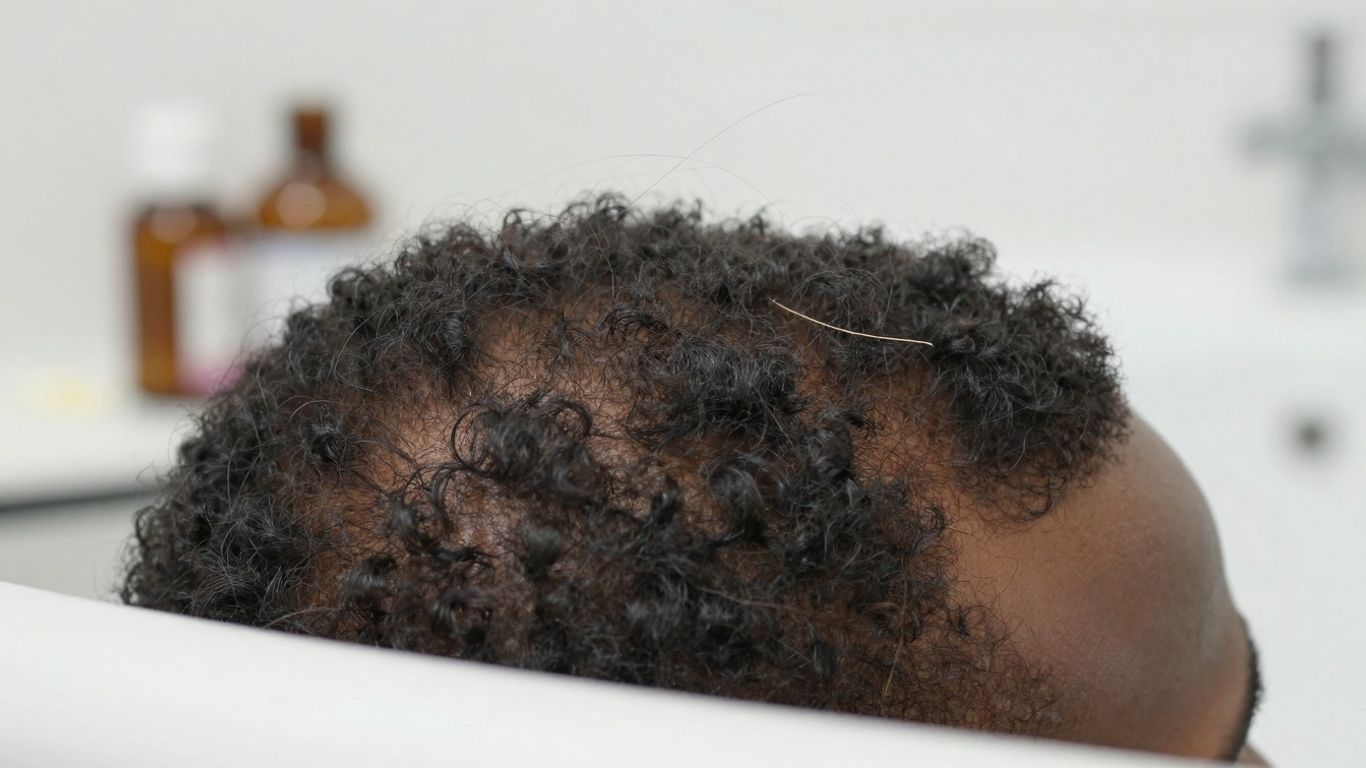
Sometimes, the stuff we take to get better can actually cause other problems, and hair loss is one of them. It's a bit of a bummer, right? You're trying to fix one thing, and suddenly your hair starts thinning out. This isn't super common for most everyday meds, but certain types of drugs are known to have this side effect. Think about treatments for things like cancer, arthritis, depression, heart issues, gout, and even high blood pressure. They can mess with your hair growth cycle.
Drugs Linked to Hair Loss
It's a long list, and honestly, it can be a bit overwhelming. But here are some categories of medications that have been associated with hair loss:
- Chemotherapy drugs: These are designed to kill fast-growing cells, and unfortunately, hair follicles are among them. This is often the most dramatic type of hair loss.
- Blood thinners (anticoagulants): Medications like warfarin can sometimes lead to hair thinning.
- Medications for high blood pressure (antihypertensives): Certain drugs used to manage blood pressure might affect hair growth.
- Antidepressants: Some people report hair loss as a side effect of certain antidepressants.
- Anti-inflammatory drugs: Drugs used to treat inflammation, like those for arthritis, can sometimes cause hair loss.
- Thyroid medications: While treating thyroid issues is important, sometimes the medication itself can have an impact.
It's important to remember that not everyone will experience hair loss from these medications, and the severity can vary a lot from person to person. Plus, sometimes it's not the drug itself but the underlying condition being treated that's causing the hair loss.
Consulting Doctors About Medication Side Effects
If you notice your hair thinning out and you're on a new medication, or even an old one, the first thing you should do is talk to your doctor. Seriously, don't just stop taking your prescription because you think it's causing hair loss. That can be really dangerous, especially with certain medications. Your doctor can help figure out if the medication is indeed the culprit. They might ask you questions about:
- When you started noticing the hair loss.
- Any other symptoms you're experiencing.
- Your dosage and how long you've been taking the medication.
- Your overall health history.
They can then decide if switching to a different medication is an option or if there are other ways to manage the hair loss while you continue your treatment.
Hair Regrowth After Medication Changes
Good news here: in many cases, hair loss caused by medication is temporary. Once you stop taking the offending drug, or if your doctor adjusts the dosage or switches you to something else, your hair often starts to grow back. It might take a few months to see a noticeable difference, as hair grows pretty slowly. But for most people, the hair follicles recover, and you'll see your hair return to its normal thickness and density. It's like giving your scalp a chance to reset and get back on track. So, while it's a worrying side effect, it's often a reversible one with the right medical guidance.
Age-Related Changes and Hair Loss
Slowing Hair Growth with Age
As the years go by, it's pretty common to notice that your hair just doesn't grow as fast as it used to. This is a natural part of getting older. The hair follicles, those little things in your scalp that make hair, start to slow down their work. Think of it like an engine that's been running for a long time; it's not going to have the same pep it did when it was new. This slowdown means fewer hairs are being produced, and the ones that do grow might be finer.
Follicles Stop Producing Hair
Eventually, for many men, some hair follicles will actually stop producing hair altogether. This isn't a sudden event for most; it's usually a gradual process. Over time, the follicle might shrink, and its ability to create a new hair shaft diminishes until it eventually ceases production. This is a primary reason why thinning occurs and bald spots can form as we age. It's not that the hair is falling out more rapidly, but rather that fewer new hairs are coming in to replace the old ones.
Changes in Hair Texture and Color
Beyond just thinning, aging also affects the quality of the hair we have. You might notice your hair becoming coarser or, conversely, finer and more brittle. The pigment that gives hair its color, melanin, also starts to decrease production. This is why gray hairs appear. Often, gray hair has a different texture too – it can feel wirier or have less natural shine. So, it's not just about the quantity of hair, but also the texture and color that change as we get older.
It's important to remember that while some hair changes are a normal part of aging, significant or sudden hair loss can sometimes point to other issues. If you're concerned, it's always a good idea to chat with a doctor.
Here's a quick look at what happens:
- Slower Growth: Hair cycles shorten, meaning less time is spent in the active growth phase.
- Follicle Dormancy: Some follicles become inactive and stop producing hair.
- Texture Alteration: Hair can become finer, coarser, or more brittle.
- Color Loss: Melanin production decreases, leading to gray or white hair.
Wrapping Up Your Hair Loss Journey
So, we've looked at why guys might be losing their hair. It's often a mix of things, like what you inherited, stress levels, and even what you're eating. It can feel overwhelming, but knowing the 'why' is the first step. Whether it's genetics or something else, there are ways to deal with it. Don't just sit back and let it happen. Talking to a doctor or a specialist can help figure out the best plan for you, whether that's a treatment or a procedure. Taking action is key to feeling better about your hair and yourself.
Frequently Asked Questions
What's the main reason most guys lose hair?
The most common cause for hair loss in men is genetics, meaning it's something you inherit from your parents. This often leads to a pattern of thinning hair or a receding hairline as you get older.
Can stress really make my hair fall out?
Yes, it can! When you're under a lot of stress for a long time, it can mess with your hair's natural growth cycle and cause more hair to fall out than usual. Sometimes, even a big shock can lead to temporary hair thinning.
Does what I eat affect my hair?
Absolutely. Your hair needs good nutrition to grow strong. If you're not getting enough important vitamins and minerals, like iron, it can lead to hair loss. Eating a balanced diet is key for healthy hair.
Can certain hairstyles cause hair loss?
Yes, they can. Styles that pull your hair very tightly, like certain braids or extensions, can stress your scalp over time. This can lead to a type of hair loss called traction alopecia, where the hair might not grow back.
Do medicines ever cause hair loss?
Sometimes, hair loss can be a side effect of certain medicines. If you think your medication might be causing your hair to fall out, it's really important to talk to your doctor. Don't stop taking any medicine without their advice.
Will my hair grow back after it falls out?
It depends on the reason. Hair loss due to stress or certain medications might grow back once the cause is fixed. However, hair loss from genetics, like male pattern baldness, often continues over time unless treated.