

Understanding the Minoxidil Shed: How Long Does It Typically Last?
So you've decided to try Minoxidil for hair loss. That's great! It's a pretty common treatment, and a lot of people see good results. But you might have heard about something called the 'Minoxidil shed,' and honestly, it sounds kind of scary. Seeing more hair fall out when you're trying to *stop* hair loss? It's enough to make anyone worry. But don't panic just yet. This shedding is actually a sign that the treatment is doing its thing. Let's break down what it is, how long it usually lasts, and what to expect.
Key Takeaways
- The Minoxidil shed is a temporary increase in hair loss that can happen when you first start using the treatment.
- It usually begins about 2 to 8 weeks after you start using Minoxidil.
- Most people experience this shedding for around 1.5 to 2 months, though it can sometimes last a bit longer.
- This shedding is a positive sign, indicating that Minoxidil is speeding up your hair growth cycle and pushing out old hairs to make way for new ones.
- Consistency is key; sticking with your Minoxidil routine is important for seeing results and helping the shedding phase pass more quickly.
Understanding The Minoxidil Shedding Timeline
When Does Minoxidil Shedding Typically Begin?
So, you've started using Minoxidil, and you're wondering when things might get a little hairy – literally. It's pretty common to experience what's known as the 'Minoxidil shed' a few weeks into your treatment. Think of it like a spring cleaning for your scalp. This shedding usually kicks off somewhere between week 2 and week 8 after you begin applying the treatment. It might seem counterintuitive, seeing more hair in the drain when you're trying to grow more, but hang in there.
What Is The Average Duration Of Minoxidil Shedding?
This shedding phase isn't a permanent situation, thankfully. Most people find that the increased hair loss lasts for about 2 to 4 weeks. Some sources suggest it can extend a bit longer, maybe up to 6 to 8 weeks for some individuals. It's a temporary blip in the grand scheme of things, a sign that the medication is getting to work and pushing your hair follicles into a new growth cycle. It's not forever, which is good news.
How Long Does Minoxidil Shedding Last For Different Individuals?
Here's the thing: everyone's body reacts a little differently. While the average shedding period is relatively short, some people might experience it for a shorter time, while others might notice it for a bit longer. Factors like your personal biology, how consistently you apply the Minoxidil, and even potential sensitivities to ingredients can play a role. It's not a one-size-fits-all situation, so try not to compare your experience too much to others. The key is consistency with your treatment.
Remember, the shedding phase, while alarming, is generally a positive indicator that Minoxidil is stimulating your hair follicles and initiating a new growth cycle. It means the medication is working as intended, pushing out older hairs to make way for new, healthier ones.
The Science Behind Minoxidil Induced Shedding
So, you've started using minoxidil, and suddenly you're noticing more hair in your brush or shower drain. It's a bit alarming, right? But there's a scientific reason for this, and it actually points to the treatment working. It all comes down to how minoxidil interacts with your hair's natural growth cycle.
How Minoxidil Affects The Hair Growth Cycle
Your hair doesn't just grow continuously. It goes through a cycle with different phases. The main ones to know are:
- Anagen (Growth Phase): This is when your hair is actively growing. Most of your hair (around 70-90%) is in this phase at any given time, and it can last for several years.
- Catagen (Transitional Phase): A short phase, usually lasting a couple of weeks, where hair growth stops and the follicle starts to shrink.
- Telogen (Resting Phase): Here, the hair rests for about three months before it's ready to shed.
- Exogen (Shedding Phase): This is the actual shedding of the hair.
Minoxidil's main job is to encourage hairs that are in the resting (telogen) phase to move into the growth (anagen) phase more quickly. It can also help lengthen the anagen phase itself.
Why Shedding Is A Positive Indicator
That temporary increase in shedding you experience when you first start minoxidil? It's often called the 'dread shed' for a reason, but it's actually a good sign. It means your hair follicles are responding to the treatment and are being pushed to kick out older, weaker hairs to make way for new, healthier ones. Think of it like clearing out old stock to make room for a fresh inventory. The hairs that shed are typically those that were already in or nearing the end of their telogen phase.
The Role Of Telogen And Exogen Phases
Minoxidil seems to work by shortening the telogen (resting) phase. Normally, a hair rests for a while before shedding. But with minoxidil, this resting period can be significantly reduced. This acceleration means that more hairs might enter the shedding (exogen) phase around the same time. Because more hairs are being pushed out of the follicles simultaneously, you notice a temporary increase in hair loss. This synchronized shedding is what causes the noticeable shedding phase. It's a short-term event that precedes the new growth phase.
The hair growth cycle is a natural process, and minoxidil essentially nudges this cycle along. By speeding up the transition from resting to growing, it causes a temporary surge in shedding. This is a normal part of the process and indicates that the medication is starting to work on your hair follicles.
Factors Influencing Shedding Duration
So, you've started using minoxidil and noticed more hair falling out than usual. It's a common experience, but how long this 'shed' lasts can really vary. It's not a one-size-fits-all situation, and a few things play a role in how long you might experience this temporary increase in hair loss.
Individual Biological Responses to Minoxidil
Everyone's body is a bit different, right? That's definitely true when it comes to how we react to medications like minoxidil. Your unique biology means that the way your hair follicles respond to the drug can differ from someone else's. Some people might have follicles that are super sensitive and quickly jump into the shedding phase, while others might take a bit longer to get going. It's like some people get a cold and are down for a week, while others bounce back in a day or two. This individual variation is a big reason why shedding timelines aren't set in stone.
Consistency in Minoxidil Application
This one's pretty straightforward: if you're not using minoxidil regularly, you might not get the full effect, and that can mess with the shedding timeline. The drug works by nudging your hair follicles through their growth cycles. If you skip applications, you're not giving those follicles a consistent signal. This can lead to a less predictable shedding period, or even a less pronounced shed altogether, which might mean you don't see the benefits as quickly.
- Daily Application: Aim to apply minoxidil at the same time each day. Consistency is key.
- Correct Dosage: Stick to the recommended amount. More isn't necessarily better and can sometimes cause issues.
- Proper Technique: Make sure you're applying it directly to the scalp, not just the hair strands.
Potential Allergic Reactions to Ingredients
While the shedding itself is a normal part of the minoxidil process, sometimes what seems like shedding could be related to other ingredients in the product. Minoxidil solutions often contain alcohol, propylene glycol, or other carriers that can irritate the scalp. If your scalp becomes red, itchy, or flaky, it might be an allergic reaction or sensitivity. This irritation can sometimes lead to increased hair shedding that isn't directly related to minoxidil's hair growth mechanism. If you suspect this might be the case, it's worth looking into.
If you experience significant scalp irritation, redness, or itching alongside increased hair loss, it's important to consider whether it's the expected minoxidil shed or a reaction to the product's other ingredients. Sometimes, switching to a different formulation, like a foam if you're using a liquid, can make a difference.
Navigating The Shedding Phase
So, you've started using minoxidil, and suddenly, you're seeing more hair in the drain or on your brush. It's easy to panic, but this is a pretty normal part of the process. This increased shedding, often called the 'dread shed,' is actually a sign that the medication is doing its job.
What To Expect During The Shedding Period
When you first start minoxidil, your hair follicles are essentially being pushed into a new cycle. Old, weaker hairs are being prompted to exit to make way for new, healthier ones. This means you might notice a temporary increase in hair fall. It can feel unsettling, but remember, it's a sign of progress.
- Timing: The shedding usually kicks in within the first few weeks of starting treatment.
- Duration: For most people, this phase lasts anywhere from two to eight weeks. Some studies suggest the 5% solution might cause shedding for about 4-8 weeks, while the 2% might extend to 8-12 weeks.
- Intensity: The amount of shedding varies. Some people notice a lot more hair than usual, while others experience a more moderate increase.
This initial shedding is a temporary phase. It's your scalp getting ready for a fresh start, pushing out the old to make room for the new growth that minoxidil aims to promote.
Tips For Managing Increased Hair Loss
Dealing with extra hair fall can be tough, but there are ways to cope and support your treatment:
- Stay Consistent: This is probably the most important thing. Keep applying minoxidil exactly as directed, whether it's topical or oral. Skipping doses can mess with the process and potentially prolong the shedding.
- Gentle Hair Care: Be extra kind to your hair during this time. Avoid harsh brushing, tight hairstyles, and excessive heat styling. Use a wide-tooth comb to detangle gently.
- Scalp Health: Keep your scalp clean and healthy. A healthy scalp provides a better environment for new hair to grow.
- Patience: It's a marathon, not a sprint. Trust the process and try not to get too discouraged by the temporary shedding.
Recognizing When Shedding Becomes A Concern
While shedding is normal, there are times when it might be worth looking into further. If the shedding seems unusually heavy, lasts much longer than the typical timeframe (say, over 12 weeks), or if you're experiencing other symptoms like itching, redness, or scalp irritation, it's a good idea to check in with a professional. Sometimes, other underlying issues can mimic minoxidil shedding, and it's best to rule those out.
When To Seek Professional Advice
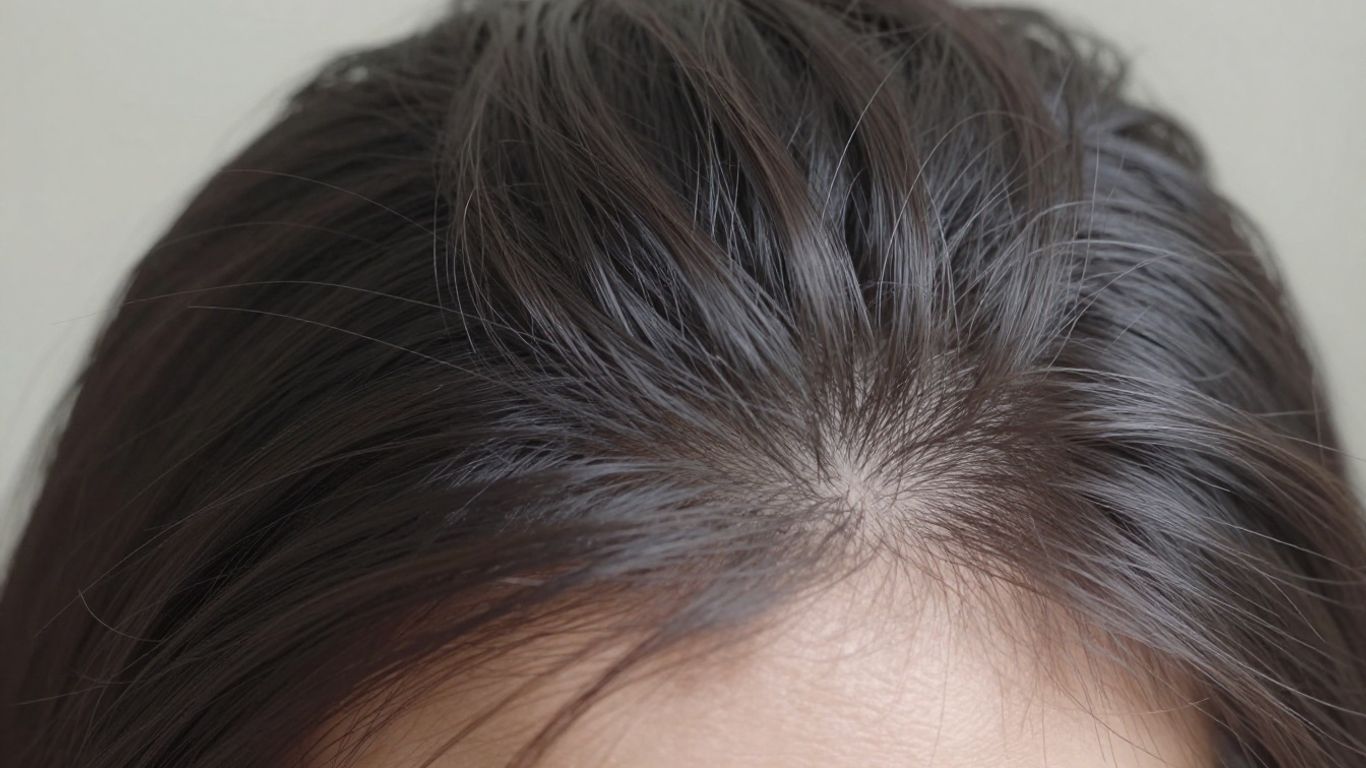
Most of the time, the shedding you experience when starting minoxidil is just part of the process. It means the medication is doing its job, pushing out old hairs to make way for new ones. However, there are times when you should probably chat with a doctor or a dermatologist.
Signs That Shedding May Indicate Other Issues
While minoxidil shedding is usually temporary, it's good to know when it might be something more. Keep an eye out for these signs:
- Sudden, rapid hair loss: If you notice a lot more hair falling out much faster than usual, and it doesn't seem related to your minoxidil schedule.
- Bald patches appearing: If you start seeing distinct areas on your scalp where hair is completely gone, especially if it happens quickly.
- Scalp irritation or pain: While some mild itching can happen, significant redness, soreness, or a burning sensation could point to a reaction or another issue.
- Shedding that lasts way longer than expected: If your shedding period goes on for more than, say, four to six months without any signs of new growth, it's worth getting checked out.
It's easy to get caught up in the ups and downs of hair treatment, but remember that your scalp's health is the foundation for everything. Don't ignore persistent discomfort or unusual changes.
Consulting A Doctor About Prolonged Shedding
If you're past the typical shedding window (usually around 4-8 weeks, sometimes a bit longer) and still seeing excessive hair fall, it's time to make an appointment. A doctor can help figure out if the shedding is still minoxidil-related or if something else is going on. They might ask about:
- Your full medical history
- Any other medications you're taking
- Your diet and lifestyle habits
- The exact timeline of your shedding and regrowth
Sometimes, a simple blood test can reveal underlying issues like thyroid problems or vitamin deficiencies that can affect hair growth. Getting a proper diagnosis is key to getting your hair back on track. You can find more information about hair loss treatments on medical websites.
Alternative Treatment Options If Needed
If your doctor determines that your shedding is unusual or that minoxidil isn't the right fit for you, don't despair. There are other paths to explore. Depending on the cause of your hair loss, options might include:
- Different formulations or strengths of minoxidil: Sometimes a slight adjustment can make a difference.
- Other topical or oral medications: Prescription treatments might be more effective for certain types of hair loss.
- Low-level laser therapy (LLLT): This treatment uses light to stimulate hair follicles.
- Platelet-rich plasma (PRP) therapy: This involves using your own blood components to encourage growth.
- Nutritional supplements: If a deficiency is identified, targeted supplements can help.
Your healthcare provider will guide you toward the best approach based on your specific situation.
The Long-Term Outlook Post-Shedding
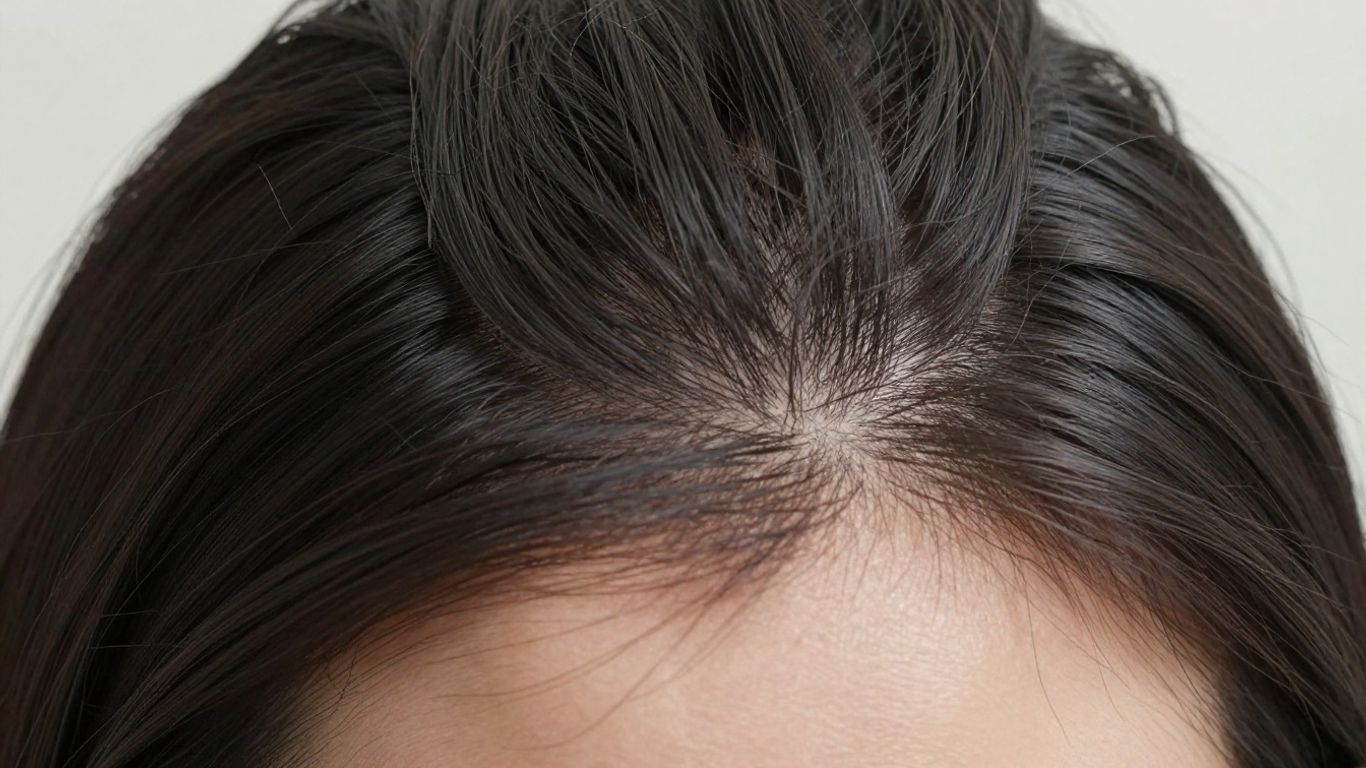
So, you've made it through the initial shedding phase. What's next? This is where the real magic of minoxidil starts to show. After those initial weeks of increased hair fall, you can begin to anticipate new hair growth. It's like clearing out the old to make way for the new and improved.
Anticipating New Hair Growth After Shedding
Once the shedding subsides, usually within a few weeks to a couple of months depending on your individual response, you'll start to notice finer, shorter hairs emerging. These are the new hairs that minoxidil has encouraged to grow. They might not be as thick or long as your original hair at first, but they're a sign that the treatment is working. Think of it as a garden after pruning – it looks a bit bare initially, but then new shoots start to appear.
The Importance Of Continued Minoxidil Use
It's really important to stick with your minoxidil routine even after you stop shedding. This isn't a quick fix; it's a long-term management plan for hair loss. Stopping too soon means you're essentially undoing all the progress. The medication works by keeping your hair follicles in the growth phase and stimulating new growth. If you stop, those hairs that are now dependent on the medication will lose their support. Visible changes are typically noticed by most users around one month post-cessation, after which a stabilization period occurs. Visible changes are typically noticed by most users around one month post-cessation.
How Long Until Visible Results Appear?
This is the million-dollar question, right? Patience is key here. While some people might see subtle changes within a couple of months, significant results often take longer. Most studies and user reports suggest that you should expect to see noticeable improvements after about 4 to 6 months of consistent use. Some individuals might need up to a year to see their best results.
Here's a general timeline:
- 1-3 Months: Shedding phase, followed by the first signs of new, finer hair growth.
- 3-6 Months: New hairs become more noticeable, and existing hairs may appear thicker.
- 6-12 Months: Significant improvements in hair density and coverage are typically observed.
- 12+ Months: Continued use helps maintain results and potentially further improves hair growth.
Remember, everyone's hair growth cycle is different, and minoxidil interacts with it in unique ways for each person. What works for one might take a bit longer for another. The key is consistency and not getting discouraged by the initial shedding.
It's also worth noting that the amount of shedding you experienced initially might actually be a good indicator of how well the treatment will work for you. Studies have suggested that a more pronounced shedding phase can correlate with better outcomes and greater improvements in hair density and thickness down the line. So, if you went through a significant shed, try to see it as a positive sign that minoxidil is actively working on your scalp.
Wrapping Up: Patience is Key
So, if you're currently going through the Minoxidil shed, try not to panic. It's a totally normal, and actually good, sign that the treatment is doing its thing. Most people see this shedding phase last anywhere from a couple of weeks to a couple of months, usually starting within the first 2-8 weeks of use. Remember, this temporary increase in hair loss is just making way for healthier, stronger hair to grow in. Keep up with your application schedule, be patient, and you should start noticing new growth after a few months. If the shedding seems to go on for much longer than expected, or you're just really worried, it's always a good idea to chat with your doctor.
Frequently Asked Questions
When does the hair shedding from Minoxidil usually start?
Most people notice extra hair falling out about 2 to 8 weeks after they begin using Minoxidil. It might seem a little scary at first, but it's actually a sign that the medicine is starting to work its magic.
How long does this Minoxidil shedding typically last?
The shedding phase usually doesn't stick around for too long. On average, it lasts for about 1.5 to 2 months. After that, you should start seeing new, healthier hair begin to grow in.
Does everyone experience Minoxidil shedding?
Not everyone goes through a noticeable shedding phase, but it's quite common. If you do experience it, remember it's a temporary step in the hair regrowth process and a good sign that Minoxidil is helping your hair follicles.
What does Minoxidil shedding look like?
It looks a lot like your regular hair loss, but you might notice more hair than usual in your brush, in the shower drain, or on your pillow. It's just your body pushing out the older hairs to make way for new ones.
Can Minoxidil make my hair loss worse permanently?
No, the shedding caused by Minoxidil is temporary. It's a sign that the medication is speeding up your hair's natural growth cycle. Unless you're allergic to an ingredient, it shouldn't make your hair loss worse in the long run.
What should I do if my shedding lasts longer than expected?
If you're shedding a lot of hair for more than 4 months, or if you're worried about how much hair you're losing, it's a good idea to chat with your doctor. They can check if something else might be causing the hair loss or suggest other options.