

Understanding the Dread Shed: A Comprehensive Guide to How Long It Lasts
So, you've started a new hair growth treatment, and suddenly, you're seeing more hair in the drain than usual. It's called the 'dread shed,' and while it sounds scary, it's actually a pretty common part of the process. This happens because the treatment is kicking your hair follicles into high gear, pushing out old hairs to make way for new ones. But how long does this shedding phase actually last? Let's get into it.
Key Takeaways
- The 'dread shed' is a temporary increase in hair loss that happens when starting treatments like minoxidil, signaling that the treatment is working.
- This shedding phase typically begins within 2 to 8 weeks of starting treatment and can peak around 4 to 6 weeks.
- For most people, the shedding period starts to ease up around months 3 to 4, with new growth becoming visible.
- While the average duration is around 1-2 months for the shedding to taper off, individual experiences can vary, and it might take longer for some.
- Recognizing normal shedding versus excessive shedding is important; if shedding lasts over 6 months or is accompanied by other concerning signs, it's wise to consult a doctor.
Understanding The Dread Shed Timeline
So, you've started a new hair growth treatment, and suddenly, you're seeing more hair in the shower drain than usual. It's called the 'dread shed,' and while it sounds scary, it's actually a pretty normal part of the process for many people. Think of it like spring cleaning for your scalp – out with the old, in with the new. But when does this shedding start, and when does it finally let up?
The Initial Shedding Phase
This is usually the first sign that your treatment is kicking in. For most folks, this initial shedding period kicks off somewhere between two to eight weeks after you begin your new routine. You might notice a bit more hair than normal clinging to your brush or washing down the drain. It can feel a little alarming, but it's a sign that your hair follicles are waking up and getting ready for new growth. It's like the treatment is pushing out the weaker hairs to make way for stronger ones.
Peak Shedding Period
Following the initial shedding, things can get a bit more intense. This peak shedding period typically hits around four to six weeks after you start. This is when you'll likely see the most significant increase in hair loss. It might feel like your hair is thinning more rapidly during this time, and you might even notice some more visible thinning spots. This is the most challenging part for many, but it's also a strong indicator that the treatment is working hard. It's a temporary surge, and knowing it's coming can help you prepare.
When Shedding Begins To Taper Off
After the peak has passed, the good news is that the shedding should start to ease up. Most people find that by the three to four-month mark, the amount of hair falling out gradually decreases. You'll start to notice less hair on your brush and in the shower. This tapering off is a really positive sign, indicating that the initial purge is over and new, healthier hair is beginning to emerge and take its place. It's a slow process, but seeing this reduction is a big relief.
Factors Influencing Shed Duration
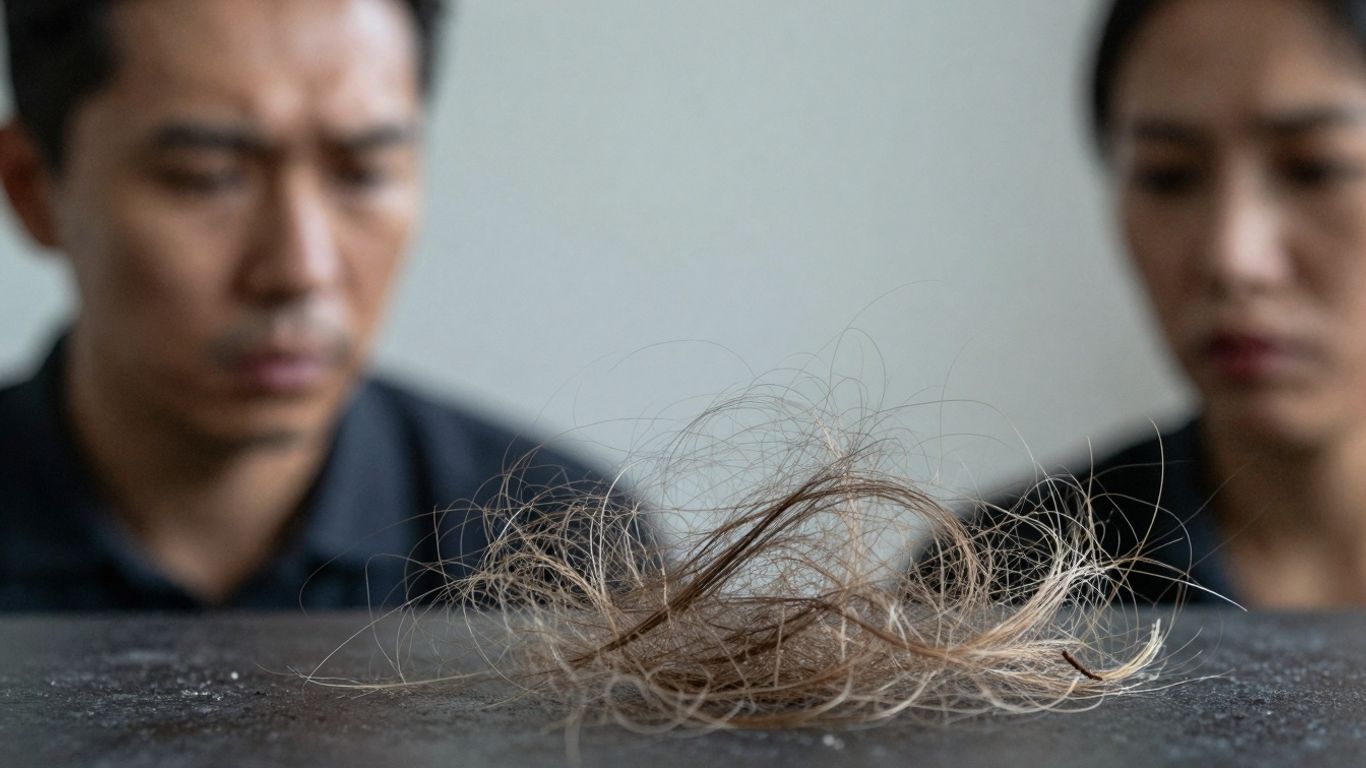
So, you're in the thick of it, watching more hair than usual fall out. It's easy to think everyone's experience is exactly the same, but that's just not the case. A bunch of things can tweak how long this shedding phase sticks around and how intense it feels.
Individual Biological Differences
First off, everyone's body is its own little universe. Your genetics play a big role in how your hair follicles behave. Some people naturally have faster or slower hair cycles, or their follicles might be more or less sensitive to treatments like minoxidil. Think of it like this: some plants grow super fast, others take their sweet time. Your hair is kind of the same way.
- Genetics: Your DNA can dictate how your hair grows and sheds. Some folks are just predisposed to longer or shorter shedding periods.
- Age: As we get older, our hair cycles can change, potentially affecting how we experience shedding.
- Hormones: Fluctuations or imbalances in hormones can also impact hair growth and loss.
Your unique body chemistry is a major player in this whole shedding game.
Lifestyle and External Influences
It's not just what's going on inside; what's happening outside can make a difference too. Stress, for example, is a big one. If you're going through a particularly stressful time, it can sometimes trigger or prolong shedding. Diet matters too – are you getting enough vitamins and nutrients that your hair needs to thrive?
- Stress Levels: High stress can push more hairs into the shedding phase.
- Nutrition: A poor diet lacking key nutrients might hinder hair regrowth and make shedding feel worse.
- Environmental Factors: Things like pollution or harsh weather can sometimes affect hair health.
Consistency of Treatment
This one is pretty straightforward but super important. If you're using a product like minoxidil, sticking with it is key. Skipping doses or stopping too soon can mess with the process. The medication works by cycling your hair follicles, and interrupting that cycle can lead to inconsistent results, potentially prolonging the shedding phase or preventing new growth from coming in strong.
Sticking to your treatment plan, even when you're seeing more hair in the drain, is probably the most direct way you can influence the duration and outcome of the shedding period. It's about trusting the process and giving the treatment time to do its job.
Recognizing Normal Shedding Versus Excessive Shedding
It can be really unsettling when you start noticing more hair than usual on your brush or in the shower drain. The big question is, "Is this just the normal 'dread shed' everyone talks about, or is something else going on?" Figuring out the difference is pretty important for your peace of mind and for making sure you're on the right track with your hair journey.
Signs of a Typical Shed
Most of the time, what feels like a lot of hair falling out is actually just part of the natural hair cycle, especially when you start a new treatment like minoxidil. This temporary increase in shedding is a sign that things are happening underneath the surface. Here’s what to look for:
- Increased Hair Fall: You'll notice more hairs than usual coming out when you shower, brush your hair, or even just change clothes. It might seem like a lot, but it's usually scattered and not in one specific spot. Don't freak out if you see a bunch of strands on your pillow in the morning; it's often just part of the process.
- Temporary Thinning: This increased shedding can sometimes make your hair look a bit thinner, maybe with a wider part line or more scalp showing through. This is often most noticeable around weeks 4-6 of treatment. Remember, this is temporary, and your hair will likely grow back thicker.
- Hair in Shower/Drain: Finding more strands in your hairbrush or shower drain is another common indicator. While it might be alarming, it's a sign that the treatment is working by pushing out older hairs to make way for new growth.
- Scattered Loss: The hairs that fall out are usually a mix of lengths and don't come out in large clumps or specific bald patches. You're not seeing significant thinning concentrated in one area.
The key difference between normal shedding and actual hair loss is that shedding is a temporary increase in the number of hairs falling out, while hair loss leads to a visible reduction in overall hair density and coverage over time. Shedding clears the way for new growth, whereas hair loss means the follicles are no longer producing hair. This distinction is vital.
Red Flags Indicating Abnormal Shedding
While a temporary increase in shedding is expected, there are signs that suggest something more serious might be happening, and it's not just the minoxidil working its magic. If you notice any of these, it's worth paying closer attention:
- Prolonged Shedding: If you're still experiencing a significant increase in hair fall for more than six months, it's time to get it checked out. This could mean the treatment isn't working as expected or there's an underlying health issue.
- Sudden or Patchy Hair Loss: Losing a large amount of hair very suddenly, or noticing bald spots or thinning in specific areas (like the crown or hairline), is not typical of a standard shed. This could point to conditions like alopecia areata or pattern baldness.
- Breakage: If your hair is breaking off mid-shaft when you comb or wash it, rather than falling out from the root, it might indicate damage or a different kind of hair issue.
- Scalp Issues: Redness, itching, pain, or pus on the scalp can signal an infection or inflammatory condition that needs medical attention.
- No Signs of Regrowth: If you're shedding a lot but don't see any new, finer hairs starting to emerge after a reasonable period, it might be a sign that the follicles aren't responding as they should.
When to Seek Professional Advice
It's easy to get caught up in worrying about shedding, but knowing when to call in the pros can save you a lot of stress. If you're experiencing any of the red flags mentioned above, or if you're just feeling really unsure about what's happening with your hair, don't hesitate to reach out.
- Consult Your Doctor: If shedding lasts over six months, or if you notice sudden, patchy hair loss, it's a good idea to see a doctor or a dermatologist. They can help identify underlying causes like thyroid problems, nutritional deficiencies, or hormonal imbalances.
- Discuss Treatment Options: If you suspect your current treatment isn't working or if you have a family history of hair loss, a professional can discuss alternative or supplementary treatments that might be more effective for your specific situation.
- Get a Diagnosis: For persistent or unusual shedding, a proper diagnosis is key. This will guide the most effective course of action to get your hair back on track.
Remember, while the dread shed can be a tough phase, recognizing the signs of normal shedding versus potential problems is your first step toward healthier hair. Patience and professional guidance are your best allies here.
The Science Behind The Shed
How Minoxidil Affects Hair Cycles
So, you're using minoxidil and noticing more hair on your pillow or in the shower drain. It feels weird, right? Like, "Wait, I'm trying to stop losing hair, why is this making it fall out more?" Well, there's a reason for that, and it actually has to do with how your hair grows in the first place. Your hair doesn't just grow non-stop. It goes through cycles. Think of it like a plant: it grows, rests, and then eventually sheds old leaves to make way for new ones. Minoxidil basically messes with this natural rhythm, but in a good way.
It nudges your hair follicles out of their resting phase and tells them, "Hey, time to get back to work!" This means hairs that were just chilling, about to fall out anyway, get pushed out a bit faster to make room for new, healthy hairs to start growing. It's like clearing out old stock to make way for a fresh inventory. This initial surge of shedding is a sign that the medication is kicking your follicles into gear.
The Role of the Exogen Phase
Let's talk about the 'Exogen' phase. This is the technical term for the actual shedding part of the hair cycle. It's when an old hair strand detaches from its follicle, and that follicle gets ready to grow a new hair. Normally, this happens gradually, with a few hairs shedding each day as part of the ongoing cycle. When you start minoxidil, it can speed up this process. It synchronizes the hair cycles, meaning more follicles enter the Exogen phase around the same time. This is why you see that temporary increase in hair loss – it's just more hairs reaching the end of their current growth cycle all at once.
Here's a quick look at the hair cycle phases:
- Anagen: The active growth phase. This is the longest phase, lasting years for scalp hair.
- Catagen: A short transition phase where growth stops.
- Telogen: The resting phase, where the hair sits in the follicle before shedding.
- Exogen: The shedding phase, where the old hair detaches.
Minoxidil essentially shortens the Telogen phase and pushes more hairs into the Anagen phase, which naturally leads to more hairs entering the Exogen phase sooner.
Why Shedding Is A Positive Indicator
It sounds totally backward, I know. You're using a product to get more hair, and suddenly you're losing more. But that shedding? It's actually a really good sign. It means the minoxidil is doing its job. It's actively stimulating your scalp and forcing those dormant or resting follicles to wake up and start producing new hair. Without this initial 'clean-out,' the new, stronger hairs wouldn't have the space or the signal to grow in. So, while it might look and feel alarming, that increased shedding is your body's way of making room for a thicker, healthier head of hair down the line. It's a temporary hurdle on the way to your hair goals.
Think of it like pruning a rose bush. You cut away the old, dead branches so that new, vibrant growth can emerge. The shedding phase with minoxidil is similar – it's a necessary step for better growth to follow.
Navigating The Shedding Period
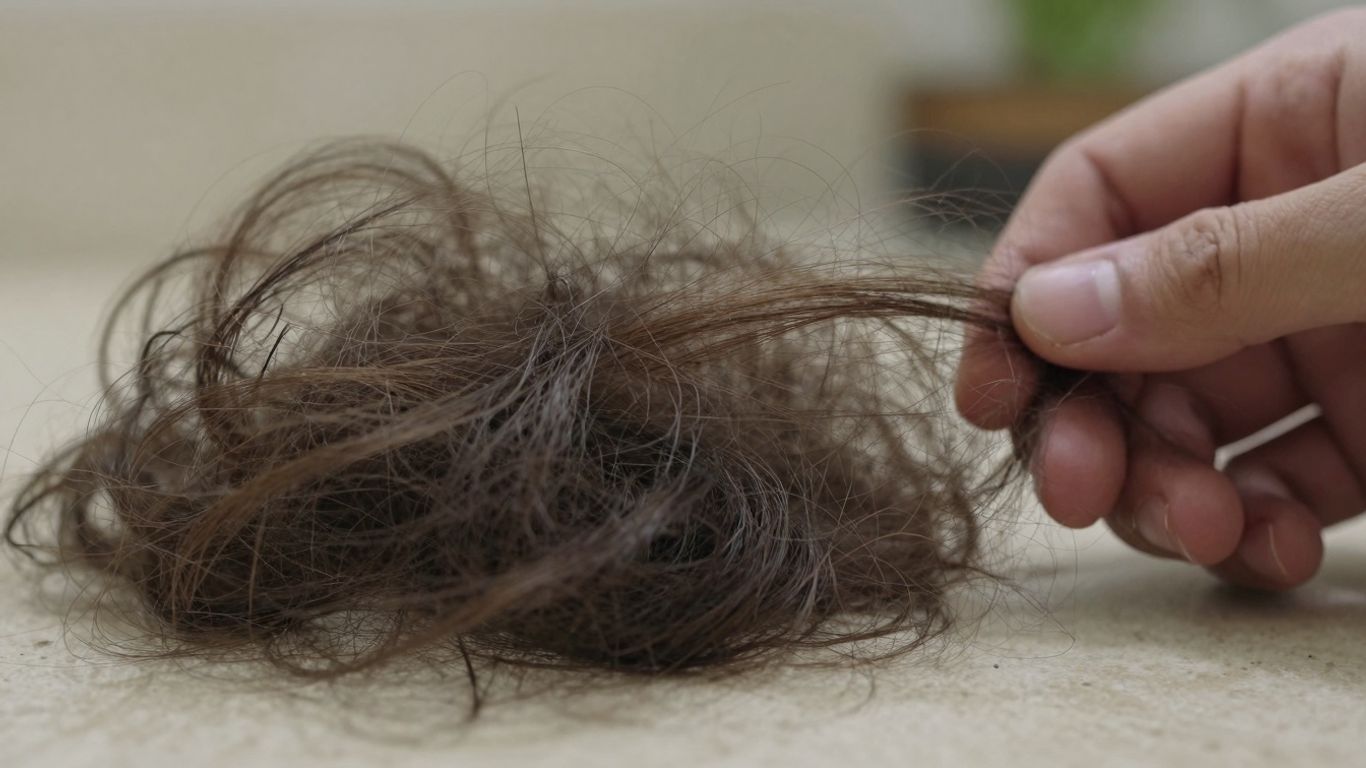
Okay, so you're in the thick of it – the dreaded shed. It can feel like your hair is staging a mass exodus, and honestly, it's a bit unsettling. But here's the thing: this phase, while annoying, is actually a sign that the treatment is working. It's clearing out the old to make way for the new, stronger hair. So, how do you get through it without losing your mind (or your remaining hair)? It really comes down to a few key things: patience, being kind to your scalp, and maybe a little bit of strategic styling.
Patience and Positive Mindset
This is probably the hardest part, right? You're doing something to fix your hair, and suddenly it looks worse. It's a mental hurdle, for sure. The best approach is to try and focus on the long game. Think of this shedding as a necessary step, not a setback. It's like cleaning out a garden before planting new seeds – messy now, but good for what's coming.
- Remind yourself daily that this is temporary. Seriously, put a sticky note on your mirror if you have to. This phase won't last forever.
- Try not to obsess over every single hair you find. A few extra hairs in the shower drain or on your brush are normal during this time. It's easy to get fixated, but try to let it go.
- Distract yourself! Seriously, pick up a new hobby, binge-watch that show everyone's talking about, or plan a weekend trip. Keeping your mind occupied helps a ton.
- Celebrate small wins. Did you have a day with noticeably less shedding? Awesome! Acknowledge it.
The shedding you're experiencing is a sign that your hair follicles are actively responding to treatment. It's a productive phase, clearing the way for healthier, thicker hair to emerge. Trust the process, even when it feels counterintuitive.
Gentle Hair Care Practices
Your hair is in a vulnerable state right now, so treating it with extra care is a must. Think of it like handling delicate new plants – you wouldn't yank them around, right?
- Washing: Use a mild shampoo and conditioner. Avoid super hot water, which can be harsh. When shampooing, be gentle with your scalp; no vigorous scrubbing.
- Drying: Pat your hair dry with a soft towel instead of rubbing it vigorously. If you use a hairdryer, opt for the lowest heat setting and keep it at a distance.
- Styling: This is where you might need to get creative. Minimize heat styling as much as possible. If you must use heat, apply a heat protectant spray. When brushing or combing, use a wide-tooth comb and start from the ends, working your way up to the roots to avoid pulling.
- Scalp Massage: While it might seem counterintuitive to touch an area that's shedding, a gentle scalp massage can actually be beneficial. It helps increase blood flow to the follicles, which is good for new growth. Just be gentle!
Managing Appearance During Shedding
Let's be real, seeing more scalp can be a confidence-killer. But there are ways to manage how your hair looks while you're going through this.
- Hairstyle: Consider a shorter haircut. Shorter hair often looks fuller and can help camouflage thinning areas more effectively than longer hair, which can weigh itself down and emphasize sparseness.
- Volumizing Products: Dry shampoo can be a lifesaver for adding texture and volume, especially at the roots. Hair fibers or powders designed to blend with your natural hair color can also be used to make thinning areas appear denser. Apply them strategically to your part line or any noticeable thin spots.
- Avoid Tight Styles: Steer clear of hairstyles that pull on your hair, like tight ponytails, braids, or buns. These can put extra stress on your follicles and potentially lead to more breakage or shedding.
| Strategy | Description |
|---|---|
| Hairstyle Change | Opt for shorter cuts to create an illusion of fullness. |
| Volumizing Products | Use dry shampoo or hair fibers to add body and density to thinning areas. |
| Gentle Styling | Avoid tight hairstyles and excessive heat to minimize stress on follicles. |
| Scalp Care | Gentle massage can stimulate blood flow, supporting new growth. |
Potential Secondary Shedding Phases
So, you've made it through the initial dread shed, and things are starting to look up. But what if, a few months down the line, you notice more hair falling out? Don't panic just yet. It's possible you're experiencing a secondary shedding phase. This isn't as common as the first big shed, but it can happen, and it's usually a sign that your treatment is still working its magic.
Timing of Secondary Shedding
This second wave of shedding typically shows up much later, often between 6 to 12 months after you first started your treatment. It's usually after the initial regrowth has started to become noticeable. Think of it as another push from the medication to get those follicles cycling.
Characteristics of a Second Shed
If you do experience this, it's generally not as intense as the first shed. Instead of a dramatic increase, you might notice a more scattered loss. The hairs falling out might be primarily mature ones, and the overall thinning might be less pronounced than before. It's often shorter, too, maybe lasting only a couple of weeks.
While a secondary shed can be unsettling, remember that it's often a positive indicator. It suggests that your hair follicles are actively responding to the treatment, pushing out older hairs to make way for new, healthier growth. It's a sign of progress, not regression.
Managing Recurrent Shedding
If you notice this happening, the best course of action is usually to stay the course. Keep up with your treatment consistently. Knowing that a secondary shed can occur beforehand can help you manage your expectations and reduce anxiety if it does happen. It's a temporary phase, and continuing your routine is key to seeing long-term results. If you're ever unsure or worried about the amount of shedding, it's always a good idea to chat with your doctor or a hair specialist about what's going on.
Wrapping It Up: What to Remember About the Dread Shed
So, we've talked a lot about this whole minoxidil shed thing. It's definitely a weird phase, seeing more hair than usual fall out. But the main takeaway is that it's usually temporary. For most people, this extra shedding lasts a couple of months, maybe a bit longer, and then things start to settle down as new hair begins to grow. It's not fun, for sure, but it's a sign the treatment is actually doing its job. Just hang in there, stick with your routine, and try not to stress too much about the hairs you see. If you're worried it's going on way too long or something else seems off, it's always a good idea to chat with your doctor. But for most, patience is key, and the payoff of thicker hair is worth pushing through this initial phase.
Frequently Asked Questions
How much hair loss is normal when I start using minoxidil?
It's pretty common to notice more hair falling out when you first start using minoxidil. This is called the 'dread shed,' and while it might seem scary, it's usually a sign that the treatment is working. The amount can differ for everyone, but it's typically temporary. If you're worried about how much hair you're losing, it's always a good idea to chat with your doctor.
How long does this shedding phase usually last?
For most people, the initial shedding phase kicks in within the first 2 to 8 weeks of starting minoxidil. It usually gets most noticeable around the 4-6 week mark. After that, it starts to calm down, and by about 3-4 months, you should see the shedding lessen and new growth begin to appear.
What if my shedding seems really bad or lasts longer than 4 months?
If you're shedding a lot of hair for more than 4 months, or if you're seeing bald spots or a lot of hair breakage, it's time to consult your doctor. They can help figure out if there's another reason for the shedding and if your treatment plan needs any adjustments. Sometimes it's just your body's unique response, but it's best to get it checked out.
Is shedding a good sign when using minoxidil?
Yes, absolutely! While it feels strange to lose more hair when you're trying to grow it back, the shedding phase is actually a positive sign. It means minoxidil is doing its job by pushing out older hairs to make way for new, healthier ones to grow in their place. Think of it as clearing the way for a fresh start.
Can I do anything to make the shedding less noticeable?
You can't stop the shedding entirely, but you can manage how it looks and feels. Some people find that a shorter haircut helps hide thinning spots. Being extra gentle with your hair when washing and styling is also important. Using products that add volume can also help make your hair appear fuller during this time.
Could I experience another shedding phase after the first one?
It's possible, though less common, to have a second shedding phase after you've been using minoxidil consistently for about 6 to 12 months. This secondary shed is usually shorter and less intense than the first one. It's still a sign that the medication is working to cycle your hair follicles. Just keep up with your treatment.