

Understanding Rogaine: How Long Do Its Effects Actually Last?
So, you're thinking about using Rogaine, or maybe you've already started and are wondering what's up with your hair. It's totally normal to have questions, especially when it comes to something you're putting on your head every day. We all want to know how long this stuff actually works and what to expect. Let's break down how Rogaine, or minoxidil as it's also called, fits into your hair's life cycle and what you can realistically expect in terms of results and how long those results might stick around. It’s not always a quick fix, and understanding the process is key.
Key Takeaways
- Rogaine (minoxidil) works by affecting the hair growth cycle, potentially extending the growth phase and shortening the resting phase. It doesn't cure hair loss but helps manage it.
- Visible results from Rogaine typically take time. Most people start seeing noticeable hair growth after 4 to 6 months of consistent use, though some may need up to a year.
- The effects of Rogaine last as long as you continue to use it consistently. If you stop using it, your hair will likely revert to its previous state.
- When you stop using Rogaine, hair loss can resume within 2 to 8 weeks, with a return to pre-treatment levels usually occurring within 3 to 6 months.
- Factors like genetics, the type of hair loss, and how consistently you use the product significantly influence how long Rogaine's effects last and how well it works for you.
Understanding Minoxidil's Impact on Your Hair Growth Cycle
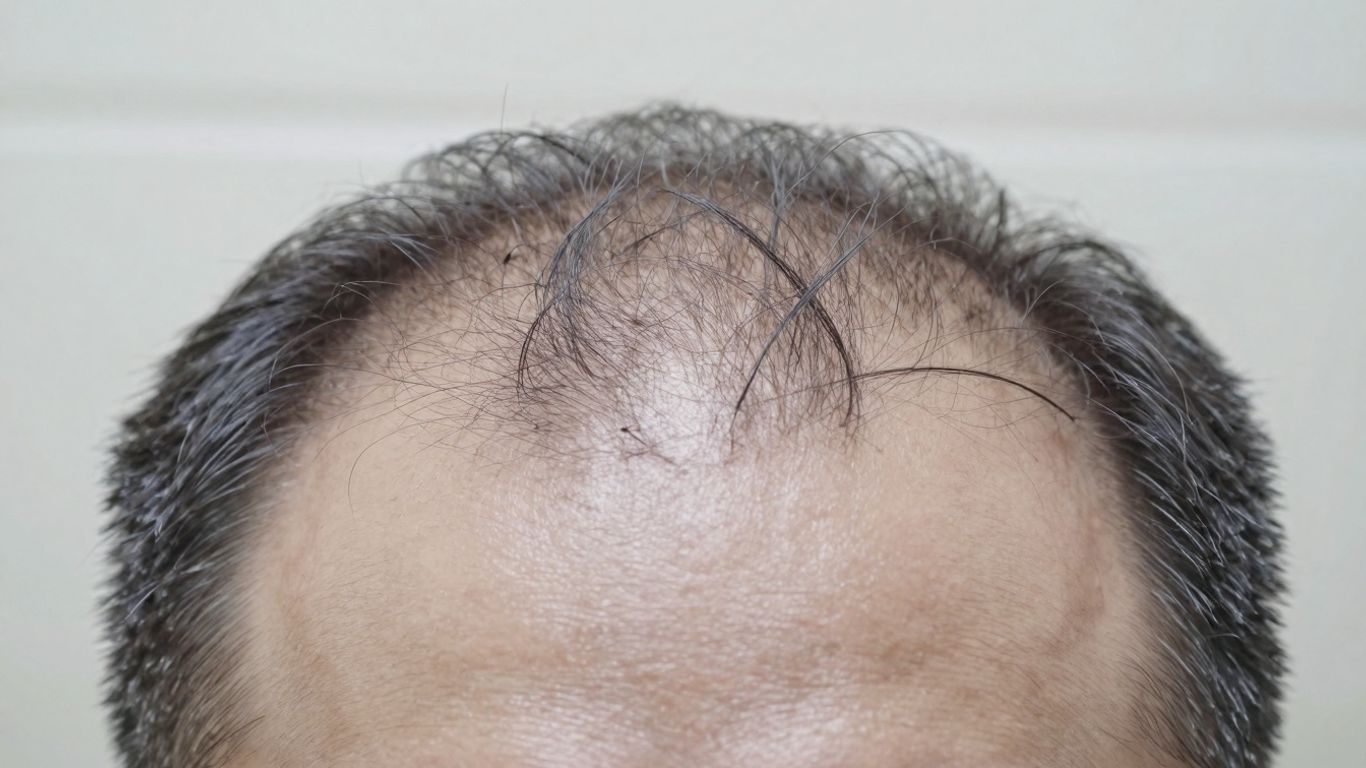
So, you've started using Rogaine (minoxidil) and you're wondering what's actually going on with your hair. It's not just magic; it's all about how this stuff interacts with your hair's natural life cycle. Think of your hair follicles like tiny factories, each working on its own schedule. They don't all grow, rest, and fall out at the same time, which is pretty normal.
The Four Phases of Hair Growth
Your hair goes through a cycle, and understanding these stages helps explain why minoxidil does what it does. It's not a single, continuous process. Instead, it's broken down into a few distinct phases:
- Anagen (Growth Phase): This is the active growing period for your hair. The hair shaft is pushed out from the follicle, and it can last anywhere from two to seven years. Most of your hair is in this phase at any given time.
- Catagen (Transition Phase): A short phase, lasting about two to three weeks, where the hair follicle shrinks and detaches from the blood supply. The hair stops growing.
- Telogen (Resting Phase): This is a resting period for the follicle, typically lasting around three months. The hair doesn't grow, but it's still attached to the follicle. About 10-15% of your hair is in this phase.
- Exogen (Shedding Phase): This is the final stage where the old hair falls out, and a new hair begins to grow from the same follicle, starting the cycle over.
How Minoxidil Influences Hair Follicles
Minoxidil's exact mechanism isn't fully understood, but it's believed to work in a couple of key ways. For starters, it's a vasodilator, meaning it widens blood vessels. This increased blood flow to the scalp might bring more oxygen and nutrients to your hair follicles, giving them a better environment to thrive. It's thought to potentially prolong the anagen (growth) phase and shorten the telogen (resting) phase. This encourages hairs that might have been heading towards shedding to stay in the growth phase longer, and it can also speed up the transition from resting to growing for dormant follicles.
The Initial Shedding Phase Explained
This is where things can get a bit confusing, and honestly, a little worrying for some. When you first start using minoxidil, you might notice more hair falling out than usual. This is often called the 'minoxidil shed' or 'initial shedding phase'. It happens because minoxidil is essentially kick-starting your follicles. It pushes hairs that were in the resting (telogen) phase to move into the active growth (anagen) phase more quickly. As these new hairs start to grow, they push out the older, resting hairs. So, that extra shedding? It's actually a sign that the treatment is working and your hair cycle is being reactivated. It's temporary, usually lasting a few weeks, and it's a necessary step before you start seeing new growth.
When to Expect Initial Results From Rogaine
So, you've decided to give Rogaine a shot. That's great! But now comes the waiting game, and let's be honest, waiting is rarely fun, especially when you're hoping for a thicker head of hair. It's totally normal to wonder when you'll actually start seeing this stuff work. The truth is, Rogaine doesn't work overnight. It's a process, and it requires a good dose of patience.
The Timeline for Visible Hair Growth
Most people don't see much happening for the first few weeks, and that's okay. In fact, some users actually experience a bit more shedding initially. This is because Rogaine speeds up your hair's natural cycle, pushing out older hairs to make way for new ones. Think of it as a bit of a reset. Generally, you might start noticing some subtle changes around the 8-week mark. By month 4, you should be seeing a noticeable reduction in hair loss and the beginnings of new growth. However, for some, it can take up to a full year to see the full impact.
Here's a rough idea of what to expect:
- Weeks 1-8: Initial shedding might occur. Little to no visible regrowth.
- Months 2-4: Reduced shedding, potential for fine, vellus hairs to appear.
- Months 4-6: More noticeable regrowth, existing hair may appear thicker.
- Months 6-12: Continued improvement, hair density increases.
Factors Influencing Rogaine's Effectiveness
Why the variation? Well, a few things play a role. Your genetics are a big one – how your body naturally handles hair loss and responds to treatments is unique. The type and extent of your hair loss also matter. Are you just starting to thin, or have you been dealing with significant loss for years? Consistency is also key. If you're not applying Rogaine regularly, twice a day as directed, you're not giving it the best chance to work.
It's really important to stick with the application schedule. Missing doses or not applying it correctly can really slow down the process and might make you think the product isn't working when it just hasn't had a fair shot.
Patience During the Early Stages
That initial shedding phase can be a real confidence-killer. Seeing more hair in the shower drain or on your brush when you're trying to stop hair loss is, frankly, discouraging. But remember, this is often a sign that Rogaine is doing its job. It's working on your hair follicles, getting them ready to produce new, healthier hair. So, try not to get too hung up on that temporary increase in shedding. Keep applying it, stay consistent, and trust the process. The results are usually worth the wait.
The Duration of Rogaine's Hair Growth Effects
So, you've started using Rogaine (minoxidil) and you're seeing some promising changes. That's great! But a big question on a lot of people's minds is just how long these effects stick around. It's not a magic bullet that permanently fixes hair loss, but rather a treatment that needs consistent application to maintain its benefits.
Sustaining Hair Regrowth with Minoxidil
Think of Rogaine like tending a garden. You can't just plant the seeds and expect them to thrive forever without any care. Minoxidil works by stimulating your hair follicles and increasing blood flow to your scalp, which helps prolong the growth phase of your hair. This means that as long as you keep applying it, you're actively supporting your hair's ability to grow and stay on your head. When you stop, the follicles lose that extra support, and your hair cycle can return to its previous pattern, which often means shedding.
How Long Does Rogaine Last When Used Consistently?
This is where consistency really pays off. Most people start to see noticeable results within 4 to 6 months of daily use, but the full effects can take up to a year. The key is sticking with it. If you use Rogaine twice a day, every day, as directed, you can expect the results you've achieved to be sustained. However, it's important to understand that 'sustained' doesn't mean 'permanent'. The moment you stop applying it, the process of reversal begins.
Here's a general idea of what happens over time:
- Initial Weeks (1-8): You might experience some shedding as the medication starts working. This is normal and a sign it's kicking in.
- Months 2-4: Shedding usually subsides, and you might start to see some fine, new hairs.
- Months 4-6: Visible regrowth becomes more apparent. Hair appears thicker and fuller.
- Month 6+: Continued use helps maintain and potentially improve the results. The hair you've regrown stays as long as you continue treatment.
It's crucial to remember that minoxidil doesn't stop the underlying cause of your hair loss, especially if it's genetic. It simply helps to counteract its effects for as long as you use it. Once you stop, the natural progression of hair thinning will likely resume.
So, while Rogaine can be very effective at regrowing and maintaining hair, its effects are directly tied to your continued use. It's a commitment, but for many, the results are well worth the daily effort.
What Happens When You Stop Using Rogaine
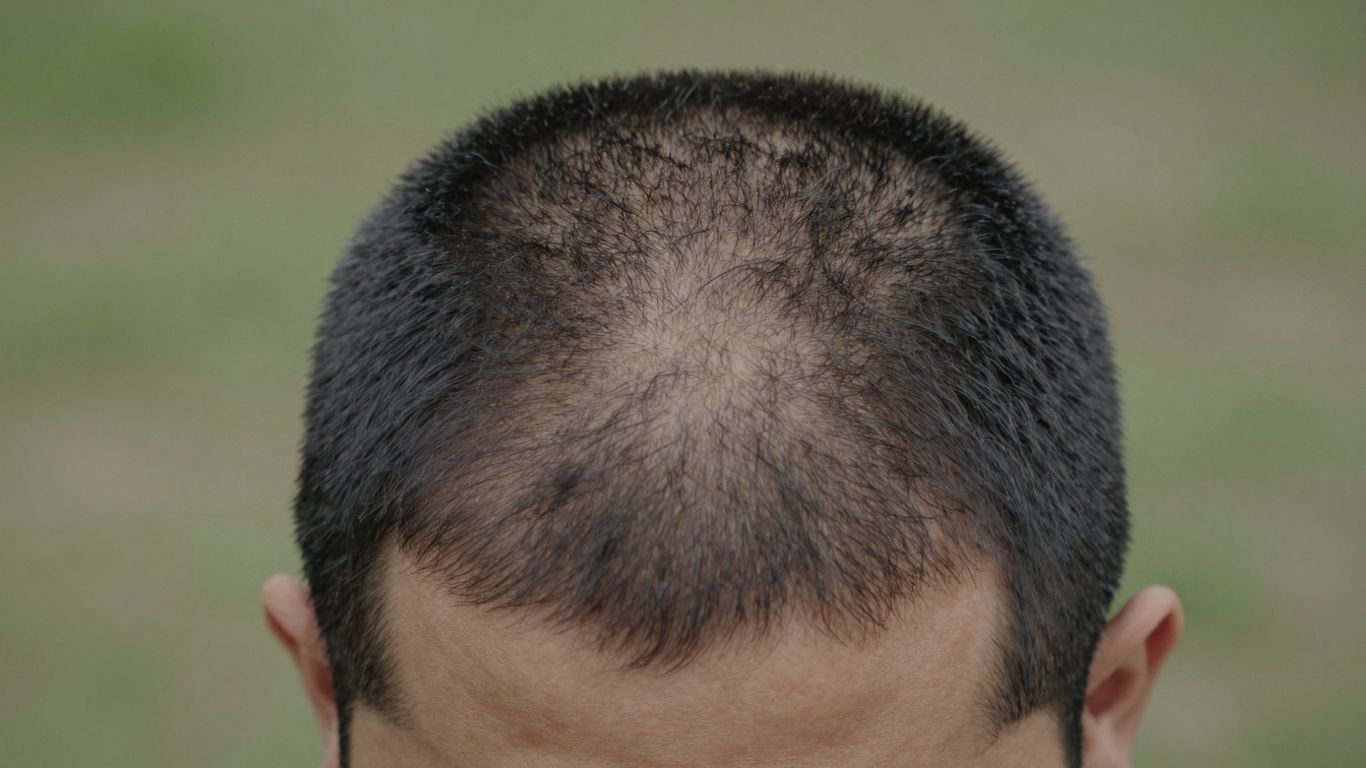
So, you've been using Rogaine (minoxidil) consistently, and maybe you're thinking about hitting pause. It's a totally valid question to wonder what happens next. Minoxidil isn't a cure for hair loss; think of it more like a temporary hold on things. Once you stop, your hair will likely start to go back to how it was before you started treatment. It's not usually an overnight thing, though. Let's break down what you might expect.
The Reversal of Hair Growth
When you stop using minoxidil, the effects that were helping your hair stay in the growth phase begin to fade. The medication works by increasing blood flow to your scalp, which nourishes the hair follicles and keeps them active for longer. Without that consistent boost, the follicles can revert to their natural cycle, which includes a shedding phase. This means any hair that grew specifically because of the Rogaine will likely start to thin and fall out. It's like taking away the support system that was keeping those hairs around.
Timeline of Hair Loss After Discontinuation
It's helpful to have a general idea of when changes might occur. While everyone's experience is a bit different, here's a typical timeline:
- Weeks 1-2: You probably won't notice much change right away. Your scalp might feel a little dry, but that's about it.
- Weeks 3-4: Still likely no major changes. Maybe some continued dryness on the scalp.
- Months 1-2: This is when shedding often becomes noticeable. The hair that grew thanks to minoxidil might start to fall out.
- Months 3-6: By this point, the reversal of regrowth is usually apparent. The areas that were thinning might look more like they did before you started treatment, or even a bit thinner.
Factors Affecting Post-Rogaine Shedding
Not everyone experiences the exact same amount of shedding when they stop using minoxidil. Several things can play a role:
- Genetics: If hair loss is a common thing in your family, you might notice more shedding.
- Type of Hair Loss: If you were using minoxidil for temporary hair thinning (like after stress or childbirth), your hair might not revert as much.
- How Long You Used It: People who have used minoxidil for a long time might see a more significant change when they stop.
- Consistency: How regularly you applied the product also matters.
It's worth noting that stopping minoxidil doesn't typically cause new side effects. Any scalp irritation you might have experienced usually clears up once you stop using the product. The main effect is the reversal of the hair growth that the medication was supporting.
Some people find that gradually reducing their usage over a few weeks or months can help make the transition smoother, potentially minimizing sudden shedding. However, the most important thing is to talk to your doctor or a dermatologist if you're considering stopping, as they can offer personalized advice.
Potential Side Effects and Considerations
While Rogaine (minoxidil) is a popular choice for many dealing with hair thinning, it's not without its potential downsides. It's good to know what you might run into so you're not caught off guard. Most of the time, side effects are pretty mild, but it's always wise to be prepared.
Common Irritations and Reactions
One of the most talked-about reactions is the initial shedding phase. It sounds counterintuitive, right? You start a treatment to stop hair loss, and suddenly, you're seeing more hair in the drain. This is actually a sign the medication is working, pushing dormant hairs out to make way for new growth. It usually happens within the first few weeks of starting. Another common issue is scalp irritation. Some people get redness, itching, or a bit of flaking where they apply the product. This can sometimes be due to an ingredient called propylene glycol, which is in the liquid solution. If this is you, switching to a foam formulation might help, as it often doesn't contain that ingredient and works just as well. Topical minoxidil can cause several side effects.
When to Consult a Healthcare Professional
While minor irritation is one thing, there are more serious signs you shouldn't ignore. If you experience chest pain, rapid heartbeats, dizziness, or fainting, you need to seek medical attention right away. Also, keep an eye out for unexplained swelling in your hands or feet, or a sudden, significant weight gain. These could indicate a more systemic reaction to the medication. It’s also a good idea to chat with your doctor if you're pregnant or breastfeeding, as minoxidil isn't recommended in these situations. And if you've been using it consistently for a long time, say 6 to 12 months, and aren't seeing any improvement, it might be time to discuss other options with a specialist.
Understanding Different Minoxidil Formulations
Minoxidil comes in a few different forms, and knowing the difference can help you manage potential side effects. You'll typically find it as a liquid solution or a foam. The liquid solution often contains propylene glycol, which, as mentioned, can cause irritation for some. The foam version is generally considered less irritating because it doesn't have propylene glycol. Both are effective, so if one causes issues, the other is a good alternative to try. Concentrations also vary, usually 2% and 5%. Starting with a lower concentration might be a good idea if you're concerned about side effects, and you can always increase it later if needed. It's all about finding what works best for your body and your hair loss situation.
It's important to remember that while these side effects can occur, they don't happen to everyone. Many people use minoxidil without any significant problems. The key is to be informed and to listen to your body. If something feels off, don't hesitate to reach out to your doctor or a dermatologist. They can help you figure out if it's a normal part of the process or something that needs a different approach.
Factors Influencing How Long Rogaine Lasts
So, you're wondering what makes Rogaine work for some people longer than others? It's not just a one-size-fits-all situation, you know. A bunch of things play a role in how long you'll see results and how well the treatment keeps working.
Genetics and Hair Loss Type
Your genes are a pretty big deal here. If hair loss runs in your family, especially the common male or female pattern baldness, Rogaine might work, but its effects might be more about slowing things down than a full regrowth miracle. The specific type of hair loss you have also matters. Rogaine is generally best for the crown area and the top of the head, but it might not do much for a receding hairline.
Duration and Consistency of Use
This is a big one. You really have to stick with it for Rogaine to keep doing its thing. If you miss applications or stop using it for a while, you're likely to see those results fade. Think of it like watering a plant – you can't just water it once and expect it to thrive forever. It needs regular attention. Most studies show you need to use it consistently, usually twice a day, for months before you even see results, and then you have to keep it up.
Individual Response to Treatment
Honestly, everyone's body is different. Some people just respond really well to minoxidil, the active ingredient in Rogaine. Their hair follicles might be more sensitive to it, or their hair growth cycle might be more easily influenced. Others might not get as much out of it, even if they do everything right. It's kind of like how some people get a bad cold and bounce back in a few days, while others are sick for weeks.
Here's a quick look at what can affect your results:
- Age: Younger individuals might see better results.
- Severity of Hair Loss: Early stages of thinning tend to respond better than long-standing bald spots.
- Overall Health: Conditions like thyroid issues or nutritional deficiencies can impact hair growth.
- Medication Interactions: Other drugs you're taking could potentially interfere.
It's important to remember that Rogaine isn't a cure for hair loss. It's a treatment that helps manage the condition. If you stop using it, the effects will likely reverse because your hair follicles will go back to their natural state without the stimulation from minoxidil. So, consistency is really key to maintaining any regrowth you achieve.
Wrapping Up: What to Expect Long-Term
So, what's the takeaway here? Rogaine, or minoxidil, isn't a magic bullet that permanently fixes hair loss. It works by nudging your hair follicles into a growth phase, and that effect only lasts as long as you keep using it. You might see some shedding when you first start, which is normal, but then hopefully, regrowth follows. Just remember, it takes time – we're talking months, not days. If you decide to stop, don't be surprised if your hair gradually goes back to how it was before you started. It's a commitment, for sure, and understanding how it works and what to expect is key to managing your hair health journey.
Frequently Asked Questions
How does Rogaine actually help my hair grow?
Rogaine, which contains minoxidil, works by making your blood vessels wider. This means more blood can flow to your scalp, giving your hair roots the extra nutrients they need to grow. It also helps your hair stay in the growing phase longer.
Why do I lose more hair when I first start using Rogaine?
When you begin using Rogaine, it speeds up your hair's natural cycle. This means older hairs are pushed out faster to make room for new, healthier ones. It might seem like you're losing more hair, but it's actually a sign the treatment is starting to work.
How long until I see results from Rogaine?
It takes time and patience! Most people start to notice new hair growth after about 4 to 6 months of using Rogaine every day. Some might see results a bit sooner, while others may need up to a year to see the full effect.
What happens if I stop using Rogaine?
Rogaine doesn't cure hair loss; it just helps manage it. If you stop using it, your hair will likely go back to how it was before you started. This usually happens gradually over a few months, not all at once.
Can Rogaine cause any other problems?
While Rogaine is generally safe, some people might get a rash or irritation on their scalp, especially if they use the liquid form. If you experience chest pain, fast heartbeats, or swelling, you should stop using it and talk to a doctor right away.
Does it matter how long I use Rogaine?
Yes, consistency is key! Rogaine works best when you use it regularly, as directed, every single day. The longer you use it consistently, the more likely you are to keep seeing good results and maintain your hair growth.