

Understanding minoxidil side effects for beard growth: A comprehensive guide
Key Takeaways
Transitioning to facial hair treatment requires a thorough understanding of how topical agents interact with skin biology. These considerations help balance desired outcomes with health awareness.
- Skin sensitivity often peaks during the first few weeks of application.
- Systemic effects like heart rate changes are rare but warrant attention.
- Initial hair shedding is frequently a sign that follicles are reacting.
- Consistency remains the most critical factor for observing long-term results.
- Tapering off usage is generally safer than an abrupt discontinuation.
Common dermatological side effects
Many users begin their journey expecting instant results, yet the skin often requires a significant adjustment period. Understanding these early reactions helps prevent long-term discomfort or unnecessary alarm when your face starts changing.
Initial skin irritation and dryness
When applying a Rogaine solution to the cheeks or chin, the alcohol base often strips the skin of its natural moisture. This leads to dryness, flaking, or a tight sensation that can be quite noticeable. Most users find that adding a standard hydration routine helps stabilize the skin barrier after the medication absorbs.
Contact dermatitis and allergic reactions
Some individuals find that the compounds meant to penetrate the hair follicle manifest as red, itchy patches. This is a common form of contact dermatitis where your immune system flags the substance as foreign. Switching to an alternative formulation or pausing entirely is the standard approach to resolve these reactive patches.
Acne breakouts and folliculitis
Oily residues from topical creams can clog pores, leading to sudden inflammatory responses along the jawline. This reaction can mirror simple acne but often involves the hair follicle directly. Maintaining a | Reaction Type | Potential Cause | Suggested Action | | :--- | :--- | :--- | | Dryness | Alcohol content | Increase moisturizer | | Redness | Allergic response | Pause application | | Folliculitis | Clogged pores | Gentle exfoliation | is crucial for those hoping to manage these breakouts without stopping their growth progress. Clearing these bumps often involves using non-comedogenic cleansers alongside your treatment.
Systemic effects of topical application
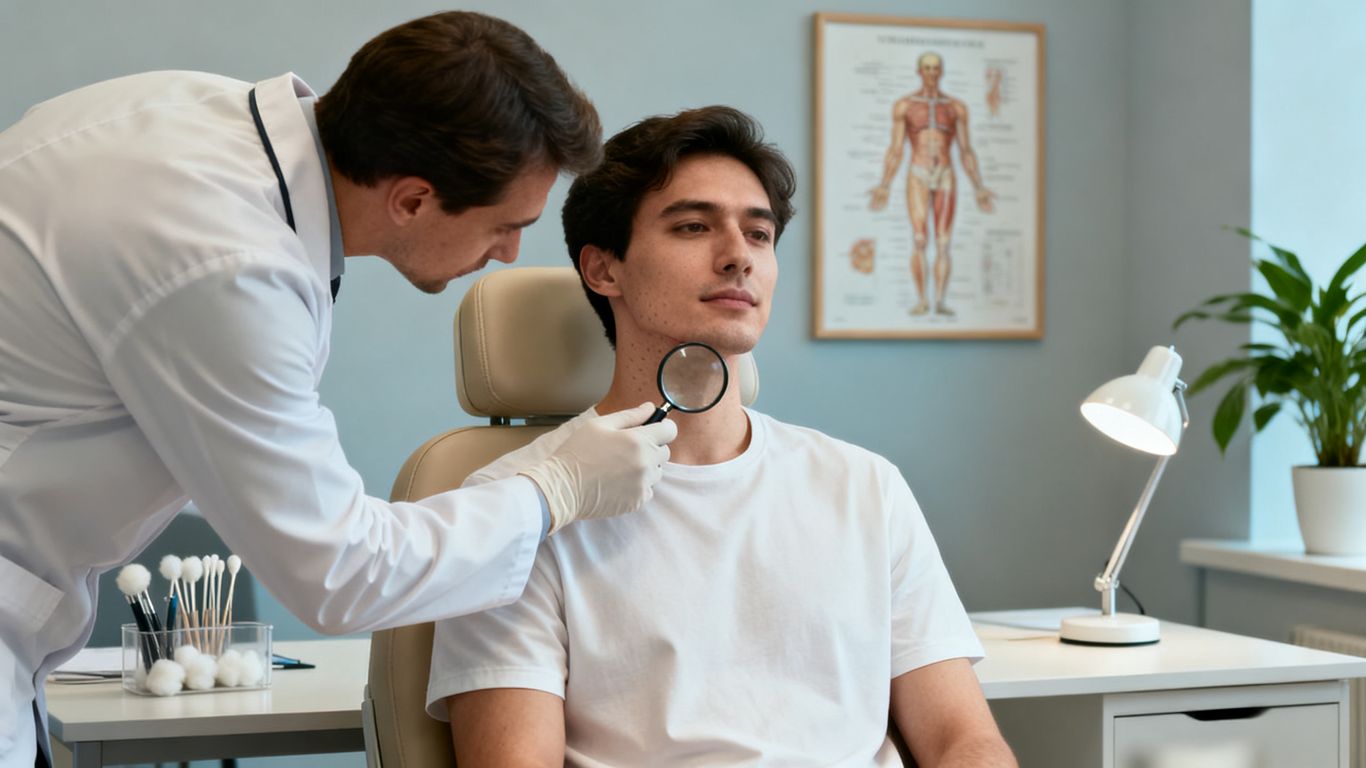
Although topical treatments are designed for localized use, the proximity to vascular networks in the face can mean that systemic absorption occurs. Understanding how your body reacts to these levels of medication is important for managing overall wellbeing.
Cardiovascular changes and heart rate
Reports of palpitations or a racing pulse after using minoxidil topically are uncommon but noteworthy. This happens because the agent works by dilating blood vessels, which can exert a subtle effect on blood pressure regulation throughout the body.
Managing blood pressure fluctuations
Because the original iteration of this medication was designed for hypertension, your body might attempt to compensate for the localized vasodilation. Monitoring your resting heart rate is a simple way to stay aware of how your system handles the active ingredients over time.
Risk of systemic absorption through facial skin
Facial skin is thinner and more vascular than the scalp, meaning more of the product enters the bloodstream. Staying within recommended dosage limits helps restrict the amount absorbed into your systemic circulation. Users should also follow a:
- Defined daily application schedule
- Strict limit on total amount applied per day
- Hand-washing routine immediately after application
- Vigilant check for systemic symptoms like lightheadedness
Hair shedding and cycle changes
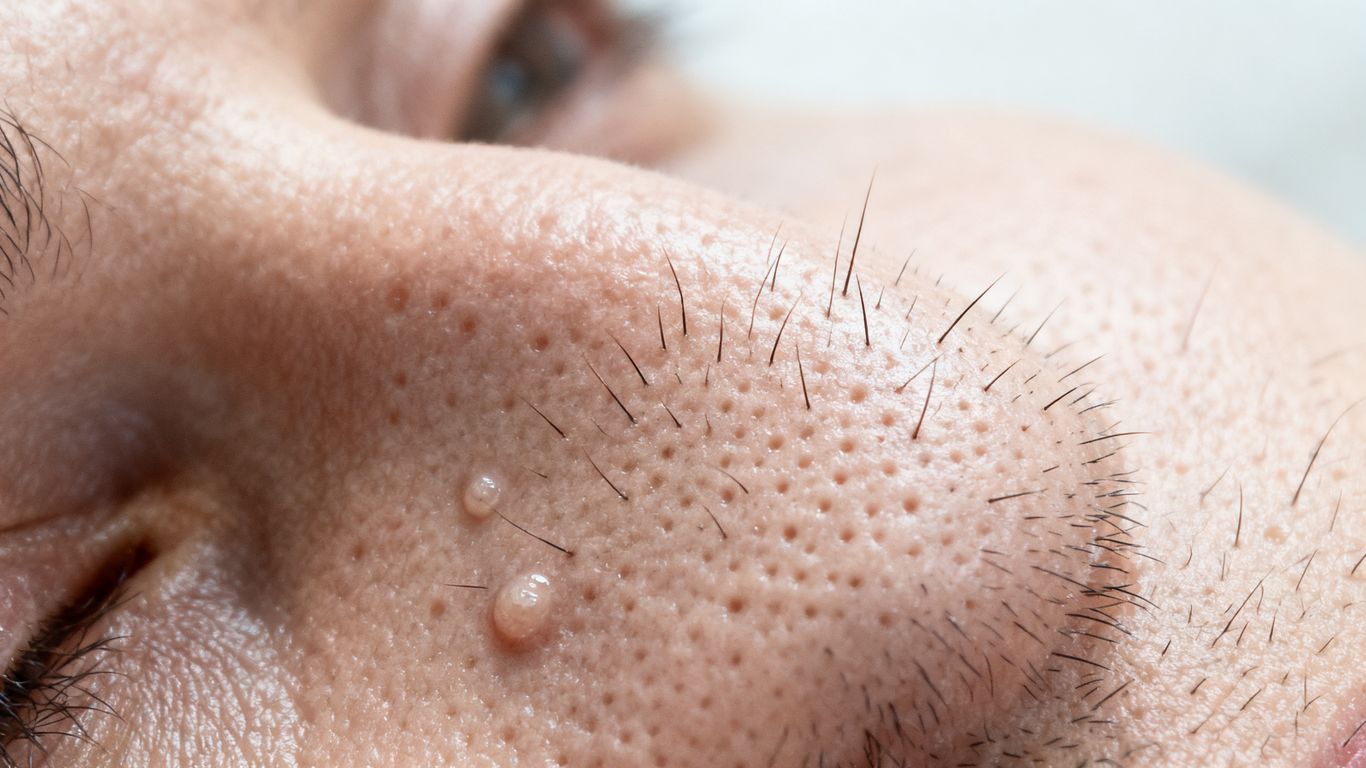
Feeling like you have suddenly lost more hair can be distressing, but this is sometimes exactly how the growth process functions. The hair growth cycle involves shedding older, weaker hairs to make room for healthier ones that have been stimulated by better follicle access.
The telogen effluvium phase
Your follicles move through different stages of activity and rest. The telogen phase is the resting period where hair eventually falls out to be replaced by new, stronger growth in the upcoming cycle.
Regrowth patterns and timeline expectations
Progress is rarely linear; you may notice patches filling in at different rates across your beard area. Patience is a virtue here, as significant changes usually take at least several months of diligent, consistent application.
Distinguishing between shedding and adverse reactions
Shedding represents a transition period toward new growth, whereas adverse reactions show up as inflammation, rashes, or persistent pain. Recognizing the difference ensures you do not panic when your hair thins out slightly in the first month.
Long-term risks and discontinuation
Long-term use requires periodic assessments to ensure the skin remains healthy. It is important to remember that stopping the application after achieving growth can sometimes lead to a partial return to the original hair state.
Monitoring skin health over extended use
Using any topical medication daily means your skin barrier is under constant stress from active ingredients. Regular breaks or consulting with a professional about your beard density can help identify if your skin is becoming too compromised.
Strategies for tapering off applications
Gradually reducing the frequency of application—moving from twice daily to once daily, and eventually every other day—allows your system to recalibrate slowly. This method helps prevent a sudden "shock" to the hair follicles, which might otherwise cause a rapid shedding phase upon cessation.
What happens to beard density after stopping
When the support from the follicle stimulation is removed, the hairs that were dependent on that boost may cycle back to their resting phase and eventually fall out. Achieving stability might require a maintenance plan that transitions your habits away from traditional minoxidil.
Best practices to minimize side effects
Avoiding irritation requires a combination of smart habits and listening to your body. Starting slowly allows your skin to adapt without triggering the severe dryness or inflammation that frequently leads people to quit early.
Importance of starting with lower concentrations
Beginning with a lower potency or applying the product on alternate days helps you gauge tolerance. This approach ensures that you do not overwhelm the facial skin while still providing enough of the active agent to yield results.
Establishing a proper skincare and moisturizing routine
Applying a high-quality moisturizer once the product has dried provides a layer of protection against the drying effects of the carrier liquids. Hydrated skin is much more resilient against contact irritation than dry, brittle skin.
Identifying signs when you should stop usage
If you experience persistent dizziness, chest pain, or a severe, non-healing rash, it is time to halt use immediately. Your health is the primary metric, and finding other ways to influence facial hair health is safer than pushing through significant systemic or dermatological distress.
Conclusion
Navigating the path to a fuller beard involves balancing the excitement of growth with a careful eye on how your skin and body respond to topical treatments. By maintaining consistency, monitoring for irritations, and knowing when to adjust your routine, you can maximize your results while minimizing the risks associated with daily application.
Frequently Asked Questions
Is it normal to experience a heartbeat change after applying?
While rare, some individuals notice a temporary increase in heart rate due to the vasodilating properties of the topical treatment, which should prompt a consultation with a healthcare provider if it persists.
How long should I wait before washing my face?
It is generally recommended to wait at least four hours to ensure sufficient absorption into the skin before cleansing or applying other grooming products.
Can I use the same concentration on my beard as my scalp?
Facial skin is more sensitive than the scalp, so some users find that lower concentrations or specific formulations help prevent the irritation often associated with higher-strength products.
Will my beard fall out immediately after I stop?
Hair cycles are gradual, so any transition to a pre-treatment density generally occurs over several weeks rather than happening overnight.
Should I exfoliate my skin to help with growth?
Gentle exfoliation can help remove dead skin and prevent clogged pores, but it should be done carefully to avoid further irritating skin that is already responding to topical medication.
Can diet affect the efficacy of the treatment?
While diet does not directly alter the mechanism of topical agents, providing your body with necessary vitamins and minerals supports overall hair health throughout the growth process.
Are there natural alternatives I should consider first?
Many people explore lifestyle changes, such as improving sleep, nutrition, and stress management, to support natural hair growth before committing to a daily regimen of medicated tonics.