

Understanding Minoxidil Shedding: What's Normal and What's Not
So, you've started using minoxidil, or maybe you're thinking about it, and you've heard about this 'shedding' thing. It sounds pretty scary, right? Like, why would you use something to grow hair if it makes you lose more hair? It's a common worry, and honestly, it can be a bit unsettling when you notice more hair in the shower drain or on your brush. But here's the thing: this initial shedding, often called the 'dread shed,' is usually a normal part of the process. It doesn't necessarily mean the treatment isn't working; in fact, it can be a sign that it *is* working. We're going to break down what's really going on when you start minoxidil and what you can expect.
Key Takeaways
- Minoxidil shedding, often called the 'dread shed,' is a temporary increase in hair loss that can happen when you first start using the treatment.
- This shedding occurs because minoxidil speeds up the hair growth cycle, pushing older, resting hairs out to make way for new growth.
- The shedding phase usually lasts for a few weeks, typically between 4 to 8 weeks, and is a sign that the medication is starting to work.
- Studies suggest that experiencing more shedding initially might actually predict better and more significant results from minoxidil treatment over time.
- While shedding can be concerning, it's generally a normal side effect, and new hair growth typically becomes noticeable after 4 to 8 months of consistent use.
Understanding Minoxidil Shedding
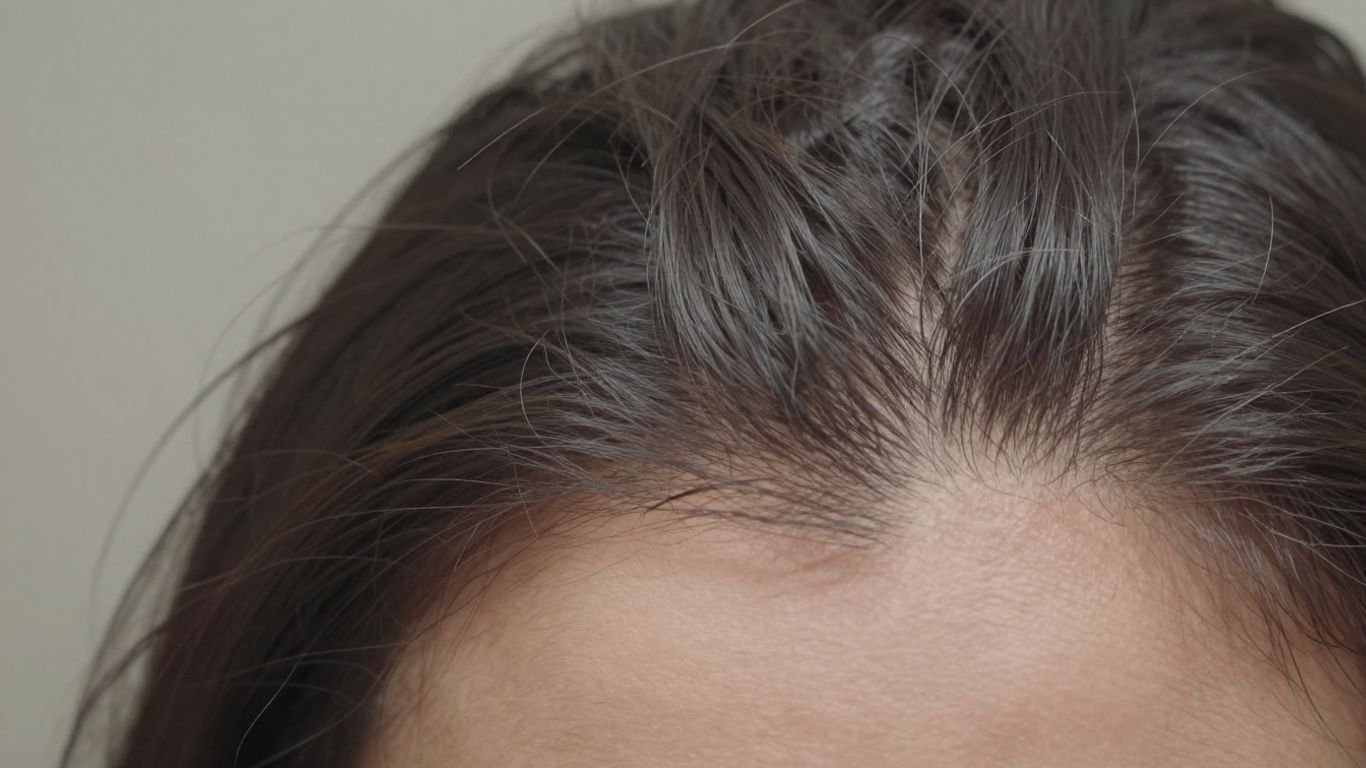
So, you've started using Minoxidil, and suddenly, you're noticing more hair in your brush or shower drain. It can be pretty alarming, right? This initial increase in hair loss is what people often refer to as the 'Minoxidil shed' or sometimes the 'dread shed.' It sounds scary, but it's usually a sign that the medication is actually starting to do its job.
What Is Minoxidil Shedding?
Minoxidil shedding is a temporary increase in hair loss that can happen when you first begin using the medication. It's not a sign that the treatment is failing; quite the opposite, in fact. It means the drug is interacting with your hair follicles and kicking off a process that, in the long run, should lead to thicker, healthier hair.
Why Does Minoxidil Cause Hair Shedding?
To get why this happens, we need to think about how hair grows. Your hair goes through cycles: growing, resting, and shedding. Minoxidil works by speeding up this cycle. It essentially nudges hairs that are in a resting phase (telogen phase) to move out faster, making way for new hairs to start growing in their place. Think of it like clearing out old, weaker hairs to make room for a fresh, stronger crop. This process can lead to a noticeable increase in shedding for a short period.
Here's a quick look at the hair cycle phases:
- Anagen (Growth Phase): This is when your hair is actively growing. It can last for several years.
- Catagen (Transitional Phase): A short phase where hair growth stops, and the follicle starts to shrink.
- Telogen (Resting Phase): Hair isn't growing, but it's still attached to the follicle. This phase lasts a few months.
- Exogen (Shedding Phase): The old hair falls out, and a new hair begins to grow.
Minoxidil essentially shortens the telogen phase, pushing hairs into the exogen phase more quickly. It's a bit like a spring cleaning for your scalp.
This shedding is a normal part of the hair growth cycle, and it's not the same as the hair loss you might have experienced before starting treatment. It's a sign that your scalp is responding to the medication.
Is The Dread Shed Real?
Yes, the 'dread shed' is absolutely real, and it's a common experience for many people starting Minoxidil. While it can be unsettling to see more hair fall out, especially when you're hoping for the opposite, it's important to remember that this is a temporary phase. It typically occurs within the first few weeks of treatment and usually lasts for about 2 to 8 weeks. For many, experiencing this initial shedding is actually a good indicator that the Minoxidil is working as intended and that you can expect to see positive results down the line.
The Science Behind Minoxidil's Effect On Hair
So, how does this stuff actually work? It's not like it magically sprouts new hair overnight. Minoxidil's journey started as a blood pressure medication, which gives us a clue. It's a vasodilator, meaning it widens blood vessels. On your scalp, this means better blood flow to those tiny hair follicles. Think of it like giving them a more direct delivery of the good stuff – oxygen and nutrients – that they need to do their job.
The Hair Growth Cycle Explained
Our hair doesn't just grow and fall out randomly. It follows a cycle, and understanding this is key. There are three main phases:
- Anagen: This is the active growth phase. Your hair is actively growing from the root. This phase can last for years, and the longer it is, the longer your hair can get.
- Catagen: A short transition phase where growth stops.
- Telogen: The resting phase. The hair isn't growing, and it eventually sheds to make way for new hair.
On a healthy scalp, most of your hair is in the anagen phase. But in conditions like androgenetic alopecia (pattern hair loss), this cycle gets messed up. The anagen phase can shorten, and the telogen phase can get longer, leading to thinning hair.
How Minoxidil Accelerates Hair Growth
Minoxidil seems to jump into action by influencing this cycle. While scientists are still figuring out all the exact details, here's what they think is happening:
- Vasodilation: As mentioned, it boosts blood flow to the scalp. This increased circulation can help wake up dormant follicles and provide them with what they need to enter or stay in the anagen phase.
- Potassium Channels: Minoxidil is thought to open up certain potassium channels in the cells around the hair follicle. This might help prolong the anagen phase, giving your hair more time to grow.
- Growth Factors: It appears to encourage the production of certain proteins, called growth factors, that are important for hair follicle health and growth.
The Role Of The Telogen Phase
This is where the
How Long Does Minoxidil Shedding Last?
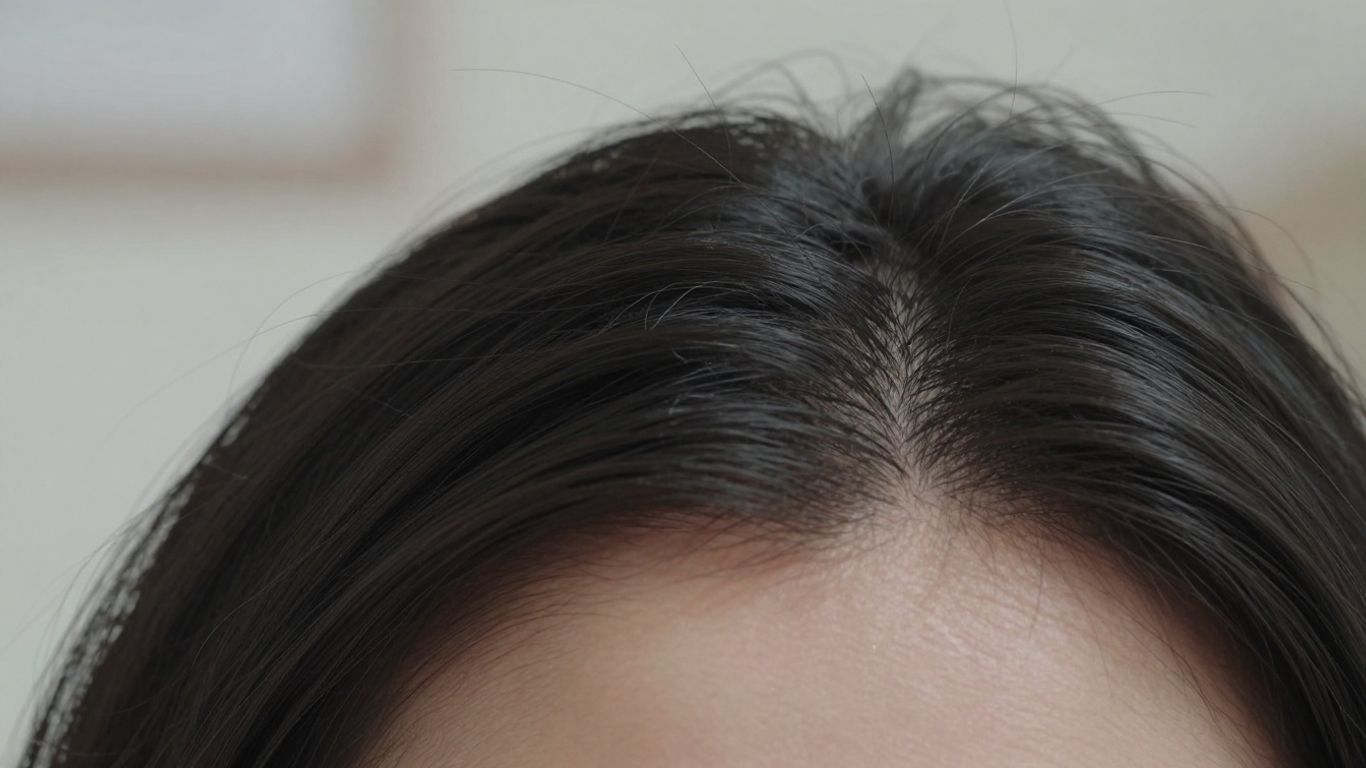
So, you've started using minoxidil, and suddenly, you're noticing more hair in your brush or shower drain. It's a common experience, and while it can be a bit unsettling, understanding the timeline can help ease your mind. This initial shedding phase is usually temporary and a sign that the medication is starting to work.
Typical Shedding Timeline
When you begin minoxidil treatment, the shedding typically kicks in within the first two to four weeks. This period can last anywhere from a couple of weeks up to a month for some people. It's during this time that minoxidil is actively working to push out older, weaker hairs to make way for new, healthier growth. Think of it as a bit of a spring cleaning for your scalp.
When to Expect New Hair Growth
After the shedding phase subsides, you'll likely start to notice new hair emerging. This usually becomes apparent between four to eight months of consistent minoxidil use. The results will continue to improve over time, with many users seeing their best results after about 12 to 18 months of continued application. Patience is key here; it's not an overnight fix.
Factors Influencing Shedding Duration
Several things can affect how long your shedding phase lasts and when you see new growth:
- Consistency: Applying minoxidil regularly, as directed, is super important. Skipping doses can disrupt the process and potentially prolong the shedding.
- Dosage: Sticking to the recommended dosage is vital. Using more won't necessarily speed things up and could lead to other issues.
- Individual Response: Everyone's body reacts a bit differently. Some people might experience a more noticeable shed than others, and the duration can vary.
- Underlying Cause: The original reason for your hair loss can also play a role in how your body responds to treatment.
It's easy to get discouraged during the shedding phase, but remember that this is a normal part of the process for many users. It's a sign that your hair follicles are responding to the treatment and preparing for new growth. Keep up with your application schedule, and try not to focus too much on the hairs you're losing during this temporary period.
Is Minoxidil Shedding A Sign Of Efficacy?
So, you've started using minoxidil, and suddenly, you're noticing more hair in your brush or shower drain. It's easy to panic, right? But here's the thing: this initial shedding, often called the 'dread shed,' can actually be a good sign. It means the medication is kicking in and doing its job.
Shedding As An Indicator Of Treatment Success
Think of it like this: minoxidil is waking up your dormant hair follicles. To make room for new, healthy hair, it pushes out the old, weaker hairs. This process is a sign that your scalp is responding to the treatment. It's not a guarantee, of course, but it's a positive signal that the medication is actively working to stimulate your hair growth cycle.
Correlation Between Shedding Amount And Results
Interestingly, some research suggests a link between how much you shed initially and how well the treatment works for you. A study from 2025 looked at people using minoxidil and found that those who experienced more shedding in the first few weeks actually saw better results later on. This included improvements in hair density, thickness, and overall hair loss severity.
Here's a simplified look at what that study suggested:
| Minoxidil Strength | Shedding Duration | Correlation with Better Results |
|---|---|---|
| 5% Topical | 4-8 weeks | Stronger correlation observed |
| 2% Topical | 8-12 weeks | Moderate correlation observed |
This doesn't mean that if you don't shed much, the treatment won't work. Everyone's body reacts differently. But for many, a noticeable shedding phase points towards a more robust response to minoxidil.
What More Shedding Might Predict
While it's still an area of ongoing research, the idea that more shedding could predict better outcomes is pretty encouraging. It suggests that a more active initial response from your scalp might translate to more significant hair regrowth down the line. It's like your scalp is going through a major refresh. The hairs that fall out are typically in the telogen (resting) phase, and minoxidil is prompting them to exit sooner to allow the anagen (growth) phase to begin more vigorously.
It's important to remember that this shedding is temporary. While it can be unsettling, it's a sign that your hair follicles are being stimulated and preparing for new growth. Patience is key during this phase.
So, if you're experiencing the 'dread shed,' try not to get too discouraged. It's often a sign that minoxidil is working its magic, and you might be on track for some great results.
Managing The Minoxidil Shedding Phase
Okay, so you've started Minoxidil, and the shedding has begun. It's a bit unsettling, I get it. But don't freak out just yet! This phase, while annoying, is actually a sign that things are happening under the surface. The key here is to stay the course and give the treatment a real chance to work. Think of it like this: you're clearing out the old to make way for the new, stronger hair. It takes a little patience, but managing this phase correctly can make a big difference in your results.
Tips For Consistent Application
Sticking with your Minoxidil routine is super important, especially during that initial shedding period. Missing doses can mess with how your hair follicles respond to the medication. It's like trying to build something but constantly stopping and starting – it just takes longer and might not turn out as well.
- Apply it daily: Whether it's the liquid or foam, make sure you're applying it every single day, usually once or twice, as your doctor recommended.
- Don't skip days: Even if you're having a busy morning or a late night, try your best not to forget. A missed dose here and there might not seem like a big deal, but it can disrupt the process.
- Use the right amount: Stick to the dosage your doctor or the product instructions tell you. More isn't always better, and using too much won't speed things up – it might just cause other issues.
The Importance Of Recommended Dosage
Using Minoxidil correctly is more than just remembering to put it on. It's about using the right amount. The studies and recommendations are there for a reason. Overdoing it won't magically make your hair grow back faster, and it could potentially lead to unwanted side effects or irritation on your scalp. It's a delicate balance, and sticking to the plan is the best way to see positive changes.
Supplementing Your Treatment
While Minoxidil is the star of the show, you can give your hair a little extra love during this phase. Think of it as supporting the main treatment. This could involve being mindful of your diet, ensuring you're getting enough nutrients that are good for hair health, or perhaps using gentle hair care products that don't add extra stress to your scalp.
Remember, Minoxidil works by speeding up your hair's natural cycle. This means it's pushing out older hairs to make room for new ones. So, while seeing more hair in the shower drain is concerning, it's often a sign that the medication is doing its job. Patience is key during this temporary phase.
It's also worth chatting with your doctor about other things that might help. Sometimes, they might suggest specific shampoos or conditioners, or even other treatments that can work alongside Minoxidil to give you the best possible outcome. Don't be afraid to ask questions about what else you can do to support your hair's journey.
When To Seek Professional Advice
So, you've started using minoxidil, and things are a bit... hairy. You know about the initial shedding, the "dread shed" as some call it, and you're trying to stay patient. But when does "normal" shedding cross the line into something you should actually talk to a doctor about? It's a good question, and honestly, it's easy to get worried when you're seeing more hair on your brush than usual.
Distinguishing Normal Shedding From Other Issues
Most of the time, the shedding you experience when starting minoxidil is just your hair follicles getting a jumpstart. They're pushing out old hairs to make way for new, healthier ones. This usually calms down within a few weeks to a couple of months. However, there are times when the shedding might be a sign of something else going on.
Here's a quick rundown of what might signal it's time to chat with a professional:
- Persistent Shedding: If you're still noticing a significant amount of hair loss after about 4 months of consistent minoxidil use, and it doesn't seem to be improving, that's a flag.
- Scalp Irritation: While mild redness or itching can happen, if you develop persistent scales, redness, or irritation that doesn't go away, it's worth checking out. Sometimes, it's just a reaction to the solution itself.
- Sudden, Patchy Loss: If you notice hair falling out in distinct patches that don't seem related to your usual thinning pattern, that's different from the general shedding minoxidil can cause.
- Other Symptoms: Any unusual discharge from your scalp, or if you're experiencing significant distress or mental health concerns related to your hair loss, please reach out.
It's easy to get caught up in the hair loss journey and assume everything is related to the minoxidil. But our bodies are complex, and sometimes hair thinning or loss can be influenced by factors completely unrelated to your hair regrowth treatment. Paying attention to these other signals is key.
Consulting a Healthcare Provider
If you're unsure whether your shedding is normal or if you're experiencing any of the issues mentioned above, don't hesitate to book an appointment. Your primary care doctor or a dermatologist can help figure out what's going on. They can look at your scalp, ask about your medical history, and sometimes even order blood tests.
Understanding Potential Underlying Causes
Sometimes, hair loss isn't just about minoxidil. Other things can cause or contribute to shedding, and a doctor can help identify them. These might include:
- Stress: Big life events or chronic stress can definitely impact your hair.
- Thyroid Issues: An underactive or overactive thyroid can lead to hair thinning.
- Hormonal Changes: Things like pregnancy, menopause, or certain medical conditions can affect your hormones and hair.
- Nutritional Deficiencies: Not getting enough of certain vitamins and minerals can show up in your hair.
- Other Medications: Some prescription drugs can have hair loss as a side effect.
Your doctor can help sort through these possibilities and make sure you're on the right track for both your hair and your overall health.
Wrapping It Up
So, if you've just started using minoxidil and noticed a bit more hair falling out, try not to freak out. It's usually a normal part of the process, often called the 'dread shed.' This temporary shedding means the medication is kicking in and pushing out the old hairs to make way for new, healthier ones. While it can be a little unnerving, remember that this phase typically only lasts a few weeks. Stick with it, keep applying the treatment consistently, and you should start seeing those thicker, fuller hair results in a few months. If you're still worried or the shedding seems excessive, it's always a good idea to chat with your doctor.
Frequently Asked Questions
What exactly is Minoxidil shedding?
When you start using Minoxidil, you might notice more hair falling out than usual. This is called Minoxidil shedding, and it's actually a sign that the medicine is starting to work. It happens because Minoxidil pushes out the older hairs to make room for new, stronger ones to grow.
Why does Minoxidil cause this shedding?
Minoxidil speeds up your hair's natural growth cycle. It encourages hairs that are in the resting phase to fall out sooner, so they can begin the growth phase again. Think of it like cleaning out old leaves to let new ones sprout.
Is this 'dread shed' thing real?
Yes, the 'dread shed' is real! It's that period when you first start Minoxidil and seem to lose a lot of hair. Studies have shown that this shedding does happen and it's usually temporary, lasting a few weeks.
How long does this shedding phase usually last?
Typically, the shedding you experience when starting Minoxidil lasts for about 2 to 4 weeks. Some people might see it last a bit longer, up to 8 weeks, but it's a temporary phase before new growth begins.
Does shedding mean Minoxidil is working for me?
For many people, shedding is a good sign that Minoxidil is doing its job. Research suggests that if you experience more shedding initially, you might see even better results from the treatment over time. It means your hair follicles are responding to the medication.
When should I worry about hair loss while using Minoxidil?
While some shedding is normal, if you experience extreme hair loss that doesn't seem to stop after a couple of months, or if you have other concerns, it's a good idea to talk to a doctor. They can help figure out if something else might be causing the hair loss.