

Understanding Hair Falling Out in Clumps: Causes, Concerns, and Solutions
Finding clumps of hair in your brush or shower drain can be pretty alarming. It’s more than just a few extra strands; it's noticeable, and it can make you wonder what’s going on. Whether it’s a sudden change or something that’s been happening for a while, hair falling out in clumps is a common concern for many people. Let's break down why this might be happening and what you can do about it.
Key Takeaways
- Hair loss in clumps can stem from various factors, including genetics, stress, hormonal shifts, and nutritional gaps.
- Understanding the natural hair growth cycle helps identify when shedding becomes abnormal.
- Certain medical conditions and medications can trigger significant hair loss.
- Lifestyle choices, like hairstyles and harsh hair treatments, can also contribute to hair falling out.
- Consulting a doctor is important to pinpoint the cause and explore suitable treatments for excessive hair loss.
Understanding the Hair Growth Cycle
Ever wonder why hair seems to grow and fall out in a pattern? It's all thanks to a natural cycle that each strand of hair on your head goes through. Understanding this cycle is pretty key to figuring out why you might be seeing more hair in your brush than usual.
The Three Stages of Hair Growth
Think of your hair follicles like tiny factories, each with its own production schedule. This schedule has three main phases:
- Anagen (Growth Phase): This is the active growing period. Your hair follicle is busy making new hair cells, pushing the hair shaft longer and longer. This phase can last anywhere from 2 to 6 years, which is why hair can get quite long! Most of your hair, about 90%, is in this stage at any given time.
- Catagen (Transitional Phase): This is a short, in-between stage, lasting only about 2 to 3 weeks. The hair follicle shrinks, and the hair stops growing. It's like the factory taking a brief pause before shutting down production for a bit.
- Telogen (Resting Phase): In this phase, the hair rests. The follicle is dormant, and the hair strand is essentially detached, waiting to be shed. This stage typically lasts for about 3 months. Around 10-15% of your hair is in this resting phase.
Normal Daily Hair Shedding
So, how much hair is normal to lose? It's actually quite a lot, but usually, you don't notice it. On average, people shed between 50 to 100 hairs every single day. This might sound like a lot, but remember, you have about 100,000 hair follicles on your scalp. As one hair is shed from a resting follicle, a new one is already getting ready to grow from that same follicle, or another follicle is in its active growth phase. It's a constant, natural turnover.
The key thing to remember is that shedding is normal. It's the disruption of this cycle, or a significant increase in shedding beyond the usual amount, that can signal a problem.
When the Cycle is Disrupted
What happens when this finely tuned cycle gets thrown off? Well, that's when you might start noticing more hair than usual on your pillow or in the shower drain. Things like significant stress, hormonal shifts (like after childbirth or during menopause), certain medical conditions, or even some medications can mess with the hair growth cycle. They might push more hairs into the resting (telogen) phase all at once, or shorten the active growth (anagen) phase. This can lead to a noticeable increase in shedding, sometimes appearing as clumps of hair falling out, rather than just a few stray strands.
Common Culprits Behind Hair Falling Out in Clumps
Finding clumps of hair in your brush or shower drain can be pretty alarming, right? It's not just you; many people experience this, and it's usually a sign that something's up. Let's break down some of the most frequent reasons why this happens.
Genetics and Pattern Baldness
This is probably the most common reason for hair loss, especially as we get older. It's often passed down through families, so if your parents or grandparents experienced thinning hair, you might too. For men, it often shows up as a receding hairline or thinning on top. Women usually notice a general thinning, particularly around the crown area. The follicles on your scalp can start to shrink over time, eventually stopping hair growth altogether. It's a gradual process, but it can lead to noticeable clumps falling out.
Stress and Telogen Effluvium
Life throws curveballs, and sometimes our bodies react in unexpected ways. Major stress – think surgery, a serious illness, rapid weight loss, or even childbirth – can shock your system. This can push a lot more hairs than usual into the resting phase (telogen) of the hair growth cycle. The kicker? The hair loss often doesn't happen right away. It can take about three to six months after the stressful event for you to notice the shedding. So, if you've been through a rough patch a few months back and are now seeing more hair fall out, stress could be the main player.
Hormonal Fluctuations
Our hormones are like a complex balancing act, and when they get out of whack, hair can be one of the first things to show it. This can happen at various life stages. Pregnancy and childbirth are big ones, as is menopause. Even conditions like Polycystic Ovary Syndrome (PCOS) can mess with hormone levels. When hormones are imbalanced, it can disrupt the hair growth cycle, leading to increased shedding. It's not just about major life events, either; even subtle shifts can sometimes trigger hair loss.
Nutritional Deficiencies
What you eat directly impacts your body, including your hair. If your diet is lacking in key nutrients, your hair follicles might not get what they need to stay healthy and grow. Low levels of iron are a big one, but zinc and certain B vitamins (like B12) and vitamin D can also play a role. Extreme dieting or not getting enough protein can also be a culprit. Your hair needs a steady supply of vitamins and minerals to keep growing strong, and when that supply is cut off, shedding can increase.
Medical Conditions and Medications Causing Hair Loss
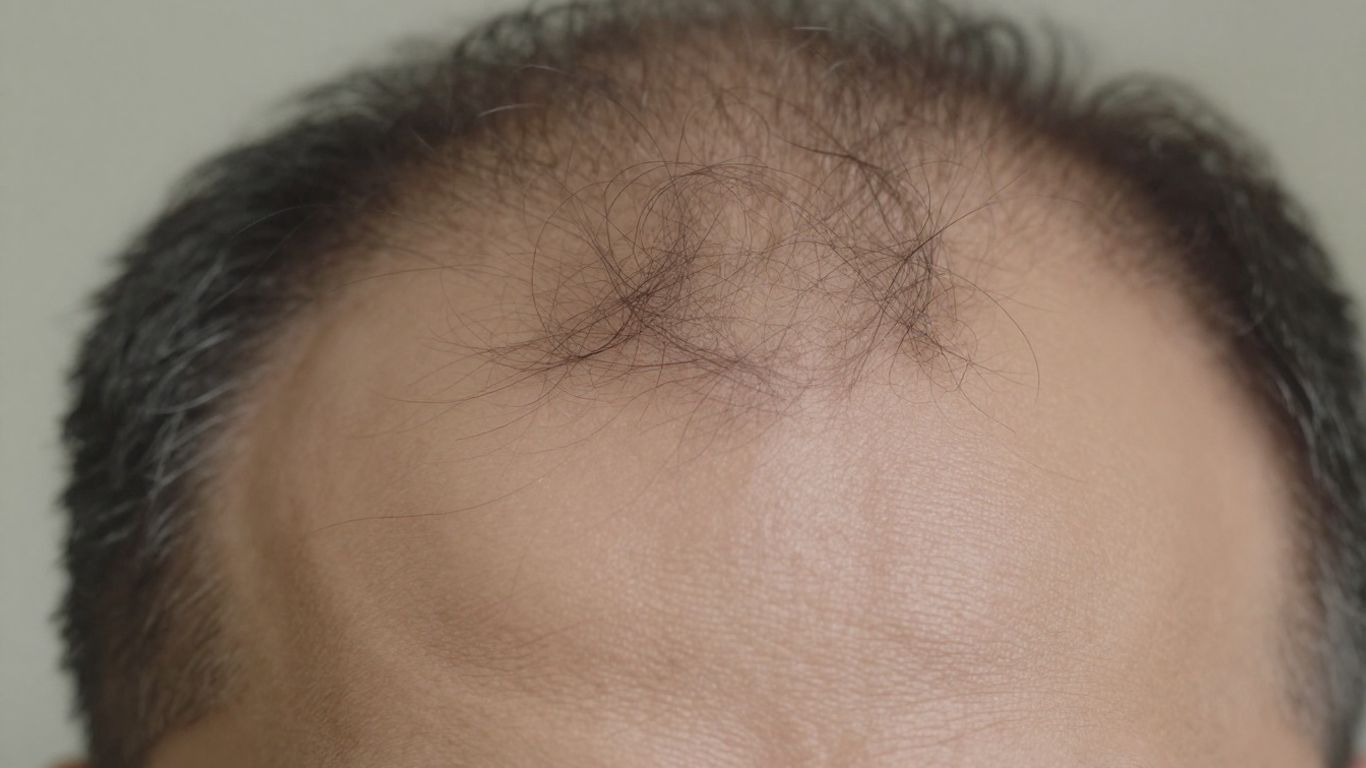
Sometimes, hair falling out in clumps isn't just about stress or genetics. A number of underlying medical issues and even the medicines we take can throw our hair growth cycle for a loop. It’s a bit like a domino effect; one thing goes wrong, and suddenly your hair is paying the price.
Autoimmune Diseases and Infections
When your immune system gets confused, it can sometimes attack your own hair follicles. This is what happens with certain autoimmune conditions. For instance, alopecia areata causes the immune system to target hair follicles, leading to patchy hair loss. Lupus is another condition where hair loss can be a symptom, sometimes causing permanent thinning if scarring occurs on the scalp. Scalp infections, like ringworm (tinea capitis), can also cause hair to break off and fall out, often leaving behind small, dark dots where the hair has snapped. These infections need proper medical treatment to clear up.
Thyroid Disorders
Your thyroid gland, a small butterfly-shaped organ in your neck, plays a big role in regulating your body's metabolism, and that includes how your hair grows. If your thyroid is overactive (hyperthyroidism) or underactive (hypothyroidism), it can disrupt the hair growth cycle. This often results in diffuse thinning all over the scalp, rather than distinct bald patches. The good news is that once the thyroid issue is managed, hair often starts to grow back.
Medication Side Effects
It's a common, though often frustrating, side effect of many medications. Drugs used to treat conditions like high blood pressure, arthritis, depression, and even acne can sometimes cause hair loss. A more dramatic form of hair loss, known as anagen effluvium, can happen with treatments like chemotherapy, where hair falls out rapidly and often in large amounts shortly after starting the medication. It's really important not to stop taking any prescribed medication suddenly without talking to your doctor first, as this can cause other health problems. If you suspect a medication is causing your hair loss, a conversation with your doctor might lead to a dosage adjustment or a switch to a different drug.
Birth Control Pill Impact
For women, hormonal changes are a frequent trigger for hair loss, and birth control pills are a common culprit. Some women notice increased shedding while on the pill, while others experience it several weeks or months after stopping. This is often due to shifts in hormone levels. If you're concerned about hair loss and are on birth control, you might discuss options with a lower androgen index with your doctor, as these can sometimes be less likely to contribute to thinning. Other hormonal contraceptives, like implants or patches, can also have an effect.
Dealing with hair loss due to medical conditions or medications can feel overwhelming. It's a visible sign that something is going on internally, and it's completely understandable to feel concerned. Remember that many of these causes are treatable, and seeking professional advice is the first step toward finding a solution and potentially regaining your hair.
Lifestyle and Hair Care Practices
Sometimes, the way we live and treat our hair can really make a difference in how much of it we keep. It's not always about genetics or serious health issues; our daily habits play a big part.
Traction Alopecia from Hairstyles
Pulling your hair too tight, too often, can lead to a type of hair loss called traction alopecia. Think about those super-tight ponytails, braids, or extensions that tug at your scalp. Over time, this constant tension can damage the hair follicles, making it harder for hair to grow back. It often starts with thinning around the hairline, but if you keep up the tight styles, you might see more significant patches of hair loss. It's best to switch up your hairstyles and give your scalp a break.
Damage from Styling and Treatments
We all love to look good, but some styling practices can be pretty harsh on our hair. Frequent use of hot tools like blow dryers, curling irons, and straighteners can dry out and break your hair. Chemical treatments, such as dyeing, bleaching, and perms, can also weaken the hair shaft. These practices can make hair more prone to breakage and shedding. If you notice your hair becoming brittle or breaking easily, it might be time to cut back on these treatments or use them more gently. Using heat protectant sprays and choosing gentler, less frequent treatments can help. You can find some good advice on how to avoid damaging treatments here.
The Role of Diet and Lifestyle Choices
What you eat and how you live really impacts your hair. A diet lacking in essential nutrients, like iron and protein, can affect hair growth. Extreme dieting can also be a culprit. Making sure you're eating a balanced diet with plenty of fruits, vegetables, and lean protein is important for healthy hair. Beyond diet, managing stress is also key. High stress levels can trigger hair shedding, so finding ways to relax, like exercise or meditation, can be beneficial. Even getting enough sleep plays a role in overall health, including your hair's health.
When to Seek Professional Help
Recognizing Abnormal Hair Loss
Okay, so we all shed some hair every day. It's totally normal, like losing a few strands when you brush or finding a little extra in the shower drain. But when does it cross the line from normal to, "Whoa, something's up here"? If you're noticing a lot more hair than usual, like actual clumps coming out, or if you're seeing significant thinning or bald spots appearing, that's your cue to pay attention. It's not just about the quantity, either. If your scalp starts feeling itchy, sore, or develops a rash along with the hair loss, that's another red flag. Don't just brush it off as a bad hair day; it could be a sign of something more.
Consulting a Doctor or Specialist
If you're worried about what's happening with your hair, the best move is to talk to a professional. Your primary care doctor is a good starting point. They can do an initial assessment and, if needed, refer you to a dermatologist, who is a skin and hair specialist. Sometimes, a trichologist, who focuses specifically on hair and scalp issues, might also be recommended. It's important to get a proper diagnosis because the cause of hair loss can vary wildly, from simple stress to underlying medical conditions.
Diagnostic Approaches
When you see a doctor, they'll likely start by asking a lot of questions about your health history, your family's history with hair loss, your diet, and any recent life changes or stress. They'll also give your scalp and hair a good look. To get a clearer picture, they might suggest a few tests:
- Blood Tests: These can check for things like thyroid problems, iron deficiency (anemia), or other nutritional imbalances that can affect hair growth.
- Scalp Biopsy: In some cases, a small sample of your scalp skin might be taken to examine the hair follicles under a microscope. This helps identify infections or other follicle issues.
- Pull Test: The doctor might gently pull on a small section of your hair to see how many strands come out. This can give them an idea of which stage of the hair growth cycle your hair is in.
It's easy to feel self-conscious about hair loss, but remember that many people experience it at some point in their lives. The good news is that with the right diagnosis, there are often effective ways to manage or treat the problem, helping you get back to feeling more like yourself.
Exploring Treatment Options for Hair Loss
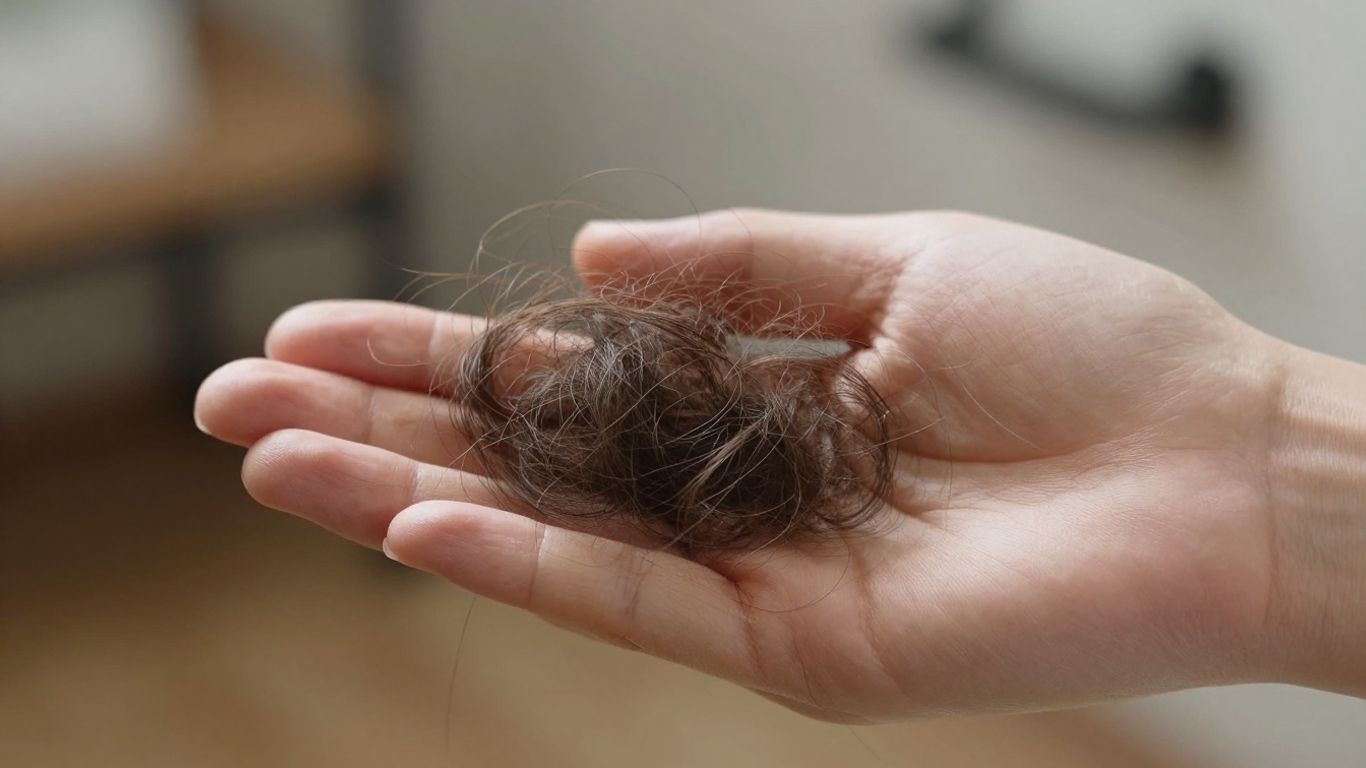
So, you're dealing with hair falling out in clumps, and it's got you worried. It's totally understandable to feel that way. The good news is, there are quite a few ways to tackle hair loss, and what works best really depends on why it's happening in the first place. It's not a one-size-fits-all situation, for sure.
Medications for Hair Growth
When it comes to medical treatments, a couple of medications often come up. Minoxidil, which you might know as Rogaine, is a popular one. You can get it over the counter, and it's applied directly to the scalp. It's thought to help by increasing blood flow to the hair follicles and can be used for both men and women, especially for pattern baldness. Just remember, you usually have to keep using it for it to keep working, and it can take several months to see results. Another medication, finasteride (Propecia), is typically prescribed for men with male pattern baldness. It works by reducing a hormone that can shrink hair follicles. It's important to chat with your doctor about these, as they can have side effects and aren't suitable for everyone, especially if you're pregnant or planning to be.
Therapeutic Treatments
Beyond pills and topical solutions, there are other therapies that can help. Low-level laser therapy is one. Devices like special combs, helmets, or caps use light to try and stimulate hair follicles. It's something you can often do at home after getting the right equipment. Then there's Platelet-Rich Plasma, or PRP. This involves drawing your blood, processing it to concentrate the platelets, and then injecting that back into your scalp. The idea is that the growth factors in the platelets can encourage hair to grow. Microneedling, sometimes done with minoxidil, is another technique that uses tiny needles to create small injuries on the scalp, which might help kickstart healing and hair growth.
Surgical Interventions
For more significant hair loss, especially in cases of pattern baldness, surgery might be an option. Hair transplantation is the main procedure here. It involves taking hair follicles from areas of your scalp that still have hair, usually the back and sides, and moving them to the thinning or bald areas. It's a more involved process, often requiring multiple sessions, and it's definitely something to discuss thoroughly with a surgeon to understand the outcomes and recovery.
Hormonal Adjustments
Sometimes, hair loss is tied to hormone levels, like during menopause or after childbirth. In these cases, addressing the hormonal imbalance can be key. This might involve hormone replacement therapy or other medications that can help regulate hormones. For women experiencing hair thinning related to conditions like PCOS, medications such as spironolactone might be prescribed because they can block the effects of certain hormones that contribute to hair loss. It's all about figuring out the specific hormonal trigger and finding a way to balance things out.
It's really important to remember that not every treatment works for every person or every type of hair loss. What might be a miracle for one person could do nothing for another. Patience is also a big part of this journey, as most treatments take time to show any real difference.
Here's a quick look at some common treatment approaches:
- Medications: Minoxidil (topical), Finasteride (oral, primarily for men).
- Therapies: Low-level laser therapy, Platelet-Rich Plasma (PRP) injections, Microneedling.
- Surgery: Hair transplantation.
- Hormonal: Hormone replacement therapy, anti-androgen medications.
Always, always talk to a doctor or a dermatologist before you start any new treatment. They can help pinpoint the cause of your hair loss and guide you toward the safest and most effective options for your specific situation.
Preventing Further Hair Loss
Okay, so you've been dealing with hair falling out in clumps, and it's definitely not fun. The good news is, there are things you can do to help stop it from getting worse and even encourage new growth. It's all about being a bit more mindful of how you treat your hair and your body overall.
Gentle Hair Care Routines
Think of your hair like delicate threads. When you're washing, drying, or styling, try to be as gentle as possible. Avoid yanking a brush through wet hair – that's a recipe for breakage. Instead, use a wide-tooth comb and start from the ends, working your way up. When it comes to washing, pick shampoos that are mild and suited for your scalp type. Harsh chemicals or ingredients can strip your hair of its natural oils, making it more prone to damage. And those super tight ponytails or braids? They can put a lot of strain on your hair follicles over time, leading to what's called traction alopecia. Loosen up a bit!
- Detangle carefully: Use a wide-tooth comb on damp hair, starting from the tips and moving upwards.
- Choose mild products: Opt for sulfate-free shampoos and conditioners that won't strip natural oils.
- Vary your hairstyles: Avoid consistently wearing tight styles like braids, buns, or ponytails.
- Limit heat and chemicals: Reduce the use of blow dryers, straighteners, curling irons, and chemical treatments like perms or dyes.
Stress Management Techniques
It sounds a bit cliché, but stress really can impact your hair. When you're under a lot of pressure, your body can go into a sort of shock, and that can trigger hair shedding. Finding ways to chill out is super important. It doesn't have to be anything drastic; even small changes can make a difference. Maybe it's taking a few minutes each day to just breathe, going for a walk, or listening to some calming music. Whatever works for you to dial down the stress levels is a win.
- Mindfulness and Meditation: Even 5-10 minutes a day can help calm your nervous system.
- Regular Exercise: Physical activity is a great way to burn off stress and improve circulation.
- Adequate Sleep: Aim for 7-9 hours of quality sleep per night; it's when your body repairs itself.
- Hobbies and Relaxation: Make time for activities you enjoy that help you unwind.
Ensuring Adequate Nutrition
What you eat directly affects your hair's health. Your hair follicles need a steady supply of nutrients to grow strong and healthy. Protein is a big one, as hair is made of protein. Iron is also key, especially for women, as low iron levels are a common cause of hair loss. Make sure you're getting enough vitamins and minerals too, like zinc, biotin, and vitamin D. A balanced diet is your best bet.
A diet rich in lean proteins, healthy fats, and a variety of fruits and vegetables provides the building blocks your hair needs to stay strong and grow. Don't overlook essential minerals like iron and zinc, which play a significant role in hair follicle health.
Here's a quick look at some key nutrients:
| Nutrient | Why it's important for hair |
|---|---|
| Protein | The main building block of hair strands. |
| Iron | Helps red blood cells carry oxygen to hair follicles. |
| Zinc | Supports hair tissue growth and repair. |
| Biotin (B7) | Aids in keratin production, a key hair protein. |
| Vitamin D | May help create new follicles where hair can grow. |
| Omega-3 Fatty Acids | Can help nourish hair follicles and add shine. |
Wrapping It Up
So, seeing a lot of hair in your brush or shower drain can be pretty alarming, no doubt about it. But remember, it's usually not the end of the world. There are tons of reasons why this might be happening, from just everyday stress to things like genetics or even how you style your hair. The good news is, a lot of the time, hair loss is temporary, and things can get back to normal. The most important thing is not to panic. If you're really worried or it's happening suddenly, it's always a good idea to chat with a doctor or a dermatologist. They can help figure out exactly what's going on and point you toward the best solutions for your specific situation. Taking care of yourself, eating well, and being gentle with your hair can also make a big difference.
Frequently Asked Questions
Why is my hair falling out in big chunks all of a sudden?
Losing a lot of hair quickly can be alarming. It might be due to a sudden shock to your system, like a major illness, surgery, or even intense stress a few months prior. Sometimes, it's a sign of your body readjusting after events like childbirth or stopping certain medications. If this happens, it's a good idea to chat with a doctor to figure out the exact reason.
Is it normal to lose hair every day?
Yes, it's totally normal to lose some hair each day! Most people shed around 50 to 100 hairs daily as part of their hair's natural growth cycle. You usually don't even notice it because new hair is growing back. It only becomes a concern when you start seeing much more hair than usual, like in clumps, or if you notice thinning spots.
Can my hairstyle cause my hair to fall out?
Definitely. Wearing your hair pulled back too tightly for long periods, like in tight ponytails, braids, or extensions, can cause a type of hair loss called traction alopecia. This happens because the constant pulling stresses your hair follicles. If you notice thinning from this, it's best to loosen up your hairstyles to prevent further damage.
What role do diet and vitamins play in hair loss?
What you eat matters a lot for your hair! Not getting enough important nutrients like iron, zinc, or certain vitamins (like D and B12) can lead to hair thinning or shedding. Extreme diets that are very low in protein can also be a cause. Eating a balanced diet rich in these nutrients is key for healthy hair.
Can stress really make my hair fall out?
Yes, stress can be a significant trigger for hair loss, a condition often called telogen effluvium. When you experience a lot of stress – whether it's from a major life event, illness, or rapid weight loss – more of your hair might enter the resting (telogen) phase. This can lead to noticeable shedding a few months later. The good news is, once the stress is managed, your hair usually starts to grow back.
When should I see a doctor about my hair loss?
You should definitely see a doctor or a skin specialist if you're losing hair in large clumps, notice bald spots, or if the hair loss is happening suddenly and seems unusual for you. They can help identify the cause, whether it's related to your health, hormones, or something else, and suggest the best ways to treat it.