

Understanding Female Hair Loss: Causes, Symptoms, and Effective Treatments
Dealing with hair loss can be really tough, especially for women. It's something many of us go through at some point, and it can hit our confidence hard. But you're not alone, and there are ways to figure out what's happening and what you can do about it. This article is here to break down the common causes of female hair loss, what it looks like, and the different treatments available. We'll also touch on how to cope with the emotional side of things, because that's a big part of it too.
Key Takeaways
- Female hair loss, often called androgenetic alopecia, is common, especially after menopause, and typically involves thinning on the top of the scalp.
- Causes range from genetics and hormonal shifts (like menopause or PCOS) to medical conditions (anemia, thyroid issues) and lifestyle factors (stress, diet, harsh hair treatments).
- Understanding the specific cause is the first step toward finding the right treatment for female hair loss.
- Treatment options include medications like minoxidil, anti-androgens, light therapy, and in some cases, hair transplant surgery.
- Managing the emotional impact through support groups, counseling, and gentle hair care practices is just as important as medical treatments.
Understanding Female Hair Loss
It can be really unsettling to notice your hair thinning or falling out. You're definitely not alone if this is happening to you; about a third of women experience some form of hair loss during their lives, and that number jumps up quite a bit for women going through menopause. For many, it feels like more than just losing hair – it can really affect how you feel about yourself and your overall quality of life. Let's break down what's going on.
Common Patterns of Female Hair Loss
Unlike how hair loss often presents in men, women typically don't see a receding hairline or go completely bald. Instead, the most common pattern, known as female pattern hair loss (or androgenetic alopecia), usually starts with a gradual thinning. You might notice your hair becoming less dense all over, or perhaps the part in your hair seems to be getting wider. Sometimes, it's described using a scale, like the Ludwig Classification:
- Type I: Minimal thinning, often easy to hide with styling.
- Type II: More noticeable thinning, with a wider part and less overall volume.
- Type III: Significant thinning, where the scalp might be visible through the hair on top.
The Hair Growth Cycle Explained
Our hair doesn't just grow non-stop. It follows a natural cycle, and understanding this can help explain why hair loss happens. Each strand of hair grows from a follicle in your skin and goes through three main stages:
- Anagen (Growth Phase): This is the active growing period, and it can last anywhere from two to seven years. Most of your hair is in this phase at any given time.
- Catagen (Transition Phase): A short phase, lasting about two weeks, where the hair stops growing and starts to detach from its blood supply.
- Telogen (Resting Phase): This phase lasts for about three months. The hair rests in the follicle, and then it eventually sheds.
After the telogen phase, the cycle starts over with a new hair growing from the follicle. Sometimes, this cycle gets disrupted, leading to hair loss.
When to Seek Professional Advice
If you're noticing a significant change in your hair, it's a good idea to talk to a doctor. They can help figure out what's causing the hair loss, which is the first step to finding the right treatment. Sometimes, it's related to things like thyroid issues, anemia, or hormonal changes, and sometimes it's just genetics. A dermatologist or your primary care doctor can examine your scalp, ask about your health history, and might suggest blood tests to get to the bottom of it.
It's easy to feel overwhelmed by hair loss, but remember that many causes are treatable, and there are ways to manage the situation. Getting a proper diagnosis is key to moving forward.
Don't hesitate to bring up any concerns you have, even if they seem minor. They can also point you toward resources for emotional support if needed, because dealing with hair loss can be tough.
Identifying Causes of Female Hair Loss
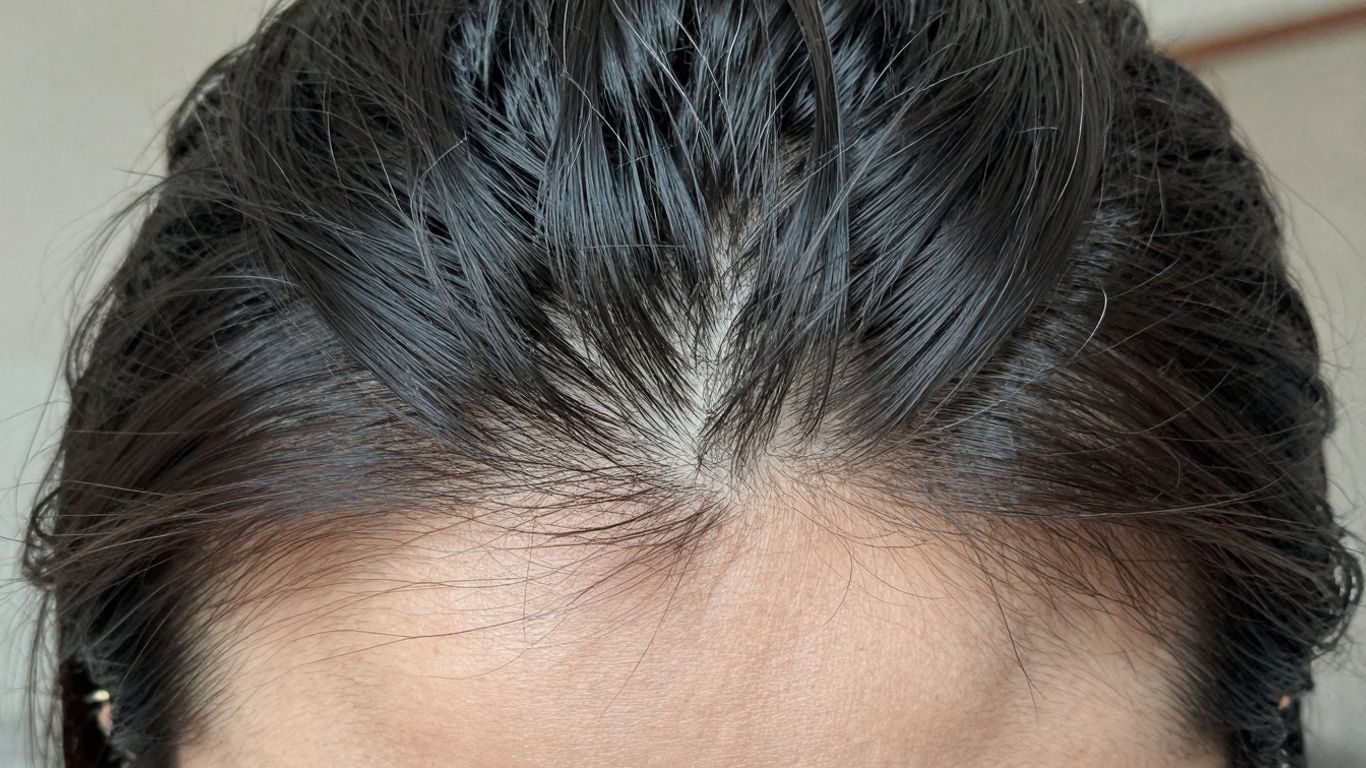
So, why does hair loss happen to women? It's not just one thing, really. It's a mix of stuff, and sometimes it's hard to pinpoint the exact reason. But we can break it down into a few main categories.
Genetics and Female Pattern Hair Loss
This is probably the most common reason for hair thinning in women, and it's often called Female Pattern Hair Loss (FPHLP). Think of it like this: your genes basically tell your hair follicles to shrink over time. It's not usually as dramatic as what men experience, so you're unlikely to go completely bald. Instead, you might notice your hair getting finer, especially around the top of your head or along your usual part. The hair itself becomes shorter and thinner, almost like peach fuzz, until it stops growing altogether. It's a gradual process, and it tends to get more noticeable as we get older. If hair loss runs in your family, you're more likely to experience it too. It's a bit of a lottery, honestly.
Hormonal Imbalances and Hair Loss
Hormones play a huge role in our bodies, and when they get out of whack, our hair can definitely show it. Things like menopause are a big one. As estrogen levels drop, some women find their hair loses density and volume, becoming more prone to breaking. But it's not just menopause. Conditions like Polycystic Ovary Syndrome (PCOS) can also mess with hormone levels and lead to hair thinning. Even thyroid issues, where your thyroid gland isn't producing the right amount of hormones, can affect hair production. It's like a domino effect – one imbalance can trigger another.
Medical Conditions Affecting Hair Growth
Sometimes, hair loss is a sign that something else is going on in your body. Illnesses can stress your system, causing your hair follicles to go into a resting phase and shed more than usual. Anemia, for instance, means you don't have enough iron, which can make your hair quality suffer. Autoimmune diseases, like alopecia areata, are where your own immune system mistakenly attacks your hair follicles. It's a complex situation, and figuring out if a medical condition is the culprit often requires some detective work with a doctor. They might order blood tests to check for things like iron levels or thyroid function.
Lifestyle Factors and Hair Thinning
What we do every day can also impact our hair. Stress is a big one; when you're feeling overwhelmed, your body can react by shedding more hair. Even how you style your hair matters. Tight braids, ponytails, or extensions can put too much strain on your follicles, leading to thinning over time. High heat from styling tools can also cause damage. And then there are broader lifestyle choices. Poor diet lacking essential nutrients like iron, zinc, and biotin can affect hair health. Smoking and excessive alcohol consumption can also negatively impact your overall health, which in turn can affect your hair's ability to grow strong. It's a reminder that taking care of your body generally helps your hair too. If you're noticing increased shedding, it's a good idea to talk to a doctor to understand the potential causes of hair loss in women.
It's easy to get caught up in the cosmetic aspect of hair loss, but it's important to remember that it can often be a symptom of something else. Addressing the root cause is key to finding the right solution and potentially seeing your hair grow back healthier.
Here's a quick look at some common culprits:
- Genetics: Female Pattern Hair Loss (FPHLP).
- Hormones: Menopause, PCOS, thyroid issues.
- Medical: Anemia, autoimmune diseases, stress response.
- Lifestyle: Stress, harsh styling, poor diet, smoking.
Exploring Treatment Options for Female Hair Loss
So, you're dealing with thinning hair and wondering what can actually be done about it. It's totally understandable to feel overwhelmed, but the good news is there are several paths you can explore. The best approach really depends on what's causing your hair loss in the first place, so talking to a doctor or a dermatologist is always the first step.
Medications for Hair Restoration
When it comes to medical treatments, a few options stand out. Minoxidil, often known by its brand name Rogaine, is a popular choice. You can get it over-the-counter in a 2% or 5% solution. It's applied directly to the scalp and can help stimulate hair growth. It's important to remember that minoxidil needs to be used consistently, often indefinitely, to maintain results. Some women might also benefit from anti-androgen medications like spironolactone. These can be particularly helpful if hormonal imbalances, like those seen in PCOS, are contributing to hair loss. Sometimes, iron supplements are recommended if a deficiency is found to be the culprit. It's always best to get these checked by a doctor before starting, though, as taking too much iron can cause its own set of problems.
Here's a quick look at some common medications:
| Medication | How it Works | Common Use Cases |
|---|---|---|
| Minoxidil | Stimulates hair follicles | Female Pattern Hair Loss (FPHL) |
| Spironolactone | Blocks androgen hormones | FPHL, PCOS-related hair loss |
| Iron Supplements | Corrects iron deficiency | Hair loss due to anemia |
Light Therapy and Other Innovative Treatments
Beyond pills and topical solutions, there are some more advanced options. Low-level laser therapy (LLHT) is one such treatment. Devices like laser combs or helmets emit light that's thought to encourage hair follicles to grow. The FDA has approved some of these devices for treating FPHL. Another promising treatment involves Platelet-Rich Plasma (PRP) injections. This procedure uses a concentration of your own platelets, injected into the scalp, to promote healing and hair growth. Microneedling, sometimes used with minoxidil, is also gaining traction for its potential to boost hair regrowth.
Surgical Interventions for Hair Loss
For more significant hair loss, surgical options might be considered. Hair transplantation is a procedure where hair follicles are moved from one part of the scalp to a thinning or bald area. Techniques have advanced quite a bit over the years, with follicular unit transplantation (FUT) and follicular unit extraction (FUE) being common methods. It's a more involved process, but it can offer permanent results for some individuals. It's definitely something to discuss thoroughly with a specialist to see if it's the right fit for your specific situation and hair loss pattern. You can find more information on treatments like the Hers Triple Threat Shampoo which is often recommended as a good starting point for many women.
Dealing with hair loss can be tough, and it's not just about the physical changes. It's okay to feel upset or frustrated. Remember that seeking help, whether it's from a medical professional, a support group, or even just talking to friends, is a sign of strength. There are ways to manage this, and you don't have to go through it alone.
Coping with the Emotional Impact of Hair Loss
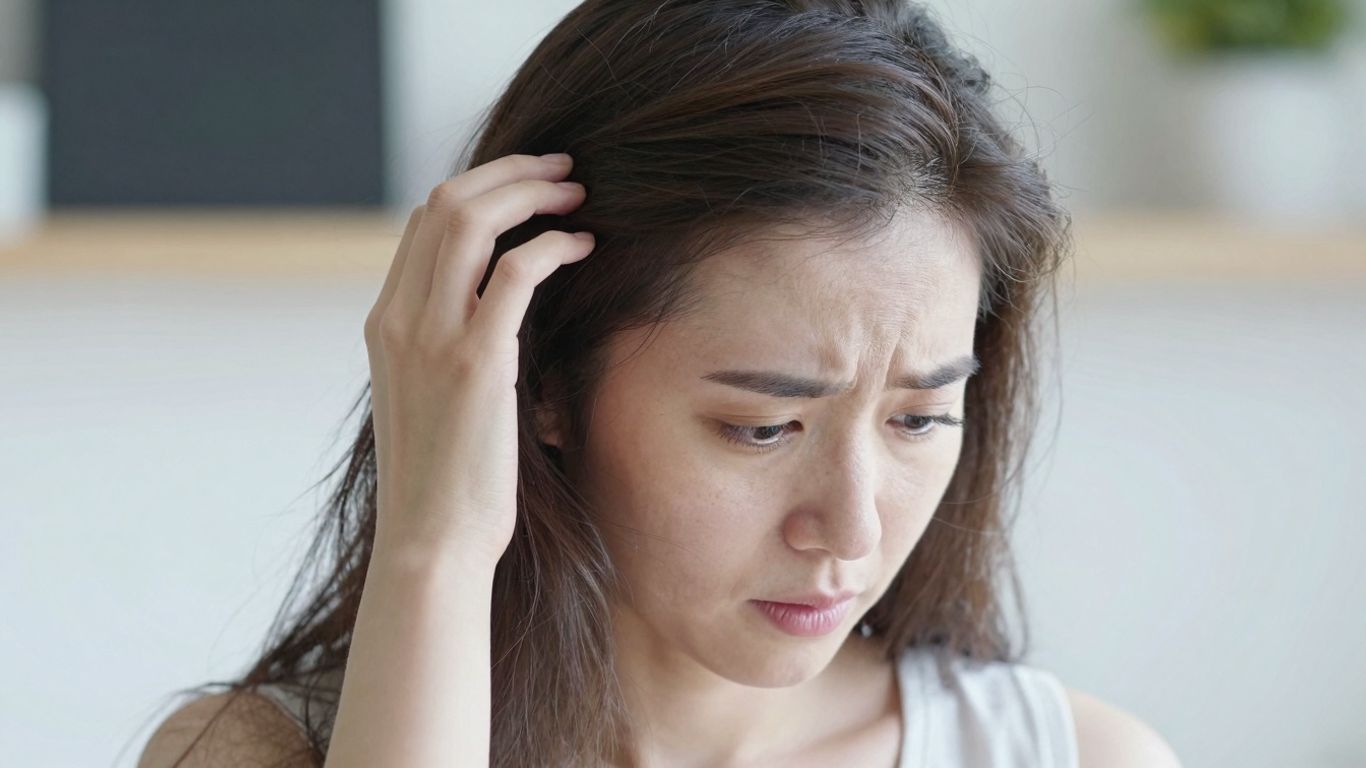
Losing hair can be a really tough experience, especially for women. It's not just about how you look; it can really mess with how you feel about yourself. For many, hair is a big part of their identity, and seeing it thin or fall out can feel like losing a piece of that. It's totally normal to feel upset, frustrated, or even embarrassed. The emotional side of hair loss is just as important as the physical side.
Seeking Support Through Counseling and Groups
It's okay to not be okay, and you don't have to go through this alone. Talking about what you're feeling can make a huge difference. Sometimes, just sharing your worries with a friend or family member can lighten the load. But if you feel like you need more, there are options.
- Professional Counseling: A therapist can provide a safe space to explore your feelings about hair loss and develop coping strategies. They can help you work through feelings of sadness, anxiety, or low self-esteem.
- Support Groups: Connecting with others who are experiencing similar hair loss can be incredibly validating. You can share experiences, tips, and just know you're not the only one. These groups can be found online or in person.
- Doctor Consultations: While they focus on the medical side, doctors and trichologists can also point you toward resources for emotional support. They understand the impact hair loss can have.
It's important to remember that seeking help is a sign of strength, not weakness. Allowing yourself to process these emotions is a key part of moving forward.
Strategies for Managing Hair Loss and Self-Esteem
When you're dealing with hair loss, it's easy for your self-esteem to take a hit. But there are ways to feel more confident.
- Focus on what you can control: While you might not be able to stop the hair loss entirely, you can focus on treatments that might help, or on styling your hair in a way that makes you feel good.
- Explore different hairstyles: Sometimes, a new haircut can make a big difference. Shorter styles can be easier to manage and can even make thinning hair look fuller. Experimenting with different looks can be empowering.
- Consider accessories: Scarves, hats, and headbands can be stylish ways to manage your hair and boost your confidence. They can also protect your scalp from the sun.
- Shift your focus: Try to concentrate on your positive qualities and accomplishments that have nothing to do with your hair. Remind yourself of all the things that make you, you.
Scalp and Hair Care During Treatment
Taking good care of your scalp and remaining hair is really important, especially when you're undergoing treatment or experiencing thinning. A healthy scalp is the best foundation for hair growth.
- Gentle cleansing: Use mild shampoos and conditioners designed for sensitive scalps or thinning hair. Avoid harsh chemicals and excessive heat styling.
- Scalp massage: Gently massaging your scalp can help improve blood circulation, which may support hair growth. You can do this with your fingertips or a soft brush.
- Protect your scalp: If your scalp is exposed, protect it from the sun with sunscreen or by wearing a hat. This can prevent sunburn and irritation.
- Be patient with treatments: If you're using medications or other treatments, remember that it often takes several months to see results. Stick with it and discuss any concerns with your doctor.
Wrapping Up: What to Do About Hair Loss
So, we've talked a lot about why hair might be thinning or falling out. It's a common thing, and honestly, it can be pretty stressful when it happens. But the good news is, you're not alone, and there are definitely ways to deal with it. The first big step is figuring out what's actually causing your hair loss. Talking to your doctor or a dermatologist is super important here. They can help pinpoint the reason, whether it's stress, hormones, a medical issue, or something else. Once you know the cause, you can look into treatments, which range from medications and special hair products to lifestyle changes. Sometimes, just being patient and taking good care of yourself can make a difference. And don't forget about the emotional side of things; finding support, whether from friends, family, or a group, can be a huge help. It might take some time to find what works best for you, but understanding your options is the key to moving forward.
Frequently Asked Questions
What is female pattern hair loss?
Female pattern hair loss, also called androgenetic alopecia, is when hair gets thinner on the top of your head. It's like male pattern baldness, but usually not as severe. Women often notice their hair part getting wider, or they might see more of their scalp.
Can stress cause hair loss in women?
Yes, stress can definitely lead to hair thinning or loss. When your body is under a lot of stress, your hair follicles might go into a resting phase, causing more hair to fall out than usual.
What are the different stages of hair loss in women?
Hair loss in women can be described in stages. Type I is mild thinning that's easy to hide. Type II means your hair volume decreases, and your part line gets wider. Type III is when you have noticeable thinning all over the top of your scalp, making it look see-through.
Are there medicines that can help with hair loss?
Yes, there are. Minoxidil (like Rogaine) is a common one that you can buy without a prescription. Sometimes doctors might suggest other medicines, like anti-androgens or supplements, depending on what's causing the hair loss.
How long does it take for hair to grow back after losing it?
If your hair loss is due to temporary issues like stress or hormonal changes (like after pregnancy), your hair might grow back on its own after a while. For other types of hair loss, treatments might be needed, and it can take several months to see new growth.
Can I do anything at home to help my hair loss?
Taking care of your hair and scalp is important. Try to eat healthy foods, manage stress, and avoid harsh hair treatments or tight hairstyles that can pull on your roots. Gentle hair care can help protect the hair you have and give it the best chance to grow.