

Understanding Female Hair Loss Causes: A Comprehensive Guide
Losing hair can be a real bummer, right? It's not just about what you see in the mirror; it can mess with your confidence too. Lots of women deal with thinning hair or bald spots, and it's not always obvious why. This guide is here to break down the common hair loss causes for females, looking at everything from your genes to your daily habits. We'll cover the different types of hair loss you might encounter and what might be going on under the surface. Understanding these hair loss causes in women is the first step to figuring out what to do about it.
Key Takeaways
- Female hair loss is common and can stem from various factors, including genetics, hormones, and lifestyle.
- Hormonal changes, like those during menopause or due to conditions like PCOS, play a significant role in many cases of female hair loss.
- Genetics can predispose women to hair thinning, often seen as female pattern hair loss.
- Stress and nutritional deficiencies are lifestyle factors that can contribute to temporary or prolonged hair loss.
- Diagnosing the specific type of hair loss is important for effective treatment, often involving a review of medical history and physical examination.
Understanding the Root Causes of Female Hair Loss
It can be really upsetting when you start noticing more hair on your brush or in the shower drain. Female hair loss is a common issue, and it's not just one thing causing it. There are several factors at play, and figuring out what's going on is the first step to finding a solution. Understanding these root causes is key to addressing thinning hair effectively.
Hormonal Influences on Hair Health
Hormones play a big role in our bodies, and that includes our hair. Fluctuations or imbalances can really mess with your hair growth cycle. Things like pregnancy, childbirth, menopause, or even conditions like Polycystic Ovary Syndrome (PCOS) can throw your hormones out of whack. This often leads to hair thinning, especially around the crown or temples. It's a common reason for hair loss in women, and it's something doctors look at closely when trying to figure out why hair is falling out.
The Role of Genetics in Female Hair Loss
Sometimes, hair loss is just in the family genes. This is often called female pattern hair loss, and it's a hereditary condition. It means you might be predisposed to thinning hair as you get older. Unlike male pattern baldness, it usually presents as a general thinning over the top of the scalp, rather than a receding hairline or bald spot. While you can't change your genes, knowing this can help manage expectations and explore available treatments. It's a common reason for hair loss in women, and understanding your family history can offer clues.
Lifestyle and Environmental Factors
What we do and what we're exposed to can also impact our hair. High stress levels, poor nutrition, certain medications, and even harsh hair treatments can contribute to hair shedding. Environmental factors, like pollution, can also play a part. It's a complex web, and sometimes it's a combination of these things that leads to noticeable hair loss. Paying attention to your daily habits and surroundings is important for overall hair health.
Diagnosing Female Hair Loss: A Closer Look
Figuring out why your hair is thinning can feel like a puzzle, and getting the right diagnosis is the first step to finding a solution. It's not always straightforward, as many things can contribute to hair loss in women. Doctors will usually start by asking a lot of questions and doing a physical check.
Medical History and Symptom Assessment
When you see a doctor about hair loss, they'll want to know your whole story. This means talking about:
- When did you first notice the thinning? Was it sudden or gradual?
- Where on your scalp is the thinning most noticeable? Is it all over, or in specific spots?
- Have you had any recent major life changes? Think big stresses, illnesses, surgeries, or even childbirth.
- What's your diet like? Are you getting enough iron, protein, and vitamins?
- Are you taking any medications or supplements? Some can affect hair growth.
- What's your medical history? Conditions like thyroid problems or PCOS can play a role.
- Is there a history of hair loss in your family? Genetics can be a factor.
- For women, details about menstrual cycles, pregnancies, and menopause are important. Hormonal shifts can really impact your hair.
This detailed questioning helps paint a picture of potential causes, linking your symptoms to possible underlying issues. It's about connecting the dots between your body's signals and what might be happening internally.
Diagnostic Tools for Hair Loss Evaluation
Beyond just talking and looking, doctors have a few tools to help them figure things out:
- Scalp Examination (Trichoscopy): Using a special magnifying tool called a dermatoscope, the doctor can get a close-up look at your scalp and hair follicles. This helps them see things like the density of hair, the thickness of individual strands, and the condition of the scalp itself. It's really useful for spotting patterns that might point to specific types of hair loss.
- Pull Test: The doctor might gently pull on a section of your hair. If a lot of hairs come out easily, it can indicate that your hair is in a shedding phase, common in conditions like telogen effluvium.
- Blood Tests: These are often done to check for things like thyroid issues, iron deficiency (ferritin levels), and hormone imbalances, which can all contribute to hair loss.
- Scalp Biopsy: In some cases, a small piece of scalp tissue might be removed and examined under a microscope. This is usually reserved for more complex or unclear situations to get a definitive diagnosis.
Differentiating Types of Hair Loss
It's important to know that not all hair loss is the same. The diagnostic process aims to distinguish between different types, as treatments vary significantly. For example:
- Female Pattern Hair Loss (Androgenetic Alopecia): This is the most common type, often characterized by a widening part or thinning on the top of the head. The hair follicles gradually shrink over time.
- Telogen Effluvium: This is a temporary shedding of hair that usually happens a few months after a significant stressor, like illness, surgery, or major emotional stress. The hair usually grows back once the stressor is removed.
- Alopecia Areata: This is an autoimmune condition where the body's immune system mistakenly attacks hair follicles, leading to patchy hair loss.
Getting a precise diagnosis is key because the treatment for one type of hair loss might not work, or could even be harmful, for another. It's all about finding the right path forward for your specific situation.
Common Types of Female Hair Loss
Female Pattern Hair Loss Explained
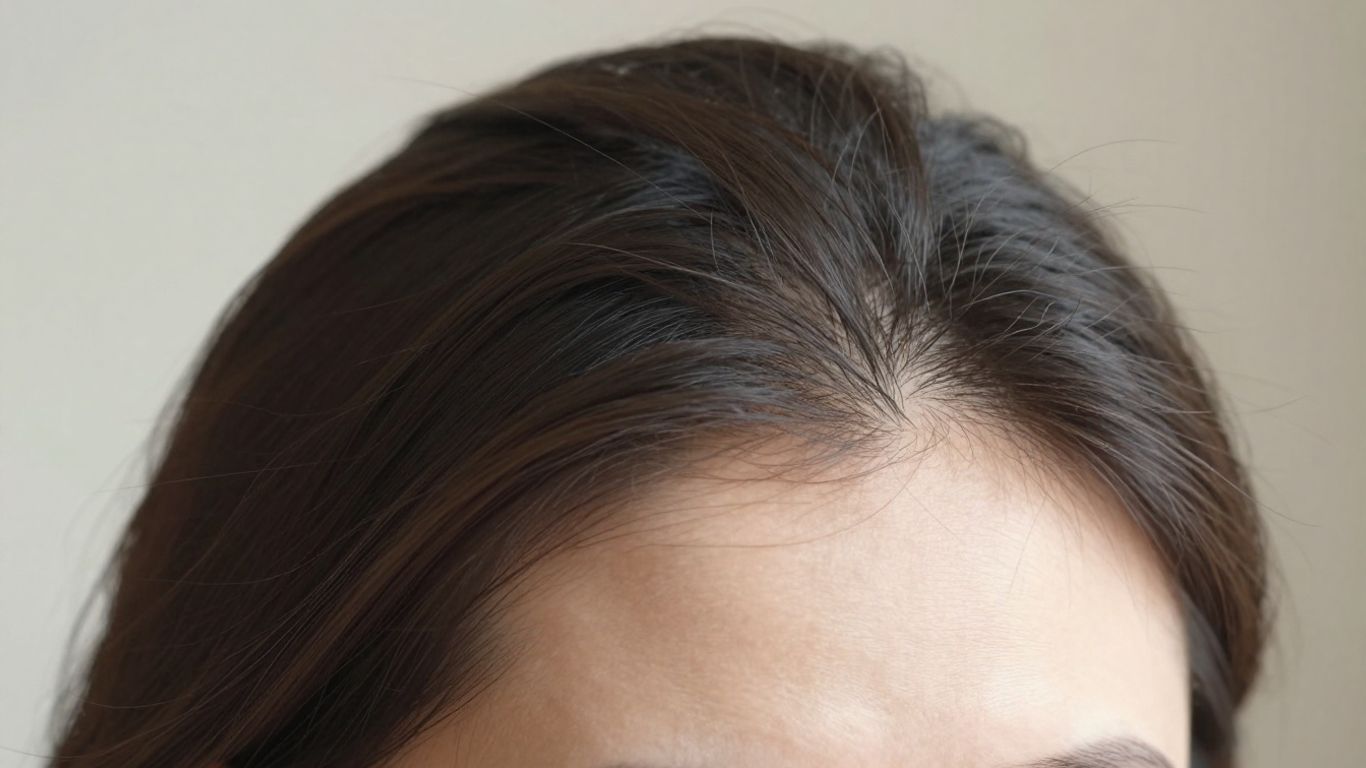
This is probably the most common reason women experience thinning hair. It's often called androgenetic alopecia, and it's basically when your hair follicles start to shrink. The hair that grows back gets finer and shorter over time, and eventually, some follicles might stop producing hair altogether. It's a gradual process, and for women, it usually shows up as a widening of your part or general thinning on the top of your head, while the hairline at the front often stays put. It's thought to be a mix of genetics and hormones, so if your mom or grandma dealt with thinning hair, you might be predisposed too. It's not just something that happens when you're older, either; some women start noticing it in their 30s, especially if it runs in the family.
Understanding Telogen Effluvium
Telogen effluvium is a bit different. Instead of follicles shrinking, it's more about a sudden, widespread shedding of hair. This usually happens a few months after a significant stressor. Think of it like this: your hair has a growth cycle, and usually, about 85-90% of your hair is actively growing while the rest is in a resting phase before shedding. With telogen effluvium, a larger-than-normal chunk of your hair gets pushed into that resting phase all at once. Then, a few months later, all those hairs shed around the same time.
What kind of stressors can trigger this?
- Major surgery or illness
- Childbirth
- Significant emotional stress (like a death in the family or job loss)
- Sudden weight loss or extreme dieting
- Starting or stopping certain medications
The good news is that telogen effluvium is usually temporary. Once the stressor is removed or resolved, your hair often starts to grow back within several months.
Alopecia Areata and Autoimmune Factors
Alopecia areata is an autoimmune condition. This means your immune system, which is supposed to fight off germs, mistakenly attacks your hair follicles. It's not like female pattern hair loss where follicles shrink; here, the immune system essentially tells the follicles to stop growing hair. This often results in patchy hair loss, meaning you might see smooth, round bald spots on your scalp. Sometimes it can affect other body hair too, like eyebrows or eyelashes.
It's unpredictable, and the hair can sometimes grow back on its own, only to fall out again later. For some people, it can be more widespread. While the exact cause isn't fully understood, genetics and environmental triggers are thought to play a role. It's a condition that requires a different approach to treatment compared to other types of hair loss because it involves the immune system's response.
Key Factors Contributing to Hair Loss in Women
So, what's really going on when hair starts to thin out? It's not just one thing, usually. A lot of times, it's a mix of what you're eating, how stressed you are, and if you've got any underlying health stuff going on. It's like a puzzle, and figuring out the pieces is the first step to finding a solution.
Nutritional Deficiencies and Hair Health
Your hair needs good stuff to grow strong, just like the rest of your body. If you're not getting enough of certain vitamins and minerals, your hair can really suffer. Think of it like trying to build a house without enough bricks – it's just not going to be sturdy.
- Iron: Low iron, or anemia, is a big one for women. It can make your hair fall out more than usual. Your body needs iron to make hemoglobin, which carries oxygen to your hair follicles. Without enough oxygen, they can't do their job.
- Vitamin D: This vitamin seems to play a role in hair follicle cycling. Not having enough might mess with how your hair grows and rests.
- Zinc and Biotin: These are often talked about for hair health. Zinc helps with hair tissue growth and repair, and biotin is a B vitamin that's important for making keratin, the protein your hair is made of.
- Protein: Hair is mostly protein, so if your diet is low in protein, your body might start conserving it by slowing down hair growth.
It's not always about taking a ton of supplements, though. Sometimes, it's just about eating a more balanced diet. Foods like lean meats, fish, eggs, beans, and leafy greens can help make sure you're getting what you need.
The Impact of Stress on Hair Growth
Life throws curveballs, and when you're under a lot of pressure, your body can react in ways you might not expect. Stress doesn't just make you feel frazzled; it can actually trigger hair loss. This often shows up as telogen effluvium, where a large number of hairs enter the resting phase and then shed a few months later. It's like your body is saying, 'Okay, too much is happening, let's put hair growth on pause.'
The connection between stress and hair loss is pretty direct. When your body is in fight-or-flight mode, it diverts resources away from non-essential functions, and hair growth can be one of the first things to get sidelined. It can take a while for things to get back to normal, even after the stressful period has passed.
Managing stress is key here. Things like regular exercise, getting enough sleep, mindfulness, or even just taking time for hobbies you enjoy can make a big difference. It's about finding ways to calm your system down.
Underlying Medical Conditions
Sometimes, hair loss is a sign that something else is going on in your body. It's like a little flag waving, telling you to get things checked out. Several medical conditions can lead to thinning hair:
- Thyroid Problems: Both an overactive (hyperthyroidism) and underactive (hypothyroidism) thyroid can cause hair thinning all over your scalp. The thyroid gland controls your metabolism, and when it's out of whack, it affects many body functions, including hair growth.
- Polycystic Ovary Syndrome (PCOS): This hormonal disorder can cause a range of symptoms, including hair thinning on the scalp (similar to male or female pattern baldness) and excess hair growth elsewhere on the body. It's related to imbalances in reproductive hormones.
- Autoimmune Diseases: Conditions like alopecia areata, where the immune system mistakenly attacks hair follicles, can cause patchy hair loss. Other autoimmune diseases can also sometimes lead to more generalized thinning.
If you suspect an underlying medical condition is contributing to your hair loss, it's really important to see a doctor. They can run tests to figure out what's going on and recommend the right treatment. Getting a proper diagnosis is the most important step in addressing hair loss effectively.
Exploring Genetic Predispositions
It's pretty common knowledge that things like your parents' genes can influence your hair color or texture. Well, it turns out genetics also plays a significant role in why some women experience hair thinning or loss. It's not just about one single gene; it's often a complex mix that can make you more likely to develop certain types of hair loss, like female pattern hair loss (FPHL).
Genetic Variants and Hair Loss
Scientists have been looking into specific gene variations, often called SNPs (single nucleotide polymorphisms), to see how they connect to hair loss. While many studies have focused on genes linked to male pattern baldness, research is ongoing to pinpoint the exact genetic markers for women. Some studies have found associations in certain populations, like with the AR/EDA2R gene, but the results aren't always consistent across different ethnic groups. This suggests that the genetic picture for female hair loss is quite varied.
Family History and Hair Loss Risk
If hair loss runs in your family, especially on your mother's side, it might increase your chances of experiencing it yourself. This inherited tendency is a big piece of the puzzle. It's not a guarantee you'll lose your hair, but it does mean you might be more susceptible. Understanding your family's history can be a helpful clue when trying to figure out the cause of your hair thinning.
The genetic landscape of hair loss is intricate. While we've identified some potential links, the exact mechanisms and how they interact with other factors are still being explored. This complexity means that what affects one person might not affect another in the same way, highlighting the need for personalized approaches to understanding and managing hair loss.
Here's a look at some genes that have been studied in relation to hair loss, though their direct impact on female hair loss can vary:
- AR/EDA2R: Often linked to male pattern baldness, its connection to female hair loss is still being investigated and shows mixed results across different populations.
- CYP19A1: Some studies have noted a connection, particularly in certain ethnic groups, where specific gene variations might be more common in individuals experiencing hair loss.
- ESR2: This gene has shown some association with hair loss in specific studies, suggesting a potential role in how hair follicles respond to hormonal changes.
- HSD3B1: Variants in this gene have been linked to increased androgen production, which can contribute to hair loss, especially in conditions like PCOS.
Hormonal Imbalances and Hair Loss
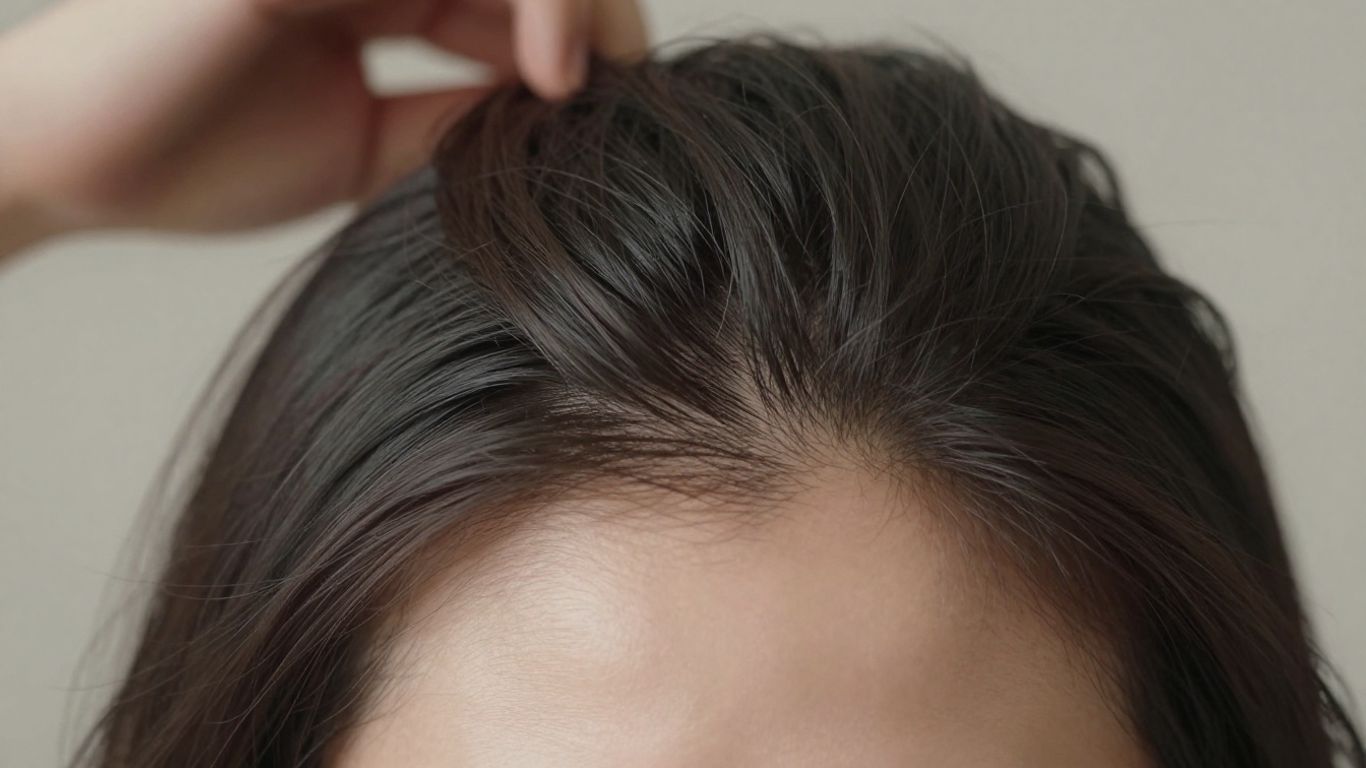
Hormones are like the body's messengers, and when their levels get out of whack, it can really mess with your hair. It's a super common reason why women experience thinning hair or even more significant hair loss. Think of it as a delicate balance, and when that balance is tipped, your hair follicles can suffer.
Androgenetic Alopecia and Hormones
This is probably the most talked-about hormonal culprit, often called female pattern hair loss. It's not just about having too much of certain hormones, but also how your hair follicles respond to them. Specifically, androgens, like testosterone, play a role. While we often associate these with men, women have them too. In some women, hair follicles become more sensitive to these androgens over time. This sensitivity can lead to a gradual thinning, usually starting at the part line and spreading outwards. The key here is that the hair follicles themselves are shrinking, producing finer, shorter hairs until they eventually stop producing hair altogether. It's a slow process, and understanding this sensitivity is key to managing it. Research into specific genes and how they interact with hormones is ongoing, trying to pinpoint why some women are more affected than others.
Polycystic Ovary Syndrome (PCOS) and Hair Loss
PCOS is a condition that affects many women, and hair loss is one of its less-discussed symptoms. Women with PCOS often have higher levels of androgens than is typical. This hormonal imbalance can trigger the same kind of hair thinning seen in androgenetic alopecia. It's not just about hair on the head, either; some women with PCOS might notice increased hair growth in other areas, like the face or chest, while their scalp hair thins. It's a confusing mix, and it really highlights how interconnected our hormonal systems are. If you have PCOS and are noticing hair changes, it's definitely worth discussing with your doctor.
Menopause and Hair Changes
As women go through menopause, their bodies undergo significant hormonal shifts, particularly a drop in estrogen levels. Estrogen usually helps keep hair growing longer and thicker. When estrogen decreases, and the balance shifts towards androgens, hair can start to thin. It's a natural part of aging for many, but it can still be upsetting. This is why understanding the biology of hair follicles becomes so important during this life stage. Some women find that hormone replacement therapy can help, while others explore different treatments to manage the thinning. It's a time of adjustment, and hair changes are often part of that picture.
Here's a quick look at how hormone levels can change and potentially affect hair:
- Estrogen: Generally supports hair growth. Levels typically decrease during menopause.
- Progesterone: Also plays a role in hair growth. Levels can fluctuate throughout the menstrual cycle and decrease after menopause.
- Androgens (like Testosterone and DHT): Can contribute to hair thinning in women when levels are too high or follicles are too sensitive.
It's important to remember that these hormonal changes don't affect everyone the same way. Genetics, overall health, and lifestyle all play a part in how your hair responds to these shifts. Talking to a healthcare provider is the best first step to figure out what's going on with your specific situation.
Wrapping It Up
So, we've talked a lot about why hair might be thinning or falling out. It's clear that there isn't just one reason for it, and it can be a mix of things like hormones, genetics, stress, or even just how our bodies change over time. The good news is, you're not alone in this, and there are ways to figure out what's going on and what can be done. Whether it's trying out new treatments, making some lifestyle tweaks, or just getting a better handle on your overall health, understanding the cause is the first step. It might take some patience and trying different things, but finding the right approach can really make a difference in how your hair looks and how you feel about it.
Frequently Asked Questions
What is the most common reason for hair loss in women?
The most common type of hair loss in women is called female pattern hair loss, also known as androgenetic alopecia. It often runs in families and is linked to hormones and genes. It usually causes thinning on the top of the head, making the hair part look wider.
Can stress cause hair to fall out?
Yes, stress can definitely cause hair loss. When you're under a lot of stress, your body can go into a state where more hairs than usual enter the shedding phase. This is often temporary and hair can grow back once the stress is managed.
Are there different types of hair loss in women?
Absolutely! Besides female pattern hair loss, there's also telogen effluvium, which is often triggered by stress or illness, causing sudden shedding. Alopecia areata is another type where the immune system attacks hair follicles, leading to patchy hair loss.
How do doctors figure out why a woman is losing hair?
Doctors usually start by asking about your health history, family history, and lifestyle. They might also do a physical exam of your scalp, sometimes using a special magnifying tool called a dermatoscope. Sometimes, blood tests are needed to check for things like hormone levels or vitamin deficiencies.
Can nutrition play a role in hair loss?
Yes, what you eat matters for your hair! Not getting enough important vitamins and minerals, like iron or vitamin D, can sometimes lead to hair thinning or loss. Eating a balanced diet is important for healthy hair.
Does menopause affect hair loss?
Menopause can often lead to changes in hair. As hormone levels shift during menopause, some women notice their hair becoming thinner or drier. This is related to the hormonal changes happening in the body.