

Understanding Average Hair Loss Per Day: What's Normal and When to Seek Advice
It's pretty common to find a few extra hairs on your brush or in the shower drain. You might wonder if this is normal or if something's up. Most of the time, a little bit of shedding is just part of how hair works. This article breaks down what's considered a typical amount of hair loss per day and when it might be a good idea to chat with a doctor about it. We'll look at why hair falls out naturally and what factors can change that number.
Key Takeaways
- Losing between 50 to 100 hairs daily is generally considered normal due to the natural hair growth cycle.
- Several factors, including genetics, hormones, stress, and nutrition, can influence how much hair you shed.
- Tracking your hair loss patterns can offer insights into your overall health and potential underlying issues.
- Sudden, patchy hair loss, or significant shedding beyond the typical range, warrants professional medical advice.
- Distinguishing between normal shedding and conditions like alopecia is important for timely and appropriate action.
Understanding Your Daily Hair Shedding
It's pretty common to find a few extra strands of hair in your brush or shower drain and immediately start to worry. But here's the thing: losing some hair every single day is totally normal. It's just part of how our hair works, and understanding this process can actually be pretty reassuring. Think of it like your body naturally refreshing itself.
The Natural Hair Growth Cycle Explained
Your hair doesn't just grow and fall out randomly. It actually follows a pretty predictable cycle, and knowing about it helps explain why you see hair on your pillow.
- Anagen (Growth Phase): This is the main event, where your hair is actively growing. This phase can last for a really long time, anywhere from two to seven years. Most of your hair, about 85-90%, is in this stage at any given time.
- Catagen (Transition Phase): This is a short, in-between phase that lasts only a couple of weeks. Hair growth stops, and the follicle starts to shrink.
- Telogen (Resting/Shedding Phase): This is the phase where hair is basically resting before it falls out. It lasts about two to four months. During this time, the old hair is released, and a new hair starts to grow in its place. About 10-15% of your hair is usually in this phase.
What Constitutes Normal Hair Loss Per Day?
So, how much hair loss is actually considered normal? Most experts agree that losing between 50 to 100 hairs daily is within the typical range for healthy adults. This number can sometimes be a bit higher on days when you wash your hair because the water and shampooing can loosen hairs that were already in the resting phase. It's a natural part of the cycle, making way for new growth. If you're curious about your own shedding, keeping a simple log can help you spot patterns over several weeks.
Why Some Hair Loss Is Expected
It might seem counterintuitive, but shedding is actually a sign that your hair growth cycle is working correctly. Without this shedding, old hairs would just hang around, preventing new, healthy hair from emerging. It's a constant process of renewal. The key is that the number of hairs shed stays relatively consistent over time, and new hair continues to grow in.
The daily shedding of hair is a natural biological process, a sign that your scalp is functioning as it should and preparing for new growth. It's not a sign of a problem unless the shedding becomes significantly more than usual or you notice thinning.
Remember, this daily shedding is a normal part of life. It's when you see a sudden increase or noticeable thinning that it might be time to pay closer attention.
Factors Influencing Hair Loss
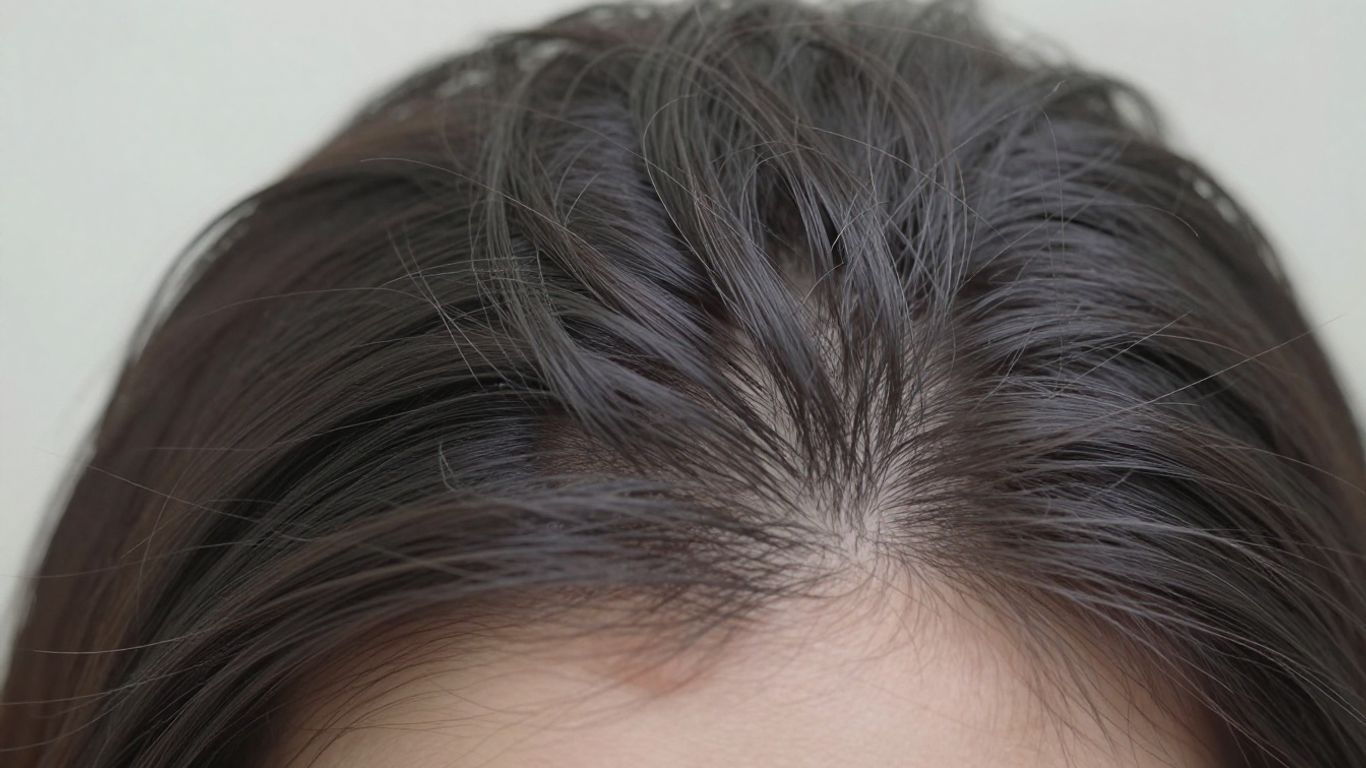
So, why does hair fall out? It's not just one thing, really. Lots of stuff can mess with your hair's normal shedding cycle. Think of it like a complex system where different parts can get out of whack.
Genetic and Hormonal Predispositions
This is a big one for many people. Your genes pretty much set the stage for how your hair will behave over time. If hair loss runs in your family, you might be more likely to experience it too. This is often linked to how your body's hormones interact with your hair follicles. For instance, conditions like male-pattern baldness or female-pattern baldness are directly tied to genetics and hormone sensitivity. Hormonal shifts during different life stages – like puberty, pregnancy, menopause, or even thyroid issues – can also throw your hair cycle off balance, leading to noticeable shedding.
Lifestyle and Environmental Impacts
What you do and where you live plays a part too. Your daily habits and the world around you can really affect your hair. Eating a diet that's missing key nutrients, like iron or certain vitamins, can weaken your hair. Similarly, the stress you deal with, whether it's from work or personal life, can trigger your hair to shed more than usual. Even things like pollution in the air or harsh weather can impact your scalp and hair health. And let's not forget how we treat our hair – tight hairstyles, chemical treatments, or excessive heat styling can cause breakage and even lead to a type of hair loss called traction alopecia.
The Role of Stress and Nutrition
Stress and what you eat are super important. When you're under a lot of stress, your body releases hormones that can disrupt the normal hair growth cycle, often leading to a temporary increase in shedding a few months later. It's like your body prioritizes other functions over hair growth when it's in survival mode. On the flip side, good nutrition is like fuel for your hair. If you're not getting enough protein, vitamins, and minerals, your hair follicles might not get what they need to grow strong, healthy hair. This can make your hair more prone to breaking and falling out.
It's easy to blame one single cause for hair loss, but the truth is, it's usually a combination of factors. Your genetics might make you susceptible, but your lifestyle choices and environmental exposures can either help protect your hair or speed up the process.
Here's a quick look at some common influences:
- Genetics: Predisposition to pattern baldness.
- Hormones: Changes during life stages or from conditions like thyroid problems.
- Stress: Physical or emotional shocks can trigger shedding.
- Nutrition: Deficiencies in iron, protein, vitamins, and minerals.
- Environment: Pollution, UV exposure, extreme temperatures.
- Hair Care: Tight styles, harsh treatments, excessive heat.
When to Seek Professional Guidance
Look, we all shed some hair. It's totally normal. But sometimes, that shedding goes from a little bit of fuzz on your brush to a full-blown hair-raising experience. If you're starting to wonder if your hair loss is more than just a bad hair day, it might be time to chat with a doctor or a dermatologist. They're the folks who can actually figure out what's going on.
Recognizing Signs of Abnormal Hair Loss
So, how do you know if it's time to make that appointment? It's not just about counting hairs, though that can be part of it. Keep an eye out for these things:
- Sudden or Patchy Loss: Did you notice a bald spot appear out of nowhere? Or is your hair suddenly falling out in clumps? That's usually not normal shedding.
- Scalp Changes: Is your scalp feeling itchy, red, or scaly? Sometimes, skin issues on your scalp can lead to hair loss.
- Other Symptoms: If your hair loss is happening alongside other weird stuff, like unexplained fatigue, weight changes, or feeling generally unwell, it's worth mentioning to your doctor.
Warning Signs Beyond Typical Shedding
Sometimes, hair loss is a signal from your body that something else is up. It's like a little flag waving, saying, "Hey, check this out!" For instance, if you're losing way more than the usual 50 to 100 hairs a day, and it's been going on for a while, that's a pretty big clue.
Here are some things that might mean it's more than just normal shedding:
- Persistent Loss: If you're consistently losing over 100 hairs daily for weeks or months.
- Thinning All Over: Not just a receding hairline, but a noticeable thinning across your entire scalp.
- Breakage: Hair that breaks off easily, not just falls out from the root.
It's easy to get caught up in the day-to-day worry about hair falling out. But remember, your hair can sometimes be a window into your overall health. Paying attention to these signs isn't just about your hair; it's about taking care of yourself.
Diagnostic Approaches for Hair Loss Concerns
When you see a professional, they won't just guess. They have ways to figure things out. They'll likely ask you a bunch of questions about your health history, your family history, and your lifestyle. They'll probably take a good look at your scalp and hair, maybe even pull on a few strands to see how easily they come out.
Sometimes, they might suggest tests:
- Blood Tests: These can check for things like iron deficiency, thyroid problems, or hormone imbalances.
- Scalp Biopsy: In rare cases, they might take a tiny sample of your scalp to examine under a microscope.
Based on what they find, they can then talk to you about what might be causing the hair loss and what your options are for treatment. The sooner you get it checked out, the better chance you have of addressing the root cause.
Tracking Your Hair Loss Patterns
The Importance of Monitoring Shedding
It might seem a bit obsessive, but keeping an eye on how much hair you're losing each day can actually tell you a lot. Think of it like a little health check-in for your body. Most of us shed somewhere between 50 to 100 hairs daily, and that's totally normal because of how hair grows and rests. But if you start noticing a big jump in that number, or if your hair starts thinning out in a way that doesn't feel right, it could be an early signal that something else is going on. Paying attention to these changes can help you catch potential health issues before they become bigger problems. It's like having a heads-up from your body.
Tools and Techniques for Tracking
So, how do you actually keep track? You don't need fancy equipment, though there are apps for that now if you're into that sort of thing. A simple notebook and pen work just fine. Just jot down the date and roughly how many hairs you find on your brush, in the shower drain, or on your pillow. You can even take photos every week or two to see if there are any visible changes in thickness or density. Some people find it helpful to use a small baggie to collect shed hairs over a 24-hour period and then count them. The key is to be consistent, whatever method you choose.
Here's a basic way to log your findings:
- Date: When you did the check.
- Source: Where you found the hair (e.g., brush, shower, pillow).
- Estimated Count: A rough number (e.g., "a few," "handful," "lots").
- Notes: Any other observations, like hair texture or scalp condition.
Hair Loss as an Indicator of Overall Health
Sometimes, what looks like just a hair problem is actually a sign of something deeper. For instance, a sudden increase in shedding could point to nutritional deficiencies, like not getting enough iron or protein. It might also be linked to hormonal shifts, perhaps from thyroid issues or even just significant stress. If you're experiencing other symptoms alongside hair loss, like fatigue or unexplained weight changes, it's definitely worth mentioning to your doctor. They can run tests to see if there's an underlying medical reason.
It's easy to get caught up in the cosmetic aspect of hair loss, but remember that your hair is connected to your whole body. Changes in your hair can sometimes be your body's way of telling you it needs a little extra attention in other areas.
Distinguishing Normal Shedding from Hair Loss
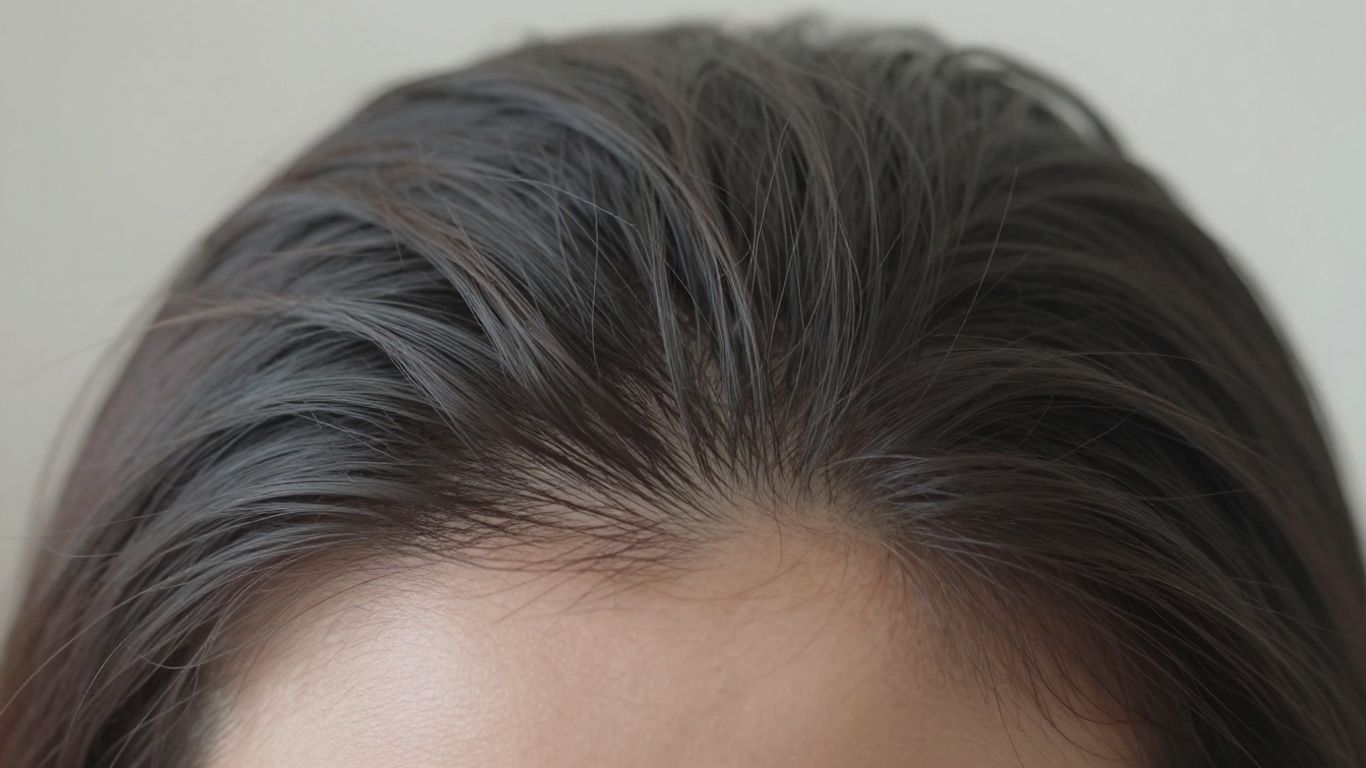
It's easy to get a little freaked out when you see a clump of hair in your brush or notice more strands than usual in the shower drain. But here's the thing: losing some hair every day is totally normal. It's part of your hair's natural life cycle. The real trick is figuring out when that daily shedding crosses the line into something that might need a closer look.
Key Differences in Hair Fall
Think of it like this: normal shedding is like old leaves falling off a tree in autumn – it's expected and happens all the time. True hair loss, on the other hand, is more like the tree itself starting to die off, with fewer and fewer new leaves appearing. The hairs you shed normally are usually mature, full-length strands that have just finished their job. When you're experiencing actual hair loss, you might notice thinning overall, a widening part, or even bald spots. The new hairs that try to grow might also be finer and weaker than before.
Here’s a quick rundown:
- Normal Shedding: Old hairs naturally fall out to make way for new ones. You typically lose between 50 to 100 hairs daily. Your scalp still looks full.
- Abnormal Hair Loss: This is when hair follicles stop producing hair, or produce much weaker hair. You might see a noticeable increase in shedding (way more than 100 hairs), thinning areas, or a receding hairline.
Understanding Excessive Shedding
So, what exactly counts as 'excessive'? If you're consistently finding significantly more than 100 hairs on your brush, pillow, or in the shower, it's worth paying attention. This kind of increased shedding, often called telogen effluvium, can happen after a stressful event, a major illness, or even significant dietary changes. It's like your body hitting a temporary pause button on hair growth for a lot of hairs at once.
Sometimes, what feels like a lot of hair loss is just a temporary phase. Your body might be reacting to something, pushing more hairs into the resting stage than usual. This doesn't always mean permanent damage, but it's a signal that something is up.
When to Consult a Doctor About Hair Loss
If you're noticing a sudden, dramatic increase in hair shedding, or if you see thinning patches or a receding hairline that doesn't seem to be improving, it's a good idea to chat with a doctor or a dermatologist. They can help figure out if there's an underlying cause, like a vitamin deficiency, a thyroid issue, or hormonal changes, that needs to be addressed. Don't just brush it off; early detection can make a big difference in managing hair loss and keeping you healthy overall.
Wrapping Up Your Hair Loss Questions
So, we've talked about how losing around 50 to 100 hairs a day is pretty normal for most people. It's just part of your hair's natural cycle. But if you're seeing way more hair than usual, or if it's coming out in patches, that's when it's a good idea to chat with a doctor. They can help figure out if something else is going on, like stress or a vitamin shortage. Don't just sit there worrying about it; getting a professional opinion can bring real peace of mind and help you get back to feeling good about your hair.
Frequently Asked Questions
How much hair is normal to lose each day?
It's totally normal to lose about 50 to 100 hairs every day. This happens because your hair goes through a natural cycle of growing, resting, and then falling out to make way for new hair.
What things can make me lose more hair than usual?
Lots of things can affect hair loss, like your family genes, changes in your body's hormones, how much stress you're under, what you eat, and your general health. Sometimes even the weather or how you style your hair can play a part.
How can I keep track of how much hair I'm losing?
You can try keeping a diary of when you notice more hair falling out. You could also pay attention to how your hair feels and looks, or use special apps or tools that help you track your hair shedding over time.
When should I think about seeing a doctor for my hair loss?
If you suddenly start losing a lot of hair, or notice bald spots, or if your scalp looks different (like red or flaky), it's a good idea to see a doctor. Also, if you're losing hair along with other strange symptoms like feeling really tired or losing weight without trying, you should get it checked out.
Is it okay to lose more hair when I wash or brush it?
Yes, that's usually fine! When you wash or brush your hair, the water and movement can help loosen hairs that were already ready to fall out because they were in their resting phase.
Can stress really cause my hair to fall out?
Yes, it really can. Big stressful events, whether they are emotional or physical, can push a lot of your hair into the resting stage all at once, leading to more shedding for a while.