

Top Hair Loss Treatments for Women: Expert-Approved Solutions for 2026
Dealing with hair loss can be tough, but there are many effective ways to help your hair grow back. Here are some of the main things to keep in mind when looking for the best hair loss treatment for women.
Key Takeaways
- Minoxidil and Spironolactone are common medical treatments that can help regrow hair or block hormones causing loss.
- Treatments like PRP therapy and Low-Level Laser Therapy use advanced methods to stimulate hair growth.
- Supplements and brands like Nutrafol, Hers, Happy Head, and Ro offer various solutions, from pills to shampoos.
- Understanding the cause of your hair loss, whether it's genetics, hormones, stress, or diet, is key to finding the right treatment.
- Be patient! Most treatments take several months to show results, and consistency is important for success.
1. Minoxidil
Minoxidil is a topical treatment that's been around for a while, and it's one of the most common go-to options for women experiencing hair thinning. You might know it by its brand name, Rogaine, but there are also plenty of generic versions available now. It works by helping to improve blood flow to your hair follicles, which can encourage new hair growth.
When you start using minoxidil, it's important to be patient. You won't see results overnight. Most people start noticing some improvements within three to six months of consistent, daily use. The effect often gets better over time, but you have to keep using it to maintain those gains. If you stop, the hair loss will likely start up again.
Here's a quick rundown on how to use it:
- Make sure your scalp and hair are completely dry before applying.
- Use the included dropper or spray to apply the solution (either 2% or 5%) directly to the areas where you're experiencing thinning.
- Gently massage it into your scalp to help it reach the hair follicles.
- Let your hair air dry afterward and avoid washing it for at least four hours.
- Wash your hands thoroughly after application and wipe away any drips on your forehead or face.
Some women find that the alcohol in the solution can cause scalp irritation or dryness. If this happens, you might want to try a foam version or talk to your doctor about alternatives. Occasionally, new hair might grow in with a different texture or color than your existing hair, and in rare cases, excessive hair growth can occur in other areas, especially with the 5% solution. It's a well-established treatment, and you can find it over-the-counter, making it an accessible option for many women's hair loss treatments.
Minoxidil is not a magic bullet. It can help stimulate some new growth, often finer hair, but it doesn't typically restore hair to its original thickness. Think of it as a way to slow thinning and encourage what you have to grow better, rather than a complete reversal.
2. Spironolactone
Spironolactone is a medication that's often prescribed for women dealing with hair loss, especially when it's linked to hormones. It works by blocking androgens, which are sometimes called 'male' hormones, but women have them too. When androgen levels are too high, they can shrink hair follicles, leading to thinning. This is particularly helpful for women with conditions like PCOS, where androgen production can be elevated. It's a prescription medication, so you'll need to talk to your doctor about whether it's the right fit for you.
It's not a quick fix, though. You might not see changes for a few months, and it can take longer to see the full effect. Some women find it helps reduce shedding, while others notice a bit more thickness over time. It's usually taken as a pill, and doctors often recommend it alongside birth control pills for women of reproductive age, as it shouldn't be taken during pregnancy.
Here's a quick look at what to expect:
- How it works: Acts as an anti-androgen, reducing the effect of hormones that can cause hair loss.
- Best for: Hormonal hair loss, including that related to PCOS.
- Time to results: Several months for noticeable changes, with continued improvement over time.
- Considerations: Requires a prescription; potential side effects can include dizziness or fatigue.
While spironolactone is effective for many, it's important to remember that individual responses can vary. What works wonders for one person might not have the same impact on another. It's always best to have a thorough discussion with your healthcare provider to understand the potential benefits and drawbacks specific to your situation and health history. They can help you manage your hair loss effectively.
Some women might experience side effects like dizziness, increased thirst, or fatigue. It's also worth noting that while it's great for hormonal hair loss, it might not be the best choice if your hair thinning is due to other causes. Getting a proper diagnosis is key to finding the most effective treatment plan, and spironolactone is just one piece of that puzzle for many women seeking to reduce hair shedding.
3. Finasteride
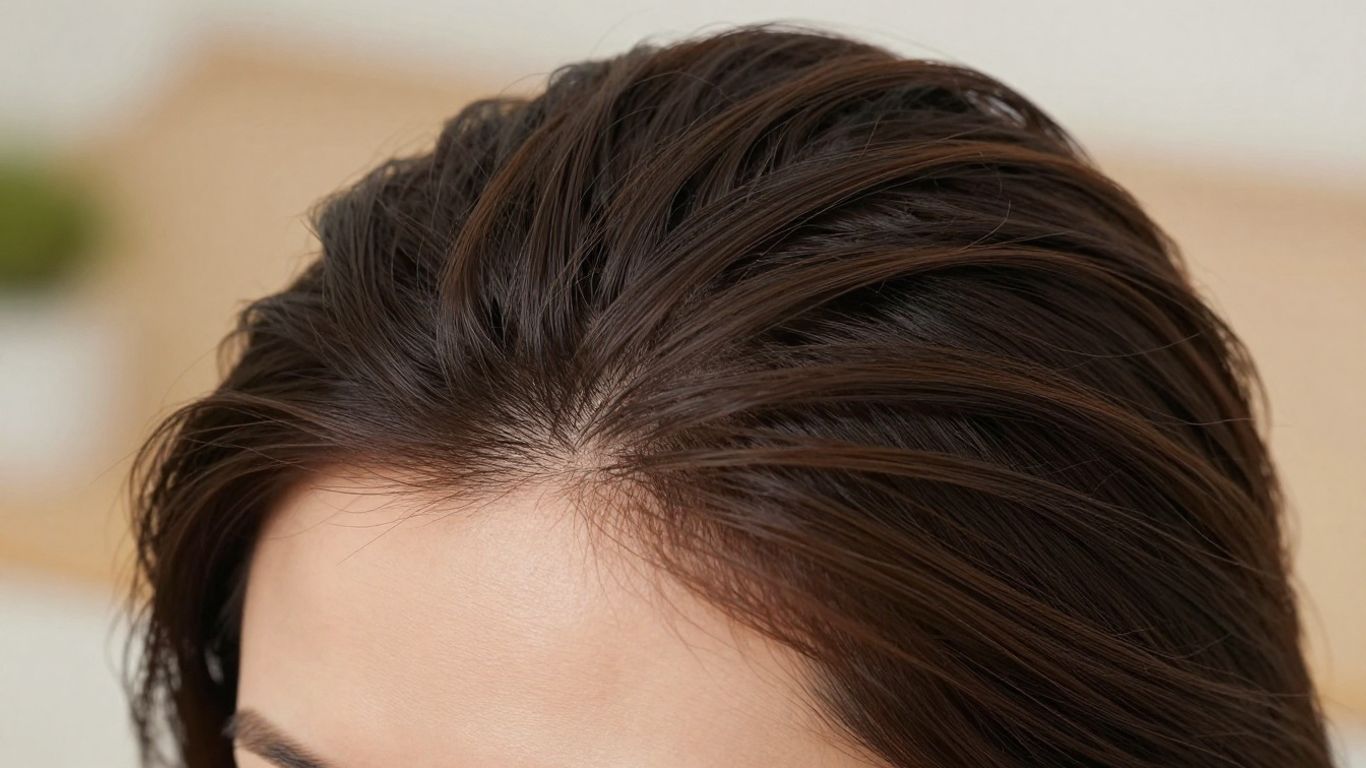
Finasteride is a medication that's often talked about for hair loss, but it's important to know it's primarily approved for men. It works by blocking a hormone called DHT, which is a big player in male pattern baldness. For women, its use is a bit more complicated and usually considered off-label, meaning it's not the first-line treatment and comes with specific warnings.
It's generally not recommended for women who are pregnant or might become pregnant because of potential risks to a developing fetus. This is a really significant point to remember.
While research into finasteride for female hair loss is ongoing, it's not as extensively studied as in men. Some studies suggest it might help in certain situations, particularly for post-menopausal women, but it's not a one-size-fits-all solution. The effectiveness can vary, and it's often used in combination with other treatments.
Here's a quick rundown of key considerations:
- Mechanism: Blocks DHT, a hormone linked to hair thinning.
- Approval Status: Primarily FDA-approved for male pattern hair loss.
- Use in Women: Often off-label, requires careful medical supervision.
- Pregnancy Warning: Absolutely contraindicated for pregnant or potentially pregnant women.
- Potential Side Effects: Can include mood changes and, rarely, sexual side effects, though these are more commonly reported in men.
Because of the hormonal effects and the specific risks for women, especially those of childbearing age, finasteride is a treatment that absolutely needs to be discussed thoroughly with a doctor. They can help you understand if it's a suitable option for your specific type of hair loss and health profile. You can find more details on its use in women in scoping reviews that examine its therapeutic potential.
4. Platelet-Rich Plasma Therapy
Platelet-Rich Plasma, or PRP therapy, is a bit of a buzzword in hair regrowth circles, and for good reason. It's a procedure that uses your own blood to help stimulate hair growth. Sounds wild, right? But there's some science behind it.
Here's generally how it works:
- Blood Draw: A small amount of your blood is drawn, usually from your arm, much like a standard blood test.
- Centrifugation: This blood is then placed in a special machine called a centrifuge. It spins the blood at high speeds, separating it into its different components: red blood cells, white blood cells, plasma, and platelets.
- Concentration: The platelets, which are packed with growth factors, are concentrated in a portion of the plasma. This is your platelet-rich plasma.
- Injection: This concentrated PRP is then carefully injected into areas of your scalp where hair thinning or loss is occurring.
The idea is that these concentrated growth factors signal your hair follicles to enter a more active growth phase and can help rejuvenate dormant ones. It's thought to work by promoting cell reproduction and tissue repair. It's a treatment that's gaining traction because it uses your body's own natural healing mechanisms. Many people find it to be a good option when other treatments haven't quite hit the mark, or they're looking for something that feels more natural. It's often recommended for conditions like androgenetic alopecia, which is common female pattern hair loss. You might need a few sessions to see the best results, and it's usually done in a clinic setting by a trained professional. If you're curious about the journey of your email, understanding the headers can be quite informative, similar to how understanding your body's own processes is key to treatments like PRP.
While PRP therapy is considered safe because it uses your own blood, it's important to remember that results can vary. It's not a magic bullet, and consistency is often key. Discussing your specific situation with a dermatologist or trichologist is the best way to figure out if it's the right path for you. They can assess the cause of your hair loss and explain what you can realistically expect.
It's a procedure that's becoming more accessible, and many clinics now offer it. The process itself isn't overly long, but you'll likely need to schedule multiple appointments over a few months to get the full benefit. Some people report seeing improvements in hair thickness and density after a series of treatments. It's definitely a more involved option than a topical serum, but for some, the potential for significant regrowth makes it worth considering.
5. Low-Level Laser Therapy
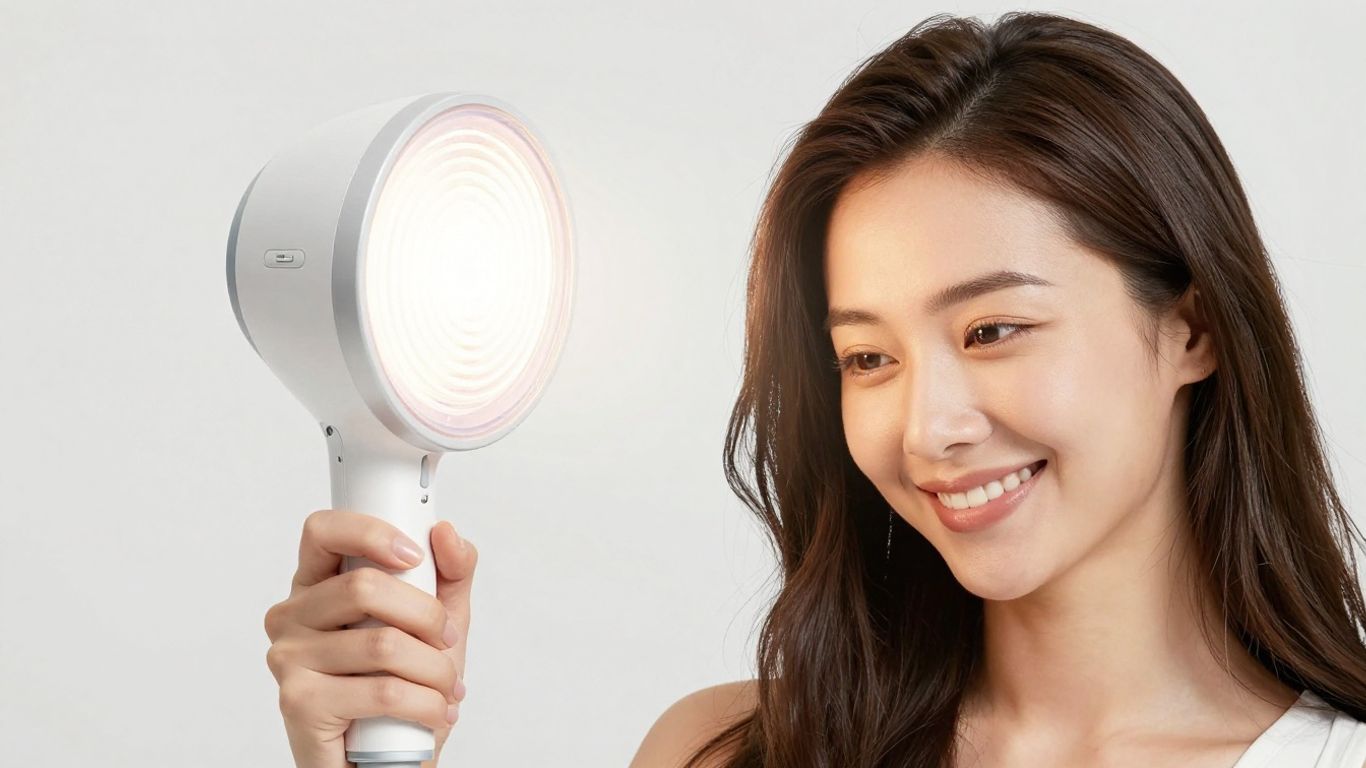
Low-level laser therapy (LLLT) is an intriguing option for women looking to slow down hair loss and maybe even boost hair regrowth. The treatment uses special medical-grade lights that shine on your scalp for short periods—don’t worry, it’s painless and doesn’t heat up your skin. What makes LLLT stand out is its ability to stabilize hair loss in about 90% of users, meaning for most women, shedding either stops or slows way down.
Here’s what you should know about LLLT for hair loss:
- Suitable for mild to moderate hair thinning and postpartum hair loss
- Can be done at clinics or at home with certain devices
- Typically, results start to show up after four to six months of routine sessions
- Consistency is important—you have to keep up with regular sessions to maintain effects
LLLT is generally well tolerated, and side effects are extremely rare. A twelve-month study even recorded lasting improvements in both density and thickness for users who stuck with home treatments. Some folks do prefer starting with a professional’s help though, since there are so many devices out there.
| Key Benefit | Typical Time to See Results | Maintenance Needed |
|---|---|---|
| Hair shedding slowed or paused | 4-6 months | Ongoing sessions |
| Thicker, fuller hair | 6+ months | Yes |
After months of treating my scalp with a wearable LLLT cap, I started to notice lots of little baby hairs popping up on my hairline—more than just wishful thinking!
Curious how it compares to other options? Find out why so many see positive changes with lasting improvements from home-use LLLT.
6. Nutrafol
Nutrafol is a popular choice for women dealing with hair thinning, and it's easy to see why. It's a drug-free supplement, meaning you don't need a prescription to get your hands on it. The whole idea behind Nutrafol is to tackle hair loss from the inside out by focusing on things like stress, hormones, and nutrition. They've got a whole range of products, not just pills, but also things like serums and conditioners, which is pretty neat if you want to try a few different things.
The core of their supplement line is a blend of ingredients like ashwagandha, saw palmetto, vitamin E, and marine collagen peptides. It’s designed to support thicker, stronger hair and reduce shedding. You just take the capsules once a day, which is convenient. However, some people find the pills to be quite large and a bit difficult to swallow, and they do have a slight fishy smell because they contain fish oil. It's also on the pricier side compared to some other options out there.
Nutrafol offers consultations with naturopathic doctors, which is a nice touch. It helps make sure you're picking the right product for your specific needs. If you're a subscriber, you can keep chatting with these doctors at no extra cost, which is super helpful if you need to tweak your treatment plan as you go. They also have a vegan option if that's something you're looking for.
- Key Ingredients: A mix including ashwagandha, saw palmetto, vitamin E, marine collagen peptides, and curcumin.
- Dosage: Typically four capsules once daily with food.
- Availability: Available over-the-counter, with subscription options for 1, 3, or 6 months.
While Nutrafol doesn't offer a money-back guarantee, they do accept returns for unopened items within 30 days. It's worth noting that they don't have a trial period, so you're committing to a purchase upfront.
Many users report seeing improvements, with one clinical study even noting an 80% improvement in hair growth after six months of use. You can find out more about Nutrafol's approach to hair health.
7. Hers
Hers has really made it simple for women dealing with hair loss to get real help, without making things complicated or overwhelming. The company stands out for its straightforward experience, flexible subscription options, and a wide set of products that tackle hair thinning from several angles.
Here’s a quick breakdown of what Hers brings to the table:
- Multiple treatment options: from topical foams and shampoos to oral supplements and biotin gummies, so users can find what’s right for them.
- Subscribers get free, unlimited messaging with medical professionals—super helpful if you’re unsure about anything or want expert support along the way.
- Affordable plans, with subscriptions that run every two, four, or six months, making it easy to stick with a routine over time.
The Hers Triple Threat Shampoo is a fan favorite, especially for people who want something easy to use and gentle. It’s packed with biotin, saw palmetto, and pumpkin seed oil—all well-known for supporting hair growth and helping address different causes of hair thinning. Testers loved simple directions (work into scalp, leave for a minute, rinse) and the fresh scent that actually lingers after washing. The only hang-up is the small bottle size, so it’s smart to use just a small amount each time.
| Feature | Hers Triple Threat Shampoo |
|---|---|
| Active Ingredients | Biotin, Saw Palmetto, Pumpkin Seed Oil |
| Product Type | Topical (Shampoo/Conditioner) |
| Subscription Options | 2, 4, or 6 months |
| Extras | Unlimited messaging for subscribers |
| Cruelty-free | Yes |
If you’re concerned about ease of use, you’re in luck: testers noted that using Hers is very user-friendly, with straightforward instructions and a smooth purchase process.
You can pick a single product or set up a flexible subscription, and you’re not left guessing—Hers offers quick support and a range of choices, so managing hair loss doesn’t have to feel like a chore.
8. Happy Head
Happy Head is a brand that offers a few different approaches to tackling hair loss, and they've really focused on making things easy for people. They have both over-the-counter options and prescription treatments, which is pretty handy. One of their standout products is their Hair Thickening Shampoo. It's formulated by dermatologists and is free from sulfates and parabens, making it a good choice if you have color-treated hair or just prefer gentler ingredients. Testers have mentioned it lathers well and has a nice citrus scent, which is always a plus.
Beyond the shampoo, Happy Head also provides prescription treatments that can include ingredients like minoxidil and finasteride, depending on what a doctor recommends for you. They really emphasize a personalized approach, and you can even get a free consultation with a dermatologist when you sign up. This means they can help tailor a treatment plan specifically for your hair loss situation. It’s a nice way to feel like you’re getting targeted help.
Here’s a quick look at what Happy Head offers:
- Hair Thickening Shampoo: A sulfate-free and paraben-free option that lathers well and smells good.
- Prescription Treatments: Customized formulas that may include minoxidil, finasteride, and other active ingredients.
- Dermatologist Consultations: Free consultations are available to help determine the best treatment path.
They also have a six-month money-back guarantee on their products, though it applies only to your most recent order. This gives you a bit of peace of mind when trying out their hair loss solutions.
Happy Head aims to simplify the hair loss treatment process by combining dermatologist-formulated products with personalized consultations. Their focus on gentle yet effective ingredients in their shampoo, alongside customizable prescription options, makes them a notable player in the market for women seeking solutions.
9. Ro
Ro offers a topical prescription treatment that's pretty straightforward to use. It's designed to help with hair regrowth by increasing blood flow to your scalp and making hair follicles a bit bigger. Many users find it easy to incorporate into their daily routine.
Ro's approach is to provide a serum that you apply directly to your scalp. The idea is that the active ingredients work locally to encourage healthier hair growth. They offer a monthly or a three-month subscription, which can be convenient for keeping up with treatment.
Here's a quick look at what you might expect:
- Application: Typically involves applying a small amount of serum to the scalp, usually twice a day.
- Ingredients: The serum often contains minoxidil, a well-known ingredient for hair regrowth, sometimes combined with other components like tretinoin and melatonin.
- Support: A big plus with Ro is the unlimited follow-ups you get with their medical professionals. This means you can ask questions or adjust your treatment plan as needed without extra charges.
While Ro's topical treatment is designed for ease of use, some users might notice an alcohol-like smell. It's also worth noting that all sales are generally considered final, so it's good to be sure before you commit.
Getting started with Ro involves an online consultation to see if their treatment is a good fit for you. They aim to make the process simple, from signing up to receiving your prescription. You can explore Ro's hair loss treatments to get a better sense of their offerings and how they work.
10. Iron Supplements
Sometimes, hair loss in women can be linked to not having enough iron in your body. This is called iron deficiency, and it's something a doctor can check for with a simple blood test. It's especially common if you're vegetarian, have dealt with anemia before, or experience heavy periods. If you are low in iron, taking a supplement can really help stop hair from falling out.
It's important to know that if your iron levels are already normal, taking extra iron won't help your hair and could actually cause side effects like an upset stomach or constipation.
If your doctor confirms you have an iron deficiency, they'll likely recommend a specific dosage. It's not usually a quick fix, though. You might start seeing a decrease in shedding after about 3-4 months, and new, finer hair could begin to appear between 4-6 months of consistent supplementation. This means sticking with it is key to seeing results.
Here's a quick rundown:
- Check your levels: Always get tested by a doctor before starting supplements.
- Follow doctor's orders: Take the exact amount recommended.
- Be patient: Results take time, usually several months.
- Consider your diet: If you're vegetarian or vegan, talk to your doctor about getting enough iron from food sources too, like leafy greens and beans.
If your hair loss is due to low iron, correcting the deficiency is a direct way to address the problem. However, if your iron levels are fine, adding more won't make a difference and could lead to unwanted issues.
Conclusion
Finding the right hair loss treatment can feel like a journey, but it's totally doable. Remember, what works for one person might not work for another, so be patient with yourself. It often takes time and maybe a bit of trial and error to see real changes. Don't hesitate to chat with a doctor or a dermatologist if you're feeling stuck or unsure. They can help figure out why you're losing hair and point you towards the most effective options. With so many treatments out there, from topical solutions to supplements and medical procedures, you're likely to find something that helps you feel more confident and get back to loving your hair.
Frequently Asked Questions
What is the most common cause of hair loss in women?
A lot of the time, hair loss in women is due to something called female pattern hair loss, which is often genetic. But other things like stress, hormonal changes (like during menopause or after having a baby), or even certain medical conditions can also cause hair to thin or fall out.
How long does it usually take to see results from hair loss treatments?
You generally need to be patient. Most treatments, like Minoxidil, take about 3 to 6 months before you start noticing new hair growth or less shedding. Some might take even longer, so sticking with it is important.
Can I treat hair loss at home?
Yes, you can! Many treatments are available over-the-counter or can be prescribed online. Things like special shampoos, topical solutions (like Minoxidil), and supplements can often be used right at home. Just make sure to follow the instructions carefully.
Are hair loss treatments expensive?
The cost can really vary. Some treatments, like generic Minoxidil or certain supplements, can be pretty affordable. Others, like in-office procedures such as PRP therapy, can cost more. Many online services offer subscription plans that can help spread out the cost.
What if my hair loss is caused by stress?
If stress is the main culprit, the best approach is to manage that stress. Finding ways to relax, like exercise, meditation, or hobbies, can help. Sometimes, hair will start to grow back on its own once the stressful period passes. Doctors might also suggest treatments to help speed things up.
Can I use hair loss treatments if I'm pregnant or breastfeeding?
This is super important to ask your doctor about. Some hair loss medications, like Finasteride, are not safe during pregnancy. Others might be okay, but it's always best to get professional medical advice to make sure both you and your baby are safe.