

Top Hair Loss Products for Men: Your Ultimate Guide to Regrowth
Dealing with thinning hair can be a bummer, but there are options. Here's a quick rundown of what we covered to help you get started on your hair regrowth journey.
Key Takeaways
- Many hair loss products, like Rogaine and Kirkland Minoxidil, are widely available and have proven ingredients like minoxidil.
- Prescription options like oral dutasteride and topical finasteride sprays can be very effective but require a doctor's visit.
- Scalp serums and specialized shampoos, such as those from Act+Acre and DS Laboratories, focus on scalp health and hair density.
- Oral supplements like Nutrafol and even oral minoxidil offer different approaches to hair regrowth from the inside out.
- Consistency is vital; most treatments need several months to show noticeable results, so be patient and stick with your chosen method.
1. Rogaine 5% Minoxidil Foam
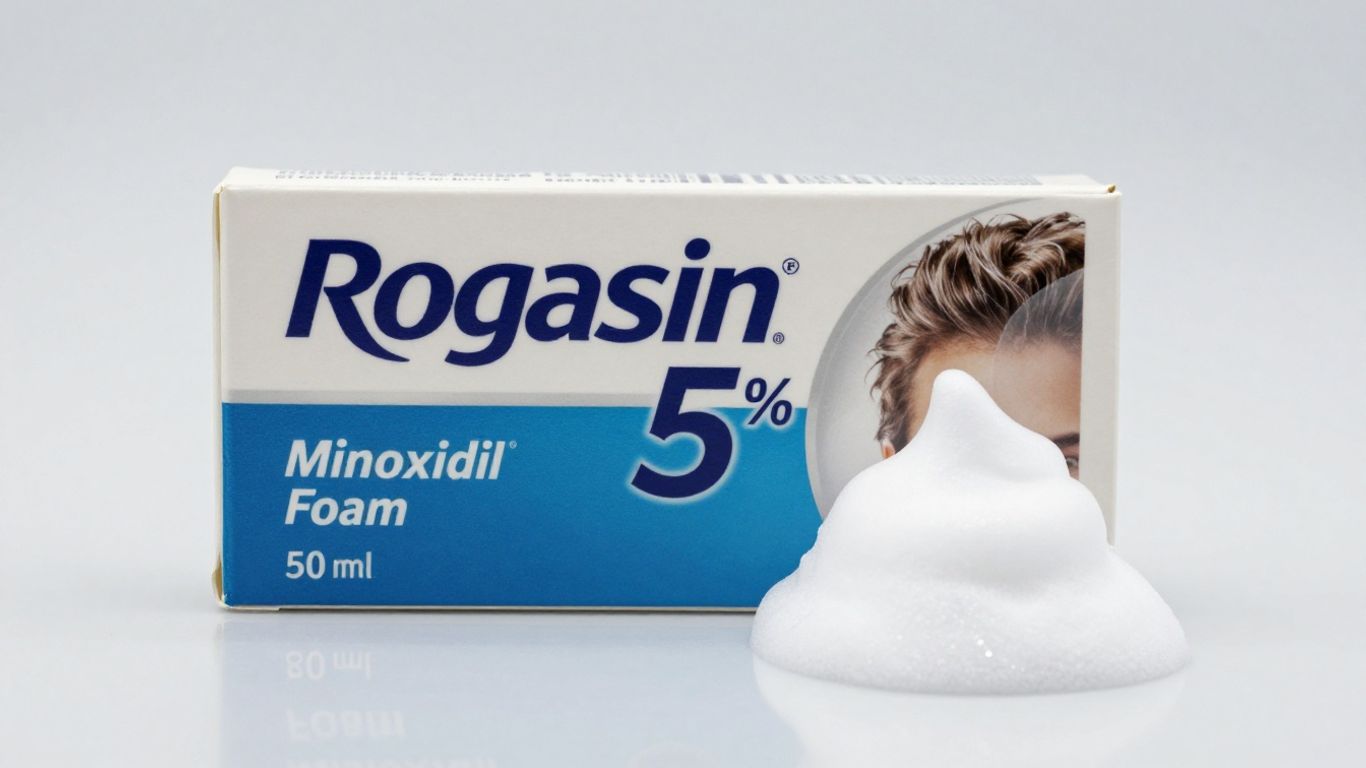
When you're looking for something to help with hair loss, Rogaine 5% Minoxidil Foam is often one of the first things that comes up. It's been around for a while and is pretty widely available, which is nice. This stuff is basically minoxidil, and it's FDA-approved for treating male pattern baldness. The foam application is generally easier to handle than a liquid solution, and it tends to be less irritating for many guys.
How it works is pretty interesting. Minoxidil is thought to widen blood vessels in the scalp, which might help hair follicles get more of what they need to grow. It can also push resting follicles into an active growth phase. You'll likely need to use it consistently, usually twice a day, to see results. Some people notice a bit more shedding at first, but that's often a sign it's starting to work. It's a commitment, though; if you stop using it, the hair loss usually returns.
Here’s a quick rundown of what to expect:
- Application: Apply directly to the scalp, usually twice daily.
- Results: Visible results can take a few months of consistent use.
- Commitment: It's a long-term treatment; stopping will likely reverse gains.
- Formula: The foam is less likely to cause irritation compared to liquid solutions because it doesn't contain propylene glycol.
It's important to remember that while Rogaine is effective for many, it's not a magic bullet. Patience and consistent application are key. If you experience any significant scalp irritation or other adverse reactions, it's a good idea to talk to a doctor about it [a184].
Many users report seeing new, finer hairs appear in areas that were thinning, and over time, these can become thicker. It's a solid option if you're dealing with hair loss at the crown or the top of your head [3116]. Just be sure to wash your hands after applying and let it dry before going to bed to avoid unwanted hair growth elsewhere.
2. Patricks RD1 Spray
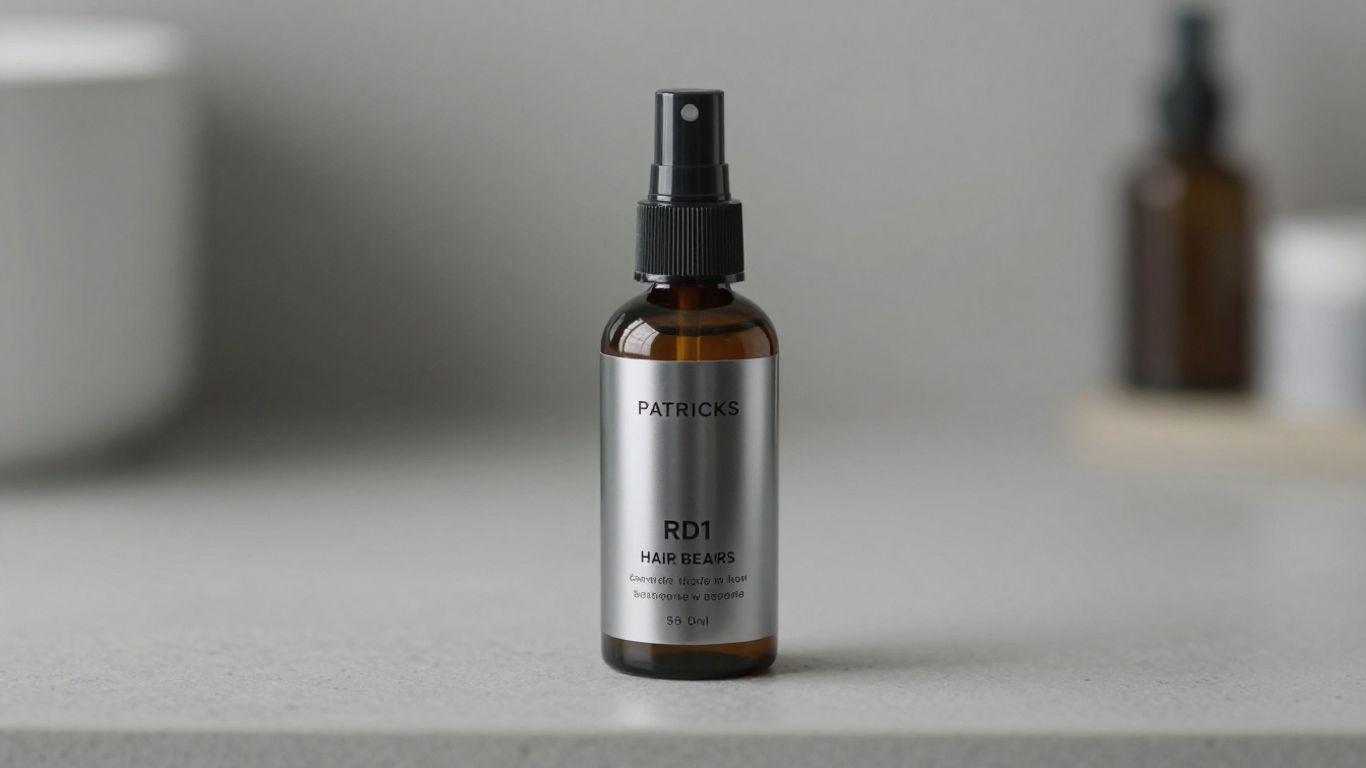
Patricks RD1 Spray is an interesting option if you're looking for something beyond the usual minoxidil or finasteride treatments. It's designed as a multi-tasker, aiming to help with hair loss while also doubling as a styling product. This can be a real time-saver in the morning.
What sets this spray apart are its ingredients. It includes things like Capixyl and Acetyl Tetrapeptide-3, which are known to help block DHT, a hormone that's a major player in male pattern baldness. Plus, it’s got caffeine and biotin, which are thought to be good for stimulating your scalp and hair follicles. It’s a nice approach for those who are hesitant to start on prescription medications for early-stage hair loss.
Here’s a quick look at what it offers:
- DHT Blocking: Ingredients like Capixyl aim to combat a key cause of hair thinning.
- Scalp Health: Caffeine and biotin are included to support a healthy scalp environment.
- Styling Benefits: Adds volume and texture, making it a dual-purpose product.
- Portability: The smaller size makes it easy to carry around.
When I tried it out, I noticed it did help with adding some volume and making my hair feel a bit fuller. It doesn't have that strong chemical smell some other products do, which is a definite plus. While it might not give you the dramatic regrowth results you'd see from something like minoxidil, it's a solid choice for maintaining hair and improving its appearance, especially if you're in the earlier stages of thinning or just want a product that does double duty.
This spray is a good option for prevention or for those who want a product that also helps with styling. It's not a heavy-duty regrowth solution, but it does contribute to a healthier look and feel of the hair and scalp.
Keep in mind that while it contains ingredients that show promise, it doesn't have FDA-approved hair loss drugs like minoxidil. Still, for a daily styling spray that also offers some hair health benefits, it's definitely worth considering. It leaves your hair looking clean and shiny with added volume at the roots and less frizz, plus it has a pleasant scent that isn't overpowering.
3. Act+Acre Cold-Processed Stem Cell Scalp Serum
Okay, so let's talk about the Act+Acre Cold-Processed Stem Cell Scalp Serum. This stuff is pretty interesting because it uses stem cells, which sounds super high-tech, right? The idea is that these stem cells help wake up your hair follicles and get them working again. It’s not one of those products with FDA-approved drugs for hair loss, so don't expect it to work miracles overnight like minoxidil might. But, from what I've seen and heard, it's really good at making your existing hair feel stronger and look healthier. Plus, a lot of people notice they're shedding less hair, which is a big win.
This serum is probably best if you're just starting to notice some thinning or want to keep the hair you have looking its best. It’s more about prevention and supporting what's already there rather than regrowing hair on completely bald spots. It’s a nice addition to a routine if you're already using other treatments or just want to give your scalp some extra love. A healthy scalp is really the foundation for good hair growth, after all.
Here’s a quick rundown of what it aims to do:
- Strengthen existing hair strands.
- Reduce overall hair shedding.
- Support a healthier scalp environment.
- Improve the look and feel of your hair.
When you use it, you typically apply a few pipettes directly to your scalp, usually after showering on clean hair. The brand suggests using it daily for the best results. It doesn't have any harsh chemicals, which is a plus, especially if your scalp gets sensitive from other treatments. It’s a good option for those looking for a more natural approach to hair care and scalp health.
This serum is a solid choice for maintaining hair health and reducing shedding. While it might not be the primary solution for significant hair loss, it plays a supportive role in keeping your hair looking and feeling its best. It’s a good way to give your scalp some extra attention and potentially slow down further thinning.
4. DS Laboratories Revita Hair Density Shampoo
When you're looking for a shampoo that does more than just clean, DS Laboratories Revita Hair Density Shampoo is a solid contender. It's designed with hair loss in mind, aiming to give your existing hair a thicker look and feel. This shampoo is particularly good for those who are just starting to notice thinning hair. It’s not really about regrowing hair that’s already gone, but more about making what you have look and feel healthier and fuller.
Revita uses a blend of ingredients like caffeine, biotin, and amino acids. These are meant to help slow down thinning and keep your scalp in good shape. It also contains things like wheat protein to make hair appear more voluminous and glycerin to keep it hydrated. Unlike some medicated shampoos that can leave your hair feeling dry or stripped, Revita aims for a more pleasant, premium feel.
Here’s a quick look at what it offers:
- Key Ingredients: Caffeine, biotin, amino acids, antioxidants.
- Delivery System: Shampoo.
- Supply: Typically lasts 3-4 months with regular use.
It's a good option if you want to take early action against thinning without immediately jumping to prescription treatments. Many users find it helps their hair look better right away, which can be a nice confidence boost. It’s a product that professionals have recommended for a while now, so it has some history behind it.
This shampoo is formulated to target the root causes of hair thinning, especially for those genetically predisposed to male pattern baldness. It works by using DHT blockers and other beneficial ingredients to support overall hair health and slow down the thinning process. The goal is to make your current hair appear denser and stronger.
If you're looking for a shampoo that feels good to use and offers some real benefits for thinning hair, Revita is definitely worth considering. It’s a step up from your average shampoo and can be a great addition to your hair care routine. You can find it alongside other hair growth treatments, and it's often mentioned as a top choice for its effectiveness in improving hair's appearance. DS Laboratories offers this effective solution for hair health.
5. Nutrafol Hair Mask
Alright, let's talk about the Nutrafol Hair Mask. This isn't your typical conditioner; it's more of a treatment designed to give your scalp some serious TLC. Think of it as a spa day for your head. It works by exfoliating your scalp, getting rid of all that gunk like oil buildup that can really clog things up. This process helps improve blood flow, which is pretty important for healthy hair growth.
The main idea behind this mask is to create a better environment for your hair to grow. It's not really about regrowing hair on its own, but more about supporting whatever other treatments you're using. If you're using something like minoxidil, a clean, well-circulated scalp can help that product work better because it can actually reach where it needs to go. It's like prepping the soil before you plant seeds.
Here's a quick rundown of what it does:
- Exfoliates the scalp: Uses things like AHA fruit acids and jojoba esters to scrub away dead skin and oil.
- Improves circulation: Better blood flow to the scalp means healthier hair follicles.
- Cleanses deeply: Gets rid of buildup that can hinder other treatments.
- Soothes and refreshes: Many users report a cooling, fresh feeling after using it, and it can help with dandruff too.
It's important to know that this mask isn't a magic bullet for hair regrowth. You won't suddenly sprout a full head of hair just by using this. It's more of a supporting player. If you're looking for something to actively regrow hair, you'll likely need to pair this with something else, like a hair growth supplement or a topical treatment. It's a good addition if you're already on a hair regrowth journey and want to optimize your scalp health. Some studies have shown Nutrafol products can lead to visible improvements in hair thickness over time, so this mask could be a nice complement to their other offerings.
This mask is best viewed as a scalp health booster. It cleanses and prepares your scalp, making it more receptive to other hair growth treatments. While it won't regrow hair by itself, it plays a vital role in supporting the effectiveness of products that do.
6. Oral Dutasteride
When it comes to tackling male pattern baldness, oral dutasteride is often considered a heavy hitter. It works by inhibiting both types of the 5-alpha reductase enzyme, which is key in converting testosterone to dihydrotestosterone (DHT). DHT is the hormone primarily responsible for shrinking hair follicles in those genetically predisposed to hair loss. Finasteride, another common treatment, only targets one of these enzyme types, which is why dutasteride is frequently seen as more potent.
This increased potency, however, can come with a higher chance of experiencing side effects, particularly sexual ones, compared to finasteride. It's a trade-off many men consider when weighing their options. Because of its effectiveness, dutasteride is a popular choice, but it's important to discuss the potential risks with your doctor. Some studies suggest that a thrice-weekly dosing schedule might offer superior results compared to twice-weekly, while maintaining a similar safety profile.
Here's a quick look at what to expect:
- Mechanism: Inhibits both 5-alpha reductase types 1 and 2, significantly reducing DHT levels.
- Efficacy: Generally considered more effective than finasteride for hair regrowth.
- Dosing: Often prescribed in softgel form for better absorption, with various dosing frequencies explored, including twice-weekly and thrice-weekly regimens.
- Considerations: Potential for increased sexual side effects and higher cost compared to finasteride.
While oral dutasteride is a powerful tool for hair regrowth, it's not available over-the-counter and requires a prescription. The formulation is also important; it's typically compounded into softgels because the active ingredient isn't easily absorbed in tablet form. This is something to keep in mind when looking for a provider.
Finding the right dosage and frequency is often a personalized process. Some research indicates that a thrice-weekly dutasteride schedule can be particularly effective. Always consult with a healthcare professional to determine the best approach for your specific situation and to manage any potential side effects.
7. Oral Minoxidil
Oral minoxidil is a bit of a different beast compared to its topical cousin. Originally developed as a blood pressure medication, folks noticed a rather interesting side effect: hair growth. This led to the development of topical minoxidil, but the oral version is making a comeback for hair loss treatment. It's a prescription-only option, so you'll need to chat with a doctor about it.
This medication is taken as a once-daily pill, which is pretty convenient. Many dermatologists consider it a first-line treatment these days. It can help stop hair loss and even encourage some regrowth for a good number of guys. The typical dose is 2.5mg daily, and you can often find good prices for it through online pharmacies like Roman.
Here's a quick rundown of what to expect:
- Pros:
- Effective for thinning all over the scalp.
- Simple to take – just one pill a day.
- Generally doesn't cause the sexual side effects sometimes linked to finasteride.
- Can potentially help lower blood pressure.
- Cons:
- May lead to unwanted hair growth on other parts of the body (hypertrichosis).
- Potential for cardiovascular side effects, though rare.
- Requires a prescription from a healthcare provider.
It's important to remember that like topical minoxidil, oral minoxidil isn't FDA-approved specifically for hair loss. Doctors prescribe it off-label, meaning they use a drug approved for one condition to treat another based on scientific evidence. The reason for this is that the research needed for FDA approval is super expensive, and since minoxidil is an older drug, no single company can profit from it to fund that research.
While studies show it's effective, it's crucial to have realistic expectations. You won't see results overnight. It typically takes around four months of consistent use before you start noticing any positive changes. Sticking with the treatment plan is key unless you experience bothersome side effects.
One of the most commonly reported side effects is hypertrichosis, which is basically extra hair growth in places you don't want it, like your face or body. While this can happen, it's often mild and manageable. Other less common issues can include fluid buildup in the legs and feet (pedal edema). In very rare cases, more serious cardiovascular issues have been reported, but these are not common in clinical trials. If you're concerned about side effects, it's always best to discuss them with your doctor. They can help you weigh the pros and cons and decide if oral minoxidil is the right choice for you.
8. Topical Finasteride Spray
Topical finasteride is a pretty interesting development in the hair loss world. Basically, it's finasteride in a liquid form that you spray directly onto your scalp. The big deal here is that it aims to do what oral finasteride does – block DHT, a hormone linked to male pattern baldness – but with way less of it getting into your bloodstream. This means you might get the hair-growing benefits without the sexual side effects that some guys experience with the pill. It's like getting the best of both worlds, potentially.
Studies are showing it's pretty effective, too. Some research suggests that topical finasteride can be just as good as oral finasteride when it comes to reducing hair loss and even growing more hair. It seems to work right where you need it, on the scalp, without affecting your whole system as much. This is a huge plus for guys who found oral finasteride worked for their hair but couldn't handle the side effects. You can find it often mixed with minoxidil, which is a common combo for tackling hair loss from a couple of angles.
Here’s a quick rundown of what to expect:
- How it works: Blocks DHT locally on the scalp.
- Key benefit: Reduced risk of sexual side effects compared to oral finasteride.
- Efficacy: Studies show it's comparable to oral finasteride for hair growth.
- Application: Usually a spray, making it fairly easy to apply daily.
While it's not a standalone product on most telehealth platforms and is often compounded with minoxidil, this combination is a powerful one. The compounding process can make it a bit pricier than just oral finasteride, but for many, the trade-off for fewer side effects is well worth it. It's definitely something to discuss with your doctor to see if it's the right fit for your hair loss journey.
Getting a prescription is key, as it's a medication that needs a doctor's okay. They'll check if it's suitable for you, especially if you have other health issues or are on other meds. It’s a promising option for many dealing with hair thinning, offering a targeted approach to fighting DHT right at the source. You can explore options for topical finasteride and see how it compares to other treatments.
9. Low-Level Laser Therapy
Low-Level Laser Therapy, often called LLLT, is a pretty interesting approach to tackling hair loss. It uses specific wavelengths of light, usually in the red spectrum, to get to the scalp and supposedly wake up those hair follicles that have gone a bit sleepy. Think of it like giving your scalp a gentle, light-based pep talk.
The main idea is that this light energy can help improve blood flow to the follicles, bringing more oxygen and nutrients right where they're needed. This is similar to how some other treatments work, but without any creams or pills. It's a non-invasive method, which is a big plus for a lot of guys.
LLLT devices come in a few different forms. You've got caps that look a bit like helmets, combs you run through your hair, and even headbands. The caps tend to have more diodes, which might mean better coverage, but they can also be pricier. It's important to use these devices consistently to see any real results. Most treatments suggest using them for a few minutes a day, several times a week.
Here’s a quick rundown of what to expect:
- Consistency is Key: You'll need to stick with it. Daily or near-daily sessions are usually recommended.
- Patience is a Virtue: Don't expect overnight miracles. It can take several months to notice changes.
- Potential for Shedding: Some users report a temporary increase in shedding early on. This is often seen as a good sign, meaning the treatment is stimulating new growth.
While the research is still growing, some studies have shown positive outcomes. A twelve-month study using home-use LLLT showed sustained improvements in hair density and thickness. It's generally considered safe, though some people might experience mild side effects like temporary redness or itching. If you're looking for a drug-free option, laser hair growth devices might be worth exploring.
It's worth noting that LLLT is FDA-approved for hereditary hair loss. While it's not a magic bullet, the science behind it suggests it can help energize dormant follicles and improve the overall health of your scalp. Many users find it a good complementary treatment alongside other methods.
When choosing a device, look for ones that use wavelengths around 655nm, as this is where much of the research has focused. It's also a good idea to check out reviews and see what kind of results other users have had. Remember, what works for one person might not work exactly the same for another, but for many, LLLT has demonstrated sustained improvements in their hair's thickness and density over time.
10. Kirkland Minoxidil Liquid
When it comes to affordable hair regrowth options, Kirkland Minoxidil Liquid is a name that pops up a lot. It's essentially the same active ingredient, minoxidil, that you'll find in more expensive brands, but at a much lower price point. This makes it a really accessible choice for guys looking to tackle thinning hair without breaking the bank.
Kirkland offers a 5% minoxidil solution, which is the standard strength for men's hair regrowth. It works by increasing blood flow to your scalp, which can help wake up dormant hair follicles and encourage them to grow. It's not a magic bullet, mind you, and you have to be consistent with it. If you stop using it, any hair you've grown will likely fall out again within a few months, so think of it as a long-term commitment.
Here's a quick look at what you can expect:
- Active Ingredient: 5% Minoxidil
- Form: Liquid solution
- Application: Typically applied twice daily using a dropper
- Supply: Often sold in larger quantities, like a 6-month supply, making it cost-effective.
Finding a good deal on this treatment is definitely possible. If you're a Costco member, you can often snag a six-month supply for a really low price, sometimes around $18. For those without a membership, Amazon is usually a good bet for finding competitive prices on Kirkland Signature Minoxidil Topical Solution.
Remember, minoxidil helps reactivate follicles that are just sleeping, but it can't bring back follicles that are completely gone. So, the sooner you start, the better your chances of seeing results. It's a treatment that requires patience and regular application to see any real difference.
It's important to manage expectations. While many guys see positive results, it's not guaranteed for everyone. Some people might experience scalp irritation, so it's worth doing a patch test if you have sensitive skin. The application process itself, using the dropper, can be a bit messy for some, but it's a small price to pay for potential regrowth. Just be aware that minoxidil does not cure hair loss; it's a treatment you need to continue using.
Conclusion
So, you've looked through some of the top hair loss products for men out there. It's a lot to take in, I know. But remember, the biggest thing is to pick something and stick with it. Whether it's a foam, a spray, a serum, or even a pill, consistency is key. Give it at least six months, maybe even a year, to see if it's really doing anything. Don't be afraid to chat with a doctor or a dermatologist if you're unsure. They can help figure out what's causing your hair loss and suggest the best plan for you. And hey, if all else fails, there's always the clean shave look. Whatever you decide, just make a choice and go for it. Waiting around won't help anything.
Frequently Asked Questions
Can men's hair really grow back after falling out?
Yeah, in many cases, hair can grow back! It really depends on why the hair fell out in the first place. If the hair roots, called follicles, aren't totally damaged, treatments can often help them start growing hair again. But if the follicles are gone for good, then it's pretty much impossible to get that hair back.
What's the best way to treat a receding hairline?
For a receding hairline, doctors often suggest a pill called finasteride. Minoxidil (like in Rogaine) can help too, especially for hair thinning on the top of your head, but it might not work as well for the front hairline. Sometimes, using a few different treatments together works best.
How long does it take to see results from hair loss products?
You've got to be patient! Most hair loss products need at least a few months, often six or even a full year, before you'll see a real difference. It's like planting a garden; you don't see flowers overnight. Keep using the product regularly to give it a fair shot.
Are over-the-counter hair loss products safe?
Generally, yes, products you can buy without a prescription are safe when you use them as directed. Things like minoxidil foam are widely used. However, if you have any skin issues or other health problems, it's always a good idea to check with a doctor before starting a new product.
Does it matter where my hair is thinning?
It can matter a bit. Some treatments work better on the crown of the head, while others are better for the hairline. But nowadays, doctors often suggest using a mix of treatments to tackle hair loss all over your head, which can give you better results.
What if I stop using a hair loss product?
If you stop using a treatment that's working, your hair loss will likely start up again. Think of it like needing to keep watering a plant for it to stay healthy. So, if you start a treatment and it's helping, you'll probably need to keep using it long-term to maintain the results.