

The ultimate guide to choosing hair growth products
Key Takeaways
Understanding the factors behind thinning hair is the first step toward effective management. These essential takeaways summarize the path to choosing the right care for your scalp:
- Hair loss is often driven by a mix of genetics and environmental factors.
- Consistent application of proven active ingredients is crucial for long-term results.
- Selecting products based on your specific hair texture increases treatment success.
- Real progress requires a timeline of several months rather than immediate changes.
- Consulting a professional helps identify the root cause of your specific hair loss.
Understanding the biology of hair loss
Hair thinning often stems from complex cycles of growth and rest, reacting to both internal and external inputs. Recognizing how these mechanisms function helps you interpret why certain solutions might be effective for your specific situation. This baseline knowledge is useful for anyone evaluating the diverse range of available interventions for their scalp and follicle health.
The hair growth cycle phases
Growth occurs in three distinct stages known as anagen, catagen, and telogen. The active anagen phase is when hair follicles produce new pigment and protein structures, while the telogen phase marks a resting period. When the cycle is disrupted, hair may fall out prematurely or fail to regrow, making intervention at the right timing critical.
Common genetic factors for thinning
Androgenetic alopecia remains the most frequent reason for thinning in both men and women, often influenced by a family history of hair loss. Genetic predispositions sensitize follicles to hormones like DHT, which can shrink the follicles over time. Understanding your genetic lineage often provides clues about the nature of the thinning you are experiencing.
Environmental and lifestyle triggers
External stressors like chronic high cortisol levels, poor nutrition, and harsh chemical treatments significantly influence follicle health. Deficiencies in vital nutrients can also lead to shedding, showing that a systemic approach is often better than local treatment alone. Addressing these issues can sometimes halt progression even before starting specialized applications.
When to see a dermatologist for hair loss
If you notice sudden patches of hair loss, severe itching, or persistent redness, a medical consultation is necessary. A specialist can distinguish between temporary shedding and permanent thinning conditions. In some cases, University Hospitals can help guide you toward effective treatments, including well-known options like Minoxidil (Rogaine) for those experiencing pattern baldness.
Essential ingredients in effective hair growth products
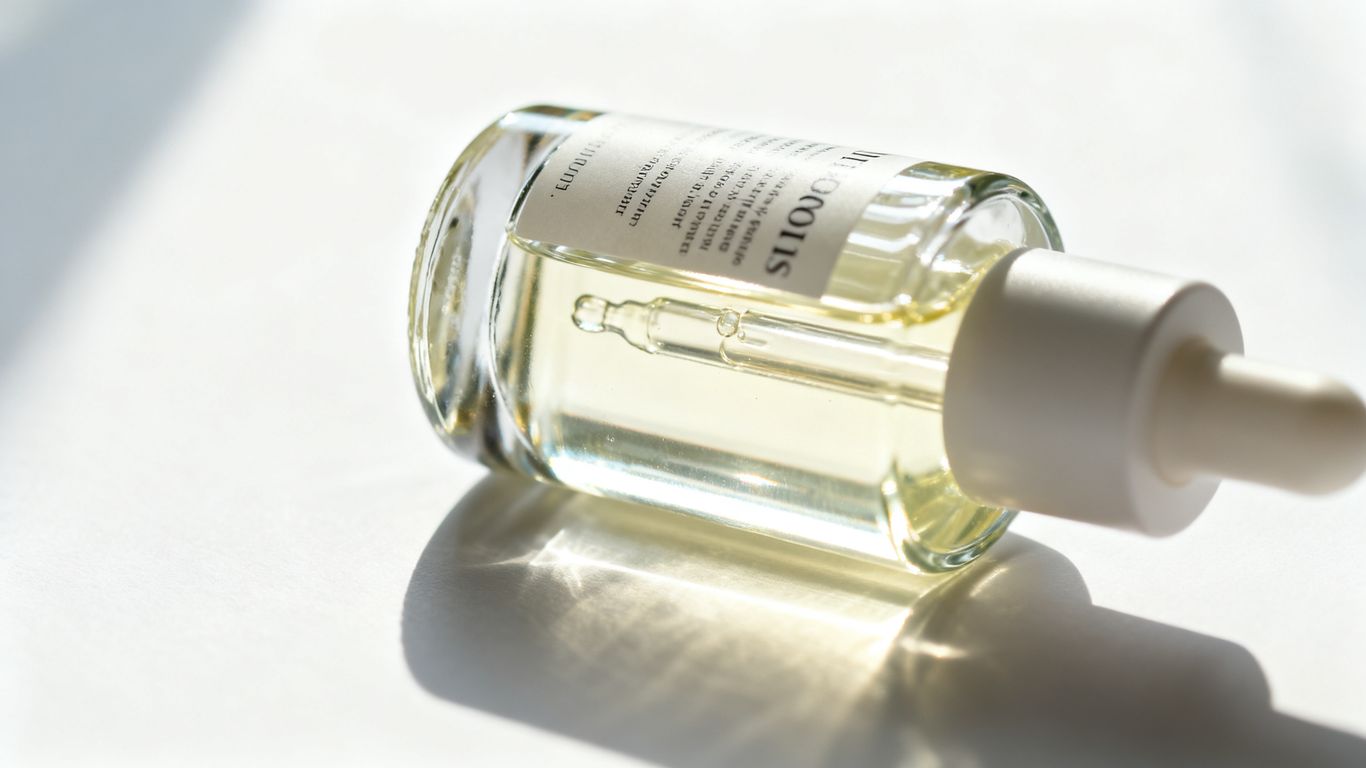
Selecting the right ingredient deck is fundamental to navigating the market for hair care. Several key compounds are clinically backed for their ability to influence follicle health and preserve existing strands. While no single miracle cure exists, specific formulations are designed to optimize the scalp environment for regrowth.
Efficacy of minoxidil in clinical trials
Minoxidil remains a gold standard in clinical contexts, frequently cited for its ability to extend the duration of the hair growth phase. It works by stimulating local blood flow to the follicles, which helps to slow progression and encourage thicker growth in many users. Consistent use as directed is essential, and many people turn to Hims Topical Minoxidil Solution to support their hair health journey.
Role of biotin and B-vitamins
Biotin and B-vitamins are essential cofactors that support the production of keratin, the protein that makes up your hair strands. While these vitamins are often included in systemic supplements, they are also popular in topical applications to strengthen the shaft at the root. Many users incorporate these as part of a comprehensive routine to improve overall hair strength.
Natural alternatives like saw palmetto and rosemary oil
For those seeking alternatives, natural options provide a gentle approach to maintaining scalp vitality. These botanical extracts are sometimes included in clean beauty formulations, offering supportive care without synthetic additives. Many individuals at Credo Beauty prefer these products due to their focus on clean ingredient standards.
Peptide complexes and copper tripeptides
Advanced skin and scalp research has led to the inclusion of peptides, which play a role in collagen production and scalp restoration. These complexes are designed to improve the environment of the follicle by fostering healthier skin at the base of the hair. You can organize your selection based on which type of support your scalp needs for long-term health:
| Ingredient Component | Targeted Benefit | Optimal Application |
|---|---|---|
| Minoxidil | Follicle Stimulation | Twice Daily |
| Copper Peptides | Scalp Repair | Daily Serum |
| Biotin Supplements | Keratin Support | Daily Oral |
Incorporating these targeted solutions can yield better outcomes when combined with a regular routine. Researching the specific mechanism of each ingredient allows users to build a strategy that works best for their unique scalp profile.
Types of hair growth treatments available
Understanding the various delivery methods available helps you decide which format fits into your lifestyle. Whether through systemic support or localized scalp applications, the best results often come from consistent, long-term commitment. Many experts emphasize that managing expectations is as important as the medicine itself.
Topical solutions and foam formulations
Topical treatments are designed for direct delivery into the scalp, focusing on the specific areas where thinning is most apparent. These formulas are typically easy to integrate into a morning or evening wash sequence. Topical applications are known for being non-invasive while providing concentrated support to the root.
Oral supplements and systemic support
Systemic treatments work from the inside out, addressing nutritional gaps or hormonal sensitivity through ingestion. These are useful for filling in the blanks that topical routines might miss, particularly when stress or poor diet are involved. Adding a supplement is a straightforward way to augment your routine across the board.
Laser therapy and light-based devices
Low-level light therapy is a modern technological approach to stimulating cell cycles in resting follicles. Users of these tools often appreciate the ease of at-home administration, though efficacy can vary depending on the device intensity. These treatments do not create significant buildup and are often used alongside chemical treatments.
Scalp serums and dermarolling techniques
Scalp serums often deliver a cocktail of nutrients that nourish the skin surface and root simultaneously. When combined with mechanical exfoliation techniques like dermarolling, the absorption of these beneficial compounds can be increased. However, hygiene is paramount to ensure that you are treating the scalp safely and effectively.
How to select the right product for your hair type
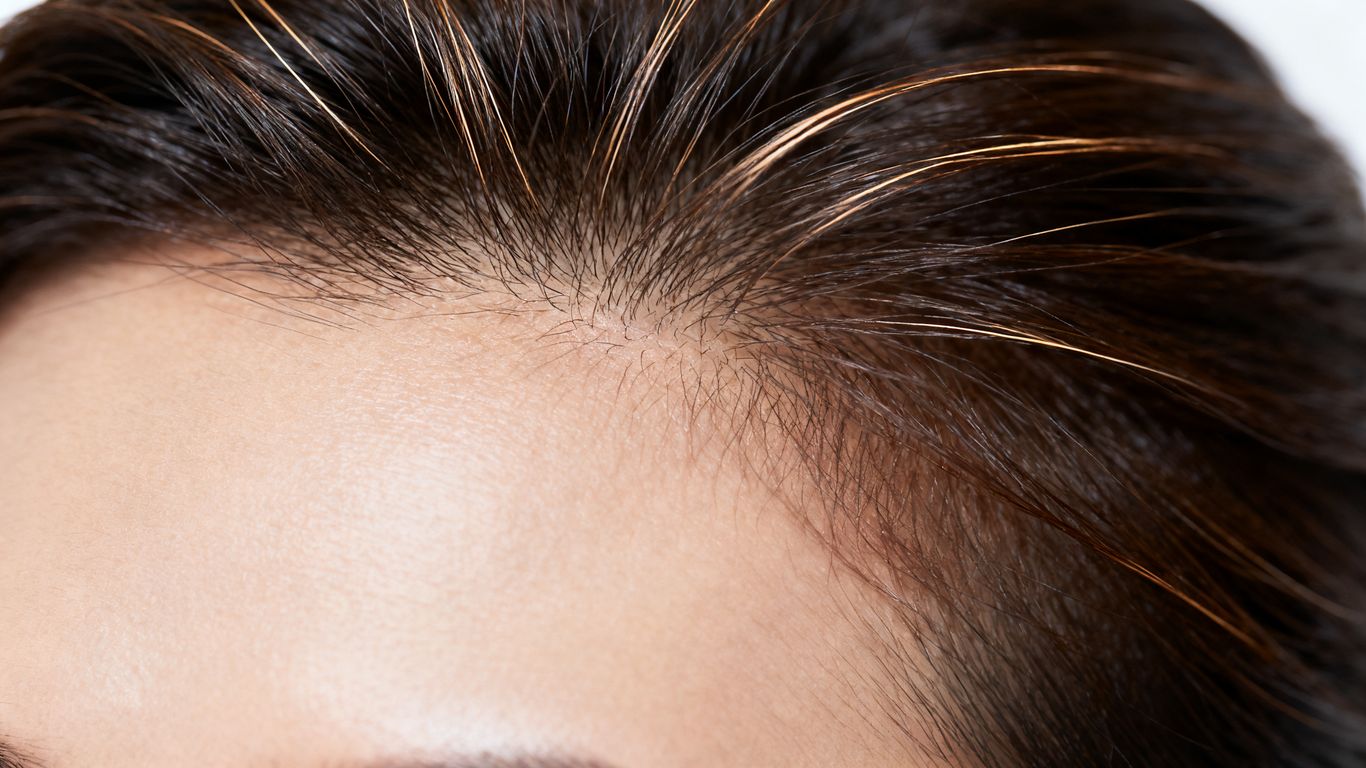
Identifying the correct product requires evaluating the current texture and health of your hair, as well as the sensitivity of your scalp skin. Matching your treatment to these specific factors is a core strategy for achieving stronger and fuller hair without causing damage. Many find that looking at product labels for specific hair types is a great way to start.
Analyzing dryness and hair texture
Fine, curly, or dry hair types require different levels of moisture and care compared to oily scalps. Products that work well for thick, coarse hair may weigh down finer textures, causing them to appear flatter. Choose a formula that respects your natural hair composition to keep strands resilient.
Identifying scalp sensitivity levels
Sensitive scalps may react to intense formulations of high-concentration chemicals or strong fragrance additives. Selecting a hypoallergenic or clean-label product can prevent the development of irritation that might otherwise counteract your growth efforts. Always pay attention to how your skin responds during the first few days of use.
Matching treatments to specific patterns of thinning
Localized thinning at the crown requires a different application method than diffuse thinning across the entire head. Use the following steps to personalize your approach:
- Identify the specific location of your thinning concern.
- Select a format that allows for precise application to that area.
- Prioritize products that provide coverage for your hair density type.
- Consult with a professional to confirm your thinning pattern.
Following these steps ensures that you are utilizing your time and resources efficiently. Matching the product to your specific area of thinning makes the treatment routine feel far more intuitive.
Compatibility with colored or chemically treated hair
If you frequently use heat styling or chemical coloring, you must ensure that your growth products will not interfere with those services. Some potent treatments can strip color or exacerbate dryness if they are not balanced with adequate hydration. Look for leave-in conditioners or gentle serums to maintain the integrity of your chemically processed hair.
Managing expectations with hair growth timelines
Consistency is the bedrock of any successful treatment plan, yet many people become discouraged too early. Changes to the hair life cycle happen at a molecular level long before visible density differences appear. Keeping a record of your daily usage is recommended to ensure you stay on track.
Initial shedding phases during treatment
It is common to see a slight increase in shedding shortly after starting a new hair care regimen. This phenomenon, while alarming, often indicates that the follicles are cycling through to make room for healthier growth. Continued use is usually recommended to push past this phase to the eventual growth milestone.
Realistic milestones for visible results
Significant improvements in hair thickness are rarely seen in under three months of daily commitment. Most users view the primary results as a stabilization of their current hair density followed by gradual regrowth over six to twelve months. Patience is therefore the most important tool you have at your disposal during the process.
Importance of consistency and routine
Skipping doses or inconsistent application can stall your progress, as the follicles require a steady supply of nutrients and active compounds. Establishing a regular routine, perhaps tied to your existing toothbrushing or facewash habits, ensures you don't miss an application. Many of the most successful outcomes are linked to this level of rigorous dedication.
When to switch products if progress plateaus
If you have used a treatment continuously for over six months with no discernible change, it may be time to consult with an expert for an adjustment. A plateau may simply mean an ingredient change or a personalized, stronger formula is required. Always allow ample time for an individual product to work before deciding to switch.
Safety considerations and potential side effects
Safety is paramount when working with medical-grade or concentrated cosmetic hair products. Always monitor your scalp for signs of distress and prioritize high-quality formulations. Being proactive about your health ensures that your choice in products remains supportive rather than detrimental.
Identifying allergic reactions and contact dermatitis
Itching, redness, or peeling on the scalp could signal an allergy to one of the ingredients in your formulation. If you notice these symptoms, stop using the product immediately and rinse your scalp thoroughly. Conducting a small patch test behind your ear is a smart way to gauge your skin's likely reaction to any new topical solution.
Consulting with healthcare providers before starting
Prior to beginning any regimen, especially those involving prescription-grade actives, speak with a medical professional. They can confirm that the ingredients are safe given your overall health and any other existing conditions. This step is particularly vital if you are currently using other medications that might interact with topical or oral growth boosters.
Managing interactions with other medications
Certain health supplements and prescribed drugs can influence how your body metabolizes growth treatments. Sharing a complete list of your current prescriptions with your doctor prevents potential complications. Keeping your medical information updated at your clinic or Keeps helps ensure all your specialists are aware of your plan.
Reading labels for medical-grade versus cosmetic claims
Distinguishing between a cosmetic product that aims to improve appearance and a medical-grade formulation intended for actual regrowth is crucial. Check the drug facts label to see if a product has been evaluated by regulatory agencies for its efficacy. Being an informed consumer is the best way to choose products that provide tangible benefits.
Conclusion
Navigating the world of hair care can be complex, but focusing on clinical reliability, consistent usage, and personalization will help you achieve your goals. Whether you are using Ulta Beauty resources for personalized advice or sticking to a proven prescription routine, your commitment to the process is the most powerful catalyst for success. Take the time to understand your scalp type, follow professional guidance, and maintain your routine for the best long-term results.
Frequently Asked Questions
How soon can I expect to see new hair growth?
Visible progress typically begins after three to six months of consistent use, as hair growth cycles operate on a slow, multi-month timeline.
Can stress really cause hair loss?
Yes, chronic stress or traumatic events can push follicles into a resting state, eventually leading to noticeable shedding that often resolves once the underlying stress is managed.
Is it safe to use multiple growth products at once?
It is generally safest to use one primary treatment at a time under the guidance of a professional to avoid irritation and unwanted drug interactions.
Does aggressive brushing help stimulate the scalp?
Overly aggressive brushing can cause mechanical breakage and damage to the hair shaft, so it is better to handle your hair gently with soft-bristled tools.
Are there side effects to topical hair loss treatments?
Common side effects may include scalp irritation, redness, or dryness, though these can often be managed by adjusting the concentration or using a gentler base formulation.
Can hair loss be completely reversed?
While thinning can often be stabilized and density improved, the ability to fully reverse hair loss depends largely on the cause and how long the follicles have been inactive.
Do supplements replace the need for topical treatments?
Supplements address nutritional levels internally, but they usually work best when paired with topical treatments that provide localized support directly to the source of the growth.