

Recognizing the Early Signs of Balding in Women: A Comprehensive Guide
Hair loss in women can be a really sensitive topic, and sometimes it sneaks up on you. You might not even realize it's happening until you start noticing a few things. It’s easy to brush off small changes, but knowing the early signs of balding in women can make a big difference. Catching it early means you can figure out what's going on and do something about it before it becomes a bigger issue. Let's talk about what to look out for.
Key Takeaways
- Keep an eye on your hairline; a slight change or recession, especially at the temples, can be an early indicator.
- Notice if your hair feels less thick overall, or if your ponytail seems thinner than it used to.
- Pay attention to your scalp showing through your hair, particularly along your part or at the crown.
- Changes in how your hair grows or feels, like becoming finer or more brittle, might signal thinning.
- Excessive hair shedding, more than you're used to seeing in your brush or shower drain, is a definite sign to investigate.
Subtle Changes in Hairline and Thickness
Sometimes, the first signs of hair thinning aren't a dramatic bald spot, but more like a quiet shift. You might start noticing your hairline isn't quite where it used to be, especially around your temples. It’s not always a sudden change; it can be a slow creep, making it easy to dismiss as just 'maturing.' But if you’re seeing more of your forehead than before, it’s worth paying attention.
Changes in Hairline Progression
Your hairline can tell a story. For women, it might not be the dramatic "M" shape you see in men, but rather a gradual softening or slight recession at the front and sides. Think of it as the edges of your hair starting to pull back just a little. This subtle shift can make your forehead appear larger over time. It's one of those things you might not notice day-to-day, but when you look at old photos, the difference can be quite clear.
Differences in Overall Hair Thickness
Beyond the hairline, you might notice your hair just doesn't feel as thick as it once did. That ponytail you’ve been wearing for years might seem noticeably thinner. Or maybe your usual part looks wider, and you can see more scalp peeking through than you're used to. This loss of density can happen all over, not just in one spot, making your hair feel less voluminous overall. It’s like your hair is losing its body.
Assessing Hairline Recession
To really get a handle on what’s happening with your hairline, a little detective work can help. Try looking at your hair in different lighting – sometimes harsh bathroom lights reveal more than you’d like. You can also use a mirror to check the sides and back. Keeping a photo journal of your hairline over a few months can be incredibly useful for tracking any changes.
- Check your temples: Are they starting to look more bare?
- Examine your front hairline: Is it moving backward?
- Compare with past photos: Look for subtle differences in the shape and density.
It's easy to overlook these small changes because they happen so gradually. We often adjust our hairstyles or just get used to how our hair looks day-to-day, missing the slow progression of thinning until it becomes more obvious. Paying attention to these early, subtle signs is key to addressing potential hair loss before it becomes a bigger concern.
Sometimes, these changes can be linked to factors like hormonal shifts, so understanding the potential causes is also part of the process.
Noticing Increased Scalp Visibility
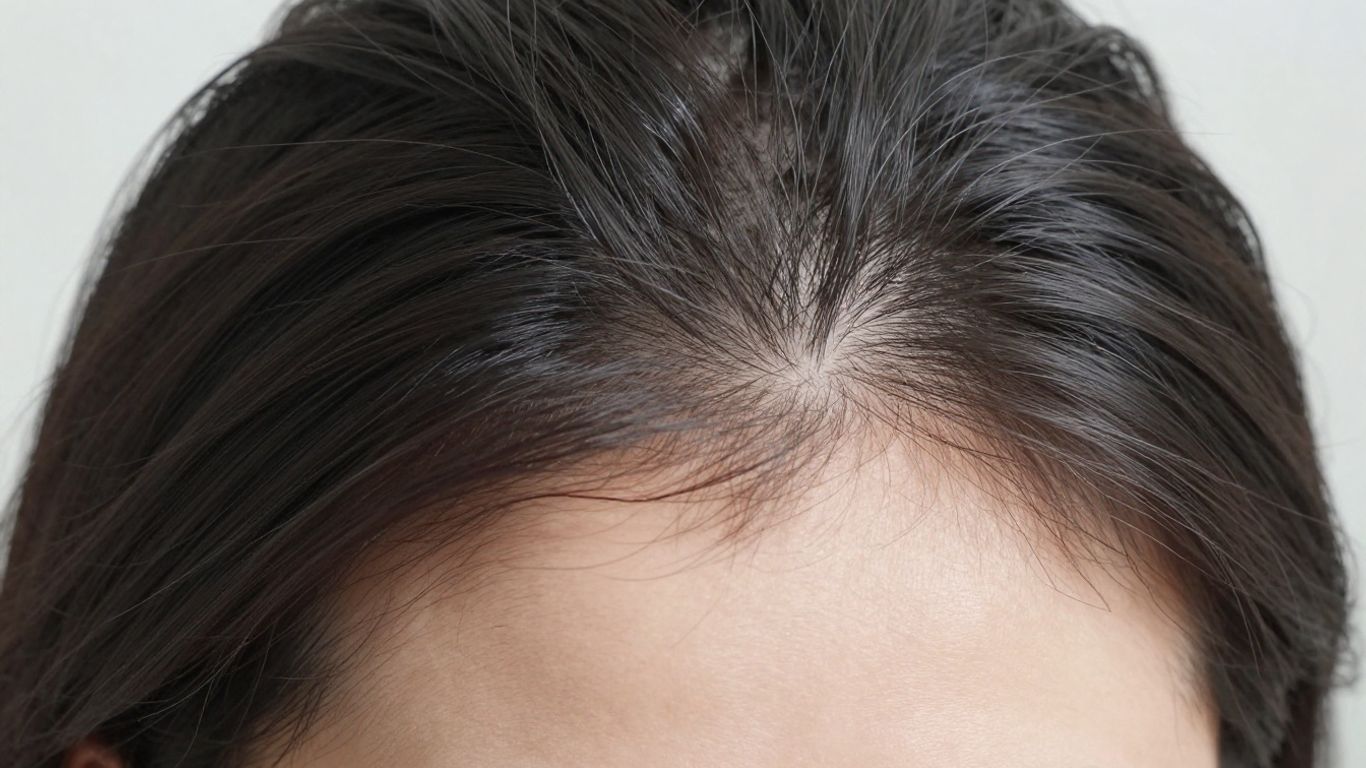
Sometimes, the most telling signs of hair thinning aren't dramatic. It's more like a subtle shift you might catch in the mirror. As your hair starts to lose density, your scalp can become more apparent. This isn't always a sudden event; it often creeps up on you.
When Your Scalp Becomes More Apparent
This is that moment when you look in the mirror, maybe under bright bathroom lights, and you just… see more scalp than you used to. It might be a general increase all over, or perhaps more noticeable in certain areas. It’s like the canopy of your hair is thinning out, letting more of the ground show through. Don't dismiss it just because it's not a huge bald patch; these subtle changes are often the first real clues.
Visibility Through Your Hair Parting
Your hair part is a prime spot for this to show up. If you've always had a neat, relatively narrow part, but now it seems to be widening, that's a big signal. You might find yourself trying to comb your hair over it to hide it, or maybe you've noticed that the hair on either side of the part looks less full. It’s like the gap is growing, and your scalp is peeking through more and more. This can be especially noticeable when you're styling your hair or if it gets a bit damp.
Assessing Crown Thinning
The crown of your head, that spot right at the top, is another common area where thinning becomes visible. It's tricky to see on your own, so you might need a hand mirror or ask a friend to take a look. If you notice that the hair here seems sparser, or if you can see more of your scalp when you look at it from different angles, it's worth paying attention to. Sometimes, it's just a slight difference, but it can be the beginning of more significant thinning.
Here’s a quick way to check:
- Use a mirror: Try to get a good look at the crown area, perhaps using a second mirror to see the back.
- Check when wet: Hair often appears thinner when it's wet, making thinning areas more obvious.
- Feel the density: Run your fingers through the crown area. Does it feel less dense than other parts of your head?
It's easy to brush off these early signs as just a bad hair day or a change in how your hair is sitting. But if you're noticing your scalp more often, especially along your part or at the crown, it's probably time to take a closer look. These aren't usually sudden events but gradual changes that build up over time.
Understanding Patterns of Hair Loss
It's not always obvious when hair loss starts. Sometimes it's a slow change, and other times it's more sudden. Knowing the typical ways hair thins out can really help you figure out what might be going on. For women, hair loss often looks different than it does for men, and understanding these differences is key.
Female Pattern Hair Loss Characteristics
When we talk about female pattern hair loss, or FPHL, it's usually not about a receding hairline like you might see in men. Instead, it often starts as a general thinning all over the scalp. Think of it like your hair is becoming less dense, especially on the top and crown area. Sometimes, it can look like a widening part or just less volume overall. The frontal hairline typically stays put, which is a big clue. This type of hair loss tends to develop gradually, often becoming more noticeable as women get older, particularly after menopause. It's a progressive condition, meaning it can continue over time if not addressed.
Distinguishing From Normal Shedding
We all lose hair every day – it's totally normal. Most people shed around 50 to 100 hairs daily. This is part of the natural hair growth cycle. The hair you find on your brush or in the shower drain is usually just hair that was in the resting phase and is now being replaced by new growth. The trick is knowing when shedding goes beyond this normal amount. If you start noticing significantly more hair than usual collecting in your brush, on your pillow, or in the shower, and it doesn't seem to stop after a few weeks, that's when it might be time to pay closer attention. It's also worth noting if the hair that's shedding seems finer than usual.
Recognizing Diffuse Thinning
Diffuse thinning means your hair is becoming thinner all over your head, rather than in one specific spot. It's like the overall density of your hair is decreasing. You might notice this when you tie your hair back and the ponytail feels much thinner than it used to. Or, when you look in the mirror, you can see more of your scalp showing through, especially when your hair is dry and styled. This can be a bit unsettling because it affects the entire head of hair. It's different from a bald spot or a receding hairline; it's more of a widespread reduction in hair volume. This pattern can sometimes be linked to stress, hormonal changes, or nutritional issues, so it's a good idea to look into potential triggers if you notice it happening.
It's easy to dismiss early signs of hair thinning as just a normal part of aging or stress. However, recognizing specific patterns can help you seek the right kind of help sooner rather than later. Paying attention to how your hair is thinning, where it's thinning, and if the shedding seems excessive is the first step in managing the situation effectively. Don't hesitate to talk to a doctor or a hair specialist if you're concerned.
Altered Hair Growth and Texture
Sometimes, before you even notice thinning, your hair itself starts to feel different. It's like your hair is staging a quiet protest. You might find that your hair just doesn't seem to grow as long as it used to, even if you're getting regular trims. It's a subtle shift, but noticeable if you pay attention.
Changes in Hair Growth Rate
Have you noticed that your hair seems to be taking its sweet time to reach its usual length after a cut? Or maybe you're seeing new growth that's noticeably finer or lighter in color than the rest of your hair. These changes can be early indicators that something's up with your hair follicles. It's not just about how much hair you have, but how the hair that is growing is behaving.
Texture Modifications Indicating Loss
Beyond just growth rate, the actual feel of your hair can change. It might become more fragile, leading to increased breakage. That lovely shine you used to have? It might start to fade, leaving your hair looking dull. For some, curls or waves might loosen up, or the hair might just feel rougher and more porous to the touch. It's like the hair's structure is changing from the inside out.
Miniaturized Hair Strands
This is where things get a bit technical, but it's important. Miniaturization is a key process in female pattern hair loss. Basically, your hair follicles start to shrink. When this happens, they produce thinner, shorter, and often lighter-colored hairs. Over time, these miniaturized strands can become so fine that they're barely visible, contributing to that overall feeling of thinning. It's a gradual process, but it's happening at the follicle level. You can sometimes see these finer hairs if you look closely at areas where thinning is occurring. It's a sign that the follicle is struggling to produce a healthy, robust strand of hair, a process that can be influenced by genetics and hormones over time. Understanding this process is key to recognizing early signs of female pattern hair loss.
The condition of your hair's texture and growth can be a silent alarm. Paying attention to these subtle shifts, like increased fragility or a slower growth rate, can help you identify potential issues before they become more obvious. It's about observing the quality of the hair itself, not just the quantity.
Here are some things to look out for:
- Hair feels less substantial, even when styled.
- More frequent breakage when brushing or styling.
- A noticeable loss of natural bounce or body.
- New hair growth appearing significantly finer than older hair.
Scalp Health Indicators
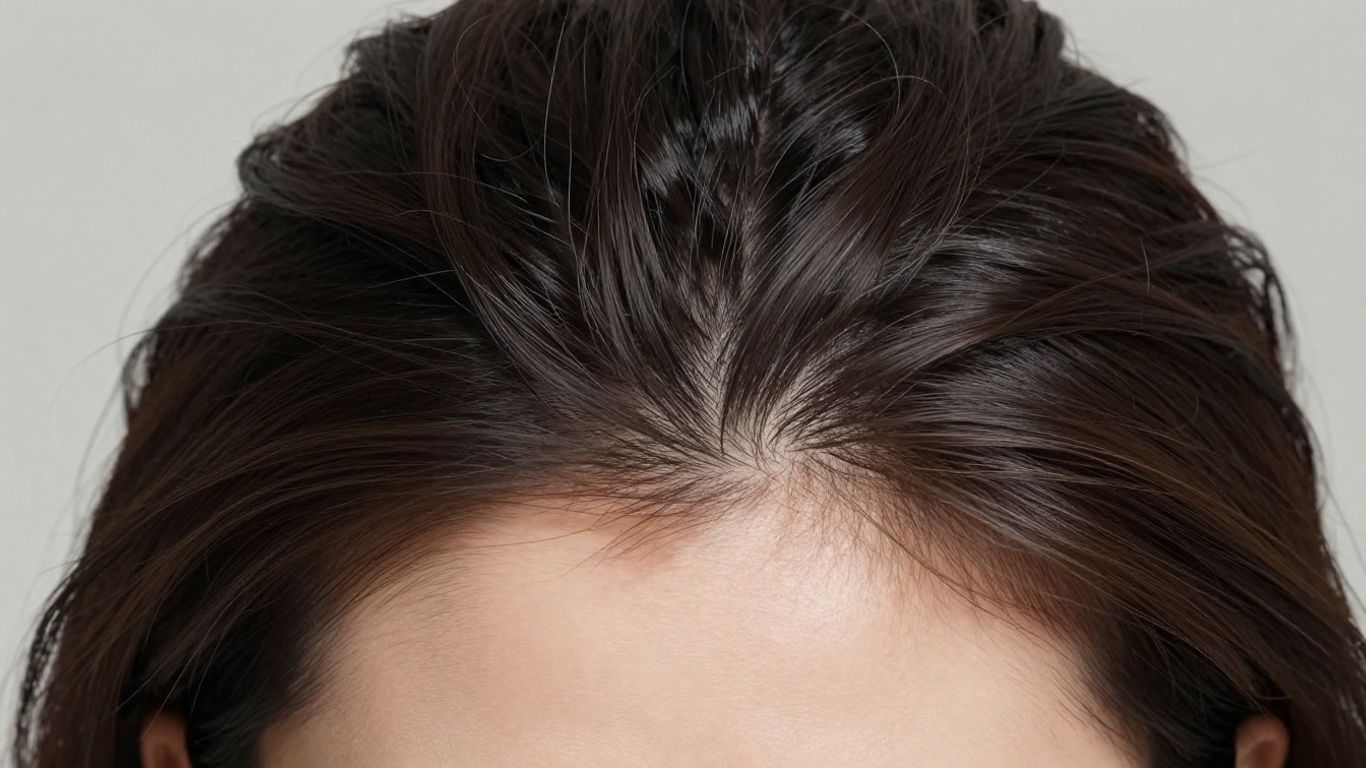
Sometimes, the first clues about hair thinning aren't about the hair itself, but what's happening on your scalp. Paying attention to how your scalp looks and feels can give you a heads-up that something might be changing with your hair.
Changes in Scalp Appearance
Take a good look at your scalp, especially in bright light. Is it looking redder than usual? Maybe you're noticing more flakes, like dandruff, or even small bumps or pustules. While a little bit of redness or flaking can happen for many reasons, a persistent change in your scalp's appearance, especially if it's accompanied by hair loss, is worth noting. It could signal inflammation or an underlying issue that's affecting your hair follicles.
Scalp Sensitivity and Irritation
Has your scalp started feeling more sensitive lately? Maybe it feels tender to the touch, itchy, or even a bit sore. This increased sensitivity can sometimes be a sign that your scalp is irritated or inflamed, which can impact hair growth. It’s not always directly linked to balding, but it’s another piece of the puzzle to consider if you’re noticing other changes.
Observing Scalp Oil Production
Have you noticed a shift in how oily your scalp gets? Some people find that their scalp becomes much oilier than it used to be, even if they're washing their hair regularly. This can sometimes be related to hormonal changes, which can also play a role in hair thinning. An overly oily scalp can sometimes clog hair follicles, potentially hindering healthy hair growth.
It's important to remember that these scalp changes aren't always a direct cause of hair loss, but they can be indicators of an environment on your scalp that isn't ideal for robust hair growth. If you're seeing these signs along with thinning hair, it might be time to chat with a doctor or a dermatologist.
A healthy scalp is the foundation for healthy hair. When the scalp is inflamed, overly oily, or irritated, it can create an environment where hair struggles to grow strong and thick. Monitoring these scalp health indicators can provide early warnings about potential issues affecting your hair's density and overall health.
Excessive Hair Shedding Beyond Normal
So, you're noticing more hair than usual? It's easy to brush off a few extra strands here and there, but when it starts to feel like a lot more, it's worth paying attention. Losing between 50 to 100 hairs a day is pretty standard, part of the hair's natural cycle. But if you're seeing significantly more than that, it could be an early signal that something's up.
Identifying Increased Hair Accumulation
Where are you finding all this extra hair? Keep an eye out for these common spots:
- Your Hairbrush: Does it seem like you're pulling out a small bird's nest every time you brush? If your brush is consistently loaded with more hair than it used to be, that's a sign.
- The Shower Drain: You know that moment after shampooing when you clear out the drain? If it's becoming a more frequent or substantial task, it's definitely something to note.
- Your Pillowcase: Waking up to find a noticeable amount of hair on your pillow is another indicator that shedding might be higher than normal.
- Clothing and Furniture: Ever notice stray hairs on your shoulders or the couch that seem to come from you? While some transfer is normal, a significant increase can point to more shedding.
When Shedding Becomes a Concern
It's one thing to find a few more hairs, but when does it cross the line into a real concern? If the increased shedding lasts for more than a few months, or if you start seeing actual thinning or patches of scalp becoming more visible, it's time to take it seriously. This isn't just about a few extra hairs; it's about a change in your hair's overall density and how it looks and feels.
The key is to notice a change from your personal normal. What might be excessive for one person could be typical for another. It's about recognizing when your hair's behavior shifts significantly.
Factors Triggering Temporary Shedding
Sometimes, shedding can spike due to temporary reasons. These aren't usually signs of long-term balding but rather your body's reaction to something else:
- Stress: Big life events, whether good or bad, can throw your hair cycle off. Think major surgery, illness, a significant emotional shock, or even rapid weight loss.
- Hormonal Shifts: Things like pregnancy, childbirth, or stopping birth control can cause a temporary increase in shedding.
- Medication Changes: Starting or stopping certain medications can sometimes lead to more hair falling out.
- Nutritional Deficiencies: Not getting enough of certain vitamins or minerals can impact hair health.
If you suspect your shedding is linked to one of these, the good news is that it often resolves once the trigger is gone or managed. However, if the shedding persists or you're worried, it's always best to chat with a doctor or a dermatologist.
Wrapping Up: What to Do Next
So, we've gone over a bunch of stuff about noticing early hair thinning. It's not always a big, dramatic event, you know? Sometimes it's just little things like your part looking wider or noticing more hair in the shower drain than usual. The main thing is to just keep an eye out for these changes. If you're seeing any of these signs, don't just brush them off. It’s really worth talking to a doctor or a hair specialist. They can figure out what’s going on and help you find the best way to deal with it, whether that’s a treatment or just some advice. Catching it early makes a big difference, so stay aware and take care of yourself.
Frequently Asked Questions
What are the very first signs that my hair might be thinning?
Often, the earliest hints are super subtle. You might notice your hair part looking a bit wider than usual, or perhaps your ponytail doesn't feel as thick as it used to. Sometimes, you might see a little more scalp peeking through, especially in bright light or when your hair is wet. Changes in your hairline, like it moving back just a tiny bit, can also be an early sign.
How can I tell if I'm just shedding normally or if it's something more serious?
Everyone loses some hair daily – it's totally normal! But if you start finding way more hair than usual on your brush, in the shower drain, or on your pillow, that's a sign to pay attention. Normal shedding is usually spread out, while more serious hair loss might show up as thinning in specific areas or a noticeable increase in hair fall over time.
What does 'female pattern hair loss' usually look like?
This type of hair loss is different from what men experience. For women, it typically starts with thinning at the top of the head, kind of like a widening part. Your hairline at the front usually stays put, but the hair on the crown gets less dense. It's more of a general thinning rather than bald spots.
Can my hair's texture or how fast it grows change if I'm losing hair?
Yes, it can! Sometimes, before you even see thinning, you might notice your hair feels different. It could become more fragile and break easily, lose its shine, or even feel rougher. Also, your hair might seem to take longer to grow to its usual length after a trim, or new growth might appear finer and lighter.
Does my scalp's health matter when it comes to hair loss?
Absolutely! Your scalp is where your hair grows, so its health is super important. If you notice your scalp looking red, feeling itchy or sensitive, or if you're having more oiliness or dryness than usual, these could be signs that something is affecting your hair follicles and leading to hair loss.
What if I notice a lot of hair falling out after being sick or stressed?
That's often a sign of something called Telogen Effluvium. It's a temporary type of hair loss that happens when a major stressor, like a high fever, surgery, or intense stress, pushes a lot of hair follicles into the resting phase all at once. The good news is that this type of shedding usually gets better on its own within a few months once the trigger is gone.