

Navigating Female Pattern Baldness in Your 20s: Causes, Signs, and Solutions
Hair is a big part of how we see ourselves, right? So, when women in their 20s start noticing thinning hair or hair loss, it can be really upsetting. Female pattern baldness, also called androgenetic alopecia, is a common reason for this. This article is going to look at what causes it, how to spot the signs early, and what you can do about female pattern baldness in your 20s.
Key Takeaways
- Female pattern baldness, or androgenetic alopecia, is a common type of hair loss in women, often starting earlier than previously thought.
- Genetics and hormonal shifts are the main drivers, but lifestyle factors can also play a role in female pattern baldness in your 20s.
- Early signs include a widening part, increased shedding, and noticeable thinning, especially on the crown.
- Seeing a doctor or dermatologist is key for a proper diagnosis and to rule out other health issues.
- Treatment options range from FDA-approved topicals to lifestyle changes, and consistency is important for results.
Understanding Female Pattern Baldness in Your 20s
The Nuances of Androgenetic Alopecia
Female pattern baldness, also known medically as androgenetic alopecia, is a really common thing, but it can feel super isolating, especially when you're in your 20s and feel like this shouldn't be happening yet. Unlike the more dramatic receding hairline you might see in men, women typically experience a more diffuse thinning. This often starts at the part line and can spread across the top of the scalp, making your hair look less dense overall. It's not about losing all your hair, but rather a gradual shrinking of the hair follicles over time. This means the hairs that do grow back are finer, shorter, and less pigmented than before. It's a slow process, and sometimes it's hard to even notice until it's been going on for a while.
Genetic Predispositions and Familial Links
So, why does this happen? Genetics play a pretty big role. If your mom, dad, or even grandparents have experienced hair thinning, there's a higher chance you might too. It's not a guarantee, of course, but it's definitely something to consider. This inherited sensitivity means your hair follicles might be more susceptible to certain hormones. It's like your genes are pre-setting your hair follicles to react in a specific way over time. Thinking about your family's hair history can give you some clues, though it's not the only piece of the puzzle.
Hormonal Influences and Imbalances
Hormones are another major player. While we often associate hair loss with aging or menopause, hormonal shifts can happen at any age. Things like polycystic ovary syndrome (PCOS) or other endocrine conditions can throw your hormone levels out of whack, particularly androgens (often called 'male' hormones, though women have them too). When these hormones are out of balance, they can signal those sensitive hair follicles to slow down production. It's a complex interplay, and sometimes it's not just one thing but a combination of genetic factors and hormonal fluctuations that lead to thinning hair in your 20s.
Recognizing Early Signs and Symptoms
Spotting female pattern baldness early on is super important. It’s not always a dramatic event; sometimes, it’s more of a slow creep. You might start noticing more hair than usual clinging to your brush after you comb it, or finding a bit more on your pillow in the morning. This increased shedding is often one of the first things people pick up on.
Another common sign is a widening part. If you look in the mirror and see that the space between your hair strands is getting bigger, especially at the crown, that’s a pretty clear indicator. It’s like the scalp starts to peek through more than it used to. You might also notice that your hair just doesn't seem as thick as it once did, or that it’s not growing as fast as it used to. These changes can be subtle at first, but they add up.
Here are some specific things to look out for:
- More hair in your brush or shower drain: A noticeable increase compared to your normal shedding.
- A widening part: The gap in your hair at the top of your head becomes more visible.
- Reduced overall hair volume: Your ponytail might feel thinner, or your hair might not have the same body.
- Scalp visibility: You can see more of your scalp through your hair, especially in certain lighting.
It’s easy to dismiss these changes, thinking it’s just stress or a bad hair day. But if you’re seeing a pattern, it’s worth paying attention to. Early detection really does make a difference when it comes to managing female pattern baldness.
Sometimes, the changes are so gradual that you don't even realize they're happening until someone else points it out, or you compare old photos to new ones. It’s a slow transition, not an overnight transformation, which can make it harder to pinpoint exactly when it started.
Consulting with Healthcare Professionals
Comprehensive Assessment and Diagnosis
So, you've noticed some thinning or a wider part, and you're wondering what's up. The first, and honestly best, step is to chat with a doctor or a dermatologist. They're the pros who can really figure out what's going on. They'll ask you a bunch of questions about your health history, your family's hair history (if you know it), and when you first started noticing changes. They'll also do a physical check of your scalp and hair. Sometimes, they might even do a biopsy, which is just taking a tiny skin sample from your scalp to look at under a microscope. This helps them see exactly what's happening with your hair follicles.
Identifying Underlying Health Conditions
It's not always just about genetics. Sometimes, hair thinning can be a sign that something else is going on in your body. Doctors will often check for things like thyroid problems, iron deficiencies (anemia), or hormonal imbalances, especially if you have conditions like PCOS. They might order blood tests to get a clear picture. Finding and treating these underlying issues can sometimes help slow down or even reverse hair loss.
Here's a quick look at some common culprits they might investigate:
- Thyroid Issues: Both an overactive and underactive thyroid can mess with your hair growth cycle.
- Nutritional Deficiencies: Low levels of iron, vitamin D, or certain B vitamins can impact hair health.
- Hormonal Imbalances: Beyond typical female pattern baldness, conditions like PCOS or changes after pregnancy can play a role.
- Autoimmune Diseases: Conditions like lupus can sometimes cause hair loss.
Personalized Management Strategies
Once they have a diagnosis, the doctor will work with you to create a plan. This isn't a one-size-fits-all situation. They'll consider your specific type of hair loss, your overall health, and what you're comfortable with. This might involve prescription medications, topical treatments, or even suggestions for lifestyle changes. The goal is to find a strategy that works best for you and your individual needs.
Remember, getting a proper diagnosis is key. Trying random treatments without knowing the cause might not help and could even delay effective treatment. It's worth the time to get professional advice.
Exploring Treatment Options for Female Pattern Baldness
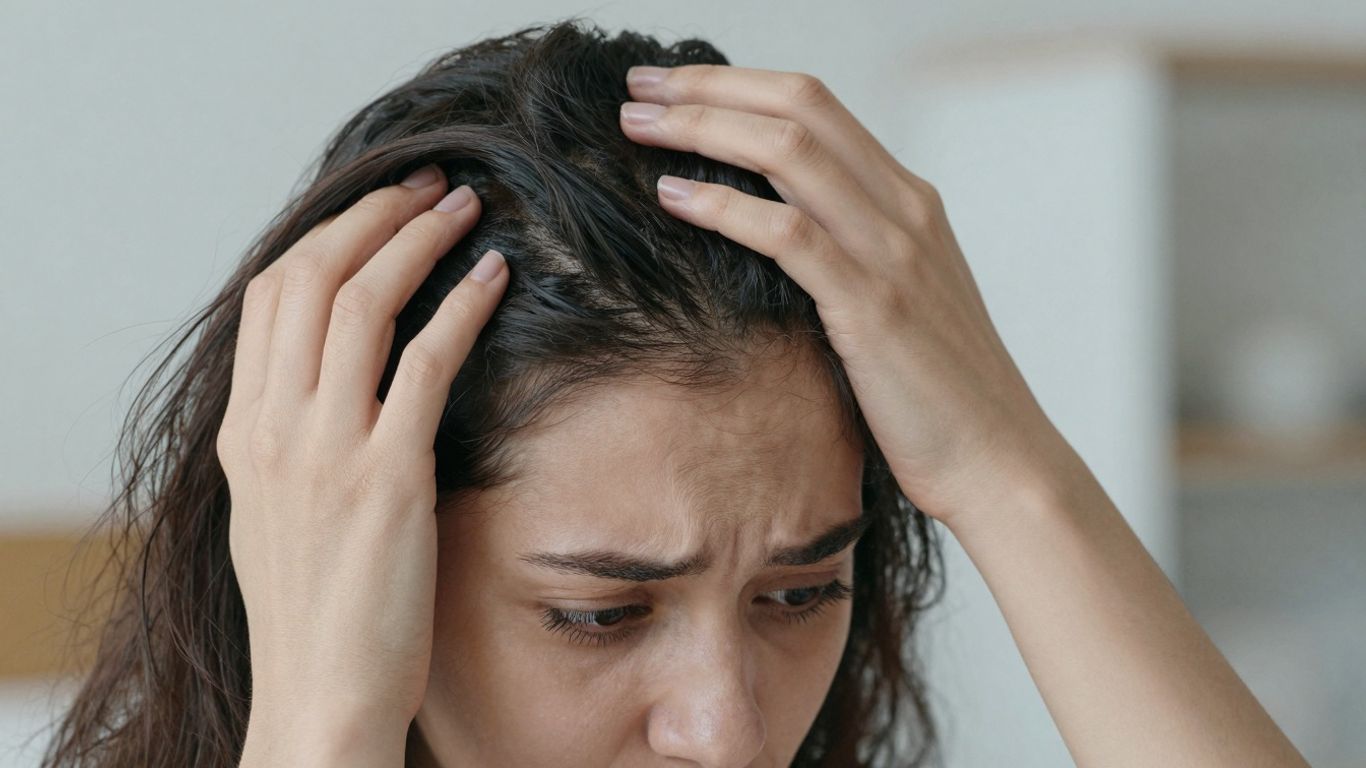
When you're dealing with female pattern baldness, especially in your 20s, it can feel like a lot. But the good news is there are actual treatments that can help. It's not just about accepting it; there are ways to manage it and even regrow some hair. The key is finding what works for you, and that often involves a mix of approaches.
FDA-Approved Topical Treatments
The most common and widely recognized treatment is minoxidil, often known by brand names like Rogaine. It's available over-the-counter, which is convenient. You can get it in a 2% or 5% solution, and most people find the 5% strength works a bit better. You apply it directly to your scalp, usually once or twice a day, depending on the product. It's thought to work by increasing blood flow to your hair follicles, which can help stimulate growth and slow down hair loss. It takes time, though – you might not see results for several months, and you have to keep using it consistently to maintain any gains.
Prescription Medications and Their Roles
Sometimes, topical treatments aren't enough, or your doctor might suggest other options. For female pattern baldness, prescription medications often focus on hormonal factors. Spironolactone is one such medication. It's technically a diuretic, but it also has anti-androgen effects, meaning it can help block the hormones that contribute to hair loss in androgenetic alopecia. Another medication sometimes considered is finasteride, though it's more commonly used for men. It works similarly by blocking DHT, a potent androgen. It's really important to remember that these are prescription drugs and should only be used under the strict guidance of a healthcare professional. They can have side effects, and your doctor needs to monitor you to make sure they're safe and effective for your specific situation.
Understanding Treatment Timelines
One of the hardest parts of treating hair loss is the waiting game. None of these treatments are magic bullets that work overnight. With minoxidil, you're typically looking at at least three to six months of consistent daily use before you start noticing any real difference. For prescription medications, the timeline can be similar. It's also crucial to understand that these treatments are generally designed to slow down hair loss and potentially regrow some hair, not necessarily to restore your hair to its original thickness. If you stop treatment, any hair you've regrown will likely fall out again, and the hair loss will resume. So, patience and consistency are absolutely key here. It's a marathon, not a sprint, and managing expectations is part of the process.
Adopting Supportive Haircare Practices
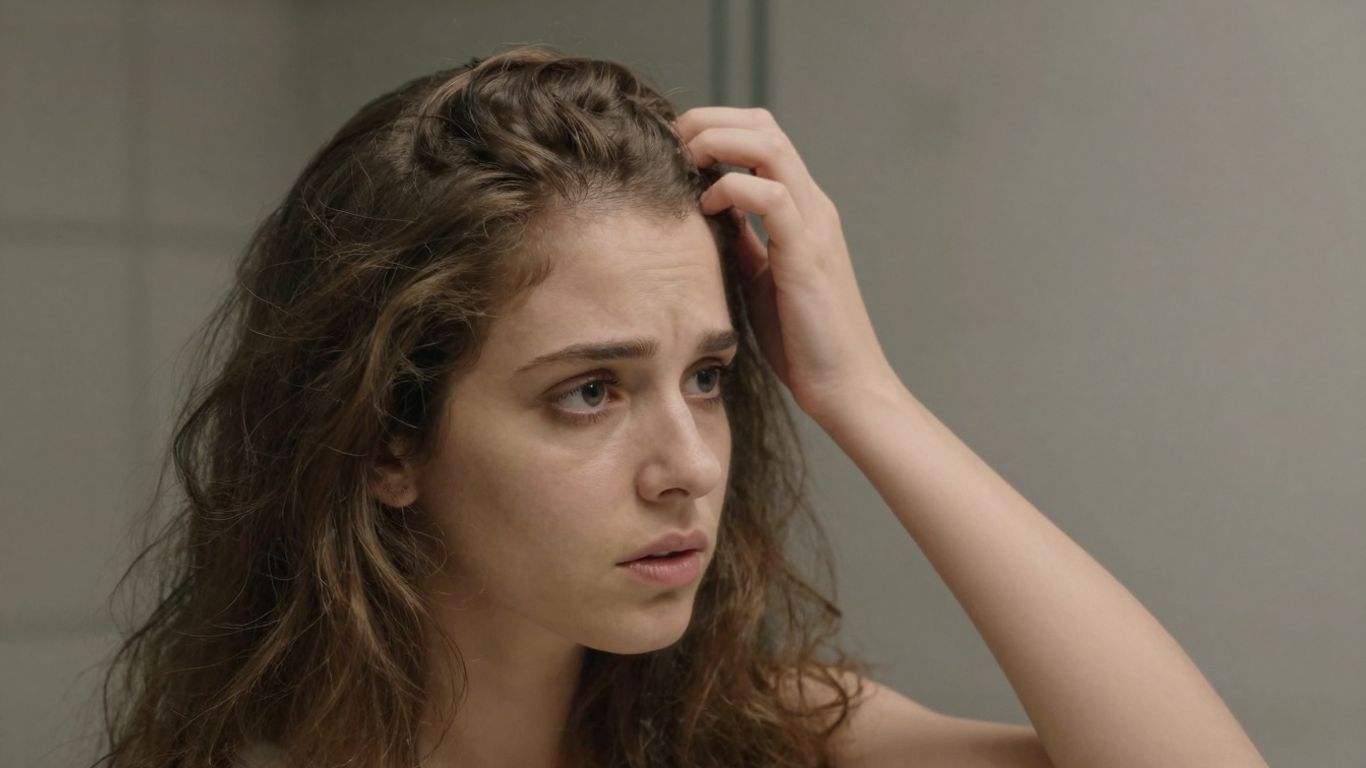
Taking good care of your hair and scalp is super important when you're dealing with female pattern baldness. It's not just about treatments; it's also about how you handle your hair day-to-day. Being gentle can make a real difference.
Gentle Styling Techniques
When your hair is already thinning, the last thing you want is to cause more breakage. Think about how you style your hair. Tight ponytails, braids, or buns can pull on your hair follicles, and over time, this can lead to more hair loss, especially around the hairline. It’s called traction alopecia, and it’s something to avoid.
- Loosen Up: Opt for looser hairstyles that don't tug at your scalp. Think low ponytails, loose braids, or just letting your hair down.
- Wide Tooth Combs: When detangling, especially when your hair is wet (which is when it's most fragile), use a wide-tooth comb. Start from the ends and work your way up to avoid snagging and pulling.
- Gentle Brushing: Avoid aggressive brushing. Use brushes with soft bristles and be patient.
Minimizing Heat and Chemical Damage
Heat styling tools like blow dryers, straighteners, and curling irons can really dry out and weaken your hair shaft. The same goes for harsh chemical treatments like perms, relaxers, and even some dyes. These can make your hair brittle and more prone to breaking.
- Air Dry When Possible: Let your hair air dry as much as you can. If you must use a blow dryer, use the lowest heat setting and keep it moving.
- Heat Protectant: If you're using heat, always apply a heat protectant spray or serum first. It creates a barrier to help shield your hair.
- Space Out Treatments: If you color or perm your hair, try to extend the time between treatments. Look for gentler formulas if possible.
Prioritizing Scalp Health
Your scalp is the foundation for healthy hair growth. Keeping it clean and healthy is key. Harsh shampoos can strip away natural oils, which can irritate the scalp and potentially make hair loss worse.
- Sulfate-Free Shampoos: Look for shampoos labeled "sulfate-free" and "gentle." These are less likely to strip your scalp of its natural moisture.
- Scalp Massage: Gently massaging your scalp can help increase blood circulation, which is good for hair follicles. You can do this while shampooing or even on dry hair.
- Product Buildup: Be mindful of product buildup from styling products. Make sure to wash your hair thoroughly to keep your scalp clear.
Taking a gentle approach to your hair and scalp care isn't a cure for female pattern baldness, but it can significantly reduce further damage and breakage. It's about treating your hair with kindness, especially when it feels like it's working against you. Small changes can add up to a healthier scalp and stronger hair over time. This mindful approach supports your overall hair health journey.
Lifestyle Adjustments for Hair Health
Beyond treatments and specific hair care routines, how you live your life day-to-day can really make a difference for your hair. It’s not just about what you put on your scalp, but also what you put into your body and how you manage your overall well-being. Think of it as building a strong foundation for healthier hair growth.
Stress Management Techniques
Life can get pretty hectic, and that stress really does take a toll, not just on your mind but on your body too, including your hair. When you're constantly stressed, your body releases hormones that can mess with your hair growth cycle. Finding ways to chill out is super important. It doesn't have to be a huge time commitment. Even a few minutes of quiet time can help.
- Deep Breathing: Just a few slow, deep breaths can calm your nervous system.
- Mindfulness: Paying attention to the present moment without judgment can reduce anxious thoughts.
- Gentle Movement: Activities like walking or stretching can release tension.
Chronic stress can disrupt your body's natural balance, and this imbalance can show up in your hair. Learning to manage it is a proactive step toward better hair health.
Nutritional Support for Hair Growth
What you eat directly impacts your hair. Your hair follicles need a steady supply of nutrients to grow strong and healthy. If your diet is lacking, your hair will likely show it. Making sure you're getting enough of the right stuff is key. Sometimes, even with a good diet, certain nutrients might be low, and that's where checking in with a doctor can help. For instance, low iron levels are a common culprit for increased hair shedding in women, and addressing this can make a noticeable difference. You can find out more about how diet affects hair by looking into nutritional impact on hair.
Here’s a quick rundown of some key players:
- Iron: Essential for carrying oxygen to your hair follicles. Think lean meats, spinach, and beans.
- Zinc: Helps with hair tissue growth and repair. Found in oysters, pumpkin seeds, and lentils.
- Protein: Hair is made of protein, so getting enough is vital. Eggs, chicken, and Greek yogurt are good sources.
- Vitamins A, C, D, and E: These all play roles in cell growth and protection. You get them from fruits, vegetables, and healthy fats.
The Importance of Adequate Sleep
Sleep is when your body does a lot of its repair work, and that includes your hair. When you don't get enough quality sleep, your body can't perform these restorative functions as well. This can affect everything from your mood to your hair's ability to grow and stay healthy. Aiming for 7-9 hours of good sleep each night is a solid goal for overall health, and your hair will thank you for it. It’s about giving your body the downtime it needs to keep everything running smoothly.
Your Hair, Your Journey
Dealing with hair thinning in your 20s can feel pretty overwhelming, but remember you're not alone in this. We've talked about what female pattern baldness is, how to spot the signs, and some of the ways you can tackle it. From talking to a doctor to making small changes in how you care for your hair and managing stress, there are steps you can take. It's all about finding what works for you and being patient with the process. Taking care of yourself, inside and out, is key to feeling more confident as you figure this out.
Frequently Asked Questions
What is female pattern baldness?
Female pattern baldness, also called androgenetic alopecia, is when hair thins out on your scalp. It usually starts with your hair part getting wider, or you might notice more hair on your brush. It's different from male pattern baldness because women usually get thinner all over their head, not just a receding hairline.
Why does female pattern baldness happen in my 20s?
It can happen at any age, but it's common to start noticing it in your 20s. It's often caused by genes you get from your parents. Hormones can also play a role, especially if there are imbalances.
What are the first signs I should look for?
You might notice more hair falling out than usual, maybe on your pillow or in the shower. Your hair part might look wider, or you could see more of your scalp through your hair, especially on the top of your head.
Can I stop female pattern baldness from getting worse?
While you can't always prevent it completely, early treatment can help slow it down and sometimes even help hair grow back. It's important to talk to a doctor to find the best plan for you.
Are there treatments available for young women?
Yes, there are treatments like special lotions you put on your scalp (like minoxidil) that are approved for this. Sometimes doctors might suggest other medicines. It's best to see a doctor or dermatologist to figure out what's right for your situation.
Can my lifestyle affect hair loss?
Definitely! Things like managing stress, eating healthy foods, and getting enough sleep can help support hair health. Being gentle with your hair, like avoiding tight hairstyles and too much heat, also makes a difference.