

Minoxidil reviews: a comprehensive guide to understanding user experiences and efficacy
Key Takeaways
Understanding user experiences provides valuable insight, but results vary significantly due to individual biology and adherence to treatment protocols. Here are the central conclusions for those evaluating potential hair regrowth paths.
- Initial shedding is a common phase that indicates the product is working by resetting the hair cycle.
- Visible results generally take several months, requiring patience and rigid consistency to see genuine hair stabilization.
- Comparing topical versus oral treatment reveals distinct differences in administration convenience and potential systemic side-effect profiles.
- Success relies heavily on distinguishing expert guidance from anecdotal online reports that may lack medical context.
- Safety must be a priority, and any immediate adverse reactions should prompt a consultation with a dermatology specialist.
What real user reviews typically report
Exploring minoxidil reviews reveals a wide spectrum of personal journeys that often mirror the complexities of treating androgenetic alopecia. Many users document their path from initial skepticism to eventual satisfaction, highlighting how varied individual responses can be across different demographics.
The experience of initial shedding phases
Many new users are alarmed when their hair loss appears to accelerate during the first few weeks of treatment. This phenomenon occurs because the medication forces dormant follicles into the growth phase, causing older, thinning hairs to fall out to make room for new growth. Understanding that this process is a positive indicator of the follicles responding to the treatment is crucial for maintaining morale during the early, often discouraging, weeks of application.
Timeline for visible regrowth and hair stabilization
Users frequently document a clear timeline where hair stabilization is the first noticeable change, followed by subtle thickening over several months. While some expect immediate results, the consensus among long-term users is that patience is non-negotiable. Typically, meaningful improvements in coverage or hair density in the scalp region begin to manifest clearly after three to six months of daily, uninterrupted application.
Patient reports on hair texture and quality changes
Beyond just counting strands, many patients observe that their remaining hair feels stronger and more resilient than it did before starting treatment. As the hair cycle shortens its resting period and remains in the growth phase longer, users often describe their hair as appearing fuller and losing that characteristic limp or brittle quality. This qualitative shift is often just as significant to users as the quantitative regrowth itself.
Common side effects mentioned by users
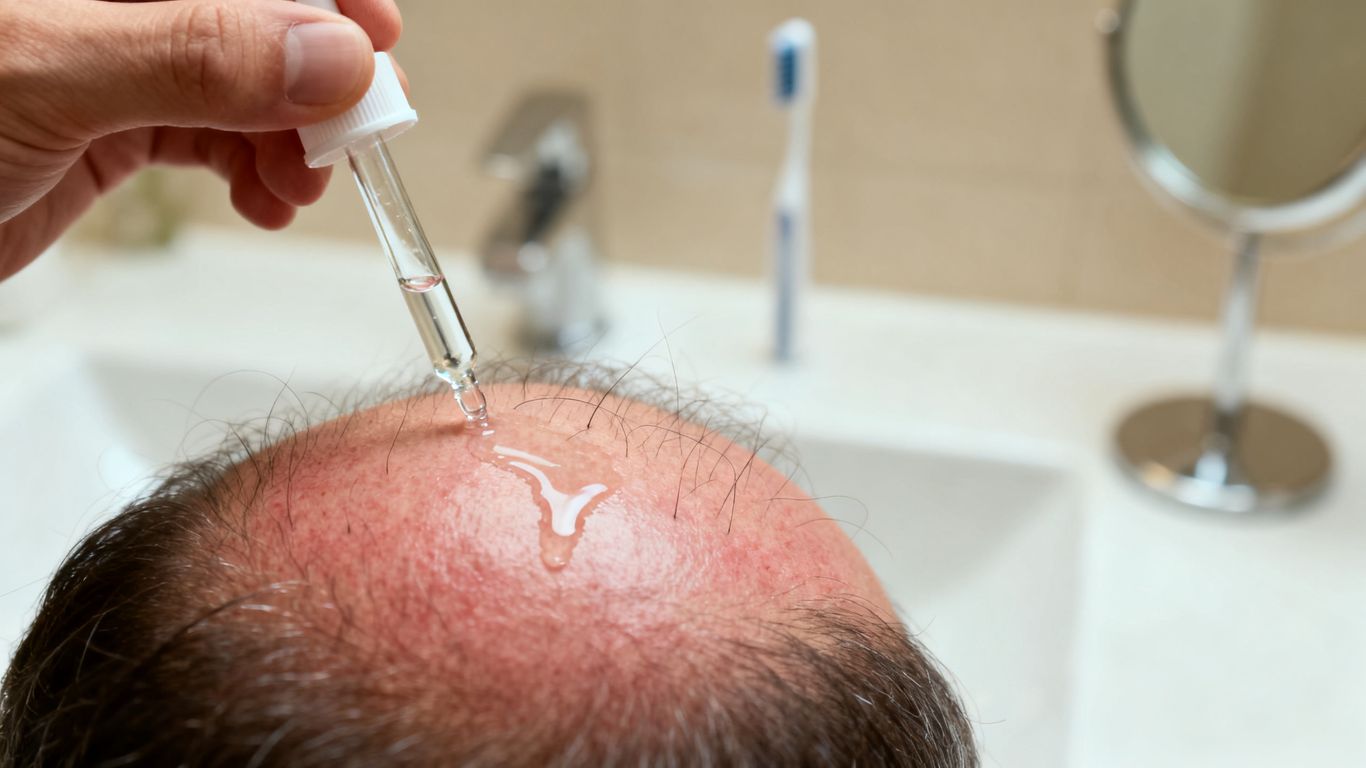
Navigating the potential downsides is a standard part of the research process for anyone considering hair loss interventions. Most reported side effects are localized and manageable, though a small segment of the community shares experiences with more systemic issues that depend on individual sensitivity and how a person uses medication as part of their broader wellness routine.
Scalp irritation, itching, and dryness
It is common for users to experience localized dermatological reactions at the site of application. These reactions often manifest as persistent itching or dry, flaky patches that can make consistent daily use uncomfortable if left unaddressed. While many find that switching to a foam formulation helps mitigate these issues, it is important to remember that such reactions are often transient as the skin adapts to the active ingredients.
Reports of systemic symptoms from topical absorption
While topical applications are meant to be localized, some users report systemic effects such as lightheadedness or increased heart rate, which suggest that a portion of the medication is being absorbed into the bloodstream. These experiences highlight the importance of monitoring how your body reacts to topical treatments and ensuring that you are not using excessive amounts that could increase the likelihood of unwanted systemic absorption.
Strategies for managing dermatological reactions
Managing skin health while continuing treatment is essential for maintaining a long-term regimen. Users often utilize specific techniques to soothe the scalp and ensure the product remains concentrated on the hair follicles rather than spreading to sensitive surrounding skin areas.
| Management Strategy | Potential Benefit | Frequency |
|---|---|---|
| Switching to foam | Reduced irritation and itching | Daily |
| Gentle scalp massage | Enhanced absorption and blood flow | Daily |
| Alternate day wash | Reduced dryness and flaking | Weekly |
By following these manageable habits, many individuals are able to overcome the hurdle of mild dermatological discomfort without needing to stop their therapy entirely.
Evaluating topical versus oral minoxidil reviews
Comparing different delivery methods is a frequent topic in comprehensive product reviews and forums. Each method has its own set of advantages and challenges, and the decision often comes down to personal health history and daily convenience.
Comparative efficacy based on patient testimonials
Testimonials frequently suggest that while topical formulations remain the standard starting point for many, oral alternatives are often viewed as a more potent option for those with more advanced hair loss needs. Patients who transition from topicals often report a feeling of increased effectiveness, though this is balanced by the need for more frequent medical oversight when using oral minoxidil treatments.
Lifestyle fit and ease of administration
For many, topical solutions are easy to incorporate into a bathroom routine, whereas oral pill regimens offer a level of convenience that some users prefer for simplicity. A user’s lifestyle often dictates their choice between the messy reality of serums and the straightforward nature of daily tablets, which is a major theme in Hers hair regrowth discussions regarding long-term feasibility.
Frequency of systemic adverse events in oral users
Oral administration naturally leads to higher systemic availability, which makes the frequency of systemic side effects a critical point of concern for potential users. Because the medication enters the cardiovascular system directly, those users who opt for this route often emphasize the necessity of regular blood pressure screenings to ensure systemic health remains stable throughout the treatment process.
How to interpret subjective online reviews

Online testimonials are an invaluable resource, but they require a critical lens to be truly useful. Because individual factors vary so widely, distilling truth from anonymous accounts demands that a reader looks for patterns rather than isolated outliers.
Identifying bias in anonymous testimonials
It is common to find polarized reviews where users either claim perfect results or complete failure, which can lead to unrealistic expectations for newcomers. By seeking out nuanced reports that describe both the highs and lows of the process, a reader can better account for the bias that often exists in anonymous public feedback.
Separating individual results from potential placebo effects
Discerning whether noticeable changes are due to the medication or other lifestyle adjustments requires a baseline of healthy skepticism. Many individuals start a regimen while simultaneously improving their diet or exercise habits as part of their landscaping and beauty routine, which introduces factors that can cloud the true efficacy of the hair loss treatment itself.
Contextualizing reviews based on length of usage
Reviews written after only a few weeks of use are rarely representative of the product's actual potential. A well-constructed critique usually provides context regarding how long the user has been consistent, which allows the reader to understand if the testimonial is reflective of the typical healing cycle or just an early reaction.
- Look for reviews documenting at least six months of usage.
- Check if the user includes photos verifying their timeline.
- Consider if the user follows recommended application doses.
- Prioritize testimonials that discuss the stabilization phase.
Following these steps ensures that you are interpreting user input as a guide rather than a guarantee.
Setting realistic expectations for hair regrowth
Understanding that this is a long-term commitment is the most important step in any hair restoration journey. Hair regrowth is slow, and for many people, the goal is often more about holding onto existing hair than miraculously restoring a full head of hair that was lost years ago.
Understanding androgenetic alopecia progression
Androgenetic alopecia is a progressive condition, meaning that the underlying genetic factors don't simply vanish with treatment. The medication acts to slow down the miniaturization of follicles, but the natural aging process of the hair remains a persistent challenge that hair loss treatment plans must accommodate over the long term.
The importance of consistent lifelong application
Because the underlying causes are chronic, any progress made is generally dependent on the continuous presence of the treatment. Most users find that when they stop applying or taking the medication, the follicles eventually revert to their previous state and the gains are gradually lost, highlighting that adherence is truly the secret to maintaining consistent results.
Determining when to seek professional medical advice
There are clear boundaries where DIY management should end and professional dermatology care should begin. If you notice persistent inflammation, heart rhythm changes, or if you simply are not seeing the results you expected after a full year of consistent use, it is time to consult a clinic for a personalized evaluation.
Safety precautions for new users
Ensuring that you are proceeding safely is as important as the efficacy of the treatment itself. Before diving into a routine, taking specific, cautious steps can save you from unnecessary dermatological distress or systemic issues.
Importance of patch testing for sensitive skin
Before applying the treatment across your entire scalp, it is vital to perform a small patch test on a less conspicuous area of skin. This simple, preventative step allows you to observe how your skin handles the concentration of the active ingredients without risking a widespread reaction on your head.
Interactions with other hair loss treatments
Many users attempt to stack multiple products to maximize their return, but this can lead to unpredictable scalp sensitivity or reduced efficacy. It is always best to consult with a professional on whether your specific combination of tools might unintentionally interfere with a stable and safe healing cycle.
Warning signs requiring immediate discontinuation
While some minor side effects like mild itching are normal, certain reactions are signals that you should stop use immediately. Symptoms such as severe facial swelling, chest pain, or rapid, unexplained weight gain warrant professional attention immediately, as these are signs that your body is having an atypical, potentially dangerous response.
Conclusion
Navigating the world of hair loss treatment is a journey that demands patience, scientific literacy, and a commitment to personal safety. By critically evaluating user testimonials and maintaining a consistent, medically informed routine, you can set a realistic path forward. Remember that while the experience of others provides guidance, your individual anatomy and lifestyle are the ultimate architects of your results, and professional consultation remains your safest partner.
Frequently Asked Questions
Is it normal for hair to fall out more during the first month?
Yes, it is common to experience a temporary 'shedding phase' because the treatment actively forces resting hair follicles to enter a new growth cycle, shedding the older hair first.
Can women use the same products as men?
While many active ingredients are standard, concentrations often differ significantly by gender, making it essential to use products specifically formulated and authorized for your biological needs.
How soon will I see new hair growth?
Most users do not see visible improvements in hair density until they have been using the treatment consistently for at least three to six months.
If I stop using the product, will the new hair fall out?
Generally, yes; because the underlying genetic condition continues to progress, any hair that was maintained or regrown through the treatment will typically recede if the follicle is no longer supported.
Should I wash my hair immediately after applying a topical treatment?
No, it is usually recommended to leave the treatment on the scalp for several hours to ensure adequate absorption before washing your hair or showering.
Are there natural alternatives that work the same way?
While many natural oils and supplements are marketed for hair health, very few have the extensive, decades-long clinical backing and regulatory approval that proven pharmaceutical treatments possess.
Can stress accelerate my hair loss despite using a treatment?
Yes, external stressors can impact your body in ways that may influence your hair growth cycle, potentially competing with the stabilizing effects of your chosen treatment.