

Liquid vs foam minoxidil: A comprehensive guide for hair regrowth
Key Takeaways
Choosing the right formulation for hair regrowth can significantly improve your compliance and overall experience with the treatment process, whether you prefer the quick-drying nature of foam or the targeted precision of liquid. By understanding the distinct differences in texture, application methods, and ingredients, you can select the product that best aligns with your personal grooming routine.
- Liquid minoxidil contains propylene glycol, which aids in drug absorption but may cause skin irritation in some users.
- Foam formulations typically skip propylene glycol and are widely considered the better choice for those with sensitive skin.
- Clinical studies demonstrate that both versions provide comparable results for hair regrowth when used consistently over time.
- Liquid is often favored for its ability to reach the scalp through longer or thicker hair strands.
- Proper storage and adherence to daily usage are essential for maintaining the effectiveness of any chosen minoxidil product.
Formulation and texture differences
Minoxidil remains a foundational treatment for androgenetic alopecia, available primarily in either liquid or foam forms to suit different needs. While the active ingredient is identical in both, the base or vehicle used to deliver the medication creates unique physical characteristics. Selecting between these variants often comes down to how the product performs on your specific hair type and whether certain additives affect your comfort during the application process.
The role of propylene glycol
Propylene glycol is a common inactive ingredient found in traditional liquid minoxidil solutions, serving primarily as a transport agent. It helps dissolve the minoxidil powder and ensures the medication penetrates the skin surface effectively for optimal delivery to the hair follicle. However, this component can sometimes cause unwanted reactions in individuals who have a known sensitivity to it.
Texture and viscosity variations
Liquid minoxidil has a thin, watery consistency that allows it to spread rapidly across the scalp, which can be an advantage when trying to cover wider areas. On the other hand, foam minoxidil has a thick, mousselike consistency that melts upon contact with body heat. This contrast in viscosity directly impacts how easy it is to manage the product while keeping it on the treatment site rather than wasting it on the hair shaft.
Drying time and residue concerns
Many users find the drying time to be the most critical operational factor when comparing these two formats. Liquid solutions generally stay wet for an extended period, which can lead to a sticky or greasy sensation that complicates morning styling routines. Foam, conversely, is designed to evaporate much faster, often leavingbehind little to no visible trace or residue on the scalp once dry.
Effectiveness and absorption rates
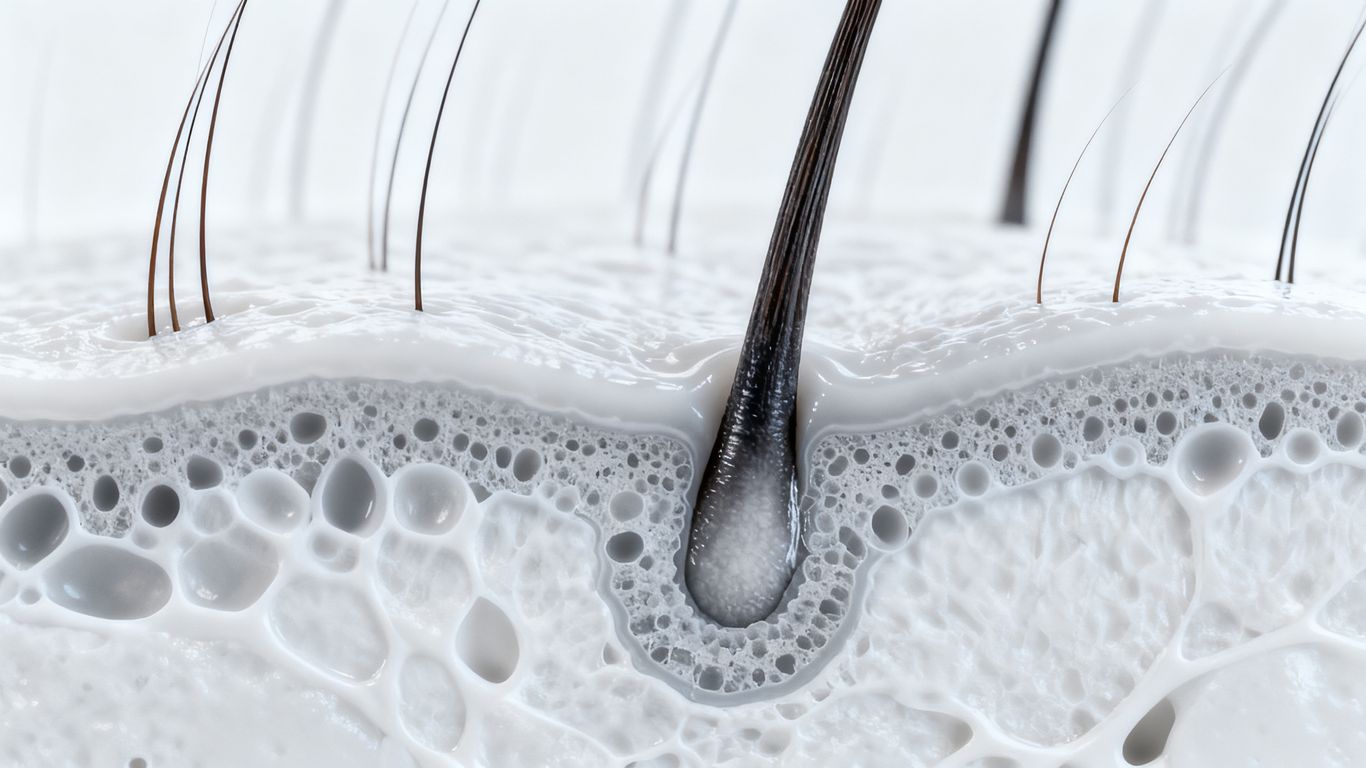
Both forms of the medication are considered effective tools for stimulating follicles and encouraging regrowth, though minor differences exist in how the skin absorbs the drug. Studies confirm that Minoxidil promotes hair growth by extending the anagen phase and increasing blood circulation regardless of the vehicle used. Choosing the best hair regrowth solution often depends on your ability to maintain consistent daily application rituals over several months.
Clinical efficacy in hair growth
Clinical evidence shows that both versions work with equivalent success in suppressing the progression of hair loss. The primary goals of the medication—reactivating inactive follicles and widening blood vessels to bring more nutrients to the scalp—are met by both formulas at the same clinical standard. Consistency remains the most important factor in whether a user experiences genuine therapeutic benefits from the treatment.
Skin surface contact and absorption mechanics
Absorption efficiency depends heavily on the product staying in direct contact with the scalp rather than being absorbed by the hair shaft itself. The chemical composition changes how the medication reaches the dermis, where the follicles are located.
| Feature | Liquid Minoxidil | Foam Minoxidil |
|---|---|---|
| Texture | Thin, watery | Thick, airy |
| Propylene Glycol | Yes | No |
| Drying Speed | Slow | Fast |
By comparing these physical profiles, users can determine which method ensures the product stays where it is needed most. Choosing based on your daily lifestyle helps ensure that the active component penetrates the skin barrier effectively for reliable results.
Influence of delivery vehicle on overall results
While the delivery vehicle changes from a solvent-based liquid to an aerosol-based foam, the systemic influence on hair regrowth timing remains remarkably similar. Users should manage their expectations by looking for subtle improvements starting around the four-month mark. Regardless of the choice made, consistent daily adherence is required to see progress in hair thickness and follicle stimulation.
Scalp sensitivity and side effects
Sensitivity to ingredients is perhaps the most common reason users switch between different formulations. While both products contain the same active ingredient, the additives in liquid solutions can unexpectedly trigger dryness, red patches, or intense itching in susceptible individuals. It is crucial to monitor how your skin responds during the first few weeks of starting a topical treatment to avoid ongoing discomfort.
Identifying propylene glycol allergies
Patients who frequently report stinging or flaking after application often find that the culprit is the propylene glycol found in liquid versions. If you notice a persistent rash or swelling after the liquid dries, you may be experiencing a sensitivity to this excipient. Moving to a foam formula often resolves these symptoms, as it relies on different emulsifiers.
Reducing itching and scalp irritation
To manage minor irritation, some users find relief by washing their hair with specialized gentle shampoos that do not further strip the scalp of natural oils. Limiting the exposure to the medication at the very edges of the hairline can also prevent it from dripping onto sensitive facial skin. Applying the product when the scalp is cool and clean further minimizes the chance of reaction.
Managing contact dermatitis risks
Chronic inflammation can hinder the progress of your treatment, so proactively addressing potential dermatitis is essential for long-term success. If you notice persistent peeling or burning, you should pause application and allow the scalp to recover before trying a lower concentration or switching to a formulation without propylene glycol. Maintaining a healthy scalp environment provides the best foundation for active hair growth.
Application techniques and user experience
Mastering your technique helps ensure that the medication is placed directly on the scalp and not just smeared across your hair strands. Proper application creates a better experience and ensures that your chosen format works to its maximum potential. Whether you prefer the control of a dropper or the tactile nature of foam, consistent habits will yield the most reliable results.
Measuring and applying liquid via droppers
Liquid minoxidil typically comes with a graduated dropper to help you measure the exact one-milliliter dose required. To apply it properly, follow these steps to maximize scalp absorption:
- Part your hair to reveal the thinning area directly.
- Squeeze the dropper to release the liquid in small drops.
- Spread the liquid gently with your fingertips to cover the area.
- Wash your hands thoroughly immediately after the process.
Following these steps ensures that you are not under-dosing or accidentally applying more than the recommended amount to your skin.
Utilizing foam for targeted scalp application
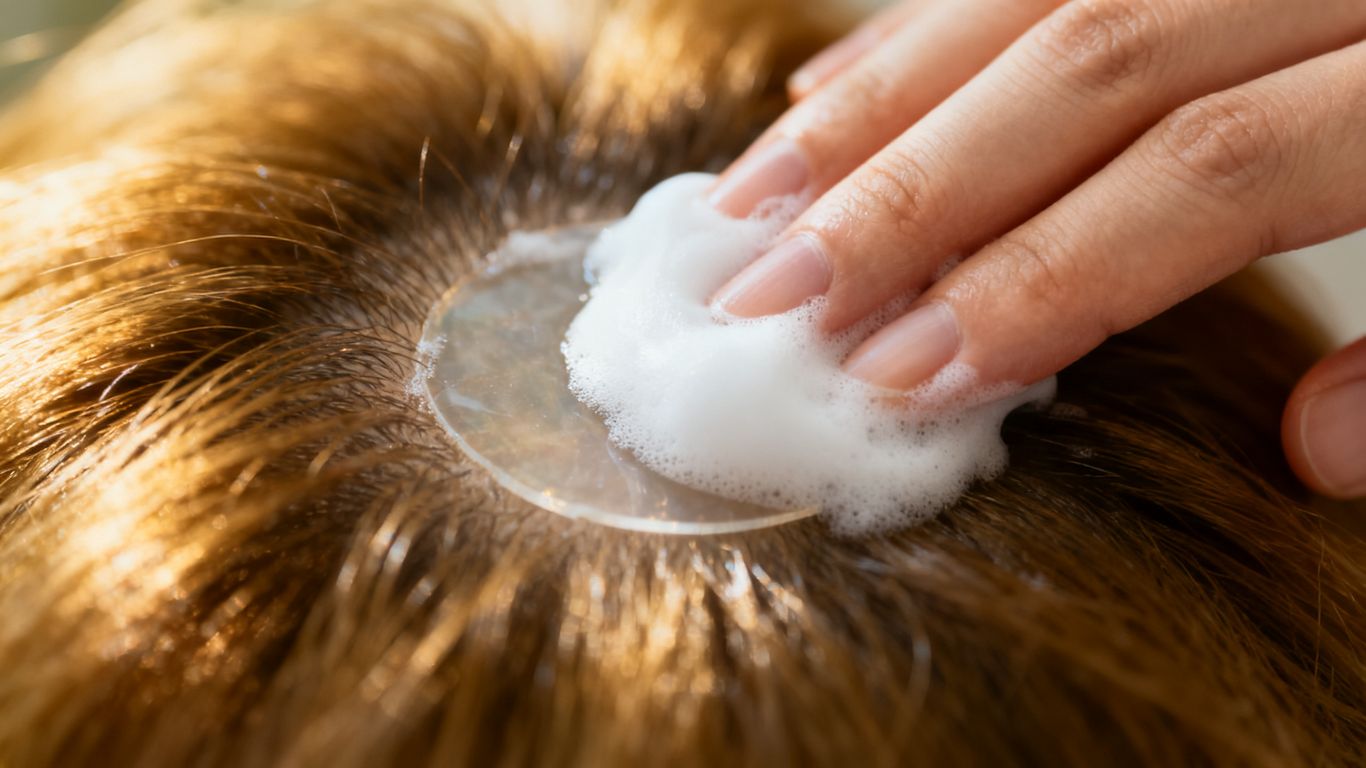
Foam is often preferred by many for its precision and lack of mess, as it does not drip like liquid. Because the foam can melt quickly, you should dispense it onto your fingertips first and then immediately massage it into the desired areas. This method gives you better control for focusing on the crown or the front hairline without the product running into your eyes or down your forehead.
Handling long hair and styling product interactions
Applying minoxidil to longer hair requires a bit more patience to ensure the product reaches the scalp rather than the hair shaft. For those with thick or long hair, lifting sections with a comb can make the process significantly easier. Additionally, you should allow the solution to fully dissolve and dry before applying any styling pomades, gels, or sprays to avoid unwanted buildup.
Economic factors and long-term commitment
Managing the costs of a daily regimen requires looking at both the upfront price and the frequency of use. Since treatment must be maintained to keep your progress, finding a cost-effective balance is key to staying on track for a long time. Many users discover that buying in bulk once they have settled on a specific formula can help reduce monthly expenditures significantly.
Cost comparison per monthly application
While brand-name products often carry a premium price, generic versions of both liquid and foam are widely available in the hair regimen market. Often, liquid minoxidil is sold at a slightly lower price point than foam, but this difference is sometimes offset by the fact that foam is less prone to wastage while applying. Analyzing your monthly use frequency can help you determine the total cost of ownership for your chosen brand.
Storage and shelf life requirements
Both versions should be kept in a cool, dry place away from direct sunlight to preserve the active ingredient. Foam, in particular, should be protected from extreme heat as the pressurized canister is sensitive to high temperatures. Proper storage prevents the formula from degrading, ensuring that each dose remains as potent as it was on the day you purchased it.
Sustainability and availability of brand options
With various options on the market, availability is rarely an issue for either liquid or foam. Most major pharmacies stock multiple versions, and many manufacturers provide subscription services for those who want to ensure they never run out of supply. By choosing a product with high availability, you ensure your routine remains uninterrupted, which is a vital component of success for sustained growth over the coming years.
Conclusion
Choosing between liquid and foam minoxidil is ultimately about finding the routine you can maintain with ease and consistency. While the liquid solution is a classic choice for broad coverage and ease of application on long hair, the foam variant offers a more discreet, drying-friendly experience for those with sensitive skin. Regardless of your preference, success depends on daily application and the patience to allow the follicles time to transition into the growth phase. By selecting the formula that fits your lifestyle, you are setting yourself up for the best possible results in your journey toward thicker, healthier hair.
Frequently Asked Questions
Can I switch between liquid and foam minoxidil if one causes irritation?
Yes, many users successfully switch to foam if the propylene glycol in the liquid version causes scalp irritation.
Does minoxidil work better if I apply it more than twice a day?
No, applying the medication more than twice a day does not increase its effectiveness and may actually raise the risk of adverse side effects.
How long should I wait before washing my hair after applying minoxidil?
It is recommended to wait at least four hours after applying the product before washing your hair to ensure full absorption into the scalp.
Will the hair I gain from minoxidil fall out if I stop using it?
If you discontinue the treatment, any hair growth that you have attained will likely be lost over a period of several months as the follicles revert to their previous state.
Can I use styling products while undergoing minoxidil treatment?
Yes, you can use hair styling products, provided you apply them only after the minoxidil has completely dried on your scalp.
Is it normal to experience increased hair shedding at the start of treatment?
Yes, many individuals notice a temporary increase in shedding during the first few weeks as old hairs are pushed out to make room for new growth.
Should I consult a doctor before starting minoxidil for hair loss?
It is wise to speak with a healthcare provider to ensure that your hair thinning isn't caused by an underlying condition that requires different treatment approaches.