

Is Minoxidil Toxic to Dogs? Understanding the Dangers for Your Canine Companion
Many people use minoxidil products to help with hair loss, but if you have a dog, you need to be aware of the serious risks involved. It turns out that minoxidil isn't just a simple hair growth treatment; it was originally developed for high blood pressure and can be quite dangerous for our canine friends. Even small amounts can cause big problems, so understanding is key if you're considering using it or already do. This article will help you figure out if minoxidil is toxic to dogs and what you need to do to keep your pet safe.
Key Takeaways
- Minoxidil, commonly used for hair loss, can be toxic and even fatal to dogs, even in small doses, because their bodies can't process it like humans can.
- Exposure can happen through direct contact, licking treated skin, or touching contaminated surfaces, making it a risk even if your dog doesn't ingest the product directly.
- Signs of minoxidil poisoning in dogs include lethargy, breathing trouble, rapid heart rate, vomiting, drooling, and collapse, often affecting the cardiovascular system.
- Preventing exposure involves applying minoxidil in pet-free zones, ensuring it dries completely before pet interaction, and storing products securely out of reach.
- If you suspect your dog has been exposed, wipe the affected area, do not induce vomiting, and seek immediate emergency veterinary care or contact a pet poison hotline.
Understanding Minoxidil Toxicity in Dogs
Why Minoxidil Poses a Danger to Canines
Minoxidil can be very toxic to dogs, even in small doses. It doesn’t take much—just a small amount licked from your hand or transferred off a surface can be enough to cause serious problems. Most people think about medications being swallowed, but in this case, dogs can even get sick from getting minoxidil on their skin or fur, and then grooming themselves. Three key reasons minoxidil is risky for dogs:
- Dogs process drugs like minoxidil much slower than humans do
- Even a tiny amount can overwhelm a dog’s system
- The most dangerous effects happen fast and are sometimes deadly
Pet owners often overlook how easily these products can end up where a dog can get to them, making extra caution necessary every single time minoxidil is used in the house.
How Dogs Metabolize Minoxidil Differently
A dog’s liver works differently than a person’s. Dogs don’t break down minoxidil efficiently. The drug lingers longer in their bodies, which allows toxic effects to pile up quickly. Here’s how their metabolism compares:
| Species | Minoxidil Breakdown Speed | Tolerance to Minoxidil |
|---|---|---|
| Human | Fast | Much higher |
| Dog | Slow | Extremely low |
This slow breakdown causes even small exposures to turn dangerous. With humans, a bit of accidental exposure usually doesn’t cause problems. For dogs, it’s a medical emergency waiting to happen.
The Cardiovascular Impact of Minoxidil Exposure
The main danger of minoxidil in dogs is what it does to their heart and circulation. The drug was actually first used to treat high blood pressure because it widens blood vessels. In dogs, this leads to:
- Rapid drop in blood pressure, causing weakness and collapse
- Irregular or slowed heartbeats
- Fluid leaking into the lungs or belly, making it hard to breathe
Most cases of poisoning show up quickly after exposure, with symptoms getting worse by the hour. More often than not, fast treatment is the only thing that can save a dog’s life after minoxidil poisoning.
Recognizing the Signs of Minoxidil Poisoning
It can be really scary when you think your dog might have gotten into something they shouldn't have, especially something like minoxidil. Because dogs process this medication so differently than we do, even a small amount can cause serious problems. Spotting the symptoms early is key to getting them the help they need fast. If you notice any of these signs, don't wait around – get your dog to the vet right away.
Lethargy and Weakness
One of the first things you might notice is a sudden change in your dog's energy levels. They might seem unusually tired, unwilling to play, or just generally weak. It's like they've lost all their get-up-and-go. This isn't just a lazy afternoon; it's a sign their body is struggling.
Respiratory and Cardiac Distress
Minoxidil really messes with a dog's heart and lungs. You might see them breathing much faster than normal, or their breathing could be shallow and difficult. Their gums might look pale or even have a bluish tint, which is a big red flag that they aren't getting enough oxygen. Their heart rate could also become very fast or irregular. These are all signs of serious trouble.
Neurological Symptoms and Collapse
Sometimes, minoxidil exposure can affect your dog's brain and nervous system. They might seem disoriented, walk unsteadily (like they're drunk), or even have tremors or seizures. In severe cases, they could suddenly collapse and become unresponsive. This is a critical emergency situation.
Gastrointestinal Upset and Drooling
Your dog might also show signs of stomach upset. This can include vomiting, diarrhea, or a noticeable lack of appetite. Excessive drooling is another common symptom. They might also seem uncomfortable or whine if you try to touch their belly, indicating abdominal pain.
Routes of Minoxidil Exposure for Pets
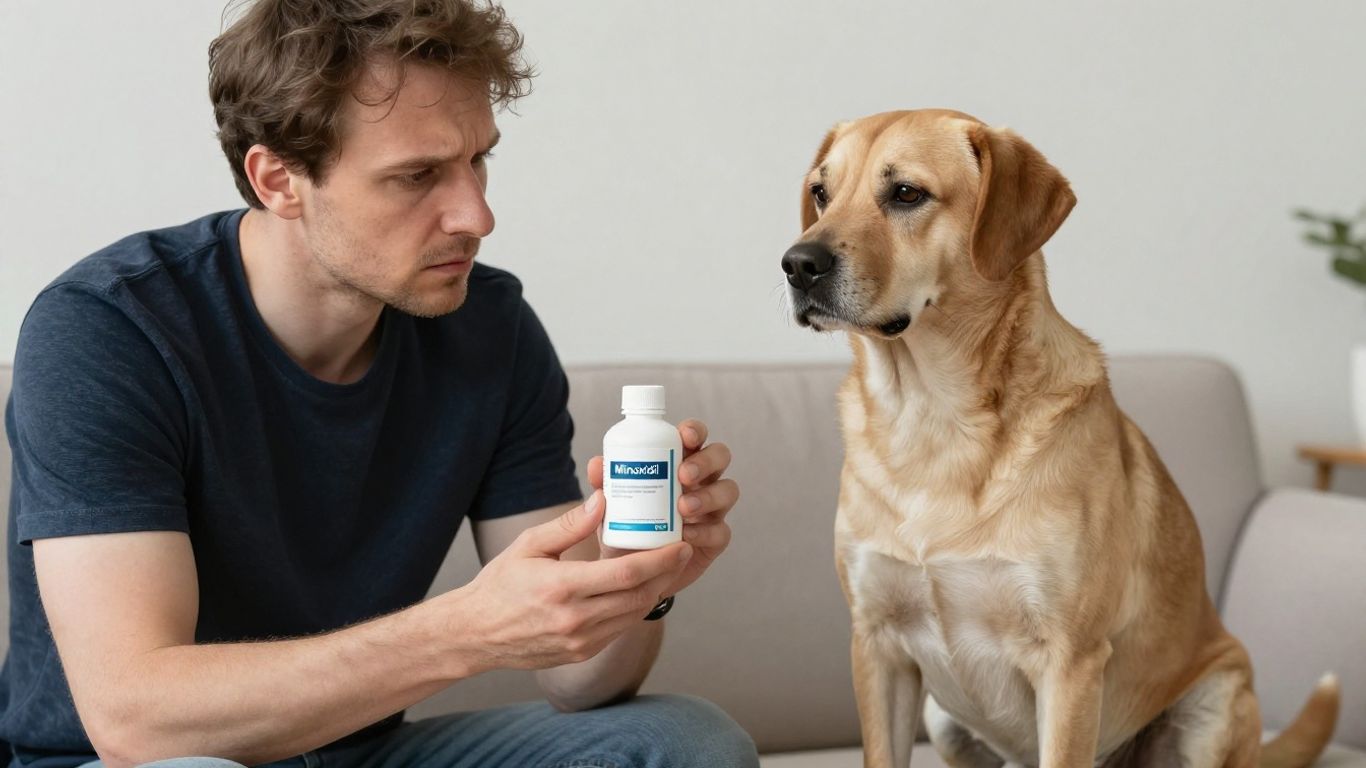
Minoxidil, a popular hair regrowth solution for humans, can get to dogs in several sneaky and unexpected ways. Pet owners often underestimate just how easily their furry friends can come in contact with, or even ingest, this medication. Knowing exactly how exposure can happen is key to keeping your pets safe.
Direct Contact and Ingestion
- Dogs may lick skin that’s been treated with minoxidil, whether it’s your scalp or hands after application.
- If spilled onto their fur, dogs can accidentally consume it during grooming.
- Curious pups sometimes chew on closed bottles, open containers, or even applicators left out in reach.
Contact with Contaminated Surfaces
- Minoxidil that accidentally drips onto floors, bedding, or upholstery can easily be picked up by your pup’s paws or fur.
- Once it’s on their bodies, most dogs will try to clean themselves by licking—bringing the chemical straight into their digestive system.
- Contaminated surfaces can be especially dangerous if they aren’t quickly and thoroughly cleaned.
Accidental Ingestion of Discarded Products
- Used tissues, cotton balls, or gloves containing minoxidil residue, if left in open trash bins, are a tempting target for pets.
- Uncapped or partially empty bottles tossed away can leak, allowing animals to access what’s left.
- Pets with a nose for adventure can find these discarded items in a matter of seconds.
| Exposure Route | How It Happens | Risk Level |
|---|---|---|
| Direct skin/fur contact | Licking skin, grooming treated fur | Very High |
| Contaminated surfaces | Walking or lying on wet spots, then self-grooming | High |
| Eating discarded materials | Chewing tissues, bottles, or cotton balls | Extremely High |
Pets don’t know what’s dangerous—they depend on us to protect them from hidden risks in our homes. Staying attentive with our routines and cleaning up after ourselves is the best way to avoid a toxic accident.
Preventative Measures for Pet Owners
It's easy to forget that many things in our homes, especially medications, can be dangerous for our furry friends. Minoxidil, commonly found in hair growth products, is a prime example. The good news is that with a little awareness and some simple steps, you can significantly reduce the risk of your dog being exposed to it.
Safe Application and Drying Times
When using minoxidil products yourself, always allow them to dry completely before letting your dog near you. This might seem obvious, but it's easy to forget, especially if your dog is eager for attention. A good rule of thumb is to wait at least two to three hours, or until the product is no longer tacky to the touch. During this drying period, keep your dog in a separate room or occupied with a toy. If your dog has a tendency to jump up or lick, consider using a temporary barrier or keeping them on a leash when you're freshly applying the product.
Secure Storage of Minoxidil Products
Think of your medicine cabinet like a vault. Dogs are surprisingly clever when it comes to getting into things they shouldn't. Store all minoxidil products, and indeed all medications, in high cabinets with secure latches. Bathrooms are often too humid and accessible, so a closet or a higher shelf in a kitchen cabinet might be a better bet. Never leave these products on countertops or nightstands, even for a short while. A dropped pill or a knocked-over bottle can be a disaster waiting to happen.
Proper Disposal of Contaminated Materials
Don't just toss used applicators, cotton balls, or empty bottles into the regular trash. Dogs can sometimes get into garbage cans. It's best to seal any contaminated materials in a plastic bag before putting them in the trash. For empty containers, rinsing them thoroughly (and disposing of the rinse water safely) before disposal can also help. If your community has a medication take-back program, that's an even better option for unused or expired products.
Maintaining a Pet-Free Application Zone
Designate a specific area in your home where you apply minoxidil, and make sure your dog is not allowed in that space during application and the subsequent drying period. This could be a specific bathroom or even just a chair in a room where your dog doesn't typically hang out.
- Clear Communication: If you live with others, make sure everyone understands the rules about keeping pets away during application and drying times.
- Physical Barriers: Use baby gates or close doors to create a temporary
Immediate Actions Following Minoxidil Exposure
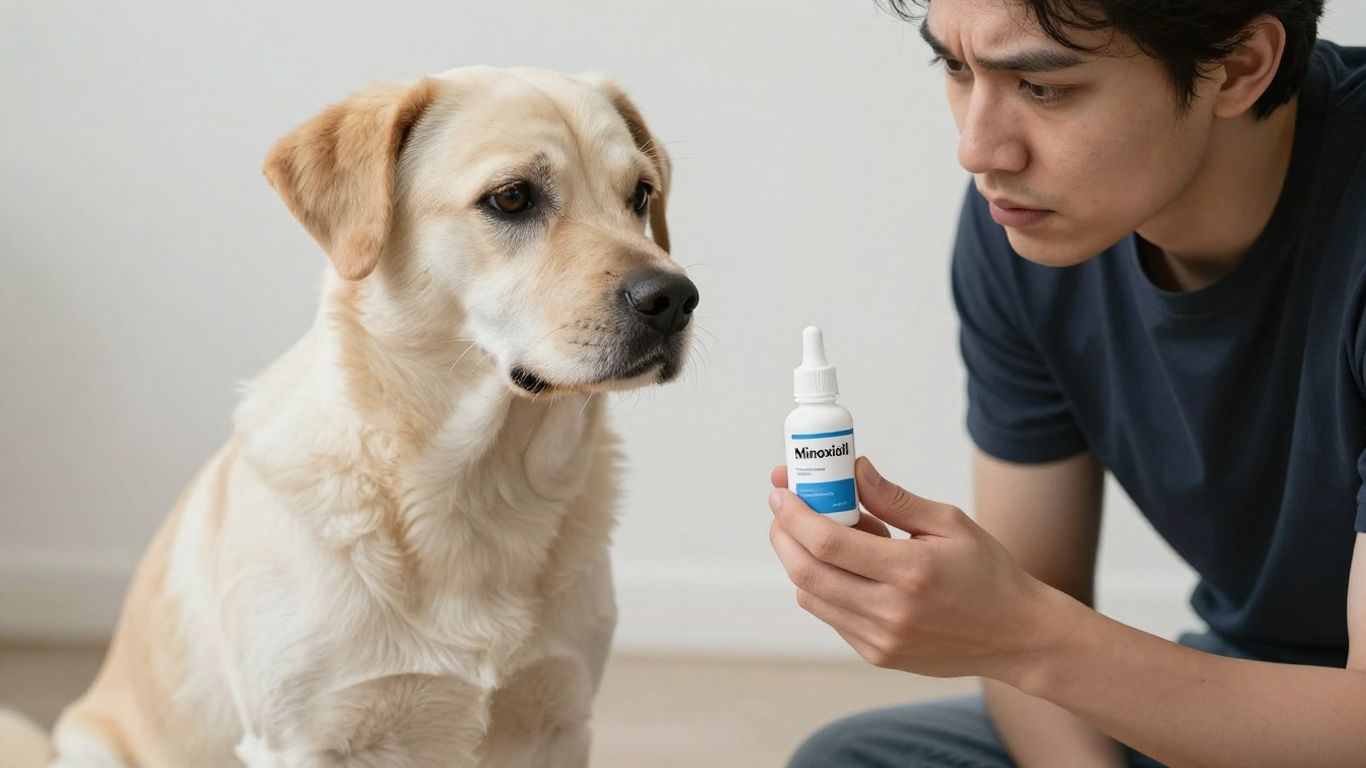
Okay, so your dog might have gotten into some minoxidil. Don't panic, but do act fast. Time is really of the essence here, and knowing what to do can make a big difference. It's all about minimizing the amount of the drug that gets absorbed into their system and getting professional help.
Wiping Contaminated Areas
If you notice minoxidil on your dog's fur or skin, the first thing you should do is gently wipe the area. Use a damp cloth or paper towel with some warm water. The goal here is to remove as much of the product as possible before it can be absorbed through the skin or, worse, licked off. Be thorough but gentle, especially if your dog seems uncomfortable.
Avoiding Inducing Vomiting
It might seem like a good idea to make your dog throw up, but please, don't do it unless a vet specifically tells you to. Sometimes, making them vomit can actually cause more problems, like aspiration pneumonia if they inhale the vomit. It's best to leave this to the professionals who know when and how it's appropriate.
Seeking Emergency Veterinary Care
This is the big one. You need to get your dog to a veterinarian as soon as possible. Call your vet's office or the nearest emergency animal hospital right away. Let them know you suspect minoxidil exposure and describe your dog's condition. They'll give you specific instructions over the phone and prepare for your arrival. Bring the product container with you if you can; it helps the vet know exactly what they're dealing with.
Contacting Pet Poison Hotlines
If you can't reach your vet immediately or want a second opinion, pet poison hotlines are a great resource. They have experts available 24/7 who can provide immediate guidance. Some common ones include the ASPCA Animal Poison Control Center and the Pet Poison Helpline. They can offer advice while you're on your way to the vet or help you decide if a vet visit is truly urgent.
Here's a quick rundown of what to do:
- Gently clean any visible minoxidil from your dog's fur or skin.
- Do NOT try to make your dog vomit on your own.
- Call your veterinarian or an emergency animal hospital immediately.
- Consider calling a pet poison control hotline for expert advice.
Remember, minoxidil is a potent medication. Even small amounts can cause serious health issues in dogs, primarily affecting their heart and blood pressure. Quick action is your best bet for a positive outcome.
Minoxidil's Place Among Household Toxins
Comparison with Other Common Pet Toxins
It's easy to think of poisons as exotic things, but honestly, some of the most dangerous stuff for our pets is probably already in your medicine cabinet or cleaning closet. Minoxidil is definitely up there on the list of things to be super careful with. It's not just about keeping it away from them; it's about understanding how potent it is, even in tiny amounts. We're talking about things like antifreeze, certain plants, and even some human foods that can be deadly. Minoxidil fits right into that category of everyday items that require extra vigilance.
Here's a quick look at some other common household dangers:
- Human Medications: Pain relievers like ibuprofen and acetaminophen are big no-nos. Even a small dose can cause serious organ damage. Antidepressants and blood pressure meds can also be really harmful.
- Household Cleaners: Things like bleach, drain cleaners, and even some detergents can cause severe internal burns if ingested.
- Pesticides and Rodenticides: These are designed to kill pests, and they can be just as deadly to your dog.
- Certain Foods: Chocolate, grapes, raisins, onions, garlic, and artificial sweeteners like xylitol are all toxic to dogs.
Minoxidil's danger lies in its rapid effect on the cardiovascular system. Unlike some toxins that might cause a slower decline, minoxidil can lead to severe hypotension and heart issues very quickly. A scoping review of cases up to January 2025 found 94 instances of minoxidil poisoning in pets, with a concerning 15% mortality rate [71e5]. That's a pretty stark number when you consider how common minoxidil products are.
Minoxidil's toxicity in dogs is a serious concern because their bodies can't process it like ours. This means even a small amount, whether licked off skin or a surface, can quickly lead to dangerous drops in blood pressure and heart rate, potentially causing organ damage or even death. It's a potent vasodilator, and in a dog's system, it can be overwhelming.
The Critical Role of Owner Awareness
Honestly, the biggest defense we have against minoxidil poisoning is just knowing about it. It's not something you can be casual about. If you use minoxidil, or if someone in your household does, you need to be extra careful. It's about making a conscious effort to keep it out of reach and understanding the risks involved. Being informed is the first and most important step in protecting your dog from this and other household hazards. Don't assume your dog won't get into something; they're curious creatures, and what seems inaccessible to us might be an interesting new chew toy to them. Staying aware helps you take the right steps to keep them safe.
Keep Your Furry Friends Safe from Minoxidil
So, we've talked about how minoxidil, while great for human hair loss, can be really dangerous for our dogs. It's not something they can process like we do, and even a little bit can cause serious health problems, especially with their heart. It's super important to be careful where you store it and how you apply it, making sure your dog can't get to it. If you think your dog might have gotten into it, don't wait around – get them to the vet right away. A little bit of caution goes a long way in keeping our pets safe and sound.
Frequently Asked Questions
Why is Minoxidil so dangerous for dogs?
Dogs can't break down Minoxidil like humans can. Their bodies don't have the right tools to get rid of it quickly. This means even a tiny bit can build up and cause serious problems, especially affecting their heart and blood pressure.
What are the signs that my dog might have been exposed to Minoxidil?
Watch out for signs like extreme tiredness, trouble breathing, a very fast or weak heartbeat, vomiting, lots of drooling, or if your dog seems wobbly or collapses. Pale or bluish gums are also a bad sign.
How can my dog accidentally get Minoxidil on or in them?
Your dog could lick it off your skin after you apply it, or lick it if you spill it. They might also chew on used applicators or bottles left lying around.
What should I do right away if I think my dog touched Minoxidil?
First, gently clean the area where they might have touched it with warm water. Don't try to make them throw up. The most important thing is to call your vet or a pet poison helpline immediately for advice.
How can I prevent my dog from getting into Minoxidil?
Always put Minoxidil on in a room your dog can't get into. Let it dry completely before letting your dog near you. Store the product safely away, like in a high cabinet, and clean up any spills right away. Throw away used items carefully.
Is Minoxidil the only household product that's dangerous for dogs?
No, Minoxidil is just one of many. Many human medications, like pain relievers and even some foods like chocolate and grapes, can be very harmful or even deadly to dogs. It's important to be aware of all potential toxins in your home.