

How to make hair grow faster: A comprehensive guide
Key Takeaways
Optimizing your hair health requires a holistic approach that balances internal nutrition with external care routines. Understanding the biology of your follicles helps in setting realistic expectations for growth.
- Eat a nutrient-dense diet rich in proteins and vitamins to support the anagen growth phase.
- Prioritize a consistent scalp care routine to maintain a healthy environment for follicles.
- Choose gentle handling methods, such as silk pillowcases, to minimize mechanical damage and breakage.
- Manage chronic stress through lifestyle shifts to protect the natural hair cycle from disruption.
- Consult dermatology professionals before initiating clinical treatments to ensure safety and suitability.
Optimizing your diet for hair growth
Supporting your body from the inside is the most reliable way to create the foundation for longer, thicker hair. When you consume the right nutrients, you feed your follicles the building blocks they need to sustain themselves throughout the rigorous growth cycle. While individual results vary, focusing on whole foods remains the gold standard for maintaining healthy, long hair.
Essential vitamins and minerals
Ensuring your body has enough vitamins, particularly A, B, C, D, and E, as well as minerals like iron and zinc, is crucial for hair vitality. Many hair experts suggest that deficiencies in these areas often lead to slowed growth or increased shedding. When exploring options, you might look into healthy long hair strategies that highlight specific nutrient profiles to nourish your scalp.
The role of protein intake
Since hair is primarily composed of the protein keratin, failing to eat enough protein can directly weaken the strands you are trying to grow. Including adequate amounts of lean meats, beans, or plant-based proteins is essential for structural integrity. You should avoid the mistake of focusing solely on metrics when assessing your diet, as data-driven decisions regarding nutrition must account for your personal health needs.
Staying hydrated for scalp health
Adequate water intake helps maintain cell function, including the cells responsible for hair production in the dermal papilla. Dehydration can lead to a dry, tight scalp, which may impede healthy follicle function over time. You might consider looking at expert advice on hair growth potential to see how simple hydration habits fit into a wider routine.
Developing a scalp care routine
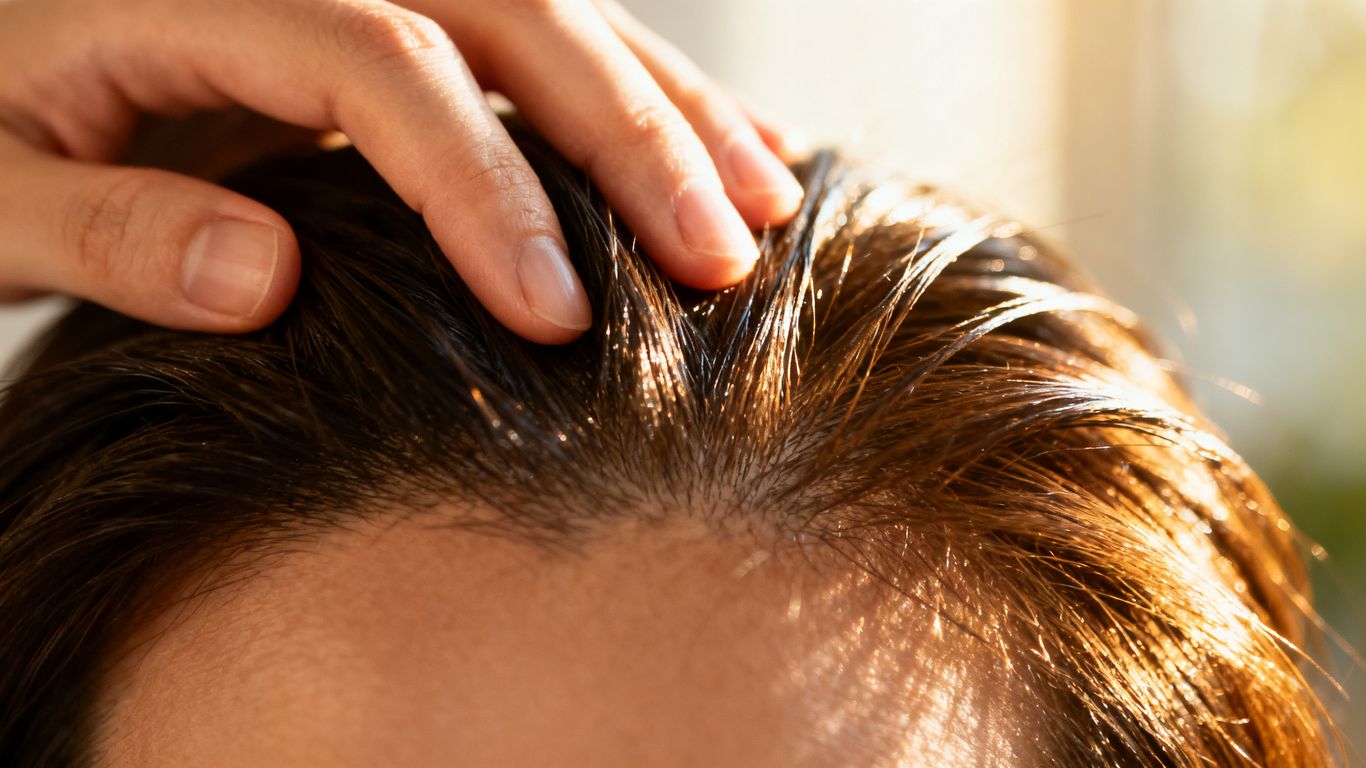
An effective scalp care routine acts much like skin care for the face, creating a clean and stimulated environment for growth. Removing debris and increasing circulation ensures that the hair has the best possible chance to thrive. Consistency is the secret ingredient here, as temporary changes rarely produce lasting results.
The benefits of regular scalp massage
Massaging the scalp manually helps to stretch the dermal papilla cells, which can lead to increased hair thickness and improved circulation. You can easily incorporate this into your day using the pads of your fingers in circular motions for a few minutes. It serves as a gentle way to wake up the follicles without the need for harsh chemicals.
Exfoliating to remove product buildup
Over time, conditioners, dry shampoos, and styling products can accumulate on the surface of the scalp, potentially clogging the pores of your hair follicles. Using a mild physical or chemical exfoliant once a week can clear these pathways, allowing the hair to emerge unobstructed. Keeping the area clean prevents the irritation that often leads to excessive shedding.
Choosing the right shampoo and conditioner
Selecting the correct cleansers depends largely on your specific hair type and sensitivity levels. It is often beneficial to look for sulfate-free options that clean the hair without stripping away the natural oils needed for hydration. You can find faster and stronger hair growth tips that explain how to choose formulas that match your scalp's unique needs.
Protecting hair from damage and breakage
If you find your hair never seems to get longer, the issue might not be the growth speed, but the rate of breakage at the ends. Protecting your hair involves reducing the physical stress that strands endure during daily activities. By making small adjustments to your habits, you can preserve the length you work so hard to achieve.
Minimizing heat styling tool usage
High-heat tools like straighteners and blow dryers can cause the moisture inside your hair shaft to evaporate, leaving the outer cuticle brittle. While you do not need to abandon heat entirely, reducing how often you reach for these tools will significantly reduce split ends. Relying on air drying or cool-air settings is a safer alternative that keeps the hair structure intact during the day.
Reducing friction with silk pillowcases
Cotton fabric is surprisingly abrasive, which causes friction that leads to tangles and mechanical breakage while you sleep. Switching to a smooth surface like silk or satin allows your hair to glide freely across the pillow throughout the night. This is a common piece of advice shared in many professional hair growth guides regarding how to maintain length.
Mastering the art of gentle detangling
The way you treat your hair after washing is critical, as hair is at its most vulnerable state when it is wet. To prevent snapping and stretching, follow this sequence of care:
- Apply a leave-in conditioner to provide slip and moisture.
- Work in small sections starting from the very ends.
- Use a wide-tooth comb to gently navigate through any snags.
- Avoid yanking or forcing the brush through heavy tangles.
By following this method, you significantly lower the risk of unwanted breakage during your grooming process. Properly detangling ensures that the hair stays strong and healthy from roots to ends.
Professional treatments and clinical approaches

Sometimes, external habits are not enough to address specific hair loss concerns, especially if there is an underlying medical issue. Clinical treatments provide a more targeted approach for those who need a medical intervention to stimulate active growth. It is essential to approach these clinical pathways with professional guidance rather than self-diagnosis.
Assessing the efficacy of minoxidil
Minoxidil remains a common, evidence-based medication used to increase blood flow to the follicles and extend the anagen phase of hair growth. Research has shown that consistent use can help many individuals maintain current density or encourage regrowth in thinning areas. If you are researching this, reviewing the hair grow faster manual can provide context on how these pharmacological agents function.
Exploring platelet-rich plasma therapy
Platelet-rich plasma therapy involves drawing a small amount of your own blood, concentrating the platelets, and injecting them into the scalp to trigger regenerative healing. This treatment is often utilized to support weaker follicles and is performed by trained medical professionals. While the results can be significant, the process often requires a series of sessions to achieve visible changes.
When to consult a dermatologist
If you notice sudden patches of hair loss, excessive shedding, or an itchy, inflamed scalp, you should schedule a visit with a board-certified dermatologist. They can provide an accurate diagnosis, as problems like androgenic alopecia require a different diagnostic approach. Professionals can evaluate whether the issue is related to genetics, hormones, or external factors that require a clinical plan.
Lifestyle factors and stress management
Your internal state reflects outward on your hair cycles, making lifestyle management a core component of your routine. Chronic stress can push hair follicles prematurely into the shedding phase, halting growth entirely. By identifying and addressing these triggers, you protect the stamina of your hair growth process.
How chronic stress impacts hair cycles
High levels of cortisol, the hormone associated with stress, can disrupt the natural rhythm of the hair growth cycle. This can manifest as dormant hairs falling out significantly faster than they normally would. Managing this impact is just as important as using the right topical products for your scalp.
The link between sleep quality and growth
Deep sleep is the time when your body performs most of its repair work, including the regeneration of cell structures. Poor sleep quality likely deprives your body of the hormonal balance needed to maintain hair production. Prioritizing consistent rest creates the conditions for systemic recovery throughout your entire body.
Cardiovascular exercise and blood circulation
Physical activity increases heart rate, which improves the flow of oxygenated blood to all parts of the body, including the scalp. This surge in circulation delivers vital oxygen and nutrients to your follicles directly. The following table highlights common activities and their impact on your general circulation:
| Activity Type | Intensity Level | Impact on Circulation |
|---|---|---|
| Brisk walking | Low | Moderate stimulation |
| Jogging | Moderate | High circulation boost |
| Swimming | High | Full body engagement |
Regular activity is a simple way to foster the internal environment required for hair to thrive without relying on external fixes alone.
Avoiding common hair growth myths
Separating fact from fiction is essential when navigating the sheer volume of hair advice available online. Many common beliefs often stem from marketing intentions rather than biological reality. By understanding the truth, you avoid wasting time and money on ineffective fads.
Does trimming hair actually make it grow faster?
Trimming your hair does not influence the follicles on your scalp, as growth happens from the root, not the ends. However, regular trims are necessary to remove split ends before they travel further up the hair shaft. While they do not increase the speed of growth, they help keep the ends looking healthy and prevent thinning.
Debunking the daily hair washing fallacy
There is no one-size-fits-all rule for how often to wash your hair, as it depends on your oil production and scalp environment. Daily washing may strip away necessary natural oils for some, while others require frequent cleaning to prevent buildup. The key is to monitor how your scalp reacts rather than strictly adhering to a daily mandate.
Clarifying the effectiveness of supplement marketing
Many hair growth supplements on the market make broad claims about speed that often ignore the complexity of human biology. Taking vitamins only helps if you actually have a deficiency; taking excess amounts rarely results in faster growth. Understanding your personal dietary needs through a professional checkup is always more effective than blindly following marketing advertisements.
Conclusion
Growing your hair is a marathon rather than a sprint that requires patience, consistency, and a foundation of good health. By focusing on nourishing your body, treating your scalp with care, protecting your ends from damage, and managing your stress effectively, you provide your hair the ideal environment to reach its full potential. While no single miracle product exists, the combination of these lifestyle practices creates a sustainable path for growing the hair you desire.
Frequently Asked Questions
Does genetics play a major role in how fast my hair grows?
Yes, genetics are the primary factor in determining your hair's growth cycle length and its overall density. While you can support your hair's health through diet and hygiene, your natural growth rate is ultimately dictated by your DNA.
Is it possible to see results within one month?
Significant visible length growth is rarely noticeable in a single month because hair typically grows only about half an inch per month. You should generally expect a sustained routine of several months to start seeing meaningful, lasting changes in thickness and quality.
Do hair growth oils really penetrate the scalp to stimulate follicles?
Most hair oils act primarily by moisturizing the cuticle and protecting the strand from environmental damage rather than penetrating deep into the scalp. While they can improve scalp comfort, their direct role in increasing the speed of hair production is not clinically established.
Why does my hair seem to stop growing at a certain length?
This is often due to your hair shedding before it reaches a longer length, rather than a failure of the root to produce new hair. If your hair is brittle or dry, the ends may be breaking off at the same rate that new length is being added at the root.
Can extreme weather conditions damage my hair significantly?
Yes, both harsh UV rays and cold, dehumidified air can leach moisture from your hair and weaken its structure. Protecting your hair with hats, scarves, or protective styling can prevent environmental damage that leads to breakage.
Should I switch my hair care products seasonally?
It is a common practice to swap products based on the season, such as choosing moisturizing formulas in the winter for dryness and lighter, clarifying formulas in the summer for humidity and sweat. Your scalp's needs often shift with the temperature and your level of outdoor activity.
Can hard water influence the texture and growth of my hair?
Hard water contains dissolved minerals that can deposit on your hair and scalp, causing irritation and making strands feel heavy or dry. Using a quality clarifying shampoo or a shower filter can help mitigate these effects and keep the hair cleaner over time.