

Hair transplant for receding hairline: A complete guide to the procedure and recovery
Key Takeaways
Understanding the progression of hair loss is the first step toward effective management and surgical repair. These points summarize the essential considerations for those exploring a permanent solution to thinning hair.
- Genetics often drive the pattern of androgenetic alopecia which typically causes a receding hairline over time.
- Donor density is the primary factor limiting the potential coverage and thickness of a successful procedure.
- Surgical techniques like FUE and FUT offer distinct advantages regarding recovery time and scar formation.
- Post-operative care requires diligence to ensure that transplanted grafts remain protected during the delicate healing phase.
- Total investment varies significantly based on individual graft requirements and the complexity of the desired hairline design.
Understanding the causes of a receding hairline
Many people notice their hairline migrating backward gradually, a change that can be linked to several predictable physiological processes. While temporary thinning can be triggered by external stressors, permanent recession is usually a permanent shift in follicular activity. Recognizing these signs early allows for proactive discussions about potential restorative options.
Identifying genetic patterns in androgenetic alopecia
The most frequent culprit behind a shifting hairline is androgenetic alopecia, commonly known as male—or female—pattern baldness. This condition stems from an inherited sensitivity in hair follicles to dihydrotestosterone (DHT), a derivative of testosterone. Over time, that sensitivity leads to the miniaturization of follicles, which then produce thinner, weaker hair until production eventually stops entirely.
Environmental factors and lifestyle impacts
Beyond inherited genetic traits, external influences often accelerate the loss of hair density. Chronic stress, poor nutritional intake, and high-impact physical stress on hair follicles can weaken hair health, although these factors typically exacerbate existing genetic predispositions rather than act as the sole cause. Addressing these elements early might support existing hair longevity, though it rarely reverses established hairline recession.
How to distinguish natural maturation from balding
It is common for the hairline to shift slightly as the face matures during your twenties. This transition is known as a mature hairline, which usually moves back symmetrically without the thinning or miniaturization seen in androgenetic alopecia. Unlike genetic balding, which continues to progress, a mature hairline tends to stabilize at a natural position and remain there indefinitely.
Assessing your candidacy for a hair transplant
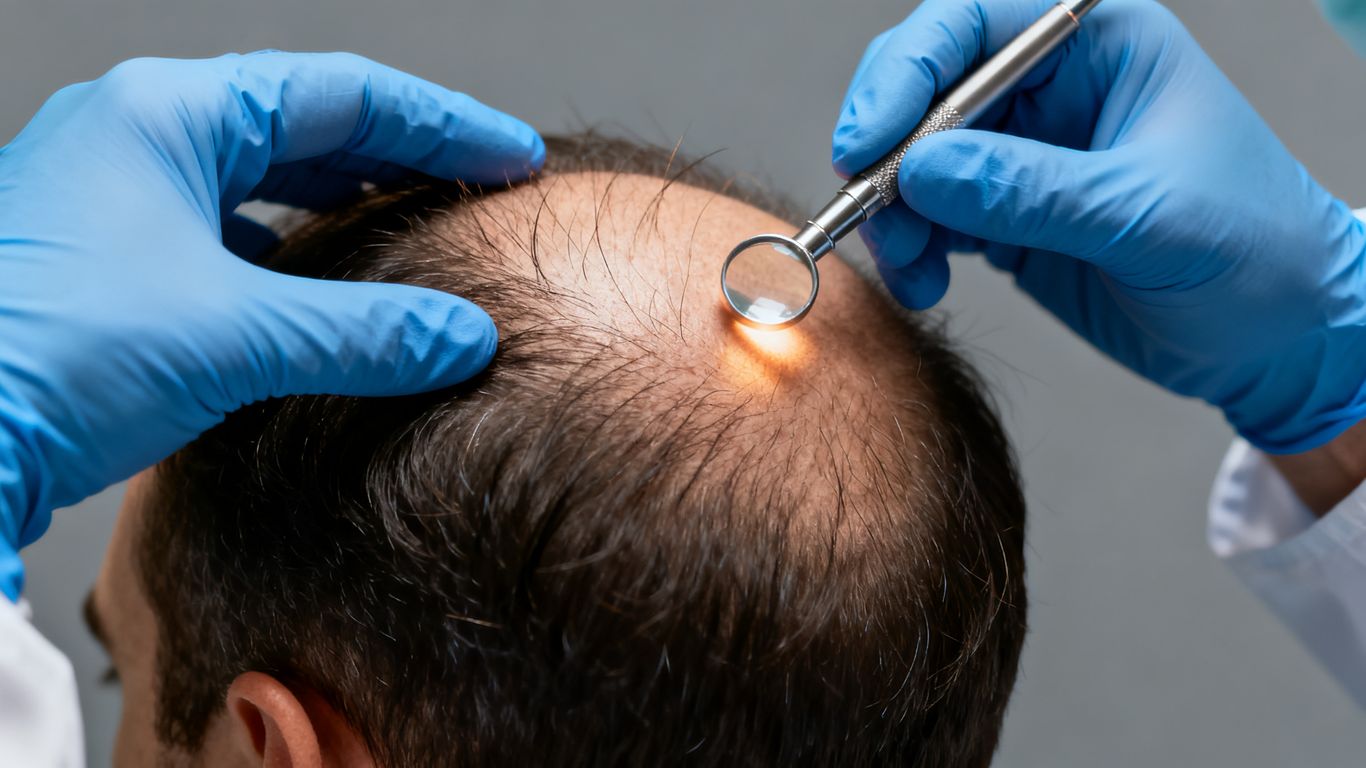
Determining if you are an ideal candidate involves a deep review of your current hair loss state and your long-term goals. Surgeons look for sufficient stable hair on the back and sides of the scalp to act as donor material. If you are looking to restore your youthful appearance with a hair transplant for a receding hairline, scheduling a comprehensive assessment is the best first step.
Evaluating donor hair density and quality
The volume of hair available at the donor site determines how much coverage a surgeon can provide to the front of the scalp. High hair density in the donor region is a positive sign, but the texture and caliber of individual hairs also play a major role in the final aesthetic appearance. A surgeon must determine if the hair quality is robust enough to provide natural-looking coverage in thin, visible areas.
Examining scalp laxity and skin elasticity
Scalp health includes its physical properties, such as how readily the skin stretches and moves over the skull. Increased laxity is particularly important for techniques that remove strips of skin, as the scalp must have enough play to close the site cleanly and minimize surface tension. Tight skin might limit the donor area capacity and shift the focus toward techniques that do not rely on large removals.
Age considerations and hair loss stabilization
Performing a procedure too early can be risky because the original pattern of loss may not have fully revealed itself yet. Most surgeons prefer candidates who have achieved a level of hair loss stabilization, ensuring that the donor-to-recipient transplant does not become mismatched if the surrounding hair falls out later on. This cautious approach ensures that the design of your new hairline remains harmonious with your face shape throughout the years.
Choosing between FUE and FUT methods
Selecting the right surgical path depends on your lifestyle, the scar tolerance of your scalp, and the specific number of grafts needed. Both major techniques utilize the same fundamental logic—harvesting viable, DHT-resistant follicles from the rear of the head and placing them in thinning areas—but they differ in how they approach the donor region.
The process and benefits of follicular unit extraction (FUE)
In an FUE procedure, the surgeon harvests individual hair follicles directly from the scalp using a small, circular punch tool. This method is highly favored by many because it leaves tiny, dot-like scars that are barely visible even with short hair. It is a precise method that allows for significant flexibility in how hairs are grouped and placed across the front of the scalp.
The advantages and scalability of follicular unit transplantation (FUT)
This classic method involves safely removing a small, thin strip of scalp and meticulously isolating the donor follicles in a laboratory-style setting. This technique is often preferred for those needing a large volume of grafts in one pass because it provides efficient access to high-quality follicular units. When done correctly, the linear scar created is usually well-hidden by surrounding hair, providing a stable, reliable foundation for dense hair regrowth.
Comparing long-term scarring and recovery timelines
| Feature | FUE Method | FUT Method |
|---|---|---|
| Donor Site Impact | Tiny dot scars | Linear thin scar |
| Recovery Speed | Typically faster | Requires stitch removal |
| Suitability | Short hairstyles | High-volume needs |
It is worth noting that while some individuals prefer the lower visibility of dots, others find the efficiency of a single strip preferable for long-term coverage. Your surgeon will discuss which of these paths aligns better with your scalp history and expected growth cycle. For patients seeking specific solutions, effective hair transplant solutions for women are also readily available using these same fundamental techniques tailored for different scalp coverage needs.
Preparing for your surgical procedure
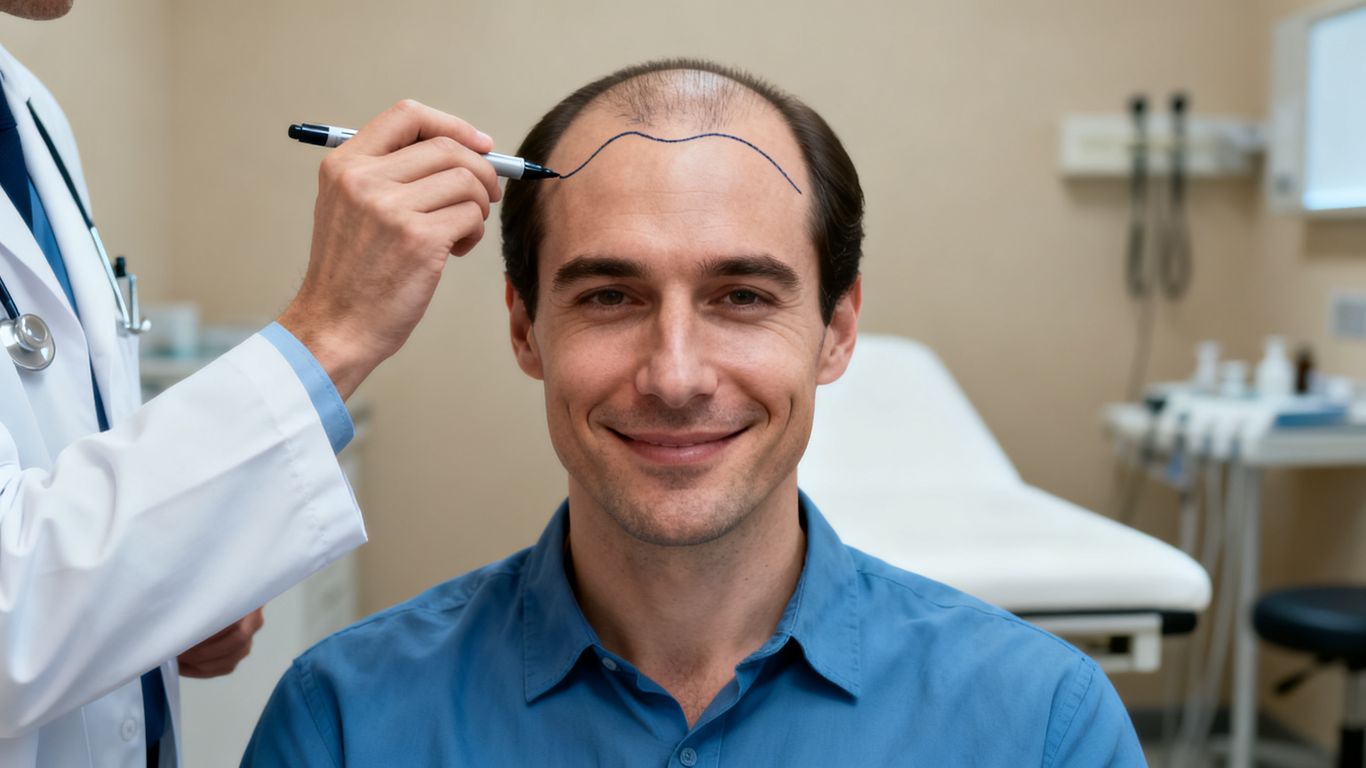
Preparation involves a few weeks of diligent planning to ensure your scalp is in the best condition possible for healing. Following a clear set of pre-operative guidelines keeps the graft survival rate high and avoids preventable complications during the day of the procedure. It is essentially about setting the stage for optimal growth while maintaining your health.
Essential pre-operative medical requirements
Patients must undergo a thorough medical screening to ensure they are fit for surgery. This involves checking for conditions that might impede blood flow or wound healing efficiency. You should also ensure your scalp is free of any active infections or irritations that could interfere with the delicate process of placing new follicles.
Medications and supplements to avoid beforehand
Certain substances can thin the blood and dramatically increase the risk of bleeding during the procedure. Doctors generally recommend that you pause any blood-thinning supplements, including omega-3 fish oils or herbal products, at least two weeks prior to the surgery date. This precaution minimizes the impact on graft placement and final aesthetic precision.
Planning the design of your new hairline
Designing your hairline is a collaborative process where the surgeon works to balance your desires with natural proportions and future aging. A well-constructed hairline does not simply trace your old line but accounts for the way hair grows naturally toward the temples. If you want to lower your high hairline or reduce a large forehead, current techniques allow for sophisticated, artistic designs that frame your face frame naturally.
Navigating the post-operative recovery process
Recovery is a structured journey designed to keep every single transplanted graft safe until it integrates fully with your blood supply. The first few days often involve managing swelling and sleeping in an elevated position to ensure fluid clears from the surgical area. Following the post-op care guide provided by your surgical center is critical for maintaining graft health during the first week.
Managing immediate swelling and discomfort
The first 48 to 72 hours are peak periods for swelling around the forehead and eyes as the body moves surgical fluids out of the treated area. Cold compresses and prescribed anti-inflammatory medications help keep this discomfort manageable and prevent excessive puffiness. Staying hydrated also assists your body in managing the healing process under the skin.
Protecting delicate transplanted grafts during week one
For the first seven days, the newly placed grafts are essentially just getting a foothold and are very susceptible to physical disturbance. You should avoid all direct impact, bending over unnecessarily, or rigorous exercise sessions that increase heart rate and blood flow to the head. These basic precautions prevent grafts from shifting before they successfully bond with the surrounding scalp tissue.
The expected timeline for initial shedding and new growth
It is entirely normal to see the newly transplanted hairs shed within the first month. Do not be discouraged by this as it indicates the transition phase, while the actual follicles remain sound and active underneath. You can expect to see the following evolution:
- Month 1: Initial shedding of the hair shafts occurs.
- Months 3–4: New hair growth begins to push through the skin in tiny, soft tufts.
- Months 6–9: Density gradually builds as hair gets thicker and more mature.
- Month 12+: Full results are typically visible by the end of the year.
Understanding the financial investment
Cost is a major factor, yet it must be viewed as an investment in a permanent quality-of-life benefit. Determining how much does a hair transplant cost depends on the size of the area being treated and the experience of the medical team. Knowing your financial scope beforehand ensures there are no surprises when you arrive at your scheduled clinic appointment.
How graft requirements influence total cost
The single largest variable in the price of your procedure is the number of grafts required to fill the thinning or receding areas. A small adjustment at the temples naturally costs less than a comprehensive restoration that advances the entire hairline from the frontal scalp backward into the mid-scalp region.
Potential hidden expenses in surgical hair restoration
When budgeting, it is important to factor in more than just the surgical fee itself. This may include pre-surgical blood tests, post-operative medications like antibiotics or mild pain relievers, and specialized shampoos for the first month of healing. Always request a clear breakdown from your chosen facility so that every portion of the medical care is documented and included in the total quote.
Weighing the cost against long-term satisfaction and results
Considerable long-term value comes from the fact that a successful transplant is a permanent, native solution that avoids the recurring need for temporary concealment methods. While the initial upfront cost is substantial, the lasting confidence and aesthetic results often outweigh the alternative of recurring expenses on temporary thinning products that provide only fleeting effects.
Conclusion
Embarking on a surgical hair restoration journey is a major decision that blends medical expertise with artistic precision to restore both hair and confidence. By carefully understanding the root causes of your hair loss, assessing donor viability, and adhering to strict pre- and post-operative protocols, anyone can aim for a natural, long-lasting result. While the financial investment and recovery time represent significant considerations, the outcome of reclaiming one's appearance is a rewarding process that stands the test of time.
Frequently Asked Questions
Is a hair transplant surgery painful?
The surgery itself is not typically painful because local anesthesia is used to completely numb the scalp, rendering the procedure comfortable throughout the day.
How long does a transplant usually take?
Most procedures are completed within a single long day, typically taking between six to ten hours depending on the number of grafts needed for full coverage.
Does transplanted hair fall out over time?
Transplanted hair is generally harvested from areas that are naturally resistant to the hormones that trigger baldness, meaning it is designed to be a permanent solution.
Are there any non-surgical options I should try first?
Many people opt for medication or laser therapy to slow down existing hair loss, which can be an excellent way to maintain surrounding hair health while considering surgery or waiting for stabilization.
Can anyone get a hair transplant performed?
Candidacy depends on having a sufficient amount of healthy donor hair and realistic expectations regarding what the final density can look like, which is why a thorough consultation is required.
When will I see the final results?
It usually takes about twelve months to see the full, mature growth of your new hair, with initial progress markers appearing around the four-to-six-month mark.
Can I style my hair normally after healing?
Once the healing period is fully complete and the scalp has recovered, you can treat the transplanted hair exactly like your original hair, including cutting, coloring, or styling it as you prefer.