

Foam vs Liquid Minoxidil: A Comprehensive Comparison for Hair Growth
Here are some things to keep in mind when picking between foam and liquid minoxidil for hair growth.
Key Takeaways
- Both foam and liquid minoxidil have the same main ingredient and can help with hair growth.
- Foam dries much faster and is less likely to irritate your scalp than the liquid form.
- Liquid minoxidil is usually cheaper and easier to use on small or specific spots.
- Some people may not respond to either form because of how their body works.
- If you get irritation or don’t see results, talk to a doctor about your options.
Understanding Minoxidil Formulations
So, you're looking into minoxidil for hair growth, and you've probably noticed there are a couple of main ways to get it: liquid and foam. It can be a bit confusing trying to figure out what the real difference is and which one might be better for you. Let's break it down.
What is Minoxidil?
Minoxidil started out as a medication for high blood pressure, but people noticed something interesting: it seemed to make hair grow. That's how it ended up as a popular treatment for hair loss, especially the kind that runs in families, often called androgenetic alopecia. How exactly it works on hair isn't totally clear, but the leading idea is that it helps widen the blood vessels around your hair follicles. This increased blood flow might make the follicles bigger and encourage the hair to stay in its growing phase longer.
Minoxidil Liquid: An Overview
This is the original way minoxidil was delivered. The active ingredient, minoxidil, is mixed with alcohol and propylene glycol. This combination helps the minoxidil get into your scalp. It's been around for a while, so there's a lot of information and studies on its effectiveness. You usually apply it with a dropper or a spray nozzle, which can be good for getting it right where you need it.
- Cost-effective: Generally, the liquid form is more budget-friendly, which is a big deal if you're thinking about using it long-term.
- Precise application: The dropper allows you to target specific spots on your scalp.
- Proven track record: It's been used for years, and many people have seen results.
However, the alcohol in the liquid can sometimes dry out or irritate the scalp. It can also be a bit runnier, making application a little messier than you might like. Plus, it takes longer to dry compared to the foam.
Minoxidil Foam: An Overview
The foam version came about as an alternative, aiming to address some of the downsides of the liquid. It's designed to be easier to apply and potentially less irritating for some people. When you dispense it, it comes out as a foam that you then spread onto your scalp. It tends to dry faster than the liquid, which can be a real plus for your morning routine. Many users find it less messy to handle. You can find out more about different minoxidil formulations and how they're developed.
While both forms contain the same active ingredient, minoxidil, and work the same way, the delivery system can make a difference in your daily experience and how well you stick with the treatment. The best choice often comes down to personal preference and how your scalp reacts.
Comparing Efficacy: Foam vs. Liquid
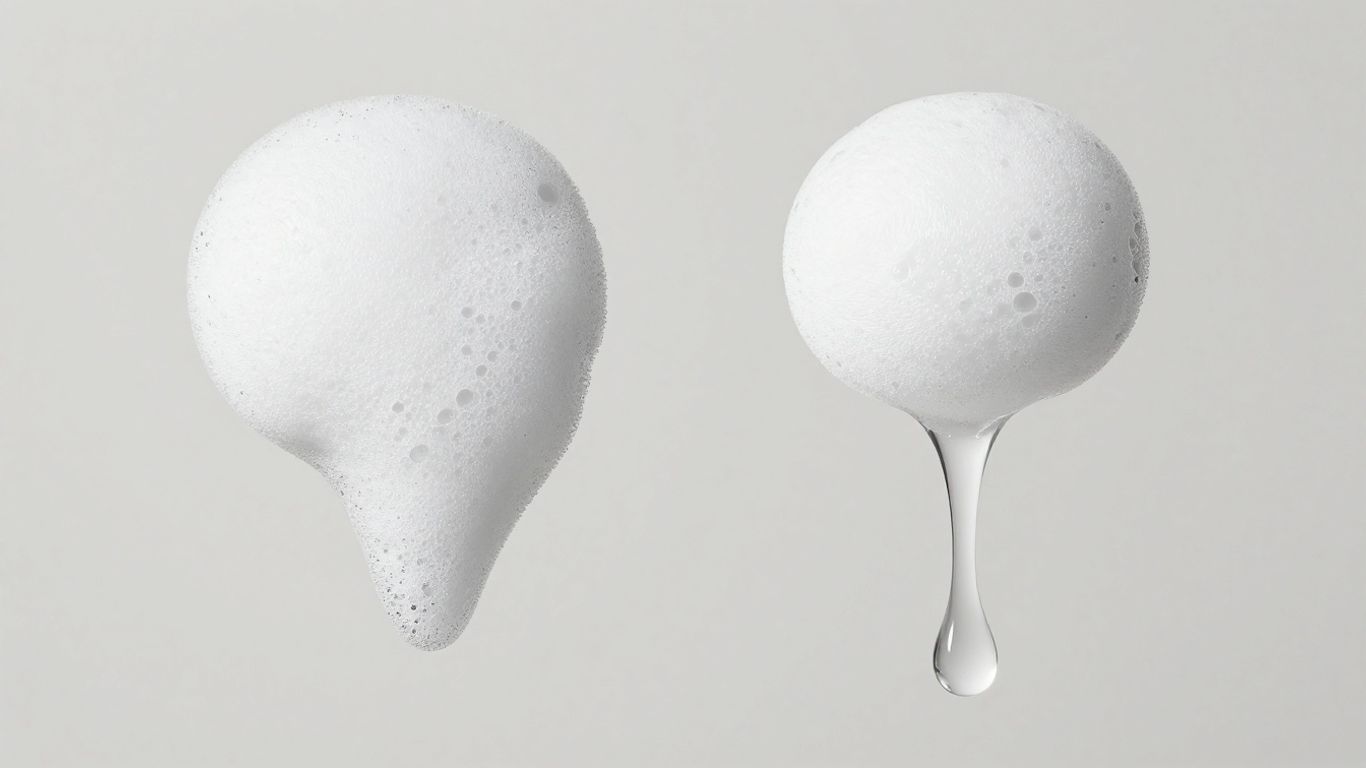
So, when it comes to actually growing hair, does it matter if you pick the foam or the liquid minoxidil? It’s a question a lot of people ask, and honestly, the answer isn't as simple as one being a clear winner.
Research and Studies on Efficacy
When you look at the science, both the foam and liquid versions of minoxidil are pretty much on par. Studies generally show that they both do a good job of helping hair grow back and slowing down hair loss. It’s hard to find a big study that says one is definitely better than the other. For example, one study showed that 5% foam and 2% liquid, used differently (once daily vs. twice daily), resulted in very similar amounts of new hair growth after a few months. The concentration of minoxidil seems to play a bigger role than the form it comes in. Most experts agree that the efficacy differences between foam and liquid are pretty small.
User Testimonies and Experiences
People's experiences, though, can be all over the place. You'll find folks online who swear by the liquid, saying it feels more potent or has been around longer, so it must be better. Then you have others who switched to the foam and saw great results, often mentioning it was easier to use or less irritating. It really seems to come down to what works for each individual. Some users who didn't seem to respond to the liquid formulation actually saw improvements after switching to the foam, which might suggest they were sensitive to an ingredient in the liquid rather than minoxidil itself.
Expert Opinions on Effectiveness
Dermatologists and hair specialists usually see both forms as effective tools. They often recommend one over the other based on what they know about a specific patient. If someone has a sensitive scalp, they might lean towards the foam. If someone is concerned about potential side effects like fluid retention, they might also prefer the foam because it tends to be absorbed less into the bloodstream compared to the liquid. It’s also worth noting that the 5% foam is approved for women by the FDA, while the 5% liquid is only approved for men, which can influence a doctor's recommendation.
The choice between foam and liquid often hinges less on dramatic differences in hair growth and more on how well you tolerate the product and how easily you can stick with using it every day. If a product causes irritation, you're less likely to keep using it, no matter how effective it might be in theory.
Here's a quick look at some general observations:
- Similar Hair Growth: Both forms contain the same active ingredient and work by stimulating hair follicles.
- Dosing Convenience: Some studies suggest that once-daily 5% foam can be as effective as twice-daily 2% liquid, which is a big plus for sticking to a routine.
- Absorption Differences: Foam generally has lower systemic absorption, which might be a benefit for those worried about side effects. You can find more information on minoxidil absorption.
- Individual Response: What works best can vary greatly from person to person.
Key Differences in Application and Experience
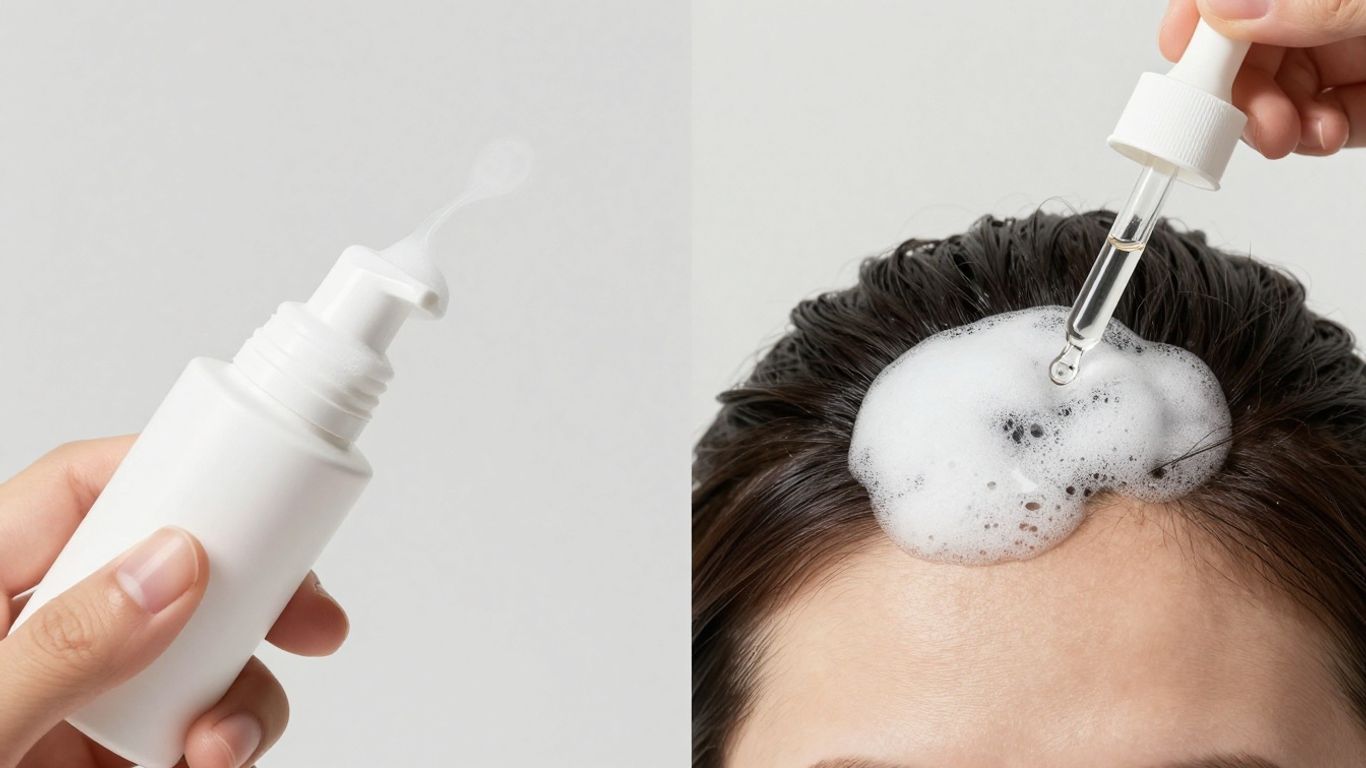
So, you've decided to give minoxidil a shot for your hair growth journey. That's great! But now you're staring at two options: foam and liquid. Which one is the better pick? Honestly, it often comes down to how you like to use it and what feels right for your daily grind. Let's break down what makes them different when you're actually putting them on your head.
Drying Time and Texture
This is a big one for a lot of people. The foam is super light and airy. You just apply it, and it kind of melts into your scalp. It dries pretty quickly, usually within 5 to 10 minutes. This means you can get on with your day or go to bed without feeling like you've got a greasy mess on your head. The liquid, on the other hand, is, well, liquidy. It can feel a bit heavier and takes longer to dry, sometimes up to 2 to 4 hours. If you're in a rush in the morning or hate waiting around, the foam is definitely the winner here.
Ease of Use and Precision
Applying minoxidil shouldn't feel like a chore. The foam comes out as a puff and is easy to spread around. Some people find it simpler to cover their whole scalp with it. The liquid usually comes with a dropper. This can be really handy if you need to be super precise and get the medication right down to the scalp, especially if you have thick or long hair. It lets you target specific areas more easily. However, some users find the dropper a bit fiddly and prone to drips.
Messiness and Residue
Nobody wants sticky residue or drips all over their pillowcase or clothes. Because the foam dries so fast and absorbs well, it's generally less messy. You're less likely to get it on your hands or have it run down your face. The liquid, especially if you use a bit too much or don't let it dry fully, can leave a residue. This might make your hair feel a bit stiff or sticky. For those who are really particular about cleanliness or have pets that might lick their hair, the foam is often the preferred choice. It's also worth noting that some people find the liquid formulations are appreciated for their lower initial cost and the precise dosage control they offer.
When you're choosing between foam and liquid minoxidil, think about your daily routine. The faster drying time of foam can be a lifesaver for busy mornings, while the precision of a liquid dropper might be better for targeted application. Ultimately, the best one is the one you'll actually stick with using every day.
Here's a quick rundown:
- Foam: Dries fast, less messy, easy to spread, good for quick routines.
- Liquid: Can be more precise with a dropper, might feel heavier, takes longer to dry, potentially more residue.
It's not just about which one feels better, but which one fits into your life so you don't skip doses. Consistency is key with minoxidil, so pick the one that makes it easiest for you to apply it every single day.
Scalp Sensitivity and Tolerability
Some folks jump into minoxidil treatment, ready for results, then get totally blindsided by how their scalp reacts. Itchy, red, flaky — it can get distracting fast. Picking the right formulation matters here, and small differences really stand out when your skin’s in the mix.
The Propylene Glycol Factor
Propylene glycol is the big culprit behind a lot of scalp irritation. You’ll find it in the liquid minoxidil but not in the foam. Foam’s lack of propylene glycol makes it a gentler pick for most people with sensitive skin or a history of allergies.
| Formulation | Contains Propylene Glycol | Reported Irritation Rate |
|---|---|---|
| Liquid | Yes | 7–11% |
| Foam | No | <5% |
If you start feeling itchy or notice redness after using the liquid, you might be reacting to propylene glycol — not the active ingredient itself. Foam skips this, so the experience is usually a lot smoother, especially for folks post-hair transplant or with other scalp sensitivities.
Irritation and Skin Reactions
Not everyone gets the classic red or flaky scalp, but when it happens, it can really get in the way of sticking with the treatment long-term. Here’s what most people notice as signs they might need to switch products:
- Itching, burning, or tingling after application
- Red patches or flaking on the scalp
- General discomfort wearing hats or when sweating
Interestingly, one study showed about 70% of people who had no luck at all with the liquid version actually started seeing results when they switched to foam. Turns out, it wasn’t minoxidil not working — their skin just didn’t like the liquid’s ingredients (Efficacy context).
For those frustrated by irritation, swapping to foam often feels like a total gamechanger. It’s worth trying before assuming the product itself is a lost cause.
Gentler Options for Sensitive Scalps
So, what can you do if your scalp just can’t handle the irritation?
- Try foam first if you’ve ever had reactions to lotions, sunblocks, or similar alcohol-based products.
- Take a break if things get really rough, and check with a professional before trying again.
- For folks post-surgery or with underlying skin conditions, doctors usually prefer foam for restarts because it tends to be less aggravating.
And for anyone still struggling with both types, there are some newer options out there — things like cetosomal minoxidil might be coming soon for those searching for even gentler alternatives. Testing a small area first is always smart to avoid a big flare-up.
Choosing between foam and liquid shouldn’t just be about what’s cheaper, but what your skin can actually tolerate. Decent results only come if you can use the stuff regularly — sometimes, playing it safe with your skin is the best long-term strategy.
Factors Influencing Your Choice
Choosing between foam and liquid minoxidil isn’t just about picking what’s on sale at your local pharmacy. It’s about finding what actually fits your daily life, your scalp, and even your wallet. Let's look at the factors that matter most.
Hair Type and Scalp Condition
- Thick or Long Hair: Liquid, with its dropper, gets down to the scalp more easily under dense hair.
- Sensitive Scalp: Foam skips the propylene glycol found in most liquids, which can mean less itch and flaking for some folks.
- Oily or Dry Scalp: Some feel the liquid helps with penetration on oily scalps, while foam may be lighter and less greasy overall.
| Factor | Foam | Liquid |
|---|---|---|
| Ideal for Thick Hair | Less precise, less ideal | Dropper for scalp access |
| Sensitive Scalps | No propylene glycol | May cause irritation |
| Oily Scalp | May sit on surface | Can penetrate more easily |
Lifestyle and Convenience
- Mornings are busy—if you need something that dries fast, foam can be a winner (we’re talking 5–10 minutes vs. hours for the liquid).
- Frequent travelers or people who hate mess often prefer foam, since it won’t drip all over or leave greasy spots.
- If you don’t mind a few extra minutes and want to target specific spots or have a ritual, liquid could suit you.
- Foam dries quickly and is almost mess-free.
- Liquid takes longer but allows targeted application.
- Consider your schedule—will you stick to an application that takes longer?
If a routine feels like a hassle, odds are you won’t stick with it and all the science in the world won’t matter.
Cost-Effectiveness Considerations
Now for the part your bank account cares about: price. Foam usually costs a bit more—think $25–35 a month—whereas generic liquid can run as little as $10–20. If you’re using this for months (or even years), that’s a difference you’ll notice.
| Product | Average Monthly Cost |
|---|---|
| Foam | $25–35 |
| Liquid | $10–20 |
- Liquid is usually the budget-friendly pick, especially for long-term users.
- Foam might justify the higher price if it means you won’t skip applications due to mess or irritation.
- Ask yourself: will the more affordable product keep you consistent, or will convenience make foam worth it?
Of course, there are other variables to consider. If irritation pops up, or you find yourself skipping doses, it’s smart to revisit your choice. For a fuller breakdown of these points, see how absorption, irritation, and application play out between the two forms.
Choosing between foam and liquid isn’t a one-time call—it’s something you might need to revisit as your needs or routines change.
Beyond Formulation: Biological Considerations
So, we've talked a lot about how foam and liquid minoxidil are applied and how they feel on your scalp. But what if, despite picking the 'perfect' one for you, you're still not seeing the results you hoped for? It turns out, there's more going on under the surface than just the delivery method.
Understanding Non-Responders
It's a bit of a tough pill to swallow, but not everyone responds to minoxidil the same way. For a significant chunk of people, roughly one-third, the reason they aren't seeing hair regrowth isn't about whether they used foam or liquid. It's a biological thing. This means the foam versus liquid debate is completely irrelevant for them. They might be what we call 'sulfotransferase non-responders.' Basically, minoxidil needs to be converted into its active form by an enzyme in your hair follicles to actually work. If your body doesn't have enough of that specific enzyme, the minoxidil just can't do its job, no matter how consistently you apply it.
The Role of Sulfotransferase Enzymes
Let's get a little more specific here. Minoxidil is a prodrug, which means it's not active until your body changes it. In the case of topical minoxidil, your hair follicles are supposed to do this conversion using an enzyme called sulfotransferase. If your follicular sulfotransferase activity is low, you're going to have a hard time getting the minoxidil to convert properly. This is why switching from liquid to foam, or vice versa, won't help if this is the underlying issue. The pathway is the same, and the enzyme is the bottleneck. Interestingly, some people who don't respond to topical minoxidil might actually do better with oral minoxidil because the liver has much higher sulfotransferase activity. It's a different route that bypasses the follicular limitation. If you've been diligently using minoxidil for a year or more without any luck, it's worth bringing this up with a doctor.
When to Consult a Specialist
If you've tried both minoxidil foam and liquid for a good amount of time, say six months to a year, and you're just not seeing any improvement, it's probably time to seek professional advice. Don't just keep switching products hoping for a different outcome. A hair restoration specialist can help figure out if you're a sulfotransferase non-responder or if there are other factors at play. They can also discuss other treatment options, like combining minoxidil with other medications or even looking into procedures like hair transplants if that's appropriate for your situation. Sometimes, minoxidil is just one piece of a larger puzzle, and a doctor can help you see the whole picture. It's about creating a personalized plan that actually works for your unique biology and hair loss goals, rather than just guessing with over-the-counter products.
The most effective minoxidil formulation is ultimately the one you'll stick with consistently. Biological factors, like enzyme activity, can sometimes override formulation differences, making adherence and individual response key.
For those considering hair transplant surgery, minoxidil can be a helpful adjunct to maintain existing hair, but it's important to discuss the best timing for stopping and restarting treatment with your surgeon. It's all part of a bigger strategy for hair restoration.
Conclusion
Choosing between foam and liquid minoxidil isn’t always easy. Both help with hair growth, but the best one for you depends on your skin, hair type, and even your daily routine. The foam dries fast and feels lighter, making it better for people with sensitive skin. The liquid is often cheaper and lets you target small spots, but it can be messier and might cause more irritation. If you’ve tried both and still don’t see results, it might not be the product—it could be how your body reacts. When in doubt, talk to a doctor or hair specialist. They can help you figure out what’s right for you.
Frequently Asked Questions
Which works better, foam or liquid minoxidil?
Most studies show both work about the same for hair growth. The main difference is how they feel and how you use them.
Why does the foam dry faster than the liquid?
The foam doesn’t have propylene glycol, which is in the liquid and takes longer to dry. That makes the foam less sticky and quicker to use.
Can I switch from liquid to foam if my scalp gets itchy?
Yes, many people switch to foam if the liquid bothers their skin. Foam is gentler for most folks.
Is foam more expensive than liquid minoxidil?
Usually, yes. Foam is often a bit pricier than liquid, but some people think it’s worth it for the comfort.
What if neither foam nor liquid is helping my hair grow?
Some people’s bodies just don’t react to minoxidil. It’s not your fault. You might want to talk to a doctor for other choices.
Can women use both foam and liquid minoxidil?
Women can use both, but some strengths are only approved for men. Always check the label or ask a doctor first.