

Finding the Right Hair Loss Specialist: Your Guide to Expert Care in Maryland
Losing hair can be a real bummer, right? It's something a lot of people deal with, and it can really mess with your confidence. If you're in Maryland and noticing more hair than usual in the shower drain or on your pillow, you might be wondering what to do. Finding the right person to help is key. This guide is all about helping you find a good hair loss specialist in Maryland, so you can get the care you need and hopefully get back to feeling like yourself.
Key Takeaways
- See a doctor if you notice a lot of hair falling out, bald spots, or scalp issues. Early help can stop permanent damage.
- Dermatologists are the best choice for hair loss because they know skin, hair, and nails, and can find the real reason for your hair loss, not just the symptoms.
- Your doctor will create a treatment plan just for you, considering your specific situation and what you want to achieve.
- There are many ways to treat hair loss, from medicines to newer methods like PRP and NeoGraft, depending on what's causing it.
- The sooner you get help from a hair loss specialist, the better your chances are of regrowing hair or stopping it from falling out further.
Understanding Your Hair Loss Concerns
It's easy to brush off a little extra hair in the shower drain or on your pillow. We all shed hair naturally, after all. But when does it become something you should actually worry about? Paying attention to changes in your hair is the first step toward finding solutions. If you're noticing significant thinning, bald spots, or a hairline that seems to be creeping backward, it might be time to look into what's going on.
When to Seek Professional Hair Loss Help
So, when exactly is it time to pick up the phone and call a specialist? Think about it this way: if you're seeing more hair than usual on your brush, in the shower drain, or on your pillow, that's a pretty clear sign. Bald patches appearing, even small ones, are also a big indicator. Sometimes, hair loss comes with other symptoms like itching, pain, or scaling on your scalp. These aren't just cosmetic issues; they could point to something more serious than just a bit of shedding. Getting a professional opinion early can make a huge difference in whether hair loss is temporary or becomes permanent.
Common Causes of Hair Loss Beyond Genetics
While family history is a big player in hair loss for many people, it's definitely not the only reason hair might start thinning. Your genes might set the stage, but other factors can really bring hair loss to the forefront. Hormonal shifts, like those during menopause or after pregnancy, can mess with your hair growth cycle. Even simple things like not getting enough iron, vitamin D, or zinc can lead to noticeable shedding. Chronic stress, scalp infections, or even certain medications can also be culprits. It's a whole ecosystem up there, and lots of things can throw it off balance.
Identifying Different Types of Alopecia
When we talk about hair loss, the medical term is alopecia, and it's not just one thing. There are actually quite a few different types, and knowing which one you're dealing with is key to getting the right treatment. You've probably heard of androgenetic alopecia, which is that common thinning or receding hairline linked to genetics and hormones. Then there's alopecia areata, an autoimmune condition where your body attacks its own hair follicles, leading to patchy loss. Traction alopecia happens from hairstyles that pull too tightly on your hair, like tight braids or ponytails. And telogen effluvium is often triggered by major stress, like surgery or illness, causing more hair to shed than usual. Getting a proper diagnosis is the first step to figuring out how to get your hair back.
Understanding the specific type of alopecia you're experiencing is the most important step in developing an effective treatment plan. Without knowing the root cause, any treatment might just be a shot in the dark.
Here's a quick look at some common types:
- Androgenetic Alopecia: The most common type, often called male or female pattern baldness. It's a gradual thinning.
- Alopecia Areata: An autoimmune condition causing round patches of hair loss.
- Telogen Effluvium: Temporary hair shedding due to stress or major life events.
- Traction Alopecia: Caused by constant pulling on the hair from tight hairstyles.
If you're concerned about hair loss, seeking out a dermatologist for hair loss is a smart move. They can help sort through these different causes and figure out the best path forward for you.
Why a Dermatologist is Your Best Hair Loss Specialist
When you're dealing with hair loss, it's easy to feel overwhelmed. You might be tempted to try over-the-counter remedies or even consult with a stylist. But for a real solution, especially here in Maryland, a dermatologist is your go-to expert. They're not just skin doctors; they're specifically trained to understand the intricate workings of your hair and scalp.
Dermatologists: Experts in Hair, Skin, and Nail Health
Dermatologists are medical doctors who have completed extensive training focused on conditions affecting the skin, hair, and nails. This specialized knowledge means they can accurately identify the root cause of your hair thinning or loss, which is often more complex than it appears. They understand the biology of hair growth cycles and how various internal and external factors can disrupt them. This deep dive into the science behind your hair is what sets them apart.
Beyond Symptoms: Treating the Root Cause of Hair Loss
Many hair loss issues aren't just about shedding; they can be signals of underlying health problems. A dermatologist looks beyond the visible thinning to diagnose conditions like:
- Autoimmune disorders (e.g., alopecia areata)
- Hormonal imbalances
- Nutrient deficiencies (like iron or vitamin D)
- Scalp infections
- Reactions to medications
Unlike a salon that might offer cosmetic fixes, a dermatologist can perform diagnostic tests, such as a scalp biopsy, to pinpoint the exact cause. This allows for a treatment plan that actually addresses the problem, not just the symptom. For instance, if your hair loss is due to a thyroid issue, they can work with your primary doctor to manage it, which in turn helps your hair. They focus on providing real answers and solutions, emphasizing that hair loss is not something to simply accept, like the specialists at Shore Dermatology.
Diagnostic Capabilities of a Hair Loss Specialist
When you visit a dermatologist for hair loss, expect a thorough evaluation. They'll likely ask detailed questions about your medical history, family history, lifestyle, and the onset of your hair loss. They can then use various diagnostic tools to get to the bottom of things:
- Physical Examination: A close look at your scalp and hair.
- Pull Test: Gently pulling on hair to see how much comes out.
- Blood Tests: To check for hormonal imbalances, nutrient deficiencies, or signs of autoimmune disease.
- Scalp Biopsy: Taking a small sample of scalp tissue to examine under a microscope, especially useful for scarring alopecias or unusual conditions.
This methodical approach, often seen in specialists like Dr. Luis Garza, ensures that your treatment is tailored to your specific situation, maximizing the chances of successful regrowth and preventing further damage. It's about getting a clear picture before starting any treatment, which is key to effective hair restoration.
Tailored Hair Restoration Treatment Plans
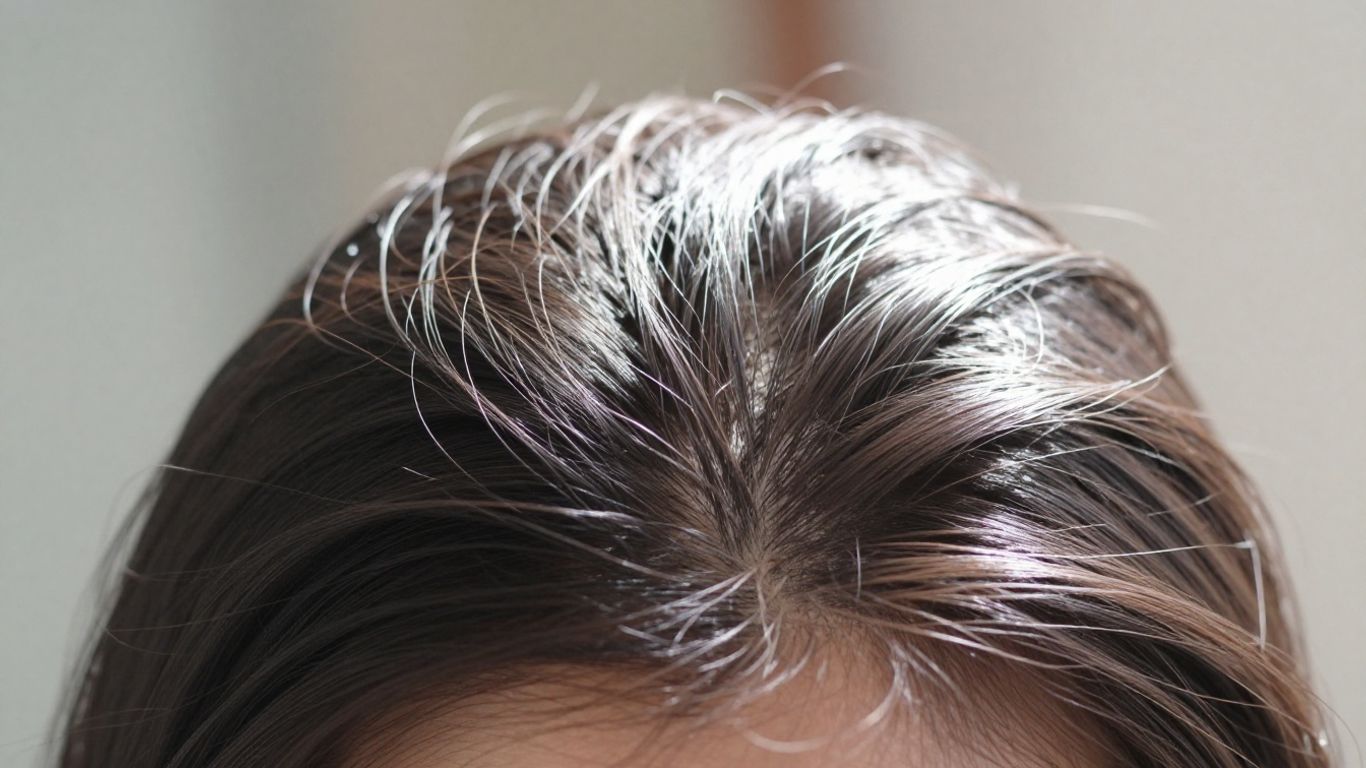
When you're dealing with hair loss, it's easy to feel like you're just another number. But the truth is, everyone's situation is different. What works for one person might not do much for another. That's where a good specialist really shines – they don't just offer a one-size-fits-all fix. Instead, they look at everything about you and your hair loss to come up with a plan that's just for you.
Customized Solutions for Your Unique Needs
Think of it like getting a custom suit versus buying one off the rack. A custom suit fits perfectly because it was made specifically for your body. Hair restoration is similar. A specialist will consider the specific type of hair loss you have, how long you've been experiencing it, and what your hair and scalp are like. They'll also think about your medical history and any other treatments you might be using. This detailed approach means the plan they create is designed to give you the best possible results.
Considering Lifestyle and Goals in Treatment
Your daily life and what you hope to achieve play a big role too. Are you looking for a quick fix, or are you okay with a longer process if it means more natural-looking results? Do you have a demanding job that requires minimal downtime, or can you afford a bit of recovery time? A good plan takes all of this into account. For instance, some treatments might require more upkeep than others, and some have visible results sooner. Discussing your lifestyle and what you want to see in the mirror helps the specialist guide you toward the right path. It's about finding a solution that fits into your life, not the other way around.
The Role of Diagnosis in Effective Treatment
Getting the right diagnosis is the first big step. You can't really treat something effectively if you don't know exactly what it is. A specialist will use various methods to figure out the cause of your hair loss. This could involve looking at your scalp under a microscope, doing blood tests to check for deficiencies or hormonal issues, or even taking a small skin sample. Once they have a clear picture, they can recommend treatments that actually target the problem. For example, if your hair loss is due to an autoimmune condition, the treatment will be different than if it's just genetic thinning. Knowing the root cause is key to making sure the treatment plan actually works.
Here are some common treatment approaches specialists might discuss:
- Medical Therapies: These can include prescription medications, like finasteride or minoxidil, taken orally or applied topically. They work by slowing hair loss and sometimes encouraging regrowth.
- Minimally Invasive Procedures: Options like Platelet-Rich Plasma (PRP) therapy involve using your own blood's growth factors to stimulate follicles. PRP and PDGF therapies are examples of these advanced treatments.
- Surgical Options: Procedures such as Follicular Unit Transplantation (FUT) or Follicular Unit Extraction (FUE) involve moving hair follicles from one part of the scalp to another. NeoGraft is a popular FUE technique.
- Scalp Treatments: Specialized treatments like Keravive can cleanse, hydrate, and nourish the scalp to create a healthier environment for hair growth.
It's important to remember that hair restoration isn't a magic wand. It's a process that requires patience and a clear understanding of what's achievable. Working with a specialist who takes the time to understand your unique situation is the best way to get results you'll be happy with. They can help you set realistic expectations and guide you through the journey, making sure you feel supported every step of the way. You can find advanced hair restoration treatments in various locations across Maryland.
Advanced Hair Loss Treatments in Maryland
Cutting-Edge Options for Hair Restoration
It's a relief to know that if you're dealing with hair loss, Maryland has some really solid options available. We're not just talking about basic shampoos anymore. Doctors here are using some pretty advanced techniques to help people get their hair back. Think of things like Platelet-Rich Plasma (PRP) therapy, which uses your own blood components to encourage hair growth. It's a fascinating approach that taps into your body's natural healing abilities. These modern treatments are designed to be more effective and less invasive than older methods.
Minimally Invasive Techniques for Fuller Hair
Many of the newer treatments focus on being as gentle as possible while still getting great results. Procedures like NeoGraft, a type of follicular unit extraction (FUE) hair transplant, are becoming more common. This method involves harvesting individual hair follicles and transplanting them to thinning areas. It's done in a way that minimizes scarring and usually means a quicker recovery time compared to older transplant techniques. The goal is to give you a fuller head of hair with as little disruption as possible. It's all about getting you back to feeling like yourself.
Medical Therapies for Hair Growth
Beyond procedures, there are also medical treatments that can make a big difference. Dermatologists in Maryland can prescribe medications, both topical and oral, that are specifically designed to stimulate hair growth or slow down hair loss. These treatments often work by improving blood flow to the scalp or by blocking hormones that can contribute to thinning hair. Sometimes, a combination of treatments is the best way to go. For example, using medication alongside PRP therapy can often yield better results than either treatment alone. It really depends on what's causing your hair loss in the first place, which is why getting a proper diagnosis is so important. If you're looking for advanced solutions in the Rockville area, you can find more information about what's available.
The Importance of Early Intervention
When you first notice your hair thinning or shedding more than usual, it's easy to brush it off. Maybe you think it's just stress, or perhaps it's a temporary change. But honestly, ignoring these signs can sometimes lead to bigger problems down the road. Acting sooner rather than later can make a significant difference in the outcome of your hair loss journey.
Preventing Permanent Damage Through Timely Care
Think of your hair follicles like little plants. If they're not getting enough water or sunlight, they start to struggle. If you leave them struggling for too long, they might not recover. The same goes for your scalp. Certain types of hair loss, especially those that cause scarring, can permanently damage the hair follicles. Once a follicle is scarred, it can't grow hair anymore. Getting a proper diagnosis from a specialist early on helps identify the cause and stop any damage before it becomes permanent. This is especially true for conditions like scarring alopecia, where early treatment can prevent irreversible follicle loss.
Maximizing Regrowth Potential
For many types of hair loss that aren't scarring, the hair follicles are still viable, just dormant or weakened. The sooner you start treatment, the better the chances of waking those follicles back up and encouraging new growth. It's like giving those struggling plants the right fertilizer and care right when they need it. Treatments like minoxidil or finasteride, when started early, can be much more effective at slowing down loss and promoting regrowth than if you wait until significant thinning has already occurred. For women experiencing hair thinning, understanding the statistics can be encouraging, showing that many seek and find solutions for hair loss.
Peace of Mind with Proactive Planning
Honestly, worrying about hair loss can be a real drain. You might find yourself constantly checking your brush or the shower drain. Getting a professional opinion can put a lot of those worries to rest. A specialist can tell you what's going on, what to expect, and what steps you can take. Even if the cause isn't immediately reversible, having a plan can make you feel more in control. It's about taking proactive steps for your hair health, which often leads to feeling better overall. Sometimes, treatments like Platelet-Rich Plasma (PRP) are explored, though their long-term effectiveness varies based on the condition.
Here's a quick look at why timing matters:
- Identify the Cause: Pinpointing the exact reason for your hair loss is key.
- Stop Progression: Early treatment can halt or slow down the loss.
- Encourage Regrowth: The sooner you treat, the better the potential for new hair.
- Prevent Scarring: Protect your scalp from permanent damage.
- Gain Confidence: A proactive approach can reduce anxiety.
Choosing the Right Hair Loss Specialist
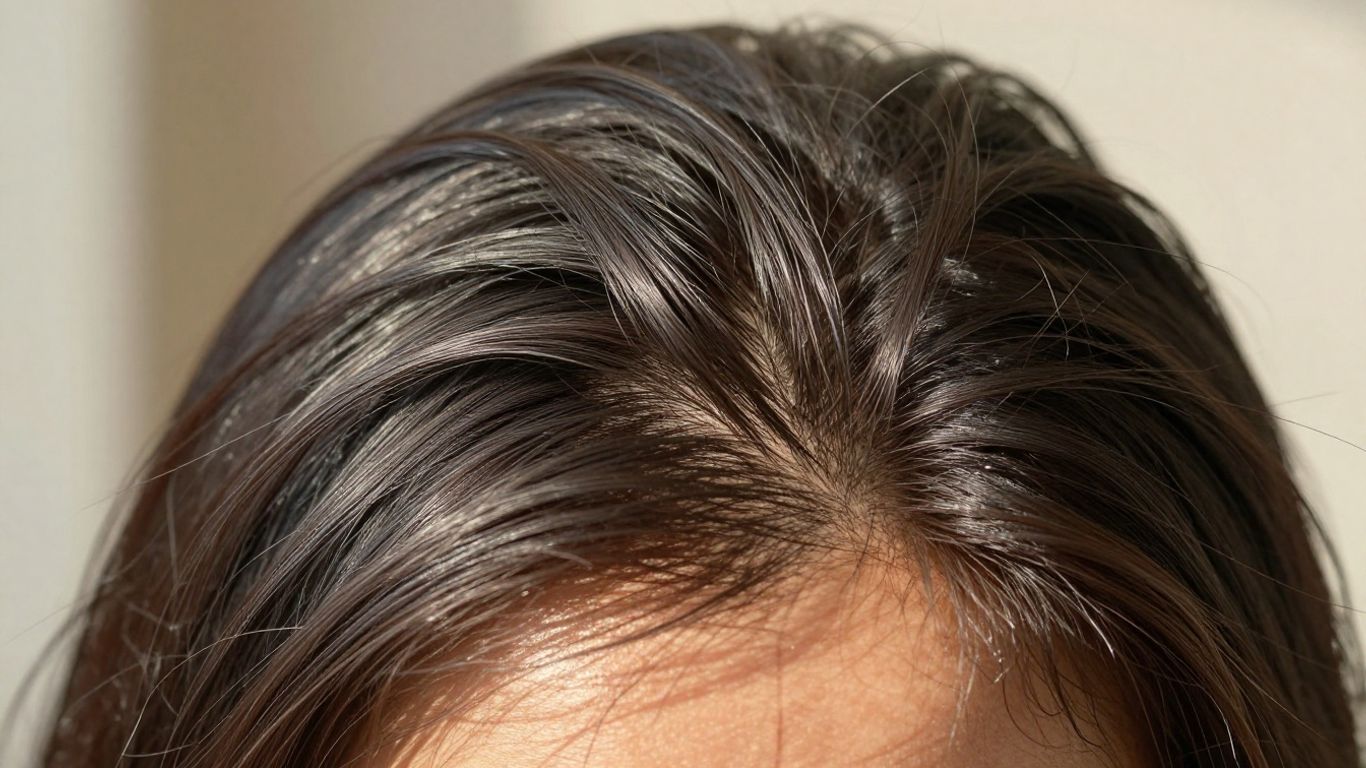
Finding the right person to help with hair loss can feel like a big step, and honestly, it is. You want someone who really gets what you're going through and knows their stuff. It’s not just about looking better; it’s about feeling like yourself again. So, how do you pick the best specialist for you here in Maryland?
What to Expect During Your Consultation
When you first meet with a hair loss specialist, they’ll want to get a full picture of what’s going on. This usually starts with a chat about your health history and when you first noticed the thinning or shedding. They might ask about your family history, stress levels, diet, and any medications you're taking. Then comes the physical part: they'll examine your scalp and hair closely. Sometimes, they might even do a small scalp biopsy to get a closer look at the follicles under a microscope. This helps them figure out the exact cause of your hair loss, which is super important for creating a treatment plan that actually works. Don't be afraid to ask questions; this is your time to understand everything.
Finding Expertise in the Baltimore Area
Baltimore and its surrounding areas have some great options when it comes to hair loss specialists. Many dermatologists in the region focus on hair restoration. You'll want to look for board-certified dermatologists who have specific experience with various types of alopecia. Some centers might offer advanced treatments like Platelet-Rich Plasma (PRP) therapy or even hair transplant procedures. It’s a good idea to check out their websites, read patient reviews, and see if they have before-and-after photos of their work. For example, Current Dermatology and Cosmetic Center in Annapolis offers PRFM hair restoration, which could be a good starting point for your research in the Annapolis area.
Building Confidence Through Expert Care
Ultimately, the goal is to find a specialist who not only has the medical knowledge but also makes you feel comfortable and heard. Hair loss can be a sensitive issue, and a good specialist will approach your concerns with empathy. They should explain your diagnosis clearly and discuss all the treatment options available, including their pros and cons. A personalized treatment plan, tailored to your specific needs and goals, is key. Remember, the right expert can guide you toward regaining not just your hair, but also your confidence. It’s about getting a plan that fits your life and helps you feel good about the results.
Here’s a quick look at what a specialist might consider:
- Diagnosis: Identifying the specific type of hair loss.
- Goals: What you hope to achieve with treatment.
- Lifestyle: How treatment fits into your daily routine.
- Medical History: Any underlying health conditions that might affect hair growth.
Choosing a specialist is more than just picking a doctor; it's about finding a partner in your hair restoration journey. They should be knowledgeable, compassionate, and committed to helping you achieve the best possible outcome.
Ready to Take the Next Step?
Dealing with hair loss can feel overwhelming, but remember you don't have to go through it alone. Finding the right specialist in Maryland is your first big win. Whether it's a dermatologist who can figure out the 'why' behind your thinning or a dedicated hair restoration center with all the latest tech, getting expert help makes all the difference. Don't wait around hoping it gets better on its own. Reach out, schedule that consultation, and start working towards getting your confidence and your hair back. It’s totally doable.
Frequently Asked Questions
When should I see a doctor about my hair loss?
If you're noticing a lot more hair than usual in your drain or on your pillow, seeing bald spots, or if your scalp feels itchy or sore along with thinning hair, it's a good idea to see a doctor. These signs might mean something more serious than just normal shedding, and getting help early can make a big difference in whether your hair can grow back.
What are some common reasons for hair loss besides family history?
Hair loss can happen for many reasons! It could be due to changes in hormones (like during pregnancy or menopause), not getting enough important vitamins and minerals (like iron or vitamin D), dealing with a lot of stress, infections on your scalp, certain medicines, or even using harsh hair products and tight hairstyles that pull on your hair.
Why is a dermatologist the best kind of doctor for hair loss?
Dermatologists are doctors who specialize in skin, hair, and nails. They know a lot about why hair loss happens and how to treat it. They can do tests, figure out the real cause of your hair loss, and prescribe the right medicines or treatments, unlike places that only focus on how hair looks.
Can hair loss be fixed or grown back?
It really depends on why you're losing your hair and how much has happened. Some types of hair loss can be reversed or made much better with the right treatment, especially if caught early. For other types, like when the scalp gets scarred, it might be harder for hair to grow back, but seeing a doctor early can help stop it from getting worse.
What kinds of treatments are available for hair loss in Maryland?
Maryland offers many advanced ways to help with hair loss. These can include medicines that help hair grow, special treatments like PRP (platelet-rich plasma) therapy, and even procedures like NeoGraft, which is a type of hair transplant. The best treatment for you will depend on what's causing your hair loss.
Is it better to treat hair loss right away?
Yes, acting fast is usually best! The sooner you get help for hair loss, the better your chances are of getting your hair to grow back or at least stopping it from getting worse. It can also save you worry and give you a plan to feel more confident about your hair.