

Eyebrow Growth: Can You Use Minoxidil for Thicker, Fuller Brows?
Thinking about ways to get thicker, fuller eyebrows? You're not alone. Many people wonder if common hair growth treatments can help. One question that pops up a lot is: can you use minoxidil on eyebrows? This medication, often known as Rogaine, is famous for helping with scalp hair loss. But what about those arches above your eyes? Let's break down what the science says and what you need to know if you're considering it for your brows.
Key Takeaways
- Yes, you can generally use minoxidil on your eyebrows to help them grow thicker and fuller. Studies show it can increase hair count and density.
- Minoxidil works by widening blood vessels near the hair follicles, giving them more nutrients and oxygen to promote growth.
- Expect to see some changes in about 1-2 months, with fuller results taking 3-6 months of consistent, twice-daily application.
- Be careful when applying to avoid getting it in your eyes. Using an eyeliner brush or your fingertip is often recommended, and avoid sprays.
- While minoxidil is generally safe for eyebrows, mild itching or redness can occur. If you have underlying health issues causing thinning, treating those might be the first step.
Understanding Minoxidil For Eyebrow Growth
How Minoxidil Stimulates Eyebrow Hair
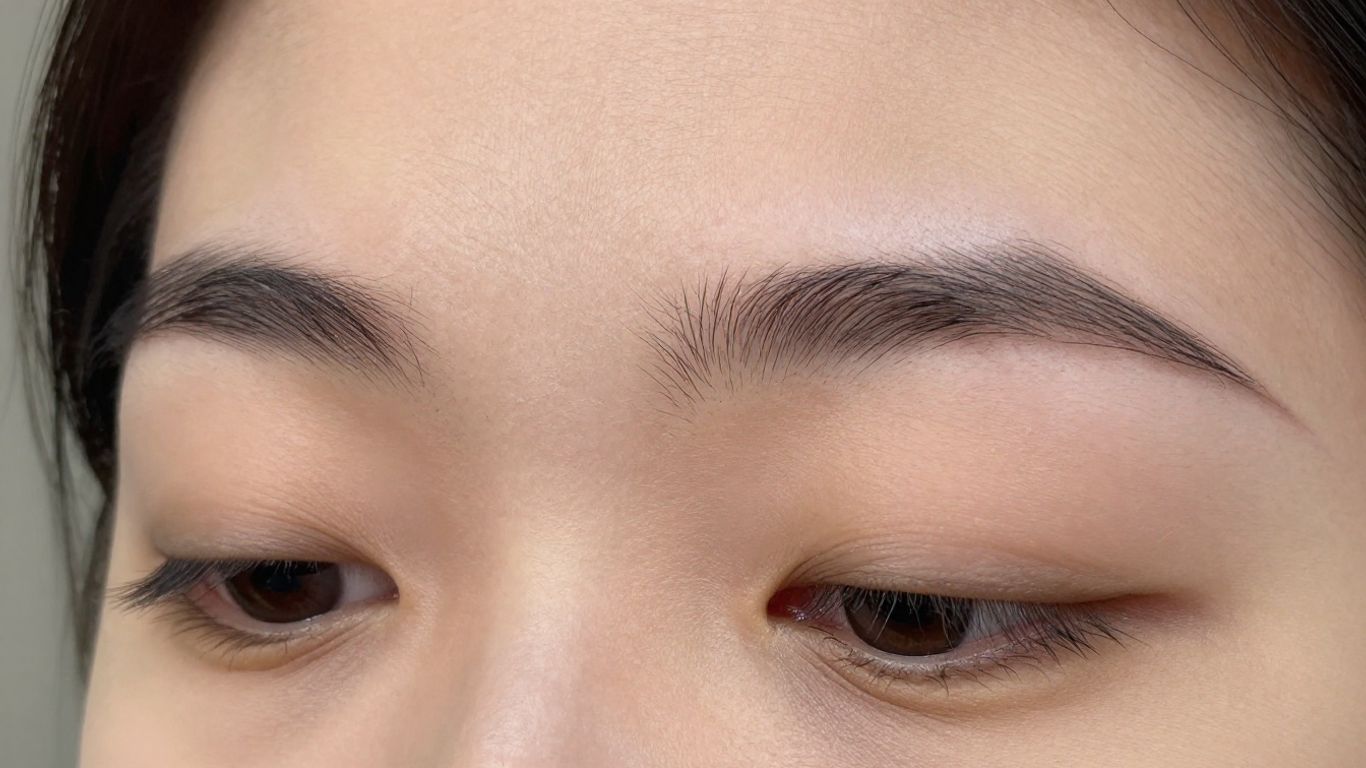
Minoxidil, a medication originally developed for high blood pressure, has a well-documented effect on hair growth. It works by widening the tiny blood vessels around your hair follicles. Think of it like opening up a delivery route – more oxygen and nutrients can then reach the follicles. This improved nourishment helps to regulate the hair growth cycle, encouraging the production of thicker, healthier eyebrow hairs. It's this vasodilation effect that's key to its ability to promote growth.
Clinical Evidence Supporting Minoxidil Use
Studies have looked into whether minoxidil actually works for eyebrows, and the results are pretty promising. One trial involving people with eyebrow thinning found that after 16 weeks of using a 2% minoxidil solution twice daily, a significant portion saw improvements in their eyebrows. This included an increase in hair count and diameter. Another study reported similar positive outcomes, with visible improvements noted as early as 8 weeks into treatment. While more research is always good, these findings suggest minoxidil can be a helpful tool for thicker eyebrows.
Minoxidil vs. Other Eyebrow Treatments
When you're looking for ways to get fuller brows, minoxidil isn't the only game in town. There are other options out there, like bimatoprost, which is sometimes used for eyelash growth and has shown some effectiveness for eyebrows too. Some people also consider finasteride, though its primary use is for scalp hair loss and its effects on eyebrows are less studied. Minoxidil is often favored because it's readily available and has a decent track record for promoting hair growth. However, it's always a good idea to chat with a doctor or a dermatologist to figure out the best approach for your specific situation.
It's important to remember that minoxidil is a medication. While it's generally considered safe for eyebrow use when applied correctly, it's not without potential side effects. Being aware of these and how to manage them is part of using it effectively.
Achieving Fuller Eyebrows With Minoxidil
So, you're thinking about using minoxidil to get those thicker, more defined eyebrows? It's definitely a popular option, and for good reason. But like anything, it takes a bit of know-how to get the best results. Let's break down what you need to know to make it work for you.
When To Expect Results From Minoxidil
This is probably the question on everyone's mind: when will I actually see something happening? Patience is definitely a virtue here. You're not going to wake up with Cara Delevingne brows overnight. Typically, you might start noticing the first little sprouts of new hair within about one to two months of using minoxidil consistently. However, to really see the full effect – that thicker, fuller look you're after – it can take anywhere from three to six months. For some folks, it might even take a bit longer. If you've been diligently applying it for over six months and aren't seeing any change, it might be time to chat with a specialist to see if a different approach is needed.
Proper Application Techniques For Eyebrows
Applying minoxidil to your eyebrows requires a bit more care than just slathering it on your scalp. You really want to avoid getting it into your eyes, which can cause irritation. Here’s a straightforward way to do it:
- Start Clean: Make sure your eyebrow area is clean and completely dry. A gentle pat with a soft towel works well.
- Choose Your Tool: If you're using a liquid solution, skip the dropper that comes with the bottle – it's too easy to drip. Instead, use a clean, fine-tipped eyeliner brush or a spoolie (mascara wand). Dip it lightly into the solution and carefully paint it onto the sparser areas of your eyebrows.
- Foam or Gel: If you have the foam or gel version, dispense a small amount, about the size of a pea, onto your fingertip. Gently spread it over the areas where your eyebrows are thinning.
- Gentle Massage: Lightly massage the area to help the product absorb.
- Let It Sit: Allow the minoxidil to dry and absorb for at least two hours before washing your face or applying any makeup or other skincare products to the area.
Always remember to wash your hands thoroughly after application to avoid accidentally transferring the product to other parts of your face or eyes.
Consistency Is Key For Minoxidil Efficacy
Just like with any treatment, sticking with it is super important. Applying minoxidil once in a while isn't going to cut it. Most experts recommend applying it twice a day, once in the morning and once at night, unless a dermatologist or trichologist gives you different instructions. The regular, consistent application is what signals your hair follicles to get back to work and grow. Think of it like watering a plant – you can't just water it once and expect it to thrive. You need to do it regularly. If you miss a day here or there, don't stress too much, but try to get back on track as soon as possible. Sticking to your routine is your best bet for seeing those brow hairs fill in over time. If you're looking for more personalized advice on using minoxidil, consulting a healthcare professional is a good idea [4872].
Potential Side Effects And Precautions
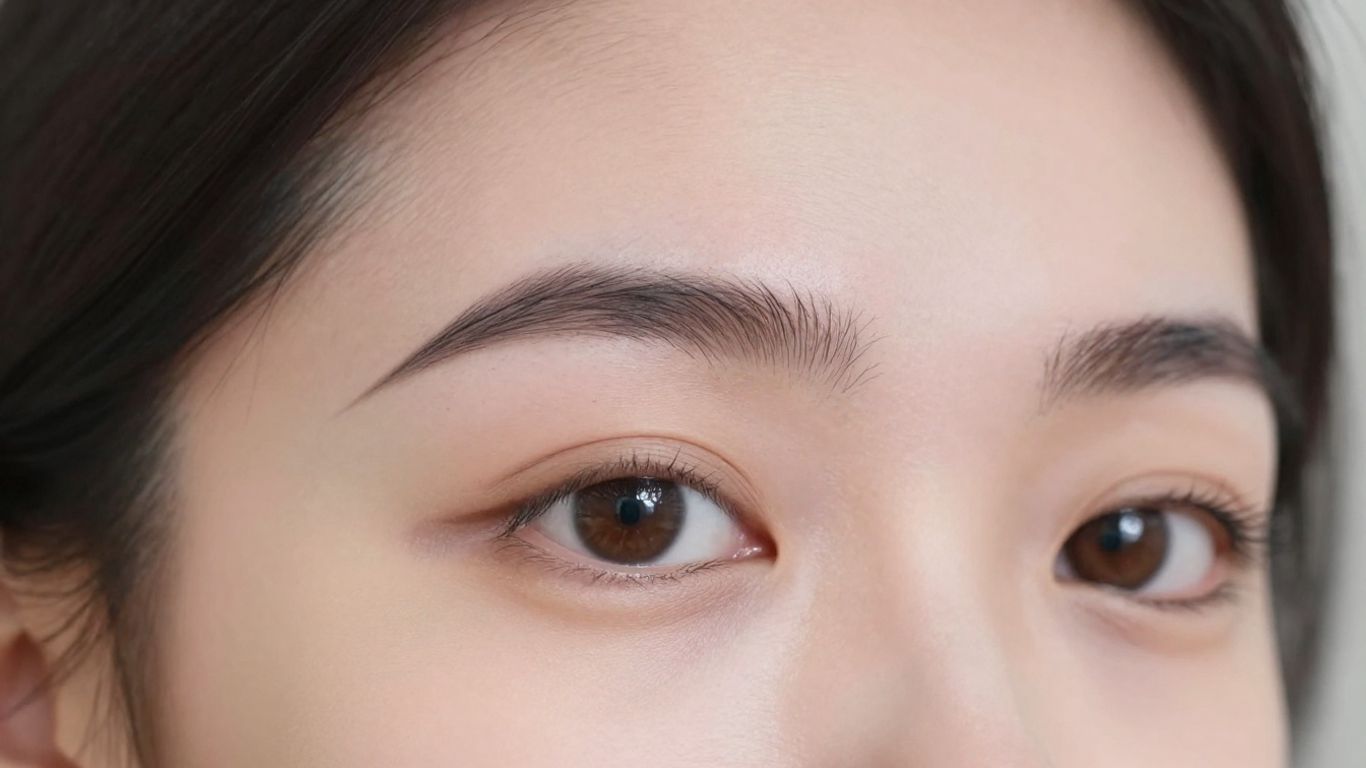
While minoxidil is generally considered safe for eyebrow use, it's not entirely without its potential downsides. Most people tolerate it pretty well, but some might experience a few bothersome reactions. It's important to be aware of these before you start applying it.
Common Adverse Reactions To Minoxidil
The most frequent issues people report are localized to the application area. You might notice some mild itching or a slight burning sensation right where you're applying the minoxidil. Sometimes, a bit of redness or dryness can pop up too. These are usually not serious and tend to fade as your skin gets used to the treatment. However, if you have sensitive skin or are allergic to minoxidil, you could develop contact dermatitis, which often looks like a rash. It's also possible, though less common, to experience unwanted hair growth in areas near your eyebrows if the product spreads.
Managing Minoxidil Side Effects
If you do encounter some irritation, the first step is usually to gently wash the affected area with warm water and a mild soap. For minor redness or itching, continuing use might help it resolve on its own. But if the side effects are more intense, don't go away, or happen every time you apply it, it's a sign you might be reacting poorly to the medication. In such cases, it's best to stop using it and look into alternative treatments for your eyebrows.
Preventing Accidental Exposure
Accidents happen, especially when you're dealing with small areas like eyebrows. To keep minoxidil from getting where you don't want it, like your eyes or other facial skin, there are a few smart moves. Never apply it to wet eyebrows, as this can make it run. Some people find it helpful to put a thin layer of petroleum jelly above and below the brow line before application to create a barrier. It's also a good idea to avoid using the dropper that comes with the solution, as it can be messy. Instead, try using a cotton swab or a fine-tipped brush. Always wash your hands thoroughly after applying minoxidil, and try not to touch your face or eyes until you've done so. If the solution does get into your eyes, rinse them immediately with plenty of cool water until the stinging stops. If irritation persists, seek medical advice.
Using minoxidil requires a bit of care and attention to detail. Being mindful of how you apply it and what reactions to look out for can make a big difference in your experience and help you achieve your desired results safely.
Causes Of Eyebrow Thinning
Eyebrow thinning can be a real bummer, right? It feels like overnight, those once-full arches start to look a bit sparse. There are quite a few reasons why this happens, and understanding them is the first step to figuring out what to do about it. It's not always just about aging, though that's definitely a factor for many people.
Age-Related Changes And Hormonal Fluctuations
As we get older, our bodies go through a lot of changes, and that includes our hair. Eyebrow hair is no different. Hormonal shifts, especially as we age or go through things like menopause, can really impact hair growth cycles. This can lead to eyebrows becoming finer and less dense over time. It’s a natural process, but that doesn’t make it any less frustrating when you notice it happening.
Autoimmune Conditions And Skin Disorders
Sometimes, thinning eyebrows are a sign that something else is going on with your health. Autoimmune conditions, like alopecia areata, can cause hair to fall out in patches, and eyebrows are sometimes affected. Skin conditions such as eczema or psoriasis can also lead to hair loss in the eyebrow area, a condition sometimes referred to as madarosis. If you suspect an underlying health issue, it’s important to get it checked out by a doctor. Treating the root cause is key, and sometimes this can help your eyebrows grow back. For instance, managing a thyroid disorder might lead to some regrowth, though it's not guaranteed. You can find more information about hair loss causes on c621.
Lifestyle Factors And Medication Side Effects
What we do and what we take can also play a role. Over-plucking your eyebrows, especially if done aggressively or over a long period, can damage the hair follicles, making it harder for them to grow back. This is something many of us have probably done at some point! Then there are medications. While chemotherapy is a well-known cause of hair loss, certain other drugs, like some anticonvulsants or skin medications, can also contribute to thinning eyebrows. Even stress can trigger temporary hair shedding, known as telogen effluvium, which can affect your brows. It's a good idea to review any medications you're taking with your doctor if you notice changes in your eyebrows. You can learn more about factors contributing to hair loss at b830.
It's easy to get caught up in wanting thicker eyebrows quickly, but it's really important to figure out why they're thinning in the first place. Sometimes, the solution isn't about stimulating growth, but about addressing an underlying problem that's causing the loss.
When Minoxidil May Not Be The Solution
While minoxidil can be a helpful tool for some people looking to thicken their eyebrows, it's not a magic bullet for everyone. Sometimes, the reasons behind thinning brows are more complex, and minoxidil might not be the most effective approach. It's important to figure out what's really going on before you commit to a treatment plan.
Underlying Health Conditions Affecting Eyebrows
Thinning eyebrows can sometimes be a sign of something else going on with your health. Conditions like thyroid problems, for instance, can mess with hair growth all over your body, including your brows. Autoimmune diseases, where your body mistakenly attacks itself, can also lead to hair loss. Even certain skin conditions, like eczema or psoriasis, if they affect the skin where your eyebrows grow, could be the culprit. If your eyebrow thinning is sudden or severe, it's a good idea to chat with a doctor to rule out any underlying medical issues. They can help pinpoint the cause and suggest the right course of action, which might not involve minoxidil at all.
The Role of Finasteride in Eyebrow Growth
You might have heard of finasteride, another medication often used for hair loss. However, finasteride primarily works by targeting hormones like DHT, which are mainly responsible for male-pattern baldness on the scalp. Your eyebrows, on the other hand, aren't typically affected by these hormonal changes in the same way. So, while finasteride might help with scalp hair, it's generally not considered effective for boosting eyebrow growth. It's one of those treatments that works for one area but not another. For eyebrow concerns, you're usually better off looking at options specifically designed for facial hair, like some of the best eyebrow growth serums available.
Considering Alternatives for Eyebrow Restoration
If minoxidil isn't giving you the results you hoped for, or if your eyebrow thinning is due to factors other than typical hair loss, there are other avenues to explore. Sometimes, simple lifestyle tweaks can make a difference. Ensuring you have a balanced diet rich in vitamins and minerals important for hair health, like biotin and zinc, is a good start. Managing stress levels can also play a role, as high stress can contribute to hair shedding. For more immediate or significant changes, cosmetic options like microblading or eyebrow pencils can help create the appearance of fuller brows. If you're looking for products to support brow health, exploring different eyebrow growth serums might be a better fit than relying solely on minoxidil.
So, What's the Verdict on Minoxidil for Your Brows?
Okay, so we've gone over a lot. The main takeaway here is that yes, minoxidil can totally help you get thicker, fuller eyebrows. Studies show it works by getting more blood and nutrients to those hair follicles, kind of like it does for your scalp. You'll likely start seeing some changes in a month or two, but don't expect magic overnight – it can take a few months to really see the full effect. Just remember to be careful when you apply it, so it doesn't get in your eyes. And if you've tried it for a good while with no luck, or if your hair loss is due to something else, it might be time to chat with a doctor or a skin specialist. There are other options out there too, like bimatoprost or even cosmetic procedures, if minoxidil isn't the right fit for you.
Frequently Asked Questions
Can I really use minoxidil for my eyebrows?
Yes, you can! Minoxidil is often used to help eyebrows grow thicker and fuller. Studies show that using it regularly can really boost the number of eyebrow hairs, making them look denser and thicker. It works by helping blood flow to the tiny roots of your eyebrow hairs, giving them the nutrients they need to grow strong.
How long does it take to see results with minoxidil on eyebrows?
Be patient! You might start seeing some new eyebrow hairs after about 1 to 2 months of using minoxidil every day. But to get the best results, like fuller, thicker brows, it can take anywhere from 3 to 6 months, or sometimes even longer. If you don't see any changes after 6 months, it's a good idea to talk to a doctor.
How do I put minoxidil on my eyebrows correctly?
Applying minoxidil to your eyebrows is pretty straightforward. First, make sure your eyebrow area is clean and dry. If you're using a liquid, use a clean eyeliner or mascara brush to carefully paint it onto the thinner parts of your brows. If it's a foam or gel, use a tiny bit on your fingertip and gently spread it. Let it dry for at least 2 hours before washing or putting on makeup. It's best to do this twice a day.
What if I stop using minoxidil for my eyebrows?
The effects of minoxidil only stick around as long as you keep using it. So, if you stop applying it to your eyebrows, any new hair growth you achieved might go away. The only way to get permanent eyebrow regrowth is through a surgical transplant.
Are there any side effects of using minoxidil on eyebrows?
Minoxidil is generally safe, but some people might experience mild itching or a burning feeling where they apply it. You might also notice some redness or dry skin. Rarely, some people can get an allergic reaction. If minoxidil accidentally gets in your eyes, rinse them well with water. If side effects are bothersome, talk to your doctor about other options.
Why are my eyebrows thinning in the first place?
Eyebrow thinning can happen for many reasons. As people get older, their eyebrows can naturally get thinner. Hormonal changes, certain health problems like thyroid issues or autoimmune diseases, and even stress can cause hair loss. Sometimes, over-plucking or certain medications can also lead to sparser brows.