

Effective Treatment for Hair Loss in Men: Options and Solutions
Losing hair can be a real bummer, especially for guys. It's not just about how you look; it can mess with your head too. The good news is there are ways to deal with hair loss men face. Whether it's genetics or just getting older, there are options out there. We're going to break down what causes it and what you can actually do about it, from creams and pills to more involved procedures. Let's figure out what might work for you.
Key Takeaways
- Most male hair loss, around 95%, is due to genetics, a condition that can be managed over time.
- Common hair loss patterns in men include receding hairlines and thinning at the crown, often starting in their late 20s or 30s.
- Medical treatments like Minoxidil (Rogaine) and Finasteride (Propecia) are proven options to slow loss and encourage regrowth.
- Non-surgical methods such as low-level laser therapy and PRP injections can also help stimulate hair growth.
- When considering a treatment for hair loss men, consulting a specialist is key to finding the most effective and safe solution for your specific situation.
Understanding Male Hair Loss
Okay, so you're noticing more hair in the shower drain or on your pillow? It's a pretty common thing for guys, and honestly, it can be a bit of a bummer. Let's break down why it happens and what's going on.
The Genetic Predisposition to Hair Loss
Most of the time, when men lose hair, it's because of genetics. Think of it like inheriting your dad's nose or your grandma's curly hair. This inherited tendency is called androgenetic alopecia, or more commonly, male-pattern baldness. It's not something you did wrong; it's just how your body is wired. This genetic blueprint means your hair follicles are more sensitive to a hormone called DHT (dihydrotestosterone). Over time, DHT can cause these follicles to shrink, making the hair that grows from them thinner and shorter until they eventually stop producing hair altogether. It's a gradual process, and the timing can really vary from person to person. Some guys notice it in their late twenties, while others might not see much change until much later in life. It's estimated that about 95% of men experience hair loss due to this genetic factor.
Common Patterns of Male Hair Loss
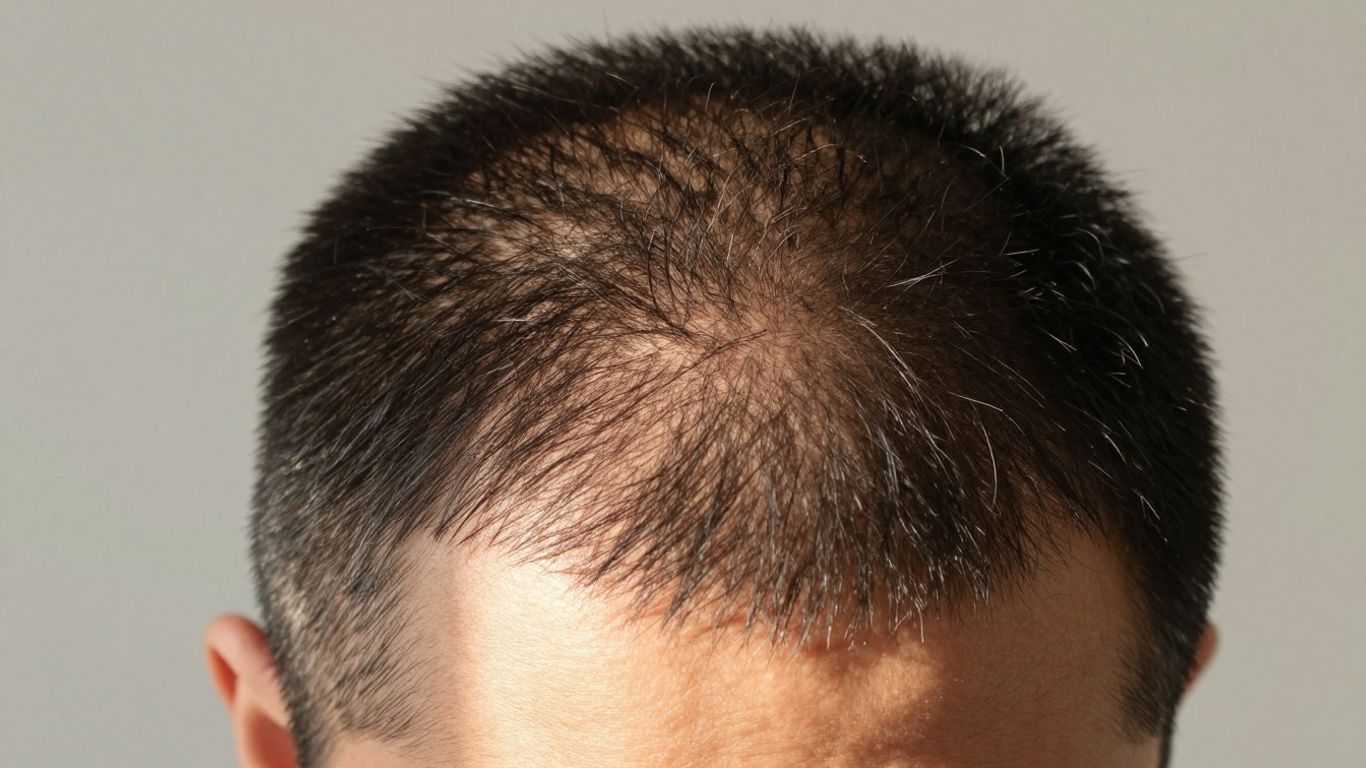
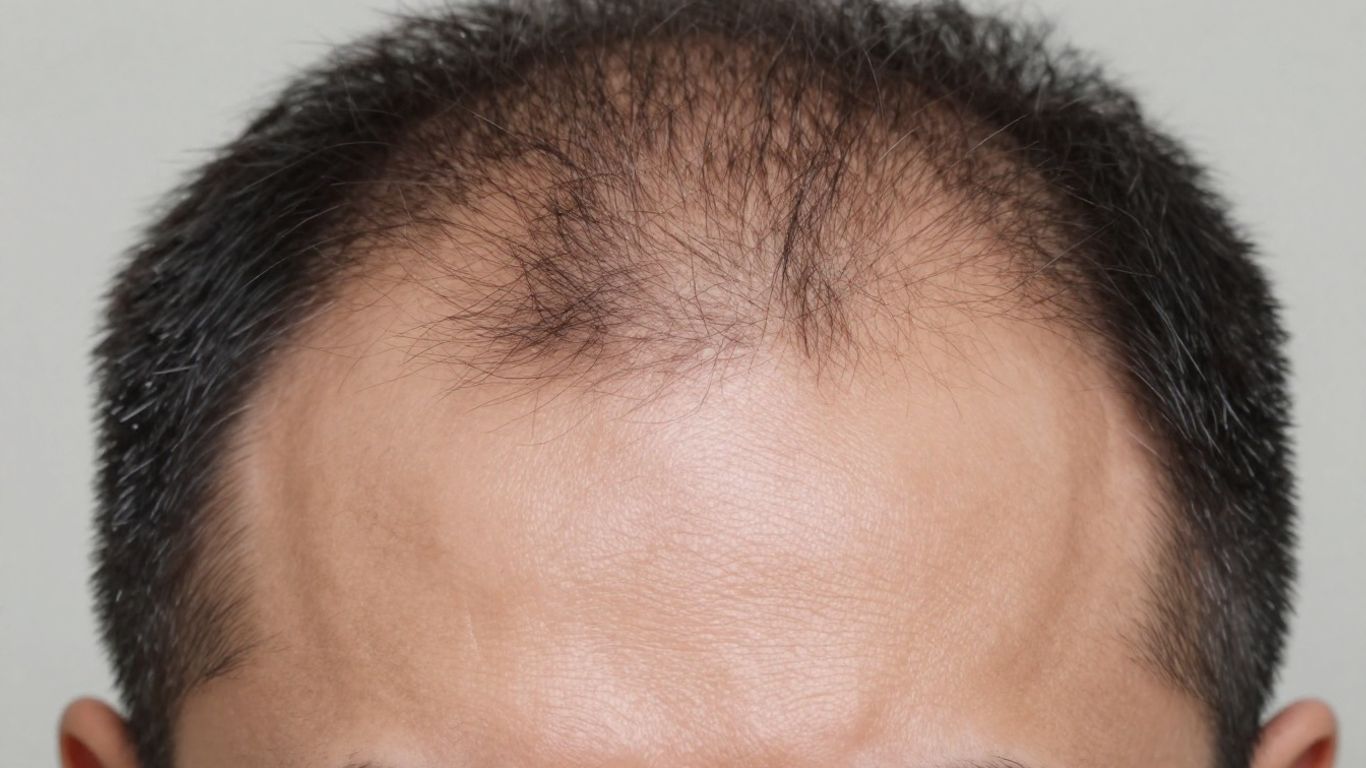
Male-pattern baldness usually follows a pretty predictable path. You might first notice your hairline starting to recede, maybe forming a "widow's peak." Another common spot is thinning on the crown of your head, that spot right on top. Sometimes, it's a combination of both, leading to that classic "M" shape or a general thinning across the top. It's not just about losing hair; it's about how and where it tends to disappear. While male-pattern baldness is the big one, other things can cause hair loss too. Stress can lead to a temporary shedding called telogen effluvium, and autoimmune conditions like alopecia areata can cause patchy hair loss. But for most guys, it's that genetic predisposition at play.
Here's a quick look at the typical progression:
- Stage 1: Little to no visible hair loss.
- Stage 2: Slight recession of the hairline, maybe a "widow's peak" starts to form.
- Stage 3: More noticeable hairline recession, thinning on the crown begins.
- Stage 4: Hair loss becomes more advanced, with a distinct bald spot on the crown and a receding hairline.
- Stage 5: The bald areas on the crown and hairline start to merge.
- Stage 6: The remaining hair forms a horseshoe shape around the sides and back of the head.
- Stage 7: The most advanced stage, with very little hair remaining, usually just on the sides and back.
It's important to remember that hair loss doesn't always follow a strict timeline. Everyone's experience is unique, and the rate at which hair loss progresses can differ significantly.
Emotional Impact of Hair Loss
Let's be real, seeing your hair thin out can mess with your head. Hair is often tied up with how we see ourselves, our identity, and even our attractiveness. When it starts to go, it's easy to feel self-conscious, embarrassed, or just plain frustrated. You might feel like you look older than you are, or worry about what others are thinking. This emotional toll is a big part of the hair loss journey for many men. It's not just a physical change; it can really affect your confidence and how you feel day-to-day. Acknowledging these feelings is a normal part of dealing with hair loss, and it's why finding solutions that work for you is so important. It's okay to want to do something about it, and there are definitely options out there to explore effective treatments for hair loss.
Proven Medical Treatments for Men
When it comes to tackling male hair loss, there are some solid medical options that have stood the test of time. These aren't just trendy fixes; they're backed by research and have helped a lot of guys keep their hair or even regrow some of it.
Minoxidil: Stimulating Follicular Growth
Minoxidil, often recognized by brand names like Rogaine, is a topical treatment that you can get without a prescription. It's applied directly to the scalp. The way it's thought to work is by increasing blood flow to the hair follicles. This improved circulation might help prolong the growth phase of your hair cycle, potentially leading to thicker, fuller hair over time. It's important to remember that consistency is key with minoxidil; you need to use it regularly to see and maintain results. Some guys notice increased shedding when they first start using it, but this can actually be a sign that the treatment is working as your hair follicles get ready to produce new growth. You can find minoxidil over-the-counter at most drugstores.
Finasteride: Blocking DHT's Effects
Finasteride is a prescription medication that works differently. It targets the hormone dihydrotestosterone (DHT), which is a major player in male pattern baldness. Finasteride works by blocking the conversion of testosterone to DHT. By reducing DHT levels in the scalp, it can help slow down or even stop hair loss and, in some cases, promote regrowth. It's available in both oral and topical forms. While it's considered a very effective treatment, it does require a doctor's prescription, and it's important to discuss any potential side effects with your healthcare provider. It's often considered the gold standard for treating male pattern baldness.
Combination Therapies for Enhanced Results
Sometimes, using more than one treatment can give you better results than using just one on its own. Many doctors recommend combining minoxidil and finasteride for a more powerful approach to fighting hair loss. The idea is that one treatment tackles the issue from the blood flow angle, while the other addresses the hormonal side. This dual action can lead to more significant hair regrowth and a better overall outcome for many men. It's always best to talk to a doctor or a hair restoration specialist to figure out the best combination for your specific situation.
It's really important to be patient with these medical treatments. Seeing noticeable results often takes several months of consistent use. Don't get discouraged if you don't see a big change right away. Stick with the plan, and you're more likely to achieve the hair growth you're hoping for.
Non-Surgical Hair Restoration Options
When surgery feels like too much, or maybe you're just looking for ways to keep the hair you have, there are some solid non-surgical routes to explore. These methods aim to slow down thinning and sometimes even encourage new growth without going under the knife. It's all about giving your existing follicles a better environment to thrive.
Low-Level Laser Therapy for Hair Growth
Think of this as a gentle nudge for your scalp. Low-Level Laser Therapy, often called LLLT or red light therapy, uses specific light wavelengths to get your hair follicles working better. The idea is that this light energy can boost cell activity and blood flow right where you need it, potentially waking up dormant follicles and making thinning hair a bit thicker. It's a non-invasive approach, meaning no needles or cutting, and many find it a good way to manage hair loss without a lot of fuss. You can find devices for home use or get treatments at a clinic.
Platelet-Rich Plasma (PRP) Therapy
This one sounds a bit sci-fi, but it's actually using your own body's resources. With PRP therapy, a small amount of your blood is drawn, processed to concentrate the platelets, and then injected back into your scalp. These platelets are packed with growth factors that can help stimulate your hair follicles. It's a way to harness your body's natural healing power to encourage hair regrowth. The process usually involves a few sessions spaced out over time. While it's not a magic bullet, many men have seen positive results in terms of increased hair density and thickness.
Nutritional Support and Supplements
Sometimes, what you put into your body can make a difference on top. While supplements aren't typically a standalone solution for significant hair loss, they can play a supporting role. Think of vitamins like biotin, minerals such as zinc, and other compounds that are thought to help with hair health. If your hair loss is partly due to a nutritional gap, these could help fill it. However, it's always best to talk to a doctor before starting any new supplement regimen, especially if you're already taking other medications. They can help you figure out if a supplement is right for you and what might be most effective. Some options might include hair growth supplements that aim to support overall hair health.
Surgical Solutions for Advanced Hair Loss
When non-surgical methods aren't enough to address significant thinning or baldness, surgical procedures become a primary consideration. These techniques aim to permanently restore hair by moving healthy follicles from one part of the scalp to another. It's important to understand that while these procedures are highly effective, they do involve surgery and require a recovery period.
Hair Transplant Procedures Explained
There are two main types of hair transplant surgeries: Follicular Unit Transplantation (FUT) and Follicular Unit Extraction (FUE). FUT, sometimes called the 'strip method,' involves removing a thin strip of scalp from a donor area, usually the back of the head. This strip is then carefully dissected under a microscope to separate individual follicular units, which are then implanted into the thinning areas. This method can yield a large number of grafts in a single session, making it suitable for extensive restoration. The main downside is a linear scar left in the donor area.
FUE, on the other hand, is a more modern approach. Instead of a strip, individual hair follicles are extracted directly from the donor area using tiny punches. These follicles are then transplanted to the balding spots. FUE generally results in less noticeable scarring and a quicker recovery compared to FUT. It's a popular choice for many men seeking a natural look and feel. The choice between FUT and FUE often depends on the extent of hair loss, the quality of the donor hair, and the patient's personal preferences regarding scarring and recovery. You can learn more about the different techniques available for hair restoration.
When to Consider Surgical Intervention
Deciding on surgery is a big step. Generally, surgical hair restoration is recommended for men who have experienced significant hair loss and have a stable donor area with sufficient hair density. It's also a good option if you've tried other treatments like minoxidil or finasteride without achieving the desired results, or if you're looking for a more permanent solution. It's not usually the first line of treatment for early-stage hair loss. Many surgeons suggest that FUE is the primary method for advanced hair restoration in men, focusing on the precise removal of individual follicles for transplantation from donor areas.
It's crucial to have realistic expectations. Hair transplant surgery can significantly improve hair density and coverage, but it won't necessarily result in the same thickness you had in your youth. The goal is to create a natural-looking appearance and restore a more youthful hairline.
Here's a quick look at what to expect:
- Consultation: A thorough assessment of your hair loss pattern, donor area, and overall health.
- Procedure: Performed under local anesthesia, taking several hours.
- Recovery: Initial healing takes about 1-2 weeks, with new hair growth typically visible within 3-4 months.
- Results: Full results can take up to a year or more to become apparent.
Choosing the Right Treatment for You
So, you've explored the different ways hair loss can happen and looked at the treatments out there. Now comes the big question: what's the best path forward for you? It's not a one-size-fits-all situation, and figuring it out can feel a bit overwhelming. The most important step is to get a clear picture of your specific hair loss situation. This means understanding the pattern, how long it's been going on, and what your personal goals are.
Consulting with a Hair Restoration Specialist
Think of a hair restoration specialist as your guide through this. They've seen it all and can help you make sense of your options. They'll look at your scalp, ask about your medical history, and discuss what you're hoping to achieve. This isn't just about picking a product off the shelf; it's about getting a personalized plan. They can help you understand if a treatment like minoxidil, which helps stimulate hair follicles, or finasteride, which works by blocking DHT, might be suitable for you. Sometimes, they might even suggest combining treatments for better results. It's also a good time to ask about services like Hims hair loss treatments if you're curious about what they offer.
Evaluating Treatment Efficacy and Safety
When you're looking at treatments, it's natural to wonder how well they actually work and if they're safe. Most medical treatments, like minoxidil and finasteride, have been around for a while and have solid research behind them. However, results can vary from person to person. It often takes several months – usually between 3 to 6 – to see noticeable changes, and consistency is key. You might even experience some temporary shedding at first, which can actually be a good sign that the treatment is kicking in. Always discuss potential side effects with your doctor.
Here's a quick look at what to expect:
- Minoxidil: Typically takes 3-6 months to show results. It's a topical treatment you need to use regularly.
- Finasteride: Also takes 3-6 months. It's usually a prescription medication.
- Low-Level Laser Therapy (LLLT): May show results in 4-6 months with ongoing use.
- Hair Transplants: Results can take 6-12 months, as it involves natural healing and growth cycles.
It's important to remember that hair loss treatments work with your hair's natural growth cycles. This means patience is a virtue. What might seem like no change in the first few months could be the treatment laying the groundwork for future growth. Don't get discouraged if you don't see dramatic changes overnight.
Managing Expectations for Hair Growth
This is a big one. While there are many effective treatments available, it's rare for any of them to restore hair to exactly how it was years ago. The goal is usually to slow down or stop further loss and potentially regrow some of the lost hair. Be wary of anything that promises a miracle cure. Realistic expectations are vital for staying motivated. A specialist can help you understand what kind of results are achievable for your specific situation, whether that's thickening existing hair, slowing recession, or exploring options like top-rated hair loss treatments.
Ultimately, finding the right treatment is a journey. It involves research, consultation, and a good dose of patience. Don't be afraid to ask questions and advocate for yourself to find the best solution for your hair and your confidence.
Wrapping Up Your Hair Loss Journey
So, dealing with hair loss can feel like a real headache, right? It’s super common, especially for guys, and it’s mostly down to genetics. But the good news is, you’ve got options. From stuff you can grab over the counter like minoxidil to prescription meds like finasteride, and even newer things like laser therapy, there’s a lot out there. It might take some trial and error to find what works best for you, and remember, consistency is key. Don't be afraid to chat with a doctor or a hair specialist to figure out the right plan. Taking action can make a big difference, not just for your hair, but for how you feel too.
Frequently Asked Questions
What is the main reason men lose hair?
Most of the time, guys lose hair because of their genes. It's a natural thing that can start when they're young adults and continue over time. This is called male pattern baldness.
How long does it usually take to see results from hair loss treatments?
It can take a few months, usually around 3 to 6 months, to start seeing changes. Hair grows in cycles, so treatments need time to work on slowing down hair loss or encouraging new growth. Sometimes, you might notice more hair falling out at first, which can actually be a good sign that the treatment is starting to work.
Can I use more than one hair loss treatment at the same time?
Yes, many doctors suggest using a mix of treatments because it can work better than just one. Different treatments tackle hair loss in different ways. However, it's always best to talk to your doctor before mixing treatments, especially if you're using prescription medicines.
Are over-the-counter hair loss products effective?
Some over-the-counter treatments, like minoxidil (the active ingredient in Rogaine), are proven to help slow down hair loss and encourage new hair growth for many men. You need to use them regularly, and it might take a while to see results. Combining them with other treatments can often lead to even better outcomes.
What's the difference between Minoxidil and Finasteride?
Minoxidil is a treatment you can buy without a prescription that helps hair follicles grow by increasing blood flow to the scalp. Finasteride, which requires a prescription, works differently by blocking a hormone called DHT that causes hair loss in men. They can often be used together for better results.
When should I think about getting a hair transplant?
Hair transplant surgery is usually considered for more advanced hair loss. It involves moving healthy hair follicles from one part of your head to the thinning or bald areas. It's a more permanent solution but is also more invasive and costly than other treatments.