

Effective Treatment for Hair Loss in Men: Exploring Your Options
Seeing more hair in the shower drain or noticing your hairline is changing can be a real downer. For lots of guys, hair loss is a common worry, and it can definitely mess with your confidence. But here's the thing: you've got options. There are actually quite a few ways to tackle thinning hair and even get some of it to grow back. We're going to look at some effective treatment for hair loss men can explore, from things you can buy yourself to what a doctor might suggest.
Key Takeaways
- Male pattern baldness is often driven by genetics and hormones, especially DHT, which can make hair follicles more sensitive.
- Minoxidil is a common topical treatment that helps boost blood flow to the scalp, potentially encouraging hair regrowth.
- Finasteride is a prescription medication that works by reducing DHT levels, which can help slow down or even reverse male pattern hair loss.
- Newer treatments like Low-Level Laser Therapy (LLLT), Platelet-Rich Plasma (PRP), and microneedling aim to stimulate the scalp and follicles in different ways.
- Supplements like Nutrafol might help by addressing nutritional gaps and supporting a healthy scalp environment, but check with a doctor first.
Understanding Male Pattern Baldness
Genetics and Hormonal Influences
So, you're noticing more scalp than usual? For a lot of guys, this is the start of what's commonly called male pattern baldness. It's not really a surprise when you think about it; genetics play a huge role here. If your dad or granddad experienced thinning hair, there's a good chance you might too. This hereditary condition, also known as androgenic alopecia, is the most frequent reason for hair loss in men. It's basically programmed into your DNA. On top of that, hormones, specifically a type called androgens, are involved. These hormones are normal for men, but in some individuals, they can interact with your genes to speed up hair thinning. It's a double whammy of inherited traits and hormonal activity that sets the stage for this common issue.
The Role of DHT in Hair Follicle Sensitivity
Now, let's talk about DHT, or dihydrotestosterone. It's a byproduct of testosterone, and while it's important for male development, it can be a real troublemaker for hair follicles in genetically susceptible men. Think of it like this: DHT attaches itself to your hair follicles, and over time, it causes them to shrink. This shrinking process, called miniaturization, makes the hair shafts thinner and shorter. Eventually, the follicles become so small that they can't produce visible hair anymore. This sensitivity to DHT is the primary driver behind the classic receding hairline and thinning crown seen in male pattern baldness. It's not that the follicles are gone forever, but they've become dormant and can't support healthy hair growth when exposed to DHT.
Other Contributing Factors to Hair Thinning
While genetics and DHT are the main culprits, other things can nudge hair thinning along or make it more noticeable. Stress, for instance, can sometimes trigger a temporary shedding phase called telogen effluvium. If you've been going through a particularly rough patch, you might notice more hair in your brush. Poor nutrition is another factor; your hair needs a steady supply of vitamins and minerals to stay strong. If your diet is lacking, your hair might suffer. Even how you treat your hair matters – harsh styling products or tight hairstyles can cause breakage. It's a complex picture, and sometimes it's a combination of these elements that leads to noticeable hair loss, not just the main genetic predisposition. Understanding these different influences can help you figure out the best approach to managing your hair health.
Topical Treatments for Hair Loss Men
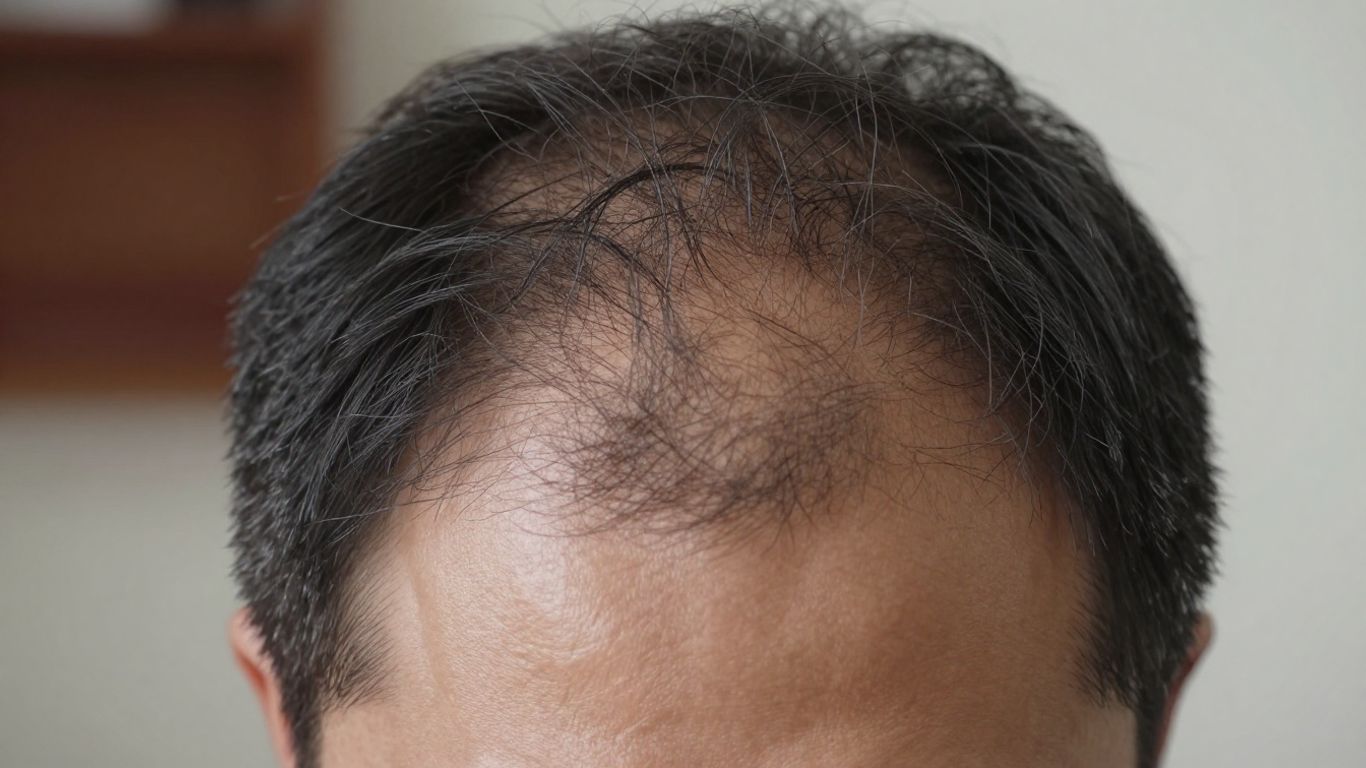
When you first start noticing thinning hair, it's natural to look for solutions you can use right at home. Topical treatments are often the first line of defense for many guys dealing with male pattern baldness. They're generally easy to use and can be quite effective, especially when you catch hair loss early.
Minoxidil: Stimulating Blood Flow for Regrowth
Minoxidil is probably the most well-known topical treatment out there. You might recognize it by brand names like Rogaine. The main idea behind minoxidil is to get more blood flowing to your hair follicles. By increasing circulation, it's thought to help widen the blood vessels and improve blood flow, which in turn can encourage hair follicles to grow. It's available over-the-counter, making it pretty accessible. You typically apply it directly to your scalp, usually twice a day. Some guys find it works best when they combine it with other treatments, which we'll get into.
How Minoxidil Works and Potential Side Effects
So, how does minoxidil actually do its thing? It's believed to work by prolonging the growth phase of your hair cycle. This means your hair spends more time actively growing. You might notice some initial shedding when you first start using it, usually within the first few weeks. Don't panic – this is often a sign that it's working, as new hairs start to push out the older, weaker ones. It's a bit like a reset button for your follicles.
Like any treatment, minoxidil can have side effects. Some common ones include scalp irritation, itching, or dryness. Less common but possible are things like unwanted facial hair growth if the medication gets on other parts of your skin, or even dizziness. It's always a good idea to read the product label carefully and talk to a doctor or pharmacist if you have concerns. For many, the benefits of regrowth outweigh these potential downsides. You can find Minoxidil hair regrowth treatment at many drugstores.
Combining Minoxidil with Other Therapies
Many men find that using minoxidil alongside other treatments gives them better results than using it alone. For instance, some dermatologists might suggest pairing it with a prescription medication like finasteride, which works differently by targeting hormones. The idea is that by attacking hair loss from multiple angles – stimulating blood flow with minoxidil and reducing DHT with finasteride – you can achieve more significant regrowth or at least slow down the thinning process more effectively. It's not a one-size-fits-all approach, and what works best can really depend on your individual situation and the extent of your hair loss. Some men also use it with devices that help the topical solution penetrate the scalp better, like those using TransEpidermal Delivery technology.
When you start any new hair loss treatment, patience is key. It can take several months of consistent use before you see noticeable results. Stick with it, and don't get discouraged if you don't see changes overnight. Regular application is what makes the difference.
Prescription Medications for Hair Restoration
When over-the-counter options just aren't cutting it, or if your hair loss is progressing, prescription medications might be the next step. These are powerful tools, but they come with their own set of considerations and are usually best discussed with a doctor.
Finasteride: Blocking DHT Production
Finasteride is a prescription pill that works by targeting a key player in male pattern baldness: dihydrotestosterone, or DHT. It essentially stops the enzyme that converts testosterone into DHT. Lowering DHT levels can help slow down hair loss and, for many men, even encourage some regrowth. It's a daily medication, and consistency is pretty important for seeing results. It's specifically approved for male pattern hair loss, and it's often considered a good option for men who are noticing thinning early on.
Effectiveness and Patient Suitability for Finasteride
Finasteride can be quite effective, but it's not a one-size-fits-all solution. Studies show it can stabilize hair loss in a large percentage of men and lead to visible regrowth in a good number of them too. It's generally best suited for men with ongoing male pattern baldness. It's also worth noting that finasteride can work really well when used alongside other treatments, like minoxidil. However, it's not for everyone. Because of potential risks, especially for women who are or may become pregnant, it's strictly for male use. Discussing your specific situation with a healthcare provider is key to figuring out if finasteride is the right choice for you.
When to Consult a Dermatologist for Prescriptions
So, when should you pick up the phone and call a dermatologist? If you've been trying over-the-counter treatments for a while without much luck, that's a good sign. Also, if you're experiencing sudden hair loss, or notice patchy spots, or if your scalp is feeling painful, itchy, or red, it's definitely time to get professional advice. Early intervention is usually more effective, as damaged hair follicles can be harder to revive. A dermatologist can properly diagnose the cause of your hair loss and help you explore prescription options like finasteride or other treatments that fit your health needs and goals.
Advanced Therapies for Hair Loss
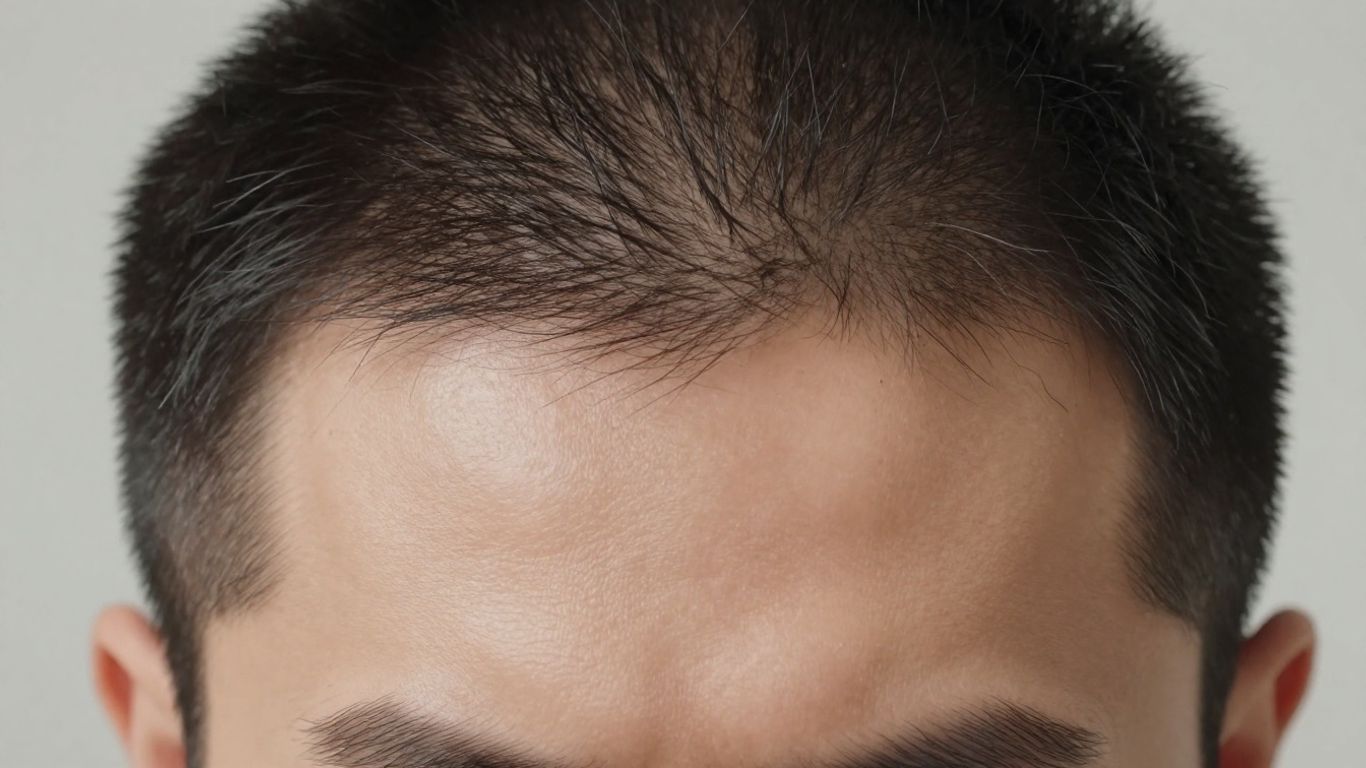
Low-Level Laser Therapy (LLLT) Mechanisms
Low-level laser therapy, often called LLLT, uses specific wavelengths of red light. The idea is to get this light to your hair follicles. It's thought to boost blood flow to the scalp and get the cells in the follicles working better. This can encourage new hair to sprout. You can get LLLT done at a clinic, or there are devices you can use at home, like laser combs or helmets. It's a non-invasive approach, meaning no needles or cutting involved.
Platelet-Rich Plasma (PRP) Therapy Explained
PRP therapy is pretty interesting. They take a bit of your own blood, spin it in a centrifuge to concentrate the platelets, and then inject that plasma back into your scalp. The platelets are packed with growth factors. The theory is that these growth factors can wake up dormant hair follicles and get them producing hair again. It's minimally invasive and recovery is usually pretty quick. It’s a way to use your body’s own healing power to help with hair growth.
Microneedling for Scalp Stimulation
Microneedling involves using a device with very fine needles to create tiny punctures in your scalp. Don't worry, it sounds worse than it is. This controlled injury triggers your skin's natural healing process. As your scalp heals, it can stimulate hair follicles and potentially lead to new hair growth. It's often used alongside other treatments to help them work better. Some people find it helps improve the overall health of their scalp environment.
These advanced therapies offer different ways to tackle hair loss, moving beyond just topical solutions or pills. They tap into your body's natural processes or use light energy to encourage follicles to do their job. It’s about exploring what works best for your specific situation.
Here's a quick look at how these methods work:
- LLLT: Uses red light to boost follicle activity and blood flow.
- PRP Therapy: Injects concentrated platelets from your blood to stimulate growth factors.
- Microneedling: Creates tiny scalp punctures to trigger healing and hair growth.
These treatments are often considered when other methods haven't given the desired results. It's always a good idea to chat with a doctor or a hair loss specialist to see if any of these advanced options might be a good fit for you. They can help you understand the potential benefits and what to expect. You can find more information on treatments like minoxidil and finasteride, which are often the first steps for many men dealing with hair thinning here.
Innovative Delivery Systems for Hair Growth
So, you've heard about topical treatments and maybe even some of the more advanced options for hair loss. But how do we make sure those active ingredients actually get where they need to go? That's where these new delivery systems come in. They're all about getting the good stuff right to the hair follicles, bypassing some of the usual roadblocks.
TransEpidermal Delivery (TED) Technology
Think of TED as a high-tech way to get treatments into your scalp. It's a non-invasive method that uses a special device. This device creates tiny pathways, sort of like microscopic tunnels, in the skin. These pathways allow active ingredients from topical solutions to reach the hair follicles much more effectively than just rubbing them in. It's designed to get past the skin's natural barrier, which can be pretty tough to penetrate. This means the ingredients can get to work faster and potentially with better results.
Enhancing Topical Treatment Efficacy with TED
Why is this a big deal? Well, traditional topical treatments can lose a lot of their punch because the skin doesn't absorb them all that well. TED aims to fix that. By opening up these temporary channels, the active compounds in your hair growth serums or solutions can be delivered directly to the scalp's deeper layers where the hair follicles live. This could mean you see improvements sooner and with less product. It's a way to make the treatments you're already using work harder for you.
Non-Invasive Approaches to Hair Restoration
These delivery systems are part of a broader trend towards less invasive ways to tackle hair loss. Instead of injections or surgery, we're seeing more focus on making existing treatments work better through smart application. It's about maximizing the benefits of things like minoxidil or other growth-promoting compounds without adding extra procedures. This approach is really changing the game for cutting-edge hair restoration techniques, offering more options for men looking to regrow their hair.
Here's a quick look at how TED compares to traditional application:
| Feature | Traditional Topical Application | TransEpidermal Delivery (TED) |
|---|---|---|
| Penetration | Limited, superficial | Deeper, targeted |
| Efficacy | Variable, can be low | Potentially higher |
| Invasiveness | Non-invasive | Non-invasive |
| Mechanism | Diffusion through skin | Micro-pathway creation |
The goal here is simple: get the active ingredients where they need to be, without causing damage or requiring a surgical procedure. It's about smart science making treatments more effective for everyday guys dealing with hair thinning.
Nutritional Support and Supplements
Sometimes, the answer to thinning hair isn't just on the surface. What you put into your body plays a big role in how healthy your hair is, and that includes getting the right nutrients. It’s not always about a quick fix; it’s about building a strong foundation from the inside out.
Nutrafol: A Comprehensive Hair Growth Supplement
Supplements like Nutrafol have become pretty popular for men dealing with hair loss. They aim to tackle things like stress and inflammation, which can really mess with your hair growth cycle. The idea is to give your body the building blocks it needs to support healthier, thicker hair. It’s not a magic pill, but for many, it’s a key part of their hair care routine. They often contain a mix of vitamins, minerals, and botanicals that work together.
Addressing Deficiencies for Healthier Hair
If your body is lacking certain vitamins or minerals, your hair growth can suffer. Think of it like trying to build a house without enough bricks. Things like iron, zinc, and certain B vitamins are pretty important for hair. Getting enough of these can make a noticeable difference. It’s worth checking if you’re getting enough from your diet, or if a supplement might help fill in the gaps. Sometimes, a simple blood test can show if you're low on something important. For example, iron and zinc are often mentioned as key players in hair health.
The Importance of a Healthy Scalp Environment
Your scalp is where all the action happens for hair growth. Keeping it clean and healthy is just as important as the nutrients you consume. A good scalp environment means hair follicles can do their job without being clogged or irritated. This can involve using the right shampoos, avoiding harsh chemicals, and even giving yourself a gentle scalp massage to boost circulation. A healthy scalp can make a big difference in how well your hair grows and how strong it stays.
Sometimes, the simplest approaches are overlooked. Focusing on a balanced diet and a healthy scalp can lay the groundwork for better hair growth, complementing other treatments you might be using.
Wrapping Up Your Hair Loss Journey
So, we've talked about a bunch of ways to tackle hair loss. It's definitely not a one-size-fits-all situation, and what works for your buddy might not be the ticket for you. The main takeaway here is that you've got options, whether that's something you can grab at the store, a prescription from a doctor, or even some newer treatments. The best move is to chat with a dermatologist. They can help figure out what's going on with your hair and point you in the right direction. Don't get discouraged; taking that first step to explore your choices is a big deal. You can absolutely do something about it and work towards getting that fuller head of hair back.
Frequently Asked Questions
What is male pattern baldness?
Male pattern baldness, also called androgenetic alopecia, is the most common reason men lose hair. It's usually caused by genes you get from your parents and changes in your body's hormones. It often shows up as a receding hairline or thinning hair on the top of your head.
How does Minoxidil work?
Minoxidil is a liquid or foam you put on your scalp. It helps hair grow by increasing blood flow to your hair roots. This can help wake up hair follicles that have stopped growing.
What is Finasteride and how does it help hair loss?
Finasteride is a pill that doctors can prescribe. It works by lowering a hormone called DHT, which is known to shrink hair follicles in men with male pattern baldness. By reducing DHT, Finasteride can help stop hair loss and sometimes even help hair grow back.
Are treatments like PRP or microneedling safe?
Yes, treatments like Platelet-Rich Plasma (PRP) therapy and microneedling are generally considered safe. PRP uses your own blood to help hair grow, and microneedling uses tiny needles to encourage healing and growth. They are minimally invasive and have a short recovery time.
Can supplements like Nutrafol really help with hair loss?
Supplements like Nutrafol aim to help hair growth from the inside. They often contain vitamins and natural ingredients that can help with things like stress and inflammation, which can affect your hair. They work best when used regularly as part of a healthy lifestyle.
When should I see a doctor about my hair loss?
It's a good idea to see a doctor, especially a dermatologist, if you notice a lot of hair falling out quickly, if you have bald spots, or if your scalp becomes painful or itchy. Treatments tend to work better when started early, before the hair follicles are too damaged.