

Effective Hair Loss Treatment for Men: Options and Solutions
Here are some important points to remember when thinking about hair loss treatments for men.
Key Takeaways
- Most men's hair loss is due to genetics and hormones like DHT, which can shrink hair follicles.
- Over-the-counter minoxidil and prescription finasteride are common and effective treatments.
- Advanced options like hair transplants offer permanent solutions, while therapies like LLLT can stimulate growth.
- Consistency and patience are vital; treatments often take months to show results and require ongoing use.
- Combining different treatments and consulting a healthcare professional can lead to the best outcomes.
Understanding the Causes of Male Hair Loss
So, you've noticed your hair isn't as thick as it used to be, or maybe a receding hairline is starting to show up. It's a pretty common experience for a lot of guys, and honestly, it can be a bit of a bummer. But before we jump into solutions, let's talk about why this happens.
Genetics and Hormonal Influences
For most men, the main culprit is something called androgenetic alopecia, which is just a fancy term for male-pattern baldness. This is largely hereditary, meaning it's something you can often trace back through your family tree. If your dad or granddad experienced hair thinning, there's a good chance you might too. It's not just about looking older; it's a biological process that's been passed down. This condition can start showing up earlier than you might think, sometimes even in your late teens or early twenties, though it's more common to notice it in your 30s and beyond. About 20% of men start to see some balding by age 20, and that number climbs steadily as the years go by.
The Role of DHT in Hair Follicle Shrinkage
Now, let's get a little more specific. The key player here is a hormone called dihydrotestosterone, or DHT. It's a byproduct of testosterone, and in men genetically predisposed to hair loss, DHT can actually cause your hair follicles to shrink over time. Think of it like this: a healthy follicle is strong and produces a thick hair. But when DHT starts to affect it, the follicle gets smaller, and the hair it produces becomes thinner and shorter. Eventually, the follicle might stop producing hair altogether. This process is gradual, which is why you often see thinning before significant bald spots appear. It's a slow but steady change that happens over years.
Common Patterns of Male Baldness
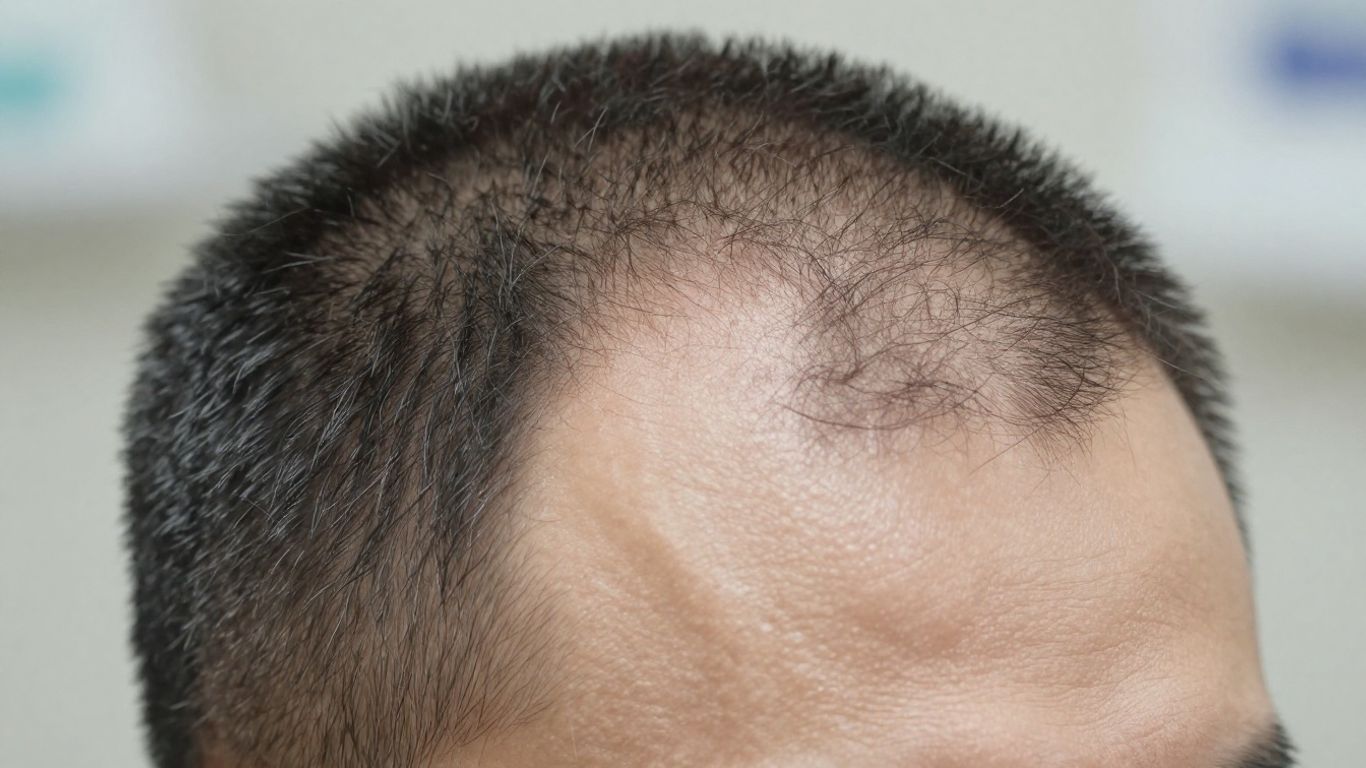
Male-pattern baldness tends to follow a pretty predictable path. You might first notice a receding hairline, often forming a "widow's peak" at the temples. Another common sign is thinning on the crown of your head, creating a bald spot. Sometimes, it's a combination of both. It's rare for men to lose all their hair from male-pattern baldness; it usually results in a horseshoe shape of hair around the sides and back of the head. While genetics and DHT are the primary drivers, other factors can contribute to hair loss as well, like stress or certain medical conditions, though these are less common causes for the typical male-pattern thinning. If you're curious about your family's history, looking at your relatives can give you a good idea of what to expect regarding the age of onset for hair thinning.
It's important to remember that while genetics are a major factor, they don't dictate your entire hair future. Understanding these causes is the first step toward finding an effective treatment that works for you.
Exploring Effective Hair Loss Treatment Options
When it comes to tackling male hair loss, there are several established paths you can take. It's not just about accepting it; there are real options out there that have been shown to work. The key is understanding what each one does and if it fits your situation.
Topical Minoxidil: An Over-the-Counter Solution
Minoxidil, often recognized by brand names like Rogaine, is a go-to for many guys. It's available without a prescription, which makes it pretty accessible. How does it work? Basically, it's thought to increase blood flow to your scalp, giving your hair follicles a better environment to grow. It's most effective when you catch hair loss early, especially thinning at the crown. You'll need to use it consistently, usually twice a day, to see results, and those results typically start showing up after about three to six months. Don't be alarmed if you notice a bit more shedding at first; that can actually be a good sign that your follicles are waking up and starting a new growth cycle. You can find minoxidil products pretty easily online or at your local drugstore.
Finasteride: A Prescription Medication for Hair Loss
Finasteride, known by its brand name Propecia, is a bit different. This one requires a prescription from your doctor. It works by targeting the hormone DHT (dihydrotestosterone), which is a major player in male pattern baldness. Finasteride essentially blocks the conversion of testosterone to DHT, which can help slow down hair loss and even lead to regrowth for some men. It's often recommended for those with a receding hairline or thinning at the crown. Like minoxidil, you'll need to be patient, as results usually take a few months to become noticeable. There are both oral and topical versions available, so you can discuss the best option for you with your doctor.
Understanding Hair Growth Supplements
Then there are hair growth supplements. These often contain a mix of vitamins, minerals, and sometimes herbal ingredients like biotin, zinc, or saw palmetto. The idea is to support overall hair health from the inside out. While they can be a good addition to a treatment plan, especially if you have a nutritional deficiency, they're generally not considered a primary solution on their own. It's important to be a bit cautious here. Some supplements aren't well-regulated, and their claims can be exaggerated. Always look for products with clinically tested ingredients and, if possible, run any supplement by your doctor before you start taking it, especially if you're already on other medications.
When considering any treatment, remember that consistency is key. Most hair loss solutions take time to show results because hair grows in cycles. Sticking with your chosen treatment plan, even when you don't see immediate changes, is vital for long-term success. Patience really is a virtue in this game.
It's worth noting that finasteride and minoxidil are the only two FDA-approved treatments specifically for male pattern hair loss, so they're often the first line of defense recommended by medical professionals.
Advanced Hair Loss Therapies and Procedures
When over-the-counter options and prescription pills aren't quite cutting it, or if you're looking for more significant changes, there are some advanced treatments out there. These can range from light-based therapies to surgical interventions. It's a whole different ballgame compared to just rubbing some foam on your head, you know?
Low-Level Laser Therapy for Follicular Stimulation
This one uses specific wavelengths of light to, supposedly, get your hair follicles going again. Think of it like giving your scalp a little energy boost. It's not exactly a miracle cure, but some guys find it helps slow things down or even encourages a bit of regrowth. You can get these as caps, combs, or even headbands you use at home. It takes time, though – you're looking at several months of regular use before you might see anything.
- How it works: Light energy is absorbed by the cells in the hair follicles.
- What it does: Aims to increase blood flow and stimulate cellular activity.
- Who it's for: Generally considered for mild to moderate hair thinning.
Hair Transplant Surgery: A Permanent Solution
This is the big one, the surgical route. Basically, they take hair from areas where you've got plenty and move it to the spots that are looking a bit bare. It's a pretty involved process, and honestly, it's not cheap. But, if done right, it can give you a pretty natural-looking, permanent fix. There are a couple of main techniques, like FUT (follicular unit transplantation) and FUE (follicular unit extraction), each with its own pros and cons regarding scarring and recovery time. You'll need a good chunk of downtime afterward, and it takes a while to see the final results, usually up to a year.
Remember, hair transplant surgery is a significant medical procedure. It requires careful planning, skilled surgeons, and a realistic understanding of the outcomes and recovery process. It's not a quick fix, but for many, it's the most effective way to restore hair permanently.
Emerging Treatments on the Horizon
Science never sleeps, right? There are always new things being developed. One interesting area is drugs that block DHT more selectively, only at the hair follicle, which could mean fewer side effects. There's also research into new pill formulations, like a slow-release minoxidil that might be more convenient. Some experimental treatments are even looking at stimulating stem cells in dormant follicles. It's exciting to think about what might become available in the coming years, potentially offering even better and more targeted hair restoration for men.
- Selective DHT Blockers: Targeting DHT more precisely at the follicle.
- Novel Minoxidil Formulations: Potentially easier-to-use pill versions.
- Stem Cell Therapies: Aiming to reactivate dormant hair follicles.
- PRP (Platelet-Rich Plasma) Injections: Using your own blood components to stimulate growth.
Choosing the Right Hair Loss Treatment for You
So, you've decided to tackle that thinning hair. That's a big step, and honestly, it can feel a bit overwhelming with all the options out there. It's not a one-size-fits-all situation, and what works wonders for one guy might not do much for another. The key is figuring out what's going on with your hair and then picking a treatment that actually fits your needs. It's all about finding the right match for your specific situation.
Assessing Your Hair Loss Type and Severity
First things first, let's get real about what kind of hair loss you're dealing with. Is it a general thinning all over, or are you noticing a receding hairline or a bald spot on top? Most male hair loss is linked to genetics and hormones, often following predictable patterns. Knowing if it's early-stage thinning or more advanced balding helps narrow down the choices. You can often tell by looking at your family history or just observing your own hair over time. Some people find it helpful to take pictures every few months to track changes.
Considering Prescription vs. Over-the-Counter Options
This is where things get interesting. You've got your over-the-counter (OTC) stuff, like minoxidil, which you can grab without a doctor's note. It works by increasing blood flow to your scalp, which can help keep your hair around longer. Then there are prescription medications, like finasteride, which tackles the hormonal side of things by blocking DHT, a hormone linked to hair loss. These often require a doctor's visit and prescription, but they can be really effective for certain types of hair loss. It's worth looking into scientifically-backed hair loss treatments to see what's out there.
The Importance of Consistency and Patience
No matter what you choose, remember this: hair growth takes time. You're not going to see results overnight. Most treatments require consistent use for at least 3 to 6 months before you start noticing a difference. Sometimes, you might even see a bit more shedding at first, which can be a sign the treatment is actually working. It's like tending a garden; you have to water it regularly and wait for the plants to grow. Sticking with your chosen treatment plan is super important, and if you're using finasteride, patience is definitely a virtue.
Don't get discouraged if you don't see immediate changes. Hair growth is a slow process, and consistency is your best friend. Think of it as a long-term strategy, not a quick fix. Many people find that combining different approaches can yield better results, but always chat with a doctor before mixing treatments, especially if you're on other medications.
Maximizing Results with Combined Treatment Strategies

So, you've looked into the different ways to tackle hair loss, from creams to pills. That's a good start. But honestly, just picking one thing and hoping for the best might not cut it for everyone. Many guys find that mixing and matching treatments gives them a much better shot at seeing real change. It’s like building a team – each player has a role, and together they can achieve more.
Synergistic Effects of Multiple Treatments
Think about it: hair loss isn't usually caused by just one thing. You've got genetics, hormones like DHT, and sometimes even stress playing a part. So, why would you try to fight it with just one weapon? Combining treatments can target different aspects of hair loss simultaneously. For instance, using a topical solution like minoxidil to encourage growth while also taking an oral medication like finasteride to block DHT can be a powerful combo. This approach often leads to better results than using either treatment alone. The key is to address the problem from multiple angles.
Integrating Shampoos and Conditioners into Your Regimen
Don't forget about your daily hair care routine. While they might not be the main event, specialized shampoos and conditioners can definitely help. Some are designed to strengthen existing hair, making it less likely to break. Others might contain ingredients that help keep your scalp healthy, which is pretty important for hair growth. You can find products with ingredients like caffeine or ketoconazole that are thought to support hair health. It’s about creating a supportive environment for your hair from the roots up.
Here’s a quick rundown of how to fit these into your routine:
- Morning: If you use a topical treatment like minoxidil, apply it as directed. Follow up with a gentle shampoo and conditioner.
- Evening: Apply any nighttime treatments. If you're using a leave-in product, make sure it doesn't interfere with your sleep or pillowcase.
- Washing: Aim to wash your hair every other day or as needed, using lukewarm water to avoid drying out your scalp.
It's easy to get discouraged if you don't see results immediately. Hair growth is a slow process, and treatments take time to work. Most experts agree that you should give any new regimen at least six months before deciding if it's effective. Consistency is really the name of the game here.
When to Consult a Healthcare Professional
While you can certainly start with over-the-counter options, talking to a doctor or a dermatologist is a smart move, especially if you're thinking about prescription medications or combining treatments. They can help you figure out the exact cause of your hair loss and recommend the best course of action for your specific situation. They can also monitor for any potential side effects and adjust your treatment plan as needed. Getting professional advice can save you time and frustration in the long run. You can explore options like prescription finasteride if your doctor thinks it's right for you.
Conclusion
Dealing with hair loss can be tough, but knowing your options makes a big difference. Whether you're looking at over-the-counter treatments like minoxidil, prescription meds like finasteride, or even considering advanced procedures, there's likely a path forward for you. The key is to understand what's causing your hair loss, be realistic about results, and stick with your chosen treatment plan. Sometimes, combining different approaches works best. Don't hesitate to chat with a doctor or dermatologist; they can help you figure out the most effective strategy for your specific situation. With patience and the right approach, you can manage hair loss and feel more confident.
Frequently Asked Questions
What's the main reason guys lose hair?
For most guys, it's genetics. Your genes can make your hair follicles sensitive to a hormone called DHT. This hormone can make the follicles shrink over time, leading to thinner hair and eventually bald spots, usually on the top or front of your head. It's a common thing that happens to many men as they get older.
Are there treatments I can buy without a prescription?
Yes! Minoxidil, often known by the brand name Rogaine, is a popular choice you can find at most drugstores. It works by increasing blood flow to your scalp, which can help hair grow. You just apply it directly to your scalp, usually twice a day. It takes time to see results, so you have to be consistent.
What about prescription treatments?
Finasteride, sometimes called Propecia, is a prescription pill that works differently. It blocks the DHT hormone that causes hair follicles to shrink. It's often very effective for male pattern baldness. Because it's a prescription drug, you'll need to see a doctor to get it.
How long until I see results from hair loss treatments?
You usually need to be patient. Most treatments, whether they're over-the-counter or prescription, take about 3 to 6 months before you start noticing a difference. Hair grows slowly, so it takes time for the treatment to slow down shedding or encourage new growth. Sometimes, you might even see more shedding at first, which can actually be a good sign that it's working!
Can I use more than one hair loss treatment at the same time?
Many doctors say yes, using a combination of treatments can often be more effective than just one. For example, you might use minoxidil on your scalp and also take finasteride. However, it's always a good idea to talk to your doctor before mixing treatments, especially if you're using prescription medications, to make sure they work well together and are safe for you.
What if treatments don't work or I want something more permanent?
If medications aren't giving you the results you want, or if you're looking for a more lasting fix, there are other options. Hair transplant surgery is a popular choice where doctors move healthy hair follicles from one part of your head to the thinning areas. It's a bigger procedure, but it can provide permanent results. There are also newer therapies like low-level laser treatments that aim to stimulate hair growth.