

Effective Hair Loss Treatment for Men: Expert Insights and Proven Solutions
Here are the main points to remember when thinking about hair loss treatment for men. It's a journey, and knowing these basics can help you make better choices.
Key Takeaways
- Understand that hair loss has many causes, from genetics to stress, and different patterns mean different things.
- FDA-approved treatments like minoxidil and prescription finasteride are common and effective for many men.
- Newer treatments like LLLT and PRP therapy offer non-surgical ways to help hair grow back or thicken.
- Personalizing your approach with supplements, topical DHT blockers, or custom plans can be very effective.
- Choosing the right treatment involves looking at how you'll use it, what's in it, and if you can afford it long-term.
Understanding Your Hair Loss
It's easy to just notice your hair thinning and panic, but before you jump into treatments, it's super important to figure out what's actually going on. Hair loss isn't always just about genetics, though that's a big one for a lot of guys. Sometimes, it's your body telling you something else is up.
Identifying Underlying Causes
So, what could be behind that thinning crown? For many, it's that familiar androgenic alopecia, often called male-pattern baldness. This is usually inherited and has to do with how your body reacts to certain hormones. But it's not the only player in town. Stress can really mess with your hair cycle, leading to noticeable shedding. Nutritional gaps, like not getting enough iron or certain vitamins, can also make your hair weaker. Even underlying health issues, like thyroid problems or autoimmune conditions, can show up in your hair. It's like your hair is a billboard for what's happening inside.
It's easy to think of hair loss as just a cosmetic issue, but it can be a signal from your body about other things going on. Addressing the root cause is key to effective treatment.
Recognizing Different Hair Loss Patterns
How your hair is falling out can give you clues. Male-pattern baldness typically starts with a receding hairline at the temples and thinning at the crown, often forming that classic horseshoe shape over time. This is different from diffuse shedding, where your hair thins all over, which might happen after a period of intense stress or illness. Patchy hair loss, where you get bald spots, could point towards something like alopecia areata, an autoimmune condition. Knowing the pattern helps doctors narrow down the possibilities.
Here's a quick look at common patterns:
- Receding Hairline: Starts at the temples and moves backward.
- Crown Thinning: Hair becomes sparser on the very top of the head.
- Diffuse Thinning: Overall reduction in hair density across the scalp.
- Patchy Loss: Distinct bald spots appearing suddenly.
The Emotional Impact of Hair Loss
Let's be real, losing your hair can be a real blow to your confidence. It's not just about looks; it can affect how you feel about yourself, your dating life, and even your career. Many guys feel helpless when they start losing hair, and that feeling can be worse than the actual hair loss itself. The sooner you address it, the better your chances of keeping more of the hair you have. It's totally normal to feel upset about it, and talking about it, whether with a friend, partner, or a professional, can make a big difference. You're definitely not alone in this.
Proven Medical Treatments for Hair Loss
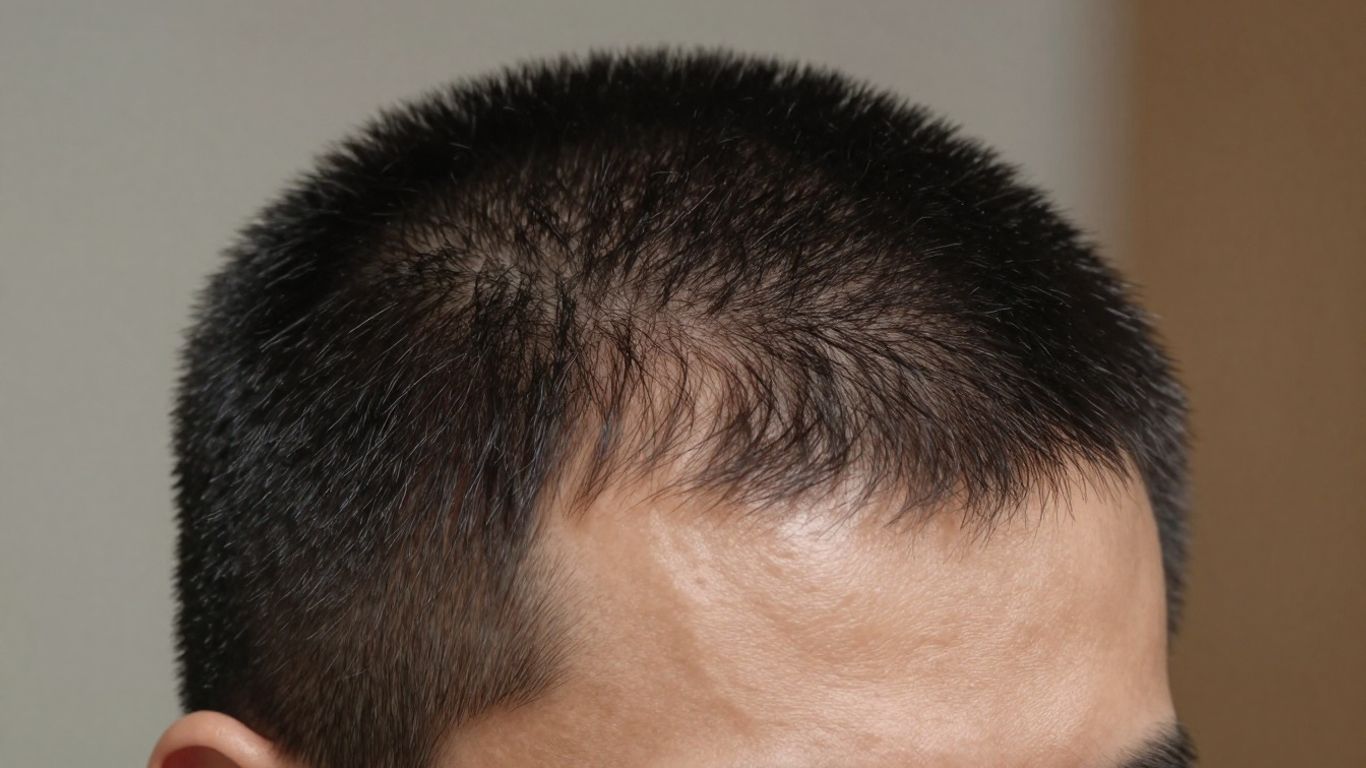
When you're dealing with hair loss, especially the common male pattern baldness, there are some solid medical treatments that have been around and proven to work for a lot of guys. It's not just about hoping for the best; these are actual therapies with science behind them.
Minoxidil: An FDA-Approved Topical Solution
Minoxidil, often recognized by brand names like Rogaine, is a go-to for many. It's available over-the-counter and comes as a liquid or foam you apply directly to your scalp. The idea is that it helps increase blood flow to your hair follicles, which can encourage them to grow. You usually apply it once or twice a day. It's important to remember that you need to keep using it consistently to see results, and those results tend to show up after a few months. If you stop using it, the hair loss usually starts up again. Some people might experience scalp irritation, so it's good to be aware of that.
Finasteride and Dutasteride: Prescription DHT Blockers
These are prescription medications, usually taken as a daily pill. They work differently than minoxidil by targeting the hormones that cause male pattern baldness. Specifically, they block something called DHT (dihydrotestosterone), which is a key player in shrinking hair follicles. By reducing DHT levels, these medications can slow down hair loss and, for some men, even help regrow hair. Finasteride is probably the more well-known of the two, but dutasteride is also used. Like minoxidil, you need to take these regularly to maintain the benefits, and stopping them means the hair loss process will likely resume. Because they affect hormones, they can have side effects, which is why they require a prescription and a discussion with your doctor. You can find more information on prescription options here.
JAK Inhibitors for Inflammatory Hair Loss
While minoxidil and finasteride are mainstays for pattern baldness, other types of hair loss, particularly those involving inflammation like alopecia areata, have seen new hope with JAK inhibitors. These are a newer class of drugs that work by calming down the immune system's attack on hair follicles. They target specific pathways involved in inflammation. Clinical studies have shown that oral JAK inhibitors can lead to significant hair regrowth in people with moderate to severe hair loss. However, they are potent medications and can come with side effects, such as a higher risk of infections. Research is also ongoing for topical versions, which could offer a more targeted approach with fewer systemic side effects. These are generally prescribed for specific inflammatory conditions, not typical male pattern baldness.
It's really important to have realistic expectations with any hair loss treatment. While these medical options can be very effective, no single treatment is a magic bullet, and what works best can vary a lot from person to person. Consistency is key, and often, combining treatments under a doctor's guidance yields the best outcomes.
Here's a quick look at what to expect:
- Minoxidil: Topical application, increases blood flow, available OTC.
- Finasteride/Dutasteride: Oral prescription, blocks DHT hormone, slows loss and can regrow hair.
- JAK Inhibitors: Prescription, targets inflammation, used for specific autoimmune hair loss conditions.
It's always best to consult with a healthcare professional to figure out the right path for your specific situation. They can help you weigh the pros and cons of each option and discuss potential side effects. For those interested in exploring cell-based therapies, there's ongoing research into treatments like autologous cell-based therapy which might offer future possibilities.
Innovative Non-Surgical Hair Restoration
When surgery isn't the first choice, or perhaps not an option at all, there are some really cool non-surgical methods popping up that can make a big difference. These aren't just quick fixes; they're becoming more sophisticated and effective all the time. The goal is to stimulate your natural hair growth or create the illusion of fuller hair without going under the knife.
Low-Level Laser Therapy (LLLT)
Think of LLLT as giving your hair follicles a gentle energy boost. Devices like laser combs, helmets, or caps emit specific wavelengths of light that are absorbed by the cells in your scalp. This absorption is thought to increase cellular activity, which can lead to improved blood flow and a longer growth phase for your hair. It's a pretty hands-off approach, often done in the comfort of your own home.
- How it works: Light energy stimulates mitochondria in hair follicle cells.
- What to expect: Increased hair thickness and reduced shedding over several months.
- Convenience: Can be used at home with regular sessions.
While LLLT is generally considered safe, results can vary. Consistency is key, and it often works best when combined with other treatments.
Platelet-Rich Plasma (PRP) Therapy
This one sounds a bit sci-fi, but it's actually using your own body's healing power. A small amount of your blood is drawn, then spun in a centrifuge to concentrate the platelets. These platelets are packed with growth factors. The concentrated PRP is then injected into areas of your scalp where hair is thinning. The idea is that these growth factors signal your follicles to become more active and grow thicker hair. It's a popular choice for many men looking for regenerative solutions.
| Treatment Component | Description |
|---|---|
| Blood Draw | Small sample of patient's blood taken. |
| Centrifugation | Blood is spun to separate platelets. |
| Injection | Concentrated PRP injected into the scalp. |
| Outcome | Stimulates follicle activity and hair growth. |
Scalp Massage for Hair Thickness
This might sound too simple to be true, but regular scalp massage can actually help. When you massage your scalp, you're increasing blood circulation to the hair follicles. Better blood flow means more nutrients and oxygen reach the follicles, which can encourage healthier, thicker hair growth over time. Some studies suggest it can even help reduce stress, which is a known contributor to hair loss. It's a simple, accessible method that can be done anywhere, anytime. You can even find specialized tools to help with this, or just use your fingertips. It's a great way to complement other treatments and is a part of many [non-surgical hair restoration] (https://www.meditresse.com/mens-hair-restoration/) plans.
- Increases blood flow to the scalp.
- May help reduce stress levels.
- Can be done daily with minimal effort.
- Aids in nutrient delivery to hair follicles.
Personalized Approaches to Hair Loss
Nutritional Support and Supplements
When you're dealing with hair loss, it's easy to think about just the hair itself. But sometimes, what's going on inside your body really shows up on your head. Think of it like this: if a plant isn't getting the right nutrients, its leaves might start to droop or change color. Hair can be similar. Addressing potential nutritional gaps can be a key part of a personalized plan. It's not about just popping a bunch of vitamins, though. It's more about figuring out if you're actually low on something important, like iron or certain B vitamins. A doctor or a dietitian can help pinpoint any deficiencies. Sometimes, simple dietary changes are enough, while other times, a targeted supplement might be recommended. It's all about getting your body the building blocks it needs for healthy hair growth.
Topical DHT Blockers
We've talked about how DHT can be a major player in male pattern baldness. While prescription pills are one way to tackle it, there are also topical options. These are applied directly to the scalp. They work by trying to reduce the amount of DHT that reaches your hair follicles. Some of these might be available over-the-counter, while others might need a prescription. The idea is to get the active ingredients right where they're needed, potentially cutting down on any side effects you might get from a pill that affects your whole body. It's a way to focus the treatment on the scalp itself.
Customized Treatment Regimens
Honestly, hair loss isn't a one-size-fits-all kind of problem. What works wonders for one guy might not do much for another. That's where a truly personalized approach comes in. It means looking at your specific situation – your hair loss pattern, your health history, even your lifestyle – to build a plan that's just for you. This might involve combining different treatments. For example, you might use a topical solution daily, take a supplement, and maybe even incorporate something like microneedling a few times a month. The goal is to create a strategy that's not only effective but also something you can stick with long-term. It’s about putting together the pieces that make the most sense for your unique needs and making sure you have the right hair regrowth treatment for your situation.
It's important to remember that hair loss is often a symptom of something else going on. It's not always just about the hair itself. Things like stress, diet, or even underlying health conditions can play a big role. So, a good treatment plan looks at the whole picture, not just the thinning hair on top.
Here’s a look at how a customized plan might be put together:
- Assessment: A doctor or specialist evaluates your hair loss type, pattern, and potential causes.
- Combination Therapy: Often, using multiple treatments together yields better results than a single approach.
- Lifestyle Adjustments: Recommendations might include dietary changes, stress management techniques, or specific hair care practices.
- Regular Follow-ups: Your progress is monitored, and the treatment plan is adjusted as needed.
Choosing the Right Hair Loss Treatment
No two people handle hair loss the same way, so picking a treatment isn’t just about grabbing what’s popular—it's about finding what suits you, your budget, and your life. Sticking with the right treatment makes it much more likely you'll start to see those first signs of regrowth and feel a bit more like yourself again. Let's break down what to think about when making your choice.
Considering Treatment Formats
Hair loss treatments aren't one-size-fits-all. What feels simple for one guy might be a hassle for another. Here’s what you’ll usually find:
- Topical solutions and foams: Like minoxidil, used twice a day directly on the scalp—no pills, just part of your routine, like brushing your teeth.
- Oral medications: Pills such as finasteride or supplements—easy to take, but make sure you’re fine with daily meds.
- Sprays and serums: Spritz-and-go formulas; a bit less messy than droppers but still need dedication.
- Capsules and gummies: Supplements if you prefer something easy to swallow.
The trick? Pick a format you can actually stick with for the long haul. Switching up too often or using something inconvenient usually means you’ll stop before giving it a real shot.
Evaluating Ingredient Formulations
Not all hair loss treatments are backed by science. You want formulas that rely on researched ingredients—nothing sketchy, no wild miracle claims. Here’s a quick rundown:
| Ingredient/Formula | Type | Main Benefit | Considerations |
|---|---|---|---|
| Minoxidil (topical) | OTC Solution | Promotes growth | Must use consistently |
| Finasteride/Dutasteride (oral) | Prescription | Reduces DHT hormones | May cause side effects |
| Supplements (biotin, saw palmetto) | OTC Capsule | Supports nutrition | Helps some, not all |
Double-check the ingredient list for hidden or undisclosed mixes. If you have allergies or take other meds, run them by your doctor to avoid any bad surprises.
Long-Term Cost and Sustainability
One harsh truth: hair loss treatments aren’t a quick fix—you’re signing up for the long game. Most only work as long as you stick with them. So, think long-term:
- Monthly cost: Add up the cost per month, not just what’s on the sticker. Some, like Hims Hair Regrowth Treatment, are more affordable than multi-drug regimens.
- Hidden costs: Watch for shipping, extra doctor fees, or bundled subscriptions.
- Sustainability: Can you keep this up for years without it draining your wallet?
Picking a hair loss regimen you can stick with matters more than chasing the newest or most expensive option. Progress comes from steady use—not from jumping from one solution to the next.
So, line up your options, weigh the real-world effort needed, check what’s in each bottle, and don’t pick something your budget—or patience—won’t handle over time. Stick with what's realistic, and you’ll get a lot closer to seeing actual results.
Emerging Technologies in Hair Restoration
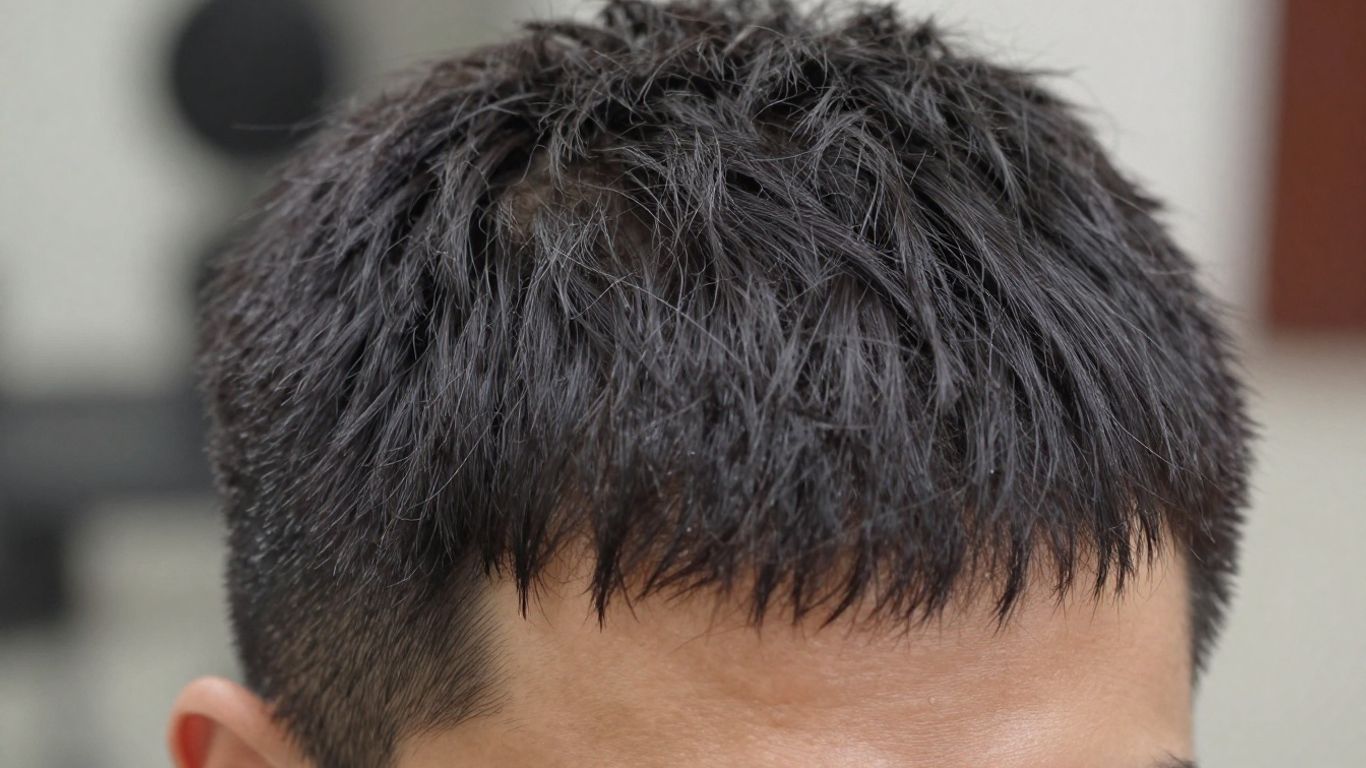
The world of hair restoration is always buzzing with new ideas and tech. It feels like every year there's something new on the horizon, promising even better results. While some things are still in the early stages, it's exciting to see where things are headed. We're talking about stuff that goes beyond the usual treatments, looking at how we can really get hair to grow back in smarter ways.
Advancements in Hair Cloning Research
Hair cloning, or more accurately, hair multiplication, is one of those futuristic ideas that's slowly becoming a reality. The basic concept is to take a small sample of your existing hair follicles, grow more of them in a lab, and then transplant these new follicles back into thinning areas. It sounds like science fiction, but researchers are making real progress.
- Growing Follicles: Scientists are working on ways to culture hair follicle cells outside the body. The goal is to create a sustainable source of new follicles.
- Cellular Therapies: Techniques involving stem cells and other regenerative approaches are being explored to stimulate dormant follicles or create new ones.
- Lab-Grown Hair: The ultimate aim is to have a process where you can get a virtually unlimited supply of your own hair follicles, grown from a tiny sample.
While true 'cloning' in the sense of creating an exact replica is complex, the research is focused on generating functional hair-producing units. This could eventually mean a permanent solution for many types of hair loss.
The Vitruvian FUE Method
When it comes to surgical hair restoration, techniques are getting more refined. The Vitruvian FUE method is an example of this evolution. It's not just about taking out and putting in follicles; it's about doing it with incredible precision and care for the grafts. This approach often integrates other advanced techniques to maximize the chances of the transplanted hair surviving and looking natural. Think of it as a highly detailed, artistic approach to hair transplantation, aiming for the most natural hairlines possible. For those considering surgical options, understanding these advanced methods is key to achieving optimal outcomes.
This method often works hand-in-hand with other innovations:
- Ampligraf™: This is a special solution used to keep harvested follicles healthy and viable while they are outside the body, reducing stress and damage.
- AMP-T PRP™: This involves using Platelet-Rich Plasma (PRP) specifically prepared to enhance graft survival and promote healing after the procedure.
- Design-Driven Density: The focus is on not just adding hair, but placing it strategically to create a natural look and feel, considering the angle, depth, and direction of each graft.
Conclusion
Dealing with hair loss can be a real bummer, but thankfully, there are more options now than ever before. Whether you're looking at tried-and-true methods like minoxidil or finasteride, or curious about newer approaches like PRP or LLLT, the key is finding what works for you. Remember, consistency is super important, and it often takes time to see results. Don't hesitate to chat with a doctor or a hair specialist to figure out the best path forward. Taking action, even small steps, can make a big difference in how you feel about your hair and yourself.
Frequently Asked Questions
What's the first step if I notice my hair thinning?
The best first step is to talk to a doctor or a skin specialist. They can help figure out why your hair is falling out. It might be genetics, stress, or something else entirely. Knowing the cause helps pick the right treatment.
How long does it usually take to see results from hair loss treatments?
Hair growth takes time, so be patient! Most treatments need a few months, often 3 to 6, before you start seeing small changes. Bigger results might take 6 months to a year or even longer. It really depends on the treatment and your body.
Are over-the-counter treatments like minoxidil safe?
Yes, minoxidil is generally safe and approved by the FDA for men. You can buy it without a prescription. Some people might get a little scalp irritation, but it's usually mild. Just follow the instructions on the bottle.
Can supplements really help with hair loss?
Sometimes, yes. If your hair loss is due to not getting enough certain vitamins or minerals, like iron or vitamin D, supplements can help. But they don't work for everyone, especially if your hair loss is mainly genetic. It's good to get checked by a doctor first.
What's the difference between topical and oral hair loss treatments?
Topical treatments, like minoxidil solutions or foams, are applied directly to your scalp. Oral treatments, like finasteride pills, are taken by mouth. Topicals mainly affect the scalp, while pills work throughout your body. Your doctor can explain which is better for you.
Is hair cloning a real treatment option now?
Hair cloning is still in the early stages of research. Scientists are working on it, but it's not a widely available treatment yet. It will likely be many years before it's a practical solution for most people. For now, other methods are more reliable.