

Effective Hair Loss Treatment for Men: Expert-Backed Solutions for 2026
Hair loss in men is common, but there are many effective ways to address it. Here are the main points to remember when looking for the right hair loss treatment for men:
Key Takeaways
- Male pattern baldness is the most common cause, often linked to genetics and hormones.
- Topical minoxidil and oral finasteride are clinically proven treatments that can slow loss and promote regrowth.
- Advanced options like low-level laser therapy and hair transplant surgery offer further solutions.
- Choosing the right treatment depends on your specific type of hair loss, severity, and personal preferences.
- Consistency in application and patience are vital for seeing and maintaining results from any hair loss treatment.
Understanding The Causes Of Male Hair Loss
So, you've noticed more hair on your pillow or in the shower drain lately. It's a common thing, and honestly, it can be a bit unsettling. But before you start stressing too much, let's break down why it's happening. Understanding the root cause is the first big step toward finding a solution that actually works for you.
The Prevalence Of Male Pattern Baldness
This is the big one, the most common culprit by far. We're talking about androgenetic alopecia, or as most people know it, male pattern baldness. It's a genetic thing, passed down through families, and it affects a huge number of men. It's estimated that up to 85% of men will experience some form of it by the time they hit 50. It usually shows up as a receding hairline, often forming that classic widow's peak, or thinning on the crown of your head. It's not really about aging itself, but more about how your hair follicles react over time, especially to a hormone called DHT. This condition follows a pretty predictable path, which is good news when it comes to treatment.
Exploring Alopecia Areata And Other Conditions
While male pattern baldness is the most frequent cause, it's not the only one. You might have heard of alopecia areata. This is different because it's an autoimmune condition. Basically, your immune system gets a bit confused and starts attacking your hair follicles, leading to patchy hair loss. It can appear suddenly and in distinct circular bald spots. Then there's telogen effluvium, which is usually a temporary shedding triggered by something stressful, like a major illness, surgery, or even intense emotional stress. It's like your body hits a pause button on hair growth. Less common, but still possible, is scarring alopecia, where inflammation damages the follicles permanently.
The Role Of Genetics And Hormones
Let's get a bit more specific about genetics and hormones, because they're really central to male pattern baldness. It's not just that you inherited the tendency for hair loss; it's often about how your body processes testosterone. Testosterone gets converted into dihydrotestosterone, or DHT. For men prone to male pattern baldness, DHT can cause hair follicles to gradually shrink. Imagine a plant getting less and less water over time – it produces smaller leaves, and eventually, it might stop producing them altogether. That's kind of what happens to your hair follicles. This process is largely predetermined by your genes, which is why looking at your family history can give you some clues about what to expect. You can find more information about androgenetic alopecia and its genetic links.
It's easy to feel like hair loss is just a cosmetic issue, but it can sometimes be a signal for other things going on in your body. Things like stress, diet, or even underlying health conditions can play a part. So, while treatments focus on the hair, it's worth considering your overall well-being too.
Here's a quick look at some common causes:
- Male Pattern Baldness (Androgenetic Alopecia): Genetic and hormonal (DHT), leading to receding hairline and thinning crown.
- Alopecia Areata: Autoimmune condition causing patchy hair loss.
- Telogen Effluvium: Temporary shedding due to stress or illness.
- Nutritional Deficiencies: Lack of essential vitamins and minerals.
- Scalp Conditions: Infections or inflammation affecting hair follicles.
Knowing these differences is key because the treatment approach for each can vary quite a bit. What works for one might not do much for another, so pinpointing the cause is really the first step in figuring out how to treat hair loss.
Clinically Proven Hair Loss Treatment Options

Facing hair loss can be frustrating, especially when every solution promises the world. The good news: some treatments really do work. Below are the main options backed by solid research, and there’s a bit more to each than meets the eye.
Topical Minoxidil Solutions For Regrowth
Topical minoxidil, often recognized under brand names like Rogaine, remains a well-tested choice for male hair loss. It encourages hair regrowth for a wide range of men experiencing thinning or early signs of male pattern baldness. It comes in either foam or liquid formulas, and daily use is required to see and keep results.
- Applied directly to the scalp, usually twice a day
- Results may appear after 3-6 months, but continued use is necessary
- Available over-the-counter, making it accessible for most men
Here's a quick table showing minoxidil’s strengths and limits:
| Feature | Pros | Cons |
|---|---|---|
| Effectiveness | Good for early hair loss | Less benefit in advanced cases |
| Side Effects | Minor scalp irritation possible | Rare shedding at start |
| Daily Use Needed | Yes | Yes |
| Prescription required? | No | — |
For more on well-documented options, see expert recommendations for hair loss.
Finasteride’s Role In Blocking DHT
Finasteride works by lowering DHT, a hormone linked to male pattern baldness. Taking finasteride as a daily pill helps slow down hair loss and can sometimes promote new growth. But you need patience: visible effects can take several months.
Key points about finasteride:
- Prescription-only
- Can cause side effects such as reduced sex drive or mood changes (rare)
- Not suitable for women or children
For a deeper explanation of how finasteride functions and what to expect, check out finasteride treatment overview.
If you start finasteride, don’t expect magic overnight—the slow, steady approach tends to win out. Stick with it as directed and talk to your doctor about any side effects.
The Benefits Of Hair Growth Supplement Stacks
Supplements have gotten more attention in recent years. These often combine vitamins, minerals, and plant extracts thought to create the best environment for healthy hair. Nutrafol and similar blends, for instance, are showing up everywhere.
Things often included in supplement stacks:
- Biotin, zinc, and vitamin D
- Saw palmetto (reputed to reduce DHT effects)
- Collagen peptides or marine extracts
Keep in mind:
- Results are generally slower and milder compared to prescription options
- Best paired with other treatments, not usually strong enough alone
- Check ingredient lists carefully if you have allergies or take other medications
Choosing among these options comes down to your needs, routine, and willingness to stick to the plan. The next section will cover advanced restoration for those wanting something beyond medications and supplements.
Advanced Hair Restoration Techniques
When it comes to tackling significant hair loss, especially male pattern baldness, the landscape of treatments has really expanded. We're moving beyond just topical solutions and pills. Today, there are some pretty impressive techniques that can actually restore hair and give you back that fuller look. It's not science fiction anymore; these are real, often surgical or semi-surgical, procedures.
Low-Level Laser Therapy For Follicular Stimulation
Low-Level Laser Therapy, or LLLT, uses specific wavelengths of light to encourage hair follicles to grow. Think of it like giving your scalp a gentle energy boost. It's a non-invasive option that many find easy to incorporate into their routine. While results can vary, some studies show it can help slow down hair loss and even promote some regrowth, particularly in the early stages. It's often used in conjunction with other treatments to maximize effectiveness.
Understanding Hair Transplant Procedures
Hair transplantation is probably the most well-known advanced technique. The goal here is to move hair follicles from areas of your scalp where hair is thicker to areas that are thinning or balding. The two main methods are Follicular Unit Transplantation (FUT) and Follicular Unit Extraction (FUE). FUT involves removing a strip of skin from the donor area, from which individual follicles are then extracted. FUE, on the other hand, extracts individual follicles directly from the donor area. FUE is generally preferred today because it results in less noticeable scarring and a quicker recovery.
Here's a quick look at how FUE works:
- Donor Area Preparation: The donor area, usually the back or sides of the head, is trimmed short.
- Follicle Extraction: Using a specialized tool, individual follicular units (groups of 1-4 hairs) are carefully removed.
- Graft Preparation: The extracted follicles are prepared for transplantation.
- Recipient Site Creation: Tiny incisions are made in the balding areas where the new hair will be placed.
- Graft Implantation: The prepared follicles are meticulously placed into these incisions, paying close attention to angle, direction, and density for a natural look.
There are also newer variations like No-Shave FUE, which allows for discreet procedures without needing to shave the entire head, making recovery much less obvious. For those looking for the most advanced surgical options, exploring FUE techniques is a good starting point.
Emerging Treatments And Future Possibilities
The field of hair restoration is constantly evolving. Beyond transplants, we're seeing exciting developments in regenerative medicine. Techniques involving Platelet-Rich Plasma (PRP) and stem cells are being explored to enhance the survival and growth of transplanted hair, and even to stimulate dormant follicles. Exosome therapy, which uses tiny cellular messengers to deliver growth factors, is another area showing promise. While some of these are still considered investigational, they represent the cutting edge of what's possible for hair restoration in 2026.
It's important to remember that while these advanced techniques offer significant hope, they require skilled professionals and a thorough understanding of your specific hair loss situation. Patience is also key, as results from any hair restoration procedure take time to become fully apparent.
Choosing The Right Hair Loss Treatment For You
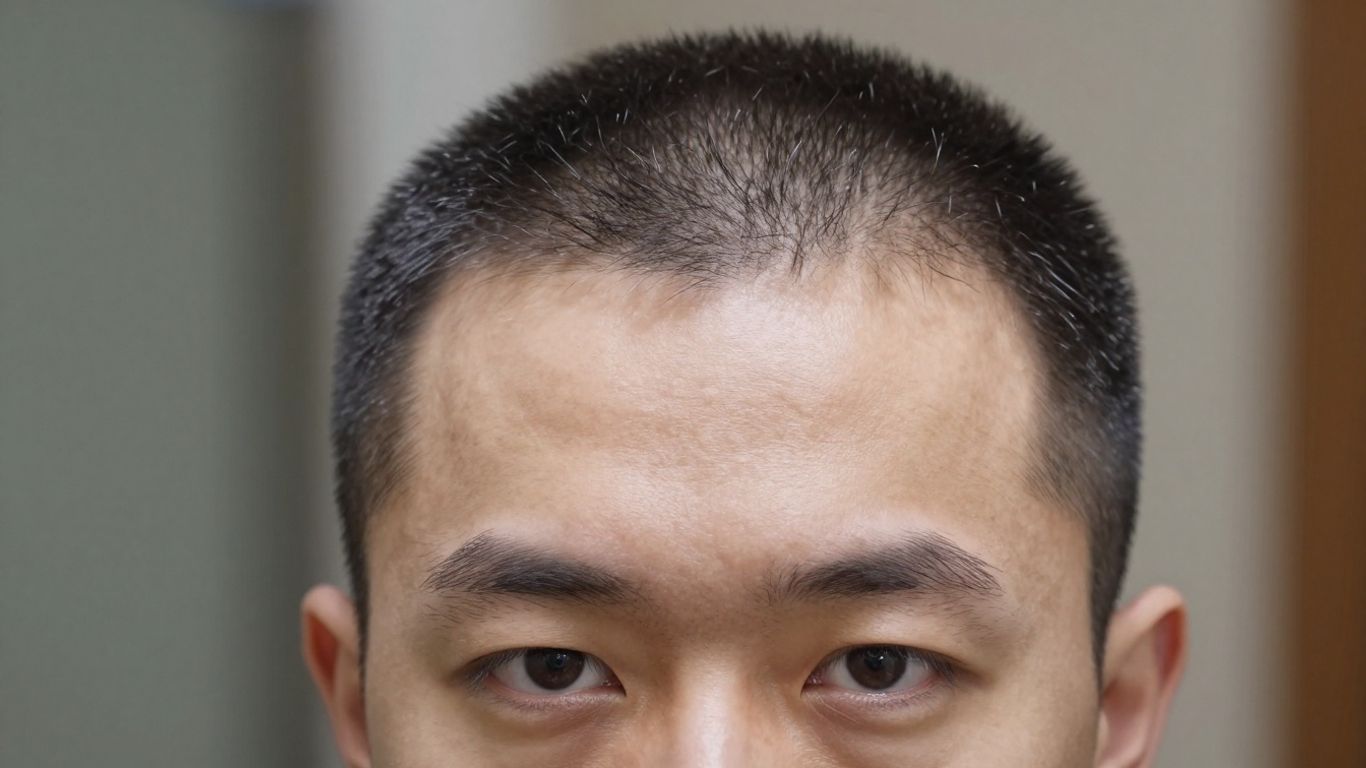
So, you've decided to tackle that thinning hair. That's a big step, and honestly, it can feel a bit overwhelming with all the options out there. It's not a one-size-fits-all situation, you know? What works wonders for your buddy might not do much for you. The key is figuring out what's going on with your hair and what fits into your life.
Assessing Your Hair Loss Type and Severity
First things first, you need to get a handle on what kind of hair loss you're dealing with. Is it that classic receding hairline and thinning crown that runs in your family? That's likely male pattern baldness, or androgenetic alopecia. Or maybe you're seeing patchy bald spots, which could point to alopecia areata. Sometimes, it's just diffuse shedding from stress or a nutritional gap. Understanding the root cause is half the battle. A dermatologist or a hair restoration specialist can really help pinpoint this. They can look at your pattern, maybe do some blood work, and tell you if it's genetics, hormones, or something else entirely. This initial assessment is super important because treatments that work for one type might not touch another.
Considering Formulations and Application Methods
Once you know what you're up against, you can start thinking about how you want to treat it. Treatments come in all sorts of forms, and what feels easy for one person might be a chore for another. Do you prefer a quick pill you take once a day? Or are you okay with applying a foam or a liquid to your scalp every morning and night? There are also supplements in capsule or gummy form. Think about your daily routine. If you're always on the go, a complicated multi-step process might be tough to stick with. Consistency is key for results, so pick a method you can realistically manage long-term. It's also worth looking into effective hair loss treatments for men to see what's out there.
Here's a quick look at common forms:
- Topicals (Foams, Solutions, Sprays): Applied directly to the scalp. Often require twice-daily application.
- Oral Medications (Pills): Taken by mouth, usually once daily. These can have systemic effects.
- Supplements (Capsules, Gummies): Often contain vitamins and minerals. Results can vary widely.
- Low-Level Laser Therapy (LLLT): Devices used at home or in-office.
Consulting With a Hair Restoration Specialist
Seriously, don't skip this step. While you can do a lot of research yourself, talking to a professional is invaluable. They've seen it all and can offer personalized advice based on your specific situation. They can explain the pros and cons of different treatments, discuss potential side effects, and help you set realistic expectations. Remember, hair loss treatments often take time to show results, and sometimes they require ongoing use to maintain those results. A specialist can guide you through this journey, making sure you're on the right track and not wasting time or money on ineffective solutions. They can also help you understand how your treatment fits into your overall health picture.
Hair loss isn't just a cosmetic issue for many; it can affect confidence and well-being. Addressing it early with the right approach can make a significant difference not just in your hair, but in how you feel overall. It's about finding a solution that feels right for you, both physically and mentally.
When you're looking at treatments, keep an eye out for products that are upfront about their ingredients and have solid scientific backing. Avoid anything that promises overnight miracles or uses vague terms like 'proprietary blends' without clear dosages. Your health and your wallet are important, so choose wisely!
Maximizing Your Hair Loss Treatment Results
So, you've picked out a treatment plan, maybe it's that minoxidil you picked up or you're thinking about finasteride. That's awesome. But here's the thing: just having the treatment isn't the whole story. You've got to actually use it right and give it time. It's kind of like going to the gym; you can't just show up once and expect to be ripped, right? Same deal with your hair.
The Importance Of Consistent Application
This is probably the most important part, honestly. If your treatment needs to be applied daily, then it needs to be applied daily. No skipping days because you're tired or forgot. For topical treatments like minoxidil, make sure you're getting it onto the scalp, not just the hair. It needs to reach the follicles. If you're using a foam, let it dissolve before you style your hair. For pills like finasteride, just take it at the same time each day. Consistency is the name of the game here. Missing doses or applications can really set back your progress, and sometimes, it's hard to tell if the treatment isn't working or if you just haven't been using it properly.
Managing Expectations For Gradual Changes
Look, nobody wants to wait around forever. But hair growth is a slow process. You're not going to wake up with a full head of hair overnight. Most treatments take at least three to six months before you start seeing noticeable changes. Some might even take longer. You might experience some initial shedding, too, which can be a bit alarming, but it's often a sign that the treatment is actually starting to work and your hair is cycling into a new growth phase. It's really about patience and trusting the process. Don't get discouraged if you don't see dramatic results right away. It's a marathon, not a sprint.
Addressing Scalp Health And Irritation
Your scalp is the foundation for healthy hair, so you need to take care of it. Some treatments can cause dryness, itching, or irritation. If you're experiencing this, don't just stop using the treatment. First, make sure you're applying it correctly and not using too much. Gentle hair care is also key. Avoid harsh shampoos or styling products that can strip your scalp of its natural oils. If irritation persists, it's a good idea to talk to your doctor or a hair restoration specialist. They might suggest a different formulation or a complementary product to help soothe your scalp. Keeping your scalp clean and healthy can really help your treatment work better and prevent further hair loss issues.
Here's a quick rundown of what to keep in mind:
- Daily application: Stick to the schedule, no excuses.
- Patience is key: Results take time, usually months.
- Scalp care: Keep it clean and address any irritation.
- Combine treatments: Sometimes, using multiple approaches works best, but always check with a professional first.
Remember, hair loss treatments are designed to work over time. Sticking with your plan and taking care of your scalp are the best ways to see the results you're hoping for. It's about long-term commitment to your hair health.
If you're looking for more details on the various options available, checking out effective treatments for male hair loss can give you a good overview.
Conclusion
Dealing with hair loss can be tough, but you're not out of options. Understanding why it's happening is the first step. Whether you go for tried-and-true methods like minoxidil or finasteride, or explore newer techniques, consistency is key. Remember, results take time, and managing your expectations is important. Always chat with a doctor or specialist to find the best plan for you. Taking care of your scalp and staying patient will help you get the most out of any treatment you choose.
Frequently Asked Questions
What's the main reason men lose hair?
Most of the time, it's something called male pattern baldness. This is mostly due to your genes and hormones. It usually shows up as a receding hairline or thinning on top of your head.
Are over-the-counter treatments like Minoxidil really effective?
Yes, Minoxidil is FDA-approved and can help. It works by increasing blood flow to your hair roots, which can help hair grow back and slow down more hair falling out. You just have to use it regularly.
What about prescription medications like Finasteride?
Finasteride is another strong option, but it requires a prescription. It works by blocking a hormone called DHT, which is a big player in male pattern baldness. It's good at stopping hair loss and can help hair get thicker.
How long does it take to see results from hair loss treatments?
Hair growth takes time, so don't expect miracles overnight. Most treatments need at least 3 to 6 months of consistent use before you'll notice changes. Big differences might take a year or even longer.
Can supplements really help with hair loss?
Supplements can support overall hair health with vitamins and minerals, but they aren't usually a magic bullet on their own. They work best when used alongside other treatments, especially if you have a vitamin deficiency.
Should I see a doctor about my hair loss?
Definitely. Talking to a doctor or a hair specialist is a really smart move. They can figure out exactly why you're losing hair, suggest the best treatment for you, and make sure it's safe based on your health.