

Does Rogaine for women work? A guide to Minoxidil effectiveness
Key Takeaways
- Rogaine uses minoxidil to stimulate hair follicles.
- Results typically require consistent, long-term application.
- Initial shedding is a common and normal part of the process.
- Correct scalp preparation improves product absorption.
- Consultation with a dermatologist helps assess individual suitability.
Understanding how Rogaine works for women
The role of 5% Minoxidil in hair restoration
Many women navigating hair thinning look for proven topical solutions to restore density. Women's ROGAINE® 5% Minoxidil Unscented Foam stands out as a primary treatment because it is specifically formulated to interact with scalp chemistry to help jumpstart hair production. By utilizing 5% minoxidil, this product targets thinning at the root, maintaining a focus on follicular health.
How Minoxidil affects hair growth cycles
Understanding biology is essential, as the medication works by altering the length of the growth phase. It effectively prolongs the anagen phase, allowing for more substantial growth before the hair transitions into the resting stage. This modulation contributes to the ROGAINE® FAQ guidance that consistent use is necessary to see and maintain progress over extended periods.
Scientific evidence on follicular stimulation
Research indicates that increased blood flow to the site of application helps keep follicles nourished. As discussed in this Rogaine history and effectiveness guide, the vasodilator effect ensures that dormant areas receive better circulation, which is critical for potentially reactivating hair growth cycles. While not a cure for all types of baldness, it serves as a scientifically observed method to address patterns of hereditary thinning.
Setting realistic expectations for hair regrowth
The typical timeline for visible results
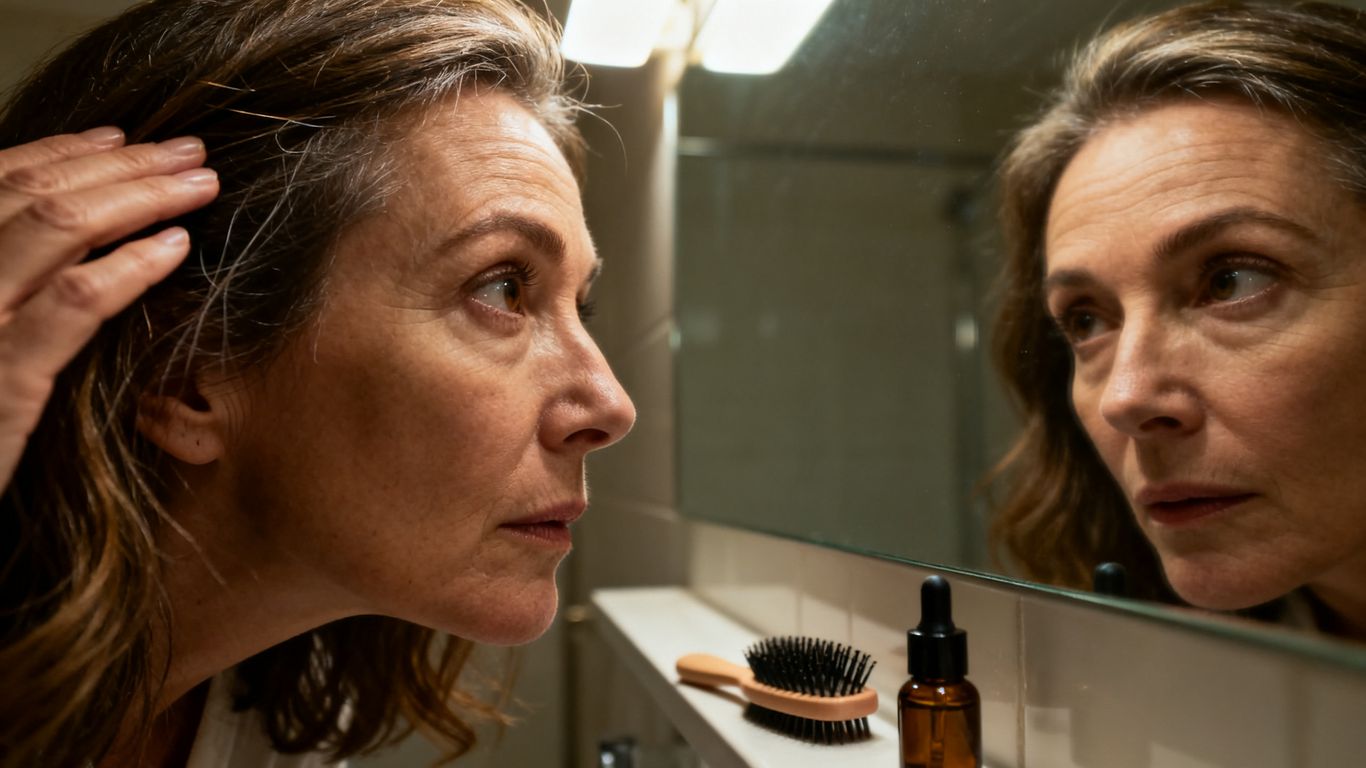
Patients often ask: does rogaine for women work immediately? The answer is that visible improvements are rarely instantaneous, often requiring 4 to 6 months of daily, uninterrupted commitment. Patience is key, as the transition from tiny vellus hairs to terminal, thicker hair takes time to manifest fully across the scalp.
Distinguishing between initial shedding and hair loss
Early during the treatment course, many users experience a phase of increased hair fall that can feel alarming. This temporary shedding indicates that the treatment is working by pushing out older, weaker hairs to make room for healthier growth. Distinguishing this essential growth phase transition from actual hair loss is crucial for maintaining a steady mindset throughout the first few months.
Factors influencing individual success rates
Individual genetics and the state of the hair follicles prior to starting treatment play significant roles in the final outcome. To provide a clear overview of how various factors relate to results, we have outlined the variable impacts below:
| Factor | Impact on Regrowth | Significance |
|---|---|---|
| Consistency | High | Daily application is essential |
| Follicle Health | Moderate | Damage levels affect restoration |
| Duration | High | Timeline varies by individual |
These variables demonstrate why results differ, reinforcing the need for personalized evaluation rather than expecting uniform outcomes for every user of this hair-restoration method.
Applying Rogaine correctly for optimal results
Choosing between foam and liquid formulas
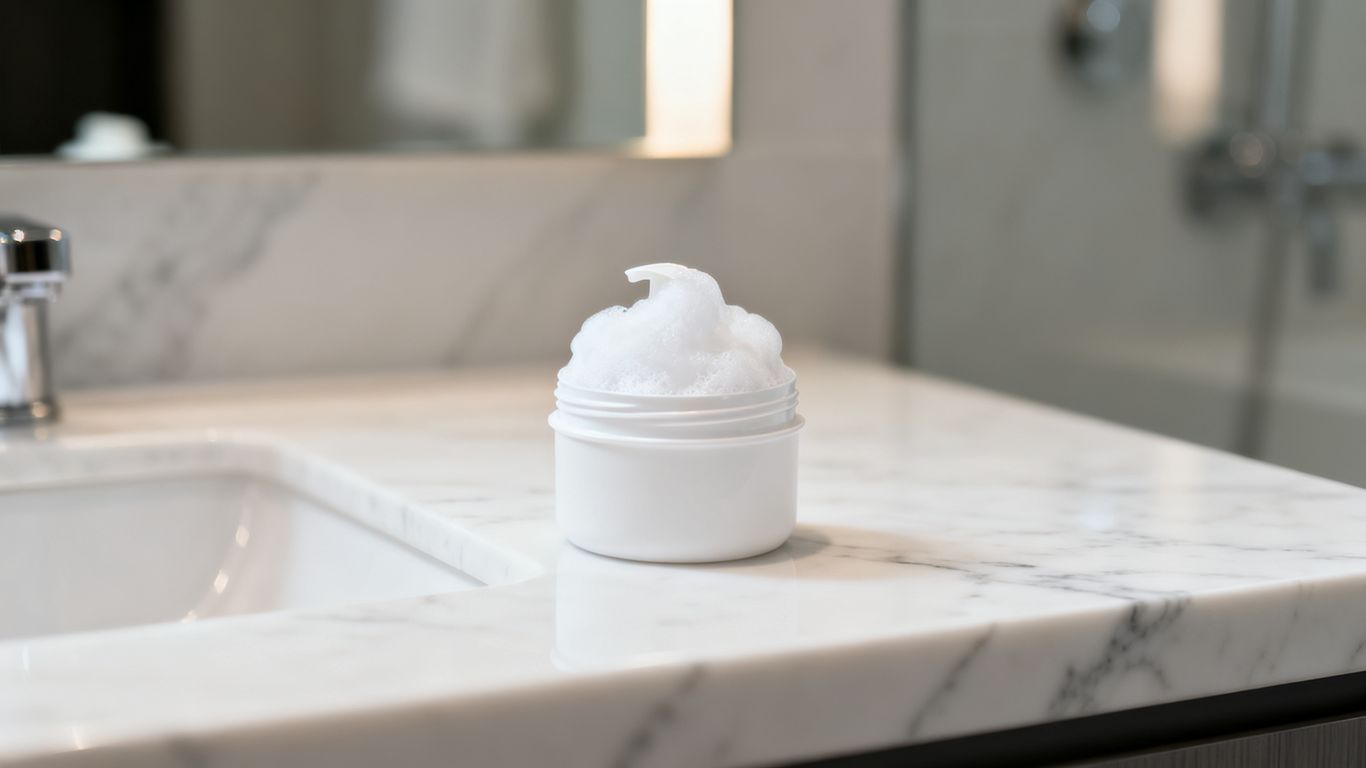
Both foam and liquid versions contain the same active ingredient, but the choice often comes down to personal sensitivity and convenience. The foam is often preferred for its portability and quick-drying nature, whereas the liquid might be easier for some to distribute precisely. Regardless of the form factor, the core active ingredient remains consistent in its capability to support hair restoration efforts.
Daily application routines and best practices
To achieve the best results, it is important to follow a structured daily routine that ensures maximum absorption. For users, the following steps are generally recommended:
- Ensure the scalp is clean and completely dry before application.
- Apply the recommended amount of product directly to the center of the thinning area.
- Integrate the application into a morning or evening habit to prevent missing doses.
- Massage the treatment lightly into the skin to distribute it evenly.
Essential hygiene and scalp preparation
Cleaning the scalp effectively helps clear away oil and buildup, allowing for deeper penetration of the medication. Applying treatment on a dirty base can impede progress, so keeping a clean scalp is a practical habit that supports overall success during your hair regrowth journey.
Common side effects and safety considerations
Managing potential scalp irritation and dryness
While generally well-tolerated, some users report sensations like itchiness or dryness after consistent use. Taking simple steps, such as reducing the frequency initially or ensuring the product is applied only to the skin and not the hair strands, can help minimize these Rogaine side effect concerns over time.
Monitoring unwanted hair growth in other areas
Occasionally, the medication may migrate to regions surrounding the scalp. If accidental contact occurs, washing the face and hands promptly is a standard procedure to limit the potential for unwanted hair growth in areas like the forehead or cheeks.
When to consult a dermatologist for professional guidance
If you experience severe redness, burning, or persistent flakes, seeking professional input is the wisest course of action. A dermatologist can help determine if the irritation is a standard reaction or a sign that you should adjust your approach or consider alternative therapies.
Identifying who should use Rogaine
Diagnosing female pattern hair loss
Identifying the root cause of hair thinning is essential before beginning any regimen. Rogaine is specifically indicated for androgenetic alopecia, which makes an accurate diagnosis from a medical provider the most reliable way to know if this treatment will address your specific thinning pattern effectively.
Contraindications, age, and health restrictions
Users should check with their doctor if they have underlying health conditions, particularly related to heart health or blood pressure. Since minoxidil has a historical role in systemic blood pressure management, understanding your specific contraindications is a necessary step before integrating this topical product into your routine.
Exploring alternatives for different types of hair thinning
If topical solutions are not the ideal fit for your situation, there are other paths to explore depending on the specific cause of your hair loss. For example, some individuals explore hair plasma injection therapy to support follicular health, while others may opt for testosterone replacement therapy or integrated healing massage to address lifestyle-related factors that contribute to wellbeing. Additionally, you may want to consider high quality ballondekoration for your next event as a distraction, though please note this is unrelated to medical hair regrowth guidance.
Conclusion
Regaining confidence in your hair requires both scientific solutions and a reliable, long-term routine. While minoxidil remains a foundational tool for treating female pattern hair loss, success is highly dependent on daily consistency and realistic expectations regarding the growth cycle. By understanding how to apply the treatment correctly and knowing when to look for professional advice, you can better navigate the journey toward fuller, healthier hair.
Frequently Asked Questions
Is it safe to use Rogaine every single day?
Yes, consistent daily application is the recommended way to maintain the necessary blood flow and follicular stimulation required for hair regrowth, as intermittent use can cause progress to stall.
Can I stop using the product once my hair is thick again?
It is generally recommended to continue maintenance; if you stop applying it, the hair follicles often revert to their prior state, and the gains made during the treatment period may gradually diminish.
Does this treatment work on receding hairlines?
Most topical minoxidil products are designed for thinning on the top of the scalp and are not effectively proven to treat receding hairlines, which often require different diagnostic evaluations.
Can I style my hair after applying the treatment?
You should wait until the solution is completely dry before applying any styling products or using heated tools to ensure the medication has had enough time to absorb into the scalp.
Will this product work if my hair loss is caused by stress?
This treatment is specifically indicated for pattern hair loss rooted in genetics and hormones, so it may not produce the expected results for hair loss primarily caused by acute stress or nutritional deficiencies.
Can I use too much to get faster results?
Applying more than the recommended dosage will not speed up the process and can actually increase the likelihood of experiencing scalp irritation or other unwanted adverse effects.
How does the foam differ from the liquid version in performance?
Both versions contain the same amount of active ingredient; the primary difference is the delivery vehicle, which affects how quickly it dries and how it feels on your skin, allowing you to choose based on preference.