

Does Hot Water Cause Hair Loss? Separating Facts from Myths
We've all heard different things about washing our hair, right? Some people swear by super hot showers, others say cold is the way to go. And then there's the big question: does hot water cause hair loss? It's a common worry, especially when you notice a few more strands in the drain after a steamy shower. Let's break down what's really going on with water temperature and your hair, and figure out if that hot shower is actually the culprit.
Key Takeaways
- The idea that hot water causes hair loss is a myth. While very hot water can damage your scalp, it doesn't directly make your hair fall out from the root.
- Excessively hot water can strip your hair and scalp of natural oils, leading to dryness, brittleness, and potential breakage, which might look like hair loss.
- Warm water is generally best for washing hair as it cleans effectively without stripping essential oils or irritating the scalp.
- A cool water rinse can help seal the hair cuticle, making hair appear shinier and smoother.
- Actual hair loss is usually caused by genetics, hormones, stress, or medical conditions, not by the temperature of your shower water.
Understanding Water Temperature and Hair Health
So, you're standing in the shower, and the big question pops into your head: hot or cold water for your hair? It's a common thought, and honestly, the temperature of your shower water does play a role in how your hair and scalp behave. It's not just about getting clean; it's about how that water interacts with the very structure of your hair and the skin on your head.
The Science Behind Water Temperature and Hair Structure
When we talk about hair structure, we're mostly looking at the cuticle, which is like the protective outer layer of each hair strand. Think of it as tiny, overlapping scales. Water temperature can influence how these scales lie. Warm water tends to gently lift these scales, allowing cleansing agents to work better and remove dirt and oils. This is generally good for getting your hair clean. However, if the water is too hot, it can lift these scales a bit too much, making the hair more open and susceptible to losing its natural moisture. On the flip side, cooler water tends to make these scales lie flatter. This can help seal in moisture and give your hair a smoother, shinier appearance.
It's also worth noting that water itself, regardless of temperature, can affect hair. When hair gets wet, it absorbs some water, causing the strands to swell slightly. This swelling can temporarily loosen the bonds within the hair shaft, making it more fragile and prone to stretching or even breaking if handled roughly. This is why being extra gentle with wet hair is always a good idea.
How Water Temperature Affects Scalp Health
Your scalp is skin, and like any skin, it can be affected by water temperature. Very hot water can strip away the natural oils, called sebum, that your scalp produces. These oils are important for keeping your scalp moisturized and healthy. When they're stripped away too aggressively, your scalp can become dry, itchy, and irritated. This irritation can sometimes lead to flakiness or redness. A healthy scalp is the foundation for healthy hair growth, so keeping it balanced is key.
Conversely, extremely cold water might feel invigorating, but it doesn't do much for cleansing. It doesn't effectively dissolve oils or product buildup. While it might help seal the hair cuticle after washing, it's not the best temperature for the initial cleaning process.
Debunking Myths About Water Temperature
There are a lot of ideas floating around about water temperature and hair. One big myth is that hot water directly causes hair loss. While excessively hot water can harm your scalp and potentially disrupt the environment where hair grows, it doesn't typically cause hair to fall out on its own. Hair loss is usually linked to other factors like genetics, stress, or medical conditions. Another common idea is that cold water is the only way to get shiny hair, but while a cool rinse can help, it's not a magic bullet. The real trick is finding a balance that works for your hair and scalp.
Here's a quick rundown of what different temperatures generally do:
- Hot Water: Lifts the hair cuticle, helps remove oils and product buildup. Can strip natural oils if too hot, leading to dryness and potential scalp irritation.
- Warm Water: Generally considered the best for cleansing. It's effective at removing dirt and oils without being overly harsh on the scalp or hair.
- Cool Water: Lays the hair cuticle flat, helping to seal in moisture and add shine. Less effective for deep cleaning.
The temperature of your shower water isn't the sole determinant of hair health, but it's a factor that can influence how your hair looks and feels, and how comfortable your scalp is. Paying attention to this simple aspect of your routine can make a noticeable difference in the long run.
The Impact of Hot Water on Your Hair
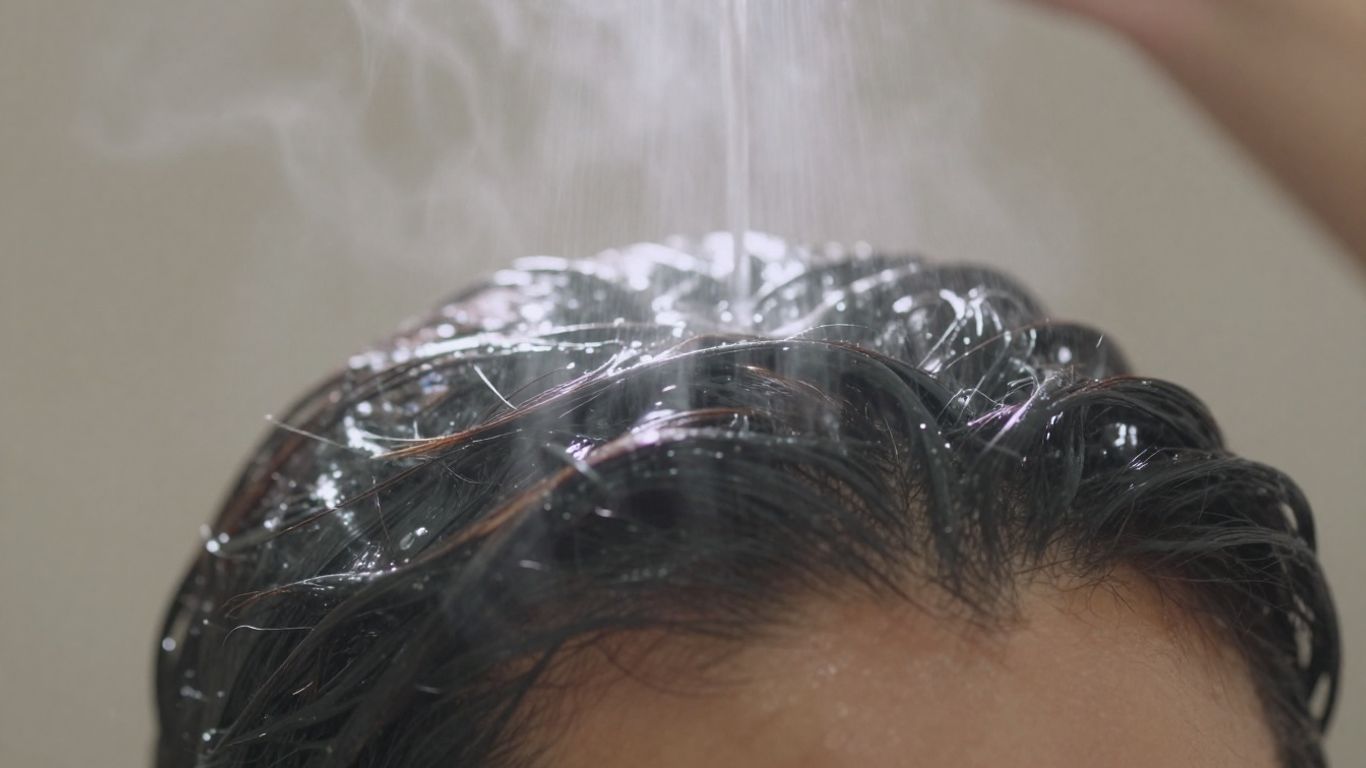
So, let's talk about that steamy shower. We all love it, right? That feeling of hot water cascading down can be super relaxing. But when it comes to your hair, especially your scalp, turning up the heat might be doing more harm than good. While it's a common myth that hot water directly causes hair loss, it can definitely mess with your hair's health in other ways. Excessively hot water can strip your hair and scalp of their natural oils, which are pretty important for keeping things healthy.
Does Hot Water Cause Hair Loss?
Let's get this straight: hot water itself doesn't cause your hair to fall out. There aren't any solid studies proving that. Hair loss is usually linked to other things like genetics, stress, or medical conditions. However, using water that's too hot can create an unhealthy environment on your scalp, which could indirectly affect hair growth over time. Think of it like this: a stressed plant won't grow well, and a stressed scalp is similar.
Dryness and Brittleness from Hot Water
Your scalp produces natural oils, called sebum, that protect and moisturize your hair. Hot water acts like a super-degreaser, stripping away these oils. When that protective layer is gone, your hair can become dry and brittle. This makes it much more likely to snap and break when you brush it or even just style it. It's like taking the natural conditioner right off your strands.
Scalp Irritation and Redness
Ever felt that tight, itchy feeling after a really hot shower? That's your scalp protesting. Scalding water can irritate your skin, leading to redness, itchiness, and sometimes even flakiness. This irritation can disrupt the normal function of your scalp, and a happy scalp is key for healthy hair. If you're dealing with a persistently irritated scalp, it might be worth looking into your shower temperature. You can find more information about how hot water affects scalp dryness and irritation.
Weakened Hair Shaft
When hair gets wet, its structure changes a bit. The outer layer, called the cuticle, can swell and lift, especially with hot water. This makes the hair shaft more vulnerable. While warm water is generally okay for cleaning, water that's too hot can weaken these structures. This makes your hair less resilient and more prone to damage from everyday activities like brushing, styling, or even just friction from your clothes.
Here's a quick rundown of what happens:
- Hair Cuticle: Hot water can cause the cuticle to lift and open more than necessary.
- Hair Shaft: This opening makes the inner part of the hair more exposed and weaker.
- Natural Oils: Essential sebum is stripped away, leaving hair unprotected.
- Scalp: Irritation and dryness can occur, impacting the follicle environment.
While the allure of a super hot shower is strong, especially on a cold day, it's important to remember the trade-offs. Your hair and scalp have delicate needs, and extreme temperatures can disrupt their natural balance. Opting for a more moderate temperature is a simple change that can make a noticeable difference in the long run.
The Role of Water in Hair Washing
Why We Wash Our Hair
So, why do we even bother washing our hair? It's more than just about smelling nice, though that's a bonus. Our scalp naturally produces oil, called sebum, which is actually good for our hair. It keeps it moisturized and protected. But, over time, sebum can mix with dirt, dead skin cells, and product residue, creating a gunk that can weigh hair down and even irritate the scalp. Washing helps to clear all that out, keeping both your hair and scalp healthy and happy. The goal is to clean without stripping away all those good natural oils.
The Natural Hair Growth Cycle
It's easy to forget that our hair is alive, or at least, it grows from living follicles. Hair goes through a cycle: a growth phase (anagen), a transitional phase (catagen), and a resting phase (telogen). During the telogen phase, hair naturally sheds. This is totally normal! We lose a certain number of hairs every day as part of this cycle. It's not a sign of a problem unless you notice a significant increase in shedding or thinning.
Understanding Hair Shedding
Most people lose between 50 to 100 hairs a day. This might sound like a lot, but when you consider how much hair is on your head, it's usually not noticeable. This shedding is a natural part of the hair growth cycle. New hairs are always growing underneath, ready to replace the ones that have fallen out. Problems arise when the rate of shedding dramatically increases, or when new hair doesn't grow back to replace the lost strands. This is when we start to see thinning or bald patches, and that's when it's time to look at potential causes beyond just a normal wash day.
Best Practices for Washing Your Hair
Washing your hair might seem straightforward, but there's a bit more to it than just grabbing the shampoo. Getting it right can make a big difference in how your hair looks and feels. It's all about using the right techniques and temperatures at the right times.
The Benefits of Warm Water
Starting your wash with warm water is a good move. It's not about scalding hot water, mind you, but a comfortable warmth. This temperature helps to open up your hair cuticles and the pores on your scalp. Think of it like opening a door – it lets the shampoo get in there to do its job properly, lifting away dirt, oil, and any product buildup. It also makes your hair more receptive to any treatments you might use later.
- Opens hair cuticles for better cleansing.
- Loosens dirt and oil effectively.
- Prepares scalp for treatments.
The Advantages of a Cool Rinse
Once you've cleansed and conditioned, a switch to cooler water can be beneficial. This isn't about an icy shock, but a refreshing coolness. A cool rinse helps to close those hair cuticles you opened up earlier. When the cuticles lie flat, your hair looks smoother and shinier. It also helps to seal in the moisture from your conditioner, leaving your hair feeling softer and less prone to frizz.
A final cool rinse can really make your hair look and feel better by locking in moisture and smoothing the hair shaft. It's a simple step that adds a nice polish.
Gentle Handling of Wet Hair
Wet hair is more delicate than dry hair, so you need to be extra careful. When you're detangling, skip the fine-tooth comb and opt for a wide-tooth comb instead. Start from the ends and work your way up to avoid unnecessary pulling and breakage. When drying, try to avoid rough towel-drying. Instead, gently squeeze out excess water or pat your hair dry with a soft microfiber towel or even an old t-shirt. This reduces friction and helps prevent damage.
Shampooing Frequency Considerations
How often you wash your hair really depends on your specific hair type, how oily your scalp gets, and what you do day-to-day. There's no single answer that fits everyone. For many people, washing every other day or even just a couple of times a week is plenty. Washing too often can strip your hair of its natural oils, which can actually make your scalp produce more oil to compensate. It can also lead to dryness and brittleness. If you love your daily showers but want to wash your hair less, consider using a good quality shower cap to keep your hair dry between washes.
Separating Fact from Fiction: Hair Loss Causes
Actual Causes of Hair Loss
It's easy to get caught up in what we think causes hair loss, but let's look at what's actually going on. Genetics definitely plays a big role for many people; if hair loss runs in your family, there's a higher chance you might experience it too. Hormonal shifts are another major player – think pregnancy, menopause, or thyroid issues. Certain medical conditions, like alopecia areata, and even some medications can trigger hair thinning or loss. Stress, especially prolonged or severe stress, can also push a lot of hair follicles into that resting phase we talked about earlier, leading to noticeable shedding.
Misconceptions About Hair Loss
There are so many old wives' tales out there about hair loss, aren't there? People used to think wearing hats all the time would make you bald, or that frequent exercise caused it. Even things like how often you wash your hair or if you use certain styling products get blamed. It’s a shame because these myths can lead people to worry about the wrong things instead of addressing the real issues.
The Myth of Hot Water Causing Hair Loss
So, let's put this one to bed. The idea that washing your hair with hot water directly causes hair loss is simply not true. While water that's scalding hot – like, boiling hot – could certainly damage your scalp and lead to temporary hair loss from burns, the temperature most of us use in the shower isn't anywhere near that extreme. What excessively hot water can do is strip your scalp of its natural oils. This can leave your scalp feeling dry and irritated, and your hair itself can become brittle and more prone to breakage. But this breakage isn't the same as hair loss from the root. It's more like your hair is snapping off.
Think of it this way: a dry twig is more likely to snap than a healthy, hydrated one. Hot water can make your hair like that dry twig, but it doesn't stop new twigs from growing.
Here's a quick rundown of what hot water can do versus what it can't:
- Can Do: Dry out your scalp, cause irritation, make hair brittle, increase breakage.
- Cannot Do: Cause permanent hair loss from the follicle, disrupt the natural hair growth cycle.
It's important to remember that losing some hair daily is totally normal. We shed hairs all the time as part of the hair's natural life cycle. Showering just happens to be a time when you notice these hairs more easily.
Beyond Water Temperature: Other Hair Care Factors
So, we've talked a lot about water temperature, but that's really just one piece of the puzzle when it comes to keeping your hair looking and feeling its best. There are a bunch of other things you do (or don't do!) every day that can make a big difference. It's easy to get caught up in one specific detail, like water temp, but a holistic approach is way more effective.
The Importance of Conditioning
Conditioner is your hair's best friend after shampooing. It's not just about making your hair smell nice; it actually helps to restore moisture that shampoo might have stripped away. Think of it like this: shampoo cleans, and conditioner replenishes. It smooths down the hair cuticle, which is that outer protective layer we talked about. When the cuticle is smooth, your hair reflects light better, making it look shinier and feel softer. Plus, it helps detangle those knots that can form, especially when hair is wet.
Here's a quick rundown of why conditioning is so key:
- Moisture Balance: Replenishes hydration lost during cleansing.
- Cuticle Smoothing: Creates a smoother surface for shine and reduced friction.
- Detangling: Makes combing and brushing easier, reducing breakage.
- Protection: Adds a layer of defense against environmental stressors.
Minimizing Heat Styling Damage
Okay, let's be real. Most of us love a good blowout or a quick curl with a flat iron. But heat styling tools, when used too often or without protection, can really do a number on your hair. When hair gets super hot, especially when it's still a bit damp, the water inside the hair shaft can turn to steam. This can cause tiny bubbles to form inside the hair strand, leading to breakage. It's like baking a cake too long – it just gets dry and brittle.
To keep heat damage in check:
- Use a Heat Protectant: Always spray this on before you even think about turning on your styling tool. It creates a barrier.
- Let Hair Air Dry Partially: Don't blast a soaking wet head with a blow dryer. Let it dry a bit first.
- Lower the Heat Setting: You don't always need the highest setting. Experiment to find what works without scorching.
- Limit Frequency: Try to give your hair breaks from heat styling whenever possible. Maybe embrace your natural texture a few days a week!
Diet and Hydration for Hair Health
What you put into your body has a direct impact on your hair. It might seem far-fetched, but your diet and how much water you drink really do matter. Hair follicles need nutrients to grow strong, healthy hair. If you're not getting enough vitamins and minerals, your hair might become dull, weak, or even start to fall out more than usual. This is especially true during times of environmental change, like when the air gets dry and cold, which can affect your scalp and hair growth cycle [368f].
Think of your hair as a plant. It needs good soil (your scalp), water, and sunlight (nutrients from food) to thrive. If any of those are lacking, the plant won't grow well.
Your hair's health isn't just about what you do to it, but also what you do for it from the inside out. A balanced diet rich in proteins, vitamins, and minerals, along with staying properly hydrated, provides the building blocks for strong, vibrant hair. Don't underestimate the power of what you eat and drink!
So, while water temperature is a factor, remember to look at the bigger picture. Conditioning, mindful heat styling, and a healthy lifestyle are all part of the equation for gorgeous, healthy hair.
So, Does Hot Water Really Cause Hair Loss?
Alright, let's wrap this up. We've talked a lot about water temperature and hair, and the big takeaway is this: that super hot shower you love? It's not actually making you go bald. While it can definitely dry out your scalp and make your hair feel brittle, leading to breakage, it's not the root cause of hair loss. Things like genetics, stress, or health issues are the real culprits. So, ditch the worry about scalding water causing permanent damage. Instead, focus on using warm water for washing, maybe a cool rinse to seal things up, and just generally being gentle with your hair. A healthy scalp and good hair habits are what really matter in the long run.
Frequently Asked Questions
Can washing my hair with hot water make me lose more hair?
No, washing your hair with hot water doesn't directly cause hair loss. While very hot water can dry out your scalp and make your hair brittle, leading to breakage, it won't make your hair fall out from the root. Think of it like this: your hair might break off more easily, but new hair can still grow.
What are the real effects of using hot water on my hair?
Using water that's too hot can strip away the natural oils your scalp produces. This can leave your scalp feeling dry and itchy, and your hair can become dry, brittle, and more likely to break. It might also cause your scalp to get red and irritated.
Is it true that cold water makes hair grow faster?
That's a popular myth, but cold water doesn't actually make your hair grow faster. Hair growth is mainly determined by things like your genes, what you eat, and your hormones. However, rinsing with cold water can help make your hair look shinier and reduce frizz by making the outer layer of your hair lie flat.
What's the best water temperature for washing my hair?
Lukewarm water is generally the best choice. It's warm enough to effectively clean your hair and scalp by dissolving oils and dirt, but it's not so hot that it strips away essential natural oils or irritates your scalp. It helps keep your hair and scalp healthy.
Why do I lose hair when I shower, even if it's not from hot water?
Losing some hair in the shower is completely normal! Everyone has a natural hair growth cycle, and some hairs are always in a 'resting' phase before they fall out to make way for new hair. On average, people lose about 50 to 100 hairs a day. Washing your hair can simply loosen these already-ready-to-fall hairs.
Besides water temperature, what else affects my hair health?
Many things can affect your hair! Eating a balanced diet with enough vitamins, staying hydrated, using conditioner, being gentle with wet hair, and avoiding too much heat from styling tools like blow dryers and straighteners are all important. If you're worried about hair loss, it's best to look into other causes like stress, genetics, or health conditions.