

Dispelling Myths: Does Hair Gel Actually Cause Baldness?
We've all heard it. That little voice in the back of your head, or maybe your aunt Mildred, whispering that using hair gel is a one-way ticket to baldville. It's a story that's been passed down, like a questionable family recipe. But is there any truth to it? Does hair gel cause baldness, or is it just another one of those things we've been told for years that isn't quite right? Let's get to the bottom of this sticky situation.
Key Takeaways
- The idea that hair gel causes baldness is a persistent myth with no scientific backing.
- Most hair gels do not directly harm hair follicles or lead to hair loss.
- Harsh chemicals in some hair dyes or extreme heat styling are more likely culprits for hair damage than gels.
- Scalp health is important; clogged pores from heavy product buildup could potentially create a less-than-ideal environment for hair.
- Choosing products with natural ingredients and maintaining a clean scalp are good practices for overall hair health.
Understanding Hair Gel and Baldness Myths
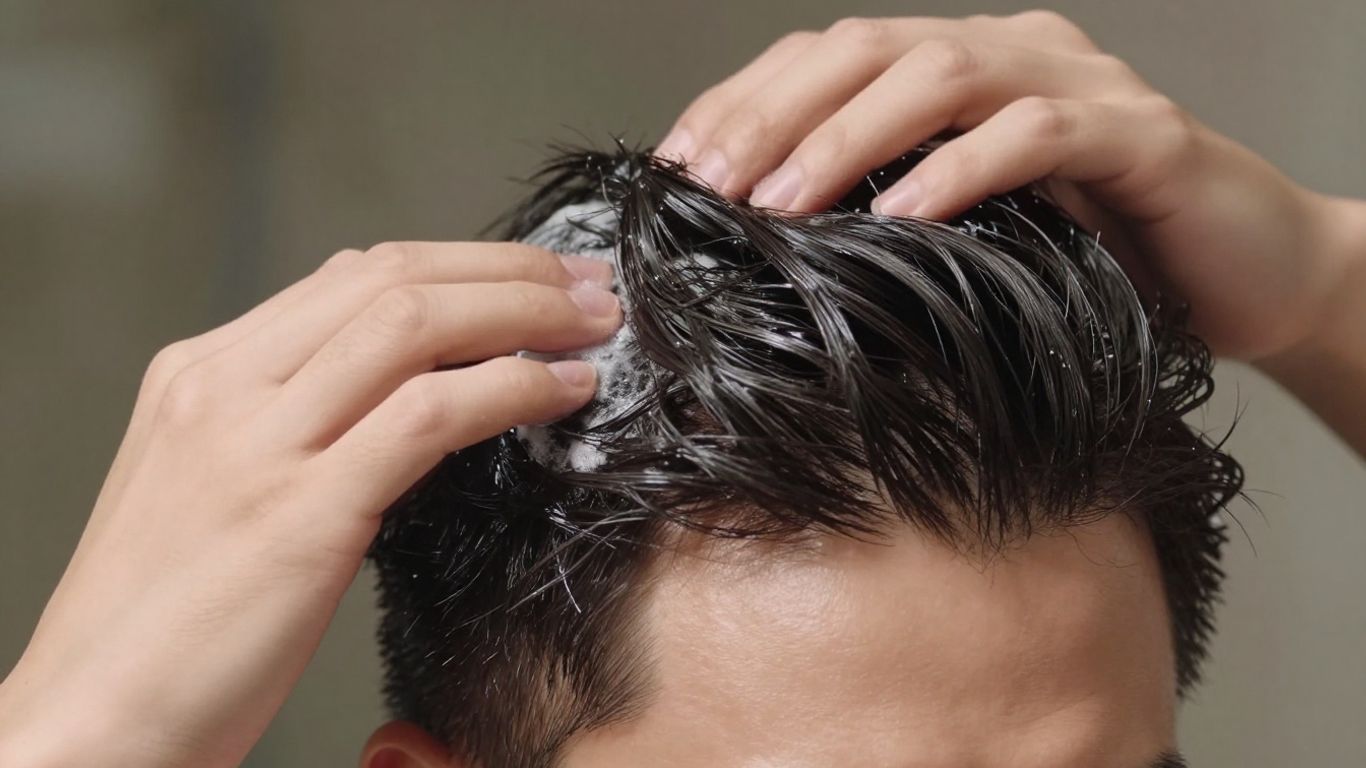
The Persistent Myth: Does Hair Gel Cause Baldness?
It feels like we’ve all heard it at some point, right? That slicked-back look you love, the one that keeps your hair perfectly in place all day? Well, according to a long-standing rumor, it’s secretly plotting to make you bald. This idea that hair gel, or other styling products for that matter, can directly lead to hair loss is one of those persistent myths that just won't go away. It’s the kind of thing your parents or grandparents might have warned you about, passed down through generations like a family recipe. But is there any truth to it? Let's get real about what's actually going on with our hair and these common styling aids.
Separating Fact from Fiction in Hair Care
So many of us grew up with certain beliefs about hair care, often without questioning them. Maybe it was the idea that cutting your hair makes it grow back stronger, or that wearing hats is a one-way ticket to baldness. These notions get repeated so often they start to sound like gospel. The truth is, a lot of these
The Science Behind Hair Gel and Hair Health
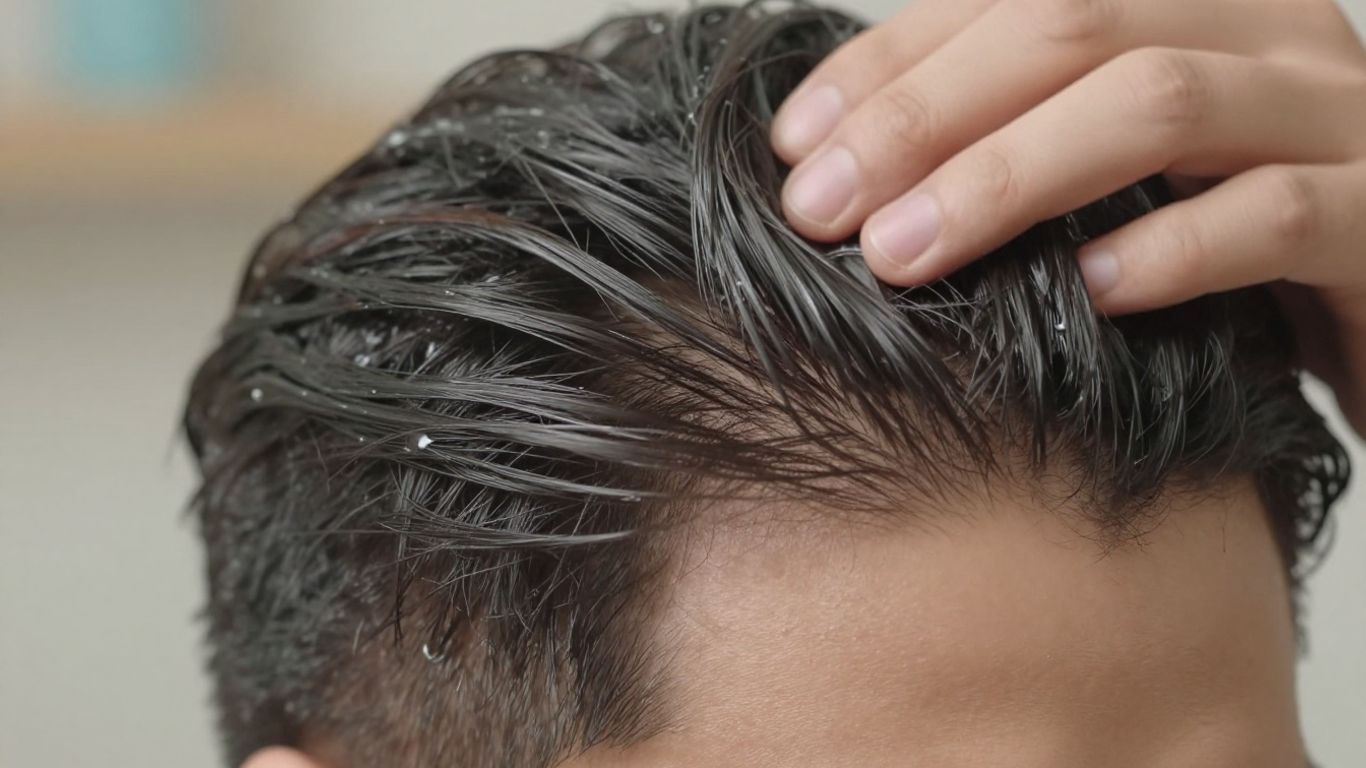
So, does that tub of hair gel or wax you use every morning actually mess with your hair growth? It's a question a lot of people have, and honestly, it's not as simple as a yes or no. Let's break down what's really going on with these styling products and your hair.
How Hair Gel Works on Your Hair
Think of hair gel and wax as temporary sculptors for your hair. They contain polymers and other ingredients that create a film around each strand. This film essentially stiffens the hair, allowing you to shape it and keep it in place. Different products have different hold levels and finishes – some give you that super-stiff, sculpted look, while others offer a more flexible, natural feel. The key is that they work by coating the hair, not by affecting the root or the scalp's ability to grow hair.
Ingredients to Watch Out For in Styling Products
This is where the real story lies. It's not the concept of styling your hair that causes problems, but what goes into some of these products. Many older or cheaper formulas might use ingredients that aren't so great for your hair or scalp over time.
Here's a quick rundown of what to look out for:
- Petroleum-based ingredients: Things like mineral oil, petrolatum, and paraffinum liquidum can create a heavy, non-breathable coating on your hair and scalp. This can make your hair feel dull and dry because moisture can't get in.
- Certain silicones: While some silicones can be beneficial for smoothing, others can build up on the hair, leading to that "suffocated" feeling and making it harder for your hair to absorb moisture.
- Harsh alcohols: Some alcohols can be drying to both the hair and the scalp, which isn't ideal for maintaining a healthy environment for hair growth.
The real damage often comes from the accumulation of these occlusive residues, not from the styling action itself.
The Role of Scalp Health in Preventing Hair Loss
Your scalp is the foundation for healthy hair. If your scalp isn't happy, your hair probably won't be either. When styling products, especially those with pore-clogging ingredients, are left on the scalp for too long or aren't washed out properly, they can create an unhealthy environment. This can lead to irritation, inflammation, and potentially weaken the hair follicles. A healthy scalp, on the other hand, is clean, balanced, and free from buildup, which is exactly what you want for strong, healthy hair growth.
Maintaining a healthy scalp is like tending to the soil for a plant. If the soil is poor and clogged, the plant won't thrive. Similarly, a neglected or irritated scalp can hinder your hair's ability to grow strong and healthy.
Debunking Common Hair Loss Myths
We've all heard them, right? Those little tidbits of 'wisdom' passed down through generations about how to keep our hair looking its best. But honestly, a lot of what we think we know about hair loss is just plain wrong. It's time to clear the air and separate the facts from the fiction that's been floating around for ages.
Do Hats Cause Baldness?
This one is a classic. The idea that wearing a hat all day will suffocate your hair follicles and lead to baldness is pretty widespread. But here's the deal: your hair follicles get their oxygen from your bloodstream, not from the air. So, unless your hat is so tight it's cutting off circulation or causing serious friction, it's not going to make you go bald. You can rock that beanie or baseball cap without worry.
Does Washing Hair Too Frequently Lead to Hair Loss?
Another common concern is that washing your hair too often strips it of its natural oils and causes it to fall out. While over-washing can sometimes lead to dryness or irritation, it doesn't actually cause hair loss. Shampoo primarily washes away hair that has already detached from the follicle. Think of it as cleaning up, not causing the problem.
The Truth About Shaving Hair and Regrowth
This myth is persistent: shave your head, and your hair will grow back thicker and stronger. It sounds appealing, but it's not true. When you shave your hair, you're cutting the shaft at its thickest point, near the root. As it grows back, the blunt end can give the impression of thickness. However, shaving doesn't change the number of hair follicles you have or their ability to grow hair. It's more about perception than reality.
Many of the 'old wives' tales' about hair loss stem from observations that don't quite grasp the underlying biology. While some practices might affect the appearance of hair, they rarely impact the actual hair growth cycle or follicle health.
Here's a quick rundown of some other common myths:
-
Myth: Cutting hair makes it grow back stronger.
- Fact: Cutting only removes split ends, making hair look healthier temporarily. True strength comes from the root and scalp health.
-
Myth: Cold water rinses prevent hair loss.
- Fact: Cold water can make hair look shinier and less frizzy, but it has no impact on preventing hair loss.
-
Myth: Hair loss is inherited only from the mother's side.
- Fact: Genetics play a role, but it's a combination of genes from both parents that influences hair loss patterns.
Factors That Actually Influence Hair Loss
Okay, so we've talked about what doesn't cause hair loss, like that hair gel you've been using. Now, let's get real about what actually does play a role. It turns out, a lot of it is out of our control, but understanding it can help us manage expectations and focus on what we can do.
Genetics and Hair Loss
This is probably the big one for most people. If baldness runs in your family, chances are you might experience it too. It's not just from your dad's side, either. While the genes from your mother's X chromosome are important, genes from your father also contribute. So, if your dad is going bald, that's another indicator. It's usually a combination of genes from both parents that determines if and when you might start losing hair.
The Impact of Stress on Hair Health
Ever notice more hair in your brush after a super stressful week? That's not a coincidence. Your hair really can be a kind of barometer for your overall health. Big life events – think a divorce, losing a job, or even just a period of intense worry – can actually trigger your body to shed more hair. It's usually temporary, but it's a clear sign that your body is under strain.
Harsh Chemicals and Heat Styling
While everyday styling products like gel aren't the culprits, some other things we do to our hair can cause damage. Think about harsh chemicals found in certain hair dyes or treatments. And then there's heat styling – blow dryers, straighteners, curling irons – using these too often or at really high temperatures can definitely weaken your hair and lead to breakage or even hair loss over time. It's about being mindful of how often and how intensely you're treating your hair.
Choosing the Right Hair Products
Okay, so we've talked about what not to worry about, like hair gel causing baldness. Now, let's get into what actually matters when you're picking out your styling stuff. It's not just about looking good for a day; it's about keeping your hair healthy in the long run. Think of it like choosing food – you wouldn't just grab anything, right? Your hair deserves the same attention.
Understanding Product Labels
This is where things can get a little tricky, but honestly, it's super important. You've got to become a bit of a label detective. Turn that bottle or jar over and actually read the ingredients list, the INCI list as they call it. It's not just for show. You're looking for things that sound like they belong in a kitchen, not a chemistry lab. Stuff like silicones, paraffins, or mineral oils? Those are petroleum derivatives. They coat your hair like a plastic film, making it look shiny for a bit, sure, but underneath, your hair is basically suffocating. It can't get any moisture, gets dry, and becomes brittle. Over time, this buildup is what really causes damage.
Natural Ingredients vs. Synthetic Chemicals
So, what should you be looking for instead? Think natural waxes like beeswax or carnauba wax. For moisturizing, vegetable oils like jojoba or argan oil, and shea butter are great. Clays can help with texture. These ingredients actually work with your hair, not against it. They can help keep moisture in and give your hair texture without that heavy, suffocating feeling. It's a big difference compared to those synthetic polymers that just sit on top. Choosing products with a clean, natural composition is a huge step towards healthier hair.
Here's a quick rundown:
- Good Stuff (Look For These):
- Beeswax, Carnauba wax (for texture)
- Jojoba oil, Argan oil, Shea butter (for moisture)
- Clays like Kaolin or Bentonite (for texture)
- Stuff to Avoid (Run Away!):
- Paraffinum Liquidum, Petrolatum (mineral oils)
- Dimethicone, other silicones (coating agents)
- Synthetic polymers
When you pick products with natural ingredients, you're not just styling your hair; you're often giving it a bit of a treatment. It's like choosing a healthy meal over fast food – the benefits last much longer.
Products That Can Help Thinning Hair
If you're dealing with thinning hair, the product choice becomes even more critical. You want things that add volume and support without weighing your hair down. Some products are specifically designed to give your hair a fuller look and feel. For instance, sprays that lift at the roots can make a noticeable difference. If you're looking for options, there are some great products out there designed to help. One highly-rated option for overall volume is the Living Proof Full Volume & Root-Lifting Spray. For those concerned about hair growth, products like Cécred Restoring Hair & Edge Drops are worth checking out. The key is to find formulas that support your scalp health and hair structure, rather than just coating it.
Maintaining a Healthy Scalp and Hair
So, we've talked about what doesn't cause hair loss, but what actually keeps your hair and scalp in good shape? It really comes down to a few key things, and honestly, it's not rocket science. Think of your scalp like the soil for your hair plants – if the soil is bad, the plants aren't going to thrive, right?
The Importance of a Clean Scalp
This might sound obvious, but keeping your scalp clean is super important. When you don't wash your hair regularly, stuff like dead skin cells, oil, and product buildup can clog up your hair follicles. This gunk can actually make your hair finer over time and, you guessed it, lead to it falling out. It's like letting dirt pile up in your garden; nothing good comes of it. A good shampoo should get rid of all that gunk without stripping your scalp dry. It's all about finding that balance. You want a clean slate for healthy hair growth.
Gentle Washing and Conditioning Practices
When you're in the shower, try not to go at your scalp like you're scrubbing a stubborn stain. Be gentle! Use the balls of your fingers to massage your scalp, not your nails. This helps to stimulate blood flow without causing irritation. When it comes to conditioner, focus on the lengths and ends of your hair, not so much the roots, unless you have a specific scalp treatment conditioner. Overdoing it at the roots can sometimes weigh your hair down or contribute to buildup if not rinsed properly. Remember, your hair shaft has a different pH than your scalp, and using products that respect these differences can make a big difference in how your hair looks and feels. Water itself can actually mess with your hair's pH, making it frizzy and tangled if it's not balanced out. So, rinsing well is key.
Promoting Scalp Circulation for Hair Health
Getting your blood flowing to your scalp is a great way to help your hair. Think about it: your hair follicles need nutrients and oxygen to do their job, and blood is what delivers that. Gentle scalp massages, like the ones you do when you're washing your hair, can help. Some people even use special brushes designed for scalp stimulation. Even simple things like avoiding tight hairstyles that pull on your scalp can help prevent unnecessary stress on your hair follicles. It's all about creating the best possible environment for your hair to grow strong and healthy from the root.
Taking care of your scalp isn't just about looking good; it's about the long-term health of your hair. A healthy scalp is the foundation for healthy hair, and it's achievable with consistent, gentle care and the right products.
So, What's the Verdict on Hair Gel and Baldness?
Alright, let's wrap this up. We've been digging into the whole hair gel and baldness thing, and it turns out that old worry might just be a myth. Most experts agree that the gels, waxes, and sprays we use to style our hair aren't actually causing us to lose it. The real culprits for hair loss are usually genetics or other health-related issues, not your favorite styling product. So, go ahead and style your hair without that nagging fear. Just remember to wash it out properly, and maybe pick products with ingredients you can understand. Your hair will probably thank you for it.
Frequently Asked Questions
Does using hair gel really make you go bald?
No, using hair gel does not cause baldness. This is a common myth. Most hair gels are safe for your hair and won't harm your hair follicles. The only way a styling product might cause issues is if it contains very harsh chemicals, or if you use it in a way that pulls your hair too tightly.
What ingredients in hair products should I watch out for?
While most hair gels are fine, it's good to be aware of ingredients like silicones, paraffins, and mineral oils. These can sometimes build up on your hair and scalp, making it feel heavy or dull. Harsh chemicals found in some hair dyes can also be damaging.
Can wearing a hat cause hair loss?
Wearing a hat does not cause baldness. Your hair follicles get oxygen from your blood, not the air. The only time a hat might cause problems is if it's worn too tightly, causing too much pulling or friction on your scalp.
Does washing my hair too often make it fall out?
Washing your hair frequently, even daily, is generally not bad for it. Washing helps to keep your scalp clean by removing dead skin cells and oil buildup. Not washing enough can actually lead to problems that might make hair fall out.
If my hair is thinning, what kind of products can help?
For thinning hair, look for products that add volume and strength without weighing your hair down. Lightweight gels, mousses, or shampoos designed for volume can make your hair appear thicker. It's also important to focus on keeping your scalp healthy.
What are the real reasons people lose their hair?
The main reasons for hair loss are usually genetics, meaning it runs in your family from either parent. Stress can also play a big role in temporary hair loss. Sometimes, harsh treatments like chemical straightening or excessive heat styling can damage hair and lead to breakage.