

Discover Your Ultimate Hair Restoration Solution: Expert Tips for 2026
Losing hair can be a real bummer, and if you're noticing more of it in the shower or on your pillow, you're definitely not alone. Lots of guys deal with thinning hair, but the good news is there are ways to tackle it. Whether it's a receding hairline or just less thickness overall, finding the right hair restoration solution is totally doable. We're going to look at what's out there to help you get your hair back and feel more like yourself.
Key Takeaways
- Figure out why your hair is thinning. It could be genetics, stress, or something else, and knowing the cause helps pick the best treatment.
- Modern hair transplants look super natural now, not like the old plugs. They move individual hairs for a seamless look.
- There are medications like minoxidil and finasteride that can help slow hair loss or even regrow some hair, but you have to use them consistently.
- A consultation with a hair specialist is your best bet. They can look at your hair, talk about your goals, and suggest a plan just for you.
- Be patient! Hair restoration takes time. Stick with your treatment plan and have realistic ideas about what results you can expect.
Understanding Your Hair Loss Journey
Identifying The Root Cause Of Hair Loss
It’s easy to panic when you start noticing more hair on your pillow or in the shower drain. But before you jump to conclusions, it’s important to figure out why it’s happening. Hair loss isn't a one-size-fits-all problem; what works for one person might not work for another because the reasons behind it are so varied. Sometimes it's just genetics, plain and simple. If your dad or granddad experienced thinning hair, there's a good chance you might too. This is often called male or female pattern baldness, and it's super common. But it's not always just about your genes. Other things can mess with your hair, too. Think about major life events like surgery, illness, or even giving birth – these can cause temporary shedding. Stress is another big one. Even the foods you eat or certain medications you're taking can play a role. Pinpointing the exact cause is the first, and maybe most important, step toward finding a solution that actually works for you.
Here are some common culprits:
- Genetics: The most frequent reason, often leading to a receding hairline or thinning on top.
- Hormonal Changes: Fluctuations due to conditions like thyroid issues or menopause.
- Medical Conditions: Autoimmune diseases, scalp infections, or nutritional deficiencies.
- Medications: Certain drugs used for conditions like arthritis, depression, or heart problems can cause hair loss.
- Stress: Significant physical or emotional stress can lead to temporary shedding.
A professional can help sort through these possibilities. They might look at your medical history, do some blood tests, or even examine your scalp closely to get to the bottom of things. This personalized approach is key.
Recognizing The Stages Of Hair Thinning
Hair loss doesn't usually happen overnight. It often progresses through stages, and knowing where you are can help you decide on the best course of action. For men, it often starts with a receding hairline, creating an "M" shape, or thinning at the crown. Over time, these areas can expand and merge. Women typically experience a more general thinning across the top of the scalp, often noticed as a widening of the part. The hair might become finer and less dense overall, but the hairline usually stays put. It’s not always about losing hair, but also about the hair you have becoming weaker and finer. Recognizing these subtle changes early on is really beneficial. The sooner you notice it, the more options you might have to slow it down or even reverse some of the thinning. Don't wait until significant hair has been lost; early intervention makes a big difference in the potential outcomes for hair regrowth.
When To Seek Professional Hair Restoration Advice
While some hair thinning is a normal part of life, there are definitely signs that suggest it's time to talk to a doctor or a hair restoration specialist. If you're experiencing sudden, widespread hair loss, that's a red flag. It could point to an underlying health issue that needs attention. Similarly, if you notice distinct bald patches, especially if they're round or accompanied by itching or pain on your scalp, it's worth getting checked out. Have you tried over-the-counter treatments like minoxidil for a few months with no luck, or is your hair loss getting worse? That’s another cue to seek expert advice. Sometimes, hair loss can be a symptom of something else entirely, like a nutritional deficiency or a thyroid problem, and a doctor can run tests to figure that out. And honestly, if your hair loss is causing you a lot of stress or affecting your confidence, that’s reason enough to talk to someone. They can help you understand what's happening and explore effective solutions for hair loss that are right for you.
Exploring Advanced Hair Restoration Solutions
When you hear the term “hair transplant,” you might still picture the unnatural “hair plugs” from decades ago. It’s time to update that image. Today’s procedures are worlds away from those old methods, offering results so natural that no one has to know unless you choose to tell them. The field of hair restoration for men has been transformed by advanced techniques like Follicular Unit Extraction (FUE), which focuses on moving individual hair follicles for a seamless, dense result. This section breaks down how these modern solutions work, what to expect from the process, and how they deliver a look that is authentically yours, without the tell-tale signs of a procedure.
The Evolution of Hair Transplant Techniques
Modern hair restoration methods put you back in control. Whether you’re just starting to notice a receding hairline or have more significant thinning, there are effective and proven solutions available. These treatments are designed to deliver natural-looking results that blend seamlessly with your existing hair. It’s not about looking like a different person; it’s about looking like the best version of yourself and restoring the confidence that comes with it. The most common culprit is male pattern baldness, a condition that’s typically hereditary. It’s passed down through your genes, so if your father or grandfather experienced hair loss, there’s a good chance you might, too. In fact, about 25% of men start to see some form of hereditary hair loss before they even turn 21. While other factors like stress, diet, or certain medical conditions can play a role, genetics is the primary driver for the vast majority of men. Understanding this can help demystify the process and show that it’s a natural, common experience. The best time to start exploring your options is as soon as you notice changes in your hair. Many men wait until their hair loss is advanced, but taking action early often provides more pathways to success. When you address thinning at the first sign, you have a better chance of slowing the process and preserving the hair you still have. If you want to keep your hair, it’s a great idea to consult with a specialist when you first spot a receding hairline or thinning at the crown. This allows a professional to assess your specific pattern of loss and recommend a personalized plan that fits your goals and lifestyle.
Medications For Hair Loss Management
When you start looking into hair restoration, you’ll find a few different paths you can take. The most effective treatment is the one that fits your specific type of hair loss, your lifestyle, and your long-term goals. Non-surgical routes include daily medications like Finasteride and Minoxidil, or therapies like Platelet-Rich Plasma (PRP) that require multiple sessions over time. These are designed to slow down hair loss or stimulate dormant follicles. Medications require a daily commitment, and their effectiveness can vary from person to person.
| Medication | How it Works |
|---|---|
| Minoxidil | Stimulates hair follicles, increases blood flow. |
| Finasteride | Blocks DHT, a hormone that shrinks follicles. |
Innovative In-Office Hair Treatments
Beyond transplants and medication, there are other therapies that can support hair growth. Low-Level Laser Therapy (LLLT) is an FDA-cleared, non-invasive treatment that uses red light energy to stimulate hair follicles and encourage growth. You can find LLLT devices in caps or combs for at-home use. Another innovative option is Platelet-Rich Plasma (PRP) therapy. This treatment involves drawing a small amount of your own blood, separating the platelets, and injecting the concentrated plasma into your scalp. The growth factors in your platelets can help stimulate hair follicles. These therapies are often used to complement a primary treatment like a hair transplant or medication.
Platelet-Rich Plasma (PRP) and Platelet-Rich Fibrin (PRF) Therapy are cutting-edge treatments that use your body’s own healing capabilities. In these procedures, a healthcare provider draws a small amount of blood from your arm. This blood is then spun in a centrifuge machine to separate the platelet-rich components, which are packed with growth factors. These concentrated platelets are then injected directly into the scalp.
Results from PRP can become noticeable within 3-4 weeks, with full effects seen after 3-6 months, and can last up to 18 months. PRF results may be observed within 1-2 months, with full effects appearing over 3-4 months, lasting up to 12 months. Regular maintenance treatments are often recommended to sustain these benefits. You can explore advanced hair restoration techniques for 2026, including exosomes, robotic transplants, hair cloning, scalp micro-pigmentation (SMP), and hair regeneration therapy. These innovative methods offer new hope for individuals seeking to restore hair growth and density.
It's important to understand the nuances of these procedures. For instance, rigorous classification of advanced FUE hair transplant techniques can help distinguish genuine innovations from marketing claims.
Choosing The Right Hair Restoration Path
So, you've decided it's time to do something about your hair. That's a big step! But now comes the part where you figure out what exactly to do. It can feel a bit overwhelming with all the options out there, right? Think of it like picking a route on a map; you need to consider where you're going, how much time you have, and what kind of vehicle you're using. The same goes for hair restoration. It's not a one-size-fits-all deal. Your hair loss journey is unique, and so should be your solution.
Matching Treatments To Your Budget
Let's be real, cost is a major factor for most of us. Hair restoration treatments range quite a bit in price. On one end, you have medications like minoxidil or finasteride, which are generally more affordable upfront and can be picked up at your local pharmacy. These are great for slowing down loss and maintaining what you have, but they require ongoing purchases. Then there are in-office treatments like PRP therapy, which involve a series of sessions and can add up over time. Finally, you have surgical options like hair transplants. While the initial cost is higher, it's a one-time investment that provides permanent results. It's about weighing the long-term value against your current financial situation. Many clinics also offer financing plans, which can make more extensive procedures more manageable.
Considering Your Lifestyle And Preferences
Beyond the price tag, think about your daily life. Are you someone who likes a simple, low-maintenance routine, or do you have the time and patience for daily applications or regular appointments? Medications, for instance, require consistent daily use to be effective. If you miss doses, you might not see the results you want. PRP therapy means scheduling regular visits to the clinic. A hair transplant, on the other hand, is a procedure done in a day or two, followed by a recovery period. After that, it's pretty much hands-off. You'll want to pick something that fits into your schedule without feeling like a chore. The best treatment is one you'll stick with.
The Importance Of A Personalized Plan
Ultimately, the most effective path is the one tailored specifically to you. This is where talking to a specialist really comes into play. They can look at the extent of your hair loss, understand the cause, and discuss your goals. They'll also be able to explain the pros and cons of each option in relation to your specific situation. For example, someone with early-stage thinning might benefit greatly from medications for hair loss management, while someone with more advanced loss might be a better candidate for a hair transplant procedure. A good specialist won't just push one solution; they'll help you understand all your choices and guide you toward the one that best aligns with your budget, lifestyle, and desired outcome. It’s about creating a strategy that works for you, not just a generic fix.
Deciding on the right hair restoration approach is a personal journey. It involves looking at your finances, your daily habits, and what you realistically hope to achieve. Don't feel pressured into a decision; take your time to explore all the avenues and consult with professionals who can offer clear, unbiased advice. Your confidence is worth the effort.
Preparing For Your Hair Restoration Procedure
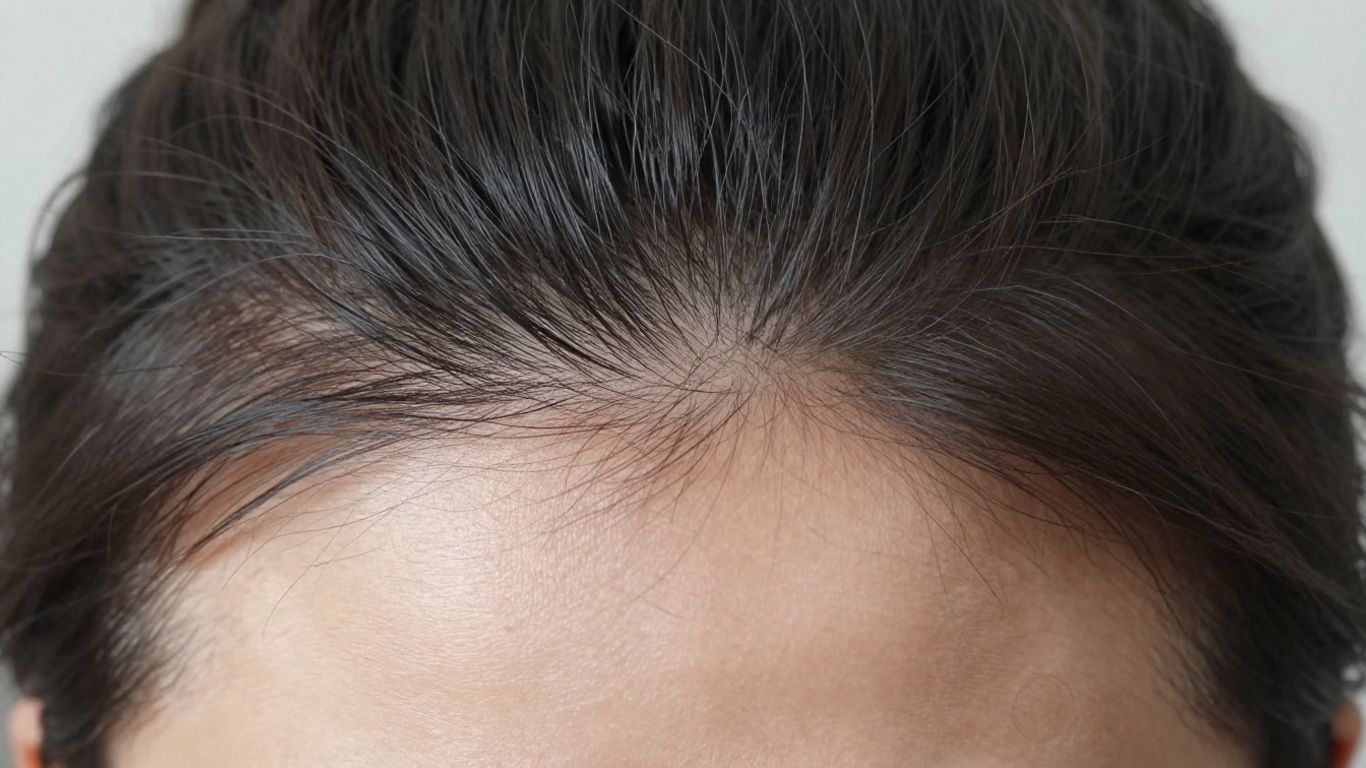
So, you've decided to take the plunge and explore hair restoration. That's awesome! But before you get to the exciting part of seeing new growth, there are a few things to sort out. Think of it like getting ready for a big trip – a little planning goes a long way.
What To Expect During Your Initial Consultation
Your first meeting with a hair restoration specialist is super important. It's not just about them looking at your scalp; it's your chance to really talk about what you're hoping for. They'll check out your hair loss, figure out the best approach for you, and answer all those burning questions you've probably got. This is where your personalized plan starts to take shape. They'll explain the different options, what results you can realistically expect, and give you a clear idea of the costs involved. Don't be shy about asking anything – seriously, no question is too small.
Understanding Potential Side Effects And Risks
Like any procedure, hair restoration has its potential downsides, but honestly, they're usually pretty minor and manageable, especially when you go with a good clinic. You might see some temporary redness, swelling, or maybe a bit of scabbing in the treated area. It's all part of the healing process. Your doctor will go over all of this with you, so you know exactly what to look out for. It’s good to be informed so you’re not caught off guard.
It's really about setting realistic expectations. Modern techniques are amazing, but they're not magic wands. Understanding the process, including the recovery, helps you feel more in control and confident about your decision.
Preparing For Post-Procedure Care
After your procedure, your main job is to follow the aftercare instructions your specialist gives you. This usually involves a few simple steps to help your new grafts settle in nicely. You'll likely need to keep your head elevated when you sleep for the first few nights to help with swelling. They might also give you a special shampoo to use.
Here’s a quick rundown of what you might need to do:
- Avoid strenuous activity for a few days.
- Gently wash your scalp as instructed.
- Try not to touch or scratch the treated areas.
- Follow any medication instructions precisely.
Sticking to these guidelines is key to getting the best possible results from your hair restoration journey. Remember, a little care now means a lot more confidence later.
Maximizing Your Hair Restoration Results
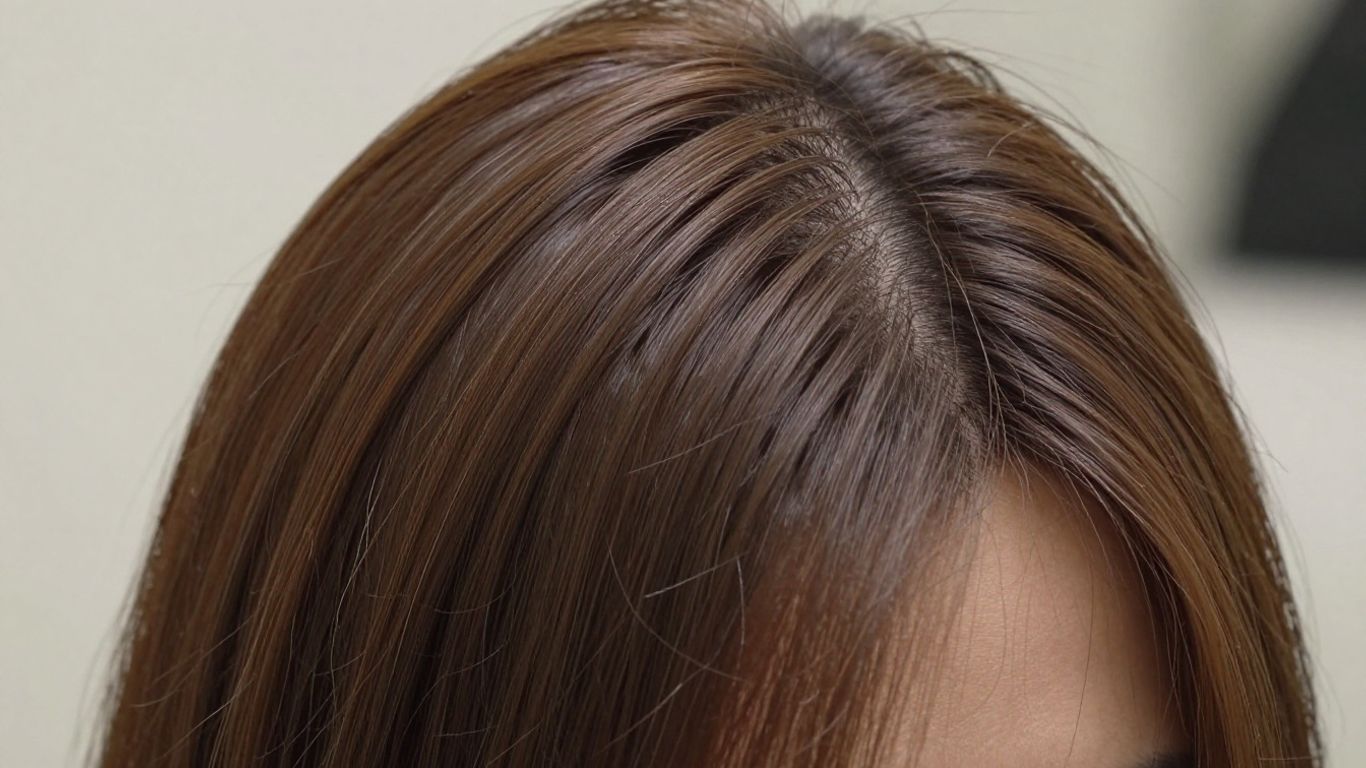
So, you've gone through the process, maybe had a procedure, or you're sticking with daily treatments. That's awesome! But getting great results isn't just about the initial step; it's about what you do afterward. Think of it like tending a garden – you plant the seeds, but then you've got to water, weed, and give it the right conditions to really flourish.
The Role Of Consistency In Treatment Efficacy
This is probably the most important thing to remember. Whether you're using topical solutions like Minoxidil or taking a daily pill like Finasteride, you can't just stop and expect things to stay put. Consistency is king when it comes to hair loss treatments. If you skip days, you're basically telling your hair follicles, 'Nah, I'm good,' and that's not going to help. It takes time for these treatments to work, and even longer to see the full effect. Studies show that with Minoxidil, for instance, around 71% of men see better hair density after about 16 weeks of using it regularly. That's a significant chunk of people, but it only happens if you stick with it. The same goes for any medication or therapy you're using; regular application or intake is what keeps the process going.
Combining Therapies For Enhanced Outcomes
Sometimes, one approach isn't enough. Many people find that mixing different treatments gives them a real boost. For example, using a DHT blocker like Finasteride alongside a growth stimulant like Minoxidil can often lead to more noticeable results than using either one alone. It's like giving your hair follicles a two-pronged attack – one to stop the bad stuff and one to encourage the good stuff. Of course, you don't want to go overboard. It's best to talk to your doctor or a hair restoration specialist about what combinations make sense for you. They can help you figure out if mixing treatments is the right move and how to do it safely. It’s not just about medications, either. Some people combine therapies like Low-Level Laser Therapy (LLLT) with topical treatments or even after a hair transplant to give their scalp an extra nudge. The goal is to create a multi-faceted approach that tackles hair loss from different angles.
Setting Realistic Expectations For Regrowth
This is a big one, and honestly, it's where a lot of people get discouraged. Hair restoration isn't magic. You're not going to wake up with a full head of hair overnight, and that's okay. It's important to understand that results take time. For medications, you might not see changes for three to six months, and even then, it might be subtle at first. If you've had a hair transplant, the initial growth can take several months, and the final result can take up to a year or even longer to fully settle in. It's also important to remember that the goal is often to restore your hair to a more youthful, natural-looking state, not necessarily to replicate the hair you had at 18. A good hair transplant, for example, focuses on creating density and a natural hairline that blends with your existing hair, aiming for natural-looking hair. Discussing your goals with your specialist during your initial consultation is key to setting expectations that are both achievable and satisfying. Remember, patience and a clear understanding of the timeline are your best friends throughout this journey.
Your Hair Restoration Journey Starts Now
So, we've gone over a lot of ground, right? From understanding why hair loss happens to looking at all the different ways you can tackle it in 2026. It's clear that things have changed a lot, and what used to seem like a lost cause now has some really solid options. Whether you're thinking about treatments you can use at home, or something more involved like a transplant, the main thing is to get informed and talk to someone who knows their stuff. Don't just guess what might work. A good chat with a specialist can really point you in the right direction, helping you figure out what's best for your specific situation and your life. Taking that first step to learn more is the biggest part of getting back the hair you want and feeling good about it.
Frequently Asked Questions
What causes most men to lose their hair?
The main reason most guys lose their hair is something called male pattern baldness. It's usually passed down from your parents through your genes. So, if your dad or grandpa started losing hair, there's a good chance you might too. It’s a super common thing that happens to many men.
When should I think about getting hair restoration help?
It's best to start thinking about hair restoration as soon as you notice your hair thinning or a receding hairline. Acting early often gives you more options and can lead to better results. Don't wait until a lot of hair is gone; talk to a specialist when you first see changes.
Are modern hair transplants still obvious?
Not at all! Forget those old 'hair plugs.' Today's hair transplant methods are really advanced. They move individual hairs very carefully, so the results look totally natural. Most people won't even know you had anything done unless you tell them.
What's the difference between transplants and medications?
Hair transplants move healthy hair to thinning spots and are a permanent fix. Medications like Minoxidil (Rogaine) or Finasteride help keep the hair you have and can sometimes help new hair grow, but you have to use them all the time to see results.
Can I combine different hair loss treatments?
Yes, you often can! Many times, using a few different treatments together, like a medication and maybe a special in-office treatment, can give you even better results than just one method alone. A doctor can help you figure out the best mix for you.
What should I expect during my first visit with a hair expert?
During your first meeting, the expert will look closely at your hair and scalp to figure out why you're losing hair. They'll talk about what you want to achieve and then create a special plan just for you. It’s also your chance to ask all your questions.