

Discover the Best Hair Loss Products for Men: A 2026 Guide
When it comes to tackling hair loss, understanding your options is the first step. Here are some of the most important things to remember from our guide to hair loss products for men:
Key Takeaways
- Combination treatments, like using both oral finasteride and topical minoxidil, often show the best results for stopping hair loss and encouraging regrowth.
- Topical minoxidil is a good, widely available option, especially for thinning at the crown, and is often budget-friendly.
- Oral medications like finasteride and dutasteride are powerful but require a prescription and can have side effects, so discuss them with your doctor.
- Low-Level Laser Therapy (LLLT) offers a drug-free approach that can stimulate hair follicles.
- Styling products and thickening shampoos can help create the appearance of fuller hair, offering a cosmetic boost while other treatments work.
Hims Hair Regrowth Treatment
If you're searching for a straightforward approach to tackling hair loss, Hims Hair Regrowth Treatment stands out for its simple formula and ease of use. This product uses 5% minoxidil, a clinically-tested ingredient shown to support hair regrowth in the vertex or crown area. The serum itself has a light texture and mild scent—testers never found it sticky or irritating to the scalp. The bottle comes with a dropper, which makes applying the product twice a day feel manageable, not like a complicated to-do list.
Highlights of Hims Hair Regrowth Treatment:
- Light, non-greasy serum; feels gentle during use.
- Competitively priced at around $15 a month.
- Subscribers get unlimited access to Hims’ medical team for advice.
- Vegan and cruelty-free.
Quick Product Facts
| Feature | Detail |
|---|---|
| Active Ingredient | 5% Minoxidil |
| Application Frequency | 2x daily |
| Cost per Month | ~$15 |
| Support | Unlimited messaging |
Some men don't love that it needs to be applied two times per day, but the process is pretty hassle-free once you get into the routine. The packaging doesn’t scream “medical treatment,” which helps it fit in with the rest of your bathroom items. If the texture's not quite right for you, there’s even a foam version to try, which some testers found less greasy. (For a deeper look at user experience, check this review of Hims hair loss products.)
- Simple dropper makes dosing easy
- No obvious odor—more like baby oil than strong medicine
- Good pick if you're targeting the crown, less so if your hairline is receding
It’s easier to stick with a hair loss product when it feels like something you just do every day, not an extra hassle. That’s probably why Hims has become such a popular pick for men looking to take charge of their hair.
Happy Head Hair Loss Treatment
Happy Head is a company that offers a pretty wide range of hair loss treatments for men. They've got a lot of options, which can be good if you're not totally sure where to start with your hair loss journey. It's kind of nice because they have things like topical treatments and also oral medications, including dutasteride, which some research points to as being really effective for hair loss. They even have a SuperCapsule that combines a few different ingredients.
One of the things that stands out about Happy Head is their approach to personalized care. You can get a free consultation with a dermatologist, and they'll work with you to figure out the best plan. They also have a few different product types:
- Topical + SuperCapsule: This option often combines dutasteride and minoxidil, two common ingredients in hair loss treatments.
- Topical Advanced ProBlend: This usually features minoxidil and tretinoin, another ingredient that can help with absorption.
- SuperCapsule: This is their oral option, which can include dutasteride, minoxidil, and even Vitamin D.
While Happy Head has a lot to offer, it's worth noting that their prices aren't always the cheapest, especially after the initial subscription period. Sometimes, you might find individual treatments for less elsewhere. But if you're looking for a place with a big selection and professional guidance, Happy Head is definitely worth checking out. They aim to provide a comprehensive approach to tackling hair loss.
It's important to remember that what works best for one person might not be the same for another. Your specific hair loss pattern, lifestyle, and overall health all play a role in finding the right treatment. Consulting with a doctor is always the best first step to figure out your personal needs.
Roman Hair Growth Serum
Roman's Hair Growth Serum is a pretty straightforward option if you're looking to tackle hair thinning. It's basically the generic version of Rogaine, so you know it's got a proven active ingredient: 5% minoxidil. This stuff is designed to be applied directly to your scalp, usually twice a day, though some folks find it works better as an evening treatment to avoid any potential greasiness during the day. The ease of use is a big plus here, with clear instructions and a dropper that makes application simple.
When it comes to the actual application, testers found the serum to be a clear, runny liquid. You'll want to rub it in pretty quickly after applying it to your scalp so it doesn't drip. Some users even mentioned it gives their hair a nice shine, almost like a light styling product, which is a neat bonus if you're not usually into hair products. It doesn't typically cause that scalp tingling some other treatments might, which is definitely a good thing.
Here's a quick rundown of what to expect:
- Active Ingredient: 5% Minoxidil
- Type: Topical Serum
- Application: Apply to scalp, typically twice daily
- Billing: Offers a flexible monthly subscription option, unlike some brands that push a three-month minimum.
- Support: Subscribers get free, ongoing follow-ups with healthcare professionals through the Roman platform.
One thing to keep in mind is that Roman doesn't offer refunds or warranties, so all sales are final. It's worth checking out Roman's hair loss treatments to see if this serum fits your needs and budget. They also have other options like sprays and oral medications if a serum isn't quite right for you.
Oral Dutasteride
When it comes to tackling male pattern baldness, oral dutasteride is often talked about as a powerhouse. It's a 5-alpha reductase inhibitor, but unlike finasteride, it targets both types of the enzyme (type 1 and type 2) that convert testosterone into DHT, the hormone linked to hair loss. This dual action is why many studies show it's more effective than finasteride for hair regrowth. In some studies, men taking dutasteride saw nearly three times the hair density compared to those on a placebo.
However, this increased effectiveness isn't without its potential downsides. The risk of sexual side effects, such as decreased libido or erectile dysfunction, tends to be higher with dutasteride compared to finasteride. It's a trade-off that requires a serious chat with your doctor to weigh the pros and cons based on your personal health and comfort level. It's also generally more expensive and can be harder to find than finasteride, often requiring compounding into softgels for better absorption.
Here's a quick look at what to consider:
- Mechanism: Inhibits both 5-alpha reductase type 1 and type 2 enzymes.
- Efficacy: Generally considered more potent than finasteride for hair regrowth.
- Side Effects: Higher reported incidence of sexual side effects compared to finasteride.
- Availability: Can be more costly and less readily available than finasteride.
Because dutasteride works on both types of the 5-alpha reductase enzyme, it can significantly reduce DHT levels throughout the body. This broad action is what makes it so effective for hair loss, but it also contributes to the increased potential for side effects compared to medications that only target one enzyme type. Discussing this with your healthcare provider is key to making an informed decision about your hair loss treatment.
While oral dutasteride is a strong contender, it's important to remember that it's not a magic bullet and requires careful consideration. For those looking for potent results, it's definitely worth exploring, but always with professional medical guidance.
Oral Minoxidil
Oral minoxidil has really picked up steam lately as a go-to option for guys dealing with hair loss. It started out as a blood pressure medication, and get this – scientists noticed people taking it were growing more hair. Pretty wild, right? So, they started looking into it for hair loss specifically.
While it's not officially FDA-approved for hair regrowth, dermatologists can prescribe it off-label because it's already approved for high blood pressure. The doses for hair loss are usually the same or even lower than what's used for blood pressure. Many doctors now consider it a first-line treatment.
Here’s a quick rundown of what to expect:
- Effectiveness: Studies show it can lead to significant hair improvement for a good chunk of users, with many seeing some level of benefit. It can help stop hair loss and even regrow some hair. A 2025 meta-analysis looked at a bunch of studies and found it worked well for many.
- How it Works: It's thought to increase blood flow to the hair follicles, which can help them grow longer and thicker. You'll often notice the first changes on your scalp. This oral form is taken as a simple, once-daily pill.
- Potential Side Effects: The most common one is hypertrichosis, which is extra hair growth in places you don't want it, like your face or body. It's usually mild, though. You might also get some swelling in your legs and feet (pedal edema). Less common, but more serious, are potential heart issues, though these are rare and usually seen in case studies.
It's important to remember that while oral minoxidil can be really effective, it's not a magic bullet. You need to stick with it consistently for several months to see results, and it's always best to discuss any potential side effects with your doctor. They can help you weigh the pros and cons based on your personal health.
Some providers, like Roman, offer prescriptions for oral minoxidil. You can also find compounded versions that combine it with other hair loss treatments in a single pill, which can be convenient if your doctor thinks it's a good fit for you.
Topical Finasteride Spray
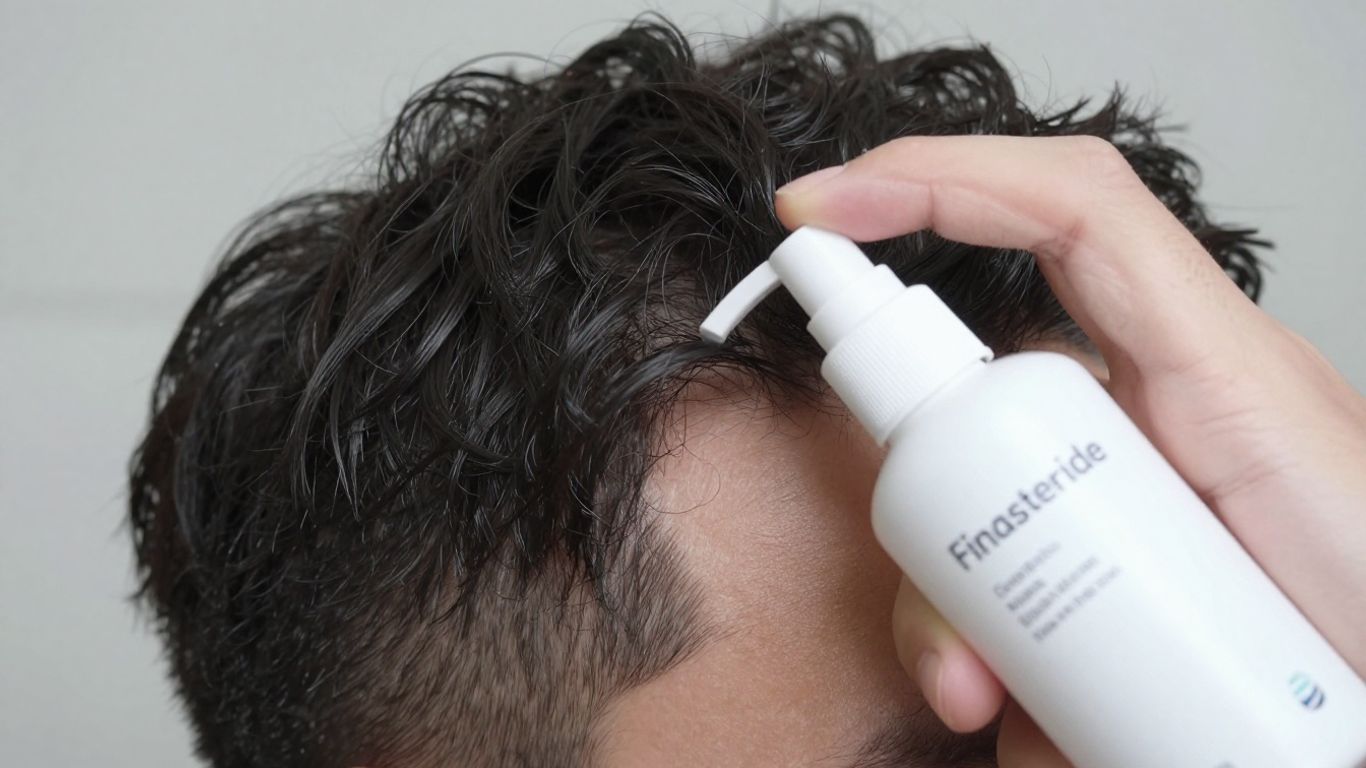
So, you're looking into topical finasteride spray, huh? It's a pretty interesting option, especially if you've heard about the potential sexual side effects of the oral version but still want to tackle hair loss. The big idea here is that by applying it directly to your scalp, less of the drug gets into your bloodstream compared to taking a pill. This means you might get the hair-growing benefits without as many of those unwanted issues.
Research suggests topical finasteride can be just as effective as the oral form for regrowing hair. Studies have shown it can reduce hair loss and even increase hair count, which is pretty encouraging. It's usually mixed with minoxidil in these formulations, creating a dual-action approach right where you need it.
Here's a quick rundown of what to expect:
- How it works: It targets DHT (dihydrotestosterone), a hormone linked to male pattern baldness, right at the scalp.
- Application: Typically comes in a spray bottle, making it fairly straightforward to apply once a day.
- Potential Benefits: Reduced risk of sexual side effects compared to oral finasteride, and proven effectiveness in clinical trials.
- Considerations: It's often compounded with minoxidil, which can make it a bit pricier than standalone treatments. Also, it's not typically available as a standalone product on most telehealth platforms.
While it's a newer player on the scene compared to oral finasteride, topical finasteride is gaining traction. The convenience of a spray application and the reduced systemic absorption make it a compelling choice for many guys looking for a targeted solution. It's definitely worth discussing with your doctor to see if it fits your specific situation and hair loss goals.
Getting your hands on it often involves a prescription, and companies like Hims and Keeps offer it as part of their hair loss programs. You'll usually find it as a combination spray with minoxidil, which is a common and effective pairing for androgenetic alopecia. The cost can vary, but expect it to be a bit more than just oral finasteride alone due to the compounding process.
Topical Minoxidil
Topical minoxidil is a pretty common go-to for guys dealing with hair loss, especially if you're noticing thinning on the crown. It's been around for a while and is available over-the-counter, which makes it super accessible. Basically, it works by widening your blood vessels right at the scalp. This increased blood flow is thought to bring more oxygen and nutrients to your hair follicles, helping them stay healthy and potentially kickstarting growth in dormant ones. It's not a magic bullet, but for many, it's a solid part of a hair loss routine.
When you start using it, don't be alarmed if you see more shedding initially. This is actually a good sign – it means the medication is doing its job, pushing out old hairs to make way for new, thicker ones. This shedding phase usually lasts a few weeks. It's important to keep at it, though, as it can take several months to see noticeable results.
Here’s a quick rundown of what to expect:
- Effectiveness: Best for thinning on the crown; some help for receding hairlines, but not its strongest suit.
- Application: Comes as a liquid solution or a foam. Foam is often preferred because it's less likely to irritate sensitive scalps, partly because it doesn't contain propylene glycol, which can be a common irritant in the solution. You'll typically apply it twice a day.
- Side Effects: Generally mild, with scalp irritation being the most common. Make sure to wash your hands thoroughly after applying and avoid touching your scalp or going to bed until it's dry to prevent unwanted hair growth elsewhere.
- Consistency is Key: You need to use it regularly to maintain results. Stopping treatment means you'll likely lose the hair that grew back.
While you can find topical minoxidil from various telehealth services, you can often get it for a better price from places like Amazon or even store brands. Just be sure to follow the instructions carefully. If you have a sensitive scalp, the foam version might be your best bet.
Remember, minoxidil can help wake up follicles that have just gone quiet, but it can't bring back follicles that are completely gone. So, the sooner you start, the better your chances of seeing some regrowth.
It's a tried-and-true option for a reason, and for many men, it's a reliable way to address hair thinning and encourage regrowth. If you're looking for a widely available and generally well-tolerated treatment, topical minoxidil is definitely worth considering as part of your hair loss strategy.
Low-Level Laser Therapy
Low-level laser therapy, often called LLLT, is a non-drug approach to tackling hair loss. You might have seen these devices around – they come in different shapes like caps, helmets, or even combs. They all use red light, but don't worry, it's not hot. The idea is that this light penetrates the scalp to boost blood flow to your hair follicles. Think of it like giving your scalp a little energy drink.
The science behind it suggests that improved blood flow means more oxygen and nutrients can reach those follicles, potentially waking them up and encouraging new growth. It's a bit like how minoxidil works, but without the need to apply anything sticky or worry about washing your hands afterward. Some studies have shown pretty good results. For instance, one study found that using LLLT at home led to a noticeable increase in hair density and thickness over 48 weeks. Another twelve-month study showed these improvements stuck around.
Here's a quick rundown of how it generally works:
- Stimulates Blood Flow: The laser light is thought to widen blood vessels in the scalp.
- Activates Follicles: It may also kickstart certain cells around the hair follicles, nudging them back into a growth phase.
- Promotes Growth: This combined action can help stop further loss and even lead to regrowth.
While LLLT is generally considered safe, some people might experience minor side effects like temporary scalp pain, headaches, or redness. It's always a good idea to chat with your doctor before starting if you have any unusual scalp spots or a history of skin cancer. The upfront cost for these devices can be higher than other treatments, but many find the ease of use and drug-free nature appealing. If you're looking for an alternative to medications, LLLT devices are definitely worth considering.
It's important to remember that LLLT devices are not simple LEDs. They use precise laser diodes, and the effectiveness can depend on the wavelength and power. While some products combine lasers and LEDs, research often focuses on pure laser diodes, particularly around the 655nm wavelength, which has the most supporting studies.
When you're looking at devices, caps tend to offer the best coverage. Keep in mind that there's still ongoing research into the long-term effects, but the current findings are promising for many dealing with hair thinning. You can find a variety of options, and some brands even offer laser caps designed for home use.
REUZEL Spray Grooming Tonic
When you're dealing with hair that tends to fall flat, finding a product that gives it some life without making it stiff can be a real challenge. That's where REUZEL Spray Grooming Tonic comes in. It's designed to give your hair a bit of a lift right from the roots, making it look fuller. This tonic is a game-changer for fine or limp hair that just won't cooperate.
Think of it as a pre-styler. You spray it onto damp hair before you start blow-drying. The idea is to create a bit of texture and volume that holds up. It doesn't leave your hair feeling sticky or heavy, which is a big plus when you're trying to avoid that greasy, weighed-down look that can make thinning hair even more obvious. It's all about getting that airy, voluminous base so your styling products can do their best work.
Here's a quick rundown of what it does:
- Provides root lift for better volume.
- Adds texture without making hair stiff.
- Helps hair feel fuller and thicker.
- Prepares hair for further styling.
It's a pretty straightforward product, really. You just spray it in and blow-dry. The result is hair that has more body and looks less likely to stick to your scalp. If you're looking for a way to give your hair a bit more oomph, this is definitely worth checking out. It’s a solid choice for anyone wanting to add volume to their hair.
The main goal here is to get your hair standing up a bit more, away from the scalp. This simple step can make a noticeable difference in how thick your hair appears, especially when you're dealing with less density than you used to have. It’s about creating a foundation for a fuller look.
It’s not a miracle cure for hair loss itself, of course, but it does a great job of making your existing hair look its best. For styling purposes, it’s a really good starting point, especially if you’re using other products to help with thinning hair. It’s one of those things that just makes the whole styling process easier and the end result better. You can find it alongside other great men's hair care products.
REUZEL Fiber Pomade
When it comes to styling thinning hair, the goal is to make it look as full as possible. That's where REUZEL Fiber Pomade comes in. This stuff is designed to give your hair texture and hold without making it look greasy or weighed down. It's not like those old-school pomades that just clump your hair together. Instead, it kind of loosely "glues" strands together. This creates friction and texture, which makes your hair appear denser and covers up more of your scalp.
Think of it like this:
- Creates Friction: The "gluing" action gives individual hairs something to grip onto, making them stand up better.
- Adds Texture: This texture helps to disguise thinning areas by making the hair look less uniform and more voluminous.
- Flexible Hold: It keeps your style in place without making your hair stiff or crunchy, so you can still run your fingers through it.
It's best for short to medium-length hair and gives a natural, low-shine finish. If you're tired of your hair falling flat and showing off your scalp, this pomade is definitely worth a shot. It’s a solid choice for adding that visual thickness you’re looking for.
Using a matte or low-shine product is key when styling thinning hair. Shine reflects light, which can highlight the scalp and make thinning areas more noticeable. Matte products absorb light, helping to camouflage the scalp and create the illusion of fuller hair.
For a complete styling routine that prioritizes volume and density, consider starting with a good shampoo and a volumizing tonic before applying the pomade. This layered approach can really make a difference in how your hair looks and feels. You can find more tips on styling for thicker-looking hair.
Nioxin System 2 Kit
If you've got fine hair that's starting to thin out, the Nioxin System 2 Kit might be something to look into. It's designed specifically for natural, untreated hair that's showing signs of progression in thinning. The whole idea is to give your scalp a good clean and make your hair look and feel healthier, adding a bit more volume and strength without messing with your hair's natural feel.
This kit usually comes with a few steps:
- Cleanser Shampoo: This is the first step, meant to clear out any gunk and buildup from your scalp and hair. It's supposed to leave your scalp feeling refreshed.
- Scalp Therapy Conditioner: After the shampoo, this conditioner aims to moisturize your hair and scalp. It's formulated to make your hair feel smoother and look thicker.
- Scalp & Hair Treatment: This is a leave-in product that continues to work on refreshing the scalp and thickening the appearance of each hair strand.
The goal is to create a better environment for hair growth and make existing hair appear fuller. Many users report that their hair feels cleaner and looks shinier after using the system, and it doesn't leave that itchy feeling some products can cause. It's a pretty popular choice for those dealing with progressed thinning and wanting to give their hair a bit more life. It's not a miracle cure, of course, but it's a solid part of a routine aimed at improving hair's overall look and feel.
Nutrafol Hair Growth Supplement
When you're looking for ways to tackle hair thinning, supplements can seem like a good option. Nutrafol is a brand that really focuses on this approach, offering daily supplements designed to help with hair shedding and thinning. They even offer a hair mineral analysis for subscribers, which can help pinpoint why your hair might be falling out in the first place. It's a pretty thorough way to start figuring things out.
Nutrafol's formula is considered one of the most complete out there for hair loss supplements. While other companies might offer basic biotin gummies, Nutrafol packs its products with a variety of ingredients. They aim to address hair growth from multiple angles, looking at things like stress, nutrition, and hormones. It's not just about slapping on a topical treatment; it's about trying to support your body from the inside.
Here's a general idea of what you might find in their supplements:
- Key vitamins and minerals (like Vitamin C, D, Zinc, Biotin)
- Botanical extracts (like Ashwagandha, Saw Palmetto, Marine Collagen)
- Amino acids
It's worth noting that supplements like these are generally seen as a supportive treatment. They aren't usually a magic bullet on their own. Most experts suggest they work best when used alongside other treatments, like prescription medications or topical solutions. You can read more about Nutrafol's ingredients and results if you want to get into the nitty-gritty.
While the idea of a supplement fixing hair loss is appealing, it's important to have realistic expectations. These products are designed to support overall hair health and potentially reduce shedding, but they don't typically regrow hair in the same way that FDA-approved medications do. Think of them as a helpful addition to a broader hair care strategy.
One thing to keep in mind is that Nutrafol can be on the pricier side compared to other options. The capsules themselves are usually pretty easy to swallow, and testers haven't reported any weird aftertastes or stomach issues, which is a plus. If you're considering supplements, it's always a good idea to chat with your doctor first, especially if you have any underlying health conditions or are taking other medications. They can help you figure out if a supplement like this is the right move for your specific situation and what other treatments might be best.
ScalpMED Scalp Treatment
ScalpMED offers a unique approach with its dedicated scalp treatment, which they call a scalp detoxifier. This isn't a typical hair growth product; instead, it's designed to be used before your shampoo and conditioner. Think of it as a pre-wash step to prep your scalp. It's important to note that alcohol is a primary ingredient, so using it without following up with shampoo and conditioner might leave your scalp feeling a bit dry. It’s a bit of a different routine than what you might be used to with other hair loss products.
While ScalpMED does have a supplement option, it's not their main focus. Their supplement includes ingredients like beta-sitosterol and bamboo extract, which is more complex than some other brands' offerings. However, if supplements are your primary interest, you might want to look at other options that specialize in them. The ScalpMED system is really built around that initial scalp treatment step.
Here’s a general idea of how the ScalpMED system is often used:
- Apply the Scalp Detoxifier to your dry scalp.
- Let it sit for a few minutes as directed.
- Follow with ScalpMED’s shampoo and conditioner.
- Continue with any other ScalpMED treatments you might be using.
It's a multi-step process, and consistency is key. Some users report seeing improvements within a few months, which is pretty standard for many hair regrowth treatments. If you're looking for a product that focuses heavily on scalp health as a foundation for hair growth, ScalpMED is definitely worth considering. You can find more details about their specific hair application process if you're curious about how it all comes together.
Remember that initial shedding can sometimes happen when you start a new hair loss treatment. While it might seem alarming, it can actually be a sign that the treatment is working and your hair follicles are cycling. It's a common occurrence with ingredients like minoxidil, and it usually means you're on the right track to seeing results down the line.
Kirkland Minoxidil
Kirkland Minoxidil is basically the generic version of Rogaine, and it's a really popular choice for guys looking to save some cash while still getting a proven hair loss treatment. You can often find it at Costco, and if you're a member, the prices are pretty amazing. We're talking about a six-month supply for around $18, which breaks down to just $3 a month. That's way less than what you'd pay through some of the subscription services.
This is one of the most budget-friendly ways to get topical minoxidil.
Kirkland offers both the solution and foam versions, so you can pick whichever you prefer. The foam might be a bit easier to apply for some people, but the solution is usually the cheapest option. If you're not a Costco member, don't worry, you can still find Kirkland Minoxidil on places like Amazon, though it might cost a little more. It's a straightforward treatment: you apply it to your scalp once or twice a day, depending on the product instructions.
How it works is pretty interesting. Minoxidil is a vasodilator, meaning it widens your blood vessels. When applied to the scalp, it's thought to increase blood flow to your hair follicles. This better blood flow can bring more oxygen and nutrients to the follicles, helping them stay healthy and potentially stimulating new growth. It can also help push dormant follicles into the active growth phase, known as the anagen phase.
Here's a quick look at what you might expect:
- Stops hair loss: For a good chunk of guys, minoxidil helps halt further hair loss.
- Moderate regrowth: Around half of users see some decent regrowth, especially on the crown and top of the head.
- Significant regrowth: A smaller percentage, about 20%, experience more noticeable regrowth in those same areas.
It's important to remember that minoxidil works best on follicles that are still alive but have gone dormant. It can't bring back hair from follicles that have completely died off. So, starting sooner rather than later is usually the best strategy. You'll also need to keep using it consistently because if you stop, the hair loss will likely return. While it's generally safe, some people might experience scalp irritation or even increased hair shedding when they first start using topical minoxidil. It's also worth noting that oral minoxidil has a different side effect profile, including potential excessive body hair growth.
The key thing with Kirkland Minoxidil, or any minoxidil product, is consistency. You've got to stick with it daily to see results. It's not a magic bullet, but for the price, it's a really solid option for many men dealing with thinning hair.
Kiierr Laser Cap
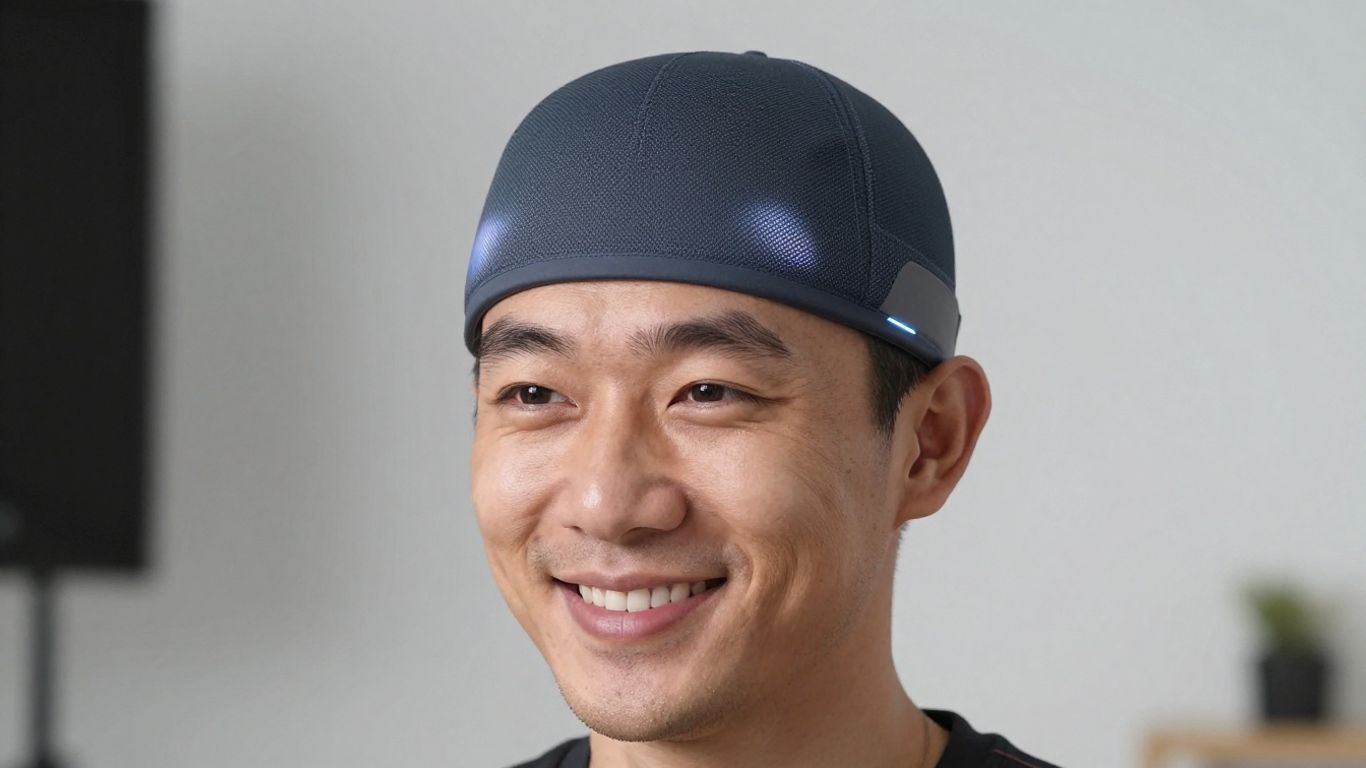
Low-level laser therapy (LLLT) devices, like the Kiierr Laser Cap, are designed to stimulate hair follicles using red light. The idea is that this light gets absorbed by the cells in your scalp, which can then encourage hair growth. It's kind of like giving your hair follicles a little energy boost.
The Kiierr 272 Premier model is often highlighted as a solid choice for many guys looking into LLLT. It features 272 diodes and requires about 30 minutes of treatment time, typically every other day. Compared to some other high-end options, it offers a good balance of features and cost. For instance, while some caps boast more diodes or slightly different treatment schedules, the price difference can be quite significant, and the actual effectiveness between similar devices is often very close.
Here’s a quick look at how the Kiierr 272 Premier stacks up against some other popular options:
| Feature | Kiierr 272 Premiere | Capillus PRO | Illumiflow 272 |
|---|---|---|---|
| Cost | $999 | $2,124 | $799 |
| Diode Count | 272 | 272 | 272 |
| Treatment Time | 30 mins, alt. days | 26 mins, daily | 30 mins, alt. days |
| Warranty | 2 years | 3 years | 2 years |
Using a laser cap is pretty straightforward. You basically put it on your head for the recommended time, and it does its thing. It’s a hands-free approach, which is a big plus. Unlike topical treatments, you don't have to worry about applying anything or washing your hands afterward. Some users report seeing a reduction in shedding within a few weeks, with more noticeable regrowth appearing over several months. It’s important to remember that results can vary, and consistency is key with any hair loss treatment. You might even find that combining LLLT with other treatments, like topical minoxidil, could offer even better results, though it's best to check with a doctor about how to use them together safely.
The science behind LLLT suggests it works by improving blood flow to the scalp and potentially activating dormant hair follicles. This increased circulation can deliver more oxygen and nutrients to the hair roots, which is vital for healthy hair growth. Some studies have shown positive results in hair density and thickness after consistent use of these devices.
While generally considered safe, some people might experience mild side effects like temporary scalp irritation or headaches. It's always a good idea to chat with your doctor before starting any new treatment, especially if you have any concerns about your scalp health or existing skin conditions. For many, though, the Kiierr Laser Cap offers a non-invasive way to potentially combat hair loss and encourage regrowth, with many users reporting positive experiences after consistent use.
Conclusion
Dealing with hair loss can feel overwhelming, but thankfully, there are more options than ever for men in 2026. From prescription treatments to over-the-counter solutions and even styling products that create the illusion of thicker hair, you have the power to take action. Remember, consistency is key with most treatments, and what works best for one person might not be the perfect fit for another. It's always a good idea to chat with a doctor to figure out the best plan for your specific situation. Don't wait too long – the sooner you start, the better your chances of seeing great results.
Frequently Asked Questions
What's the most common reason men lose hair?
Most of the time, it's just genetics. If hair loss runs in your family, you're more likely to experience it too. It's a pretty normal thing for guys as they get older, so don't feel weird about it.
Can I really regrow hair that I've lost?
Yes, in many cases! Treatments can wake up hair follicles that have become lazy and stopped growing hair. But, you have to start treatment before the follicles are completely gone forever. The sooner you act, the better your chances.
What's the difference between topical and oral minoxidil?
Topical minoxidil is a liquid or foam you put directly on your scalp, usually twice a day. Oral minoxidil is a pill you swallow. Both help hair grow, but they work a bit differently and might have different side effects.
Are hair growth supplements a good idea?
Supplements can help support overall hair health with vitamins and minerals, but they usually aren't strong enough on their own to stop significant hair loss. Think of them as a helper for other treatments, not the main event.
How long does it take to see results from hair loss treatments?
You usually need to be patient. It can take anywhere from 3 to 6 months, sometimes even longer, to start seeing a difference. You have to stick with the treatment regularly for it to work.
Should I see a doctor about my hair loss?
Definitely! A doctor, especially a dermatologist, can help figure out exactly why you're losing hair and recommend the best treatment plan for you. They know which products are safe and effective for your situation.