

Discover How to Grow Thicker Hair: Expert Tips for Fuller Strands
Dealing with hair that feels a bit thin or just not as full as it used to be? You're definitely not alone. Lots of us want to know how to grow thicker hair, whether it's because of stress, genetics, or just life happening. The good news is, you don't need a magic wand. With the right approach, focusing on your scalp, smart washing habits, and a few clever styling tricks, you can absolutely make your hair look and feel much fuller. Let's get into it.
Key Takeaways
- Nourishing your scalp is the first step to getting thicker hair, creating a healthy environment for growth.
- Using the right shampoo and conditioner can clean your hair without stripping it, preserving the thickness you have.
- Certain styling techniques, like blow-drying with a round brush or flipping your part, give the immediate appearance of fuller hair.
- Lifestyle changes, including a balanced diet and staying hydrated, play a big role in supporting hair thickness from the inside out.
- For more significant results, consider professional treatments like supplements or consulting a hair specialist.
Nourish Your Scalp for Optimal Growth
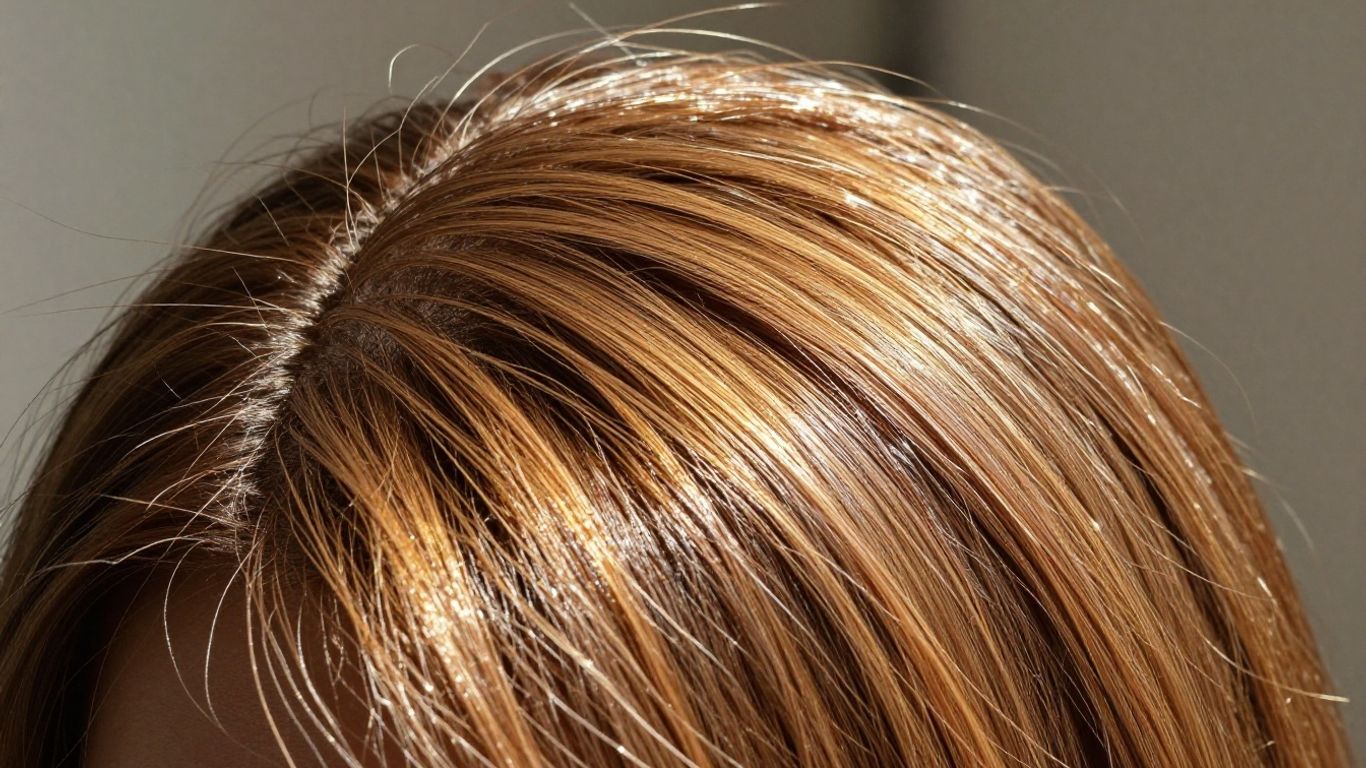
Think of your scalp as the garden bed for your hair. If the soil isn't healthy, nothing planted there is going to thrive, right? The same goes for your hair. A happy, healthy scalp is the absolute foundation for growing thicker, fuller strands. It's where all the action starts, so giving it some TLC is super important.
Strengthen the Scalp to Support Visible Density
When your scalp is strong, it can better support the hair follicles. This means each strand has a better chance of growing in thicker and staying put longer. It's not just about what you put on your hair, but what's happening at the root. A well-nourished scalp can lead to a noticeable difference in how dense your hair looks and feels over time. It’s like building a solid base for a house – you need that strength from the ground up.
Treat Your Scalp with Care
Be gentle with your scalp. Over-scrubbing during washing or using harsh products can strip away natural oils and irritate the skin, which isn't good for hair growth. Think about it: if you're constantly irritating your scalp, it's going to be stressed out, and that stress can affect your hair. Using products designed to be gentle and focusing on a good massage when you wash can really make a difference. Some people even find that a good scalp massage can help boost circulation, which is always a plus for hair follicles. You might want to try a gentle scalp massage regularly.
Prioritize Scalp Health
Making scalp health a priority means looking at a few key things. First, keep it clean, but don't go overboard. Overwashing can dry things out, while not washing enough can lead to buildup that weighs hair down and clogs follicles. Finding that balance is key. Also, think about what you're putting on your scalp. Ingredients matter. Some things can help soothe and stimulate, while others might cause irritation. It’s about creating an environment where your hair can grow its best.
Here’s a quick rundown of what helps:
- Gentle Cleansing: Avoid stripping shampoos that leave your scalp feeling tight and dry.
- Regular Exfoliation: Once a week or so, a gentle scrub can help remove dead skin cells and product buildup.
- Nourishing Treatments: Look for serums or oils designed to hydrate and support the scalp.
- Scalp Massage: Even a few minutes a day can improve blood flow.
Taking care of your scalp isn't just a trend; it's the bedrock of healthy hair. When you focus on the source, the results become more apparent and lasting. It’s about nurturing the environment from which your hair grows, leading to stronger, more vibrant strands over time.
Enhance Hair Thickness Through Smart Cleansing and Conditioning
Taking care of your hair starts in the shower, but it's not just about getting clean. The way you wash and condition your hair can actually make a big difference in how thick it looks and feels. It's all about being smart with your products and techniques.
Cleanse with Purpose
Your scalp is the foundation for healthy hair growth. If it's clogged with oil or product buildup, your hair can lie flat, making it look thinner right from the roots. On the flip side, using harsh shampoos can strip your hair, leaving it weak and prone to snapping off. You want a cleanser that gets the job done without being too aggressive. Think about what your hair needs most. For instance, a shampoo with ingredients like amaranth peptides can help strengthen the hair shaft while gently cleaning. Sometimes, a weekly exfoliating scrub with sea salt can really help clear things out and rebalance your scalp. For fine hair that needs a lift, a delicate volumizing shampoo might be the way to go. A balanced scalp is key to supporting visible density and making your hair look fuller.
Preserve What You Grow
Getting thicker hair isn't just about encouraging new growth; it's also about keeping the hair you already have from breaking. When hair snaps off, especially around your hairline or the top of your head, it makes your hair look less full overall. To stop this, focus on conditioning the mid-lengths and ends of your hair. This helps detangle and adds strength. If your hair feels dry or brittle, a deep conditioning mask can provide extra nourishment. Just remember to apply conditioner mainly from the mid-lengths down, avoiding the roots. This way, you get the strengthening benefits without weighing your hair down and making it look flat.
Choose the Right Shampoo and Conditioner
Selecting the right shampoo and conditioner is more important than you might think. While they won't magically make your hair thicker overnight, they can certainly give the appearance of more volume and strength. Look for formulas specifically designed to promote thicker, fuller hair. Some products contain ingredients that can help stimulate hair follicles or strengthen the hair shaft, reducing breakage. For example, shampoos with saw palmetto and pumpkin seed oil are often recommended for their follicle-stimulating properties. A good conditioner, packed with things like keratin and argan oil, can make each strand feel stronger and look more revitalized. It's about building a better foundation for your hair, one wash at a time. You can find great options, like the Garnier Fructis Grow Strong shampoo, that are budget-friendly and effective for fine strands.
The goal is to create a routine that supports your hair's natural strength and volume. It's not about using a ton of products, but rather choosing the right ones and using them correctly. Consistency is what really makes the difference over time.
Styling Techniques for Instant Fullness
Sometimes, you just want your hair to look fuller now, right? Luckily, there are some pretty simple tricks you can use with your styling routine to give your strands that instant boost. It’s all about creating the illusion of more hair, and it doesn't take much.
Add Volume When You Blow Dry Your Hair
When you're drying your hair, think about lifting. Instead of just blasting it with heat, try using a round brush to lift your roots as you go. This creates a bit of space between your scalp and your hair, making it look much fuller. Another good trick is to flip your head upside down while you dry. This really gets the air circulating at the roots and gives you a nice lift. Using the cool setting on your blow-dryer can also help set the volume without causing damage. If you're using a product, aim for something lightweight that won't weigh your hair down, like a root-lifting spray applied just where you need it.
Enhance the Appearance of Fullness
Beyond just blow-drying, there are other ways to make your hair seem thicker. Think about texture. Sometimes, a bit of texturizing spray can make individual strands feel and look more substantial. You can also try using dry shampoo not just to refresh your hair, but to add a bit of grit and lift at the roots. It’s amazing how much difference a little bit of texture can make. If your hair feels a bit flat, consider a light mousse applied at the roots before you start styling. It gives your hair something to hold onto.
Flip Your Part
This is probably the easiest trick in the book, and it works wonders. Most of us have a go-to hair part, and over time, our hair gets used to lying in that direction. When you switch your part to the opposite side, or even try a zig-zag part, it forces the roots to stand up straighter. This creates instant lift and makes your hair look way thicker than it did before. It’s a small change, but the visual impact is huge. You can even try changing your hair part to the side you don't normally use for a dramatic effect.
Remember, these styling tricks are about creating a temporary, visual fullness. They work by manipulating how your hair sits and catches the light, giving you that thicker look you're after while you work on long-term hair health.
Lifestyle Adjustments for Thicker Hair
Sometimes, the simplest changes can make a big difference in how your hair looks and feels. It's not just about what you put on your hair, but also how you live your life. Making a few adjustments to your daily routine can really help support healthier, fuller-looking strands.
Reevaluate Your Diet
What you eat directly impacts your hair's health from the inside out. Think of your diet as the foundation for strong hair. If you're not getting enough of the right nutrients, your hair might show it by becoming thinner or more brittle. Focus on incorporating a variety of protein-rich foods, as hair is primarily made of protein.
Here are some key nutrients to consider:
- Protein: Found in lean meats, fish, eggs, beans, and nuts. It's the building block of hair.
- Iron: Important for carrying oxygen to your hair follicles. Good sources include red meat, spinach, and lentils.
- Zinc: Helps with hair tissue growth and repair. You can find it in oysters, beef, pumpkin seeds, and lentils.
- Biotin (Vitamin B7): Often linked to hair health. Eggs, almonds, and sweet potatoes are good sources.
- Vitamin E: An antioxidant that can help protect cells. Nuts, seeds, and spinach contain it.
Stay Hydrated
Drinking enough water is surprisingly important for your hair. When you're dehydrated, your body might not be able to send enough water to your hair follicles, which can lead to dryness and breakage. Aim for at least eight glasses of water a day, maybe more if you're active or it's hot out. It helps keep your whole body functioning well, including your scalp and hair.
Proper hydration ensures that nutrients can travel efficiently to your hair follicles, supporting the growth of stronger, more resilient hair strands. It also contributes to overall scalp health, preventing dryness that can sometimes make hair appear thinner.
Adjust Your Sleep Routine
Getting enough quality sleep isn't just good for your mood; it's also good for your hair. During sleep, your body repairs itself, and this includes your hair follicles. Not getting enough rest can stress your body, and that stress can sometimes show up as hair thinning. Also, consider switching to a silk or satin pillowcase. These materials create less friction than cotton, which can help reduce breakage and tangling while you sleep. This gentle approach can help preserve the hair you have and make it look fuller over time. For more tips on gentle hair care, you might find advice on how to handle hair with care useful.
Professional Solutions and Treatments
Sometimes, what you can do at home just isn't enough, and that's totally okay. When you're looking for a more direct approach to thicker hair, there are definitely some professional avenues to explore. It's not about giving up on your routine, but rather adding some extra firepower.
Consider Hair Supplements
Think of supplements as a way to give your body the building blocks it needs from the inside out. While they aren't a magic bullet, certain vitamins and minerals can play a role in hair health. Things like biotin, iron, and vitamin D are often talked about. It's important to remember that results can take time, and what works for one person might not work for another. Always chat with your doctor before starting any new supplement regimen, just to be safe.
See a Hair Specialist
If you're really concerned about hair thinning or loss, talking to a professional is a smart move. A dermatologist or a trichologist (that's a hair and scalp specialist) can help figure out exactly what's going on. They can look at your scalp, ask about your health history, and maybe even do some tests. Understanding the root cause is half the battle when it comes to finding the right solution. They might suggest treatments like minoxidil or finasteride, which are common options for stimulating hair growth. It's good to know there are people who can offer personalized advice and treatments like these.
Try Thickening Treatments or Hair Extensions
There are also treatments designed to make your hair look and feel thicker right away. Some salons offer specialized scalp treatments or use products that coat the hair shaft to give it more body. For a more dramatic, instant change, hair extensions are an option. They can add volume and length, giving you a fuller look. There are different types, from clip-ins to more permanent methods, so you can find something that fits your needs and lifestyle. Some treatments are even designed to give you 3x more volume with regular use.
It's easy to feel overwhelmed when dealing with thinning hair, but remember that there are many options available. Combining at-home care with professional advice can lead to the best results. Patience is key, and finding the right approach for you is the most important step.
Understanding Hair Thinning Causes
Why Does Hair Lose Thickness?
It can be really frustrating when your hair starts to feel less full than it used to. There are a bunch of reasons why this happens, and it's not always obvious. Sometimes it's just part of getting older, like how our skin changes. Other times, it's more about what's going on inside our bodies or even what we're doing to our hair every day. Figuring out the root cause is the first step to getting that thickness back.
Common Reasons for Hair Thinning
Lots of things can contribute to hair losing its volume. It's often a mix of factors rather than just one single issue. Here are some of the most common culprits:
- Genetics and Aging: As we get older, our hair follicles can naturally shrink, leading to finer strands and slower growth. This is a big one for many people, and it's just a natural part of life. You can read more about how heredity plays a role in hair loss.
- Hormonal Shifts: Big changes in hormones, like those during pregnancy, menopause, or due to conditions like thyroid issues, can really mess with your hair growth cycle. This can lead to noticeable thinning.
- Nutritional Deficiencies: What you eat matters. If your diet is lacking key vitamins and minerals that hair needs to be strong and healthy, your hair might start to thin out. Think iron, biotin, and zinc.
- Stress and Lifestyle: High stress levels can actually impact your hair. Chronic stress can push more hair follicles into a resting phase, leading to shedding. Even things like not getting enough sleep can play a part.
- Harsh Hair Practices: Constantly pulling your hair back in super tight styles, like braids or ponytails, puts a lot of strain on the roots. Over time, this can cause breakage and thinning. Also, too much heat from styling tools or harsh chemical treatments can weaken the hair shaft, making it more prone to thinning.
- Medical Conditions and Treatments: Certain health problems, such as autoimmune diseases or anemia, can cause hair thinning. Treatments like chemotherapy are also known to affect hair growth, though it often grows back after treatment stops. Sometimes, medical issues like alopecia can be the cause.
It's important to remember that thinning hair is a common experience, and understanding the potential causes is the first step toward finding solutions. Don't feel alone if you're dealing with this; many people are looking for ways to improve their hair's fullness.
Wrapping Up Your Hair Growth Journey
So, getting thicker hair isn't really about magic tricks, you know? It's more about being consistent with how you treat your hair and scalp. We talked about a bunch of stuff, from picking the right shampoo to maybe changing up your pillowcase. Remember, taking care of your scalp is a big deal because that's where it all starts. Don't get discouraged if you don't see changes overnight. Small, steady habits really add up over time. And hey, if you're still feeling stuck, talking to a hair pro is always an option. You've got this!
Frequently Asked Questions
How can I make my hair look thicker naturally?
To make your hair look thicker naturally, eat foods that are good for hair, like eggs, nuts, and leafy greens. Also, try to massage your scalp often and use gentle hair products. Sometimes, just changing how you part your hair can make a big difference!
What are the best ways to make thin hair look thicker?
To make thin hair look thicker, use shampoos and conditioners made for volume. Try not to use heavy styling products that can make hair flat. Getting a haircut with layers can also add shape and make hair seem fuller. Blow-drying your hair upside down can give roots a lift.
What hair care routines help thin hair look thicker?
A good routine involves washing your hair with a shampoo that adds volume and using a light conditioner. Apply products that add volume near your roots before styling. Try not to use too much heat on your hair, as this can cause it to break and look thinner.
Are there special hair products for making fine hair thicker?
Yes, there are products like volumizing shampoos and conditioners that help. Lightweight styling products like mousses or sprays that lift your roots can also make fine hair look thicker. Some products have ingredients like keratin that can make hair strands feel stronger.
Why does hair lose its thickness over time?
Hair can lose thickness for many reasons. As we get older, hair strands can become thinner. Hormonal changes, not eating enough healthy foods, certain health problems, or using hot styling tools too much can also cause hair to thin out.
Can styling techniques really make hair look thicker?
Absolutely! Styling tricks can make a big difference. Flipping your part to the other side can create instant lift at the roots. Blow-drying your hair with a round brush to lift the roots also adds volume. Even just using a texturizing spray can make hair appear fuller.