

Debunking the Myth: Does Working Out Cause Hair Loss?
So, you hit the gym hard, feeling great, but then you notice more hair in the drain than usual. It's a common worry: does working out cause hair loss? Lots of people wonder about this, and honestly, there are a bunch of myths out there. We're going to break down what's really going on with your hair when you exercise, separating the facts from the fiction.
Key Takeaways
- Working out itself doesn't directly cause hair loss. Your genes and hormones play a much bigger role in common types of baldness.
- Intense exercise can temporarily increase stress hormones like cortisol. Chronic stress is linked to hair shedding, but short-term workout stress usually isn't a major issue.
- Your body needs more nutrients when you exercise a lot. Not eating enough vitamins and minerals can affect your hair, but this is about diet, not the workout itself.
- Sweat isn't the culprit. It's the buildup of sweat, oil, and dirt on your scalp that can cause problems if you don't keep it clean after exercising.
- A balanced approach is best: eat well, manage stress, and keep your scalp clean. If you're really worried about hair loss, it's always a good idea to talk to a doctor.
Understanding the Connection Between Exercise and Hair Health
The Basics of Hair Loss: Genetics and Hormones
So, you're hitting the gym, feeling great, but then a little voice in your head whispers, "Is this workout going to make me lose my hair?" It's a common worry, but let's get real about what actually causes hair loss. For most people, the main culprits are already in your DNA and your body's natural chemistry. We're talking about genetics – if baldness runs in your family, that's a big factor. Then there are hormones. Things like dihydrotestosterone (DHT) can shrink hair follicles in people who are genetically sensitive to it, leading to that common pattern baldness. It's not really about how many reps you do; it's more about what your body is predisposed to do.
Normal Hair Shedding Cycles
Did you know you naturally lose hair every single day? It's true. Our hair goes through a cycle: a growth phase, a resting phase, and then a shedding phase. It's totally normal to lose somewhere between 50 to 100 hairs daily as part of this process. This shedding is how your body makes way for new hair to grow. So, if you notice a few extra strands in your brush or shower drain, it doesn't automatically mean your fitness routine is the problem. It's usually just your hair doing its normal thing.
Debunking Common Myths About Exercise and Hair Loss
There are a lot of stories floating around about exercise and hair loss, and honestly, most of them aren't true. One big myth is that sweating a lot during a workout clogs your pores and makes your hair fall out. While keeping your scalp clean is important, sweat itself isn't the villain here. Another idea is that lifting heavy weights messes with your hormones so badly it causes baldness. While intense exercise can temporarily affect hormone levels, it's usually not enough to cause significant hair loss on its own, especially if you're otherwise healthy. The truth is, for most people, regular exercise actually helps improve blood flow, including to your scalp, which can be good for hair growth.
It's easy to jump to conclusions when you see a few more hairs than usual. But before you blame your treadmill or dumbbells, it's worth looking at the bigger picture. Hair loss is complex, and while exercise is part of your health, it's rarely the sole cause.
The Role of Stress and Hormones in Hair Shedding
Okay, so we've talked about the basics, but let's get real about stress and hormones. It's easy to blame the gym for everything, but sometimes, the real culprits are internal. When you push your body hard, whether it's a marathon or a heavy lifting session, your body reacts. This reaction involves hormones, and some of them can, unfortunately, affect your hair.
Cortisol Levels and Physical Stress
Think of cortisol as your body's alarm system. When you're physically stressed – like during a tough workout – your body releases cortisol. This is a normal response, and for short bursts, it's usually fine. However, if you're constantly overdoing it, never giving your body a break, those cortisol levels can stay elevated. This chronic stress can push your hair follicles into a resting phase, leading to more shedding than usual. It’s not the workout itself, but the lack of recovery that can be the issue. This stress hormone plays a significant role in hair loss, and it's something many athletes need to manage.
Chronic Stress vs. Acute Workout Stress
There's a big difference between the stress of a single, intense workout and the stress of constantly being overworked and under-rested. An acute stressor, like a good sweat session, is usually temporary. Your body bounces back. But chronic stress? That's like a constant hum of anxiety for your system. This prolonged stress can disrupt your body's normal functions, including the hair growth cycle. So, while a single workout might not cause lasting damage, a pattern of overtraining without adequate rest can definitely contribute to hair shedding.
Hormonal Fluctuations from Intense Training
Intense exercise, especially strength training, can cause temporary spikes in hormones like testosterone. In individuals genetically predisposed to certain types of hair loss, like male or female pattern baldness, testosterone can be converted into DHT (dihydrotestosterone). DHT is known to shrink hair follicles. It's important to remember this only affects those with a genetic sensitivity. For most people, moderate exercise actually helps balance hormones, which is good for overall health, including hair. But when training becomes extreme, these hormonal shifts can become a factor.
It's a delicate balance. Your body is amazing at adapting, but it needs time to recover. Pushing too hard, too often, without listening to its signals can throw things off, and your hair might be one of the first places you notice it. Think of it like a car engine – you can rev it high for a bit, but if you do it all day, every day, something's going to break down.
Here's a quick look at how different hormones can be involved:
- Cortisol: The 'stress hormone'. High levels from overtraining can lead to temporary shedding (telogen effluvium).
- Testosterone/DHT: In genetically susceptible individuals, intense training can lead to temporary increases that might influence hair loss patterns.
- Thyroid Hormones: While not directly caused by exercise, overall stress can impact thyroid function, which is closely linked to hair health.
It's not about stopping exercise, but about being smart with your training and recovery. Listening to your body is key.
Nutritional Demands of Exercise and Hair Vitality
Regular exercise ramps up your body's need for various nutrients, and if you're not eating right, your hair might be one of the first places where things go off track. Let’s break down what you need to know.
Essential Nutrients for Hair Growth
- Protein – Hair is made of keratin, so if your meals are low on protein, your hair can become weak or start thinning.
- Iron – Important for healthy blood flow and oxygen delivery to the scalp. Low iron is a common reason behind unexplained hair shedding.
- Zinc, biotin, and omega-3s – All help with scalp and follicle health, plus support proper hair structure.
- Vitamins like B-complex, D, C, and E – Each has a unique job in protecting, repairing, or building new hair strands. Even small shortages of these can impact your mane.
Here’s a quick look at key nutrients and their role in hair health:
| Nutrient | Role in Hair Health |
|---|---|
| Protein | Builds hair fiber (keratin) |
| Iron | Promotes oxygen supply to follicles |
| Zinc | Aids repair and growth |
| Vitamin D | Supports follicle health |
| Biotin | Improves hair strength and growth |
| Omega-3s | Nourishes scalp and roots |
Even something simple like adding a mix of B vitamins and zinc can help hair stay strong if you’re working out a lot.
Impact of Nutritional Deficiencies
When your workout burns more calories, you’re also burning through more vitamins and minerals. If you fall short, you might see:
- Increased hair shedding or breakage
- Slower hair regrowth after normal shedding
- Dull, brittle hair texture
Deficiencies can sneak up for a few reasons:
- Crash dieting or sudden weight loss
- Not prepping balanced meals after exercise
- Skipping full meals in favor of shakes or supplements
Consistent exercise is good, but skipping out on nutrients—even for a few weeks—can cause hair concerns that take months to reverse.
Balancing Diet with Physical Activity
If you want strong hair and a fit body, you’ve got to line up your workouts with your eating plan. Here’s how:
- Plan meals to cover all nutrient bases, especially after exercise.
- Don’t rely on quick-fix diets or extreme calorie cuts—they can shock your system and push hair into a shedding phase.
- Use whole foods over pills when you can; supplements come in only after diet gaps are identified.
- Hydrate enough! Water helps deliver nutrients to your scalp.
Balancing workouts and what’s on your plate is doable, but it takes planning. If you take care of your nutrition, you'll likely see the benefits in your hair as much as your muscles.
Sweat, Scalp Health, and Hair Follicle Function
The Impact of Sweat Buildup
Okay, so you just crushed a workout. You're feeling good, maybe a little sweaty. That sweat is your body's way of cooling down, and it's totally normal. But here's the thing: if you let that sweat just sit on your scalp for too long, it can start to cause some problems. Sweat is mostly water, but it also carries salts, oils, and other stuff your body is getting rid of. When this mixes with the natural oils on your scalp and any product residue, it can create a sticky mess. This buildup can clog your hair follicles, which isn't great for your hair's growth cycle. Think of it like a tiny drain getting blocked – things just don't flow properly.
Maintaining Scalp Hygiene Post-Workout
This is where the "wash your hair after working out" advice really comes in. It's not just about smelling fresh, it's about preventing those clogged follicles. You don't necessarily need a super harsh shampoo every single time, especially if you're working out daily. A gentle, maybe sulfate-free option is often best. The goal is to rinse away the sweat and buildup without stripping your scalp completely dry. It’s a bit of a balancing act. Also, try not to wear tight hats or headbands for hours after your workout; they trap heat and moisture, making that sweaty environment even worse for your scalp.
Preventing Scalp Irritation and Infections
When hair follicles get clogged and the scalp stays damp and dirty, it can become a breeding ground for bacteria and fungi. This can lead to all sorts of annoying scalp issues, like itchiness, redness, and even dandruff. In more serious cases, these infections can actually weaken the hair roots, making your hair more prone to falling out. It’s not usually the sweat itself that causes hair loss, but rather the conditions that can develop if you don't keep your scalp clean and healthy after sweating. So, a quick rinse or a proper wash after a tough session can make a big difference in keeping your scalp happy and your hair follicles clear.
Keeping your scalp clean after sweating is more about preventing secondary issues than sweat directly causing hair loss. It's the environment created by unwashed sweat, oil, and dirt that can lead to problems like clogged pores and infections, which in turn can affect hair health.
Exercise Types and Their Potential Influence on Hair
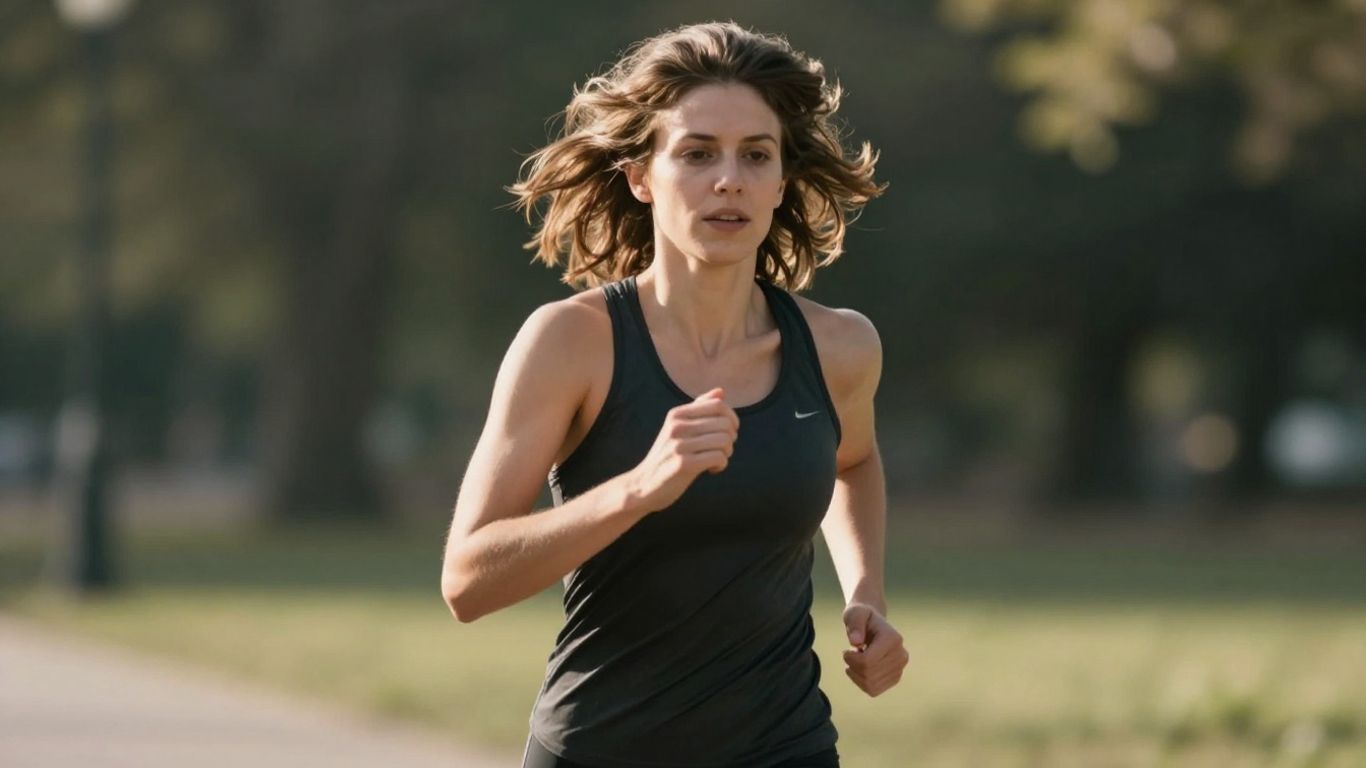
So, we've talked about the general idea of exercise and hair, but what about the specifics? Does pounding the pavement on a long run affect your hair differently than lifting heavy weights? Let's break down a few common types of exercise and see if there's anything to worry about.
Cardio's Effect on Circulation
When you go for a run, bike ride, or swim, your heart rate goes up. This increased heart rate means better blood flow throughout your entire body, and that includes your scalp. Think of it like giving your hair follicles a nice, warm drink of water and nutrients. Better circulation can potentially help hair grow stronger and healthier. It's one of those indirect benefits of cardio that people often overlook. So, while you're getting your steps in, your hair might be thanking you.
Strength Training and Hormonal Responses
Now, let's talk about hitting the weights. Strength training, especially lifting heavy, can cause a temporary spike in hormones like testosterone. For folks genetically predisposed to male or female pattern baldness, testosterone can convert into DHT, which is known to shrink hair follicles. However, this is a complex issue. For most people, these hormonal shifts from a typical workout are minor and temporary. It's not like your gym session is instantly triggering baldness. In fact, moderate exercise can actually help balance hormones overall. The key here is moderation and listening to your body; overtraining is a different story.
The Myth of Weightlifting Causing Baldness
This is a big one. The idea that lifting weights directly causes baldness is mostly a myth. As we touched on, there's a hormonal link, but it's usually only a factor for those already genetically susceptible. For the vast majority of people, weightlifting doesn't cause hair loss. Instead, it can improve overall health, which indirectly supports hair health. Some studies have even explored the relationship between hair loss and exercise, suggesting that while direct causation is unlikely, indirect factors might warrant further investigation [2a65].
Here's a quick rundown of common exercise types and their general impact:
- Cardio: Boosts circulation, potentially benefiting hair follicles.
- Strength Training: Can cause temporary hormonal shifts, but usually not enough to cause hair loss in most individuals.
- High-Intensity Interval Training (HIIT): Can increase stress hormones if overdone, but moderate sessions are generally fine.
It's important to remember that the body's response to exercise is highly individual. What might cause a slight hormonal fluctuation in one person could have no noticeable effect on another. Focusing on a balanced approach to fitness, including adequate rest and recovery, is more important than fearing specific exercise types.
If you're concerned about hair loss, it's always a good idea to chat with a doctor or a dermatologist. They can help figure out if something else is going on, separate from your workout routine.
Strategies for Maintaining Hair Health During Fitness Regimens
So, you're hitting the gym, crushing your workouts, and feeling great. That's awesome! But maybe you've started to wonder if all that sweat and effort is doing anything to your hair. It's a common question, and the good news is, you can absolutely keep your hair looking its best while staying fit. It's all about being smart with your diet, your hygiene, and how you manage stress.
Dietary Recommendations for Stronger Hair
Think of your hair follicles like tiny plants. They need the right nutrients to grow strong and healthy, especially when your body is working hard. Intense exercise can ramp up your body's needs, so making sure you're eating right is super important. You want to focus on foods packed with protein, iron, zinc, and biotin. These are the building blocks and helpers for hair growth. Don't forget about omega-3 fatty acids, either; they're great for keeping your scalp healthy and nourished.
Here’s a quick rundown of what to aim for:
- Protein: Hair is mostly keratin, which is a protein. Get it from lean meats, fish, eggs, beans, and lentils.
- Iron: Low iron can lead to hair thinning. Red meat, spinach, and fortified cereals are good sources.
- Zinc: Helps with hair tissue growth and repair. Oysters, pumpkin seeds, and beef are good options.
- Biotin: Often linked to hair health. You can find it in eggs, nuts, and sweet potatoes.
- Omega-3s: Found in fatty fish like salmon, as well as flaxseeds and walnuts.
Remember, a balanced diet is key. Extreme dieting or cutting out entire food groups can actually do more harm than good for your hair, especially when you're physically active.
Stress Management Techniques
We all know exercise can be a stress reliever, but sometimes, really intense training can actually add to your body's stress load. When your body is under a lot of stress, it can sometimes signal your hair follicles to go into a resting phase, leading to more shedding. Finding ways to manage this stress is a big part of keeping your hair healthy. This could mean making sure you get enough sleep, practicing mindfulness or meditation, or even just taking a rest day when your body needs it. It’s about finding that balance so your workouts help you, not overwhelm you.
Proper Hair and Scalp Care Practices
Sweat is a natural part of working out, but letting it build up on your scalp isn't ideal. Sweat mixed with oils and dirt can clog your hair follicles, leading to irritation or even infections that can affect hair growth. The simplest solution? Wash your hair regularly, especially after a sweaty session. Use a mild shampoo that cleans without stripping your scalp of its natural oils. Also, try not to wear tight hats or headbands for extended periods during your workout, as they can trap heat and sweat. Keeping your scalp clean and healthy is just as important as the workout itself. Improving circulation to the scalp through exercise can really benefit your hair roots, making them stronger and leading to shinier hair. Check out scalp circulation benefits.
Here are some practical tips:
- Rinse or Wash: Always rinse your hair after sweating, and wash it with a gentle shampoo after intense workouts.
- Gentle Products: Opt for sulfate-free shampoos and conditioners.
- Avoid Tight Gear: Give your scalp some breathing room; don't wear constricting headwear for too long.
- Scalp Massage: Gently massaging your scalp can help boost blood flow.
When to Seek Professional Advice for Hair Concerns
Okay, so we've talked a lot about how exercise and hair loss aren't really linked in the way some people think. But, let's be real, sometimes hair loss is a thing, and it's not always just about your workout routine. If you're noticing more hair in your brush than usual, or seeing thinning patches, it might be time to chat with someone who actually knows their stuff.
Identifying Signs of Excessive Hair Loss
It's normal to shed some hair every day – like, up to 100 hairs. That's just part of the hair's life cycle. But when it feels like way more than that, or if you see specific patterns, pay attention.
Here are some red flags:
- Sudden or patchy hair loss: This isn't gradual thinning. It's like clumps of hair falling out, or bald spots appearing out of nowhere. This could point to things like alopecia areata.
- Scalp issues: If your scalp is itchy, red, or sore along with the hair loss, there might be an infection or some kind of inflammation going on.
- No change with basic care: You've tried gentler shampoos, maybe a different conditioner, and still, nothing seems to help the shedding. This suggests the problem might be deeper than just your hair products.
- Noticeable thinning: If you can easily see your scalp through your hair, or your ponytail feels significantly thinner, that's a sign worth investigating.
Remember, hair loss can really mess with your head. It's totally okay to feel upset or anxious about it. Finding ways to cope, whether it's talking to friends, joining a support group, or just practicing some self-care, can make a big difference in how you feel.
Consulting Dermatologists and Trichologists
So, you've spotted some of those signs. What's next? You need to see a professional. Dermatologists are skin doctors, and many specialize in hair and scalp issues. Trichologists are even more focused, specifically studying hair and scalp health. They're the ones who can figure out why you're losing hair.
They'll likely:
- Ask about your health history and family history.
- Take a close look at your scalp and hair.
- Maybe order some blood tests to check for things like vitamin deficiencies or hormone imbalances.
- In some cases, they might do a small scalp biopsy.
Based on all that, they can put together a plan that's just for you. It might involve special shampoos, medications, or even treatments like Platelet-Rich Plasma (PRP) therapy. It's not a one-size-fits-all situation.
Understanding Medical Treatments for Hair Loss
If a doctor determines there's an underlying medical reason for your hair loss, they'll discuss treatment options. These can range quite a bit depending on the cause.
- Medications: Things like minoxidil (Rogaine) or finasteride are common for certain types of hair loss, like male or female pattern baldness.
- Therapies: Low-Level Laser Therapy (LLLT) uses light to stimulate hair follicles. Platelet-Rich Plasma (PRP) therapy involves injecting your own concentrated platelets into the scalp.
- Lifestyle Adjustments: Sometimes, fixing a nutritional deficiency or managing stress can significantly help hair regrowth.
It's important to have a good chat with your doctor about what to expect with any treatment – how long it takes, potential side effects, and what the success rate might be. Patience is key here; hair doesn't grow back overnight!
So, Does Working Out Make You Lose Your Hair?
Alright, let's wrap this up. The big takeaway here is that hitting the gym or going for a run isn't directly causing your hair to fall out. Most of the time, what we think is exercise-related hair loss is actually down to other things. Think stress from overdoing it, not eating right to fuel both your body and your hair, or just not keeping your scalp clean after a sweaty session. These can all mess with your hair. But the actual exercise? It usually helps blood flow, which is good for your scalp. So, keep moving, eat well, manage your stress, and wash your hair. If you're still worried about losing hair, it's always a good idea to chat with a doctor. They can figure out if something else is going on.
Frequently Asked Questions
Can working out too much make me lose my hair forever?
Working out too much by itself won't make your hair fall out permanently. But, if you push your body too hard, it can create stress hormones that might cause your hair to shed temporarily. If you're already prone to going bald because of your genes, really tough workouts might speed things up a bit because of a hormone called DHT. But for most people, this is not a permanent problem.
Does sweating in the gym make my hair fall out?
Sweat itself doesn't cause hair loss. The real issue happens when sweat, dirt, and oil build up on your scalp. This can block your hair roots, leading to itchy scalp problems or even infections that can make your hair fall out. To keep your scalp healthy, it's a good idea to wash your hair after a sweaty workout and avoid wearing super tight hats or headbands that trap moisture.
Do protein shakes or creatine cause hair loss?
Protein shakes, when they're just protein, usually don't cause hair loss. They can actually help your hair stay strong. Some research suggests that creatine might increase a hormone called DHT, which can be a problem for people who are already likely to lose their hair. So, it's good to be aware, but it's not a guaranteed cause of hair loss for everyone.
Can doing cardio help my hair grow better?
Yes, doing cardio is great for your hair! When you exercise, your blood flows better all over your body, including to your scalp. This improved blood flow can help bring more nutrients and oxygen to your hair roots, which can encourage healthier hair growth. Think of it as giving your hair follicles a nice boost!
Is it true that lifting weights can make guys go bald?
This is a common worry, but lifting weights doesn't directly cause baldness. While intense workouts can cause a temporary increase in hormones like testosterone and DHT, which are linked to male pattern baldness in those who are genetically predisposed, the act of lifting weights itself isn't the culprit. The key is genetics and how your body reacts to hormonal changes.
What's the best way to keep my hair healthy if I work out a lot?
To keep your hair healthy while staying fit, focus on a few things. Eat a balanced diet with plenty of protein, vitamins, and minerals. Manage your stress levels through relaxation or hobbies. Make sure to wash your hair regularly, especially after sweating, to keep your scalp clean and healthy. Also, try not to wear super tight hairstyles that pull on your hair roots.