

Can Working Out Cause Hair Loss? Separating Fact From Fiction
So, you've been hitting the gym, feeling great, but then a little voice in the back of your head starts whispering, 'Can working out cause hair loss?' It's a common worry, especially with all the fitness supplements and intense training out there. We hear a lot of talk about hormones, genetics, and even what we eat. But what's actually true? Let's try to sort out the facts from the fiction about exercise and your hair.
Key Takeaways
- Intense workouts might affect hair health, but regular exercise generally supports scalp circulation and can be good for your hair.
- The idea that creatine causes hair loss comes from a single study showing increased DHT, but this hasn't been proven in other research and didn't show actual hair loss.
- Genetics play a big role in hair loss, specifically how sensitive your hair follicles are to hormones like DHT, and this sensitivity comes from both parents.
- High testosterone doesn't directly cause hair loss; it's your genetic sensitivity to DHT, a byproduct of testosterone, that matters.
- Things like stress, poor nutrition, and certain lifestyle choices can temporarily impact hair shedding, but they aren't usually the main cause of permanent hair loss.
Understanding The Link Between Exercise And Hair Loss
The Impact of Intense Workouts on Hair Health
There’s a lot of talk at the gym about intense workouts and whether they can make your hair fall out. The truth is, most people won’t notice any change in their hair from regular exercise routines. But when you push your body with extreme training, especially if you’re a competitive athlete, things can get a little complicated.
Here are some reasons why super intense workouts might mess with your hair:
- Overtraining can raise stress hormones like cortisol, which sometimes leads to temporary hair shedding (this is called telogen effluvium).
- Athletes who use anabolic steroids may see changes in hair due to shifting hormone levels.
- Extreme dieting or inadequate nutrition, sometimes seen in training, can reduce the body’s ability to nourish hair.
If you suddenly notice a lot of hair falling out after ramping up your workouts, it might be your body telling you it needs a break—or better nutrition, not a sign that you need to quit exercise.
How Regular Exercise Supports Scalp Circulation
On the bright side, working out regularly is actually good for your hair, not the other way around. When you get your blood pumping, there’s more flow to your scalp and hair follicles. This means your roots get more oxygen and nutrients, which keeps hair healthier in the long run.
Benefits of moderate exercise for hair health:
- Better blood flow to the scalp
- Improved delivery of vitamins and minerals to hair roots
- Helps manage daily stress, which reduces the risk of stress-related hair shedding
Here’s a quick rundown:
| Exercise Type | Effect on Hair |
|---|---|
| Moderate cardio | Supports healthy growth |
| Intense overtraining | May trigger hair shedding |
| Resistance training | No direct effect (when balanced) |
Factors Beyond Exercise in Extreme Training Regimens
It’s rarely just exercise that causes problems—other factors tied to a hardcore fitness lifestyle usually play a bigger part in hair loss:
- Supplements and steroids: Some substances used for performance (like anabolic steroids) can influence hormones linked to hair shedding.
- Chronic calorie restriction: Not eating enough can starve your body of the nutrients that your hair needs to stay strong.
- Constant high stress: Pushing yourself hard all the time can spike stress hormones, which isn’t great for your hair.
Most folks don’t have to worry about losing hair just from heading to the gym. The real problems tend to show up when training gets excessive, and nutrition or recovery are ignored.
In the end, a typical workout schedule is safe for your scalp. The rare cases of hair loss are usually tied to something outside your daily jog or usual weightlifting routine.
Debunking The Creatine And Hair Loss Myth
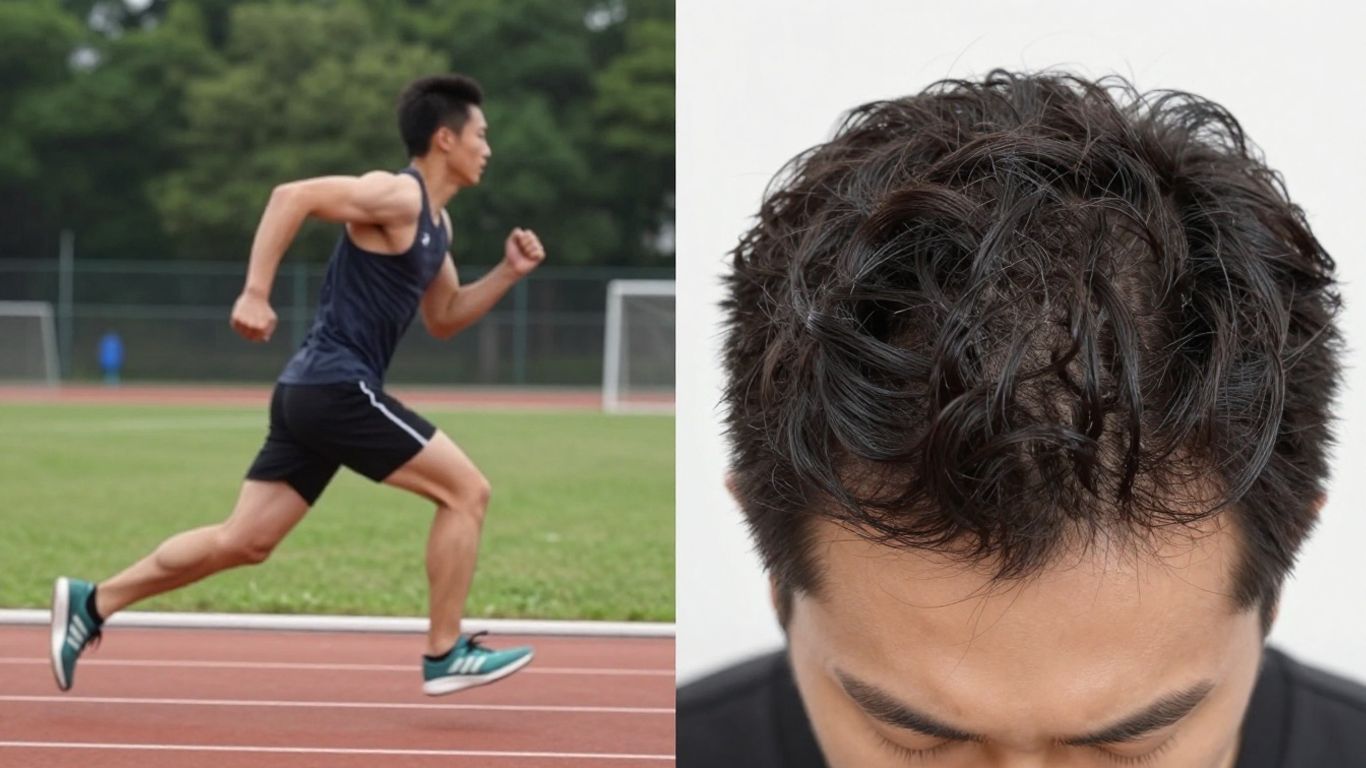
Okay, let's talk about creatine. It's everywhere in the fitness world, right? People swear by it for building muscle and getting that extra push in their workouts. But then you hear it: "Creatine makes your hair fall out!" It's a pretty common worry, and honestly, it stops a lot of people from even trying it. So, does hitting the gym harder with creatine mean you're destined for a bald head?
The Origin of the Creatine Hair Loss Rumor
The whole creatine-hair loss connection really kicked off because of one study from way back in 2009. This study looked at some college rugby players who were taking creatine. What they found was that these players had higher levels of a hormone called DHT. Now, DHT is a big deal because it's known to be linked to male pattern baldness. The idea is that DHT can attach to your hair follicles and, over time, make them shrink, which can lead to thinning hair. Because the study showed this hormone increase, people just sort of assumed that creatine must be the culprit for hair loss.
Examining the DHT Hormone Connection
So, what's the deal with DHT? Basically, it's a byproduct of testosterone. An enzyme in your body converts some testosterone into DHT. In people who are genetically predisposed to hair loss, DHT can bind to the hair follicles on your scalp. This binding can make the follicles smaller and shorter, and eventually, they might stop producing visible hair. It's a slow process, and it's not the same for everyone. Your genes play a huge role in how sensitive your hair follicles are to DHT.
What the Broader Scientific Evidence Reveals
Here's the thing: that one 2009 study is pretty much where the rumor started, and it hasn't really been proven since. For starters, the study didn't actually show any hair loss in the players; it just measured hormone levels. Plus, the sample size was pretty small – only 16 guys. Since then, a bunch of other studies have looked into creatine and hormones, and most of them haven't found any significant changes in DHT or testosterone levels. Some studies even found that intense exercise itself can cause temporary hormone fluctuations, creatine or not. The general consensus among researchers now is that there's no solid evidence to say that creatine directly causes hair loss. It seems like the fear is mostly based on that one initial finding that hasn't held up.
It's easy to get caught up in rumors, especially when it comes to something as personal as hair. But when you look at the science, the link between creatine and hair loss is pretty weak. Most of the time, if you're experiencing hair thinning, it's more likely due to genetics or other lifestyle factors than a supplement like creatine.
Genetics: The Primary Driver Of Hair Loss
When we talk about why some people lose their hair and others don't, genetics often comes up. And for good reason. It's really the main player in the whole hair loss story for most folks. Think of it like inheriting your eye color or your height; your genes from both your mom and dad set the stage for what might happen with your hair down the line. It's not just one gene, either. Recent research shows it's a bunch of them working together, influencing how hair follicles grow, survive, and react to hormones. This complex interplay is why hair loss can look so different from person to person. Understanding these genetic factors is key to comprehending the mechanisms behind hair loss.
How Genes From Both Parents Influence Hair Loss
For a long time, there was this idea that baldness was passed down only from your mother's side. That's a bit of an old wives' tale, honestly. The truth is, you get genetic blueprints from both your parents that can contribute to hair thinning or loss. So, if hair loss is something that runs in your family, whether it's on your dad's side or your mom's, it could definitely play a role in your own hair journey. It's a team effort from your parents' genes.
Understanding Genetic Sensitivity to DHT
Now, let's talk about DHT, or dihydrotestosterone. It's a hormone that's a byproduct of testosterone. For most people, DHT isn't a big deal. But if you've inherited genes that make your hair follicles super sensitive to it, even small amounts of DHT can signal those follicles to start shrinking. Over time, this shrinking can lead to thinner hair and eventually, hair loss. It's not about having too much testosterone; it's about how your individual hair follicles react to DHT. This sensitivity is purely genetic. If you're curious about your predisposition, talking to a specialist can help you understand your unique situation.
Genetics vs. Lifestyle Choices in Hair Health
While genetics lays a lot of the groundwork, it's not the only thing that matters. Lifestyle choices can certainly influence how or when your genetic predisposition might show up. Things like diet, stress levels, and even how you care for your hair can have an impact. However, when it comes to the underlying tendency for hair loss, especially male or female pattern baldness, genetics is usually the primary driver. It's like having a loaded gun; genetics might provide it, but lifestyle factors can sometimes be the trigger that makes it fire. So, while you can't change your genes, you can make choices that support overall hair health and potentially mitigate some of the effects of your genetic makeup. If you're noticing changes, getting a professional opinion is always a good idea.
It's easy to get caught up in blaming external factors for hair loss, but the reality is that your genetic inheritance plays the most significant role in determining your susceptibility to conditions like androgenetic alopecia. While lifestyle adjustments can support hair health, they rarely override a strong genetic predisposition.
Hormonal Influences On Hair Follicles
Testosterone's Role and DHT Production
Okay, let's talk hormones. You might have heard that having too much testosterone can lead to hair loss, and it's a common idea, especially with how we see athletes portrayed. But here's the thing: it's not usually the sheer amount of testosterone that's the direct culprit. Instead, it's a specific byproduct of testosterone called dihydrotestosterone, or DHT, that plays a bigger role. Your body converts testosterone into DHT, and it's DHT that can actually interact with your hair follicles.
Genetic Sensitivity to Hormonal Changes
This is where genetics really comes into play. Think of it like this: everyone has testosterone and produces some DHT. But not everyone's hair follicles react the same way to DHT. If your genes make your hair follicles particularly sensitive to DHT, even normal levels can trigger thinning and hair loss. For people whose follicles aren't sensitive, higher DHT levels might not cause any noticeable thinning at all. It’s this genetic predisposition that determines how your hair responds to these hormonal shifts.
Managing Hormonal Impacts on Hair
So, what can you do if you're concerned about hormones and hair loss? Well, since it's often about that genetic sensitivity to DHT, many treatments focus on managing DHT levels or blocking its effects on the scalp.
Here are a few common approaches:
- Medications: There are prescription drugs designed to lower DHT production or block it from reaching your hair follicles. These can be quite effective for many people.
- Lifestyle Adjustments: While not a direct fix for hormonal hair loss, managing overall stress levels is important. High stress can sometimes lead to temporary hair shedding, and keeping it in check supports general well-being, including hair health.
- Nutritional Support: Ensuring you have a balanced diet rich in vitamins and minerals is always a good idea. While diet alone won't stop genetically driven hair loss, deficiencies can certainly make existing thinning worse.
It's easy to get caught up in the idea that a single hormone is solely responsible for hair loss. The reality is more nuanced, involving a complex interplay between your body's natural hormone production and your unique genetic makeup. Understanding this connection is the first step toward finding effective strategies.
If you're noticing changes in your hair and suspect hormones might be a factor, talking to a doctor or a dermatologist is the best next step. They can help figure out if your hair loss is indeed related to hormonal influences and what specific management plan might work best for you.
Lifestyle Factors That Can Affect Hair Health
Sometimes, everyday habits mess with your hair more than you think. Some things people worry about don’t really matter, while others make a bigger splash than expected. Here’s where lifestyle choices fit in when it comes to healthy hair.
The Truth About High-Sodium Diets
Eating a lot of salt probably won’t make your hair fall out right away. But overdoing it on sodium can raise blood pressure and hurt circulation, which means your scalp might not get all the nutrients it needs. That weakens hair growth over time. It’s about patterns and long-term health, not a single slice of pizza.
Potential side effects of a diet that's too high in sodium:
- Poor circulation, including in your scalp
- Harder time delivering vitamins and minerals to hair roots
- Higher risk of heart and kidney problems, which can impact hair indirectly
If you want active, healthy hair, keep salt in check. Most folks get more than they think—lots of packaged food hides sodium.
Stress and Its Temporary Impact on Hair Shedding
Stress hits people in some weird ways. Ever found extra hair in your brush after a rough patch? That's not your imagination. High stress can trigger something called telogen effluvium. It's when more hairs than usual slip into their rest phase and then shed all at once a few months later. The good news: stress-related shedding doesn’t usually last.
Here's what stress can do to your hair:
| Type of Stress | Possible Effect on Hair | How Long It Lasts |
|---|---|---|
| Acute (sudden event) | Temporary shedding/spilling | Usually resolves in 6-12 weeks |
| Chronic (long-term worry) | Ongoing thinning/shedding | Can linger unless stress managed |
Sometimes, life just piles on and your hair lets you know by thinning a bit. The fix isn’t instant, but once things calm down, hair can spring back.
Nutritional Deficiencies and Hair Growth
Your hair is picky. It needs a steady mix of nutrients to grow at its best. If you skip stuff like iron, vitamin D, B vitamins, or protein for a while, your hair may suffer—going limp, thinning out, or not growing as fast.
Here are common nutrients linked to better hair growth:
- Iron: Too little can cause shedding—especially for women
- Protein: Hair strands are mostly protein; skimpy intake stalls growth
- Vitamin D: Linked to hair cycle health
- B Vitamins (like B12 and Biotin): Support cell growth, including hair cells
- Zinc: Deficiency sometimes shows up as patchy shedding
A well-rounded diet usually keeps your hair happy, but restrictive eating or medical conditions might need extra support from a doctor.
It’s wild how much your daily choices—what you eat, how you handle stress, and even hydration—show up on your scalp. Give your body those basics, and your hair gets a fighting chance.
Common Misconceptions About Hair Loss
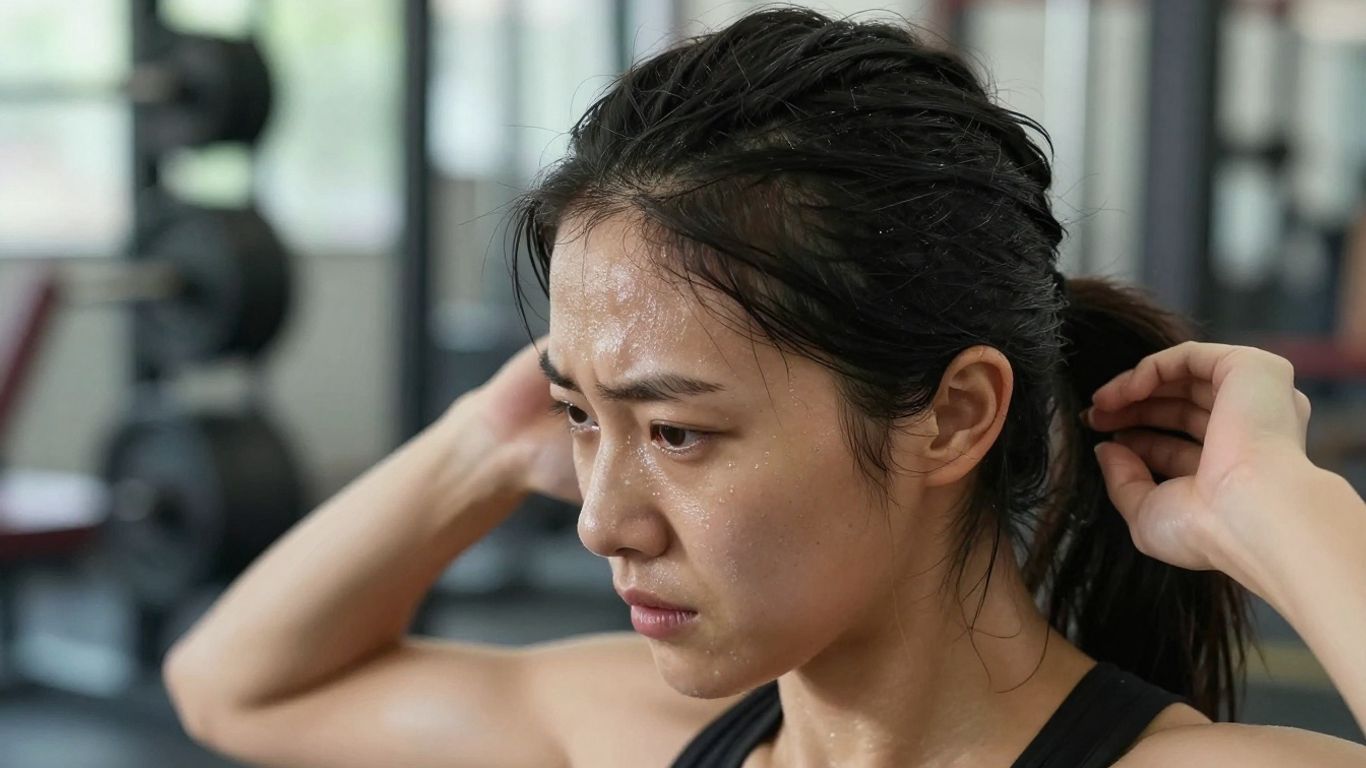
When it comes to losing hair, all kinds of wild claims seem to circulate. Some things get repeated so often, people start to believe them without a second thought. Let’s straighten out the story and look at a few popular myths—and reality.
Does Sleeping Position Cause Hair Loss?
A lot of people are convinced that favoring one side while sleeping presses so hard on the hair follicles that it makes them give up and stop growing hair for good. In reality, your sleeping habits have nothing to do with hair loss. The average person tosses and turns at night, so no one area of your scalp takes all the pressure. The tiny blood vessels supplying your hair are well-protected, and the main reason hair thins or falls out boils down to your genetics and hormones, not your pillow habits.
It’s reassuring to know you don’t have to master new sleep routines just to hang onto your hairline.
The Role of Frequent Shampooing
Another old chestnut says that washing your hair too often can make it fall out faster. Here’s the truth: As long as you’re not using harsh, stripping products every single day, shampooing isn’t going to sabotage your scalp. Gentle cleaning actually helps hair growth by removing oils and buildup that could block follicles. Sometimes you see more hair in the drain, but most of that is shedding naturally—a daily part of the hair growth cycle.
Simple Shampooing Tips:
- Choose a gentle, sulfate-free shampoo for regular washing.
- Don’t scrub or pull hard on your scalp.
- Focus conditioner on the hair ends, not the scalp itself.
Intelligence and Hair Loss: Separating Fact From Fiction
There’s a rumor floating around that smart people end up bald because of all their thinking or extra blood flow to the brain. This one has no science behind it—zero. Hair loss is not a measure of your IQ, not even a little bit. The only link between mental activity and hair is that high stress (like cramming for an exam) sometimes triggers a temporary increase in shedding, but this is unrelated to how smart you are or how hard you think.
You can be an absolute genius or just average in smarts—how much hair you lose is controlled by genes and hormones, not your intelligence.
For more details on genuine causes of hair thinning, including genetics, hormones, nutrition, and more, it’s helpful to check current research on hair loss factors. The more you know, the easier it is to ignore those hair loss myths that never seem to go away.
Conclusion
So, can working out really make your hair fall out? For most people, the answer is no. Regular exercise is actually good for your body and your hair, since it helps with blood flow and overall health. The stories about creatine or too much testosterone causing hair loss are mostly myths or misunderstandings. Sure, if you’re pushing your body to the extreme, skipping meals, or using certain supplements, you might run into problems—but that’s not the case for the average gym-goer. Genetics, stress, and diet play a much bigger role in hair loss than your workout routine. If you’re worried about thinning hair, it’s always a good idea to talk to a doctor or dermatologist. They can help you figure out what’s really going on and what you can do about it. Bottom line: keep moving, eat well, and don’t let hair loss rumors keep you from hitting the gym.
Frequently Asked Questions
Does intense exercise cause hair loss?
While super tough workouts might affect your hair, regular exercise actually helps your scalp by improving blood flow, which is good for hair growth. Problems usually pop up with extreme training, like using steroids or not getting enough nutrients, not just from the workout itself.
Is the rumor that creatine makes you go bald true?
The idea that creatine causes hair loss comes from one study that showed a temporary rise in a hormone called DHT. However, this study didn't actually show hair loss, and other research hasn't found a link between creatine and going bald. So, for most people, it's likely a myth.
Can my parents' genes cause me to lose hair?
Yes, genes from both your mom and dad can play a role in hair loss. If your hair follicles are more sensitive to certain hormones because of your genes, you might experience thinning more easily.
Does having more testosterone mean I'll lose my hair?
It's not just about having high testosterone. Your hair loss depends more on how sensitive your hair follicles are to a hormone called DHT, which comes from testosterone. If your genes make your follicles sensitive, even small amounts of DHT can lead to thinning.
Can eating too much salt make my hair fall out?
Eating a lot of salt isn't good for your overall health and can lead to problems like high blood pressure, which can indirectly affect your hair over time. But, salt itself doesn't directly cause hair loss.
Will sleeping in a certain position cause hair loss?
No, how you sleep doesn't cause hair loss. People move around a lot during the night, and hair growth is mostly determined by your genes, not by pressure on your scalp while you sleep.