

Can Working Out Cause Hair Loss? Exploring the Link Between Exercise and Thinning Hair
Ever wondered, can working out cause hair loss? It’s a question that pops up for a lot of people who notice a few extra hairs in the shower after hitting the gym. Some folks blame sweat, hats, or even heavy lifting for their thinning hair. But is your workout routine really the culprit, or is something else going on? Let’s break down the facts, clear up the confusion, and see what really matters when it comes to exercise and your hair.
Key Takeaways
- Most regular workouts do not directly cause hair loss; genetics and hormones are usually bigger factors.
- Intense training, extreme dieting, or poor recovery can sometimes trigger temporary hair shedding.
- Supplements like protein shakes and creatine are generally safe for hair, but steroids can speed up hair loss if you’re already prone to it.
- Both men and women can see changes in hair from exercise, but the patterns and causes aren’t always the same.
- Good nutrition, proper scalp care, and balanced training can help keep your hair healthy while you stay active.
Can Working Out Cause Hair Loss: Fact Versus Fiction
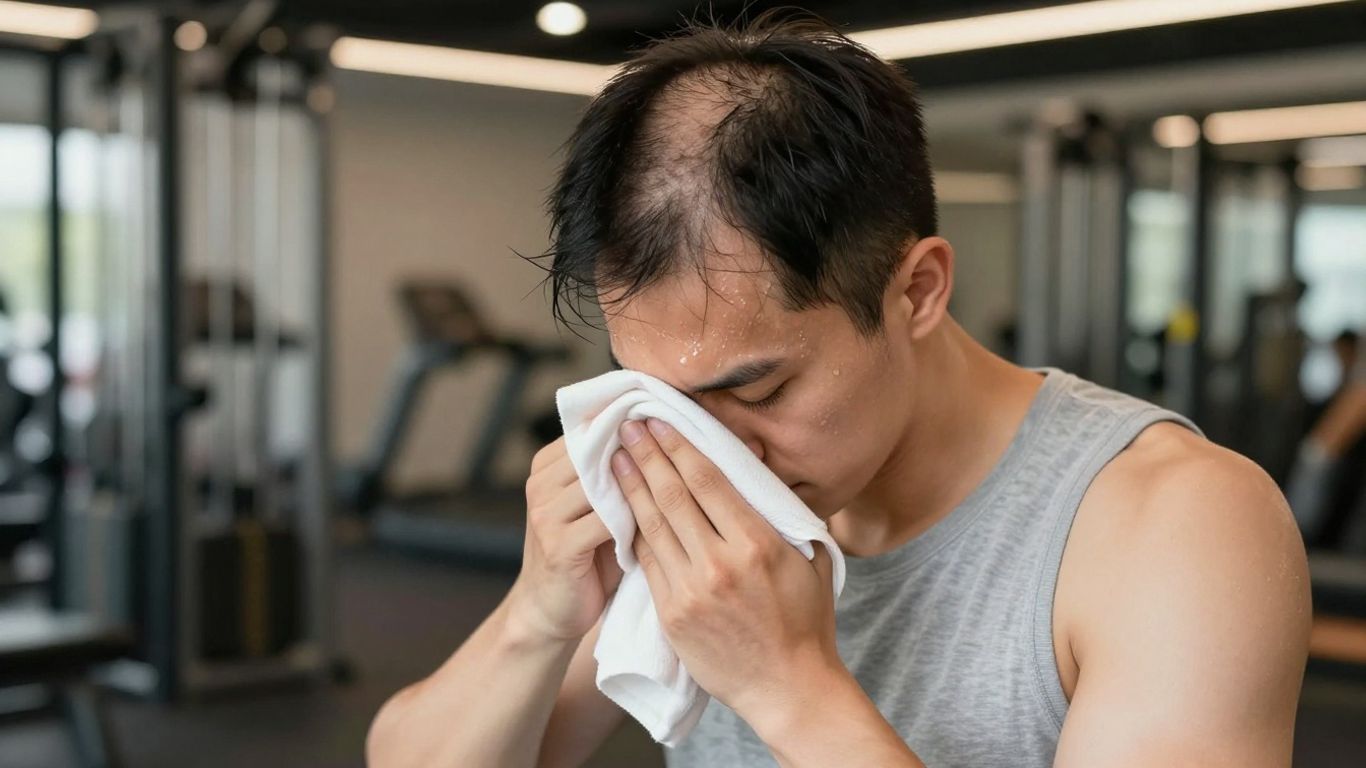
If you’re noticing extra hairs in the shower after a workout, you might be tempted to blame the gym. Let’s break down where the facts end and the fiction starts when it comes to exercise and hair loss.
Understanding Normal Hair Shedding
Most people shed between 50 and 100 hairs a day. This is just part of the natural cycle, not a sign your fitness habit is turning you bald. What counts as a red flag? If you see sudden, patchy shedding, receding hairlines, or your part getting wider, that’s more than routine turnover and could signal something else is up.
- Everyday shedding (50-100 hairs): totally normal.
- Visible thinning or patches: could be a medical condition like alopecia or telogen effluvium.
- Shedding that starts after big lifestyle changes (like a crash diet or sudden stress): worth mentioning to your doctor.
Noticing hair on your pillow or in your shower isn’t a crisis—most of the time, it’s no more worrying than losing a few eyelashes.
Common Myths About Exercise and Hair Loss
People have all sorts of ideas about workouts causing baldness, but most don’t hold up. Here are some of the biggest myths:
- Sweating causes hair to fall out. (Nope, unless you skip washing your scalp regularly and develop irritation.)
- Wearing hats at the gym makes you go bald. (Only if the hat’s tighter than your jeans from high school and rubs your scalp raw!)
- Lifting weights or cardio spikes hormones so much it triggers hair loss. (Testosterone changes from most workouts are small and short-lived.)
Why Genetics Matter More Than Gym Habits
When it comes to hair loss, family history is king. If thinning hair runs in your family, you may start to notice changes no matter how much you hit the weights or run miles. Exercise is actually good for your circulation and stress management, so it can indirectly help your hair, not harm it.
| Factor | Connection to Hair Loss |
|---|---|
| Genetics | Strongest influence |
| Hormones (DHT) | Matters if you’re sensitive |
| Exercise habits | Minor or little effect |
| Scalp hygiene | Can help hair stay healthy |
Realistically, it’s the stuff you can’t change—your DNA—that makes the biggest difference. Training hard might line you up for a six-pack or stronger quads, but it won’t change your genes.
When Exercise May Contribute to Hair Loss
Most of the time, working out actually supports healthy hair, but there are few situations where your fitness habits might lead to more strands on the shower floor. It's not the pushups or sprints themselves—it's the way you train, manage stress, and handle recovery that can make a difference. Let’s break down some ways a workout routine sometimes lines up with thinning hair.
Extreme Training and Overreaching
Pushing yourself hard in the gym isn’t always a good thing, especially if you jump into high-volume or super intense training really fast. Here’s what can happen:
- Sudden spikes in workout time or intensity can shock your body, nudging hair follicles into a resting or shedding phase.
- Marathon training, CrossFit competitions, or two-a-days without proper rest can tip the balance from healthy to too much.
- Overreaching (temporary, intense training) can sometimes turn into overtraining (chronic, with ongoing fatigue) if you don’t scale back soon enough.
The Role of Stress and Recovery
Even though exercise helps most people manage daily stress, hard workouts are themselves a stressor. If you don’t give your mind and body time to bounce back, things can unravel:
- Your body reads too much stress as a threat and may put hair growth on hold. The result—more shedding than usual, sometimes called telogen effluvium.
- Depriving yourself of sleep, staying wired on caffeine, or skipping rest days keeps your body in “fight or flight” mode.
- Outside of the gym, relationship, work, or financial strain can team up with training stress, making the problem worse.
Even the healthiest athletes can struggle with shedding during periods of high life and training stress—your hair’s a lot more reactive than you might expect.
Hormonal Fluctuations During Intense Workouts
Big changes in workout style can temporarily ripple through your hormones. That doesn’t automatically trigger baldness, but for some people, it matters:
- High-intensity workouts can cause short-term increases in cortisol and testosterone.
- If you’re already prone to conditions like androgenic alopecia (aka hereditary hair loss), these hormone bumps could speed up a shedding cycle.
- Women may experience changes in menstrual cycles or other hormone swings during extreme training, and hair health can react to that, too.
Here’s a quick comparison of how training habits can tip the scales on hair shedding:
| Habit | Impact on Hair |
|---|---|
| Moderate workouts | Usually supports growth |
| Extreme training block | May trigger shedding |
| Inadequate recovery | Higher risk for loss |
If you’re noticing more shedding and also really going full throttle with workouts—or not letting yourself rest—there’s a good chance those are connected. To balance your body and your hair, it’s about consistency and not letting the scale tip too far. Finding what’s right for you can keep both your scalp and the rest of your body in a good place. Turns out, sticking to overall healthy habits is key, just like staying balanced in fitness and nutrition.
Nutritional Factors Linking Workouts and Hair Health
Impact of Crash Diets and Caloric Deficits
Going hard in the gym and cutting calories at the same time might sound like the recipe for fast results, but it can actually backfire for your hair. Severe caloric deficits or sudden crash diets send a signal to your body that energy is scarce, so it starts prioritizing essential organs—meaning less energy goes to things like hair growth. This sometimes puts more hairs than usual into a resting (and eventually, shedding) phase. Many people notice the shedding only weeks after a diet phase, which can be really confusing.
• Habitual low-calorie intake often triggers telogen effluvium, a temporary hair shedding pattern.
• Quick weight loss and drastic meal reductions hit hair hardest.
• Most hair recovers if normal eating resumes, but prolonged under-eating can cause lingering problems.
If you’re losing hair after a round of dieting, odds are it’s a temporary thing—the fix is likely nourishing your body with enough fuel during and after tough workouts.
Micronutrient Deficiencies and Hair Shedding
Pushing your training volume up or training for an event? If your meals don't keep up, you might miss out on key vitamins and minerals that support hair follicles. Even if you eat enough calories, missing important nutrients—like iron, vitamin D, or B-vitamins—can show up as increased shedding or lackluster regrowth. According to key nutrients essential for healthy hair growth, omega-3 fatty acids, iron, vitamin C, and protein all play an important role.
Here's a look at some main nutrients and how they matter:
| Nutrient | Role in Hair | Signs of Deficiency |
|---|---|---|
| Iron | Supports new growth | Thinning, breakage |
| B vitamins | Cell turnover | Shedding, slow growth |
| Protein | Hair shaft building | Brittle, weak hair |
| Omega-3s | Scalp hydration | Dry, itchy scalp |
| Vitamin C | Absorption of iron | Dullness, slow growth |
Balanced Diets to Support Hair During Training
You genuinely don’t need anything fancy. If you work out, basic nutrition rules protect your hair:
- Eat enough total calories—consistently.
- Get protein with every meal, plus a mix of veggies, grains, and healthy fats.
- Don’t skip on iron, zinc, and B12 (especially if you eat plant-based).
- Make sure you’re getting omega-3s for scalp support.
- Hydrate well, since a healthy scalp starts with good circulation.
A balanced approach gives your workouts fuel and keeps your hair happy. Extreme meal plans or specializing in just one nutrient group leaves hair roots vulnerable.
Keeping nutrition on track isn’t just for performance—it matters for your hair’s health while you push toward fitness goals.
Hormones, DHT, and the Exercise-Hair Loss Debate
Temporary Testosterone Spikes from Exercise
When you hit the gym, your body naturally ramps up production of certain hormones, including testosterone. This is a normal response to physical exertion, helping your body manage energy and build muscle. Think of it like your body's way of saying, "Okay, we're working hard, let's get ready." These testosterone levels usually peak shortly after your workout and then settle back down to their normal range within a couple of hours. For most people, these temporary hormonal shifts aren't enough to cause significant hair loss. It's a short-lived boost, not a permanent change that would typically drive conditions like male pattern baldness.
How DHT Affects Hair Follicles
Now, let's talk about DHT, or dihydrotestosterone. This is where things get a bit more complex. DHT is a more potent form of testosterone, and it's the main culprit behind androgenetic alopecia, also known as male or female pattern hair loss. It happens when testosterone is converted into DHT by an enzyme called 5-alpha reductase. If you're genetically predisposed to DHT sensitivity, this hormone can bind to receptors in your hair follicles. Over time, this can cause the follicles to shrink, a process called miniaturization. This shrinking makes it harder for the follicles to produce healthy, thick hair, eventually leading to thinning and hair loss.
Genetic Susceptibility to Androgenic Hair Loss
Here's the really important part: your genetics play a much bigger role in androgenic hair loss than your workout routine. The way your body converts testosterone to DHT, and how sensitive your hair follicles are to DHT, is largely determined by your DNA. So, while exercise might cause a temporary blip in hormone levels, it's your genetic makeup that dictates whether you're likely to experience pattern hair loss. If you're not genetically susceptible, those post-workout testosterone spikes are unlikely to cause any noticeable hair thinning. It's a bit like having a predisposition to something – exercise might nudge it, but it won't create it out of thin air.
Here's a quick look at the key players:
- Testosterone: Hormone that increases during exercise, but levels return to normal quickly.
- DHT (Dihydrotestosterone): The hormone linked to pattern hair loss. It's a conversion product of testosterone.
- Genetics: Determines your sensitivity to DHT and your likelihood of experiencing pattern hair loss.
It's easy to get caught up in the idea that every change in your body is directly linked to your habits. But when it comes to hair loss, especially the common thinning types, the underlying genetic blueprint is usually the main driver. Think of exercise as a minor character in a much larger story.
Factors Influencing DHT Conversion and Sensitivity
- Genetics: As mentioned, this is the primary factor. Some people naturally convert more testosterone to DHT, or their follicles are more sensitive to DHT's effects.
- Age: Hormone levels and sensitivity can change as we get older.
- Medications: Certain drugs can affect the 5-alpha reductase enzyme and thus DHT levels.
- Overall Health: Chronic stress and poor nutrition can sometimes influence hormonal balance, though their direct link to causing DHT-related hair loss is less clear than genetics.
Supplements, Pre-Workouts, and Their Effects on Hair
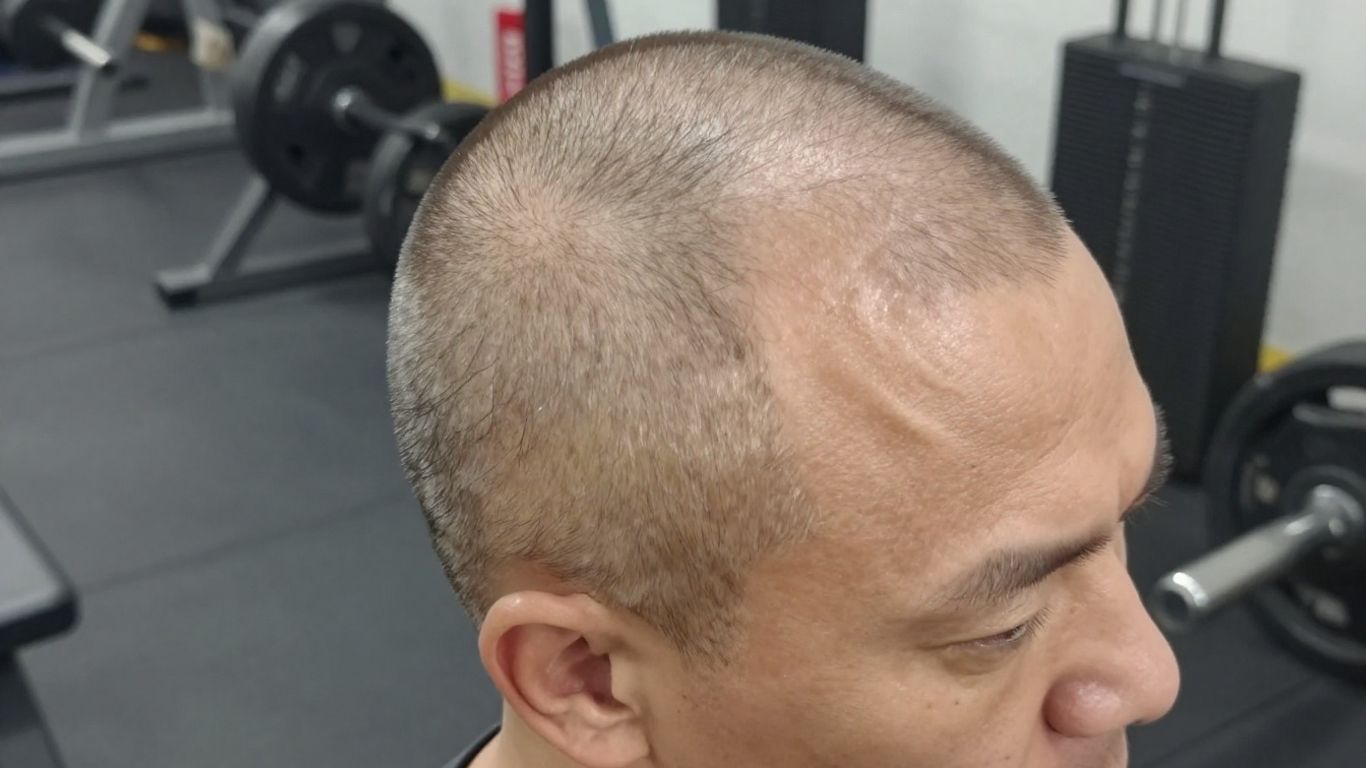
The supplement industry is booming, and everywhere you look, someone is shaking up a brightly-colored powder before hitting the gym. But if you’re worried about your hair thinning out from these pre-workout mixes or protein shakes, you’re not alone. Let’s break down how the usual suspects—creatine, protein powders, BCAAs, and even steroids—really interact with your hair and scalp.
Creatine, Protein, and BCAA Myths
Many people have heard rumors that creatine causes baldness. Here’s the truth: there’s no direct proof that creatine or regular protein shakes trigger hair loss. A few studies have pointed out that creatine can push up DHT (a hormone linked to male pattern baldness) a little, but they don’t show it leads to more hair falling out. BCAAs and whey protein are often suspected because they help you recover faster, but there’s no scientific link between these and hair thinning.
| Supplement | Direct Link to Hair Loss | Common Concerns |
|---|---|---|
| Creatine | None proven | Possible DHT increase |
| Protein Powders | None proven | Myths about hair breakage |
| BCAAs | None proven | Misunderstandings online |
- Most supplement rumors start with individual stories, not real research.
- Normal use (if you’re sticking to recommended amounts) is not considered risky for your hairline.
- Real issues show up only with unusually high doses, or if you’re overtraining and under-eating.
Steroid Use and Accelerated Shedding
Here’s where things change. Anabolic steroids aren’t the same as your basic protein or caffeine powder. They mess with hormone levels in a very different way. Users often notice:
- Faster, earlier onset of male-pattern hair loss (if you’re genetically sensitive).
- Shedding that sometimes doesn’t slow down even after you stop using the drugs.
- More dramatic effects than you’d ever see with legal pre-workout ingredients.
If you’re seeing major hair thinning and have used or are using steroids, the most likely explanation isn’t the powdered supplements—it’s the steroids themselves, as these directly fuel the processes behind pattern baldness.
Nutritional Supplements and Hair Wellness
While supplements can’t fix what your genetics have planned, some people use products designed to support hair growth during heavy training cycles. Multivitamins, iron, biotin, zinc, and vitamin D are the most common.
Here’s what matters most:
- Genuine deficiencies (iron, D, zinc) can absolutely cause temporary hair loss.
- Extra biotin and collagen powders won’t do much unless your levels are truly low.
- Balanced eating trumps any supplement when it comes to healthy hair.
If your training pushes you to cut calories or skip food groups, that’s when carefully chosen supplements might be necessary just to keep all your hair on your head. Outside of that, most of those shiny bottles in the gym aisle are probably more about marketing than actual hair support.
So, the short version? Routine use of standard supplements isn’t likely to wreck your hair unless you’re pushing into extremes. It’s the cycle of heavy hormone use or major nutritional gaps that pose real risks, not the average protein shake before a workout.
Exercise, Hair Loss Patterns, and Gender Differences
Women in the gym face some hair challenges that are rarely discussed. Hormones and nutrition play huge roles in how hair responds, especially for women pushing workouts hard. Things like irregular periods, sudden weight changes, or cutting calories too low can send a signal to your hair follicles that it’s not the time to grow. Unlike men, women often spot thinning across their part line or crown, not just a receding hairline. Iron deficiency and thyroid shifts—often made worse by training stress—can also start a cycle of shedding. Paying attention to these early signs is key, since they can feel totally different than the classic male pattern balding timeline. If you’re curious about the impact of weight loss, women tend to be more at risk for shedding due to combined hormonal and metabolic factors.
Recognizing Shedding Versus Pattern Hair Loss
Trying to tell normal hair fall from true pattern baldness isn’t always easy, but there are some things to watch for:
- Sudden, even shedding: Often linked to stress, hard training, or diet. This usually grows back with recovery and nutrition changes.
- Noticeable thinning at the temples or crown: This is classic male pattern baldness, tied to genetics more than workouts.
- Diffuse thinning or wide part in women: More likely to be telogen effluvium or hormonal, especially with recent weight loss or changes in cycle.
Pattern baldness tends to creep in slowly, following predictable family patterns, while shedding episodes can be sudden and dramatic—but reversible.
Men Versus Women: Different Signs and Solutions
Men and women might both lose hair, but it happens in very different ways. Here’s a quick table on how it often plays out:
| Men | Women | |
|---|---|---|
| Common Signs | Receding hairline, crown | Thinning at part, diffuse |
| Main Drivers | Genetics, hormones | Hormones, nutrition, stress |
| Recovery | Often gradual, less | Possible if triggers managed |
Some steps that work for both:
- Eat enough calories and protein.
- Don’t push training to extremes for too long.
- Watch for scalp changes and act early—try topical minoxidil if pattern loss is a family thing.
Sometimes hair loss from workouts is only a wake-up call to look at your whole health—balance, rest, and steady nutrition often hold the real answers.
Practical Tips to Prevent Hair Loss for Active Individuals
So, you're hitting the gym, crushing your workouts, and feeling great. That's awesome! But maybe you've started noticing a bit more hair in your brush or shower drain lately, and you're wondering if your active lifestyle is to blame. The good news is, for most people, regular exercise is actually good for your overall health, and that includes your hair. It's usually the extreme stuff or other factors that can cause issues.
Scalp Care and Sweat Management
Sweat itself isn't the enemy of your hair, but letting it build up on your scalp can lead to irritation. Think of it like leaving any residue on your skin – it's just not ideal. If you're someone who sweats a lot during workouts, or if you wear hats or helmets frequently, a good rinse after you're done is a smart move. It doesn't have to be a full shampoo every time, but getting rid of that salty buildup can make a difference for your scalp's health.
- Rinse your scalp after intense sessions: Especially if you're prone to irritation or have sensitive skin.
- Use a gentle shampoo: Avoid harsh chemicals that can strip your scalp and hair.
- Consider your headwear: Make sure hats or helmets aren't too tight, which can cause friction and trap sweat.
Strategic Training and Rest Cycles
Pushing your body to its limits is part of training, but doing it constantly without breaks can stress your system. This kind of overtraining can sometimes lead to a temporary shedding phase, known as telogen effluvium. It's your body's way of saying, 'Whoa, slow down!' The key here is balance. Your muscles need rest to grow, and so do your hair follicles.
Overtraining can put your body under significant stress, which can manifest in various ways, including hair shedding. Prioritizing recovery is just as important as the workout itself for maintaining overall well-being and supporting healthy hair growth.
Choosing Effective Hair Loss Treatments
If you're noticing thinning and want to be proactive, there are options. While exercise is generally beneficial, if you suspect it's contributing to hair loss, or if you're dealing with genetic predisposition, looking into treatments might be helpful. For women, hormonal balance and iron levels are particularly important, so discussing concerns with a doctor is a good first step. For men, understanding the role of DHT is key, and there are ways to manage its effects. Exploring options like caffeine-based hair products can be part of a broader strategy. Remember, consistency is important, and what works for one person might not work for another, so it's often about finding the right combination for you.
Here's a quick look at some common considerations:
- Minoxidil: An over-the-counter topical treatment that can help stimulate hair growth.
- Finasteride: A prescription medication (often for men) that blocks DHT.
- Nutritional Support: Ensuring you get enough vitamins and minerals, especially iron and zinc, is vital for hair health.
So, Should You Hit the Gym or Hit the Brakes?
Alright, let's wrap this up. For most of us, hitting the gym is a good thing for our overall health, and that generally includes our hair. The idea that a regular workout is going to make you go bald is mostly a myth. Your genes and hormones play a much bigger role in hair loss than your treadmill time. However, if you're pushing your body to the absolute limit with extreme training, not eating enough, or dealing with a ton of stress, that can sometimes lead to temporary shedding. It's not the exercise itself, but the extreme conditions surrounding it. So, keep moving, eat well, manage your stress, and if you're really worried about thinning hair, chat with a doctor. They can help figure out what's really going on.
Frequently Asked Questions
Does working out really make my hair fall out?
For most people, a regular workout routine won't cause hair loss. In fact, exercise is usually good for your hair because it helps blood flow and can lower stress. Hair loss is mostly caused by things like your genes, getting older, or certain health issues, not by hitting the gym.
When could exercise actually lead to hair thinning?
Exercise can sometimes contribute to hair loss if it's super intense and your body is under a lot of stress. This is called 'telogen effluvium,' where more hairs than usual enter the shedding phase. This can happen if you train way too hard without enough rest, or if you're not eating enough.
Can supplements or pre-workout drinks harm my hair?
Most common supplements like protein powders or creatine are generally fine for your hair. However, using steroids or other performance-enhancing drugs can speed up hair loss if you're already prone to it. Always check with a doctor before taking new supplements.
Does sweating a lot during exercise cause hair loss?
Sweat itself doesn't make your hair fall out. The main issue is keeping your scalp clean. If you don't wash your hair after sweating a lot, the sweat, oil, and dirt can build up, irritate your scalp, and maybe make hair problems worse.
What about hair loss in women who exercise a lot?
Women athletes can experience hair thinning due to intense training, but it's often linked to other factors too, like hormone changes or not getting enough iron. Unlike men, women usually notice thinning all over their head rather than at the temples.
How can I keep my hair healthy if I work out a lot?
To protect your hair, eat a balanced diet with enough nutrients, keep your scalp clean by washing after workouts, and make sure you're getting enough rest. It's also important to balance your training intensity with rest days so your body doesn't get too stressed.