

Are Cloves Good for Hair? Exploring the Benefits and Potential Uses
You know, we often think of cloves as just something to spice up our food, right? Like in that holiday baking or when making a savory stew. But it turns out, these little spice buds might be hiding some secrets for our hair too. People have been using them for ages in traditional remedies, and there's a growing interest in whether cloves are good for hair. So, let's explore what this common kitchen spice might be able to do for your locks and scalp.
Key Takeaways
- Cloves are packed with antioxidants and vitamins like C and K, plus minerals like manganese, which can help protect hair follicles and build stronger hair.
- The properties in cloves may help boost blood flow to the scalp, potentially waking up sleepy hair follicles and encouraging growth.
- Thanks to their antifungal and antibacterial qualities, cloves can be useful for tackling common scalp issues like dandruff and itchiness.
- Using clove-infused treatments might give your hair a natural shine and improve its overall texture, making it feel softer.
- You can easily make your own clove water or use clove oil for scalp massages as part of your hair care routine, but always do a patch test first to check for any reactions.
Exploring The Nutritional Powerhouse Of Cloves For Hair
You know, those little dried flower buds you toss into your curry or mulled wine? Turns out, they're more than just a flavor booster. Cloves are actually packed with stuff that can do wonders for your hair. It's pretty wild when you think about it – something so small and common having such a big impact.
Antioxidants To Combat Oxidative Stress
Our hair and scalps are constantly battling environmental aggressors, like pollution and UV rays. These things create what we call oxidative stress, which can really mess with your hair follicles, leading to damage and even hair loss. Cloves are loaded with antioxidants, like flavonoids and vitamin C. These little warriors help neutralize those nasty free radicals, protecting your scalp and hair from damage. Think of them as tiny shields for your strands.
Essential Vitamins For Hair Structure
Healthy hair isn't just about what's on the outside; it's built from the inside out. Cloves bring some key vitamins to the table that are important for hair's structure and overall health. For instance, Vitamin C helps your body produce collagen, which is a building block for strong hair. There's also Vitamin K, which is good for your scalp's skin, and Niacin (Vitamin B3), which is known to help improve blood flow to the scalp. Better blood flow means more nutrients reaching your hair follicles, which is always a good thing.
Key Minerals For Hair Protein Synthesis
Proteins are the absolute foundation of hair, and cloves contain minerals that play a role in making those proteins. Manganese, for example, is a mineral found in cloves that's needed for the synthesis of collagen and keratin. Keratin is that super important protein that makes up most of your hair. So, by providing manganese, cloves can help support the creation of strong, healthy hair proteins.
How Cloves Contribute To Healthier Hair Growth
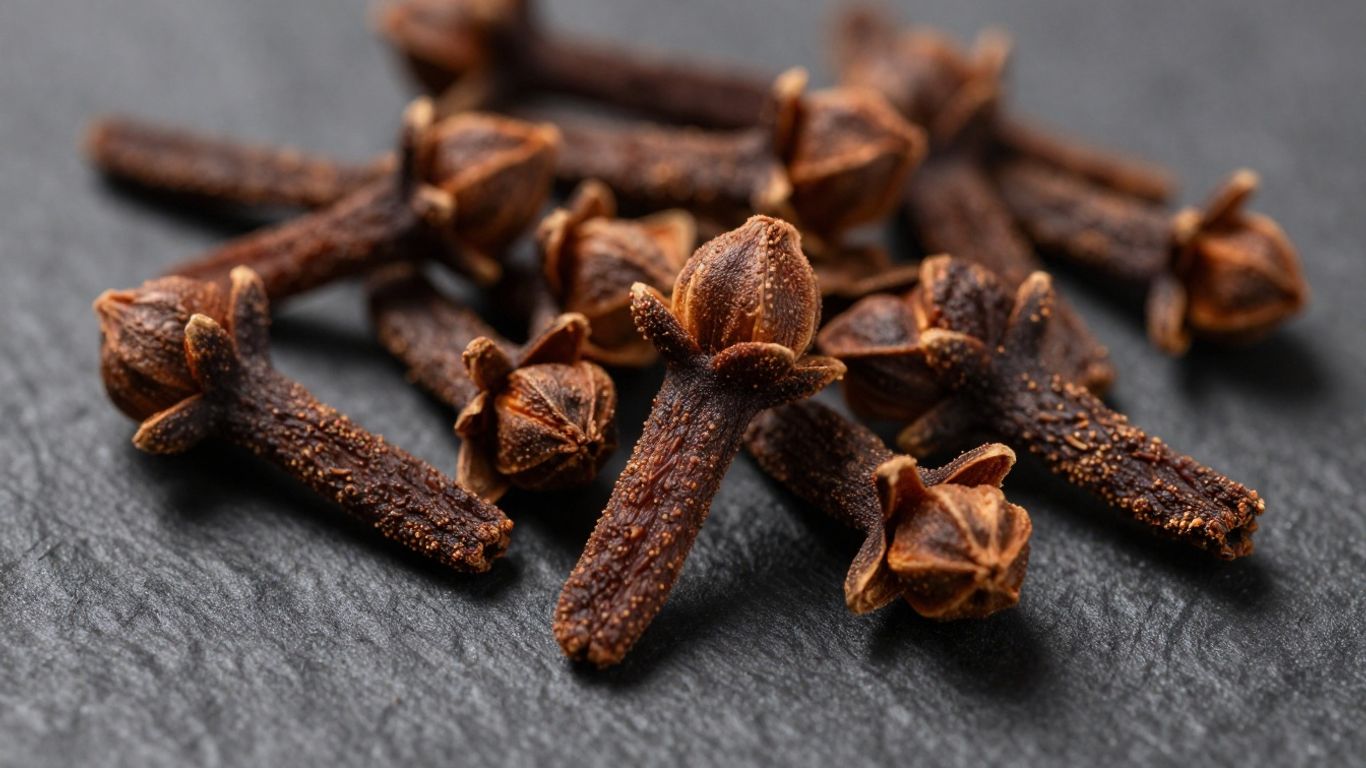
So, how exactly do these little spice buds help your hair grow? It's not just about smelling nice, you know. Cloves have a few tricks up their sleeve when it comes to encouraging your hair to get longer and stronger.
Stimulating Scalp Circulation For Follicle Nourishment
Think of your scalp as the soil for your hair. If the soil isn't getting enough water and nutrients, nothing good is going to grow, right? Cloves, particularly when used as an oil or in a water infusion, can create a warming sensation on your scalp. This isn't just a feeling; it actually helps to boost blood flow. Better circulation means more oxygen and nutrients are delivered right to your hair follicles. This improved nourishment is key for healthy hair development. It's like giving your hair roots a direct line to the good stuff they need to thrive. This increased blood flow is vital for hair growth, delivering those much-needed nutrients and oxygen directly to the hair follicles, promoting healthier hair development. improved blood flow
Activating Dormant Hair Follicles
Sometimes, hair follicles can become a bit lazy, or dormant. They're still there, but they're not actively producing hair. The compounds in cloves, like eugenol, are thought to have properties that can help wake these sleepy follicles up. By stimulating the scalp and providing a healthier environment, cloves might encourage these dormant follicles to start producing new hair strands again. It’s not a magic bullet, of course, but it can contribute to a fuller look over time.
Strengthening Hair Strands To Reduce Breakage
It's not just about new growth; keeping the hair you have strong is just as important. Cloves contain minerals like manganese, which is needed for making proteins like keratin – the building block of your hair. They also have antioxidants that protect your hair from damage. When your hair strands are stronger, they're less likely to break off. This means you retain more length and your hair looks healthier overall. Less breakage means your hair can grow longer without looking stringy or thin.
- Boosts nutrient delivery to follicles.
- May help 'wake up' inactive hair roots.
- Strengthens existing hair to prevent snapping.
While cloves offer promising benefits for hair growth, it's important to remember that results can vary. Consistency in your hair care routine is key to seeing any changes. Don't expect overnight miracles, but rather a gradual improvement with regular use.
Addressing Scalp Concerns With Clove
Sometimes, the biggest hurdles to healthy hair aren't the strands themselves, but what's happening on the scalp. It's like trying to grow a garden in rocky soil – not ideal, right? Well, cloves might just be the natural remedy we've been looking for to sort out some common scalp issues.
Combating Dandruff With Antifungal Properties
Dandruff can be a real nuisance, leaving you feeling self-conscious. The good news is that cloves have natural antifungal properties. These properties can help tackle the Malassezia fungus, a common culprit behind dandruff. By using clove-infused treatments, you're essentially giving your scalp a fighting chance against this persistent problem. It's not a magic bullet, but it can certainly help clear things up.
Soothing Itchy Scalp And Irritation
An itchy scalp is incredibly distracting and can make you want to scratch constantly. Cloves contain compounds that have anti-inflammatory effects. This means they can help calm down an irritated scalp, reducing that annoying itch and general discomfort. Applying a diluted clove solution or oil can bring a sense of relief. It's a gentler approach compared to harsh chemical treatments, offering a more natural way to find some peace.
Creating An Optimal Environment For Hair Health
Ultimately, a healthy scalp is the foundation for healthy hair growth. By addressing issues like dandruff and itchiness, cloves help create a more balanced and welcoming environment for your hair follicles. When your scalp is happy and healthy, your hair has a better chance to grow strong and thrive. Think of it as preparing the soil before planting seeds – it makes all the difference. Regular use of clove treatments can contribute to this healthier scalp ecosystem, potentially leading to better hair overall. Remember to always do a patch test before applying any new treatment to your scalp to check for sensitivities [53ed].
Here's a quick rundown of how cloves can help your scalp:
- Fights Fungal Issues: Helps combat the fungi that can cause dandruff.
- Reduces Inflammation: Calms down irritation and redness.
- Soothes Itching: Provides relief from that persistent, bothersome itch.
- Promotes Balance: Contributes to a healthier scalp environment for hair growth.
Enhancing Hair Appearance With Clove
Achieving Natural Shine and Luster
So, you've been hearing about cloves for hair, and maybe you're wondering if it can do more than just help with growth or scalp issues. Well, it turns out this little spice can also give your hair a bit of a glow-up. When you use clove-infused treatments, like a simple clove water rinse, you're not just nourishing your scalp; you're also working on the outside of your hair strands. The compounds in cloves can help smooth down the hair cuticle, which is that outer layer of your hair. When the cuticle is smooth and flat, light reflects off it better, making your hair look shinier and more vibrant. It’s like giving your hair a natural polish without any harsh chemicals.
Potential For Natural Hair Darkening
This is a really interesting one. Some people find that using clove regularly can subtly darken their hair over time. It's not like a dye, so don't expect a dramatic change overnight. Instead, it's more of a gradual deepening of your natural color. The exact mechanism isn't fully understood, but it's thought that the compounds in cloves might interact with your hair's pigment, giving it a richer, darker tone. If you have lighter hair and are looking for a subtle way to add depth, this could be something to explore. It’s a gentle approach compared to chemical dyes, which can sometimes be tough on your hair.
Improving Overall Hair Texture
Beyond shine and color, cloves can also make a difference in how your hair feels. Think smoother, softer, and less prone to that frizzy, rough texture. When the hair cuticle is sealed and healthy, hair strands are less likely to rub against each other in a way that causes frizz. Clove treatments can help with this by strengthening the hair shaft and improving its overall condition. This means less tangling, easier brushing, and a generally more manageable mane. It’s about making your hair feel as good as it looks.
Using clove for hair appearance isn't about drastic changes, but rather about bringing out your hair's natural best. It's a way to achieve a healthier look and feel through natural means, focusing on smoothing, enriching, and strengthening.
Here’s a quick look at what cloves can do for your hair's appearance:
- Boosts Shine: Helps smooth the hair cuticle for better light reflection.
- Adds Depth: May subtly darken hair over time, giving it a richer tone.
- Softens Texture: Contributes to smoother, less frizzy hair.
- Improves Manageability: Makes hair easier to brush and style.
- Strengthens Strands: Helps reduce breakage, contributing to a healthier overall look.
Incorporating Cloves Into Your Hair Care Routine
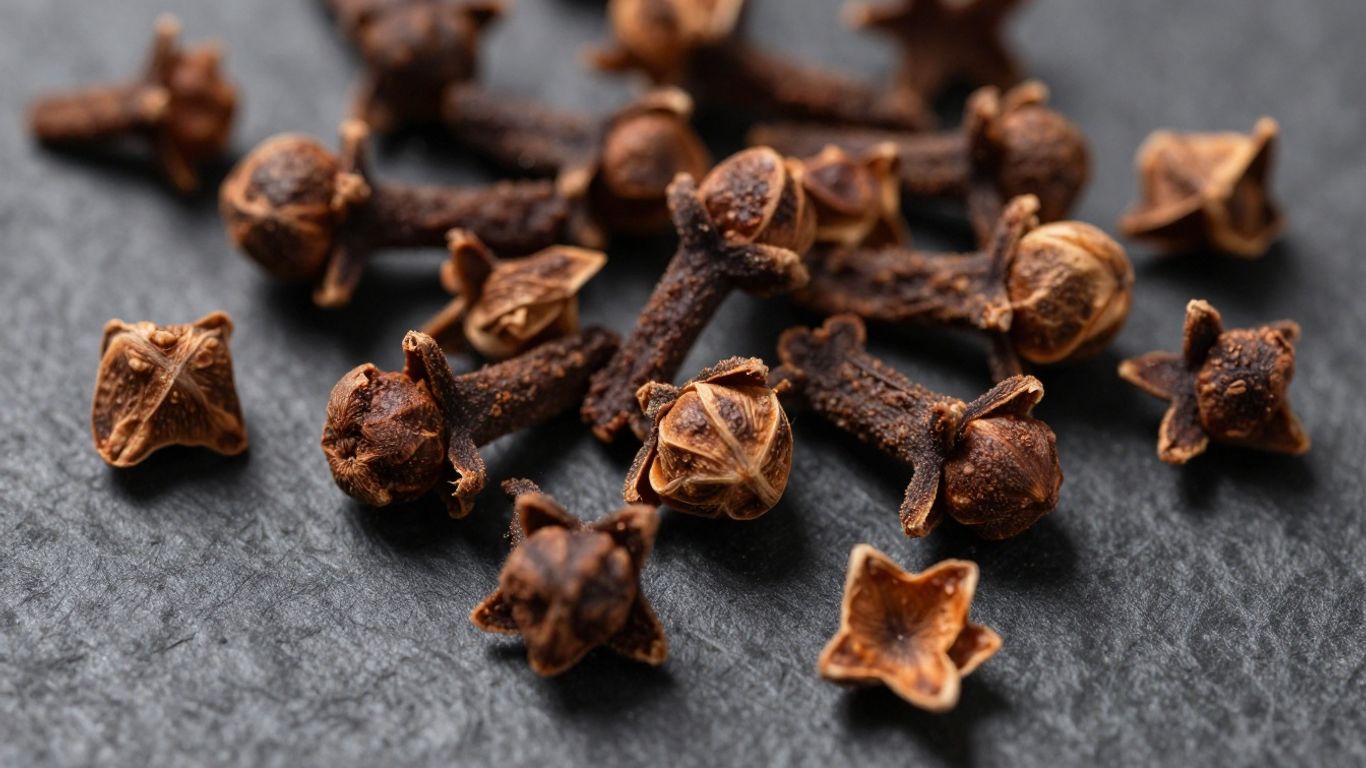
So, you're curious about giving cloves a try for your hair? That's great! It's actually pretty simple to start using them. You don't need fancy salon products; you can whip up some effective treatments right in your own kitchen. The key is to start slow and see how your hair and scalp react.
Crafting Your Own Clove Water
Making clove water is super easy and a fantastic way to get those beneficial compounds onto your scalp. It's like a natural toner for your hair.
Here’s a basic way to make it:
- Gather your supplies: You'll need whole or ground cloves and plain water. For equipment, a small pot, a strainer, and a clean jar with a lid will do.
- Boil the water: Heat up some water in your pot. You just need enough to cover the cloves you plan to use.
- Add the cloves: Once the water is simmering, toss in your cloves. A tablespoon or two is usually a good starting point for a small batch.
- Let it steep: Turn the heat down low and let the cloves bubble away gently for about 15-20 minutes. This lets all the good stuff seep into the water.
- Cool and strain: Let the mixture cool down completely. Then, strain out the cloves using your sieve and pour the liquid into your clean jar. Keep it in the fridge for a few days.
Utilizing Clove Oil for Scalp Massage
Clove oil is a more concentrated way to get the benefits. Just a few drops mixed with a carrier oil can make a big difference.
- Carrier Oils: Think coconut oil, jojoba oil, or almond oil. These help dilute the clove oil and make it easier to apply.
- Mixing: For every tablespoon of carrier oil, add just 2-3 drops of clove oil. Seriously, a little goes a long way!
- Application: Gently massage this mixture into your scalp. Focus on areas where you want to encourage growth or where you feel dryness.
- Leave-in time: You can leave it on for at least 30 minutes, or even overnight if you like, before washing your hair.
Applying Clove Water as a Hair Rinse
After you've washed your hair, using clove water as a final rinse can help seal the cuticle and add some shine.
- After shampooing: Once you've rinsed out your shampoo and conditioner, pour the prepared clove water over your hair and scalp.
- Gentle massage: Take a moment to massage it into your scalp.
- Rinse (or don't): You can either rinse it out with cool water or leave it in for extra benefits. Many people find leaving it in works well.
Remember, cloves are potent. It's always a good idea to do a small patch test on your skin before applying anything new to your entire scalp. This helps make sure you don't have any unexpected reactions. Start with using these methods once a week and see how your hair responds.
Understanding Clove's Role In Hair Health
So, we've talked about how cloves can help with dandruff and make your hair shiny, but what's really going on under the hood? It turns out, these little spice buds are more than just a flavor booster. They're packed with stuff that can actually make a difference for your scalp and strands.
The Science Behind Clove's Hair Benefits
At its core, clove's magic for hair comes down to a few key players. The most famous is probably eugenol, which is a big part of clove oil. Eugenol is known for being really good at fighting off inflammation and microbes. Think of it like a tiny bodyguard for your scalp, keeping it clean and calm so hair has a better chance to grow. Plus, cloves are loaded with antioxidants. These guys fight off damage from things like pollution and stress, which can really mess with your hair follicles. It's like giving your scalp a shield.
Potential Side Effects and Patch Testing
Now, while cloves sound pretty great, it's not all sunshine and roses. Because they're so potent, especially clove oil, they can sometimes be a bit too much for sensitive skin. You might get redness, itching, or even a rash if your skin reacts poorly. It's super important to do a patch test before you go slathering clove water or oil all over your head. Just dab a little bit on a small area of your skin, like behind your ear or on your inner arm, and wait 24 hours. If nothing bad happens, you're probably good to go. But if you notice any irritation, it's best to steer clear or dilute it way more.
Consistency For Visible Results
Like most things in life, you're not going to see amazing results overnight. Using clove for your hair is a marathon, not a sprint. You need to stick with it regularly to really notice a difference. Whether you're doing a weekly scalp massage with clove-infused oil or using clove water as a rinse a few times a week, consistency is key. It takes time for those nutrients to work their way in and for your scalp to benefit from the improved circulation and reduced inflammation. So, be patient, keep at it, and you'll likely see your hair thanking you for it down the line.
So, Are Cloves Really Good for Your Hair?
After looking into it, it seems like cloves really can do some good things for your hair. They've got these natural properties that might help with things like dandruff and even make your scalp feel healthier. Plus, some people say it helps their hair grow a bit better or look shinier. It’s not some magic potion, and results can be different for everyone, so don't expect overnight miracles. But if you're into natural remedies and want to try something new for your hair care routine, making your own clove water or using clove oil (after a patch test, of course!) could be worth a shot. Just remember, consistency is key with any natural treatment, and it's always a good idea to chat with a doctor or hair specialist if you have serious concerns.
Frequently Asked Questions
What makes cloves good for hair?
Cloves are like tiny powerhouses for your hair! They're full of stuff called antioxidants that fight off damage and keep your scalp healthy. They also have vitamins and minerals that help make your hair strong and grow better.
Can cloves help my hair grow faster?
Yes, they might! Cloves can help boost blood flow to your scalp, which is like giving your hair roots a good meal. This can wake up sleepy hair follicles and encourage new growth.
Will using cloves help with dandruff or an itchy scalp?
Definitely! Cloves have natural germ-fighting and calming properties. This means they can help get rid of the stuff that causes dandruff and soothe a scratchy, irritated scalp, making it a better place for hair to grow.
How can I use cloves for my hair?
You can make a simple 'clove water' by boiling cloves in water and then straining it. You can also mix a few drops of clove oil with a carrier oil like coconut oil and massage it into your scalp. After letting it sit, you can rinse it out or use the clove water as a final hair rinse.
Is there a risk of side effects when using cloves on my hair?
While cloves are natural, they can be strong. Some people might have a reaction or be sensitive to them. It's always a good idea to do a small 'patch test' on a tiny bit of skin first to make sure you don't have any problems before using it all over your scalp.
How long will it take to see results from using cloves for my hair?
Natural remedies often take time. You'll need to be patient and use cloves regularly for several weeks or even months to start seeing noticeable changes in your hair's health and growth.