

A guide to hair loss medication: safety, effectiveness, and what to expect
Key Takeaways
Starting a journey to address thinning hair requires understanding the scientific mechanisms behind therapeutic options and maintaining realistic expectations for results. This guide outlines how treatments work, what you should manage, and how to approach the financial aspects of care.
- Hair loss is often driven by hormonal sensitivity, specifically DHT in androgenetic alopecia.
- FDA-approved treatments primarily focus on either stimulating growth or inhibiting hormonal triggers.
- Combining medications with mechanical interventions can enhance overall efficacy for some patients.
- Consistency and long-term adherence remain the most critical factors for visible progress.
- Professional medical guidance is essential to differentiate between causes and select the right treatment.
Understanding how hair loss medication works
Addressing hair thinning effectively requires a clear understanding of the underlying biology. Rather than providing an instant correction, these treatments target the prolonged miniaturization of hair follicles over time. By using hair loss medication strategically, patients can often stabilize their condition provided they act before the follicle enters a dormant stage.
The role of DHT in androgenetic alopecia
Androgenetic alopecia, commonly known as pattern baldness, is primarily influenced by dihydrotestosterone (DHT). This hormone binds to hair follicles, causing them to shrink and produce thinner, shorter strands over successive growth cycles. When clinicians address DHT, they are effectively trying to slow the process that leads to follicle miniaturization and eventual scalp visibility.
How specific drugs disrupt the hair follicle cycle
Treatments typically intervene by either extending the growth phase of the follicles or preventing hormonal degradation. Some medications work by keeping follicles in the anagen phase longer, which improves the appearance of hair density. Researchers continue to explore recent hair loss breakthroughs to improve how these cycles are regulated through novel pharmacological pathways.
Differentiating between topical and oral delivery methods
Delivery mechanisms change how the body processes the active ingredients. Topical applications limit the exposure of the drug to the scalp surface, whereas oral medications distribute the effect systemically across the body. Physicians at VCU Health emphasize that the choice of delivery often depends on the type of hair loss diagnosed and the patient's specific health profile.
FDA-approved medications for hair thinning
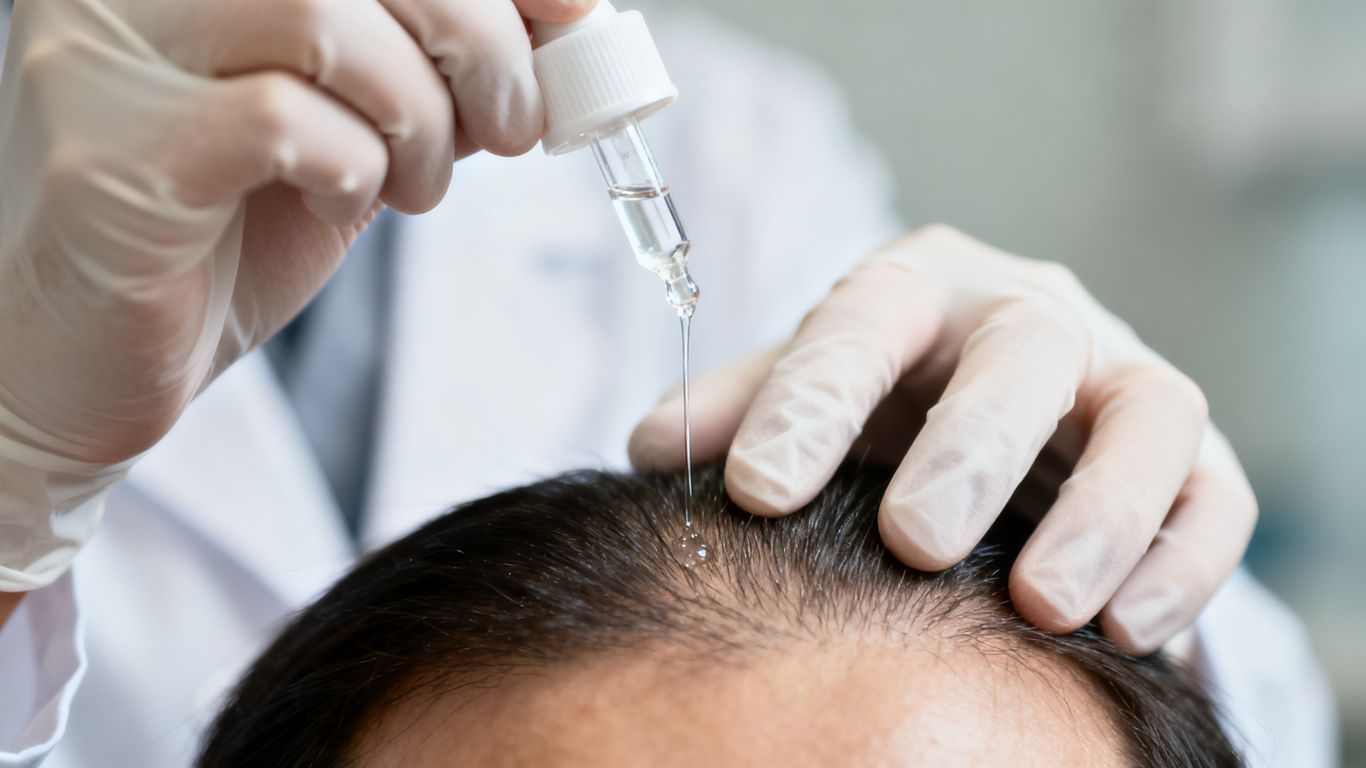
Selecting a scientifically validated approach is crucial for safety and predictable outcomes. While many products flood the market, relying on substances that have undergone clinical testing is paramount. The American Hair Loss Association cautions against wasting time on unproven remedies when evidence-based options have established track records.
Minoxidil: mechanics and clinical application
Topical Minoxidil is widely known for its ability to dilate blood vessels and stimulate blood flow to follicles. By increasing the supply of oxygen and nutrients, it encourages a more robust growth phase, essentially waking up follicles that were slowing down. Patients may observe an initial period of shedding, which often signals a reset of the hair production cycle rather than an adverse reaction.
Finasteride: benefits for androgenetic alopecia
As a 5-alpha reductase inhibitor, Finasteride works by blocking the enzyme responsible for converting testosterone into DHT. This reduction in scalp DHT levels effectively stops further miniaturization in men specifically struggling with hair thinning. It is a cornerstone of modern hormonal management, provided it is used under supervision to monitor for systemic changes.
Dutasteride: off-label use and clinical research
While not initially granted the same type of FDA-labeling for hair loss as others, Dutasteride is frequently studied for its ability to block multiple forms of the 5-alpha reductase enzyme. Researchers are examining how its enhanced potency might benefit patients who do not respond adequately to standard treatments. It remains a focused area of clinical enquiry for those seeking alternative hormonal suppression.
Potential side effects and risk management
Managing treatment effectively requires proactive observation of how your body reacts to daily dosages. While most users tolerate these protocols without severe issues, awareness of potential dermatological and systemic changes is part of a responsible health regimen. If you ever feel concerned about persistent issues, always refer to a professional.
Common dermatological reactions to topical treatments
Topical solutions, while generally safe, can occasionally impact the skin barrier. Common reactions often include mild inflammation or dryness, typically localized to the application area. To monitor your own progress, consider tracking these symptoms against your usage habits.
| Symptom Type | Typical Manifestation | Recommended Action |
|---|---|---|
| Localized Redness | Minor scalp irritation | Reduce application frequency |
| Dryness | Flaking near site | Use gentle, moisturizing shampoos |
| Itching | Pruritus on scalp | Consult a pharmacist about fillers |
Understanding systemic hormonal impacts
Because systemic medications interact with internal pathways, they may influence more than just the scalp. Patients are often advised to track changes in mood or physical energy levels when beginning hormone-modulating drugs. This helps ensure that the treatment remains aimed at hair health without disrupting other bodily systems unnecessarily.
When to discontinue use and consult a physician
There are clear red flags that indicate a need to stop a protocol immediately. These include severe allergic reactions, unexplained systemic physical pain, or a deviation from the expected physiological response described by a specialist. Maintaining a consistent and medically monitored routine is the best defense against long-term complications.
Combining medications with other hair loss therapies
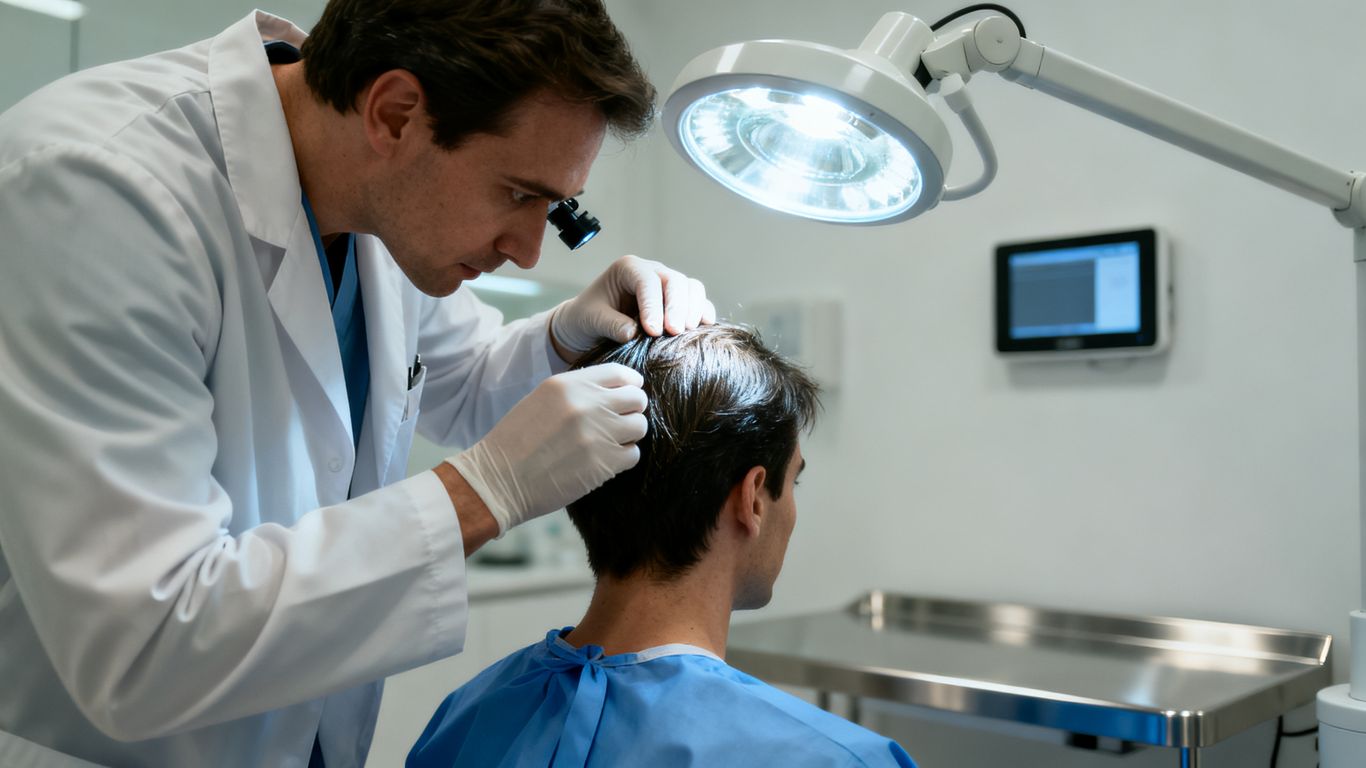
Many patients choose to create a multimodal environment for their hair health. By layering treatments, some see improved results, though coordination is key to avoiding over-treating the delicate scalp skin. It is recommended to follow a structured sequence when introducing new therapy components to see what works best.
Synergistic effects of microneedling and minoxidil
Combining physical exfoliation with topical growth stimulants is an evolving area of interest. Microneedling relies on creating micro-injuries to promote natural healing, while the medication is applied to take advantage of potentially increased absorption. This combination should be pursued cautiously.
Multimodal treatment plans with platelet-rich plasma
Adding plasma-based injections into a broader strategy can provide a concentrated dose of growth factors. Many practitioners use this as an adjunct to standard drug therapy to support the follicular structures externally. The typical treatment approach benefits from clear tracking to ensure that individual patient goals are met.
- Assess the baseline follicle density in regular clinical visits.
- Integrate each new therapy one at a time to track reactions.
- Review the overall scalp health before adding new chemical agents.
- Monitor for any signs of skin sensitivity or rebound thinning.
Low-level laser therapy alongside drug protocols
Light-based devices offer a non-invasive way to facilitate cell metabolism in the scalp. Many patients use these devices in their own homes, believing they add another layer of safety and stimulation alongside traditional pharmacological interventions. It serves as a gentle addition to traditional routines that focus on chemical prevention.
Factors to consider before starting a regimen
Before you commit, take the time to evaluate the root cause of your specific hair thinning. Hair loss is rarely one-dimensional, and understanding the diagnostic landscape prevents wasted resources. Establishing a realistic outlook early on will help you manage your own expectations.
Determining the root cause of hair loss
Different types of alopecia require different intervention strategies. Whether it revolves around hormonal shifts, genetic predispositions, or environmental stressors, a diagnosis is the bedrock of your plan. Working with a specialist helps distinguish which therapies apply to your hair architecture.
Realistic timelines for visible hair growth
Growth cycles of hair are notoriously slow, often taking months to show any measurable density changes. It is a mistake to interpret a lack of change after four weeks as a product failure. Most medications take three to six months to show the first signs of stabilization or new growth, rewarding the patient's patience.
The importance of consistency and long-term adherence
Stopping treatment often leads to a reversion of previous progress, as the underlying condition typically remains active. Adherence is not merely a task but a lifestyle choice that sustains the follicular health already gained. Many patients find success by incorporating these rituals into their existing evening grooming cycle.
Navigating insurance and cost considerations
Financial planning for hair health is often overlooked, leading to abrupt stops in treatment. Understanding the market for these medications helps in finding sustainable paths forward that maintain your budget alongside your health goals.
Comparing generic versus brand-name medications
Generic versions of established medications contain the same active ingredients as their branded counterparts. They offer a significant pathway to affordability without compromising the efficacy of the treatment. Many pharmacies provide these as standard options.
Insurance coverage for cosmetic versus medical necessity
Insurance providers frequently categorize hair loss treatments as cosmetic, which can exclude them from coverage. It is vital to check your specific plan details to see if your condition is classified as medically necessary. Understanding this distinction early saves time attempting to pursue claims that will be denied.
Subscription-based platforms and pharmacy savings programs
Digital health platforms have streamlined access to prescriptions and long-term care management. These subscription models often simplify the process of ensuring you never miss a dose. Additionally, many local pharmacies offer loyalty cards that reduce costs if you bring in physical prescriptions from a doctor.
Conclusion
Managing hair loss through evidence-based treatments is a nuanced process that demands patience and professional oversight. By focusing on root causes rather than temporary fixes, patients can better manage their expectations and sustain progress over time. Integrating these therapies safely into your life, while maintaining clear communication with your medical team, ensures that you are making an informed path toward long-term stabilization and confidence.
Frequently Asked Questions
Is it possible to reverse hair loss permanently?
Most treatments work by maintaining the hair you currently have and stimulating existing follicles rather than creating entirely new ones where none existed. If you discontinue therapy, the underlying causes of thinning generally resume their course, meaning treatment is typically a lifelong commitment to stay effective.
Are there natural ways to treat thinning hair?
While some lifestyle shifts like improving nutrition and reducing scalp stress help maintain general follicle health, they rarely address the hormonal causes of pattern baldness with the same precision as clinical treatments. It is best to consult with a professional to see if natural approaches are sufficient for your specific hair loss profile.
Can hair loss products be used safely during pregnancy?
Many common hair loss medications are strictly contraindicated for those who are pregnant or trying to conceive due to their potential impact on hormonal development. Always discuss your long-term family planning with a physician before starting any new pharmacological regimen.
Does stress actually cause permanent hair thinning?
Stress can trigger temporary shedding periods related to systemic hormonal spikes, but this is often distinct from permanent genetic hair loss. This condition is usually recoverable once the source of stress is removed, though prolonged stress can complicate the underlying health of the scalp.
How often should I monitor for side effects?
Initial monitoring should be daily when checking for dermatological reactions, shifting to a monthly check-in for systemic changes. If you notice any drastic changes in how you feel physically, consult a professional immediately regardless of where you are in your treatment schedule.
Why do some people experience shedding after starting treatment?
This is often an anticipated part of the follicular cycle reset. As the medication encourages the follicle to enter a new growth phase, it pushes out older, thinner hair to make room for stronger strands. This is usually transient and a sign that the medication is affecting your hair growth cycle.
Can I mix multiple oral medications together?
Combining multiple hormonal agents should only be done under the strict guidance of a prescribing doctor. Interacting drugs can lead to unpredictable outcomes or increased risk of systemic side effects, so never self-prescribe or stack medications without an expert's review of your full health profile.