

A complete guide to hair loss treatment: Options and clinical approaches
Key Takeaways
Addressing hair loss requires a clear understanding of its underlying biological triggers and the current medical landscape for restoration. Recognizing that various interventions work best when combined allows for a comprehensive approach to follicular health.
- Genetic predisposition remains the primary driver for androgenetic alopecia in both men and women.
- Effective management relies on a combination of medical therapies and early clinical intervention.
- Over-the-counter options like minoxidil are foundational, though results vary by individual.
- Lifestyle choices and stress management support the physiological environment necessary for hair growth.
- Regular consultation with a dermatologist is essential to navigate complex treatment protocols successfully.
Understanding the causes of hair loss
A dermatologist can identify specific features that help distinguish one type of alopecia from another during an accurate diagnostic evaluation. Understanding hair loss treatment involves looking at genetics, hormonal fluctuations, and environmental stressors that influence follicle activity over time.
Genetic factors and androgenetic alopecia
Genetic influence often dictates the pattern and severity of hair thinning, particularly in cases involving androgen-sensitive follicles. When these follicles are programmed to miniaturize, they produce thinner, shorter strands until growth effectively ceases in those specific areas.
Environmental and nutritional influences
External factors, including extreme weather or chemical exposure, can compromise the integrity of the hair shaft and scalp health. Similarly, systemic health often reflects on the hair, as follicles require consistent nutrient delivery to sustain a healthy cycle of growth.
Stress-induced hair shedding and hormonal shifts
Significant systemic stress or acute metabolic changes often trigger telogen effluvium, resulting in temporary but noticeable shedding. This reaction reflects how hormones like cortisol can disrupt the normal synchronization of the follicle lifecycle, often causing a massive transition into the resting phase.
Over-the-counter topical treatments
Effective maintenance of scalp health involves addressing localized inflammation and providing the follicular bed with necessary stimulation. Balancing these treatments with a realistic approach ensures users maintain consistent application schedules throughout their regimen.

Efficacy of minoxidil formulations
Minoxidil remains a gold standard in non-prescription therapy, primarily by increasing blood flow to depleted follicles. Many patients utilize this molecule to stabilize existing hair, slowing down the miniaturization process significantly while promoting a modest increase in shaft diameter.
Role of scalp care and follicle health
Maintaining a clean, balanced scalp environment creates a better foundation for penetration of active substances. Regular cleansing helps prevent the buildup of oils and cellular debris that could potentially impede the effectiveness of topical applications over time.
Analyzing natural oils and dietary supplements
Consumers often turn to castor or rosemary oils in an attempt to stimulate local circulation and provide beneficial antioxidants. While these additions are popular, they are best viewed as complementary items to a core routine rather than primary curative agents.
Prescription medications for hair regrowth
Medical interventions typically target the hormonal pathway that contributes to follicle sensitivity rather than treating symptoms alone. These protocols require professional oversight to manage risks and long-term expectations for result maintenance.
| Medication Type | Primary Mechanism | Clinical Focus |
|---|---|---|
| 5-Alpha Inhibitors | Reduced DHT conversion | Follicle preservation |
| Oral Minoxidil | Systemic hair stimulation | Density expansion |
| Spironolactone | Androgen receptor blockade | Hormone regulation |
Mechanism of 5-alpha-reductase inhibitors
These medications interrupt the production of dihydrotestosterone, a potent androgen known to damage susceptible follicles in genetically predisposed individuals. By limiting the circulating levels of this hormone, the medication allows threatened follicles to regain structural size and function.
Managing potential systemic side effects
Patients must remain vigilant about any changes in systemic health when introducing hormonal inhibitors to their daily regimen. Regular check-ups with a physician ensure that hormone markers remain stable while the patient continues treatment for male-pattern baldness at home.
Long-term maintenance and adherence strategies
Hair maintenance is a lifelong commitment because follicles revert to their previous state if the medication is withdrawn. Establishing habits such as using Power BI RLS principles to track medical appointments and refill schedules helps patients stay consistent with their long-term health objectives.
Clinical and procedural interventions
When standard topical and oral treatments yield limited results, many people investigate procedural approaches to regenerate volume. These treatments are best performed by experienced practitioners who can tailor the approach to individual scalp topography.
Platelet-rich plasma (PRP) therapy
PRP utilizes concentrated growth factors derived from the patient's own blood to stimulate dormant follicles. This concentrated biological support can encourage natural regrowth patterns when the scalp tissue shows signs of thinning but has not completely lost follicular density.
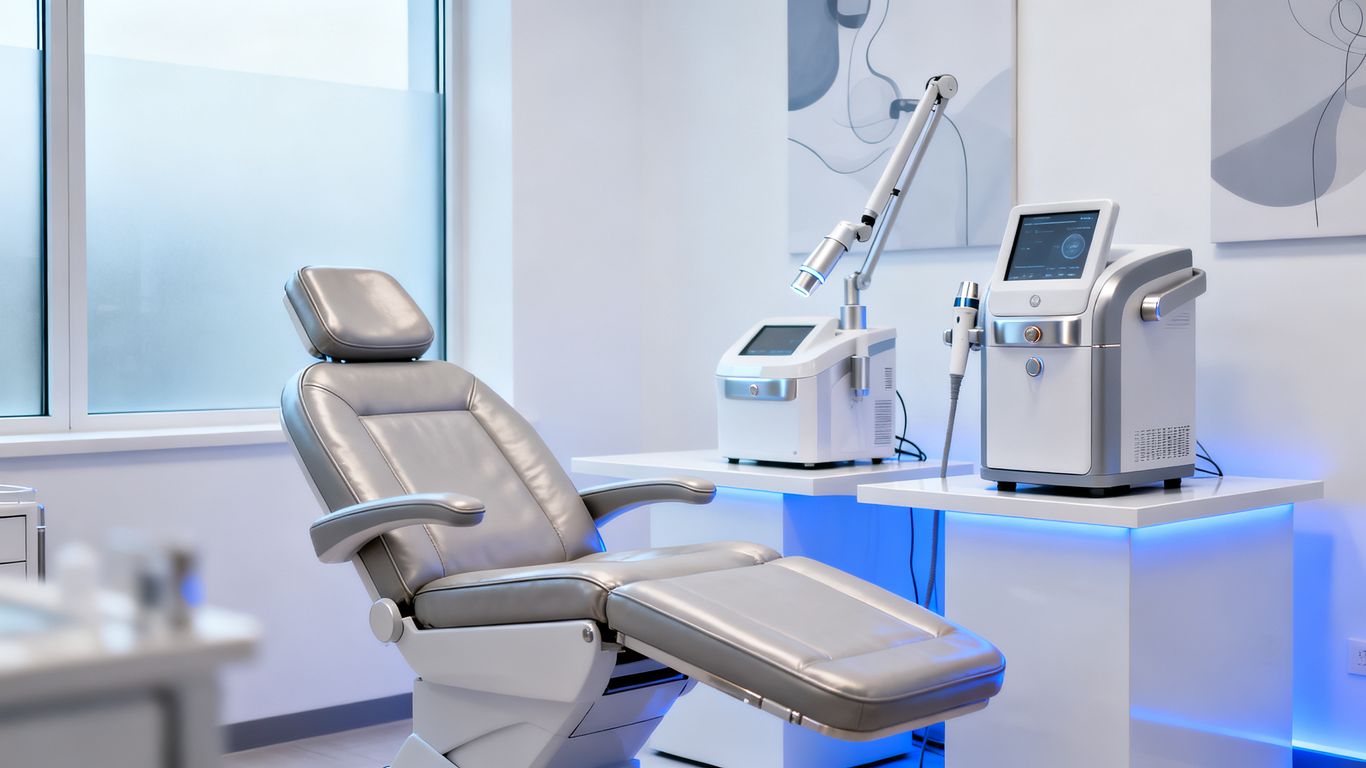
Low-level laser therapy (LLLT) devices
These devices operate on the theory that concentrated light wavelengths can energize cellular processes within the hair bulb. Consistent use can lead to improved density during the active growth phase, provided the device reaches the scalp with sufficient intensity.
Surgical hair restoration and transplantation
Modern transplantation techniques involve moving healthy, DHT-resistant follicles from the back of the scalp to thinned areas in the front or crown. This permanent surgical solution is the most effective way to restore a natural hairline for those whose hair loss specialists have confirmed they have sufficient donor supply.
Lifestyle and dietary adjustments
Total scalp health requires looking at the body as a whole system that demands specific raw materials to maintain hair integrity. These holistic changes provide the best environment for any medical treatment to perform at its peak capacity.
Nutrient-dense diets for follicle support
Diets rich in biotin, iron, protein, and essential fatty acids are necessary to provide the building blocks for new hair synthesis. Addressing nutritional deficiencies, such as low ferritin or vitamin D levels, often reveals marked improvements in shedding speed.
Impact of scalp massage on local circulation
Consistent scalp stimulation through gentle massage may help improve capillary micro-circulation to the underlying dermal layers. This simple tactic improves skin suppleness and might help remove tension that contributes to poor hair quality over time.
Managing chronic stress for hair health
Chronic stress cycles often create high levels of systemic inflammation that directly affect the hair growth cycle. Adopting stress management tools can mitigate the cortisol surges that frequently result in premature hair falling during the washing or brushing process.
Evaluating your personal treatment plan
Monitoring regrowth requires a disciplined approach to documentation and periodic re-evaluation of treatment goals. Adjusting protocols early ensures the best outcome when addressing complex or multi-faceted hair thinning conditions.
When to consult a board-certified dermatologist
Any sudden changes or patchy growth patterns demand a visit to a dermatology specialist for a clinical diagnosis. Ruling out underlying autoimmune or fungal conditions is fundamental before beginning a long-term pharmacologic regimen.
Setting realistic expectations for hair regrowth
Most medical therapies for hair loss require at least six to twelve months of daily adherence before visible changes are observed. Understanding that the goal is often retention, rather than full replacement of every lost follicle, keeps patients consistent with their care.
Monitoring progress and adjusting your protocol
Tracking progress through consistent photography under the same lighting conditions provides objective evidence of success or failure. If results plateau, a clinician might suggest adding DFS strategy considerations for diversifying your treatment combinations while monitoring systemic health markers.
Conclusion
Navigating the journey to restore hair density involves balancing scientific innovation with consistent daily habits and professional guidance. By focusing on evidence-based therapies and adjusting individual protocols when needed, most people find a sustainable method to preserve their remaining hair while promoting a better growth environment for the future.
Frequently Asked Questions
Can hair loss be completely reversed?
While some follicles can be stimulated to regrow, non-scarring hair loss usually requires ongoing maintenance rather than a one-time cure.
Are there natural alternatives to minoxidil?
Some oils and supplements support scalp health, but they lack the heavy clinical evidence backing FDA-approved treatments for halting hair loss.
How soon will I see results?
Most medical treatments require a minimum of several months of continuous use before any noticeable difference in volume appears.
Does aggressive washing cause hair loss?
Gentle washing does not cause loss, though harsh handling of weakened hair can lead to mechanical breakage during the daily routine.
Do vitamins really make a difference?
Supplements are beneficial only if you have a documented deficiency that is impacting your follicle health at a systemic level.
Is hair transplant surgery permanent?
Yes, because transplanted follicles are typically taken from DHT-resistant zones, they retain that resistance even in their new scalp location.
How do I know if my loss is genetic?
Genetic loss typically presents as a predictable pattern, such as a receding hairline or thinning crown, rather than sudden, diffuse shedding.
Advertising Options
For those interested in Google Shopping campaigns for health products, ensure that all claims made in your advertisements are supported by peer-reviewed research and current medical standards to maintain consumer trust.